- English
- French
- German
- Portuguese
- Spanish
- Russian
- Japanese
- Korean
- Arabic
- Greek
- German
- Turkish
- Italian
- Danish
- Romanian
- Indonesian
- Czech
- Afrikaans
- Swedish
- Polish
- Basque
- Catalan
- Esperanto
- Hindi
- Lao
- Albanian
- Amharic
- Armenian
- Azerbaijani
- Belarusian
- Bengali
- Bosnian
- Bulgarian
- Cebuano
- Chichewa
- Corsican
- Croatian
- Dutch
- Estonian
- Filipino
- Finnish
- Frisian
- Galician
- Georgian
- Gujarati
- Haitian
- Hausa
- Hawaiian
- Hebrew
- Hmong
- Hungarian
- Icelandic
- Igbo
- Javanese
- Kannada
- Kazakh
- Khmer
- Kurdish
- Kyrgyz
- Latin
- Latvian
- Lithuanian
- Luxembou..
- Macedonian
- Malagasy
- Malay
- Malayalam
- Maltese
- Maori
- Marathi
- Mongolian
- Burmese
- Nepali
- Norwegian
- Pashto
- Persian
- Punjabi
- Serbian
- Sesotho
- Sinhala
- Slovak
- Slovenian
- Somali
- Samoan
- Scots Gaelic
- Shona
- Sindhi
- Sundanese
- Swahili
- Tajik
- Tamil
- Telugu
- Thai
- Ukrainian
- Urdu
- Uzbek
- Vietnamese
- Welsh
- Xhosa
- Yiddish
- Yoruba
- Zulu
Industrial Warehouse Steel Structure: The Backbone of Modern Warehousing
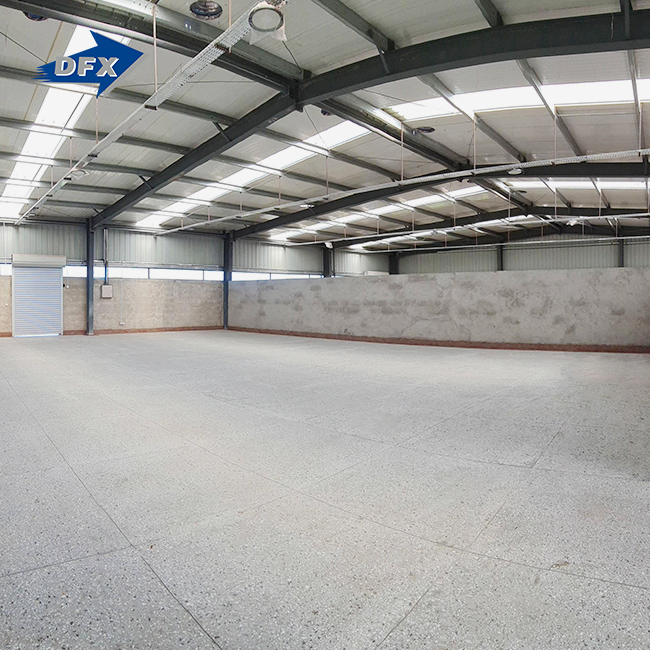
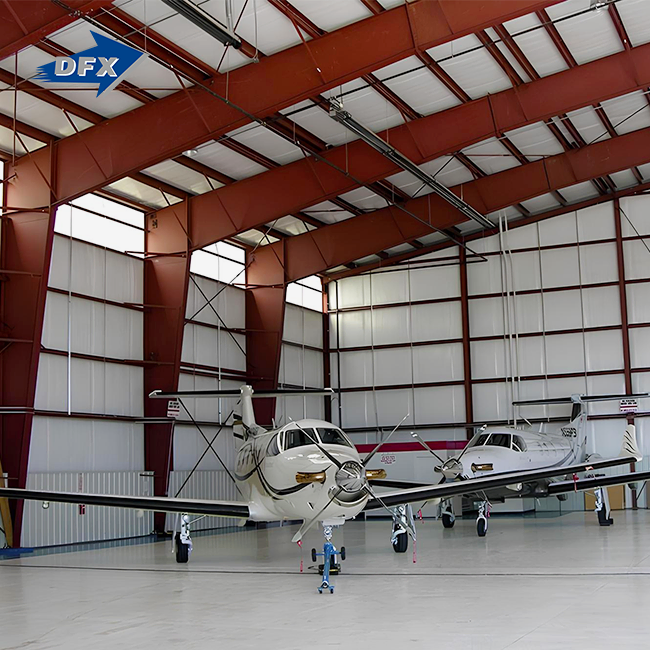
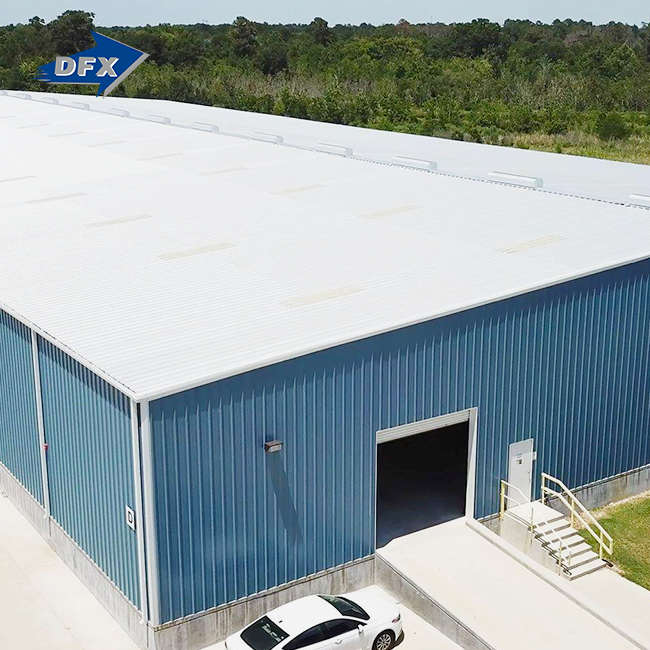
For modern transportation and delivery operations, an industrial warehouse steel frame, or industrial warehouse steel structure, is the best way to build storage facilities that work well and are reliable. These designed frames are made of high-strength steel parts that are put together in a modular, premade way. They are very durable and flexible. Steel buildings have become the standard in the industry because they can support big open areas, carry heavy loads, and easily change to meet the changing needs of today's competitive market.

Introduction
For modern warehouses to work, the infrastructure needs to be able to adapt quickly to changes in the supply chain and rising storage needs. Industrial building steel structures are the basis for shipping operations all over the world. They are strong, flexible, and long-lasting, so they can handle any problems that come up. Compared to traditional building methods, steel construction has many benefits, such as short deployment times, higher cost-effectiveness throughout the building's lifetime, and real green credentials that match companies' environmental promises.
When building new storage sites or growing current businesses, procurement managers, project engineers, and company owners are becoming more aware of these strategic benefits. Steel buildings are popular with construction companies, manufacturing companies, and transportation workers because they can be used in a variety of ways, can hold big equipment like bridge cranes, and can be expanded as the business grows. Knowing how these buildings work and what makes them better helps people make smart investments in infrastructure that will really help them reach their long-term business goals.
Understanding Industrial Warehouse Steel Structures
Core Components and Engineering Principles
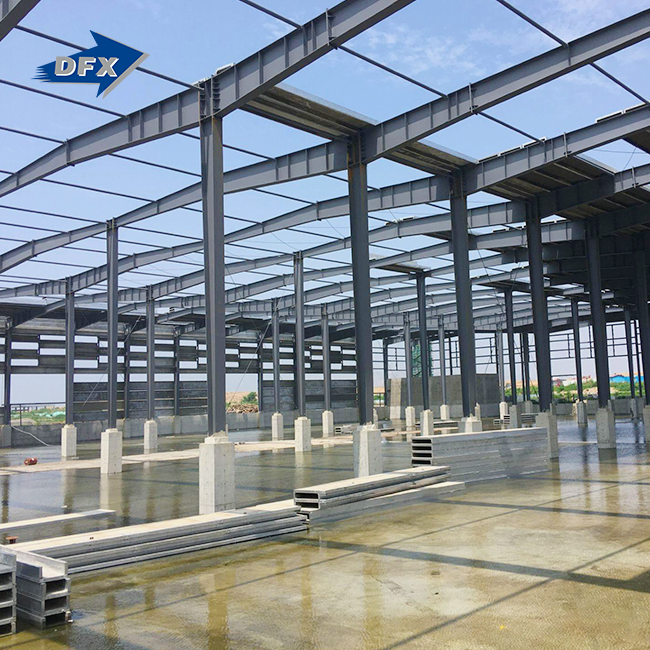
A steel warehouse building is made up of carefully planned frameworks made of strong steel parts such as H-beams, I-beams, rigid frames, trusses, columns, and smaller parts like galvanized C/Z purlins. When put together, these parts make safe frames that can handle big things like roofs, tools, and wind and snow. A high-tensile steel with a yield strength of more than 345 MPa is often used to make the main steel frame. This makes sure that the building stays strong even in tough factory conditions.
Load lines, stress distribution, and link details have to be carefully calculated in order for these buildings to be built. Frame parts are joined together with welded or bolted joints, and support systems keep the structure stable against wind and earthquakes. With this advanced design method, warehouses can have clear spans of more than 30 meters without using any middle beams. This makes the most of the floor space that can be used and the ease with which forklifts can move around the building.
Structural Configurations for Different Applications
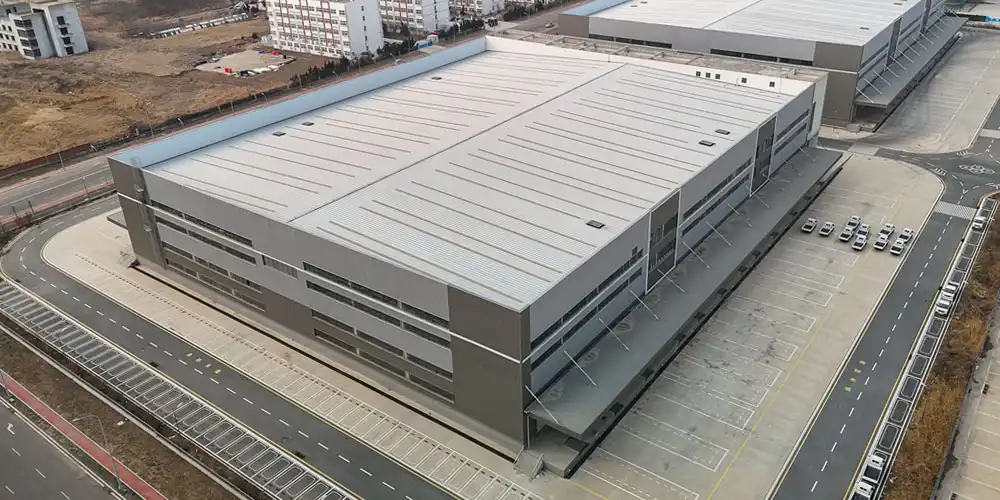
For different warehouse tasks, different structure arrangements are needed. Single-span designs work well in smaller delivery centers that want to keep things simple and low-cost. Larger sites that need separate storage areas or temperature-controlled areas within the same building shell can use multi-span structures. By adding middle floor levels, mezzanine layouts make the room workable twice as much, which can be used for offices, light assembly work, or order picking without making the building larger.
When people who work in buying know about these differences, they can pick solutions that fit capacity needs, business processes, and the chance of growth in the future correctly. Because premade steel parts are made up of different pieces, buildings can be stretched out longer or bigger without changing how stable they are. In the event that their needs change, this gives them real freedom.
Benefits of Steel Structure Warehouses for Industrial Use
Superior Strength and Longevity
Specific properties of structural steel industrial warehouse steel structures make them clearly better than other building materials. Superior strength-to-weight ratios make steel frames able to hold big loads while needing smaller foundations than concrete buildings. Having this physical property directly translates to lower costs during site preparation and foundation work. This is especially helpful when building on difficult land or in places where deep pilings are needed.
Maintaining steel buildings properly makes them last 30 to 50 years or longer, which is longer than wood structures that break down from bugs and water and as long as concrete structures for a lower initial investment. It is also better for building in areas prone to earthquakes because steel frames are flexible and absorb energy through controlled bending instead of catastrophic breaking.
Accelerated Construction Timelines
When building a business, time and costs are closely linked. Using pre-made steel systems cuts project plans by a lot compared to the old ways of doing things. The total time needed for construction is cut by 30 to 50 percent when building parts are made in controlled workshops while work areas are being prepared at the same time. Companies can start making money from their new buildings months before they would be able to with normal building ways if they use this parallel process.
Setting up parts that have already been made on-site requires fewer skilled workers, and bad weather doesn't affect the work as much. It saves money on pay and changes to plans. Building with bolts lets smaller groups quickly put up structures, which lowers the risk of damage to the spot and to the workers. Predictable modular building is very helpful for project managers who need to keep a lot of workers on track and meet tight deadlines.
Environmental and Economic Sustainability
Steel is one of the most useful building materials you can find. It can be remade fully when a building is no longer needed and contains a lot of recyclable content. Companies can meet their environmental goals with this closed-loop material cycle, which also helps green building standards like LEED. Energy-efficient insulated sandwich walls and smart air design lower the warehouse's heating and cooling needs over its lifetime, which further reduces its real carbon footprint.
Buildings that are well taken care of need less maintenance, their insurance rates go down because they are less likely to catch fire, and they can be changed to fit different needs, which makes them last longer. If you can change the layout of rooms, add cranes, or make more storage space without having to completely rebuild, a capital investment will keep its value over many years as the needs of the business change.
Building Your Steel Structure Warehouse: Process & Best Practices
Planning and Engineering Phase
Successful warehouse projects begin with thorough planning that defines operational requirements, site conditions, and regulatory compliance needs. This phase involves detailed engineering calculations accounting for design loads, including dead loads from the structure itself; live loads from stored materials and equipment; wind loads based on local climate data; and snow loads for northern regions. Seismic considerations become crucial in active earthquake zones, requiring enhanced bracing and connection details to meet Zone 4 or Grade 8 resistance standards.
Site geotechnical investigations determine soil bearing capacity, informing foundation design that must resist both downward compression forces and wind-induced uplift. Anchor bolt specifications, embedment depths, and foundation dimensions emerge from these calculations, ensuring stable performance throughout the building's service life. Experienced structural engineers coordinate these technical requirements with architectural needs, creating integrated designs that balance safety, functionality, and budget constraints.
Fabrication and Quality Control
Manufacturing warehouse components in specialized steel fabrication facilities (industrial warehouse steel structures) ensures consistent quality and dimensional accuracy difficult to achieve with field construction. Advanced production equipment, including automatic welded H-beam lines, produces primary structural members to precise specifications, while cold-forming machinery creates secondary C/Z purlins with uniform cross-sections. Quality management systems certified to ISO 9001 standards govern every production step from material inspection through final protective coating application.
Anti-corrosion treatment represents a critical fabrication stage directly impacting long-term durability. Hot-dip galvanizing applies protective zinc coatings averaging 85 microns in thickness, providing decades of rust protection in harsh environments. Alternatively, multi-layer paint systems using zinc-rich epoxy primers and polyurethane topcoats deliver comparable protection with different aesthetic options. The choice between treatments depends on local corrosivity categories, budget considerations, and maintenance preferences.
On-Site Assembly and Erection
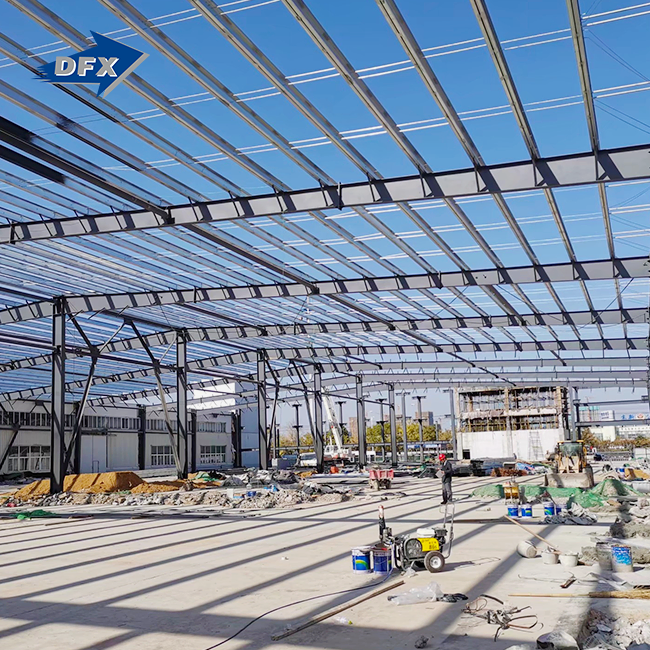
Field erection transforms fabricated components into functional buildings through systematic assembly following engineered connection details. Work crews position anchor bolts precisely during foundation pour, creating accurate mounting points for column base plates. Crane operations lift main frame assemblies into position, with installation teams securing bolted connections to design torque specifications. This methodical process continues through secondary purlins, roof and wall cladding, and accessory components like doors and ventilation equipment.
Common construction challenges include managing thermal expansion effects through proper joint design, ensuring weather-tight envelope performance, and coordinating utility installations with structural elements. Best practices involve staged inspections at critical milestones, adherence to AWS D1.1 structural welding codes when field welding becomes necessary, and comprehensive documentation of as-built conditions. Preventive maintenance planning should begin during construction, establishing schedules for coating inspections, fastener tightness checks, and drainage system clearing that preserve structural integrity across decades.
Comparing Steel Structure Warehouses With Other Building Types
Steel Versus Concrete Construction
Concrete warehouses offer excellent fire resistance and thermal mass benefits, maintaining stable interior temperatures with less insulation. However, concrete construction requires extensive formwork, longer curing periods, and weather-dependent scheduling that extends project timelines significantly. The material inflexibility of concrete also makes future modifications costly and disruptive, limiting adaptability as business needs evolve.
Steel construction counters these limitations with rapid erection, easier expansion capabilities, and superior clear-span potential that eliminates interior columns obstructing material handling flows. While steel requires fire protection coatings in some applications, intumescent paints provide effective thermal insulation during fire events, expanding when heated to protect structural members and maintain evacuation safety. The weight advantage of steel also reduces foundation requirements, often offsetting material cost differences through lower sitework expenses.
Advantages Over Wood and Alternative Materials
Wood-frame warehouses suit small-scale storage needs but lack the strength for industrial equipment loads, crane support, or large clear spans essential for efficient logistics operations. Susceptibility to moisture damage, insect infestation, and fire hazards limits wood warehouse applications and increases insurance costs. Aluminum structures provide corrosion resistance but sacrifice strength and rigidity, making them impractical for substantial storage buildings requiring robust load-bearing capacity.
Prefabricated steel industrial warehouse steel structures combine the best attributes: strength supporting heavy industrial uses; corrosion resistance through protective treatments; fire safety through proper coatings; and design flexibility accommodating diverse operational requirements. This comprehensive performance profile explains why major logistics operators, manufacturing companies, and institutional buyers consistently specify steel industrial warehouse steel structures for mission-critical warehousing infrastructure.
Conclusion
Industrial warehouse steel structures represent intelligent infrastructure investments for businesses requiring reliable, flexible, and cost-effective storage solutions. The combination of rapid construction, exceptional durability, operational adaptability, and environmental sustainability makes steel warehouses the clear choice for modern logistics and manufacturing operations. Understanding structural fundamentals, recognizing performance advantages, and selecting qualified manufacturing partners positions procurement professionals to deliver projects that exceed operational expectations while respecting budget realities. As supply chain demands continue intensifying, steel warehouse infrastructure provides the solid foundation businesses need for competitive success.
FAQ
1. How long do steel structure warehouses typically last?
Properly designed and maintained steel warehouses reliably serve operational needs for 30 to 50 years or longer, often exceeding the service life of alternative building types. Longevity depends significantly on initial corrosion protection quality and ongoing maintenance diligence. Hot-dip galvanized steel in moderate climates may require minimal intervention for decades, while painted systems in corrosive coastal environments benefit from periodic coating inspections and touch-up work every 5 to 7 years. Routine structural inspections checking connection integrity, roof drainage function, and coating condition preserve asset value across multiple business generations.
2. Can existing steel warehouses support overhead crane installations?
Retrofitting overhead cranes into existing buildings presents engineering challenges but remains feasible when original structures included adequate capacity margins. Adding 10-ton or heavier bridge cranes requires substantial column strength and specialized runway beam supports capable of resisting vertical impact loads, lateral surge forces, and accumulated fatigue stress. Buildings not originally engineered for crane loads may need structural reinforcement, including column strengthening, additional bracing, or supplemental foundation work. Planning crane provisions during initial design proves far more economical than retrospective installations, underscoring the importance of discussing potential future equipment needs with engineers during project planning.
3. What maintenance does a steel warehouse require?
Maintenance requirements vary with coating type, local environment, and operational use but generally remain modest compared to other building materials. Annual visual inspections identify coating damage, fastener loosening, or drainage issues requiring attention before minor problems escalate. Coastal or industrial environments with high corrosivity demand more frequent coating condition assessments. Maintaining proper roof drainage prevents standing water that accelerates corrosion, while keeping debris clear from base plates preserves connection integrity. Interior spaces housing corrosive processes may need supplemental ventilation or environmental controls protecting structural elements. Following manufacturer-recommended maintenance schedules significantly extends building service life and protects infrastructure investment.
Partner With DFX for Your Industrial Warehouse Steel Structure Needs
Qingdao Director Steel Structure Co., Ltd. brings over 12 years of specialized fabrication experience to your warehouse construction projects. Our 40,000-square-meter production facility operates six automatic welded H-beam lines, dedicated C/Z purlin forming equipment, and comprehensive sandwich panel production capabilities, manufacturing approximately 20,000 tons of structural steel annually for distribution centers, logistics warehouses, and storage facilities worldwide. Every industrial warehouse steel structure leaving our facility meets ISO 9001 quality standards and carries CE certification, ensuring compliance with international structural codes and your project specifications.
We provide complete turnkey solutions from initial engineering calculations through fabrication, container logistics coordination, and on-site erection guidance, simplifying project management while ensuring quality consistency. Our in-house design team collaborates directly with your project engineers to develop customized solutions accommodating specific operational requirements, whether you need reinforced crane support, specialized insulation systems, or modular designs supporting future expansion. As an established industrial warehouse steel structure manufacturer serving construction contractors, EPC firms, and manufacturing companies across North America, we understand the demanding timelines and performance expectations your projects require.
Discover how our prefabricated steel storage buildings can accelerate your next warehouse project while delivering exceptional value and long-term reliability. Contact our technical team at jason@bigdirector.com to discuss your specific requirements and receive a detailed project quotation tailored to your operational needs and budget parameters.
References
1. American Institute of Steel Construction. (2016). Specification for Structural Steel Buildings (AISC 360-16). Chicago: AISC.
2. Gaylord, E. H., Gaylord, C. N., & Stallmeyer, J. E. (1992). Design of Steel Structures (3rd ed.). New York: McGraw-Hill.
3. Newman, A. (2018). Metal Building Systems: Design and Specifications (3rd ed.). New York: McGraw-Hill Education.
4. Salmon, C. G., Johnson, J. E., & Malhas, F. A. (2009). Steel Structures: Design and Behavior (5th ed.). Upper Saddle River: Pearson Prentice Hall.
5. Trahair, N. S., Bradford, M. A., Nethercot, D. A., & Gardner, L. (2017). The Behaviour and Design of Steel Structures to EC3 (4th ed.). London: Taylor & Francis.
6. Virdi, K. S., Clarke, M. J., & Hedman-Pétursson, E. (2010). Design of Modern Steel Railway Bridges. London: CRC Press.
Learn about our latest products and discounts through SMS or email