- English
- French
- German
- Portuguese
- Spanish
- Russian
- Japanese
- Korean
- Arabic
- Greek
- German
- Turkish
- Italian
- Danish
- Romanian
- Indonesian
- Czech
- Afrikaans
- Swedish
- Polish
- Basque
- Catalan
- Esperanto
- Hindi
- Lao
- Albanian
- Amharic
- Armenian
- Azerbaijani
- Belarusian
- Bengali
- Bosnian
- Bulgarian
- Cebuano
- Chichewa
- Corsican
- Croatian
- Dutch
- Estonian
- Filipino
- Finnish
- Frisian
- Galician
- Georgian
- Gujarati
- Haitian
- Hausa
- Hawaiian
- Hebrew
- Hmong
- Hungarian
- Icelandic
- Igbo
- Javanese
- Kannada
- Kazakh
- Khmer
- Kurdish
- Kyrgyz
- Latin
- Latvian
- Lithuanian
- Luxembou..
- Macedonian
- Malagasy
- Malay
- Malayalam
- Maltese
- Maori
- Marathi
- Mongolian
- Burmese
- Nepali
- Norwegian
- Pashto
- Persian
- Punjabi
- Serbian
- Sesotho
- Sinhala
- Slovak
- Slovenian
- Somali
- Samoan
- Scots Gaelic
- Shona
- Sindhi
- Sundanese
- Swahili
- Tajik
- Tamil
- Telugu
- Thai
- Ukrainian
- Urdu
- Uzbek
- Vietnamese
- Welsh
- Xhosa
- Yiddish
- Yoruba
- Zulu
Steel Structure Garage: Is It Worth the Investment?
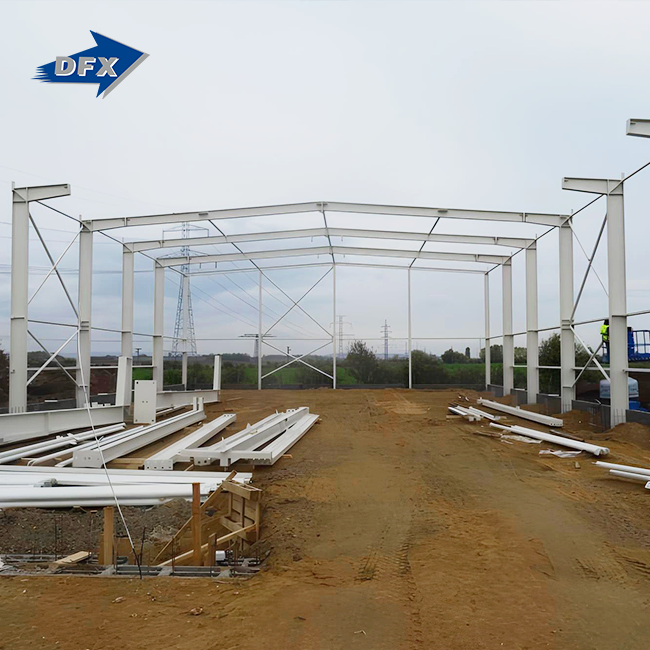
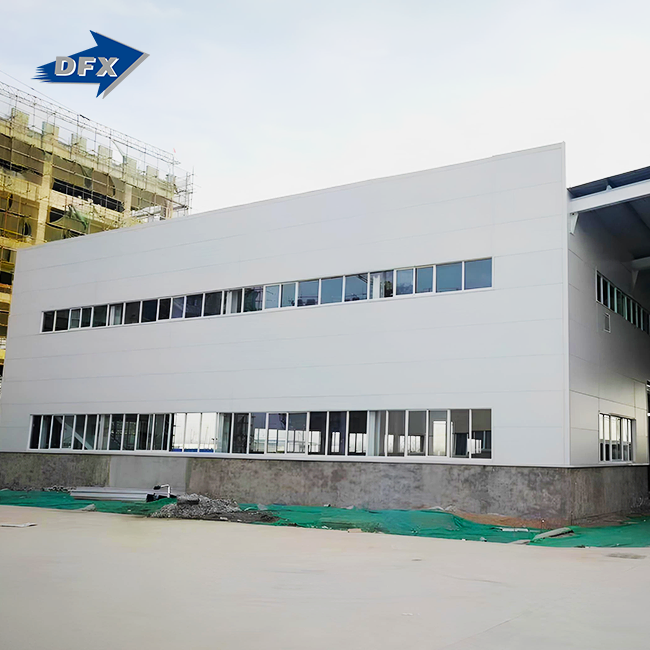
When looking at whether or not buying a steel structure garage is a good investment, the answer is clear: yes, for most manufacturing and commercial businesses. High-strength steel parts, like H-section beams and welded purlins, are used in this type of building to make it last longer, be put together faster, and be more cost-effective than traditional building methods. Steel garages are great for a wide range of uses, from parking cars and storing equipment to maintenance sheds. They offer businesses a great return on their investment because they are easier to build, don't need much maintenance, and are much more durable than other materials, lasting decades longer than traditional ones.

Understanding Steel Structure Garages: Key Features and Benefits
What Defines a Modern Steel Structure Garage?
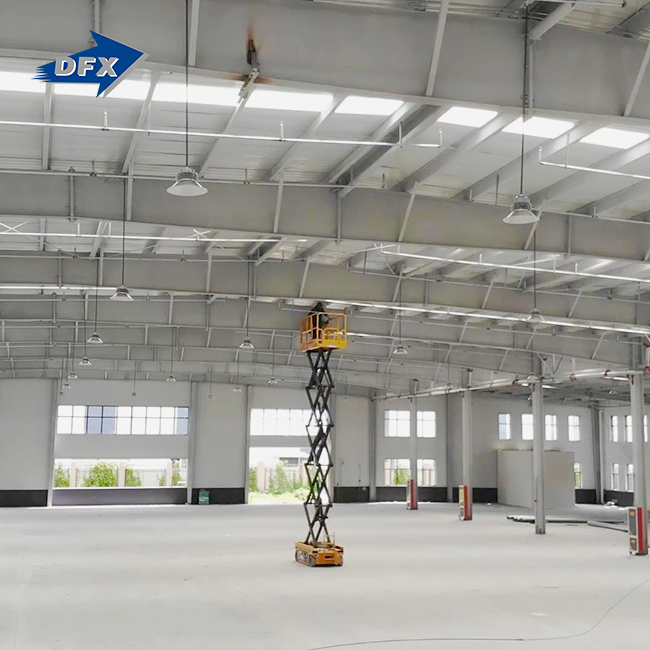
Steel structure garages are a high-tech pre-engineered building system that is based on a main frame made of high-strength steel sections. The backbone of these small steel-framed buildings is made of light H-section or square tube steel frames, which are held up by zinc purlins that provide extra support. These systems solve important building problems with modular prefabrication and connected assembly. They are mostly made in China by well-known makers with ISO9001, CE, COC, and PVOC approvals.
The engineering that went into making these buildings fixes problems that come up with regular garage building. When compared to concrete garages, steel garages cut installation times by about 40 to 60 percent because they don't need to be welded on-site and use factory-precision parts. The sealed structure design meets a range of storage needs while still allowing clear-span features that make the most of the room inside.
Core Advantages Driving Commercial Adoption
Steel garages have real benefits that procurement managers who are working with limited budgets and tight project plans can relate to. The qualities of Q355B steel (which is the same as ASTM A572 Gr50) give it a yield strength greater than 355 MPa. This means that buildings made from it can handle large external loads without using too much material.
The most important benefit may be how long it lasts. After being shot-blasted to a grade of Sa 2.5, structural parts are hot-dip galvanized until the coating is at least 85 µm thick. This resistance to rust means that, with proper care, it can last more than 50 years, which is a lot longer than wood structures that are subject to bugs and rot or brick buildings that are easily damaged by water.
Steel building has a high strength-to-weight ratio, which means that foundations are not needed as much and prices are lower. For projects that need grade 8 earthquake protection or wind load capacities above 120 km/h, these requirements can be met by carefully planning the beam sizes and bracing arrangements. When steel sheds are covered with rockwool, they get Class A fire resistance ratings. This meets insurance and safety standards that are important to operations managers.
Flexibility That Scales With Business Growth
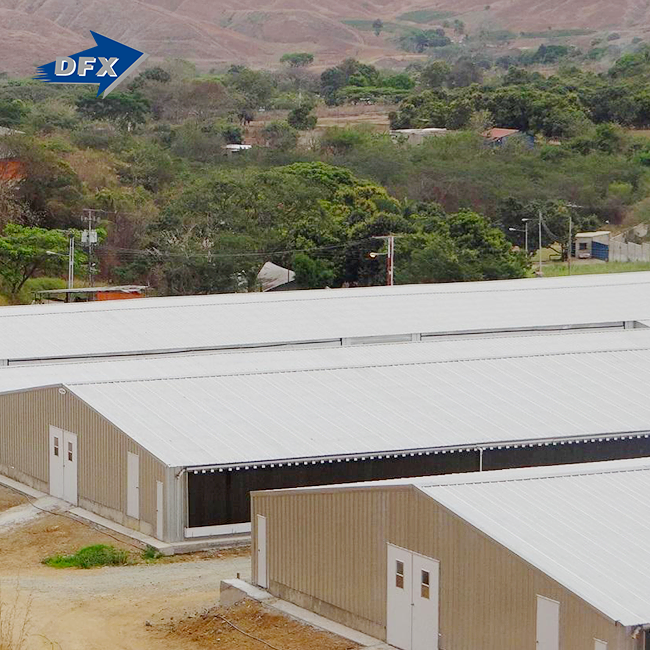
Another strategic benefit for manufacturing companies and building workers is that designs can be changed easily. Garages with a steel frame can be customized in terms of size, bay spacing, and other features that aren't limited by load-bearing wall systems. For example, a chicken farm might use ventilation systems and insulated sandwich panels, and an EPC contractor might ask for heavy-duty poles to be used for installing an overhead crane.
The supply line for these buildings is made up of short output rounds. Standard design, manufacturing, packing, and installation model services make the whole process of buying easier, from the initial request to the actual deployment. This practical speed is especially helpful when buying things for a project and the timing of the deliveries affects the overall building plan.
Steel Structure Garage vs. Other Garage Types: Making the Right Choice
Material Performance Comparison
Procurement decisions hinge on objective material assessments. Steel outperforms traditional alternatives across multiple criteria relevant to commercial operations. Wood structures, while initially less expensive, demand frequent maintenance interventions and remain vulnerable to biological threats. Climate extremes accelerate deterioration, creating ongoing cost burdens that erode initial savings.
Brick and concrete garages offer fire resistance but suffer from extended construction timelines and limited modification options once built. The rigid nature of masonry construction complicates future expansion efforts, a significant drawback for manufacturing companies anticipating facility growth. Steel structure garage: Steel's modular architecture permits straightforward additions without compromising structural integrity.
Aluminum presents an interesting comparison point. Though lighter than steel and naturally corrosion-resistant, aluminum sacrifices structural strength and typically commands higher material costs. The weight advantage matters less in permanent installations where foundation loads pose minimal concern. Steel's superior tensile properties make it the logical choice for applications requiring large clear spans or heavy equipment accommodation.
Prefabricated Versus Custom-Built Solutions
Prefabricated steel garages deliver cost predictability that custom-built projects struggle to match. Factory-controlled production environments eliminate weather delays and quality inconsistencies associated with on-site construction. All components arrive pre-punched and pre-drilled, transforming field installation into a systematic bolt assembly process requiring reduced labor specialization.
Custom construction might suit projects with unusual site constraints or highly specialized requirements. However, the additional engineering hours, material waste, and extended timelines generally result in cost premiums exceeding 30-40% compared to standardized steel systems. Project managers working under fixed budgets and aggressive schedules find prefabricated solutions align better with their operational constraints.
Cost to Build and Maintain a Steel Structure Garage
Investment Variables and Budget Planning
Total project costs for steel structure garages depend on several quantifiable factors. Material pricing fluctuates with global steel markets, though the relative stability of fabricated components provides better forecasting accuracy than volatile commodity lumber prices. Foundation requirements vary with soil conditions and building loads, representing approximately 15-20% of total project budgets in typical installations.
Labor charges reflect regional wage standards and project complexity. The 100% bolted connection system characteristic of modern steel garages reduces installation labor by 30-50% compared to welded or cast-in-place construction methods. Crews complete foundation-to-handover timelines in weeks rather than months, minimizing indirect costs associated with extended site supervision and equipment rental.
Accurate per-square-foot cost estimation requires consideration of building specifications. A basic vehicle parking structure with single-layer steel sheet cladding costs substantially less than a climate-controlled facility featuring PU or rockwool sandwich panels. Insulation selection impacts both initial investment and operational energy consumption, making thermal performance calculations essential for facilities housing temperature-sensitive equipment or operations.
Financial Mechanisms and ROI Enhancement
Financing approaches influence net return on investment. Leasing arrangements preserve working capital for core business operations while spreading costs across the building's useful life. Supplier credit terms offered by established manufacturers can ease cash flow pressure during project execution phases. Traditional commercial loans remain viable for companies with strong balance sheets seeking asset ownership.
Maintenance economics favor steel construction decisively for China's steel structure garage. Routine inspections, periodic coating touch-ups, and prompt repair of minor damage represent the primary ongoing obligations. Absence of wood rot, termite damage, or masonry moisture issues eliminates the recurring structural restoration costs that plague alternative materials. Over a 30-year operational horizon, maintenance expenses for steel garages typically run 60-70% lower than wood equivalents.
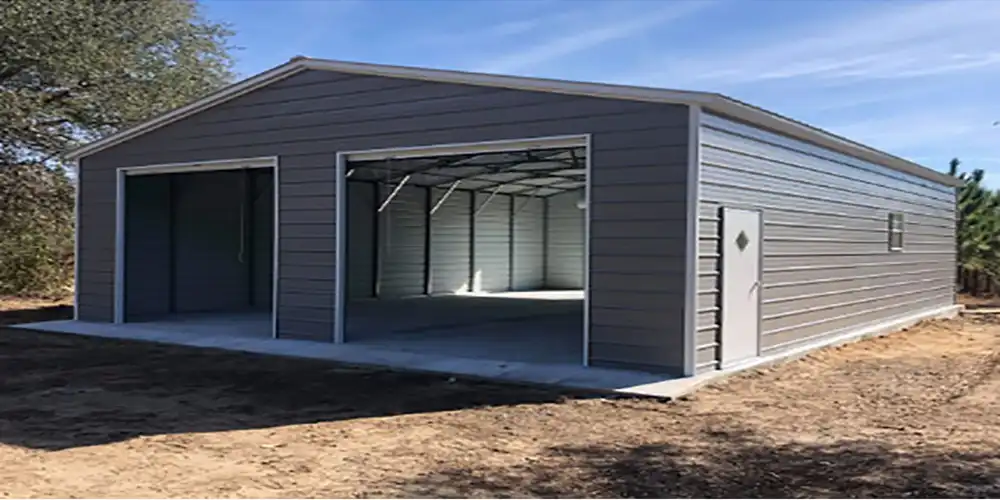
Designing and Procuring Steel Structure Garages: Best Practices
Application-Specific Design Optimization
Effective steel garage design begins with a clear operational requirements definition. Commercial auto repair centers demand high eave heights accommodating hydraulic lifts and overhead crane systems. Clear span widths enable unrestricted movement of equipment and vehicles, eliminating internal column obstructions that compromise workflow efficiency.
Heavy-duty industrial fleet storage applications serving mining sites or coastal logistics operations require enhanced corrosion protection and reinforced structural calculations. Salt exposure, chemical atmospheres, and extreme weather loads necessitate specification adjustments beyond standard configurations. Agricultural businesses housing livestock or poultry equipment benefit from ventilation integration and insulated envelope systems maintaining stable interior environments.
Energy efficiency considerations increasingly influence design decisions. Insulated sandwich panels reduce heating and cooling loads by 40-60% compared to uninsulated single-layer cladding. Climate-sensitive environments justify the incremental investment through operational cost savings accumulating over decades of service. Building orientation, natural ventilation integration, and reflective coating selection further optimize thermal performance without substantial cost additions.
Supplier Selection and Certification Verification
Choosing a qualified steel structure garage manufacturer represents the most consequential procurement decision. Verification of ISO9001 quality management system certification confirms systematic production controls and consistent output quality. CE marking demonstrates compliance with European health, safety, and environmental protection standards, while COC and PVOC certificates facilitate import clearance in various international markets.
Production capacity assessment helps gauge supplier reliability. Manufacturers operating substantial enclosed production space—such as facilities exceeding 40,000 square meters—and employing workforces above 200 trained personnel typically demonstrate operational maturity and financial stability. Advanced equipment, including automatic welded H-beam production lines and integrated C/Z section steel forming capabilities, indicates technological investment supporting quality fabrication.
Customer feedback and project portfolios provide practical insight into supplier performance. Companies with documented experience serving construction contractors, manufacturing operations, and agricultural enterprises across diverse geographic markets bring valuable application knowledge. The ability to provide integrated services spanning structural design, fabrication, and installation support simplifies coordination and accountability.
Procurement Journey Navigation
The acquisition process follows predictable stages when working with established suppliers. Initial inquiry submissions should communicate project scope, timeline expectations, and site-specific requirements, including wind loads, snow loads, and seismic considerations. Detailed technical proposals typically arrive within 3-5 business days, outlining specifications, pricing, and delivery schedules.
Design review and modification iterations refine the solution to match operational needs precisely. Suppliers offering in-house architectural design and detailing services accelerate this phase by proposing optimized configurations based on accumulated project experience. Engineering documentation including installation drawings provides the foundation for smooth field execution.
Production timelines for standard configurations China steel structure garages average 3-4 weeks following order confirmation and deposit receipt. Short production cycles characteristic of prefabricated systems benefit projects with compressed schedules. Container loading, international shipping coordination, and customs documentation represent the final pre-delivery milestones requiring attention to logistical details.
Conclusion
Steel structure garages represent a sound investment for commercial and industrial operations requiring reliable, cost-effective storage solutions. The combination of rapid deployment, exceptional durability, and minimal maintenance requirements delivers tangible returns that compound over decades of service. Procurement professionals evaluating garage options find steel systems aligned with strategic priorities around budget control, schedule certainty, and long-term operational flexibility. As manufacturing capabilities mature and supplier competition intensifies, the value proposition strengthens further. Organizations moving forward with steel garage investments position themselves to benefit from proven technology backed by extensive real-world performance data across diverse applications and challenging environments.
FAQ
1. What Timeline Should We Expect for Steel Structure Garage Construction?
Production timelines for standard configurations typically span 3-4 weeks following order confirmation. On-site installation duration depends on building size and site preparation status, though most commercial installations reach completion within 2-3 weeks after component delivery. Total project timelines from order placement to operational handover average 8-12 weeks, representing approximately 50% time savings compared to conventional construction methods. Weather delays impact steel garage projects less severely due to the reduced on-site work scope.
2. How Do Steel Garages Perform in Cold Climates?
Steel structure garages equipped with insulated sandwich panels perform exceptionally well in cold climates. Rockwool or PU insulation with thermal resistance values reaching R-30 maintains interior temperatures effectively while minimizing heating costs. The structural steel framework itself withstands extreme cold without brittleness or performance degradation. Snow load capacity calculations determine appropriate beam sizing—standard designs accommodate loads exceeding 0.5 kN/m², though specifications adjust based on regional building codes.
3. What Maintenance Does a Steel Garage Require?
Routine maintenance involves annual inspections, checking for coating damage, fastener tightness, and drainage system functionality. Minor paint touch-ups address any corrosion initiation points before they compromise structural integrity. Gutter cleaning and door track lubrication represent the primary recurring tasks. Properly galvanized steel structures require minimal intervention for decades, with major maintenance intervals typically occurring at 15-20-year intervals when comprehensive coating renewal becomes advisable.
Partner With DFX for Your Next Steel Structure Garage Project
Director Steel (DFX) brings over 12 years of specialized experience manufacturing steel structure garages for demanding commercial and industrial applications. Our 40,000-square-meter production facility, staffed by 200+ trained workers, operates six automatic welded H-beam lines and integrated component fabrication systems, ensuring consistent quality and rapid turnaround. ISO9001-certified processes and CE-marked products provide the quality assurance procurement managers require when specifying critical infrastructure investments.
Our comprehensive service scope covers standard design, precision fabrication, efficient packing, and detailed installation drawings—eliminating coordination headaches that plague multi-vendor approaches. Whether your project involves vehicle parking, equipment storage, or maintenance shed applications, we deliver turnkey solutions tailored to your operational requirements and site conditions. Contact jason@bigdirector.com today to discuss your specifications with our engineering team and receive a detailed proposal within 72 hours. As an established steel structure garage manufacturer serving international markets, we understand the procurement challenges facing construction contractors, manufacturing operations, and agricultural enterprises—and we've refined our processes to deliver exceptional value throughout your project journey.
References
1. American Institute of Steel Construction, "Steel Construction Manual: Design Standards for Pre-Engineered Metal Buildings," 15th Edition, 2022.
2. Chen, W.F. and Lui, E.M., "Handbook of Structural Engineering: Steel Structure Design and Construction Practices," CRC Press, 2021.
3. International Code Council, "International Building Code: Structural Steel Requirements for Commercial and Industrial Buildings," 2021 Edition.
4. Mehta, M., Scarborough, W., and Armpriest, D., "Building Construction: Principles, Materials, and Systems—Steel Frame Systems," Pearson Education, 2020.
5. Newman, A., "Metal Building Systems: Design and Specifications for Pre-Engineered Structures," McGraw-Hill Professional, 2019.
6. Salmon, C.G., Johnson, J.E., and Malhas, F.A., "Steel Structures: Design and Behavior—Emphasizing Load and Resistance Factor Design," Prentice Hall, 2020.
Learn about our latest products and discounts through SMS or email