- English
- French
- German
- Portuguese
- Spanish
- Russian
- Japanese
- Korean
- Arabic
- Greek
- German
- Turkish
- Italian
- Danish
- Romanian
- Indonesian
- Czech
- Afrikaans
- Swedish
- Polish
- Basque
- Catalan
- Esperanto
- Hindi
- Lao
- Albanian
- Amharic
- Armenian
- Azerbaijani
- Belarusian
- Bengali
- Bosnian
- Bulgarian
- Cebuano
- Chichewa
- Corsican
- Croatian
- Dutch
- Estonian
- Filipino
- Finnish
- Frisian
- Galician
- Georgian
- Gujarati
- Haitian
- Hausa
- Hawaiian
- Hebrew
- Hmong
- Hungarian
- Icelandic
- Igbo
- Javanese
- Kannada
- Kazakh
- Khmer
- Kurdish
- Kyrgyz
- Latin
- Latvian
- Lithuanian
- Luxembou..
- Macedonian
- Malagasy
- Malay
- Malayalam
- Maltese
- Maori
- Marathi
- Mongolian
- Burmese
- Nepali
- Norwegian
- Pashto
- Persian
- Punjabi
- Serbian
- Sesotho
- Sinhala
- Slovak
- Slovenian
- Somali
- Samoan
- Scots Gaelic
- Shona
- Sindhi
- Sundanese
- Swahili
- Tajik
- Tamil
- Telugu
- Thai
- Ukrainian
- Urdu
- Uzbek
- Vietnamese
- Welsh
- Xhosa
- Yiddish
- Yoruba
- Zulu
Top 7 Benefits of a Prefab Steel Structure Garage
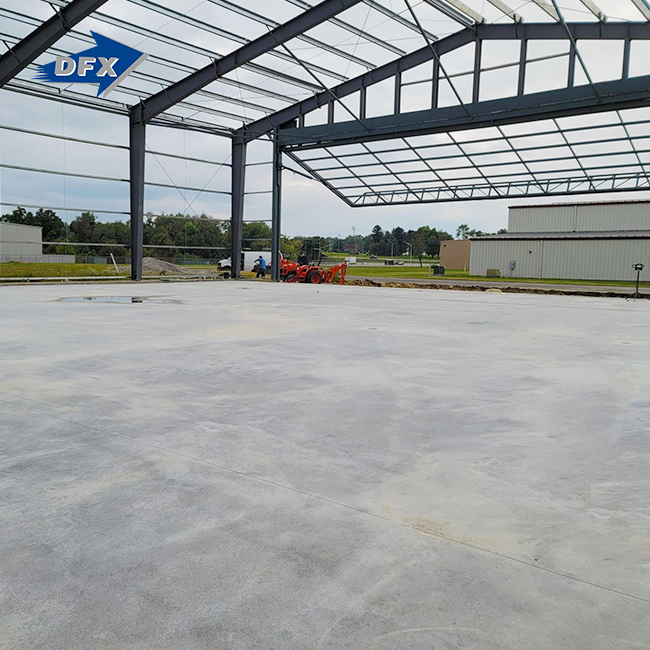
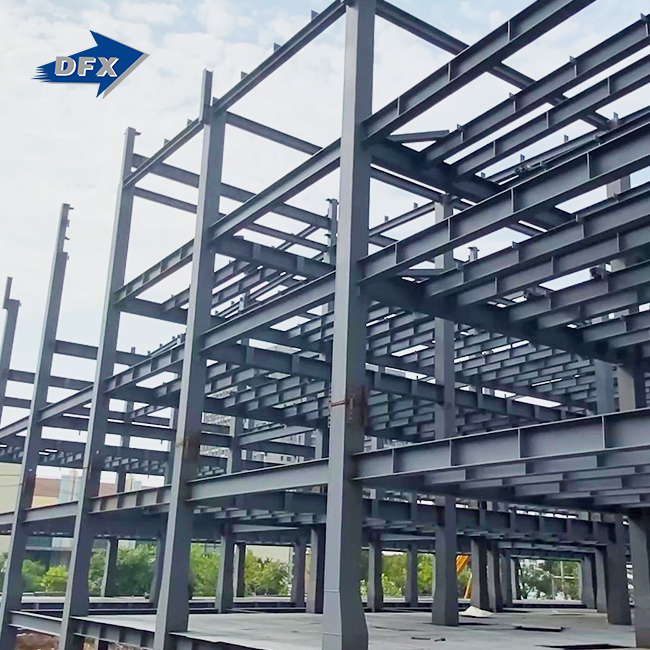
Prefabricated steel structure garages are a game-changer for businesses that need to store vehicles and protect property in a strong, efficient way. High-strength steel frames, like H-section beams and square tube construction with welded purlins, give these pre-engineered buildings excellent performance in a wide range of industries. Understanding the main benefits of steel structure garages can help you make better choices about what to buy, whether you're responsible for building teams, manufacturing facilities, or farms. Steel structure garages solve important problems: they don't take as long to build because they are put together in modules, they're more resistant to damage from the environment, and they have clear-span features that are necessary for free movement inside. When businesses choose steel structure garage options, they get access right away to long-lasting, cost-effective structures that can grow as their needs do.

Exceptional Durability and Longevity
Built to Withstand Decades of Service
Traditional garages made of wood, concrete, or metal don't last as long as steel structure garages because steel has qualities that make it less likely to fail in common ways. The Q355B steel that is usually used for main frames has a yield strength of more than 355 MPa. This makes the structure strong enough to survive hurricanes, heavy snowfall, and earthquakes. When you hot-dip galvanise something and make the layer as thick as 85 micrometres, it guards against oxidation and corrosion. This makes it last longer than 50 years with little maintenance.
Real-world performance data from mine operations and logistics hubs on the coast shows that steel structure garages that are properly designed can keep their structure strong even in harsh conditions. Biological dangers like termites, dry rot, and mould can't damage the material, so wooden buildings won't fall apart for 15 to 20 years. When combined with Class A rockwool cladding, fire resistance scores go up a lot, which is critical for protecting places where people store tools.
Reduced Replacement Cycles Lower Total Ownership Costs
The longer life of steel structure garages has a direct effect on planning budgets and keeping operations going. Companies that make things and are growing their production capacity can benefit from investments in infrastructure that keep working throughout the lifecycle of the building. Construction companies that manage teams of equipment don't have to deal with the disruptions that come with replacing old sheds. Instead, they can keep working on projects without stopping for years at a time.
Cost-Effective Construction and Maintenance
Transparent Investment Analysis
The starting prices for steel structure garages depend on a number of factors, such as the type of materials used, the complexity of the design, the needs of the site, and the level of customisation that is desired. The initial cost may be about the same as or slightly higher than standard building methods, but a full lifecycle study shows that there are big economic benefits. The fact that it is easy to install, doesn't need much upkeep, and lasts a very long time makes it a good investment for procurement managers who are careful with their money.
Material economy is built into pre-engineered building systems, which cuts down on waste and makes the best use of resources. Factory-made parts come already cut, drilled, and ready to be put together with bolts. This saves money because cutting and welding don't have to be done on-site. This method of precise manufacturing cuts down on the amount of work that needs to be done and speeds up the project's finish, which lowers the indirect costs that come with longer building times.
Maintenance Requirements Drop Dramatically
Compared to wood or concrete garages, steel structure garages need a lot less maintenance. Because there aren't any painting, rot repair, pest control, or structure reinforcement jobs, the building will have lower running costs over its entire life. Simple care routines, like checking the drainage system and fixed connections on a regular basis and cleaning every so often, keep structures in good shape without the need for expensive materials or expert labor.
Steel structure garage construction is resistant to ammonia, rust and wetness damage, which is especially helpful for farms that run chicken coops and other buildings for animals. The buildings keep the environmental control features that are important for animal health while avoiding the need for frequent repairs that come with traditional barn building. Operations managers like repair budgets that are easy to predict because they help them make accurate long-term financial plans.
Flexible and Customizable Design Options
Modular Systems Accommodate Diverse Requirements
Modular building principles allow prefabricated steel structure garage systems to offer a huge range of design options. Clear-span designs up to 60 meters get rid of interior columns, making more room available for moving vehicles, putting equipment in the right place, and improving workflow. This open-floor feature is very important for business car repair shops that need to install hydraulic lifts and use high cranes.
Customisation goes beyond just specifying sizes; it also includes full housing options. Insulated sandwich panels with polyurethane or rockwool cores offer better thermal performance, keeping settings at a controlled temperature for storing old cars or climate-sensitive equipment. Roofing designs change based on the weather in a certain area. For example, in areas with a lot of snow, designs are strengthened, and in seaside areas, designs are made to withstand hurricanes.
Industry-Specific Applications Demonstrate Versatility
Heavy-duty industrial fleet storage facilities that are used in complicated settings show how flexible steel structure garages can be. To keep expensive equipment safe in harsh conditions, mining operations use estimates for strengthened structures and special anti-corrosion treatments. Rapid door systems and integrated electrical infrastructure that support automated handling tools are well-suited to logistics centres.
Residential applications reach a wider market by letting users customise the way things look. Private garages for more than one car use a variety of covering materials to match different building styles while still retaining the structural benefits of steel frames. Extended eave heights and wide access points make RV housing options work for cars that are too big for the space. This shows how standard parts can be changed to fit specific needs.
Environmental Sustainability and Energy Efficiency
Recyclable Materials Support Circular Economy Principles
Steel structure garages are in line with companies' environmental goals because the materials can be recycled, and resources are used more efficiently. Steel parts keep their full structural qualities through an infinite number of recycling processes. This lowers the need for new raw materials and lowers the environmental impact of the building industry. Modern steel types have a high strength-to-weight ratio, which means they use less material per square foot of covered area. This makes the best use of resources for large-scale projects.
When longevity and upkeep factors are properly taken into account, lifecycle assessment methods show positive carbon footprint profiles. Steel structure garage buildings have a long service life that spreads out their stored energy over many decades of use. This is in stark contrast to alternatives that need to be replaced more often. Companies that make things and want to get ISO environmental certifications know how choosing steel buildings helps them meet more stringent sustainability reporting standards.
Insulation Technology Reduces Operational Energy Consumption
With the help of new sandwich panel technology, steel-structure garages can be turned into energy-efficient buildings that cost less to heat and cool. Polyurethane insulation has higher R-values than most building materials, which creates heat walls that keep temperatures from moving around. Alternatives to rock wool offer the same level of insulation performance while being more fire-resistant. This meets the safety needs of businesses that store flammable materials or valuable goods.
Agricultural businesses find temperature-controlled areas to be especially useful for keeping tools working and keeping stored supplies safe. When you combine steel's resistance to weather with good insulation, you get stable conditions inside that keep the value of your assets and keep energy costs low. Energy efficiency directly leads to lower running costs, which makes the building more profitable over many years of use.
Speedy Procurement and Installation Process
Factory Fabrication Accelerates Project Timelines
When compared to traditional building methods, steel structure garage systems drastically shorten project plans because they are built. Making things happen in controlled factories while the site is being prepared at the same time. This gets rid of the delays that come with traditional building methods. Compared to concrete or masonry options, pre-engineered components come ready to be put together, cutting on-site building time by 40 to 60 per cent.
This timeline reduction is very useful for companies that need more space right away. Investors in manufacturing who build new factories avoid income delays by getting the factories ready to go months before normal building allows. Construction workers who are working on multiple projects at once like stable delivery dates that make it easier to plan their resources and communicate with clients.
Simplified Assembly Reduces Labor Requirements
The 100% bolted connection method gets rid of the need for on-site welding, which cuts down on the need for skilled labor and the safety risks that come with it. Factory-punched holes and pre-drilled parts make sure that everything fits perfectly, so general building teams can put it together quickly and easily without the need for certified welders. This makes it easier for people to choose a provider and lowers the cost of labor, especially in places where there aren't enough skilled workers.
Full installation help increases the value of procurement for businesses that don't have their own building experts. The building process is sped up with detailed assembly plans, technical specs, and quality-certified parts. This cuts down on mistakes and extra work. Bulk order management and flexible shipping schedules work with phased development plans, so businesses can invest in infrastructure in a way that matches their practical growth.
Superior Security and Protection Capabilities
Robust Construction Deters unauthorised access.
Because steel is a strong material and has designed enclosure systems, steel structure garage buildings are safer. Forcing attempts are much less likely to succeed with heavy-gauge steel panels and strengthened door systems than with wood or light metal options. Modern access control systems and advanced locking mechanisms work together perfectly, so businesses can set up full security measures to protect their valuable goods and equipment.
With fully enclosed setups, there are no weak spots like there are in partial-shelter designs. This makes the environment completely safe from theft, abuse, and weather exposure. The structural integrity of properly designed steel frames can survive attempts to damage them on purpose, so they can still protect against attacks. These safety features are very important for building companies that store expensive power tools and big machinery between jobs.
Integration with Modern Security Technology
Electronic security equipment like video cameras, motion monitors, and alarm systems can be built into steel structure garages. Electrical conduit paths and mounting holes are built in during manufacturing, so there are no problems with retrofitting or compromises in the way the product looks. When you combine physical strength with technological tracking, you get multiple defences that meet insurance requirements and risk management standards.
Operations that handle private assets or work in areas with a lot of theft really value these all-around security features. Businesses in agriculture that store trucks, tools, and fuel supplies can rest easy knowing that their items are safe because the fences are secure and keep thieves out, who are common in rural areas. Manufacturing companies use China steel structure garages as cost-effective alternatives to building a whole new building to protect their unique equipment and work-in-progress goods.
Scalability and Future Expansion Potential
Modular Design Supports Phased Growth
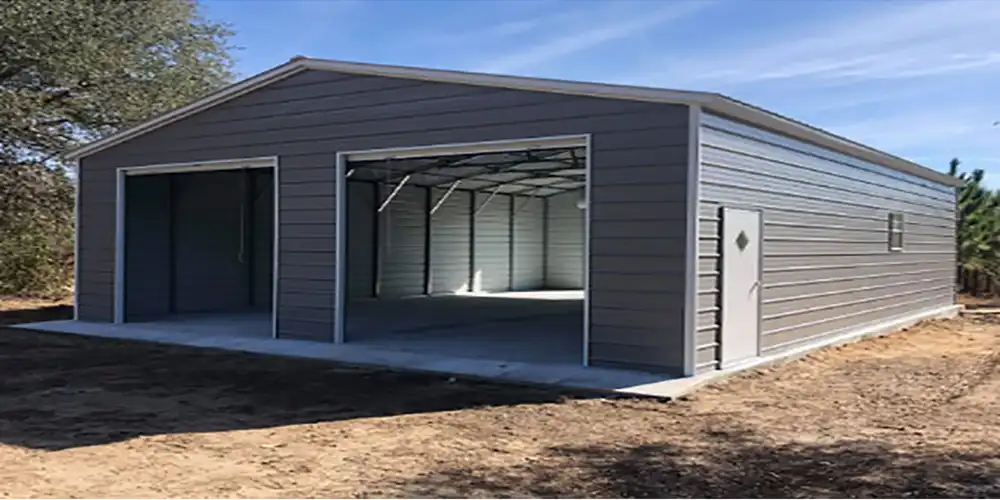
Prefab steel structure garages are ideal for businesses that want to grow without having to rebuild their whole buildings. Based on the principles of modular engineering, simple additions can be made that fit easily into existing structures. This keeps the architecture consistent while growing capacity. Companies use phased investment strategies to make sure that the building of infrastructure is in line with the growth of their revenues. This way, they avoid making big promises at the start and keep their capital flexible.
When working needs change, the fixed connection method makes it easy to make changes and reconfigure things. Businesses can move dividing walls, make doorways bigger, or add upper floors without affecting the building's structural stability. This flexibility is especially useful for factories that need to change the plan of their buildings because their product lines change or their production volumes change.
Technology Integration Prepares Infrastructure for Future Demands
Modern steel structure garage plans include space for new technologies like charging stations for electric cars, automated storage systems, and installations that use green energy. Rooftop solar panel systems can be included in structural load estimates, which lets businesses reach their energy independence goals without having to rebuild their buildings. Planning for the electrical service capacity helps with the development of future automation equipment, making sure that infrastructure stays useful as new technologies are adopted.
With these forward-thinking design features, steel structure garages go from being simple places to store things to being strategic tools that help a business grow over the long term. EPC workers like how steel buildings can be changed to meet changing client needs without having to pay a lot of money for upgrades. When you combine the ability to work right away with the ability to be ready for the future, steel garage projects become key parts of long-term plans for industry growth.
Conclusion
Prefab steel structure garages offer many great benefits, including being long-lasting, low-cost, customisable, environmentally friendly, quick to build, safe, and scalable. For construction companies, factories, farms, and infrastructure developers looking for stable, long-term storage options, these pre-engineered buildings meet important buying goals. When you combine better material qualities with efficient manufacturing processes and flexible design systems, you get benefits that are hard to get with traditional building methods. Companies that use steel garage solutions set themselves up for practical success by building infrastructure that can handle decades of hard use while also growing with the company and adapting to new technologies.
FAQ
1. What determines the service life expectancy of prefabricated steel garages?
When hot-dip galvanisation and proper upkeep are used on properly designed steel structure garages, they usually last longer than 50 years. How long the skeletal frame lasts depends on how well it is protected against rust. A coating thickness of more than 85 micrometres gives strong resistance to oxidation. Regional environmental factors, such as exposure to salt water at the coast or the air quality in an industrial setting, may mean that extra protection measures need to be mentioned during the planning stages.
2. Can steel garage structures accommodate regional weather extremes?
Using complex structural modelling tools, steel structure garage engineering takes into account the load needs of different areas. Areas with a lot of snow get beams that are stronger and can handle accumulations of more than 0.5 kilonewtons per square meter. Coastal places that are prone to hurricanes use designs that are resistant to wind and have been tested for steady speeds of more than 120 kilometres per hour. Through moment-resisting frame connections and the right base anchoring systems, seismic specs take into account the risks of earthquakes in a given area.
3. What foundation requirements support steel garage installation?
Steel structure garages use cast-in-place concrete foundations with embedded anchor bolts ranging from M24 to M72 in diameter, based on the structural loads. The form of the base makes sure that the steel columns are rigidly connected to the ground, which protects the integrity of the load transfer. For a structure to work well in the long term, it's important that the foundation planning takes into account things like the soil's bearing capacity, the frost depth standards, and drainage plans.
Partner with DFX for Your Steel Structure Garage Needs
Director Steel Structure Co., Ltd. has been skilled in fabrication for over 12 years and has 40,000 square meters of output space for all kinds of production. Our processes are ISO9001-certified, and our goods are CE-certified. This means that our steel structure garages meet the strict international standards that buying professionals look for. We offer full turnkey solutions that include structural design, industrial fabrication, quality-controlled packaging, and detailed installation plans that make it easier to carry out your job.
Our high-tech production lines make 20,000 tons of riveted H-beams and 8,000 tons of C and Z-section parts every year. These can be used for a wide range of projects, from small equipment storage to large fleet repair facilities. The integrated service method covers all stages of buying, from coming up with an idea to putting it together on-site. This eliminates the coordination problems that come with working with more than one provider. Get in touch with our technical team at jason@bigdirector.com to talk about your specific needs with a reputable steel structure garage maker that is dedicated to providing unbeatable value, dependability, and customer satisfaction.
References
1. American Institute of Steel Construction. (2016). Specification for Structural Steel Buildings (AISC 360-16). Chicago: AISC Publications.
2. Chen, W.F., & Lui, E.M. (2005). Handbook of Structural Engineering (2nd ed.). Boca Raton: CRC Press.
3. European Committee for Standardisation. (2005). Eurocode 3: Design of Steel Structures. Brussels: CEN Publications.
4. Mehta, M., Scarborough, W., & Armpriest, D. (2013). Building Construction: Principles, Materials, and Systems (2nd ed.). Boston: Pearson Education.
5. Newman, A. (2004). Metal Building Systems: Design and Specifications (2nd ed.). New York: McGraw-Hill Professional.
6. Trebilcock, P., & Lawson, R.M. (2004). Architectural Design in Steel. London: Spon Press.
Learn about our latest products and discounts through SMS or email