- English
- French
- German
- Portuguese
- Spanish
- Russian
- Japanese
- Korean
- Arabic
- Greek
- German
- Turkish
- Italian
- Danish
- Romanian
- Indonesian
- Czech
- Afrikaans
- Swedish
- Polish
- Basque
- Catalan
- Esperanto
- Hindi
- Lao
- Albanian
- Amharic
- Armenian
- Azerbaijani
- Belarusian
- Bengali
- Bosnian
- Bulgarian
- Cebuano
- Chichewa
- Corsican
- Croatian
- Dutch
- Estonian
- Filipino
- Finnish
- Frisian
- Galician
- Georgian
- Gujarati
- Haitian
- Hausa
- Hawaiian
- Hebrew
- Hmong
- Hungarian
- Icelandic
- Igbo
- Javanese
- Kannada
- Kazakh
- Khmer
- Kurdish
- Kyrgyz
- Latin
- Latvian
- Lithuanian
- Luxembou..
- Macedonian
- Malagasy
- Malay
- Malayalam
- Maltese
- Maori
- Marathi
- Mongolian
- Burmese
- Nepali
- Norwegian
- Pashto
- Persian
- Punjabi
- Serbian
- Sesotho
- Sinhala
- Slovak
- Slovenian
- Somali
- Samoan
- Scots Gaelic
- Shona
- Sindhi
- Sundanese
- Swahili
- Tajik
- Tamil
- Telugu
- Thai
- Ukrainian
- Urdu
- Uzbek
- Vietnamese
- Welsh
- Xhosa
- Yiddish
- Yoruba
- Zulu
How to protect expensive farm machinery from rust in a steel shed
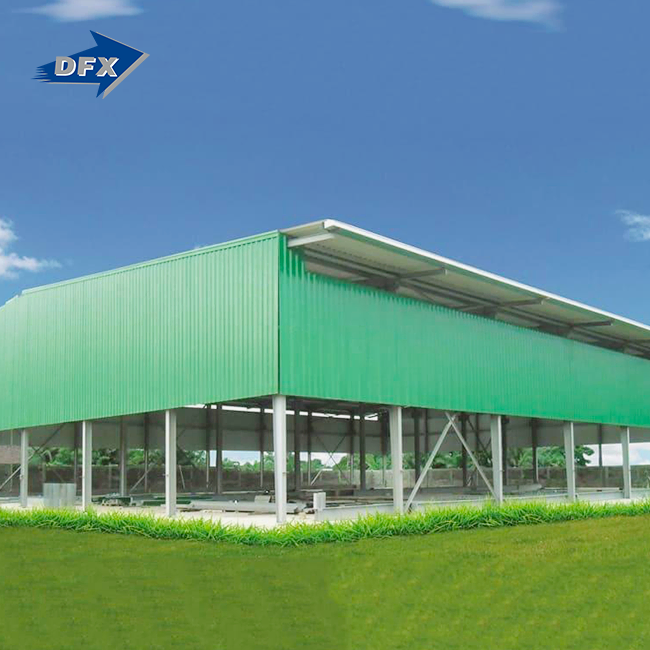
Protecting farm machinery from rust starts with choosing the right shelter. An Agricultural Machinery Shed engineered with proper ventilation, corrosion-resistant materials, and strategic design features significantly extends equipment lifespan. Steel structures with galvanized coatings, adequate airflow, and moisture control systems create an ideal environment that shields combines, tractors, and harvesters from oxidation. Combined with regular maintenance protocols and smart storage practices, a well-designed steel shed transforms rust prevention from a constant challenge into a manageable, cost-effective solution that preserves your capital investment and operational readiness throughout the agricultural calendar.

Understanding the Rust Problem in Agricultural Machinery
Why Rust Forms on Farm Equipment
Still mostly caused by moisture – corrosion of machinery. Temperature swings from day to night can cause condensation on the surfaces of the metal when equipment is left idle between seasons. Levels of humidity exceeding 60 percent speed up oxidation, especially in areas with significant rainfall or morning dew. Chemical exposure is a bit trickier. Salts and acids in fertilizer residue, pesticide spray drift, and manure particles erode through protective paint layers and damage bare metal. Entry points are created from mechanical degradation caused by everyday wear and tear, and rust spreads quickly underneath.
The Economic Impact of Corrosion
Rust isn’t only ugly, it eats away at the bottom line of farm operations. Corrosion pits in chrome rods cause hydraulic cylinders to lock up, resulting in costly replacements during vital planting times. Oxidation stops the passage of current, causing electrical connectors to fail and combine harvesters to stop mid-harvest. Research by agricultural equipment dealers indicates that machines stored outdoors lose 15-20% of their resale value in five years, compared to machines stored indoors. Downtime costs add up rapidly. One day of delayed harvest can mean a loss of thousands of dollars in crop quality. Emergency repairs pay premium rates.
Key Design Features of Steel Sheds to Prevent Rust
Ventilation Systems That Control Moisture
Good ventilation is the most important rust-prevention characteristic of any storage building. Ridge vents at the top of the roof let hot, damp air to escape naturally, while strategically placed eave apertures pull fresh air across the surfaces of the machinery. Cross-ventilation removes stagnant air pockets where moisture builds up. Open-sided designs are good for regions where the air movement pattern is predictable and give the best ventilation without mechanical equipment. Enclosed designs can be improved by louvered panels or turbine vents that permit air to flow, but also prevent wind-driven rain.
Corrosion-Resistant Materials and Coatings
The choice of materials affects how long the protection a steel shed provides for stored equipment in an Agricultural Machinery Shed lasts. Hot-dip galvanized steel framing (according to ISO 1461 requirements) has a zinc coating thickness that can endure exposure to agricultural chemicals for decades. H-section beams and columns provide better load-bearing capability with structural integrity in corrosive conditions. C/Z galvanized purlins provide an additional barrier to corrosion in roof and wall systems. AZ150 aluminium-zinc alloy cladding performs better than normal coatings in coastal or high-humidity environments. The underside of roof panels is fitted with anti-condensation fleece to soak up any moisture as the temperature drops, which is then harmlessly released through ventilation rather than pouring onto the equipment electronics.
Strategic Layout and Spatial Planning
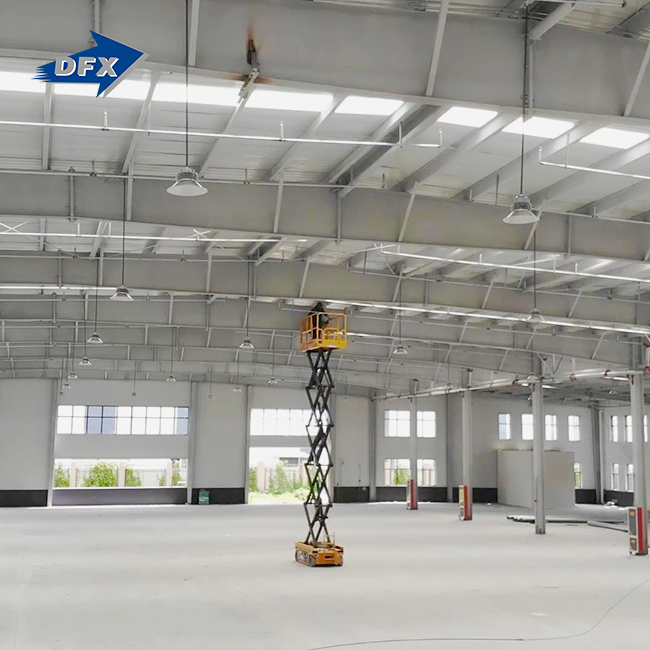
Material quality and internal design of the shed influence the condition of machines equally. The wide, clear span frames, which surpass 20 meters, eliminate interior columns that restrict the movement of equipment and air flow. Eave heights of 5 to 7 meters permit modern high clearance sprayers and combines that don't touch the roof and tear off protective paint. Bay widths of 8-10 meters give operators space to park equipment without metal-to-metal contact that chips coatings. Segregated areas are utilized to keep recently used field-moisture equipment separate from cleaned equipment for longer-term storage, which helps reduce the danger of cross-contamination.

Best Practices for Building and Maintaining a Steel Shed for Rust Prevention
Site Selection and Foundation Considerations
Picking the correct site will get rid of moisture concerns before work begins. Natural drainage from high ground keeps groundwater from within the shed, and avoiding low spots where fog and dew might collect helps keep the relative humidity lower. Good support for lighter equipment is provided by gravel flooring on compacted sub-grade, which also allows leftover moisture to drain away. Concrete aprons at entry locations to avoid mud tracking, which brings in corrosive soil particles. Perimeter drainage channels are directed away from the building to prevent precipitation from forming puddles that evaporate and raise the humidity level inside.
Installation Quality and Weatherproofing
Professional installation guarantees that all protection features perform as intended. Proper flashing around roof penetrations and wall joints keeps water out that would undo your rust prevention efforts. Structural connections are made secure by the use of high-tensile bolts (grade 8.8), which allow for thermal expansion cycles. Class 4 stainless steel cladding screws, with rubber washers, seal roof panel overlaps against wind-driven moisture. During erection, quality control is carried out to verify that all the components are within technical tolerances so that door openings line up correctly and ventilation gaps are as per design specifications.
Maintenance Protocols for Long-Term Protection
Regular inspection schedules catch minor faults before they jeopardize the safety of the machine. Walkthroughs will be conducted quarterly to check for cladding damage, blocked vents, and areas where moisture collects. Touch-up paint on scratched galvanizing will not allow rust to spread through the protective coating. Clean-out procedures eliminate fertilizer dust and chaff that might absorb moisture and hold it on metal surfaces. Humidifiers can be used during long periods of wet weather to keep interior humidity levels below critical levels. They are particularly useful in enclosed shed situations during winter storage months.
With the correct maintenance, a steel structure is not just a simple shelter, but an active protection for machines. Scheduled inspections and responsive repairs work together to address degradation early, increasing both building and equipment service life. Some of the more advanced features include solar-powered ventilation fans that promote air movement without increasing operational expenses. Assigned parking locations with structured storage systems help avoid inadvertent contact damage.
Comparing Steel Sheds to Other Storage Options for Machinery Rust Protection
Steel Versus Traditional Wooden Structures
Steel sheds have many advantages over wood when it comes to rust prevention. Wood is hygroscopic, absorbing moisture and then slowly releasing it, creating humid microclimates that promote corrosion on neighboring gear. Wood structures need to be painted often and treated for decay, which adds maintenance costs that add up over decades. Termites and carpenter ants can impair the structural integrity of wooden framing, which can collapse and destroy equipment stored inside. Steel frames are resistant to biological degradation and are dimensionally stable over weather cycles, and are capable of wider clear spans without the intricate internal bracing required of hardwood trusses.
Prefabricated Versus Custom Steel Solutions
Prefabricated steel sheds provide standardized designs with predictable pricing and quick construction schedules. Companies such as Director Steel manufacture these pieces in a regulated production environment and coat them in a standardized manner. Custom designs meet special site limits, are available in special ventilation configurations, and fit exact equipment dimensions. It depends on the operation. If you’re a conventional farm operation dealing with standard machinery, you’re going to benefit from prefab efficiency. If you’re a specialist contractor dealing with big implements, you’re going to benefit from engineered solutions that enhance protection features.
Enclosed Versus Open-Sided Designs
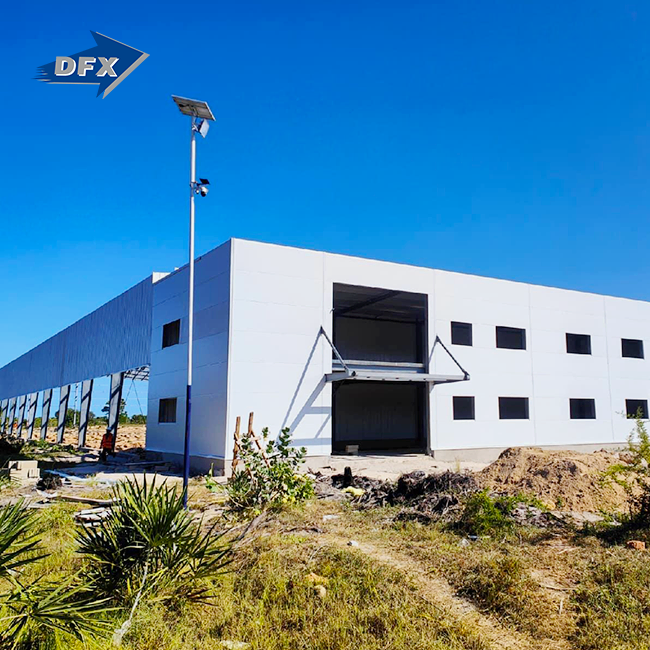
Fully covered sheds give the highest level of security and protection from the elements, sheltering machinery from wind-driven rain and theft at isolated locations. Solid walls restrict direct sunlight that damages rubber hoses and plastic components. An Open-sided steel shed optimizes natural ventilation and hence has no condensation risks without mechanical equipment. This design is well-suited for operations in temperate settings where harsh weather is infrequent, and security concerns are low. The most popular specification for storing farm machinery in various agricultural regions is hybrid designs, which are a compromise between protection and airflow, with three protected sides and one open bay.
Procurement Considerations for Selecting a Steel Shed Supplier
Certifications and Manufacturing Standards
Quality suppliers demonstrate compliance with recognized international standards. ISO 9002 certification verifies systematic quality control throughout production processes. CE marking confirms structural designs meet European safety requirements, indicating engineering rigor applicable worldwide. Additional certifications like COC and PVOC document adherence to specific regional standards, essential when sourcing for international projects. Manufacturers with documented quality systems provide traceable material certifications, weld inspection reports, and coating thickness measurements—documentation that supports warranty claims and insurance requirements.
Evaluating Supplier Capabilities and Reputation
Supplier selection requires examining production capacity and technical expertise. Facilities like Director Steel's 40,000-square-meter manufacturing space, equipped with six automated H-beam lines and dedicated C/Z purlin production, indicate the ability to handle large orders without quality compromise. Client testimonials from agricultural sector customers validate performance claims more reliably than marketing materials alone. Case studies showing completed projects similar in scale and application demonstrate relevant experience. Suppliers offering integrated services—from architectural design through installation support—streamline project execution and consolidate accountability.
Understanding Cost Structures and Value Propositions
Transparent pricing helps procurement professionals compare suppliers effectively. Material costs vary with steel market fluctuations, coating specifications, and structural complexity. Bay width and total square footage drive base pricing, while features like insulated panels, upgraded ventilation, and reinforced foundations add incremental costs. Reputable suppliers provide detailed quotations breaking down material, fabrication, delivery, and installation components. Volume discounts benefit operations building multiple sheds across different sites. Financing arrangements spread capital expenditure, improving cash flow management during expansion phases.
Delivery logistics significantly impact project timelines and total costs. Manufacturers in China offer competitive pricing due to production scale, with container shipping adding 4-6 weeks to procurement schedules. Short production cycles minimize order-to-delivery intervals, critical when construction windows align with agricultural off-seasons. After-sales support, including installation drawings, technical consultation, and warranty service, distinguishes suppliers committed to customer success rather than transactional sales for Farm equipment storage solutions.

Conclusion
Protecting valuable farm machinery from rust requires a comprehensive approach combining proper shelter design, quality materials, and proactive maintenance. Steel sheds engineered with adequate ventilation, corrosion-resistant components, and strategic layouts create environments where equipment remains operational and retains value over decades. Material choices like galvanized steel framing, anti-condensation roofing, and appropriate cladding systems address the specific moisture challenges agricultural settings present. Regular maintenance protocols and thoughtful storage practices maximize the protective capabilities inherent in well-designed structures, transforming rust prevention from reactive crisis management into predictable asset preservation that supports long-term farming profitability.
Frequently Asked Questions
1. How often should I inspect my steel shed for rust prevention effectiveness?
Conduct thorough inspections every 3-6 months, with additional checks following severe weather events. Look for cladding damage, blocked ventilation openings, water pooling inside the structure, and areas where moisture accumulates consistently. Early detection of deterioration allows minor repairs before protective systems fail, maintaining the controlled environment essential for machinery preservation.
2. Can I retrofit an existing steel shed to improve rust protection?
Retrofitting offers practical improvements without complete replacement. Add ridge vents or turbine ventilators to enhance airflow in enclosed designs. Install dehumidifiers or solar-powered fans to actively control humidity during wet seasons. Apply anti-condensation fleece to existing roof panels or upgrade to insulated cladding for better temperature regulation. These modifications significantly improve moisture control at a fraction of new construction costs.
3. Are insulated steel sheds worth the additional investment?
Insulated designs provide superior rust protection by regulating temperature fluctuations that cause condensation. The initial premium typically ranges 15-25% above non-insulated structures, but reduced machinery maintenance costs and extended equipment life generate positive returns within 5-7 years. Operations in humid climates or regions with extreme temperature swings benefit most from this upgrade.
Partner with DFX for Agricultural Machinery Shed Solutions
Director Steel delivers engineered protection for your valuable equipment investments through expertly designed steel storage structures. As an established Agricultural Machinery Shed manufacturer with over 12 years of fabrication experience, we understand the precise requirements agricultural operations demand. Our production capacity includes specialized H-section beam lines, C/Z galvanized purlin systems, and comprehensive cladding options—both fully enclosed and open-sided configurations tailored to your climate and security needs. CE and ISO certifications guarantee structural integrity, while short production cycles minimize project delays. Contact jason@bigdirector.com today for customized engineering solutions, detailed quotations, and technical consultation that transform machinery storage challenges into competitive operational advantages.
References
1. Agricultural Engineering Journal. "Corrosion Prevention Strategies for Farm Equipment Storage Facilities." Volume 47, Issue 3, 2022.
2. National Agricultural Statistics Service. "Farm Machinery Depreciation Rates and Storage Methods: A Comparative Analysis." USDA Economic Research Report, 2021.
3. International Organization for Standardization. "Hot-Dip Galvanized Coatings on Fabricated Iron and Steel Articles—Specifications and Test Methods." ISO 1461:2022.
4. Steel Construction Institute. "Design Guide for Portal Frame Buildings in Agricultural Applications." Technical Publication SCI P399, 2023.
5. American Society of Agricultural and Biological Engineers. "Moisture Control in Agricultural Storage Structures." ASABE Standards EP566.1, 2020.
6. Farm Equipment Manufacturers Association. "Best Practices for Long-Term Machinery Storage and Preservation." Industry White Paper, 2023.
Learn about our latest products and discounts through SMS or email