- English
- French
- German
- Portuguese
- Spanish
- Russian
- Japanese
- Korean
- Arabic
- Greek
- German
- Turkish
- Italian
- Danish
- Romanian
- Indonesian
- Czech
- Afrikaans
- Swedish
- Polish
- Basque
- Catalan
- Esperanto
- Hindi
- Lao
- Albanian
- Amharic
- Armenian
- Azerbaijani
- Belarusian
- Bengali
- Bosnian
- Bulgarian
- Cebuano
- Chichewa
- Corsican
- Croatian
- Dutch
- Estonian
- Filipino
- Finnish
- Frisian
- Galician
- Georgian
- Gujarati
- Haitian
- Hausa
- Hawaiian
- Hebrew
- Hmong
- Hungarian
- Icelandic
- Igbo
- Javanese
- Kannada
- Kazakh
- Khmer
- Kurdish
- Kyrgyz
- Latin
- Latvian
- Lithuanian
- Luxembou..
- Macedonian
- Malagasy
- Malay
- Malayalam
- Maltese
- Maori
- Marathi
- Mongolian
- Burmese
- Nepali
- Norwegian
- Pashto
- Persian
- Punjabi
- Serbian
- Sesotho
- Sinhala
- Slovak
- Slovenian
- Somali
- Samoan
- Scots Gaelic
- Shona
- Sindhi
- Sundanese
- Swahili
- Tajik
- Tamil
- Telugu
- Thai
- Ukrainian
- Urdu
- Uzbek
- Vietnamese
- Welsh
- Xhosa
- Yiddish
- Yoruba
- Zulu
Can Prefabricated Steel Workshop Buildings Support Cranes?
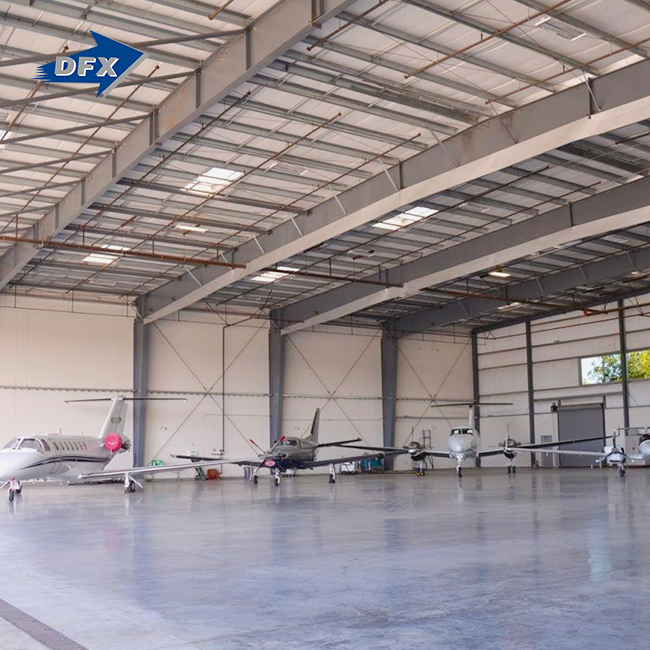
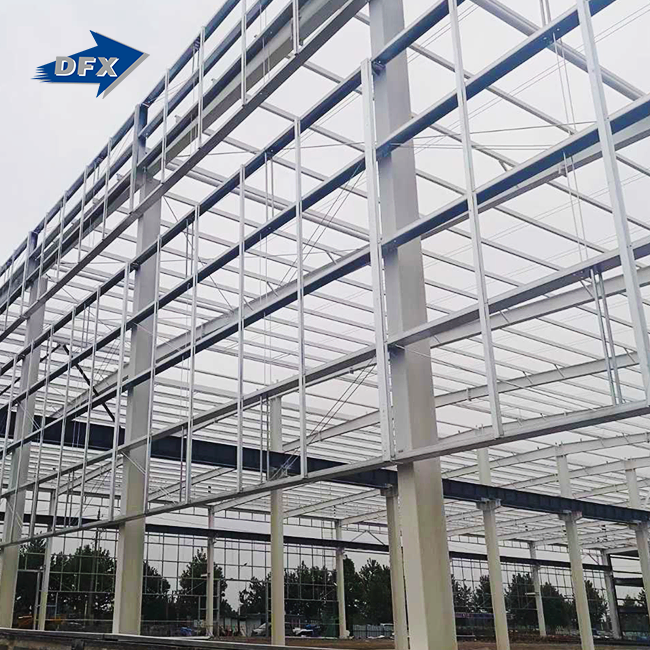
One question always comes up when looking at a prefabricated steel workshop building for heavy industrial use: Can this structure safely hold up high cranes? The answer is yes, as long as it's built right. The engineered parts in modern prefabricated steel workshop buildings, like welded H-section frames, strengthened beams, and strategic bracing systems, allow them to handle dynamic crane loads of 5 tons to well over 100 tons. The key is to be clear about the crane needs during the early stages of design. This lets structural engineers decide how big the beams should be, how far apart the columns should be, and how to incorporate crane runway girders that spread point loads evenly across the building frame.

Understanding the Structural Capabilities of Prefabricated Steel Workshop Buildings
How Do Modular Steel Components Enable Heavy Load Support?
Prefabricated steel workshop buildings use pre-engineered building (PEB) systems. The main structural parts, like columns and beams, are made from high-strength low-alloy steel like Q355B or ASTM A572 Gr50, which has a peak strength of more than 345 MPa. Submerged Arc Welding (SAW) is used in a controlled workplace setting to cut, drill, and weld these parts. This eliminates the differences that could happen on-site due to weather and different levels of skill. Secondary members, such as C/Z purlins and bracing elements, make the structure more stable on the sides by moving wind and earthquake forces to the base. This modular technique cuts down on construction times by 30 to 50 per cent because base work and the manufacturing of prefabricated steel workshops can be done at the same time. This solves the problem of uncertain schedules that come with traditional building methods.
Load Distribution Principles for Crane Integration
Crane loads and steady store loads are very different. They put pressure on the wheels from the top down, horizontal surge forces when speeding up or slowing down, and contact loads when lifting or lowering things. Craneway beams, which are usually strengthened box girders or built-up plate girders, are attached to the main poles by bolts on brackets in a well-designed steel frame. These beams support the crane trolley and spread the heavy wheel loads across several support points. Cross-bracing inside the frame stops it from swaying side to side, and base plates and anchor bolts hold the structure to reinforced concrete supports. This makes a straight load path from the crane hook to the ground.
International Standards Ensuring Safety and Reliability
Engineering teams build workplaces that support cranes based on well-known standards like AISC 360 (American Institute of Steel Construction), Eurocode 3, or China's GB 50017. The minimum safety factors, wear resistance for cyclic loads, deflection limits to keep crane tracks from getting out of line, and connection details to stop vibration are all spelled out in these standards. Prefabricated steel workshop buildings that are made with ISO9001 quality systems and CE approval go through strict checks, which include non-destructive testing (NDT) like ultrasonic testing (UT) on key welds to find internal flaws like cracks or porosity before they are shipped. Certified Mill Test Certificates (MTCs) check the chemical make-up of steel plates to make sure they meet certain standards for carbon, silicon, manganese, phosphorus, and sulphur.
Can Prefabricated Steel Workshop Buildings Support Overhead Cranes?
Types of Cranes Compatible With Steel Workshop Structures
Steel companies can set up cranes in a number of different ways, depending on the needs of the business. Travelling bridge cranes can move along runway beams that run the length of the building. This makes them perfect for factories that need to move heavy machinery or do assembly work that needs to be done on large amounts of floor space. Jib cranes can be attached to separate columns so that they can move things only in certain areas of a work area. This is popular in maintenance bays or processing plants. Gantry cranes, which have rails that run along the ground instead of beams that are raised, are better for outdoor or partly covered workshops that can't use column-mounted systems. Different types of cranes put different loads on the structure. For example, moving cranes need continuous runway beams that are perfectly aligned (within ±5mm over span lengths), while jib cranes put most of their weight on a single column, which needs extra support.
Structural Design Considerations for Safe Crane Operations
Adding cranes to prefabricated steel workshop buildings requires a lot of engineering math to be done during the planning phase. In normal workshops, the space between columns is usually 6 to 9 meters. For crane-supported buildings, this space can be increased to 12 or even 15 meters to make more floor room and lower the number of runway supports. To handle the combined vertical dead loads, live loads from materials, and horizontal forces from the crane, the cross-sectional size of the main columns gets bigger. They are often made of welded H-sections with flange widths of more than 300mm and web thicknesses of more than 12mm. Runway girders need to be able to handle bent moments and shear loads while also staying within deflection limits (usually span/1000 at full load) so that crane wheels don't get stuck or rails don't get damaged. Connection clamps that connect runway beams to columns use Grade 8.8 or 10.9 high-strength nuts to keep them from coming loose over time.
Real-World Applications Demonstrating Crane Performance
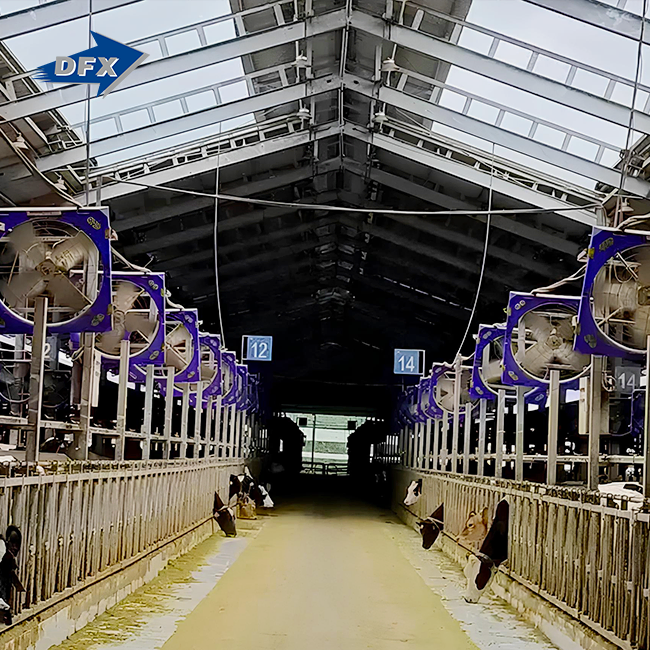
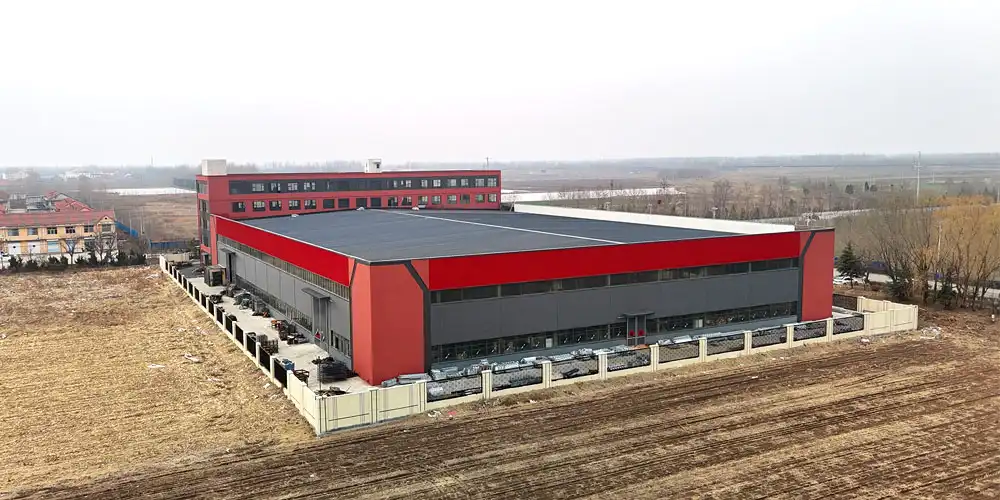
Companies that make things and want to make more have successfully used prefabricated steel workshop buildings with built-in 20-tonne bridge cranes to put together car parts. The buildings have clear spans of 30 meters and no interior beams, which makes the most of the floor space and lets the production lines be set up in a variety of ways. Agricultural operations use 10-tonne jib cranes that are placed inside buildings that process animal feed. Steel parts are protected from ammonia exposure by coats that don't rust. EPC contractors in charge of infrastructure projects say that prefabricated steel workshop buildings with 50-tonne gantry cranes cut project schedules by a lot. For example, a logistics warehouse in Texas was fully operational six months after the groundbreaking ceremony, compared to the 14 months that were expected for cast-in-place concrete construction.
Comparing Prefabricated Steel Buildings With Other Workshop Structures for Crane Support
Strength and Flexibility Advantages Over Concrete and Wood
Steel's higher strength-to-weight ratio makes it possible for longer straight spans than wood framing, which can only go up to about 15 meters before it needs support beams that get in the way of cranes. Concrete tilt-up panels and cast-in-place frames are very fire resistant, but they need a long time to cure (21 to 28 days for full strength) and heavy formwork, which slows down the building process. A 5,000-square-metre prefabricated steel workshop building can be built in four to six weeks after the foundations dry out, and these structures are easy to change. For example, to add crane capacity later, all that needs to be done is to reinforce the existing columns and install new runway beams. In contrast, concrete retrofits require expensive drilling and epoxy anchoring.
Maintenance, Fire Resistance, and Safety Compliance
When prefabricated steel workshop buildings are well taken care of, they last more than 50 years. Every year, they are inspected to make sure the bolts are tight, the paint is still good, and the gutters drain properly so water doesn't pool. In humid places, wood structures can rot, be damaged by insects, and become unstable in size, which makes it hard to line crane rails and requires frequent changes. Fire resistance in prefabricated steel workshop buildings is achieved by coatings that don't catch fire when heated or by covering beams with fire-resistant gypsum board that meets NFPA standards for industrial buildings. The fact that steel doesn't catch fire is very different from wood framing, where fires spread quickly, and buildings fall down within minutes of being lit.
Environmental Impact and Energy Efficiency
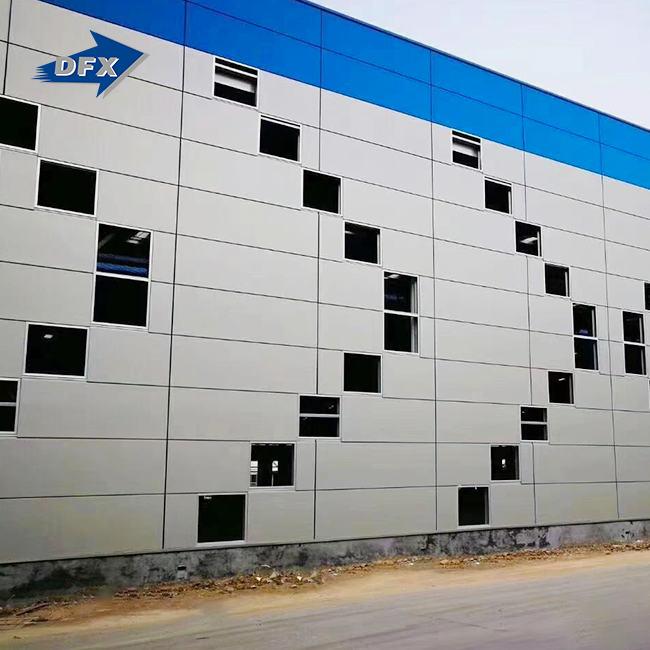
Steel can be recycled over and over again without losing any of its mechanical qualities. This makes prefabricated steel workshop buildings appealing to businesses that want to get LEED approval or lower their carbon footprint. Energy-efficient designs use sandwich panels with polyurethane or rockwool bases that have R-values of 20 to 30. This lowers the cost of heating and cooling factories that are open 24 hours a day. Thermal break tapes placed between the purlins and the roof panels stop condensation from forming, which harms kept items and rusts the inside surfaces. At first, building with wood stores carbon, but it often uses chemicals and processes that are bad for the environment. On the other hand, making concrete releases a lot of CO₂ during the calcination process.
Procurement Considerations for Prefabricated Steel Workshops Supporting Cranes
Selecting Suppliers With Proven Engineering Expertise
A successful purchase depends on picking a prefabricated steel workshop building maker with a track record of integrating cranes. Make sure that the seller has licensed structural engineers on staff who can build according to local codes and not just drafters who copy standard templates. Ask for examples of past crane-supported projects with similar span lengths and lifting abilities, such as pictures of the finished installations and contact information for past clients. Suppliers should give full engineering packages that include signed formulas, anchor bolt plans with exact embedment coordinates (within ±3mm), shop drawings for the crane runway beam, and step-by-step instructions for putting it together. Anchor bolt layouts that are missing or not correct cause expensive delays; even a 10 mm difference in alignment between the bolts and the holes in the base plate needs chemical anchoring or plate change on-site.
Cost Analysis and Expected Delivery Dates
When you add up all the costs of materials, labour, and renting tools, prefabricated steel workshop buildings are usually 15 to 25 per cent less expensive than similar concrete buildings. Depending on how complicated the item is, made-to-order production needs 25 to 45 days of lead time. It usually takes 35 days for a 3,000-square-metre prefabricated steel workshop building with a 15-tonne crane to load a container from the time the order is confirmed. Volume savings of 5% to 12% are common when buying in bulk for several buildings under big EPC contracts. 8–15% of the total cost of foreign shipping goes to transportation. Containerised parts are easier to move than oversized concrete walls, which require special flatbed trucks and route permits.
Installation Support and Ongoing Maintenance Services
As part of full turnkey solutions, experienced erection teams oversee the installation and walk local contractors through the bolt-up processes, laser transits are used to line the crane runway, and connection torque is checked according to AWS standards. Some companies offer full installation services and send their own teams. This is especially helpful in remote areas where skilled workers are hard to find. After the prefabricated steel workshop building is installed, it should come with support for regular upkeep tasks like checking the fixed connections once a year, re-coating it every 8–10 years in mild climates and every 5–7 years in coastal areas, and checking the structure when the crane's capacity is increased. These services keep the client's money safe and make sure that safety rules are always followed.
Maximizing Performance and Safety of Cranes in Prefabricated Steel Workshop Buildings
Routine Inspections and Preventive Maintenance Protocols
Systematic inspection programmes that focus on areas that are likely to wear out, like crane bracket connections, runway beam welds, and column base plates, are necessary to keep the structure in good shape. Ultrasonic thickness gauges check the rate of rust in steel and find thinning below the minimum thickness requirements before failure. Every year, torque tools are used to check the pressure on the bolts. Vibration from operating the crane slowly loosens connections, even with lock washers in place. Infrared thermography finds electrical sparks in crane power feeds before they start fires. Dye penetrant testing finds surface cracks in high-stress areas that can't be seen with the naked eye.
Corrosion Protection and Fire Safety Enhancements
High humidity, chemical contact, or changing temperatures in the prefabricated steel workshop building all speed up the breakdown of metal. Hot-dip galvanising is better at protecting things than paint methods. In industrial settings, zinc coatings of 85 microns (about 600g/m²) last 30 years or more without any upkeep. Epoxy zinc-rich bases and polyurethane topcoats are flexible options that can reach a dry film thickness (DFT) of 120 to 150 microns, as tested by electromagnetic gauges. The International Building Code (IBC) says that buildings that store flammable materials or high-value equipment must have fire suppression systems with sprinklers, smoke alarms, and emergency air.
Energy Management Without Compromising Structural Capacity
Insulation methods balance how well they keep heat in with how well they keep loads from moving. When sandwich panels are pressed together, they create continuous insulation values without making thermal bridges where fasteners go through, which is a typical problem with batt insulation between purlins. Roofing systems with clear plastic panels let in natural light, which cuts lighting energy use by 30 to 40 percent while adding almost no dead load. LED high-bay fixtures with occupancy monitors use even less electricity. This is especially important in factories that work multiple shifts because energy costs have a big effect on profit margins.
Conclusion
Prefabricated steel workshop buildings that are designed to work with cranes provide reliable solutions in the infrastructure, farming, and industrial sectors. When these steel structure workshop designs are built with the right structural supports, high-strength materials like Q355B steel, and in line with international standards like AISC 360, they can easily hold lifting systems that weigh 5 to 100 tons. Because they can be built quickly, don't cost as much as concrete options, and come with full support from experienced providers, crane-ready prefabricated steel workshop buildings are the best choice for B2B buyers who want to save money and get something that will last for a long time. To be successful, procurement teams and engineering professionals need to work together early on to correctly define the crane's parameters and make sure the structure is adequate from the design of the base to the final installation.
FAQ
1. How long do steel workshops supporting cranes typically last?
Prefabricated steel workshop buildings can last longer than 50 years with regular care like inspections every two years, touch-up painting every 8–10 years, and retorquing of bolts. Protecting against rust through galvanising or good paint systems has a direct effect on how long they last. Coastal climates need stronger anti-corrosion means than dry desert climates.
2. Can we add cranes to an existing steel building later?
It is technically possible to add on to existing crane systems, but it is hard to do and costs a lot of money. Columns and beams in prefabricated steel workshop buildings that weren't made to hold crane loads don't have enough cross-sectional strength or link capacity. For reinforcement, you need a technical study, steel plates that make the structure stronger, and maybe even better foundations. Always include crane needs in the initial plan to avoid having to make expensive changes.
3. What factors most influence project costs?
Prices are based on the type of material, the crane's ability, the clear span width, and the amount of snow and wind in the area. Because the beams are heavier, a prefabricated steel workshop building with a 25-meter span costs 20–30% more per square meter than one with a 15-meter span. Crane-supporting structures raise the cost of a building by 15 to 25 per cent, based on how much it can lift and how long the track is.
Partner With DFX for Crane-Ready Steel Workshop Solutions
DFX is ready to help you with your next industrial project. They have been experts in crane-integrated prefabricated steel workshop buildings for over 12 years. Our factory in Qingdao has six automatic welded H-beam production lines. It is also certified by both ISO9001 and CE, which means that every prefabricated steel workshop building meets the highest quality standards around the world. Our engineering team offers full turnkey solutions that are customised to your crane's capabilities and operating needs. These solutions include initial structural design, manufacturing, surface treatment, and on-site installation help. Email our experts at jason@bigdirector.com to talk about the details of your project and get thorough offers. As a reliable provider of prefabricated steel workshop buildings with annual capacity exceeding 20,000 tons, we deliver engineered solutions that balance performance, safety, and cost-effectiveness for factories, assembly lines, and other industrial processing operations around the world.
References
1. American Institute of Steel Construction (2016). Specification for Structural Steel Buildings (AISC 360-16). Chicago: AISC.
2. European Committee for Standardisation (2005). Eurocode 3: Design of Steel Structures - Part 1-1: General Rules and Rules for Buildings. Brussels: CEN.
3. Fisher, J.M. & Kloiber, L.A. (2006). Base Plate and Anchor Rod Design (Steel Design Guide) 1). American Institute of Steel Construction.
4. Newman, A. (2004). Metal Building Systems: Design and Specifications (2nd Edition). New York: McGraw-Hill Professional.
5. Salmon, C.G., Johnson, J.E., & Malhas, F.A. (2009). Steel Structures: Design and Behaviour (5th ed.). Upper Saddle River: Pearson Prentice Hall.
6. Trahair, N.S., Bradford, M.A., Nethercot, D.A., & Gardner, L. (2008). The Behaviour and Design of Steel Structures to EC3 (4th Edition). London: Taylor & Francis.
Learn about our latest products and discounts through SMS or email