- English
- French
- German
- Portuguese
- Spanish
- Russian
- Japanese
- Korean
- Arabic
- Greek
- German
- Turkish
- Italian
- Danish
- Romanian
- Indonesian
- Czech
- Afrikaans
- Swedish
- Polish
- Basque
- Catalan
- Esperanto
- Hindi
- Lao
- Albanian
- Amharic
- Armenian
- Azerbaijani
- Belarusian
- Bengali
- Bosnian
- Bulgarian
- Cebuano
- Chichewa
- Corsican
- Croatian
- Dutch
- Estonian
- Filipino
- Finnish
- Frisian
- Galician
- Georgian
- Gujarati
- Haitian
- Hausa
- Hawaiian
- Hebrew
- Hmong
- Hungarian
- Icelandic
- Igbo
- Javanese
- Kannada
- Kazakh
- Khmer
- Kurdish
- Kyrgyz
- Latin
- Latvian
- Lithuanian
- Luxembou..
- Macedonian
- Malagasy
- Malay
- Malayalam
- Maltese
- Maori
- Marathi
- Mongolian
- Burmese
- Nepali
- Norwegian
- Pashto
- Persian
- Punjabi
- Serbian
- Sesotho
- Sinhala
- Slovak
- Slovenian
- Somali
- Samoan
- Scots Gaelic
- Shona
- Sindhi
- Sundanese
- Swahili
- Tajik
- Tamil
- Telugu
- Thai
- Ukrainian
- Urdu
- Uzbek
- Vietnamese
- Welsh
- Xhosa
- Yiddish
- Yoruba
- Zulu
Exploring the Advantages of Steel Structure Exhibition Halls
Project managers and procurement professionals are choosing Steel Frame Exhibition Halls more and more when they need to plan big show areas because they offer the best mix of efficiency, durability, and design freedom. These unique buildings use premade steel parts to make rooms that are huge and don't have any columns, which is difficult to do with traditional building methods. These buildings are made with high-quality steel column-beam frames made from Q235 or Q355 steel. They have strong structures and cut down on construction times by 30 to 50 per cent. Knowing the unique benefits of steel-framed show spaces can help you make smart purchasing choices that balance cost, speed, and long-term value, whether you're in charge of an EPC contract, growing a manufacturing business, or building commercial infrastructure.

What Makes Steel Frame Exhibition Halls Different from Traditional Construction?
A major change from traditional building methods is represented by steel-frame exhibition halls. Unlike concrete or wood-frame buildings, these designed systems use parts that are made in a workshop and are ready to be put together quickly when they arrive at the site.
Defining the Steel Frame Exhibition Hall Structure
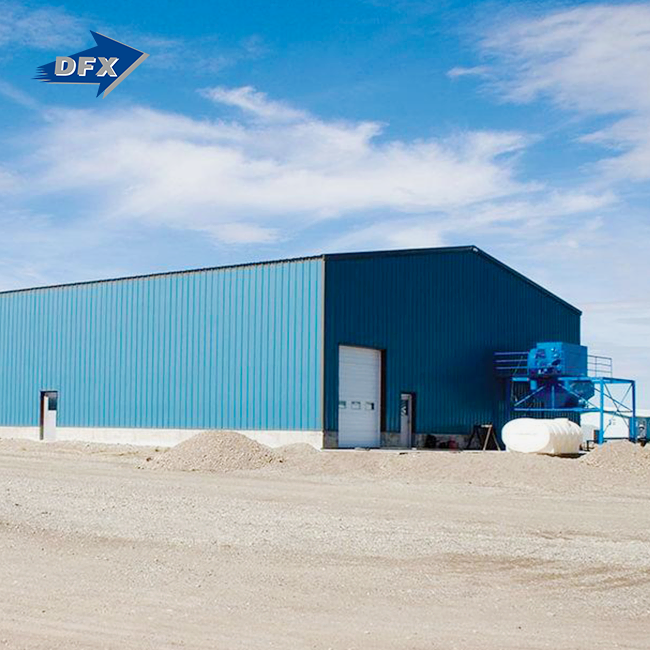
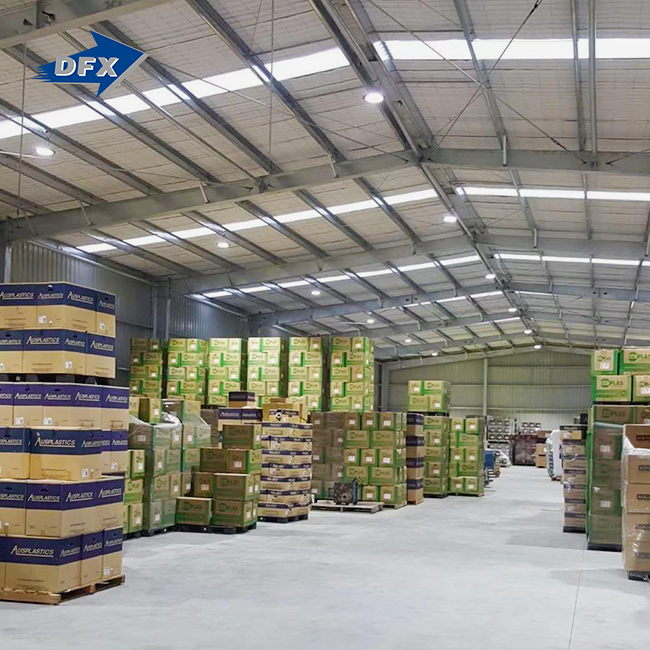
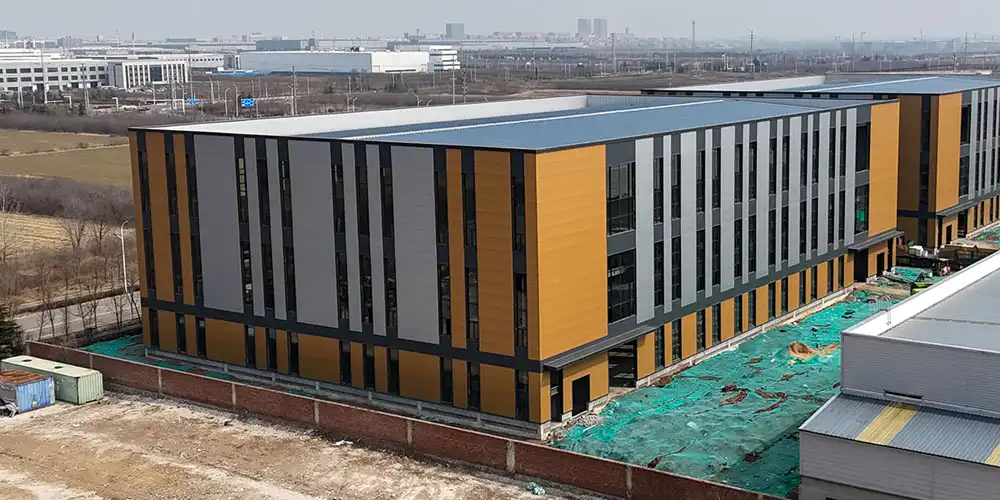
Steel-frame exhibition halls have enormous inner spaces without internal support columns made of H-beams, box columns, and trusses. This pre-written solution solves the biggest issues project managers confront daily. Trade exhibitions and industry exhibits benefit from eliminating interior columns to increase floor space and sightlines. Building timeframes are shorter than with poured-in-place concrete since sections are built off-site under controlled circumstances. Foundations and their expenses are reduced by steel's lighter dead load. This immediately impacts your project budget.
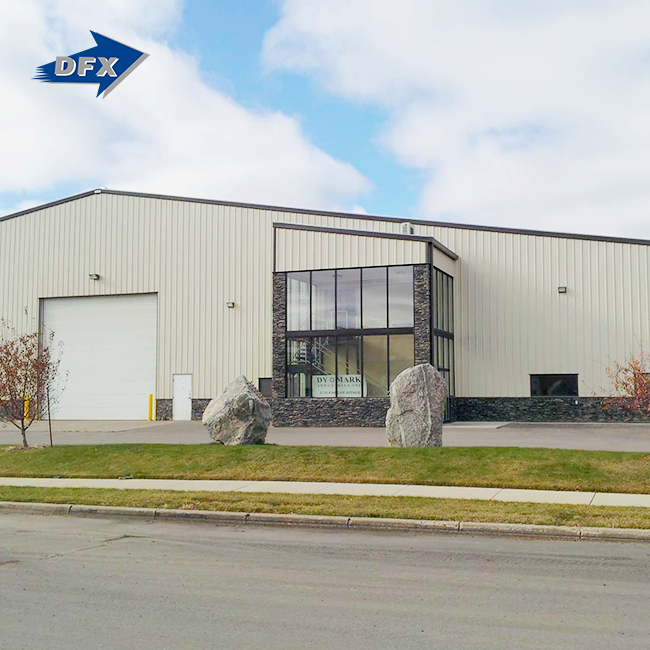
Sealed facades with steel bracing and curtain wall or metal panel exteriors characterise these buildings. They can be multi-storey. It can be set up in 60-metre clear spans for automotive exhibits or 100-metre spans for building machinery shows, because it is modular.
Why Do Procurement Teams Choose Steel Over Traditional Materials?
Material managers in the construction industry use real-world success measures to judge the quality of materials. There are real benefits to building with steel when it comes to structural physics. For example, the Q355B and ASTM A572 Gr.50 types have a yield strength of more than 345 MPa and are very flexible, which is very important for areas that are prone to earthquakes. This flexibility lets the frame take in energy without breaking in a big way, making it better than hard concrete in dangerous situations.
The speed of installation is another important factor. Prefabrication cuts down on the need for on-site work and delays caused by bad weather. When a big wholesaler switched to steel frame technology, project delivery times went down by 30%. This directly improved cash flow and occupancy plans. Because factory manufacturing is more precise, quality control is better than field-assembled options. This means that there is less need for expensive rework and change orders, which are common in traditional building projects.
Core Performance Benefits That Impact Your Bottom Line
In addition to the benefits they offer during building, steel-frame exhibition halls also offer ongoing operational benefits that affect project ROI and lifecycle costs.
Accelerated Construction Schedules Through Modular Design
Modular systems allow staged construction. You can finish and move into portions of the display hall while others are being worked on. Monolithic concrete buildings cannot do this. Because clients can start producing money earlier, project expenses are considerably reduced.
Structural Durability and Reduced Maintenance Requirements
Steel requires less maintenance due to its manufacturing. Hot-dip galvanising and epoxy zinc-rich painting are effective anti-corrosion treatments that can withstand external stress for decades. These buildings can last over 50 years with minimum maintenance if you treat the surfaces according to ISO 12944.
Pests, rot, and biological degradation can't destroy it; therefore, it requires less maintenance than wood buildings. Time doesn't shrink, deform, or fracture the material. This maintains proportions, protecting finishing and performance. The major maintenance chores include inspecting outside seals annually and structural connections every five years. These take less time than mending damaged concrete or replacing wood.
These durable characteristics reduce the total cost of ownership, which is crucial when calculating a show hall's long-term ROI.
Design Flexibility and Scalability for Evolving Needs
Growing enterprises and changing areas affect display guidelines. Steel frames are better at these changes than conventional constructions. The beam-and-column method allows interior layout alterations without structural damage. Non-load-bearing inner walls can move with exhibition ideas. Operators have more options than concrete or masonry.
Expansion is also important. Vertical or horizontal steel buildings can be added without disturbing operations. Sections can be added without affecting the structure due to its flexibility. The architecture remains unaltered as capacity grows. Scalability is vital for manufacturers who want to make more products and farms that desire more animal habitats.
Modern insulation boosts energy efficiency. With Low-E glass curtain walls, polyurethane or rockwool sandwich panels reduce heat loss in large spaces. High-use display rooms have high HVAC costs, but these envelope methods lower them.
Technical Specifications That Engineering Teams Need to Know
Knowing how steel frame exhibition halls work technically helps purchasing managers correctly judge the skills of suppliers and the needs of the project.
Material Standards and Structural Performance Metrics
Steel-frame show halls built to international standards are safe and efficient. Following AISC 360 (USA), Eurocode 3 (EU), and GB 50017 ensures a stable framework even with multiple users. From steel selection to connection design, these systems rule. They measure quality, too.
Specific truss or space frame roof systems provide clear spans of 60–100 meters without centre supports. Local building rules sometimes require wind load resistance of more than 0.5 kN/m² to withstand extreme weather. Planning for suspended equipment like lighting rigs, HVAC systems, and audio equipment needs structural analysis tools like Tekla or SAP2000 to specify collateral load capacity. Roof framework part.
Intumescent fireproofing. These coatings expand when heated, insulating steel parts and giving two to four hours of fire resistance per local requirements. A passive defensive system stabilises the building so firefighters and occupants may escape.
Quality Control Measures for Procurement Verification
Quality control must be maintained during construction for structural safety. Ultrasound and magnetic particle inspections that do not harm welds should be required by procurement managers. These NDT technologies discover cracks or holes in important structural joints without damaging them. For a robust link, this is crucial.
The company tests complex truss or space frame pieces before shipping to ensure measurements and bolt holes are aligned. This prevents costly on-site delays caused by mismatched parts, which raise the budget and schedule. To ensure fireproofing and anti-corrosion coatings fulfil safety standards, pull-off adhesion tests and dry film thickness measurements are essential.
ISO 9001 and CE-certified companies plan to maintain quality. These qualifications reassure procurement teams of the items' quality and compliance with regulations, which are crucial when selecting overseas vendors.
Comparing Steel Exhibition Halls with Alternative Construction Methods
To make smart purchasing choices, you need to know how the performance of steel frame exhibition halls stacks up against other building materials.
Steel Versus Concrete: Speed and Flexibility Advantages
Concrete lasts long, yet is harder to create with. Forming, pouring, and curing concrete takes months longer than steel. Concrete buildings are heavy and require stronger supports, which increases site preparation costs and structure loads.
Steel may be cheaper, easier to work with, and install faster. It lasts longer. Because it's lighter, it needs less foundation. This usually reduces excavation, concrete, and reinforcement costs. Altering steel members and connections is easier than altering concrete members and connections, which requires expensive demolition and rebuilding.
Steel Versus Wood: Safety and Longevity Considerations
A wood-frame building is cheaper and less material-intensive, but it's less fire-safe, has less weight capacity, and lasts less. Wood is quickly burned, so fire safety precautions may limit its use in home construction. Because it doesn't get pests or water damage, steel buildings need less maintenance.
Steel can make distinct gaps that dimensional boards and engineered wood goods can't since it's stronger. Life safety is maintained by fire-resistant coatings. If maintained, steel constructions can survive 50 years or more, longer than most wood frame structures. This means they have superior lifetime value while costing more initially.
Environmental Benefits and Sustainability Credentials
Material choices in business building are driven more and more by corporate responsibility and following the rules, particularly when investing in a steel-frame exhibition hall.
Recyclability and Circular Economy Advantages
Steel is unique since it is ecologically friendly throughout its life. The material can be reused without losing quality. Much of structural steel is recycled and retains its value when no longer needed. Cycle economy materials store less carbon than fresh materials like concrete or wood.
Steel buildings may be moved around, giving businesses and temporary displays flexibility. The bolted link design allows for complete material recovery, making it ideal for World Expo buildings or short-term pop-up events. Reusability reduces garbage and environmental impact significantly across project lifecycles.
Energy Performance and Operational Cost Reductions
The heat efficiency of buildings with advanced envelope systems and steel framing is very good. When you mix thermally broken curtain wall systems with insulated sandwich panels, heat doesn't move as easily across big surfaces. When compared to conventional buildings that aren't well insulated, these envelope techniques cut heating and cooling loads by a large amount, resulting in 20–30% lower running energy costs.
Energy-efficient show halls help buildings get green building standards like LEED or BREEAM, which improves how the market sees the building and its value. Meeting these standards shows that you care about the environment, which is a quality that stakeholders value and that can positively affect tenant or client buying choices.
Real-World Applications Across Multiple Industries
Besides being used for trade shows, steel frame exhibition halls are useful for many other things, showing their flexibility across industries.
International Convention and Trade Centers
Permanent megastructures that host expos for building equipment or industrial equipment need to have huge clear spans of more than 80 meters. Steel frame systems can handle these tough standards and the big loads that come from exhibiting equipment on the floor. Steel's design freedom makes it possible to use complex roof geometries that take advantage of natural light, which creates appealing interiors that improve the tourist experience.
Automotive and Aerospace Showrooms
Specialized business-to-business settings for showing off cars and planes need special building features. Roof truss systems can be designed to hold point loads for hanging cars or aeroplane parts, which isn't possible with a regular frame. When heavy-duty structural performance is combined with high-tech industrial aesthetics, unique branded areas are created that strengthen company identity while also meeting useful show needs.
Manufacturing and Agricultural Applications
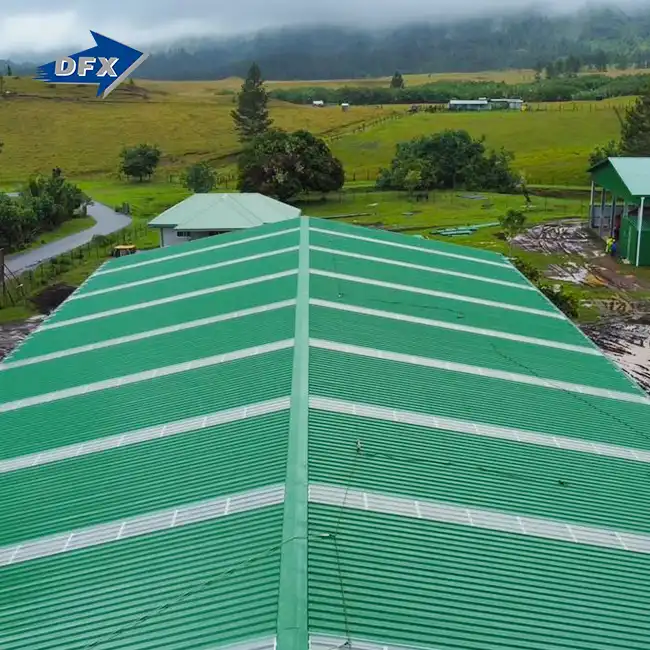
The same structural systems are used in industrial workshops, production sites, and farm buildings, in addition to exhibitions. Steel is strong and can be used to build large numbers of temperature control systems, which is good for poultry housing. Manufacturing plants use quick building and designs that can be changed to make the best use of their space and output capacity.
Procurement and Post-Purchase Considerations for Project Success
Choosing the right suppliers and getting full project help throughout the building process are key to the success of Steel Frame Exhibition Hall projects.
Evaluating Supplier Capabilities and Credentials
You can expect quality delivery and full support from makers with a track record. ISO 9001, CE marking, and COC, PVOC, and local building code compliance are important. Suppliers that offer architectural layout design, structural calculations, manufacturing, and installation advice make it easier for several personnel to work on a project and reduce hazards.
Another consideration is production capacity. Automatic welded H-beam, sandwich panel, and corrugated sheet production lines demonstrate a commitment to efficiency and uniformity. The annual output of welded beams, section steel, and panels shows that capacity concerns do not delay project plans.
Understanding Pricing Structures and Contract Terms
Project-based fabrication is the most popular way to buy steel structures, and pricing depends on design, material, and shipment. Knowing these criteria helps procurement managers negotiate and stay on budget. Bulk ordering might save money if you're in control of multiple projects or a staged building programme.
Delivery strategies connected to site readiness prevent costly delays when items arrive early or late. Make sure the contract explicitly states what installation support services are covered, such as full turnkey installation or professional assistance for local contractors, to avoid project delays. Warranty terms that cover material, construction, and finish faults reduce risk during early operation.
Post-Purchase Support and Long-Term Partnerships
Installation help from experienced technology teams speeds up the process and makes sure it's done right. Having help on-site during key stages of building speeds up the resolution of problems in the field, keeping small issues from becoming major delays. Facility management teams that don't know much about steel building standards can get help from maintenance contracts or technical consulting services. This keeps the asset safe for as long as it lasts.
Having dependable sources for a long time is valuable for more than just one job. Established relationships make it easier to get quotes faster, schedule production more efficiently, and be open enough to accommodate changes to the design or faster deliveries when project circumstances change.
Conclusion
Steel-frame exhibition halls have many great benefits that directly affect procurement goals. For example, they can be built faster, last longer with less upkeep, be designed in a way that can adapt to changing needs, and have sustainable credentials that meet environmental promises. When it comes to speed, cost over time, and adaptability, these pre-engineered systems are better than traditional building methods. These are important factors for EPC companies, manufacturing operations, and infrastructure developers. Steel structures are a good choice for tough business and industrial uses because they meet strict quality standards, use modern materials that work well, and come with full support from their suppliers. Knowing these technical and practical benefits helps buying teams choose solutions that get the best results for projects while staying within budget and time limits.
FAQ
1. How does building a steel show hall change the cost of project insurance?
Because steel is so good at resisting fire and keeping its shape, buildings made of it often get better insurance rates. Because steel doesn't catch fire, along with intumescent fireproofing methods, it greatly lowers the risk of fire compared to wood building. Better resistance to wind and earthquakes also lowers the chance of catastrophic losses, which are things that insurers take into account when they set rates. Talking to your insurance company about your choice of steel construction while planning your project can help you find ways to save money on your coverage.
2. What kind of planning do the steel fabricator and the footing contractor need to do?
The connection between foundation pin bolts and steel column base plates is made possible by close communication. The steel fabricator gives foundation builders specific anchor bolt plans and tolerances that they must meet when putting down concrete. Before the concrete sets, use template systems or measuring proof to make sure that the bolts are in the right place. Misalignment needs expensive fixes, so trades have set ways to communicate and quality checks to avoid these problems.
3. Can steel show halls have renewable energy sources built in?
Steel structures work well with solar photovoltaic panels, which can be put on the roof or built into the building itself. It is possible to build the structure to hold the weight of the panels and to set up the roof in a way that makes the most of the sun. Natural ventilation methods take advantage of the high air flow inside and can be connected to automatic control systems. These environmentally friendly features make operations more efficient and help reach green building approval goals, which improves the building's place in the market.
Partner with DFX for Your Steel Exhibition Hall Project
DFX is the business name of Qingdao Director Steel Structure Co., Ltd., which has been making steel structures for commercial buildings, showplaces, and industrial facilities for more than 12 years. We have 40,000 square meters of protected production space and high-tech fabrication equipment, such as six automatic welded H-beam lines and combined sandwich panel manufacturing, which lets us meet tight deadlines and deliver high-quality parts. As a steel frame exhibition hall maker with both ISO 9001 and CE certification, we offer full support, from designing the architectural plan to calculating the structure, making the hall, and helping with the installation. Our technical team works with project engineers and buying managers to come up with solutions that meet unique needs and are the best value for money. Get in touch with jason@bigdirector.com to talk about your show hall needs and find out how our full services can make your next project easier from start to finish.
References
1. American Institute of Steel Construction (2016). "Steel Construction Manual, 15th Edition." Chicago: AISC.
2. Chen, W.F. and Lui, E.M. (2018). "Handbook of Structural Engineering, Second Edition." Boca Raton: CRC Press.
3. European Convention for Constructional Steelwork (2015). "Design of Steel Structures: Eurocode 3 Commentary and Worked Examples." Brussels: ECCS.
4. Lawson, R.M. and Ogden, R.G. (2014). "Sustainability and Process Benefits of Modular Construction." The Structural Engineer, Vol. 92, Issue 1, pp. 28-33.
5. Trahair, N.S. and Bradford, M.A. (2017). "The Behaviour and Design of Steel Structures to EC3, Fifth Edition." Boca Raton: CRC Press.
6. World Steel Association (2020). "Steel Buildings in Europe: Multi-Storey Steel Buildings Part 10 - Sustainable Construction." Brussels: WSA Publications.
Learn about our latest products and discounts through SMS or email