- English
- French
- German
- Portuguese
- Spanish
- Russian
- Japanese
- Korean
- Arabic
- Greek
- German
- Turkish
- Italian
- Danish
- Romanian
- Indonesian
- Czech
- Afrikaans
- Swedish
- Polish
- Basque
- Catalan
- Esperanto
- Hindi
- Lao
- Albanian
- Amharic
- Armenian
- Azerbaijani
- Belarusian
- Bengali
- Bosnian
- Bulgarian
- Cebuano
- Chichewa
- Corsican
- Croatian
- Dutch
- Estonian
- Filipino
- Finnish
- Frisian
- Galician
- Georgian
- Gujarati
- Haitian
- Hausa
- Hawaiian
- Hebrew
- Hmong
- Hungarian
- Icelandic
- Igbo
- Javanese
- Kannada
- Kazakh
- Khmer
- Kurdish
- Kyrgyz
- Latin
- Latvian
- Lithuanian
- Luxembou..
- Macedonian
- Malagasy
- Malay
- Malayalam
- Maltese
- Maori
- Marathi
- Mongolian
- Burmese
- Nepali
- Norwegian
- Pashto
- Persian
- Punjabi
- Serbian
- Sesotho
- Sinhala
- Slovak
- Slovenian
- Somali
- Samoan
- Scots Gaelic
- Shona
- Sindhi
- Sundanese
- Swahili
- Tajik
- Tamil
- Telugu
- Thai
- Ukrainian
- Urdu
- Uzbek
- Vietnamese
- Welsh
- Xhosa
- Yiddish
- Yoruba
- Zulu
Insulated Steel Garages: Costs, Benefits & Uses
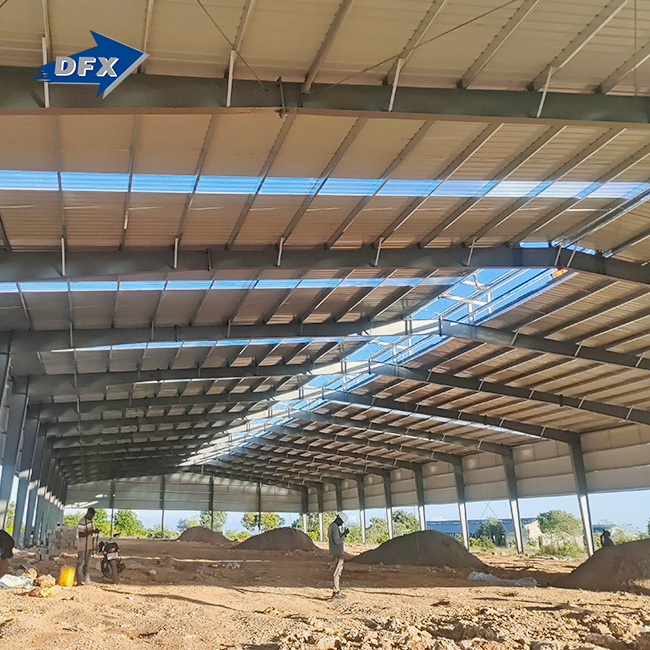
An insulated steel garage is a strong building made of a steel frame and composite metal sandwich panels with foam insulation cores (usually polyurethane (PU) or expanded polystyrene (EPS)) joined between two steel skins. These garages are better at keeping heat in, keeping wetness out, and keeping the structure strong than single-wall metal buildings that tend to humidity and temperature changes. They are designed to solve important problems like corrosion from internal sweating, unstable temperatures in harsh climates, and not enough noise reduction, which makes them perfect for storing business vehicles, maintaining equipment, and doing work that needs to be done at a certain temperature.

Understanding Insulated Steel Garages: Definition and Core Benefits
What Makes Insulated Steel Garages Different?
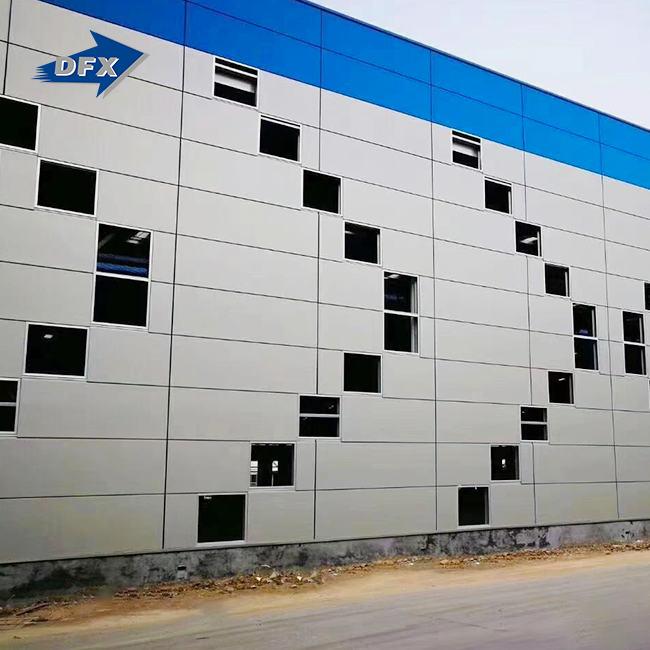
The main difference is in how the sandwich panels are built. Each panel of an insulated steel garage has a closed-cell foam core (usually 40–42 kg/m³ density polyurethane) that doesn't conduct heat well (as little as 0.022 W/m·K) and is layered between high-tensile steel skins (Grade 50/80, 24–29 gauge). AZ150 Galvalume or G90 galvanising is used on the steel to make a shield against rust. This design turns the building shell into both structure and insulation, so there is no more thermal bridging that happens with older frame-and-insulate methods.
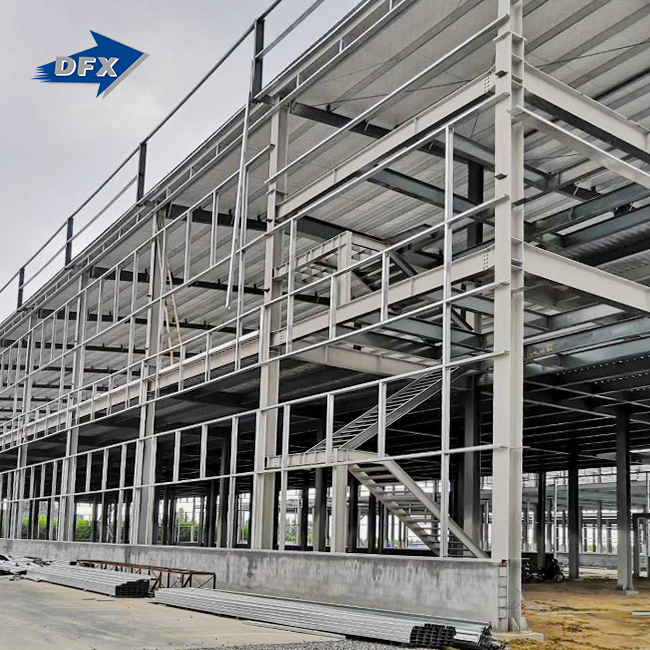
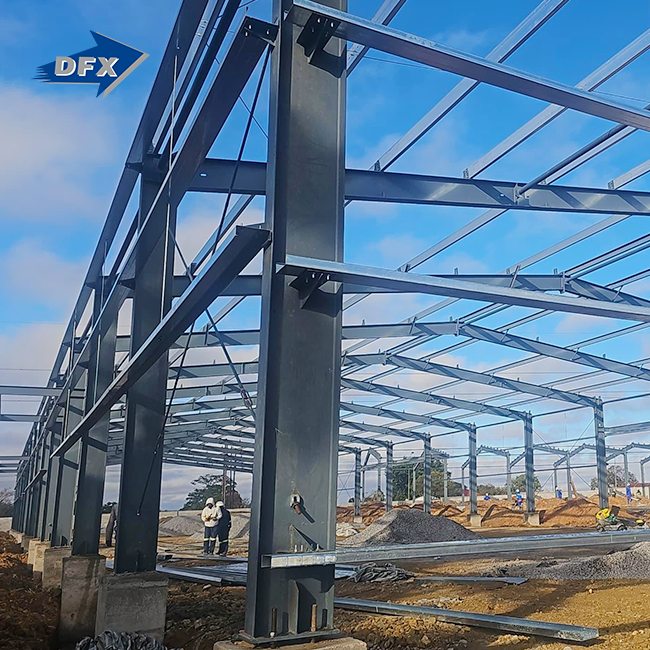
Our buildings are made with light H-section or square tube steel frames and galvanised purlins that allow clear spans of more than 30 metres without the need for internal beams. This makes it possible to change the plan of the inside to store tools or set up a workshop. The small steel frame keeps the structure straight, and the insulated panels make it stronger against bending, making it better at spreading the load than regular sheet metal skins.
Energy Efficiency That Reduces Operating Costs
System R-values range from R-12 to R-32, based on the width of the panels (50 mm to 150 mm). This means that HVAC loads are much lower than with options that aren't insulated. In a mild climate, a 30x40-foot insulated building can cut heating and cooling costs by 40 to 60 per cent a year compared to single-skin metal buildings. Over 90% of the closed-cell foam's heat resistance stays the same for more than 50 years, unlike fibreglass batts, which shrink and settle.
The design moves the dew point outside the inner cavity, which pretty much gets rid of the condensation that harms inventory, parked cars, and precise tools. This moisture control makes tools last longer and keeps paint coats on cars in good shape. Paint systems that use PVDF (Kynar 500) or silicone-modified polyester coats don't chalk or fade for more than 40 years, keeping their good looks and protecting them from the elements.
Fire Safety and Acoustic Performance
Panels with B1 or A2 fire ratings have smoke-suppressant additives built in, making them safer than separate sheds made of wood. A big benefit of the composite structure is that it reduces noise pollution from rain, traffic, and machine operations. This is especially important for workshops that are in mixed-use or residential areas where noise laws apply.
Insulated Steel Garage vs. Traditional and Alternative Garage Types
Performance Comparison Across Building Systems
When purchasing managers look at buildings for business use, they consider a number of factors. Wood-frame garages are cheaper to build, but they need to be maintained often, are prone to damage from pests and wet rot, and don't hold fires very well. Concerns about longevity are addressed by single-skin metal buildings, but they have serious condensation problems and unstable temperatures that make them uncomfortable to work in for long periods.
These gaps are filled by insulated steel garages, which use composite technology. A lifecycle cost study shows that the original investment is 20–35% higher than for metal buildings that aren't insulated. However, the savings in energy costs, lower upkeep costs, and longer service life make up for it within 7–10 years for heated or climate-controlled uses. Buildings can usually handle snow loads of 60 psf or more, which makes them useful in mountainous areas where other materials fail.
Real-World Application Scenarios
Shops that fix up cars need steady temperatures so that paint can dry and so that heat expansion doesn't mess up the work. Changes in temperature can bend metals and damage chemical glues used in bodywork. The closed design helps keep dust down, which is important when adding clearcoat finishes.
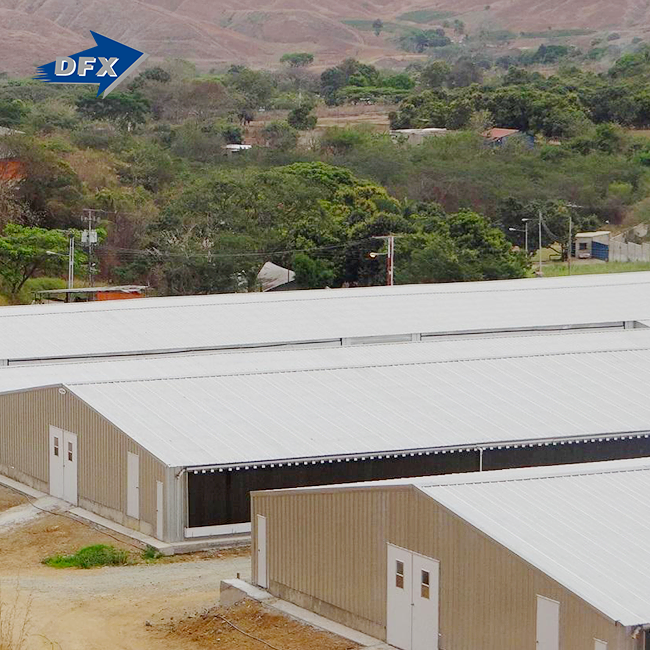
Insulated steel garages are used as transfer hubs by cold chain logistics activities in subarctic areas. The insulation keeps things inside from freezing without having to use expensive climate control systems. This is especially helpful for medicine sales, where changes in temperature can damage stock. A farm in the Midwest that raises chickens cut its heating costs by 52% a year after switching from wood-frame houses to insulated steel buildings with proper airflow.
Companies that make things and want to increase their production ability, like how quickly the buildings can be built. A 10,000-square-foot building usually takes 6–8 weeks to build from the time the foundations are finished to the time the building is ready for use, compared to 12–16 weeks for similar brick or wood construction. This quickness to usage lowers the cost of borrowing and speeds up the process of making money from new capacity.
Balanced Evaluation for Decision Makers
Benefits include a base that doesn't move much because steel is dimensionally stable, design freedom for future growth through modular bay additions, and agreement with ASTM A792 steel sheet standards that guarantee consistent material quality. The main cons are that it costs more up front and needs designed supports that focus loads at column points instead of spreading them out along continuous footings.
Cost Breakdown and Procurement Insights
Price Drivers and Budget Planning
Size is the main factor that affects costs. The cost of supplies and normal planning services for a simple 24x30-foot structure with 50mm insulated panels is between $15,000 and $22,000. Costs rise to $45,000 to $65,000 when sizes are increased to 40x60 feet with 100mm panels and unique door configurations. The price depends on the type of insulation; for example, polyurethane cores are 15-20% more expensive than EPS, but they have better R-values and are less likely to get wet.
The amount of customisation changes the total cost of an insulated steel garage. Engineering costs are kept to a minimum with standard designs that come with pre-engineered door places and sizes. Changes like adding strengthened wind columns for seaside sites, increasing the snow load above the base requirements, or incorporating mezzanine platforms raise the base price by 10 to 30 per cent. Installation work costs between $3 and $7 per square foot, based on how easy it is to get to the spot, how ready the foundation is, and the wage rates in the area.
Through vertical integration, our ability to make things lets us offer low prices. We can keep an eye on quality while cutting down on supply chain markups with our six automatic welded H-beam lines, two sandwich panel lines, and C/Z section steel production. The factory can make up to 20,000 tonnes of welded beams and 50,000 square metres of sandwich panels every year, which helps with the costs of large orders.
Procurement Strategies for B2B Buyers
This market is mostly made up of project-based purchases. When builders group together several units for industrial park projects, they can get 8–15% off the total cost. EPC companies like our turnkey solutions, which include designing the structure, making it, transporting it, and helping with installation. We provide detailed plans and on-site advice, which cuts down on the work that needs to be coordinated.
Cost estimators need to think about base building (reinforced concrete piers or thicker slab edges are needed for concentrated column loads), electricity rough-in, and permit fees that change from place to place. To compare bids from different vendors, you need to make sure that the specs are the same. Check that the bids have the same panel thickness, steel gauge, coating type, and guarantee terms and include an insulated steel garage. Our production process is ISO 9001-certified, and our products are CE-certified, ensuring they meet international quality standards.
Installation, Maintenance & Optimisation Tips for Insulated Steel Garages
Effective Installation Practices
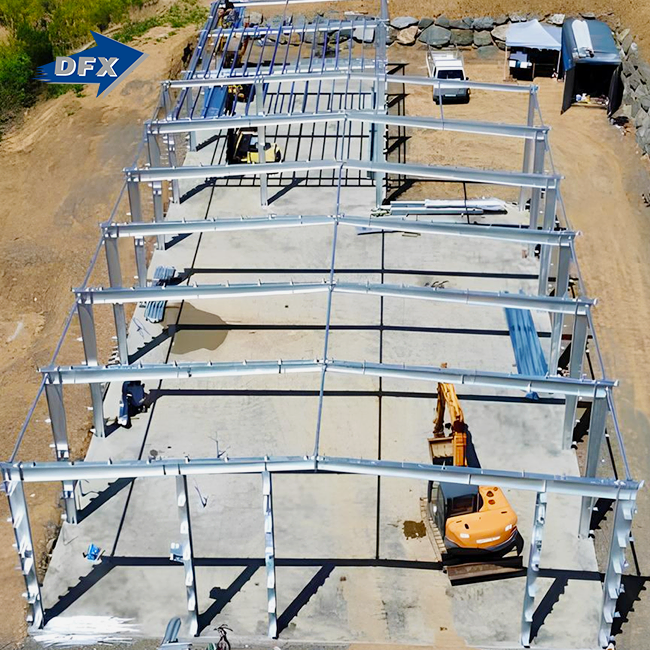
Engineered footing planning is the first step in getting a site ready. In contrast to wooden structures, where loads are spread out along the perimeter sill plates, insulated steel garages focus forces at the column sites. To keep the slab edges from cracking, this needs reinforced concrete supports or sides that are constantly strengthened. An air barrier under the concrete slab stops ground moisture from rising, which could make the inside less comfortable, even with insulated walls and roof.
Installing panels is done in a set of steps. Installing the roof panels first protects the walls from the weather while they are being built. To stop thermal bridging, tongue-and-groove interlocks or standing seam connections need to be properly sealed. High-quality setups use thermal break tape or offset structural clips to make sure that the outside steel skin doesn't touch the inside conductive frame. Blower door testing confirms that the building is energy-efficient, targeting 3 to 5 air changes per hour at a 50 pascals pressure difference.
Careful flashing must be used around door and window holes. We give you full construction drawings that show how to connect insulated panels to non-insulated parts, blocking any way for water to get in. It's important to choose the right fasteners. Self-drilling screws with EPDM washers allow for temperature expansion while keeping the weather seals in place.
Maintenance Protocols for Longevity
Every six months, routine checks find new problems before they get worse. Check the panel joints for separation, which could mean that the structure is moving or the base is sinking. If you see that screws are coming loose because of temperature cycles, tighten them again if necessary. Check coating systems for scratches that leave bare steel showing; fix them right away with matched paint to stop rust from starting.
Managing condensation depends on keeping the temperature inside above the dew point by heating or drying the air properly. Make sure the ventilation systems work right—stagnant air pockets cause moisture to build up even in areas that are sealed. Clean out your gutters and drains so water doesn't pool near the base, where it could damage slab vapour barriers through wicking.
The closed-cell polyurethane in the insulation core doesn't need to be maintained because it stays chemically stable forever. Delamination between the steel skin and the foam core is a sign of a problem with the production process. During acceptance checks, make sure that the peel strength meets ASTM D1623 standards. Our sandwich panel lines have strict quality controls that make sure the bond strength stays above 0.15 MPa during all production runs.
Climate-Specific R-Value Selection
For moderate temperatures (USDA Zones 5-7), 75-100 mm thick panels with R-16 to R-20 numbers work well. This strikes a mix between cost and energy savings for heated shops or storage rooms. Extremely cold places (Zones 3–4) gain from R-25 to R-32 standards using 125–150mm panels, especially when storing temperature-sensitive items or keeping a heated office open all year.
Extreme R-values are not as important in hot, muggy places as controlling wetness. With the right vapour barriers and ventilation, R-12 to R-16 screens in an insulated steel garage keep condensation from forming while also controlling cooling loads. For sites near the coast, better rust protection is needed. Ask for AZ150 Galvalume coatings and salt spray testing approval according to ASTM B117 to make sure they can withstand 1000 hours of exposure.
Conclusion
Insulated steel garages are a smart investment for businesses that care about saving energy, building longevity, and being able to change how they run. The composite sandwich panel construction solves important problems with managing moisture and temperature that plague standard options. It also saves money over the course of its lifetime by requiring less upkeep and energy use. The success of the procurement relies on giving accurate information about the R-values that are right for the climate, checking the licenses and production capabilities of the suppliers, and making sure that the budget planning takes into account the total cost of installation. We can meet a wide range of project needs in the building, industrial, and agricultural sectors thanks to our fully integrated production, international quality certifications, and full range of services, from planning to installation. The technology's flexibility and dependability are shown by how well it works in tough situations, ranging from cold chain supplies to precision machining workshops.
FAQ
1. What energy savings can I expect from an insulated steel structure?
When compared to single-skin metal structures, buildings that are properly designed for the climate usually cut heating and cooling costs by 40 to 60 per cent. Savings depend on how thick the insulation is, how warm you want the inside to be, and how much energy costs in your area. In the north, a warm workshop that is 5,000 square feet could save $3,000 to $5,000 a year on natural gas costs.
2. Which R-value should I specify for my location?
R-16 to R-20 works well in moderate areas like Ohio and Tennessee. R-25 to R-32 is good for places that get very cold, like Minnesota and Montana. In hot, muggy places like central Florida and Louisiana, controlling moisture with R-12 to R-16 and good air is very important. See your local building rules for the bare minimums. To save money on operations, energy-efficient designs often go above and beyond the bare minimums.
3. Can these structures serve industrial manufacturing applications?
Of course. Overhead cranes can be used with clear-span capabilities, and the controlled environment is good for precision cutting, putting together electronics, and making food. Tight-tolerance work doesn't get affected by thermal expansion when the temperature is stable. Many factories use these buildings as production workshops, places to store equipment, and repair centres because the temperature control makes it worth the extra money compared to buildings that aren't insulated.
Partner with DFX for Your Insulated Steel Garage Solution
Director Steel Structure has been making high-quality insulated steel sheds for business, industrial, and farming uses around the world for 12 years. Our ISO-certified factories and CE-compliant goods make sure that our products meet international quality standards. At the same time, our low prices make advanced building technology easy for everyone to access. We offer full turnkey solutions, which include everything from designing and building the structure to providing fitting drawings and expert help. This makes the buying process easier for you. Email our team at jason@bigdirector.com to talk about your project needs and get a full cost quote that fits your needs. As a well-known company that makes insulated steel garages, we want to help you choose the best configurations that meet your performance, price, and schedule needs so that your business can be successful in the long run.
References
1. American Institute of Steel Construction. (2022). Steel Construction Manual, 15th Edition. Chicago: AISC.
2. Metal Building Manufacturers Association. (2021). Energy Performance of Metal Building Systems. Cleveland: MBMA Technical Publications.
3. National Institute of Building Sciences. (2020). Whole Building Design Guide: Metal Building Systems. Washington, D.C.: NIBS.
4. Polyurethane Foam Association. (2019). Technical Bulletin: Thermal Performance of Spray Polyurethane Foam Insulation. Arlington: PFA Industry Standards.
5. ASTM International. (2021). ASTM A792: Standard Specification for Steel Sheet, 55% Aluminum-Zinc Alloy-Coated by the Hot-Dip Process. West Conshohocken: ASTM.
6. U.S. Department of Energy. (2023). Commercial Building Energy Consumption Survey: Pre-Engineered Metal Buildings. Washington, D.C.: DOE Energy Efficiency Division.
Learn about our latest products and discounts through SMS or email