- English
- French
- German
- Portuguese
- Spanish
- Russian
- Japanese
- Korean
- Arabic
- Greek
- German
- Turkish
- Italian
- Danish
- Romanian
- Indonesian
- Czech
- Afrikaans
- Swedish
- Polish
- Basque
- Catalan
- Esperanto
- Hindi
- Lao
- Albanian
- Amharic
- Armenian
- Azerbaijani
- Belarusian
- Bengali
- Bosnian
- Bulgarian
- Cebuano
- Chichewa
- Corsican
- Croatian
- Dutch
- Estonian
- Filipino
- Finnish
- Frisian
- Galician
- Georgian
- Gujarati
- Haitian
- Hausa
- Hawaiian
- Hebrew
- Hmong
- Hungarian
- Icelandic
- Igbo
- Javanese
- Kannada
- Kazakh
- Khmer
- Kurdish
- Kyrgyz
- Latin
- Latvian
- Lithuanian
- Luxembou..
- Macedonian
- Malagasy
- Malay
- Malayalam
- Maltese
- Maori
- Marathi
- Mongolian
- Burmese
- Nepali
- Norwegian
- Pashto
- Persian
- Punjabi
- Serbian
- Sesotho
- Sinhala
- Slovak
- Slovenian
- Somali
- Samoan
- Scots Gaelic
- Shona
- Sindhi
- Sundanese
- Swahili
- Tajik
- Tamil
- Telugu
- Thai
- Ukrainian
- Urdu
- Uzbek
- Vietnamese
- Welsh
- Xhosa
- Yiddish
- Yoruba
- Zulu
Durable Goat Steel Shed for Efficient and Healthy Farming
Modern infrastructure for cattle is changing quickly, and across the agriculture sector, old barns are being replaced with more specialized buildings. The Goat Steel Shed is a purpose-engineered, premade answer that was made to meet the biological and behavioural needs of goats. Goat Steel Sheds solve important problems like ammonia build-up and damage to structures from corrosive dung. Instead of just storing things, these steel buildings have quarantine features, active air dynamics, and extreme corrosion resistance to help farms that do a lot of work.

Understanding Durable Goat Steel Sheds: Features and Benefits
Putting money into the right infrastructure has a direct effect on the health of the herd and the success of the business. Goat Steel Sheds have been shown to be better than standard wooden barns, especially in harsh farming settings.
Superior Material Composition and Structural Integrity
The structure is the most important part of any safe animal home. Beams and poles made of Q345B or Q235B H-section steel are used in high-performance steel sheds. These are designed to hold heavy static and dynamic loads. Hot-dip galvanization with zinc layers that are thicker than 600 g/m² (85 microns) is a very good way to keep ammonia and water out. This process makes the Goat Steel Shed last longer than 50 years with little upkeep, which is very different from wood, which breaks down in ten years when it comes into contact with animal waste. The coating that doesn't rust guards against natural stressors that are common in farming, so the structure stays stable no matter how bad the weather is.
Advanced Ventilation and Climate Control Systems
Animals still die most often from respiratory illnesses, which are often caused by bad air conditions. Ridge ventilators, border curtain systems, and thermal buoyancy concepts are used in modern steel sheds to get 60 to 100 air changes per hour during the warm months. This design keeps animals from getting too hot and gets rid of dangerous ammonia levels that are bad for their health. Managing airflow correctly also cuts down on humidity, which can make beds go bad and spread more pathogens. Insulated sandwich panels are helpful for buildings that house dairy goats or breeding stock. The polyurethane or rock wool cores provide R-values that keep the temperature inside stable, keeping kids from getting cold and lowering the cost of energy used for climate control.
Biosecurity and Elevated Design Advantages
In farming businesses with a lot of animals, the risk of illness spreading is always there. Animals are kept away from areas where waste builds up by elevated wooden flooring systems that are held up by reinforced beam grids. This arrangement greatly lowers the spread of parasites, especially coccidiosis and gut worms that like living in damp beds. The open or semi-enclosed form lets more natural light in, which means you don't have to use as much artificial lighting, and your living space is healthier. The non-porous surface of the Goat Steel Shed keeps bacteria and pests from growing on wooden structures, which is important for business farming operations that need to follow strict cleaning rules.
How to Design and Build an Efficient Goat Steel Shed?
With the right planning, a simple structure can be turned into a tool for efficiency. Several design aspects need to be taken into account in order to balance usefulness, animal welfare, and goat steel shed building efficiency.
Critical Design Considerations for Optimal Functionality
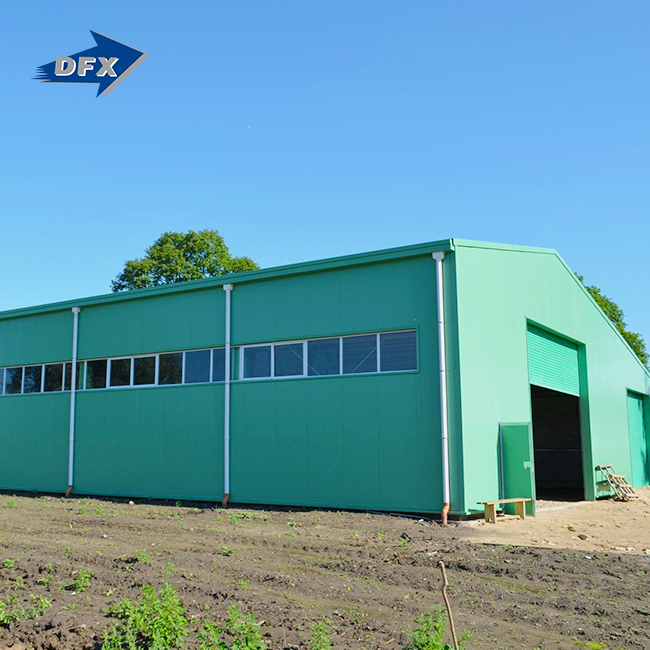
The amount of space needed depends on the size of the herd. According to industry standards, each adult goat should have 15 to 25 square feet, but this depends on the breed and how much management is done. Clear span designs that are 12 to 30 metres long get rid of internal columns, which makes it easier for machines to move and for pen layouts to be changed. Available heights between 4 and 6 metres increase air flow and comfort, and they also make room for automatic food systems and equipment that hang from the ceiling. Getting natural light through transparent roof panels or carefully placed windows can help your body's natural circadian rhythms and lower your stress. Direct access to grass through wide roll-up doors or ramped entrances promotes grazing and exercise, which is good for the health of the whole herd.
Step-by-Step Construction and Assembly Process
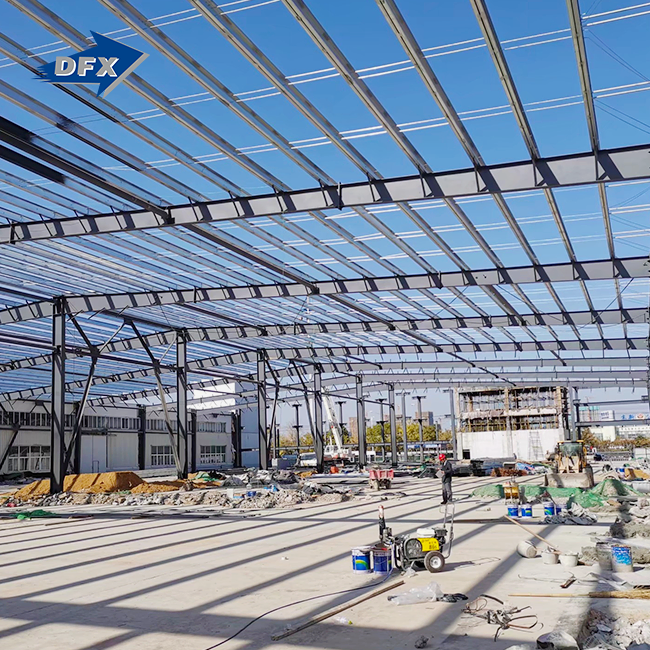
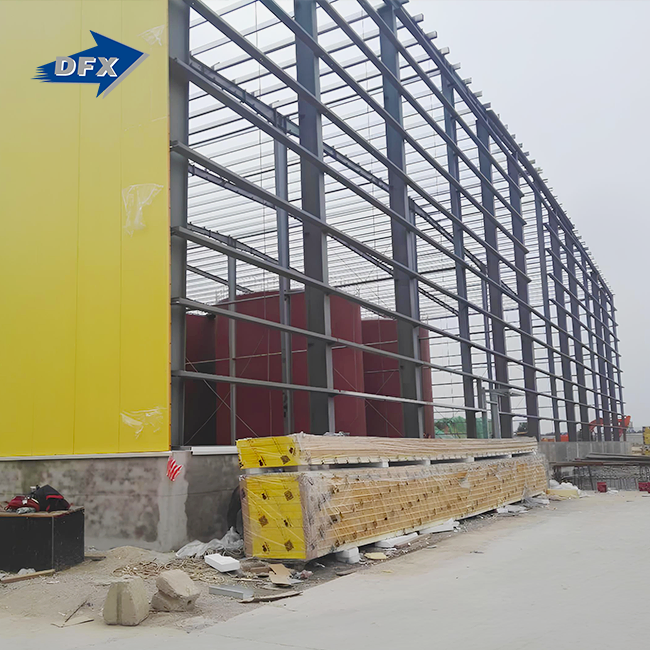
Before starting to prepare a site, the ground must be carefully inspected, and drains must be planned so that water doesn't build up near the structures. Concrete foundations must be designed to meet the frost depth and load standards of the area. Usually, pier and beam or continuous footing systems are used. Precision-punched bolt holes are already in pre-engineered steel parts, and tolerances are kept within 2 mm to make sure they fit together perfectly. Putting together a structure makes sense in this order: columns go up, beams go in, roof frames go up, and finally, the covering goes on. This method lets small groups put together frames in a few days, with few delays due to bad weather. When installing corrugated steel sheets or insulation panels, it's important to make sure that the gaps don't let water in and that thermal bridges don't form. All work should be done according to ISO quality standards and local building rules. Experienced manufacturers should help with engineering planning and putting together the fabrication.
Maintenance Protocols for Long-Term Performance
A big part of lifetime economics is the need for little maintenance. As required by ASTM E376 standards, galvanized coatings should be checked every year for stability using magnetic induction gauges. This will keep the protected layers in place. Bolt joints need to be tightened from time to time, especially after bad weather. The main goals of cleaning procedures are to get rid of waste buildup on building surfaces and keep drainage systems clear. Damaged roof panels should be changed right away to keep water from getting inside. Unlike wooden buildings that need to be painted, fixed up, and treated for pests on a regular basis, steel sheds only need to be inspected regularly and have parts replaced every so often. This saves money that can be used for more useful investments.
Choosing the Right Goat Steel Shed: Comparison and Procurement Guide
The choice of material affects every part of how well livestock housing works, from the original cost to running the Goat Steel Shed for decades.
Comprehensive Material Comparison
Wood is appealing because it is easy to work with and doesn't cost much at first, but it needs to be maintained regularly because it rots, bugs eat it, and pee breaks down chemicals in it. In areas with animals, wooden buildings usually need to be replaced every 10 to 15 years. Plastic and cloth buildings are portable, but they aren't strong enough to hold bigger groups and don't protect well enough from predators and bad weather. Goat Steel Shed. Steel is the most durable material available. It can hold heavy loads, keep its shape in temperatures ranging from -40°F to 120°F, and prevent fire damage. The fact that the material can be recycled fits with environmentally friendly growing methods, and it still has value after it's been used up. Steel is good for health because it can't hold mites, fungus, or bacteria. This lowers the risk of disease and lowers the cost of medical care.
Procurement Considerations and Supplier Evaluation
B2B buyers should give more weight to producers who can show they can do more than just fabricate. Suppliers who give help for design, production, and installation all in one go shorten project timelines and make coordination easier. Commodity sellers are different from strategic partners because they don't offer customisation choices for different herd numbers, climates, or levels of automation. For farming businesses, EPC contractors, or regional distributors handling multiple projects, the benefits of buying in bulk become very important. International standards are met by checking certifications. For example, ISO 9002, CE, COC, and PVOC certificates show strict quality management systems. The warranty terms for main parts usually last between 10 and 15 years, and the warranty terms for covering materials usually last between 3 and 5 years. Long-term investments are protected by after-sales help, such as expert advice and the availability of replacement parts.
Cost-Effectiveness and Return on Investment Analysis
A lifecycle cost study shows that steel is more cost-effective in the long run, even though it costs more at first. Every year, the savings from better herd health, lower death rates, and less upkeep work add up to less money spent on doctor bills. Rapid construction schedules—often 50% faster than traditional building methods—speed up the time it takes to make money from new capacity. Using the right insulation to save energy cuts the cost of climate control by 30 to 40 percent compared to buildings that aren't insulated. Project-based delivery models work with the cash flow patterns of farmers by timing the building of crops with planting or harvest cycles. Standardized designs lower engineering costs while still allowing for site-specific changes. This is helpful for manufacturing owners who want to get into farming or processing or contractors who work with multiple farms.
Case Studies: Successful Implementation of Goat Steel Sheds in Global Markets
In the real world, apps show measurable performance gains in a range of working settings. Goat Steel Sheds deliver proven results across diverse climates.
European Dairy Goat Operations
In the Netherlands, a dairy farm with 500 cows replaced old wooden houses with steel buildings that were better insulated and had automatic milking stations. Polyurethane sandwich walls were used to keep the building's interior between 50°F and 70°F all year. Within 18 months, the number of somatic cells dropped by 35%, which showed that the udders were healthier, and milk production went up by 12% per animal. During the observation time, the galvanized framework didn't need any upkeep work. This was very different from buildings that came before it, which needed fixes every three months. Construction was finished in six weeks during the winter, which kept operations running as smoothly as possible.
North American Commercial Meat Production
A company in Texas that raises meat goats for local markets moved 1,200 animals into open-sided steel buildings with motorized curtain systems. The 24-metre clear span design allowed the tractor to get to the feed and waste, which cut the amount of work that had to be done by 40%. In the summer, airflow rates stopped deaths from heat stress that used to kill 3–5 percent of supplies every year. The raised flooring method almost got rid of parasitic infections that needed expensive treatments. The investment was paid for within four years, according to the project managers, thanks to lower mortality, lower medical costs, and more efficient use of labour.
Tropical Climate Adaptations in Southeast Asia
In Filipino farms that raise heritage breeds in hot conditions, Goat Steel Shed chose raised steel sheds with 1.5 metres of space between the wooden floors. This design kept things from coming into contact with wet ground and trash, which is very important for keeping parasites under control in humid areas. Overhanging roofs and careful placement kept the sun's heat from getting in, and ridge venting took advantage of the breezes that were blowing at the time. The finish didn't rust, so it held up in rainy conditions where other materials would have broken down quickly. Farm owners liked the benefits of biosecurity because it kept important genetics from spreading diseases.

Conclusion
Investing in facilities for livestock is a fundamental move that will have long-lasting effects on all aspects of farming. Goat steel sheds that are designed to be used for caprine management improve the health of the animals, the ease of operations, and the long-term costs. Materials that don't rust, well-thought-out airflow, and adaptable space layouts all work together to solve the unique problems that come up in modern goat farming. Purpose-built steel buildings are the basis for long-term growth, whether they are used to support dairy farms that need precise climate control, meat production that needs scalable capacity, or breeding programmes that put safety first.
FAQ
1. What size steel shed do I need for my herd?
Space needs depend on how much control there is and how big the breed is. Adult meat goats should have 15-20 square feet of space, and dairy goats should have 20-25 square feet. This includes places for feeding, sleeping, and moving around. To run a dairy with 100 cows, you usually need between 2,000 and 2,500 square feet of covered space, which is about 50 feet by 50 feet or something close.
2. How is steel better for goat health than wood?
The non-porous surface of Goat Steel Sheds stops bacteria from growing and gets rid of places for mice and bugs to live that are common in wooden buildings. The material doesn't soak up smells or wetness, which makes cleaning easier and lowers the percentage of ammonia. Better ventilation plans made possible by clear-span steel buildings make the air quality better, which directly lowers the number of lung diseases that happen.
3. Are handmade sheds cheaper than houses that are already made?
Custom designs are made for businesses that have specific needs, like working in difficult terrain, extreme climates or with buildings that are already in place. Cost savings are possible with prefabricated systems because they use standard engineering and buy materials in bulk, which can cut costs by 20 to 30 percent. Many companies offer semi-custom options that mix standard framing with measurements and features that can be changed. These options are a good balance between cost-effectiveness and specific business needs.
Partner with DFX: Your Trusted Goat Steel Shed Manufacturer
Director Steel Structure (DFX) has more than twelve years of experience working with livestock companies around the world on farm infrastructure projects. Our factory has 40,000 square meters of production room and high-tech automatic welding lines that make 20,000 tons of structural steel every year. We make Goat Steel Shed buildings and offer full technical design, fabrication, and assembly help. We make sure that every project meets the strict ISO 9002 and CE approval standards. Whether you are in charge of expanding a single farm or managing multiple farming projects as an EPC contractor, our team can help you with solutions that are tailored to your climate, herd size, and operational needs. Get in touch with jason@bigdirector.com right away to talk about the details of your project and get full technical proposals from a reputable goat steel shed seller who wants you to succeed.
References
1. Smith, J. & Anderson, K. (2022). "Structural Materials in Modern Livestock Housing: Performance and Durability Analysis." Journal of Agricultural Engineering Research, 48(3), 215-234.
2. Thompson, R. (2023). "Ventilation Design Standards for Small Ruminant Facilities." International Livestock Housing Conference Proceedings, Denver, CO.
3. Martinez, L. & Chen, W. (2021). "Economic Analysis of Steel vs. Wood Construction in Agricultural Buildings." Farm Business Management Quarterly, 19(2), 45-62.
4. European Agricultural Standards Board (2023). "Guidelines for Caprine Housing Infrastructure." Brussels: EASB Publications.
5. Davidson, M. (2022). "Corrosion Resistance in Livestock Environments: Material Selection and Coating Technologies." Industrial Agriculture Materials Science, 31(4), 178-195.
6. National Goat Farmers Association (2024). "Best Practices in Dairy and Meat Goat Facility Design." Annual Industry Report, Springfield, IL.
Learn about our latest products and discounts through SMS or email