- English
- French
- German
- Portuguese
- Spanish
- Russian
- Japanese
- Korean
- Arabic
- Greek
- German
- Turkish
- Italian
- Danish
- Romanian
- Indonesian
- Czech
- Afrikaans
- Swedish
- Polish
- Basque
- Catalan
- Esperanto
- Hindi
- Lao
- Albanian
- Amharic
- Armenian
- Azerbaijani
- Belarusian
- Bengali
- Bosnian
- Bulgarian
- Cebuano
- Chichewa
- Corsican
- Croatian
- Dutch
- Estonian
- Filipino
- Finnish
- Frisian
- Galician
- Georgian
- Gujarati
- Haitian
- Hausa
- Hawaiian
- Hebrew
- Hmong
- Hungarian
- Icelandic
- Igbo
- Javanese
- Kannada
- Kazakh
- Khmer
- Kurdish
- Kyrgyz
- Latin
- Latvian
- Lithuanian
- Luxembou..
- Macedonian
- Malagasy
- Malay
- Malayalam
- Maltese
- Maori
- Marathi
- Mongolian
- Burmese
- Nepali
- Norwegian
- Pashto
- Persian
- Punjabi
- Serbian
- Sesotho
- Sinhala
- Slovak
- Slovenian
- Somali
- Samoan
- Scots Gaelic
- Shona
- Sindhi
- Sundanese
- Swahili
- Tajik
- Tamil
- Telugu
- Thai
- Ukrainian
- Urdu
- Uzbek
- Vietnamese
- Welsh
- Xhosa
- Yiddish
- Yoruba
- Zulu
Agricultural Tool Steel Shed: Boosting Farm Productivity
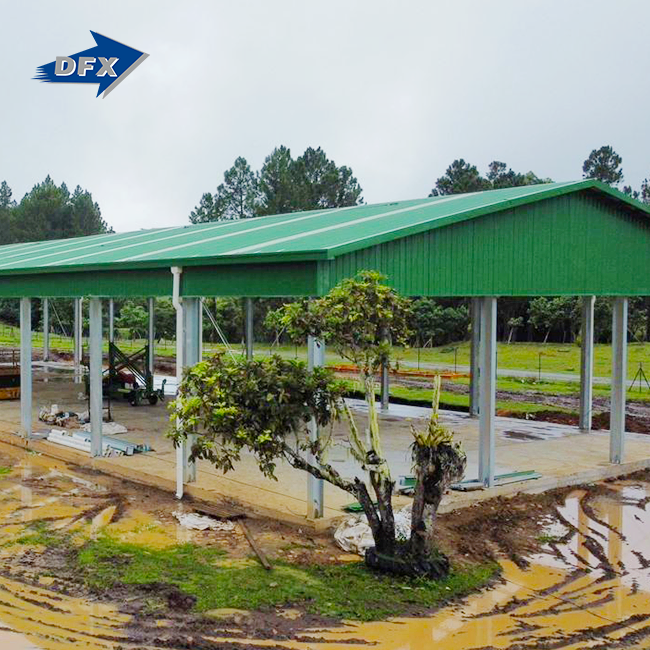
Investing in smart infrastructure is important for modern farms because it has a direct effect on operating efficiency and bottom-line results. An agricultural tool steel shed is a valuable tool for farms because it provides safe storage for valuable equipment, keeps it from getting damaged by the elements, and speeds up daily tasks. These engineered structures are made with heavy-duty steel framing that has already been made and coatings that prevent rust. They will last for decades and protect tractors, precision equipment, and repair tools from theft, bad weather, and wear and tear. These sheds do more than just store things; they also change how the farm is organized by making it easier to get to equipment, cutting down on the time it takes to get it, and building repair areas that make machines last longer and avoid expensive downtime during important planting or harvest windows.

Understanding Agricultural Tool Steel Sheds: Benefits and Design Essentials
What Defines a Professional Agricultural Storage Structure?
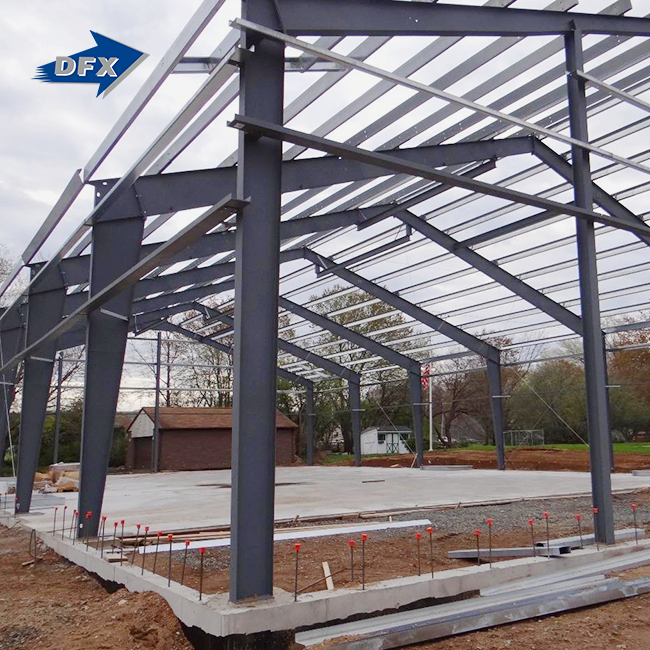
Keeping farm tools stored goes beyond just needing a place to live. The clear-span portal frame construction of these buildings is made from high-grade carbon steel that meets Q345B or ASTM A572 Grade 50 standards and has a bending strength of more than 345 MPa. The planned structure allows for easy entry for a lot of equipment through hydraulic hangar doors, and it stays strong against wind uplift and snow load pressures that are common in rural areas. Hot-dip galvanization with a Z275 layer protects against corrosive farm chemicals, ammonia from animal waste, and long-term exposure to wetness, all of which quickly break down other building materials.
Core Productivity Benefits for Farm Operations
Operational uptime is directly linked to protected device keeping. Farmers are under more and more pressure to get as much work done during the season as possible. Weather delays get worse quickly when equipment sits out in the open or needs a lot of fixes before the season starts. The steel cover stops UV damage to hydraulic lines, stops rust from forming on precision planting parts, and keeps water out of electronics. Agricultural engineering studies from land-grant colleges say that storing six tractors and their attachments in the right way can cut yearly maintenance costs by 18 to 25 percent compared to putting them outside.
The security part is just as important. Theft of rural property costs U.S. farms about $300 million a year, and tractors and other high-value items are common targets. Steel construction with lockable entry points and available built-in alarm mounts makes it much harder to steal, which lowers insurance costs and protects capital investments that for businesses often exceed $500,000.
Design Considerations for Optimal Functionality
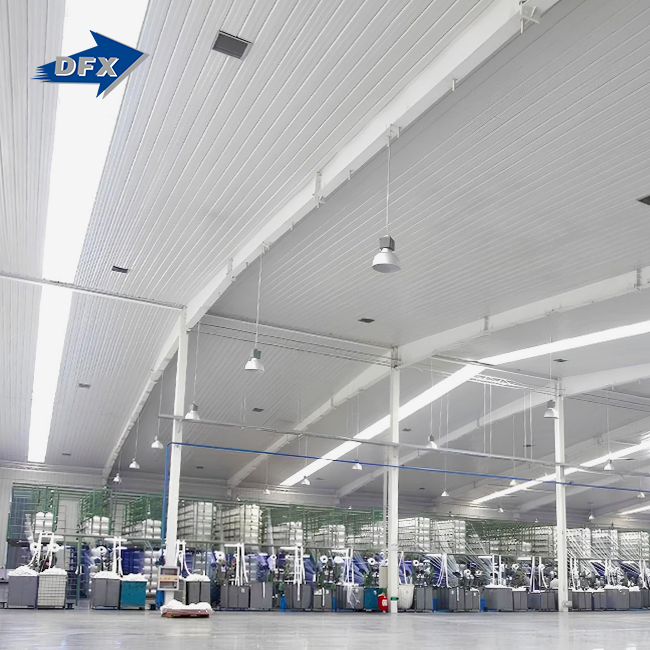
A well-designed shed strikes a balance between making access easy and keeping the surroundings safe. Modern high-clearance tools and overhead crane systems for engine repair can fit in eaves that are 16 to 20 feet high. Ridge ventilation systems built in during production stop condensation from building up, which speeds up rust on stored tools. Optional insulated sandwich panels keep the inside at a stable temperature, keeping sensitive electrical parts from extreme weather.
Planning a layout should take into account how people actually work. Putting frequently used equipment near entry doors cuts down on the time it takes to get it, and setting aside areas for repair tasks keeps clean storage away from areas where welding or grinding is being done. By taking down the end walls and adding more portal frames, modular bay building lets you add 30 to 40 feet of length in small steps. This makes these structures affordable investments that grow with your farm operations.
Comparing Steel Sheds with Alternative Materials
Material Performance Analysis
Wooden-framed farm buildings are appealing because they cost less to build at first, but steel construction is much more cost-effective over its lifetime. To keep wooden buildings safe from rot and insect damage, they need to be treated with chemicals. Every three to five years, they need to be re-stained, have board replacement, and undergo structural checks. Termites alone cause about $5 billion in property damage each year in the U.S., and farm buildings are more likely to be affected because they are close to the ground and water.
Steel completely cuts out the paths that living things use to break down. Class A fire ratings are achieved by non-combustible materials, which lowers property insurance rates by 15–30% compared to wood-framed alternatives. Plastic or fabric buildings are portable, but they aren't strong enough to hold heavy tools. They also don't offer enough security and fall apart when it snows, which is common in northern farming areas.
Insulated Versus Standard Construction
The weather determines how much protection is needed. In places where temperatures are very high or very low, sandwich panel systems with polyurethane or mineral wool cores help keep things stable for stored seed treatments or chemical applicators by making thermal breaks that stop condensation inside. An insulated building costs more up front (20–35%), but it pays for itself by keeping equipment from rusting and adding more uses, like turning storage spaces into workshop areas all year.
Standard single-skin covering is enough for milder areas where condensation isn't a problem and the main purpose is to store agricultural tool steel shed tools. To choose the right specs, you need to look at information about the local environment, how sensitive the stored equipment is, and how the building will be used for more than just parking.
Steel Grade Impact on Longevity
The specs of a material directly affect how long it is expected to last in service. Standard gauge values, which range from 29-gauge (0.36 mm) to 24-gauge (0.61 mm), affect how well a structure can withstand damage from hail, wind-driven debris, and machine contact. We suggest a minimum of 26-gauge for farming uses, where moving tools around and being exposed to the elements require higher durability than for home storage.
The quality of galvanization is just as important. As long as the zinc layer is at least as thick as required by ASTM A123, which is proven by magnetic induction tests done as part of quality control. Premium buildings use Galvalume AZ150 aluminum-zinc alloy coatings, which make them more resistant to rust in seaside or high-humidity areas where regular galvanization stops working after 15 to 20 years.
Installation, Maintenance, and Durability: Ensuring Long-Term Performance
Pre-Installation Site Preparation Requirements
The form of the foundation decides how stable the building will be over its entire life. Evaluations of the soil's bearing ability help choose between pier foundation systems and concrete slab-on-grade buildings. Slab foundations have built-in floors that can support the weight of tools and make managing drains easier. Pier systems save money on materials when the earth doesn't hold water for a long time. They do this by attaching column base plates with J-bolts that are designed to handle uplift forces.
When you grade the site, you make sure that water drains away from the building and doesn't build up and weaken the base. Most local building departments need stamped engineered foundation plans from qualified structural engineers for projects bigger than 3,600 square feet or in areas with a lot of wind.
Professional Installation Versus DIY Assembly
Pre-engineered steel houses come in kits with all the parts you need to put them together. The connection points are already punched, so you don't have to weld or cut anything in the field. Manufacturers, such as DFX, provide detailed erection instructions that include safety rules, assembly routines, and torque specs for structural bolts. Experienced farm workers with building skills can rent telehandlers, scaffolding, and pneumatic impact tools and finish projects without any problems. This saves them about $8 to $12 per square foot in labour costs.
Professional installation makes sure that the structure promise is followed and takes care of the permit inspection requirements quickly. Experienced building crews can finish most 3,000-square-foot structures in five to seven working days. They carry liability insurance and make sure that all critical connections are properly assembled. The choice balances available worker resources, project timeline pressure, and risk tolerance regarding structural performance.
Maintenance Protocols for Extended Service Life
Regular annual inspections keep structures in good shape and find small problems before they get worse and need expensive fixes. Checklists for each season should record how tight the fasteners are, especially the first year when the connections settle, and check the sealing seals around the door frames and panel seams. Coating checks look for scratches or abrasions that go through the galvanization. These need to be fixed right away with zinc-rich chemicals that stop rust from spreading.
Gutter systems need to be cleaned every six months to keep water from overflowing and flooding the foundation edges and speeding up the rusting of wall panels. Decomposing organic matter creates acidic conditions that wear away protective coatings over time, so waste that builds up on roof surfaces should be cleared right away. These simple rules, which take three to four hours every three months, usually make structures last longer than forty years in farming settings.
Procurement Insights: Cost, Suppliers, and Buying Tips
Comprehensive Cost Analysis
Investing in a steel shed goes beyond the building costs that are given. Depending on the specs, the base structure for farm storage can cost anywhere from $13 to $22 per square foot. Specs include the steel gauge width, coating choice, door configurations, and insulation choices. A normal 4,000-square-foot building that houses equipment for a medium-sized grain business costs between $70,000 and $110,000 to build and put together.
Some hidden costs are building the base, which costs $8–18k, installing electricity for lights and power tools, which costs $4–7k, and permit fees, which range from $500 to $2500 depending on the area. Agricultural Tool Steel Shed. Transport procedures for foreign buying add costs for shipping containers and clearing customs, which might be balanced out by cheaper materials from makers that make a lot of them. When planning a budget, you should leave 15 to 20 percent open for any site-specific needs that come up during the technical review.
Supplier Evaluation Criteria
When choosing factory partners, you need to do more than just compare prices. Some factors used to set priorities are:
- Certification verification shows that the quality management system meets ISO 9001 standards and that structural steel parts have the CE mark, which shows that they meet international engineering standards. Ask for copies of mill certifications that show the chemical makeup and mechanical traits of the steel grade meet certain standards.
- Engineering support capabilities distinguish suppliers offering full design services from component vendors. Comprehensive makers provide stamped structural estimates, base plans, and erection sketches that are specific to the site and local building rules. This gets rid of the need for expensive coordination gaps.
- Manufacturing capacity and lead times affect project scheduling. Established factories with multiple production lines keep their output steady, while smaller factories run the risk of getting stuck during busy building seasons. Make sure that the production plans include enough time to meet your project's schedule.
- Post-delivery support includes help with setting up, insurance claims, and finding new parts. Reputable makers keep parts in stock to support buildings decades after they were first put in place, which protects the value of an investment over the long term.
International Sourcing Considerations
Through economies of scale and competitive labour markets, global buying networks can save you money on costs. Chinese companies make most of the steel structures that are exported. They do this by using high-tech, automatic production equipment and technical know-how gained from building more and better infrastructure over many years. Companies like Qingdao Director Steel Structure Co., Ltd, which has been in business since 2011 and has 40,000 square metres of production space, can develop and build products for foreign agricultural markets.
Ocean freight rates are best for container loads, and most farm buildings need between one and three 40-foot high-cube containers, based on their size and requirements. When compared to local suppliers, port-to-farm logistics add 8–12 weeks to supply times, so building plans need to be planned ahead of time. When working with established export-oriented makers that keep English-speaking technical support teams, currency exchange risk and coordinating contacts across time zones are manageable issues.
Case Studies and Industry Insights: Real-World Applications
Dairy Operation Equipment Centralization
A Wisconsin dairy farm with 450 cows combined the storage of tools from several old pole barns into a single 6,000-square-foot steel building. The investment got rid of inefficient ways of retrieving equipment that used to take 45 to 60 minutes a day to look for specific tools in different storage areas. By setting up an internal repair zone with an overhead hoist, centralized maintenance cut down on service calls from outside the company. This cut yearly maintenance costs by $14,000 and increased equipment availability during crucial operations like producing feed and managing waste.
Large-Scale Grain Farm Machinery Protection
In Iowa, a 4,800-acre corn and soybean farm built a steel shed to store eight tractors, three combines, and other farming equipment that had been kept outside. Over the course of three years, the operator saw a 32% drop in the amount of pre-season repair that needed to be done. They said that this was because the equipment was no longer exposed to the weather. The selling value of equipment went up significantly. For example, after five years of use, similar tractors that had been stored in a shelter received $8,000 to $12,000 more than units that had been kept in the field.
Emerging Technology Integration
Modern farm storage uses smart building features that make it more useful, such as an agricultural tool steel shed. Lighting, battery charging stations, and temperature control equipment all use energy, but solar panel roof mounting systems help pay for them. Humidity sensors tell automated air controls to turn on exhaust fans, which stop condensation without any help from a person. These integrated systems turn simple storage spaces into full-featured equipment control hubs that meet the needs of precision farm technology.
Conclusion
Strategic infrastructure investment in the form of properly designed steel storage directly increases farm profits by keeping expensive equipment safe, streamlining operations, and lowering the cost of upkeep. The combination of long-lasting materials, modular design freedom, and full manufacturing support makes these buildings useful for a wide range of farming activities, from small family farms to large businesses with large machine inventories. Thoroughly evaluating suppliers, making sure that specifications match practical needs, and installing things correctly set the stage for decades of reliable service that helps farming operations be efficient.
FAQ
1. What size structure suits typical farm equipment storage needs?
Size estimates should take into account both the current stock and an extra 25 to 30 percent of space for growth. A normal family farm with two to three tractors and their tools needs between 2,400 and 3,600 square feet of space. Commercial farms with more than six tractors need between 5,000 and 8,000 square feet of space. Door placement and inner layout have a big impact on practical capability. For example, equipment that is positioned inefficiently wastes room because of poor clearances.
2. How does insulated construction affect overall project cost?
Insulated sandwich panel systems cost 20–35% more than single-skin cladding, which amounts to an extra $4–8 per square foot based on the width of the insulation. The investment pays off for businesses that need a workshop all year or that need to store temperature-sensitive items like seed treatments, chemicals, or high-precision electronics that can be damaged by condensation.
3. Can existing structures be retrofitted with steel components?
When using a hybrid method that combines steel framing with existing foundations or partial structure preservation, technical problems often make the prices higher than the cost of building from scratch. Complete replacement is more valuable in the long term because the combined design improves the structure's performance. On the other hand, repair projects have problems with connections, code compliance, and warranties, which lower the return on investment.
Partner with DFX for Your Agricultural Steel Building Needs
Picking the right Agricultural Tool Steel Shed supplier affects the success of the project from the beginning of the planning process to many years of use. DFX (Qingdao Director Steel Structure Co., Ltd.) has been making pre-engineered steel buildings for tough farming uses around the world for more than 12 years. Our production sites are ISO 9001-certified and use high-tech automated tools like six H-beam welding lines and combined sandwich panel manufacturing to make sure that the quality of every part of the project is the same. We offer full turnkey solutions that include structural engineering design, CE-certified manufacturing, and detailed installation instructions to make sure everything goes smoothly, whether you hire professional teams or experienced farm workers. Our Agricultural Tool Steel Sheds are made with heavy-duty steel beams, coatings that prevent corrosion, and flexible layouts that can be changed to fit your equipment storage needs and the conditions of the site. Get in touch with our technical team at jason@bigdirector.com to talk about your project needs and get thorough planning ideas. Our dedication to quality, dependability, and customer satisfaction has earned the trust of agricultural businesses around the world.
References
1. American Society of Agricultural and Biological Engineers (2021). "ASAE EP484.2: Diaphragm Design of Metal-Clad, Post-Frame Rectangular Buildings." Standards for Agricultural Structures.
2. Midwest Plan Service (2020). "Structures and Environment Handbook, 15th Edition." Agricultural Engineering Department, Iowa State University.
3. National Frame Builders Association (2022). "Post-Frame Building Design Manual: Technical Standards and Guidelines for Agricultural Construction."
4. University of Minnesota Extension (2021). "Machinery Storage: Planning Farm Buildings for Equipment Protection and Maintenance Efficiency." Agricultural Engineering Publication Series.
5. National Agricultural Statistics Service (2023). "Farm Production Expenditures: 2022 Summary." United States Department of Agriculture Economic Research Report.
6. Metal Building Manufacturers Association (2022). "Common Industry Practices for Metal Building Systems, 2022 Edition: Design Standards and Quality Benchmarks."
Learn about our latest products and discounts through SMS or email