- English
- French
- German
- Portuguese
- Spanish
- Russian
- Japanese
- Korean
- Arabic
- Greek
- German
- Turkish
- Italian
- Danish
- Romanian
- Indonesian
- Czech
- Afrikaans
- Swedish
- Polish
- Basque
- Catalan
- Esperanto
- Hindi
- Lao
- Albanian
- Amharic
- Armenian
- Azerbaijani
- Belarusian
- Bengali
- Bosnian
- Bulgarian
- Cebuano
- Chichewa
- Corsican
- Croatian
- Dutch
- Estonian
- Filipino
- Finnish
- Frisian
- Galician
- Georgian
- Gujarati
- Haitian
- Hausa
- Hawaiian
- Hebrew
- Hmong
- Hungarian
- Icelandic
- Igbo
- Javanese
- Kannada
- Kazakh
- Khmer
- Kurdish
- Kyrgyz
- Latin
- Latvian
- Lithuanian
- Luxembou..
- Macedonian
- Malagasy
- Malay
- Malayalam
- Maltese
- Maori
- Marathi
- Mongolian
- Burmese
- Nepali
- Norwegian
- Pashto
- Persian
- Punjabi
- Serbian
- Sesotho
- Sinhala
- Slovak
- Slovenian
- Somali
- Samoan
- Scots Gaelic
- Shona
- Sindhi
- Sundanese
- Swahili
- Tajik
- Tamil
- Telugu
- Thai
- Ukrainian
- Urdu
- Uzbek
- Vietnamese
- Welsh
- Xhosa
- Yiddish
- Yoruba
- Zulu
Top 6 Reasons to Choose a Steel Factory Building
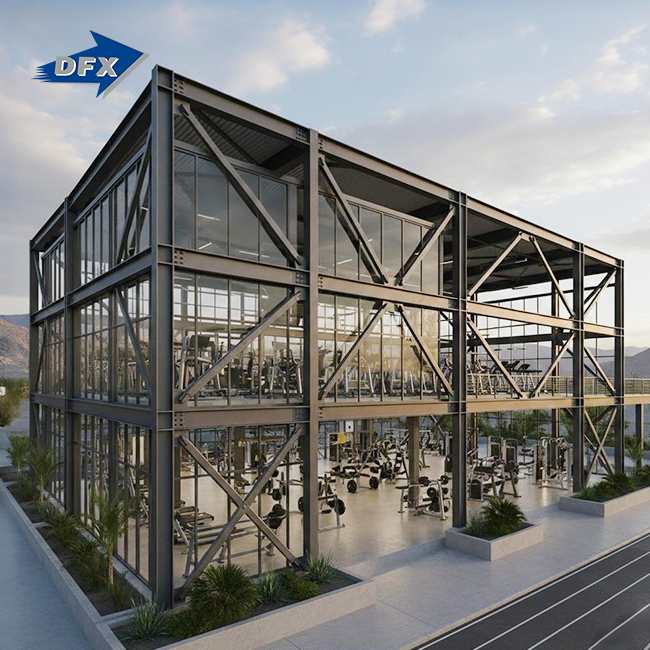
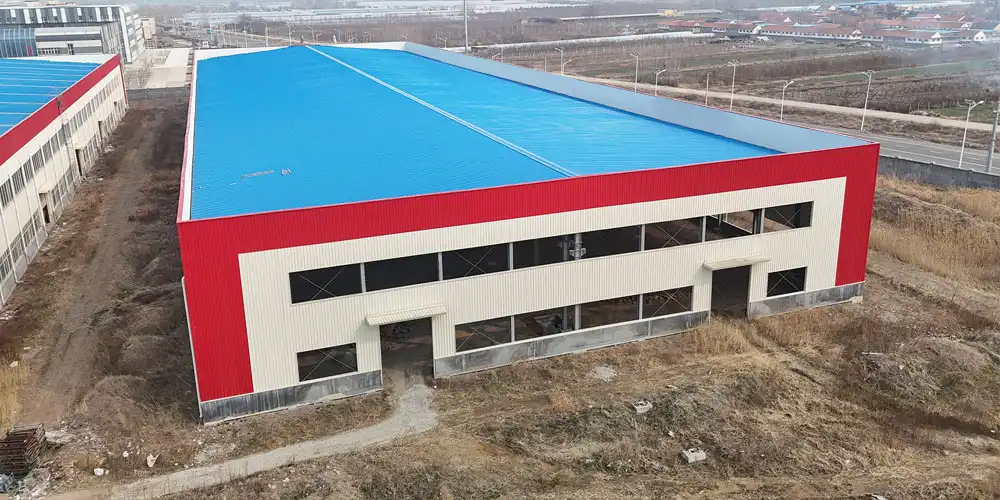
One of the most important choices your buying team will have to make is which industrial equipment to buy. A steel factory building has many benefits that can't be found in any other type of building. It is perfect for factories, stores for goods, farms, and businesses all over the United States. These premade structures are made with C/Z steel purlins and H-section beams and columns. They are more durable, cost less, and give you more design options than standard concrete or wood buildings. Whether you're in charge of an EPC project, trying to make more things, or building up infrastructure for farms, knowing why steel is used so much in modern industrial construction will help your investment work well in the long run.

Superior Durability and Longevity of Steel Factory Buildings
When you put money into industrial infrastructure, nothing is more important than knowing that the building will last for decades. When it comes to durability, metal building systems are better than other types of construction materials, even in the worst situations.
Unmatched Corrosion Resistance Through Advanced Coatings
Before getting zinc-rich epoxy starters or hot-dip galvanization, high-strength low-alloy steel types like Q355B go through a lot of surface treatment steps, such as being shot-blasted to SA 2.5 standards. This protective system, which weighs about 600g/m², keeps structure parts safe from water, chemicals, and damage from the weather. A 2019 study by the American Institute of Steel Construction proved that properly treated steel structures keep their structural integrity for more than 50 years in seaside and industrial settings where humidity and acidic agents break down wood and metals that aren't protected faster.
Fire Resistance and Enhanced Safety Standards
At 600°C, steel loses about half of its strength. However, current intumescent coatings that are applied during manufacturing expand when heated, forming a protective char layer that meets ISO 834 guidelines for fire ratings of 2 to 4 hours. This built-in fire safety is better than wood, which can catch fire, and concrete, which can break apart in very hot temperatures. This built-in safety feature is very helpful for manufacturing facilities that work with burning materials or big machinery. It lowers insurance costs and protects both workers and production assets.
Climate Adaptability Across Diverse Geographies
Prefabricated steel frames are very strong and don't break easily in high temperatures or bad weather. Steel buildings can handle the dry climate of the Southwest, the warm wet climate of the Gulf Coast, and the freeze-thaw cycles in the northern states. They do this by having designed expansion joints every 100 to 150 meters. Slotted connection holes in the secondary frame allow controlled movement, which keeps hard concrete structures from breaking because of stress buildup. This level of engineering skill guarantees uninterrupted operations no matter where your plant is located.
Cost-Effectiveness Over Time
Every purchase choice is based on a limited budget, which is why lifetime cost analysis is so important when looking at building possibilities. Industrial steel buildings always have better financial results, from the first day they are built to decades of use.
Lower Total Ownership Expenses
The initial costs of building a steel factory building with steel are about the same as those of standard ways, but the long-term savings add up. Corrosion-resistant coats and strong structural design keep wood buildings from rotting, pest damage, and water damage, so they need very little upkeep. Buildings made of concrete need regular base fixes and exterior treatments that buildings made of steel don't need. The main jobs of the yearly checks are simple ones, like looking for covering wear at the grade RE 3 level and cleaning and painting any spots that need it. Coastal buildings benefit from being washed every other year to get rid of salt buildup. This is a small cost compared to the cost of repairing concrete.
Accelerated Construction Reduces Labor Expenses
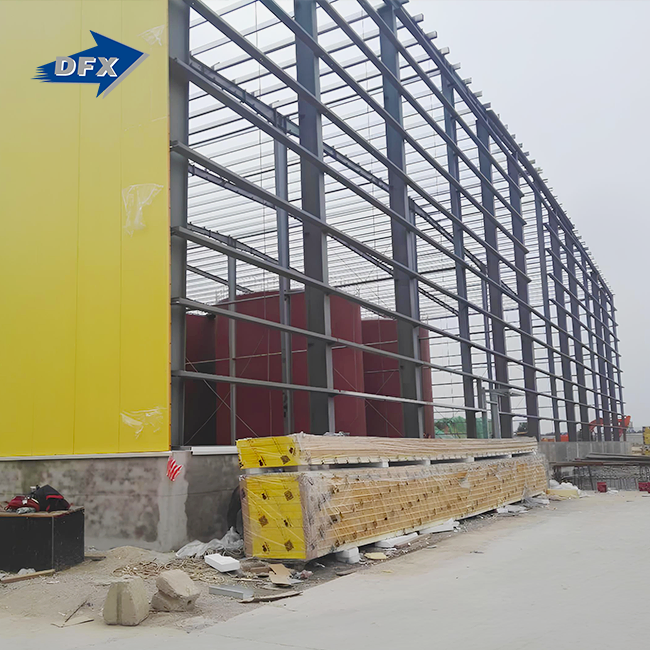
Pre-engineered building systems are delivered to the job site as premade parts that were made in a controlled workshop environment to ensure precise specs of less than 2 mm. Because of this consistency, there are no more expensive field changes and repairs that are typical in cast-in-place building. Erection teams put together main frames, secondary purlins, and wall systems in weeks instead of months. This saves 30 to 50 percent on labor costs compared to the old way of doing things. Cutting down on building times directly leads to earlier production start-up, which brings in money months ahead of plan and increases the project's return on investment.
Turnkey Solutions Optimize Procurement Efficiency
Integrated providers, such as Director Steel, offer a wide range of services, including building planning, structural engineering, manufacturing, and help with installation. Using a single source takes away the need for various companies to coordinate, makes contact easier, and lowers the cost of administration. Capital planning is easy with clear price models and a variety of financial choices. The modular design also lets building be done in stages based on budget without affecting the structure's strength.
Flexibility and Speed in Design and Construction
Industrial operations evolve constantly, requiring infrastructure that adapts to changing production methods, equipment upgrades, and market demands. Steel construction systems offer unparalleled versatility throughout your facility's operational lifespan.
Clear-Span Design Maximizes Usable Space
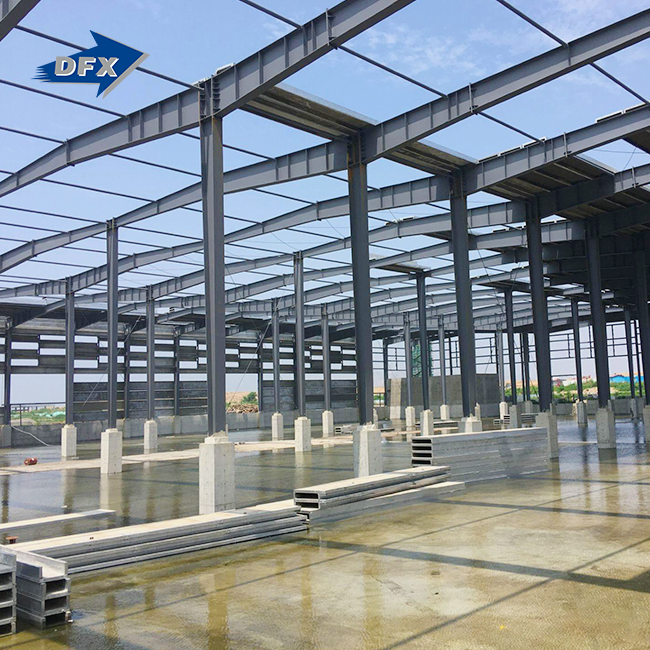
Manufacturing workflows and material handling systems require unobstructed floor areas for optimal efficiency. Steel rigid frames achieve clear spans exceeding 60 meters without intermediate columns, providing complete layout flexibility for production lines, overhead crane systems, and equipment installations. This open architecture contrasts sharply with concrete post-and-beam systems requiring support columns at regular intervals that constrain equipment placement and forklift traffic patterns. Facilities utilizing automated storage and retrieval systems particularly benefit from high eave heights—often exceeding 20 meters—that steel frameworks accommodate economically.
Customization Meets Specific Operational Needs
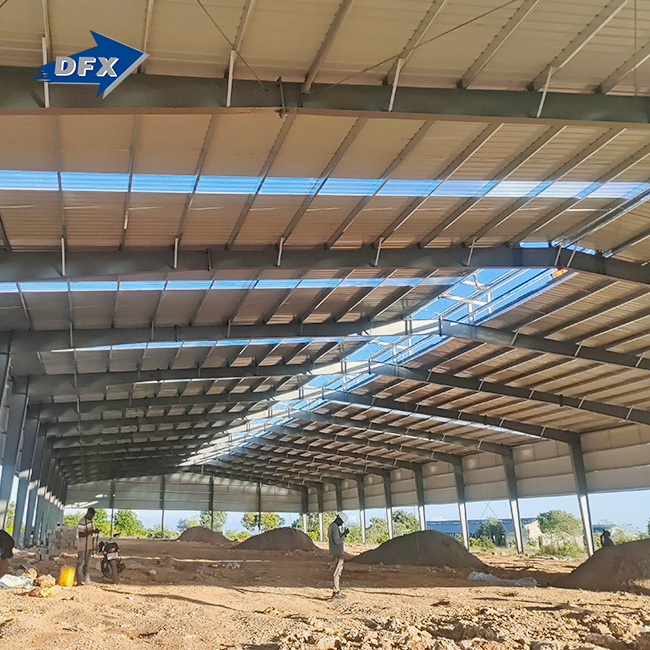
Standard pre-engineered models suit straightforward warehouse and workshop applications, while complex manufacturing environments demand custom engineering. Steel fabrication easily incorporates specialized features including stepped columns for multi-tiered bridge cranes handling loads up to 100 tons, mezzanine levels for office space or equipment platforms, and thermal break connections for temperature-controlled environments. Roof systems integrate standing seam panels with 360-degree locking mechanisms, ensuring complete water tightness, plus options for translucent sunlight panels providing natural daylighting that reduces energy consumption and improves worker comfort.
Expansion Capability Protects Future Investment
Market growth and production scaling require infrastructure that grows alongside your business. Steel frameworks facilitate horizontal and vertical expansion through simple connection of additional bays or strengthening existing members to support added floors. This modification capability occurs with minimal disruption to ongoing operations, avoiding the costly downtime associated with major concrete structure alterations. The modular nature of C/Z purlin systems and sandwich panel cladding allows partial facility upgrades section-by-section, spreading capital expenditure across budget cycles.
Environmental Benefits and Sustainability
Corporate responsibility and regulatory compliance increasingly prioritize environmental impact, making sustainable construction choices both ethically sound and financially prudent for procurement strategies.
Recyclability Reduces Environmental Footprint
Steel factory building material ranks among the world's most recycled materials, with typical structural members containing 25-95% recycled content depending on production methods. End-of-life structures undergo dismantling rather than demolition, with components returning to mills for reprocessing into new products without quality degradation. This circular lifecycle contrasts dramatically with concrete's limited recyclability and wood's disposal through landfilling or incineration. Choosing steel buildings demonstrates measurable commitment to resource conservation and waste reduction, supporting corporate sustainability goals and stakeholder expectations.
Energy Efficiency Through Advanced Insulation
Modern sandwich panel systems featuring polyurethane or polyisocyanurate cores deliver exceptional thermal performance, maintaining interior temperatures as extreme as -30°C in cold storage applications or reducing cooling loads in hot climates. Strategic placement of roof ventilators, ridge vents, and wall louvers creates natural airflow patterns that minimize HVAC energy consumption. Reflective colored sheet steel exterior finishes reduce solar heat gain during summer months, while optional insulation upgrades help facilities achieve LEED certification points and comply with increasingly stringent building energy codes across U.S. jurisdictions.
Alignment with International Standards
Structures manufactured to ISO 9001 quality management standards and certified to European CE requirements demonstrate adherence to rigorous environmental and safety protocols. Additional certifications, including COC and PVOC, validate compliance with international trade standards, facilitating smoother customs clearance for imported components. This certification framework provides procurement teams with verifiable assurance that supplier claims regarding sustainability and performance meet independent third-party verification standards rather than relying solely on manufacturer representations.
Advanced Structural Performance and Safety
Industrial environments subject buildings to demanding loads and potential hazards that require superior engineering performance and built-in safety features protecting personnel and production assets.
Seismic and Wind Resistance
Steel's high modulus of elasticity and ductility allow structures to flex under seismic loads, absorbing energy through controlled deformation rather than brittle fracture, a characteristic of concrete. Engineering designs incorporate base plate connections with anchor bolts providing positive restraint against uplift forces from wind gusts reaching 280 km/h. Rigid frame geometry distributes lateral loads efficiently throughout the structural system, minimizing damage during natural disasters. Facilities in hurricane-prone Gulf Coast regions or earthquake zones along the West Coast particularly benefit from steel's proven performance during extreme events documented in post-disaster engineering assessments.
Heavy Equipment and Dynamic Load Management
Manufacturing plants operating overhead cranes, vibrating machinery, or heavy processing equipment generate significant dynamic loads and cyclic stresses. Steel frameworks designed to deflection limits of L/400 prevent structural fatigue and maintain alignment critical for precision manufacturing processes. Connection details using high-strength bolts and full-penetration welds verified through ultrasonic testing ensure load path integrity throughout the structure's service life. This engineering rigor supports reliable crane operation, reduces maintenance on production equipment, and prevents costly downtime from structural issues.
Quality Assurance Through Certified Suppliers
Reputable manufacturers like Director Steel maintain comprehensive quality control programs spanning raw material verification through final erection at steel factory buildings. Mill test certificates document the chemical composition and mechanical properties of incoming steel plates and sections, with independent tensile testing confirming yield strength compliance. Welding procedures follow AWS D1.1 standards with mandatory non-destructive testing, including ultrasonic and radiographic inspection of critical connections. This quality framework backed by ISO certification provides procurement teams with confidence that delivered products meet engineering specifications and safety standards essential for risk mitigation and regulatory compliance.
Conclusion
Steel factory buildings represent the optimal infrastructure solution for modern industrial operations demanding durability, cost efficiency, design flexibility, and operational reliability. Superior structural performance under extreme loads and environmental conditions ensures your investment protects personnel and production assets throughout multi-decade service lives. Lifecycle cost advantages stem from minimal maintenance requirements, energy-efficient designs, and future expansion capabilities that adapt to evolving business needs. Sustainable material practices and international quality certifications demonstrate environmental responsibility while meeting regulatory requirements across global markets. Procurement convenience through established supplier networks, comprehensive technical support, and transparent pricing streamlines project execution from concept through completion.
FAQ
1. What is the typical lifespan of a steel factory building?
Properly engineered and maintained steel structures routinely exceed 50-year service lives, with many facilities remaining operational beyond 70 years. Lifespan depends primarily on coating maintenance and environmental exposure, with structures in controlled climates outlasting those in corrosive coastal or industrial atmospheres. Regular inspections addressing minor coating deterioration through touch-up painting prevent accelerated corrosion, extending structural integrity indefinitely.
2. How does the cost of steel factory buildings compare with concrete ones?
Initial construction costs prove comparable or slightly lower for steel thanks to reduced foundation requirements and faster erection schedules. Lifecycle expenses favor steel substantially through minimal maintenance needs, easier modifications, and superior energy efficiency. Projects requiring clear spans or future expansion capabilities show particularly strong cost advantages with steel frameworks versus concrete post-and-beam systems.
3. Can steel factory buildings be customized to fit specific industrial requirements?
Absolutely. Steel fabrication accommodates virtually any functional requirement, including crane systems, mezzanine platforms, specialized ventilation, temperature control, and equipment integration. Design flexibility extends from building geometry and dimensions through detailed features like door placements, window configurations, and utility penetrations. Working with experienced manufacturers ensures custom solutions meet operational needs while maintaining structural integrity and code compliance.
Partner with DFX for Your Next Industrial Steel Structure
Director Steel brings over 12 years of specialized experience delivering turnkey industrial buildings to manufacturing, construction, and agricultural clients throughout global markets. Our ISO 9001-certified facility produces high-quality H-section beams, galvanized purlins, and complete building systems featuring colored sheet steel exteriors, integrated overhead crane provisions, translucent sunlight panels, and engineered ventilation systems. Projects benefit from our comprehensive service scope covering structural design, precision fabrication, protective coatings, detailed installation drawings, and ongoing technical support.
Whether you need vehicle parking structures, equipment storage buildings, or complete production workshops, our team delivers cost-effective solutions with short production cycles meeting your project timeline. CE certification validates compliance with international standards, while flexible customization accommodates your specific operational requirements. Connect with our engineering team today to discuss your steel factory building project and receive a detailed proposal tailored to your industrial infrastructure needs. Contact Jason at jason@bigdirector.com to begin planning your facility with a trusted steel factory building manufacturer committed to quality, reliability, and customer satisfaction.
References
1. American Institute of Steel Construction. Design Guide 25: Frame Design Using Web-Tapered Members. AISC, 2018.
2. Chen, W.F., and Lui, E.M. Handbook of Structural Engineering, Second Edition. CRC Press, 2005.
3. Metal Building Manufacturers Association. Low-Rise Building Systems Manual. MBMA, 2020.
4. Newman, Alexander. Pre-Engineered Buildings: Design and Construction Practices. McGraw-Hill Professional, 2017.
5. Steel Construction Institute. Steel Building Design: Concise Eurocodes. SCI Publication, 2019.
6. Tamboli, Akbar R. Steel Design Handbook: LRFD Method. McGraw-Hill Education, 2016.
Learn about our latest products and discounts through SMS or email