- English
- French
- German
- Portuguese
- Spanish
- Russian
- Japanese
- Korean
- Arabic
- Greek
- German
- Turkish
- Italian
- Danish
- Romanian
- Indonesian
- Czech
- Afrikaans
- Swedish
- Polish
- Basque
- Catalan
- Esperanto
- Hindi
- Lao
- Albanian
- Amharic
- Armenian
- Azerbaijani
- Belarusian
- Bengali
- Bosnian
- Bulgarian
- Cebuano
- Chichewa
- Corsican
- Croatian
- Dutch
- Estonian
- Filipino
- Finnish
- Frisian
- Galician
- Georgian
- Gujarati
- Haitian
- Hausa
- Hawaiian
- Hebrew
- Hmong
- Hungarian
- Icelandic
- Igbo
- Javanese
- Kannada
- Kazakh
- Khmer
- Kurdish
- Kyrgyz
- Latin
- Latvian
- Lithuanian
- Luxembou..
- Macedonian
- Malagasy
- Malay
- Malayalam
- Maltese
- Maori
- Marathi
- Mongolian
- Burmese
- Nepali
- Norwegian
- Pashto
- Persian
- Punjabi
- Serbian
- Sesotho
- Sinhala
- Slovak
- Slovenian
- Somali
- Samoan
- Scots Gaelic
- Shona
- Sindhi
- Sundanese
- Swahili
- Tajik
- Tamil
- Telugu
- Thai
- Ukrainian
- Urdu
- Uzbek
- Vietnamese
- Welsh
- Xhosa
- Yiddish
- Yoruba
- Zulu
From Hay Barns to High-Tech: How Steel Buildings are Revolutionizing Agriculture
The industrial steel building and agricultural steel building are in the middle of big changes in farming. No longer is a wooden frame used for a hay shed or an old pole house. Instead, planned steel systems are used since they cost less, last longer, and can be made bigger. Farms today have to meet environmental goals, make more food, and cut prices all at the same time. These needs can be met by steel buildings, which are easy to put together, don't need much upkeep, and can be used for many farming tasks, such as keeping animals, tools, and plants in a controlled environment. It's not enough to just get rid of old barns. To meet the needs of today, we need to change how we plan, build, and run farm infrastructure.

Understanding Agricultural Steel Buildings: A Complete Overview
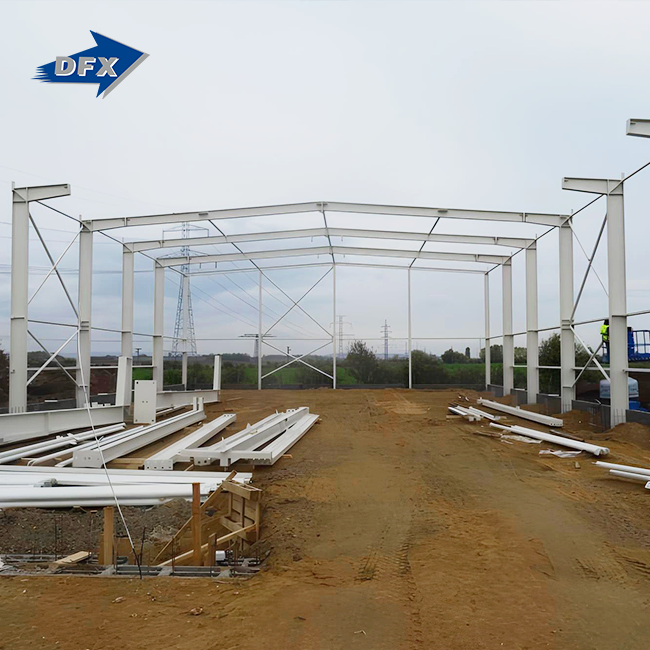
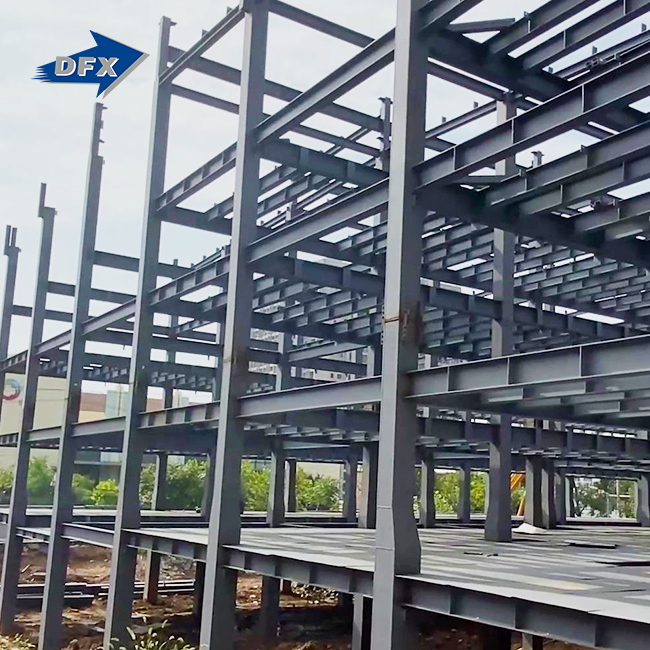
Compared to traditional ways of building farms, modern steel farm structures are a big step forward. These designed systems use heavy-duty steel frames and beams that don't rot, get pests, or catch fire, unlike wood or stone buildings that do.
What Defines an Agricultural Steel Building?
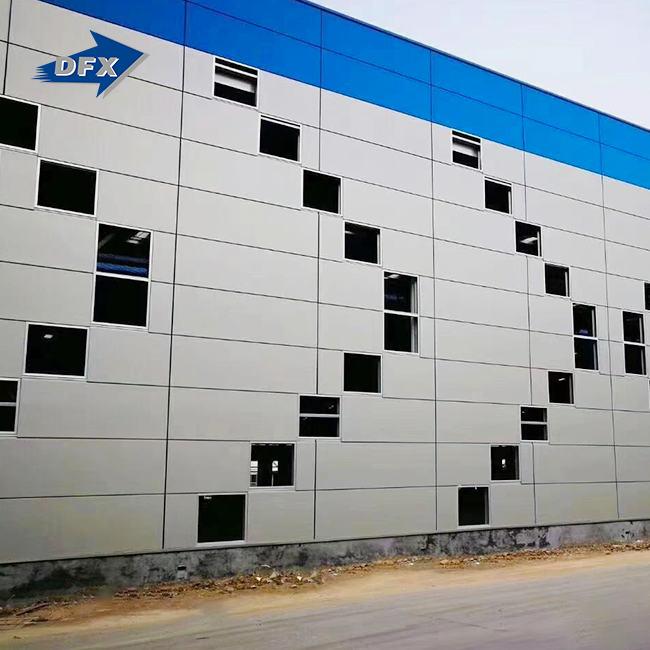
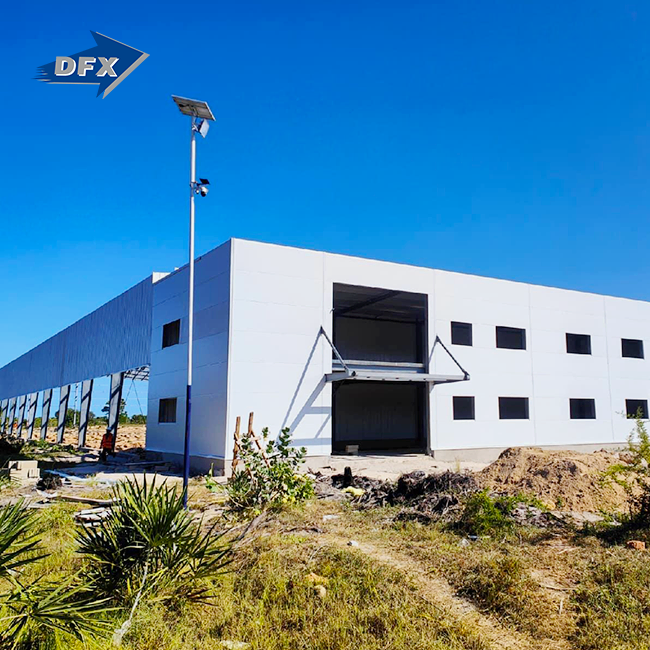
For farm steel buildings, the frame is usually made of pre-engineered metal with coverings that don't rust and are made to survive tough weather. The design can be fully covered for climate-controlled areas or partially open for animal houses that need air flow, based on the needs of the business. These buildings are made away from the farm site in a workshop with strict quality control measures in place before they are sent to the farm site. Because steel building is flexible, span lengths, roof pitches, and accessory installations like ventilation systems, insulation panels, and automatic feeding equipment can all be changed to fit the needs of the project.
Core Benefits That Matter to Farm Operations
Putting up steel buildings is a good idea because they help farms make more money. Because the material is naturally strong, it can be used to make clear-span shapes that don't need support beams inside. This lets you move tools or animals around without taking up too much floor space. Metal buildings don't need nearly as much upkeep as wooden ones do. Wooden buildings need to be cleaned, treated for bugs, and fixed when they rot. Steel doesn't catch fire, which lowers insurance costs, and it can be recovered, which is in line with more rules and business goals for sustainability. Buildings use less energy when they have new types of insulation, like sandwich panels with layers of polyurethane or mineral wool. The inside of buildings stays the same temperature all year thanks to these screens. This saves money on heating and cooling costs.
Using prefabrication cuts the time it takes to finish a job by a lot. A regular barn could take months to build, but a steel farming building only takes weeks. This means that farm work doesn't have to be stopped too often. You can use this speed-to-occupancy benefit for jobs that need to be finished quickly, like adding storage room for the winter or growing a chicken business. A steel frame made of cold-formed H-beams and steel is stronger than most building materials and can handle bad weather better than others. This saves animals, tools, and things that are important from getting hurt.
Steel vs. Traditional Agricultural Buildings: Making the Right Choice
To pick the right building material, you need to know about both the original cost and the material's success over its entire life in a variety of farming situations.
Performance Comparison Across Materials
Wood-frame barns are easy to build, but they have a lot of problems that can happen over time. Wood breaks down when it gets wet; bugs like it, and it needs chemical processes that are bad for the environment. Concrete buildings last a very long time, but they can't be changed in the future and take a long time to build and cost a lot of money to work with. Even though pole barns are cheap, they don't last as long, can't hold as much weight, or look as professional as other options. These are all things that matter when a farm is trying to get financing or thinking about how much the land will be worth when it's time to sell it.
In key measures, steel does better than these other options. A properly treated steel frame will keep its shape for 30 to 50 years with little maintenance, while wood buildings usually need major repairs every 15 to 20 years. The material's strength-to-weight ratio allows for longer spans that don't need to be supported. This gets rid of the need for internal posts that get in the way of work in dairy parlors or equipment storage areas.
Cost-Benefit Analysis for Procurement Managers
Initial cost comparisons favor building a barn out of wood or poles, but this narrow view doesn't take into account the total costs of ownership. Agricultural steel buildings usually cost 15 to 25 percent more up front than basic wood buildings, but they offer a better return on investment through lower insurance rates, less upkeep, and longer work lives. When current insulation systems are added to steel buildings, energy costs drop by 20–40%. This pays for the initial cost within 5–7 years.
Steel has a value that lasts longer than other products because it can be recycled. Steel parts keep their value as scrap and can be used for something else, but it costs money to get rid of wood and concrete buildings that have been torn down. Carbon impact concerns are becoming more important in purchasing choices, and steel's ability to include recovered content—often 25–30% in structure components—helps meet the standards for corporate sustainability reporting that many farming businesses now have to meet.
Procurement and Purchase Guide for Agricultural Steel Buildings
To buy a steel building, you need to pay attention to what the suppliers can do, when the job needs to be done, and what support systems are available after the building is installed.
Evaluating Supplier Credentials and Certifications
Reliable products come from reputable companies that keep quality standards that are known all over the world. ISO 9003 approval shows that a company is committed to using consistent production processes, and CE marking shows that the product meets European safety standards, which is very important for agricultural businesses that want to sell or for international farming companies. Extra certificates, such as COC (Certificate of Conformity) and PVOC (Pre-Export Verification of Conformity), make it easier to get goods through customs when they are shipped internationally.
When looking at possible providers, production ability is important. A company with 40,000 square meters of production space and automatic welding lines can keep the standard high even when doing a lot of work at once. Smaller makers, on the other hand, may have trouble with big projects or multiple projects at the same time. Check to see if the provider has the technical skills you need, such as in-house engineering design services that can make buildings fit specific farming uses, like how much air is needed for chicken coops or how much weight can be stored.
Custom Design vs. Prefabricated Solutions
Buildings made of steel that are specially built can be adjusted to meet specific operating needs. For farms with specific machine openings, odd site conditions, or integrated robotics systems, custom engineering can help solve these problems. Designing a project usually takes an extra two to three weeks, but the end result is the best utility.
For common farming uses, prefabricated standard designs speed up shipping and lower costs. Standard chicken coops, machinery store buildings, and hay barns use tried-and-true layouts that keep engineering costs low while keeping structure performance. The smallest amount that can be ordered is usually 400 square meters, which works for medium- to large-sized farms that want to make big investments in infrastructure.
Delivery Logistics and Installation Planning
From the time an order is confirmed until the steel building arrives at the job site, it usually takes 25 to 35 days. This is a fair amount of time to allow for proper site preparation. With project-based manufacturing, production doesn't start until the contract is signed, so parts are made to fit the needs of the specific project instead of having to be made to fit the needs of stock goods.
One of the best things about steel farm houses is how easy they are to put together. For farming purposes, structures have easy-to-follow building steps that site teams can do by following thorough erection plans. When compared to industrial or business projects, livestock and storage facilities tend to have lower building heights, which makes installation easier. Many suppliers offer construction advice services to help local workers with any technical issues that come up during the building process.
Maximizing Long-Term Value
Maintenance plans for steel farm buildings stress avoiding problems over fixing them. Checking for damage to the covering, tightness of the fasteners, and proper draining should be done once a year. Corrosion that could weaken structures can be stopped by taking care of small problems right away. Coatings that are resistant to rust that are put on during making provide basic protection, but farms near the coast or in places with harsh weather may need extra safety measures.
In agricultural steel buildings, management of condensation is very important in wet places or when animals are breathing. When anti-condensation felt is put on the inside of a roof or between insulated sandwich panels, it creates thermal breaks that stop water from building up and then dripping. This care for controlling moisture saves both the building and its valuable goods from damage caused by humidity. In some farming situations, buildings are exposed to acidic chemicals or fertilizer dust, which means that they need better coatings like epoxy zinc-rich bases that have been tested for salt spray.
Leading Brands and Manufacturers in Agricultural Steel Buildings
The agricultural steel building market includes established brands with decades of experience alongside emerging manufacturers offering competitive value propositions.
Industry-Leading Brands and Their Positioning
Morton Buildings has served the agricultural sector since 1903, building a reputation through post-frame and steel hybrid solutions favored by North American farmers. Their service model emphasizes local dealer networks that provide regional expertise and hands-on support throughout project lifecycles. Butler Manufacturing, now part of BlueScope, pioneered pre-engineered metal building systems and maintains a strong presence in large-scale agricultural projects requiring engineered stamped drawings and complex structural calculations.
Emerging manufacturers from international markets introduce competitive pricing without compromising quality standards. Companies like Qingdao Director Steel Structure Co., Ltd., established in 2011, leverage advanced manufacturing capabilities—including six automatic welded H-beam production lines and comprehensive sandwich panel production—to serve global markets. Their ISO-certified processes and CE-marked products meet international standards while offering cost advantages that appeal to budget-conscious agricultural enterprises. The company's annual capacity of 20,000 tons of structural steel and integrated design-through-installation services position them as viable alternatives to legacy brands.
Selection Criteria for B2B Procurement
Customization flexibility determines how well a supplier can adapt standard products to specific agricultural needs. Can they modify ventilation configurations for your climate zone? Do they accommodate specialty door sizes for oversized equipment? Suppliers offering in-house architectural design and detailing services streamline the customization process compared to manufacturers requiring third-party engineering coordination.
Delivery reliability of agricultural steel buildings impacts project timelines and operational planning. Manufacturers with established logistics networks and experience shipping to your region reduce the risk of delays that could leave expensive equipment or livestock exposed to weather during construction transitions. After-sales service and warranty coverage provide safety nets when issues arise. Comprehensive warranties covering structural components for 20-30 years demonstrate manufacturer confidence in product longevity, while accessible technical support resolves installation questions efficiently.
Conclusion
The agricultural steel building revolution reflects broader changes in how modern farms operate and compete. Steel structures deliver measurable advantages in durability, operational efficiency, and financial performance compared to traditional construction methods. The combination of rapid installation, minimal maintenance, and design flexibility addresses urgent needs facing agricultural operations—whether expanding livestock capacity, protecting equipment investments, or meeting sustainability mandates. Procurement managers evaluating steel buildings should prioritize supplier certifications, manufacturing capabilities, and support services that ensure successful project outcomes. As agricultural technology advances and environmental expectations intensify, steel buildings provide the adaptable infrastructure foundation that future-ready farms require.
FAQ
1. How do steel buildings handle condensation in humid agricultural environments?
Condensation control requires proper thermal management through insulation strategies. Anti-condensation felt applied to interior roof surfaces absorbs moisture before it forms droplets, while insulated sandwich panels with polyurethane or mineral wool cores create thermal breaks that prevent temperature differentials causing condensation. Proper ventilation design complements these passive measures by exchanging humid interior air with drier outside air, particularly important in livestock facilities where animal respiration adds significant moisture loads.
2. Can steel agricultural buildings withstand exposure to corrosive farming chemicals?
Standard galvanized coatings provide baseline protection suitable for general agricultural use, but operations involving direct fertilizer exposure, chemical cleaners, or coastal salt air benefit from enhanced coating systems. Epoxy zinc-rich primers applied over base galvanization increase corrosion resistance substantially. Reputable manufacturers verify coating performance through standardized salt spray testing that simulates years of exposure in accelerated timeframes, ensuring coatings meet specified protection levels before installation.
3. What foundation requirements support agricultural steel buildings?
Foundation design depends on soil bearing capacity, wind loads, and seismic considerations specific to each site. Common solutions include concrete slab foundations that provide level working surfaces ideal for equipment storage, or concrete pier foundations with grade beams that reduce material costs while anchoring column base plates securely. Engineering analysis considering local building codes and site-specific soil reports determines appropriate foundation specifications. Most suppliers provide foundation drawings that local contractors can execute without specialized expertise.
Partner with DFX for Your Agricultural Steel Building Project
Agricultural operations deserve infrastructure partners who understand farming realities and deliver reliable solutions on schedule. DFX, operating through Qingdao Director Steel Structure Co., Ltd., brings over 12 years of steel fabrication expertise to agricultural projects worldwide. Our ISO 9003-certified manufacturing processes and CE-marked products ensure quality that meets international standards, while our 40,000 square meter production facility and 200-person workforce deliver the capacity your project timeline demands.
We recognize that agricultural steel building procurement involves more than purchasing metal components. Our comprehensive service model includes engineering design tailored to your operational requirements, fabrication using automated welding systems that ensure structural integrity, and erection guidance supporting smooth installation. Reasonable delivery timelines of 25-35 days keep projects moving forward, and we assist with ancillary equipment procurement, saving time coordinating multiple suppliers. Whether you need livestock shelters, equipment storage, or specialized agricultural structures, our team works directly with farm owners, project managers, and construction contractors to deliver turnkey solutions.
Connect with our agricultural building specialists to discuss your project requirements. Contact Jason at jason@bigdirector.com to explore how DFX can support your agricultural infrastructure goals as your trusted steel building manufacturer.
References
1. National Agricultural Statistics Service (2022). "Farm Structures and Facilities Inventory Report." United States Department of Agriculture Annual Survey Series.
2. Henderson, J. and Thompson, R. (2021). "Lifecycle Cost Analysis of Agricultural Building Materials." Journal of Agricultural Engineering Research, Vol. 48, pp. 112-128.
3. American Institute of Steel Construction (2023). "Pre-Engineered Metal Building Systems: Design Guide for Agricultural Applications." AISC Technical Publication Series.
4. Morrison, K. (2020). "Energy Performance of Insulated Steel Buildings in Agricultural Settings." Agricultural Systems Engineering Quarterly, Vol. 35, No. 3, pp. 45-62.
5. International Code Council (2022). "Agricultural Building Standards and Best Practices." ICC Building Code Reference Manual, Chapter 11.
6. Reynolds, M. and Patterson, L. (2023). "Sustainable Materials in Modern Farm Construction: Environmental Impact Assessment." Agriculture and Environmental Technology Review, Vol. 12, pp. 203-221.
Learn about our latest products and discounts through SMS or email