- English
- French
- German
- Portuguese
- Spanish
- Russian
- Japanese
- Korean
- Arabic
- Greek
- German
- Turkish
- Italian
- Danish
- Romanian
- Indonesian
- Czech
- Afrikaans
- Swedish
- Polish
- Basque
- Catalan
- Esperanto
- Hindi
- Lao
- Albanian
- Amharic
- Armenian
- Azerbaijani
- Belarusian
- Bengali
- Bosnian
- Bulgarian
- Cebuano
- Chichewa
- Corsican
- Croatian
- Dutch
- Estonian
- Filipino
- Finnish
- Frisian
- Galician
- Georgian
- Gujarati
- Haitian
- Hausa
- Hawaiian
- Hebrew
- Hmong
- Hungarian
- Icelandic
- Igbo
- Javanese
- Kannada
- Kazakh
- Khmer
- Kurdish
- Kyrgyz
- Latin
- Latvian
- Lithuanian
- Luxembou..
- Macedonian
- Malagasy
- Malay
- Malayalam
- Maltese
- Maori
- Marathi
- Mongolian
- Burmese
- Nepali
- Norwegian
- Pashto
- Persian
- Punjabi
- Serbian
- Sesotho
- Sinhala
- Slovak
- Slovenian
- Somali
- Samoan
- Scots Gaelic
- Shona
- Sindhi
- Sundanese
- Swahili
- Tajik
- Tamil
- Telugu
- Thai
- Ukrainian
- Urdu
- Uzbek
- Vietnamese
- Welsh
- Xhosa
- Yiddish
- Yoruba
- Zulu
What Makes a Steel Structure Workshop Energy Efficient?
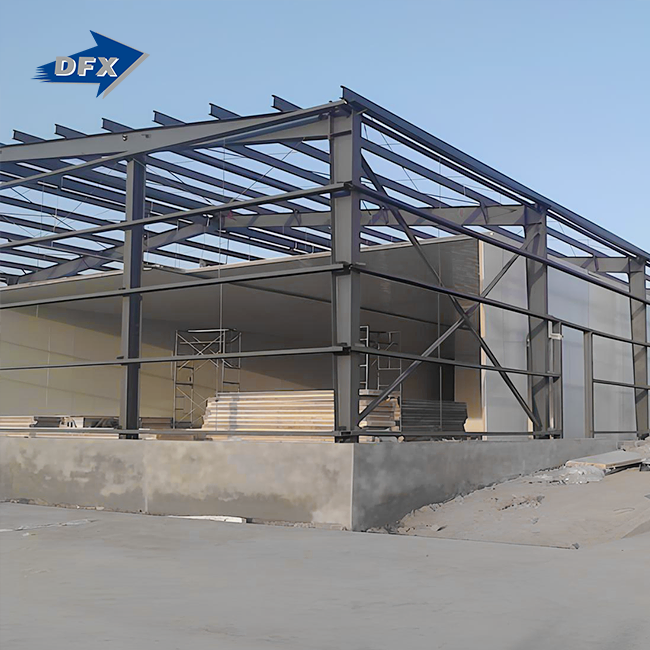
Energy efficiency in a steel structure workshop depends on how well the design integrates thermal management, insulation, and smart material selection to control heating and cooling demands. A well-engineered industrial steel building minimizes energy waste through optimized envelope systems, reflective roof coatings, and strategic natural lighting, all while maintaining structural integrity under heavy operational loads. These workshops, typically constructed with welded H-section steel frames and insulated sandwich panels, reduce operational costs by up to 40% compared to conventional buildings. When project managers and procurement professionals evaluate manufacturing facilities, the energy performance of the structure directly influences long-term profitability and compliance with evolving environmental standards across industrial sectors.

Understanding Energy Efficiency in Steel Structure Workshops
Energy efficiency in industrial buildings means using as little energy as possible while keeping the inside of the building in the best shape for work. When we look at big industrial steel buildings with open areas inside, we can see a few main differences that set high-performance buildings apart from regular ones.
Thermal Performance and Heat Transfer Control
Thermal efficiency is a way to rate how well a building stops heat from moving through its walls, roof, and supports. When steel workplaces are built with frames made of Q235 or Q355 grade steel, the biggest problem is stopping thermal bridging, which happens when steel members make ways for heat to get around insulation layers. This is taken care of by engineers using continuous insulation systems and thermal breaks at the points where two parts meet. The total U-value of a building, which is measured in W/m²K, is lower the better it is at blocking unwanted heat transfer. This means that the building will use less HVAC energy all year.
Insulation Quality and R-Value Standards
The quality of the insulation decides how well the building can keep its inner temps fixed even when the weather outside changes. Modern sandwich panel systems used in buildings made of steel have cores made of polyurethane or mineral wool with R-values between R-16 and R-30, depending on the temperature zone. When these plates are put together during the manufacturing process in specialized factories, they make a continuous shield against heat. When operations managers choose between single-skin cardboard sheets and insulated panels, they usually see energy cost differences of 30 to 50 percent per year. This makes investing in insulation a very important decision during project procurement.
Impact on Operational Costs and Productivity
Designing things to use less energy doesn't just follow the rules; it also saves money. Frames and systems that use less energy save a lot of money on electricity bills. This is especially true for buildings that work three shifts a day, like workshops and assembly lines. Temperature-stable settings keep tools from breaking down and make workers more relaxed and efficient. They also cut down on the number of mistakes that happen when temperature is important. Studies from industrial site managers show that workers' output goes up by about 2% to 3% for every 10% change in how well a building deals with energy. This gives a good return on investment (ROI) that isn't just lower power bills.
Key Design Elements That Boost Energy Efficiency
Designing industrial facilities for superior energy performance requires integrating multiple building systems from the earliest engineering stages. When structural designers collaborate with mechanical engineers during the concept phase, opportunities emerge to optimize both the building envelope and internal systems simultaneously.
Advanced Insulation Materials and Systems
The selection of insulation materials profoundly affects long-term energy consumption patterns. Here are the primary options available for modern industrial structures:
- Spray Foam Insulation: This application method creates seamless barriers that eliminate gaps around structural members and penetrations. Closed-cell polyurethane foam achieves R-values of R-6 to R-7 per inch while adding structural rigidity to wall assemblies. Installation during the construction phase ensures complete coverage around bolted steel connections and C/Z section purlins, addressing thermal bridging effectively.
- Rigid Panel Systems: Factory-produced sandwich panels arrive at construction sites with pre-installed insulation cores, accelerating installation schedules by 30-40% compared to field-applied systems. These panels, manufactured on specialized production lines, maintain consistent quality and thermal performance. The rigid construction resists compression over time, preserving R-value throughout the building's service life.
- Mineral Wool Solutions: Non-combustible mineral wool insulation offers dual benefits of thermal resistance and superior fire protection, achieving fire resistance ratings up to 4 hours when properly specified. This material particularly suits heavy manufacturing environments where welding and high-temperature processes occur, providing safety advantages alongside energy performance.
These insulation technologies work most effectively when specified during the initial steel structure workshop structural design phase, allowing fabricators to integrate attachment systems and vapor barriers into the primary framing members before delivery to the construction site.
Roof and Wall System Innovations
Roof systems represent the largest single surface area exposed to solar radiation and weather extremes, making them critical to overall building energy performance. Reflective roof coatings with solar reflectance indices above 0.75 reduce cooling loads by reflecting up to 85% of incident sunlight. When combined with adequate insulation beneath the roofing membrane, these systems maintain interior temperatures 15-20°F cooler during peak summer conditions without additional mechanical cooling.
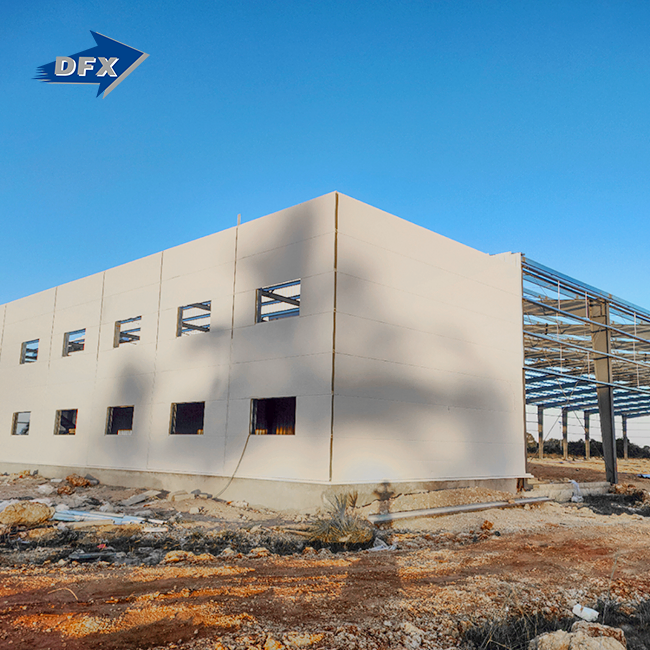
Wall assemblies in modern prefabricated buildings employ multi-layer approaches that separate structural, thermal, and weather-resistant functions. The exterior cladding layer protects against moisture intrusion while allowing vapor transmission to prevent condensation within wall cavities. An air barrier system, integrated with the structural frame through careful detailing, prevents uncontrolled air leakage that can account for 25-40% of heating and cooling losses in poorly sealed buildings.
Natural Lighting and Ventilation Strategies
Strategic placement of skylights and translucent panels reduces artificial lighting requirements by 40-60% during daylight hours. Daylighting systems designed with proper light diffusion eliminate harsh shadows and glare that interfere with precision manufacturing tasks. When positioned along the roof ridge line, these elements also facilitate natural ventilation through stack effect, drawing hot air upward and exhausting it while pulling cooler air through lower wall openings.
Mechanical ventilation systems complement natural airflow, particularly in facilities handling process heat or airborne contaminants. Energy recovery ventilators capture thermal energy from exhaust streams, pre-conditioning incoming fresh air and reducing HVAC loads by 30-50%. This integrated approach to air quality management maintains comfortable working conditions while minimizing energy consumption across all operational scenarios.
Construction and Material Choices Impacting Energy Performance
The materials chosen during purchase and the building methods used on-site have long-lasting effects on how energy-efficient a building is. People who have to make decisions about beginning prices vs. lifetime success should know how their choices affect long-term running costs.
High-Performance Steel and Panel Selection
Primary structural members made from Q355B high-strength steel allow for longer clear lengths and wider column spacing without the need for intermediate supports. This makes floor spaces that aren't blocked, which are perfect for flexible industrial plans. This structural economy cuts the amount of materials needed by 15 to 20 percent compared to lower-quality options. This lowers both the stored energy and the cost of building. Surface treatments used during manufacturing, such as shot blasting to Sa2.5 standards and then applying multiple layers of protective coats, ensure decades of trouble-free use and keep heat performance from dropping due to rust.
Parts that are galvanized last a long time in salty places, which is very important in places like chemical plants and the beach. With hot-dip galvanizing, zinc coats that are more than 600 g/m² thick can be made. Over their expected 50-year life, these coats will protect the building's structure and how well it keeps heat in.
Foundation Systems and Thermal Bridging
The shape of the foundation has a big impact on how heat moves through the ground and how energy-efficient the building is generally. Three main methods are used for different site factors and performance needs. Slab-on-grade foundations have ring insulation that goes 4 to 8 feet across or up and down to block heat paths between the inside and the dirt around the building. This method works well in stable soil and is cost-effective while still providing heat resistance values of R-10 to R-15 around the house.
Pier and grade beam systems raise the building structure above the ground. This makes a protected crawl room that keeps the building from touching the ground and transferring heat. This method works well in places that are likely to flood or where the dirt is very loose. It also lets you run services below the floor system without going through the thermal envelope.
Insulated foundation walls that go below the frost line protect against freeze-thaw cycles and keep heat from moving through the base of the building. workshop auto cost. Engineers recommend using hard foam insulation on the outside of foundations, keeping concrete surfaces above the dew point temperature to stop dampness, and making sure that the insulation works well during yearly temperature changes.
Prefabricated vs. Custom-Built Efficiency Advantages
These ways of building naturally use less energy because they allow for more exact production and quality control than can be done on the job site. Tolerances are tighter when parts are made in climate-controlled plants. Panel joints and links must fit within 2 to 3 mm. This level of accuracy gets rid of the ways that air can escape from buildings that aren't made properly the first time around.
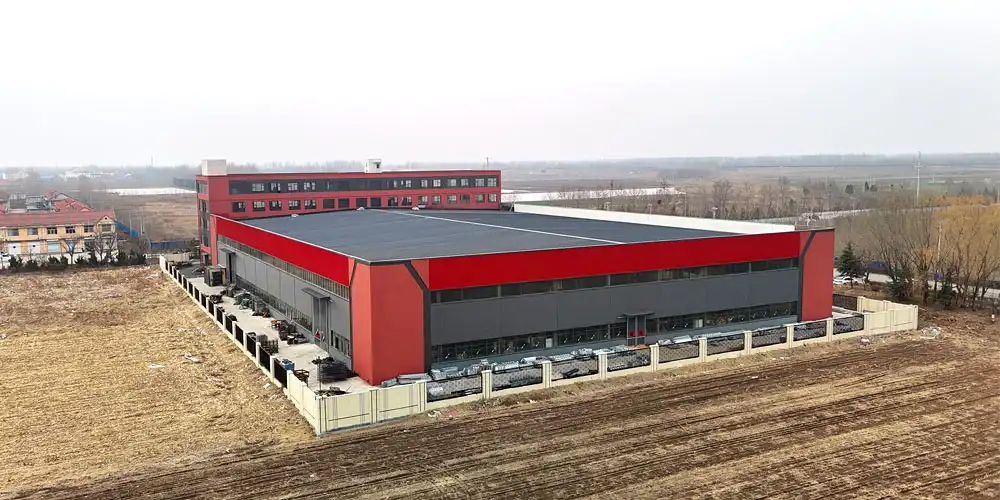
Solutions that are custom-engineered are made to meet the exact wants of a business. They might include, say, crane systems that can hold 50 to 100 tons or special tools for the process. Fabricators use thorough engineering models to plan how to put in structure supports, insulation systems, and mechanical penetrations during the production phase. In this way, the temperature inside the building stays the same even in places with strange shapes. Because made-to-order production takes 25 to 45 days, experts have plenty of time to study and improve the plan before it is made. This means that the field doesn't need to be changed as much, which can hurt the energy performance.
Maintenance Practices that Sustain Energy Efficiency Over Time
Even the most efficiently designed facility experiences performance degradation without proactive maintenance protocols. Establishing systematic inspection and upgrade schedules preserves the initial energy investment throughout the building's operational life.
Regular Inspection and Sealing Protocols
Thermal imaging surveys conducted annually identify insulation gaps, air leakage paths, and moisture intrusion before these defects cause significant energy waste. Infrared cameras reveal temperature differentials across wall and roof surfaces, pinpointing areas requiring attention. Addressing identified issues promptly—resealing panel joints, repairing damaged insulation, and replacing deteriorated weather stripping—typically costs 5-10% of the energy savings these repairs preserve, delivering immediate positive returns.
Structural inspections verify that bolted connections remain tight and that steel members show no signs of corrosion or damage that might compromise thermal breaks or create new thermal bridging pathways. Facilities located in regions with significant temperature swings or coastal environments benefit from semi-annual inspections, catching minor issues before they escalate into major energy performance problems.
HVAC and Lighting System Upgrades
Mechanical systems installed during initial construction may operate reliably for 15-20 years yet consume 40-60% more energy than current high-efficiency alternatives. Replacing aging HVAC equipment with variable-speed units and modern controls reduces energy consumption while improving temperature control precision. These upgrades typically achieve payback periods of 3-5 years through utility savings alone, not accounting for improved product quality and worker comfort benefits.
LED lighting retrofits represent among the fastest-return efficiency investments, cutting lighting energy use by 60-75% while reducing cooling loads from eliminated heat output. Modern LED systems with occupancy sensors and daylight harvesting controls adapt to actual space usage patterns, delivering illumination only when and where needed. Facilities operating multiple shifts realize particularly strong returns, with payback periods under two years common in high-utilization environments.
Seasonal Adjustments and Coating Preservation
Roof coatings maintaining high solar reflectance require periodic cleaning and reapplication to preserve performance characteristics. Industrial environments generating airborne particulates see more rapid coating degradation, necessitating cleaning cycles every 2-3 years and recoating at 7-10-year intervals. These maintenance activities cost substantially less than the cooling energy penalties from degraded roof reflectance, which can increase summer cooling loads by 20-30% when neglected.
Ventilation system adjustments between heating and cooling seasons optimize fresh air intake rates and heat recovery operations, reducing workshop auto costs. Modern building automation systems simplify these transitions, automatically adjusting damper positions and equipment staging based on outdoor conditions. Facilities lacking automated controls benefit from documented seasonal commissioning procedures, ensuring optimal system performance year-round.
Conclusion
Energy efficiency in industrial facilities stems from intentional design integration, quality material selection, and consistent maintenance practices. Steel structure workshops engineered with continuous insulation, reflective roof systems, and optimized natural lighting deliver substantial operational cost advantages while supporting sustainability objectives. The combination of precision prefabrication, structural flexibility, and proven durability makes steel construction particularly well-suited for manufacturing, distribution, and agricultural applications where energy performance directly impacts competitive positioning. Procurement managers and project engineers evaluating facility investments find that upfront attention to energy efficiency creates lasting value through reduced utility costs, improved working conditions, and enhanced operational reliability across the building's full lifecycle.
FAQ
1. How much can energy-efficient steel construction reduce operational costs?
Properly designed steel facilities with optimized insulation and mechanical systems typically reduce energy consumption by 30-40% compared to conventional construction. Annual utility savings of $0.75-$1.25 per square foot are common in manufacturing environments, creating substantial lifecycle value that offsets any premium initial investment within 5-7 years through operational savings alone.
2. What insulation specifications work best for industrial steel buildings?
Climate zone determines optimal insulation levels, with most industrial applications requiring roof R-values between R-25 and R-35 and wall R-values of R-16 to R-25. Continuous insulation systems using rigid foam or sandwich panels outperform batt insulation by eliminating thermal bridging through structural members. Facilities in extreme climates or operating temperature-sensitive processes benefit from higher specifications approaching R-40 in roof assemblies.
3. How does building orientation affect energy performance?
Strategic orientation reduces solar heat gain on wall surfaces by positioning longer building axes east-west, minimizing afternoon sun exposure on western elevations. This passive design strategy cuts cooling loads by 15-20% in warm climates while maintaining beneficial southern exposure for natural lighting. Site-specific solar analysis during the design phase identifies optimal building placement for each unique location.
Partner with DFX for Your Energy-Efficient Steel Structure Workshop
Qingdao Director Steel Structure Co., Ltd., steel structure workshop, brings 12 years of specialized experience manufacturing high-performance industrial buildings engineered for superior energy efficiency. Our 40,000-square-meter facility produces welded H-beams using Q235 and Q355 grade steel, integrated with advanced insulation systems that meet international thermal performance standards. We provide complete turnkey solutions—from structural design through on-site installation guidance—ensuring your manufacturing workshop or assembly plant achieves optimal energy performance from day one. Contact our team at jason@bigdirector.com to discuss your project requirements with an experienced steel structure workshop manufacturer delivering ISO9001 and CE-certified solutions worldwide.
References
1. American Institute of Steel Construction (2021). "Energy Efficiency in Steel Building Design: Technical Guidelines for Industrial Structures."
2. U.S. Department of Energy, Advanced Manufacturing Office (2020). "Industrial Building Energy Performance: Comparative Analysis of Construction Systems."
3. Metal Building Manufacturers Association (2022). "Thermal Performance Standards for Pre-Engineered Metal Buildings."
4. National Institute of Building Sciences (2019). "Whole Building Design Guide: Energy Efficient Industrial Facility Design."
5. International Code Council (2021). "International Energy Conservation Code: Commercial and Industrial Applications."
6. Steel Construction Institute (2020). "Life Cycle Assessment of Steel-Framed Buildings: Energy Performance and Sustainability Metrics."
Learn about our latest products and discounts through SMS or email