- English
- French
- German
- Portuguese
- Spanish
- Russian
- Japanese
- Korean
- Arabic
- Greek
- German
- Turkish
- Italian
- Danish
- Romanian
- Indonesian
- Czech
- Afrikaans
- Swedish
- Polish
- Basque
- Catalan
- Esperanto
- Hindi
- Lao
- Albanian
- Amharic
- Armenian
- Azerbaijani
- Belarusian
- Bengali
- Bosnian
- Bulgarian
- Cebuano
- Chichewa
- Corsican
- Croatian
- Dutch
- Estonian
- Filipino
- Finnish
- Frisian
- Galician
- Georgian
- Gujarati
- Haitian
- Hausa
- Hawaiian
- Hebrew
- Hmong
- Hungarian
- Icelandic
- Igbo
- Javanese
- Kannada
- Kazakh
- Khmer
- Kurdish
- Kyrgyz
- Latin
- Latvian
- Lithuanian
- Luxembou..
- Macedonian
- Malagasy
- Malay
- Malayalam
- Maltese
- Maori
- Marathi
- Mongolian
- Burmese
- Nepali
- Norwegian
- Pashto
- Persian
- Punjabi
- Serbian
- Sesotho
- Sinhala
- Slovak
- Slovenian
- Somali
- Samoan
- Scots Gaelic
- Shona
- Sindhi
- Sundanese
- Swahili
- Tajik
- Tamil
- Telugu
- Thai
- Ukrainian
- Urdu
- Uzbek
- Vietnamese
- Welsh
- Xhosa
- Yiddish
- Yoruba
- Zulu
Steel Structure School Building: Column-Free Classroom Design Tips
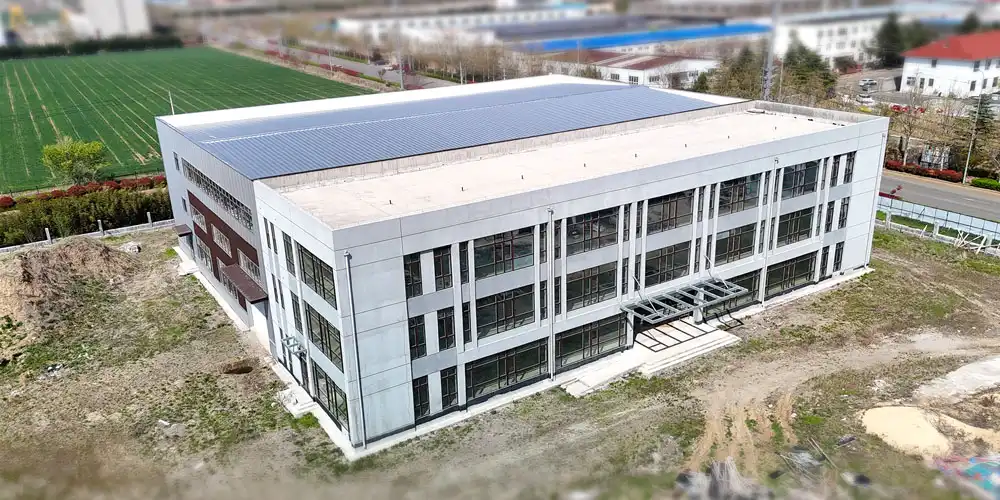
Modern school buildings with column-free classroom plans built on a Steel Structure School Building framework offer huge benefits in terms of safety and space freedom. By getting rid of internal columns, architects and engineers make learning spaces that are free of obstructions and can be used for a variety of teaching methods, from standard lectures to activities where students work together. This method uses high-strength Steel Structure School Building parts along with advanced truss systems and rigid frame links to spread loads evenly over longer spans. As a result, a structure that is quick and easy to set up, doesn't cost a lot, and meets strict international building codes. It is also very resistant to earthquakes and can be easily changed or expanded in the future.

Understanding Column-Free Steel Structure School Buildings
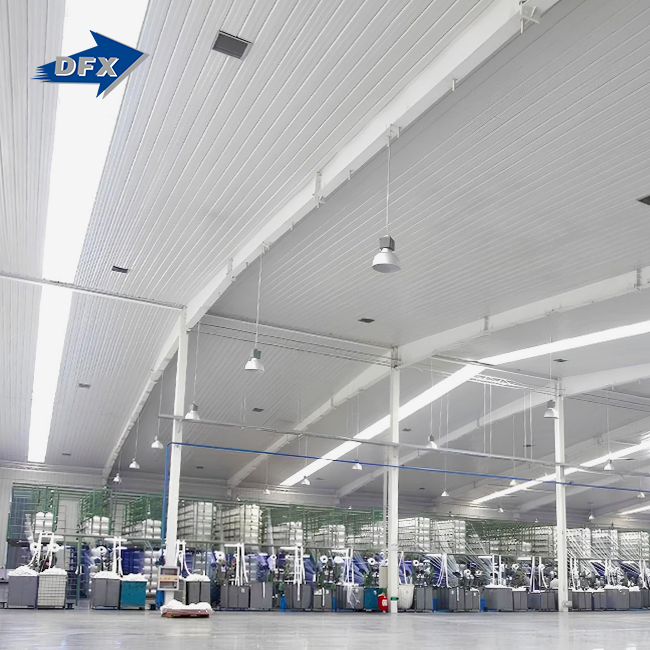
School buildings made of steel structures advance learning space design. Engineered Steel Structure School Building columns, beams, and bracing create sturdy frameworks for multi-storey or massive single-level layouts, unlike concrete or brick buildings. Column-free classrooms can extend 20–30 meters without vertical supports, cutting into the inner space, making them distinctive.
Core Design Principles
Load-bearing parts must be placed strategically around the outside of the building for the column-free design to work. H-beams and box shafts made from high-strength metals are used in heavy steel structure school buildings. These alloys have yield strengths of 345 MPa or higher. Engineers can use these materials to figure out exact load paths that move the weight of the roof and floors to outside supports via horizontal girders. The lack of internal beams makes the most of the floor space that can be used, improves visibility during talks, and makes it easier for teachers to arrange the furniture.
Structural Advantages for Educational Settings
Open-plan classes that allow for flexible furniture arrangements and the placement of multimedia tools are good for schools. Wide, clear gaps make it easier for people in wheelchairs to get around in case of an emergency and for installing overhead displays or smart boards without any problems. Steel Structure School Buildings are naturally flexible, which makes them better at withstanding earthquakes. Structures can bend without falling apart completely, which is an important safety trait in areas of the United States that are prone to earthquakes.
Prefabrication and Speed of Construction
When compared to traditional ways, manufactured Steel Structure School Building parts arrive at the job site ready to be put together, cutting the time it takes to build by 30 to 50 per cent. This quick rollout is very helpful for school districts that need to replace old buildings or deal with large increases in enrollment before the school year starts. Factory-controlled manufacturing makes sure that the quality is always the same. For example, automatic welding lines make H-beams and columns to exact tolerances, which cuts down on the need for repairs on-site and delays caused by bad weather.
Comparing Steel Structure With Traditional School Building Materials
Choosing the right materials has a direct effect on project prices, timelines, and ongoing costs. Procurement managers and project engineers have to weigh the initial investment against performance and flexibility over the lifecycle when they are looking at their choices.
Durability and Maintenance Requirements
Steel structure school buildings last longer than wood ones because water, bugs, and fire easily damage wood. Even though concrete buildings are strong, they need a long time to cure and are hard to change once they're set. When a Steel Structure School Building is properly treated—hot-dip galvanised or covered with epoxy zinc-rich primers—it doesn't rust for 50 to 100 years with little care. Regular checks look at how well the connections are made and the state of the cover. These are much easier things to check for than problems like concrete flaking or wood rot.
Cost Efficiency Over Project Lifecycle
Even though a Steel Structure School Building may seem more expensive at first than concrete or stone, in the long run, it is cheaper to own. Labor hours and site management costs are cut by using prefabricated parts. Sandwich panels with polyurethane insulation or glass curtain walls with low-E finishes are examples of energy-efficient exterior systems that lower the need for heating and cooling. Over many years, these savings add up and cancel out the initial expenses. Recyclable steel school buildings can also be reused when they are no longer useful, which helps schools meet their environmental goals and recovers material value.
Construction Speed and Quality Control
For concrete buildings, the base has to cure, and the forms have to be put up, which takes weeks and delays other trades. Steel Structure School Building construction goes quickly; skilled teams put together frames in days instead of months. Factory welding follows AWS D1.1 guidelines, and before it is sent out, ultrasound and magnetic particle tests make sure the weld is solid. This off-site quality control gets rid of common problems that happen on-site, making sure that the structure is reliable and that it meets the building codes.
Flexibility for Future Modifications
As the number of students at a school changes, it may need to add more classrooms or improve its labs. The modular nature of a Steel Structure School Building makes it possible for growth by using bolted links to connect new wings to old frames. Interior walls are made of light plaster or metal stud panels that can be moved around to change the layout of classrooms without affecting the structure's safety. For similar changes to be made to concrete buildings, jackhammers and a lot of rebar work are needed. This slows down work and raises costs.
Designing Column-Free Steel Structure Classrooms: Key Tips and Best Practices
For column-free systems to work at their best, structural engineers must pay close attention to material choice, legal compliance, and structural engineering. The following tactics will help you complete your job successfully.
Advanced Structural Frameworks
With trusses and space frames, loads are spread out over many connection points. This makes it possible for clear lengths that would fall apart with standard beam-and-column systems. Portal frames, which are made up of stiff joints between beams and rafters, make stable side systems that can stand up to wind and earthquake forces. Cantilevers go beyond the perimeter supports to cover walks or balconies, making even more room useful without adding more columns.
Based on stress estimates, engineers choose types of school buildings with steel structures. For main members, Q355 is often chosen because it has a higher strength-to-weight ratio. When you mix decking from a steel school building with concrete topping, you get stiffness that is similar to solid concrete slabs while lowering the total weight of the structure. This mixed method lowers the loads on the base and lets buildings be built on softer soils.
Compliance With International Building Codes
Schools have to follow strict safety rules that cover things like fire protection, earthquake performance, and wind loads. Intumescent fireproofing or cementitious spray coats are used on steel structure school building posts and beams to keep the structure strong for two to three hours during fires, which is enough time for people to leave and for firefighters to arrive. These treatments are tested according to ASTM E119 guidelines, which makes sure they follow local fire rules.
Seismic design follows the rules in ASCE 7 or the International Building Code (IBC) and, when needed, includes flexible details at links and base isolators. When figuring out wind resistance, data on the height of the building, its exposure category, and the speed of the wind in the area are used to figure out the bracing configurations and link strengths that are needed.
Energy Efficiency and Insulation Techniques
Thermal bridging through sections of steel structures in school buildings lowers the performance of the shell if it is not fixed with continuous insulation layers. R-values above 20 are reached by metal sandwich panels with polyurethane or mineral wool cores. This reduces heat movement and lowers the cost of running an HVAC system. Curtain wall systems use double-glazed low-E glass and thermally broken metal frames to balance the benefits of daylighting with energy economy.
Vapour barriers, rigid insulation boards, and reflective coatings are all parts of roof systems that keep condensation under control and lower cooling loads. Air leaking, which wastes a lot of energy in business buildings, can be stopped by properly detailing around penetrations and joints. These steps help the school get LEED or BREEAM certification, which boosts its environmental reputation.
Real-World Performance Metrics
A 2019 study of school buildings with steel structures in California found that buildings finished with pre-engineered systems met project deadlines 85% of the time, while only 60% of the time for buildings made of concrete met their deadlines. After the building was finished, tests showed that the HVAC system used an average of 15% less energy than what was required by code. This was because the shell was better designed and there was less thermal bridging. Over a ten-year watch period, maintenance logs showed that few structural fixes were needed, which supported claims of durability for the Steel Structure School Building.
Procurement and Cost Considerations for Steel Structure School Buildings
When B2B customers buy steel structure school buildings, they have to find a balance between quality, price, and source dependability. Clear cost estimates and screening of vendors make it easier to make decisions.
Detailed Cost Estimation
Prices for steel structure school buildings depend on floor count, span length, and finish. Elementary schools with one storey and 10-metre lengths cost $120–$180 per square metre for frames, roofs, and basic wall panels. High schools with many levels and specialised labs might cost $250 per square metre for support, fire safety and mechanical systems. These numbers don't cover land preparation, utility installation, and interior finishing, which add 30–40% to the job.
Steel structure school buildings require 1% to 2% of their original worth in repairs each year, compared to 50% for concrete structures, making them easier to maintain. Good manufacturers cover structural defects and corrosion protection failures for 10–15 years.
Choosing Trusted Manufacturers
Companies with ISO 9001 accreditation are preferred vendors since they follow quality control methods. For international projects and sales, the CE mark verifies that the product satisfies European safety standards. COC and PVOC certifications prove a product is lawful in African markets, which is vital for cross-border project managers.
To ensure products meet grades, request mill test certificates (MTC) to evaluate steel structure school building chemical and mechanical properties. Factory exams evaluate welders' skills. AWS-certified welders and automation equipment produce consistent output. Referrals and project samples demonstrate reliability and problem-solving skills.
Project Management and Lead Times
Fabrication times vary from six to twelve weeks, based on how complicated the order is and how much space the plant has. International sellers add two to four weeks for shipping, so you need to buy things early to avoid delays. Depending on the size of the building and how easy it is to get to, frame construction can take three to six weeks.
As part of full after-sales support, plant experts lead onsite teams through the assembly process as installation supervisors watch on. Technical documents, such as erection plans, bolt torque specs, and quality checks, make sure that the job is done right. Customer service that responds quickly to changes in the field and explains what the designer meant to do can save a lot of money on rework.
Calculating Return on Investment
ROI studies compare the original cost of capital to the amount of money saved on operations and the longevity of the building. Accelerated building cuts down on the time it takes to get financing and lets you start making money from fees or government grants sooner. Energy-efficient boxes cut energy bills by 20 to 30 per cent a year, which adds up to big savings over 50 years. Low maintenance costs free up money that can be used for training projects instead of building fixes.
Due to its adaptability, a steel structure school building keeps its resale value high. If enrolment drops, you can use the buildings for business or industrial purposes, recovering your investment through new tenants or material salvage.
Why Choose Column-Free Steel Structures for Your School Project?
Pedagogical, environmental, and financial benefits can be measured for column-free steel structure school buildings, making them the best choice for forward-thinking educational institutions.
Adaptive Learning Environments
These days, a lot of focus is put on joint learning, STEM labs, and video lessons, all of which need flexible space setups. With flexible walls, open classrooms can be turned into small breakout rooms or big gathering spaces, depending on the situation. It's easier to integrate technology when columns don't get in the way of projector views or cable routes. Clear spans of more than 30 meters are good for physical education buildings because they can fit basketball fields, gyms, and auditoriums in single-volume areas.
Sustainable Construction Practices
Using electric arc kilns to recycle scrap metal into new building parts has made the production of steel school buildings a lot more efficient. This process uses 75% less energy than making steel from scratch, which lowers the amount of carbon that is built into the structure. Steel structure school buildings that have been taken apart can still be used for other projects, so demolition doesn't produce much waste. LEED points are earned by using recycled materials, getting materials from local suppliers, and properly managing building trash. This makes it easier to get green building certification and report on an institution's sustainability.
Future-Proofing Through Scalability
Estimates of enrolment often turn out to be wrong, which means that campuses have to be either enlarged or shrunk. Steel structure school buildings can hold additions by using bolted links at specific expansion joints. This keeps the architecture consistent while reducing the amount of building damage. Internet of Things (IoT) sensors that track things like HVAC performance, usage trends, and the health of the structure are easy to add to these structures. These sensors send data to building management systems that use it to plan maintenance and save energy.
Roof-mounted solar arrays benefit from the steel structure school building's high strength-to-weight ratio, supporting photovoltaic loads without having to pay for expensive reinforcing. Connecting battery storage systems and charging stations for electric vehicles (EVs) to current electrical risers makes schools ready for changing energy needs in the future.
Conclusion
Column-free classroom plans in school expansion steel structure company steel-framed school buildings are an example of how technical innovation, economic realism, and educational progress can come together. By getting rid of internal obstacles, these buildings make the best use of space while also being more resistant to earthquakes and allowing for faster construction times. Cost modelling that is easy to understand, strict standards for vendor certification, and lifecycle value studies that show how practical savings and flexibility make initial investments worthwhile are all good things for procurement pros working with a company that specialises in steel structures for school expansion. As school systems across the US deal with changing enrollment numbers and requirements for sustainability, steel school buildings with a structural steel framework from a company specialising in school expansion and steel structures offer tried-and-true options that have been used successfully for decades around the world.
FAQ
1. What is the expected lifespan of a steel structure school building?
When properly maintained, steel school buildings can last longer than 50 years, and many can remain functional for more than 100 years. Corrosion can be stopped by hot-dip galvanisation or marine-grade finishes, and regular checks find and identify connections before they break. Every 15 to 20 years, fire-resistant treatments need to be reapplied, which is a small maintenance job compared to fixing concrete that has cracked.
2. How do column-free steel classrooms handle fire safety regulations?
When intumescent coatings are heated, they expand and insulate steel structure school building members while keeping their load-bearing ability for two to three hours. This meets the strict fire rules for educational facilities. Fire-rated walls separate areas so that fires don't spread as quickly, and multiple exits make sure that everyone can safely leave the building. Unlike wood-framed buildings, steel structure school buildings don't need fuel because steel is not flammable.
3. Can steel structures accommodate future school expansions?
The modular steel structure school building design has expansion joints and connection points that make it easy for extra wings to link. Bolted parts allow for partial dismantling and reconfiguration without tearing down the whole structure. This supports phased building that fits the budget. This ability to adjust is very important as areas deal with changes in population and the curriculum.
Partner With DFX for Your Next Educational Steel Structure Project
Qingdao Director Steel Structure Co., Ltd. has been developing and building column-free school buildings made of steel for business-to-business clients around the world for more than 12 years. Our factory is ISO 9001-certified and has 40,000 square meters of protected production space. It has six automatic H-beam lines, high-tech welding equipment, and 200 skilled techs working there. We offer full turnkey solutions, which include architectural layout design, structural calculations, manufacturing, CE-certified parts, and on-site installation help. This way, we can make sure that your project meets all local building codes and deadlines. Get a free price from our team at jason@bigdirector.com and find out how our reliable steel structure school building solutions improve student performance while keeping costs low over the life of the building.
References
1. American Institute of Steel Construction. (2016). Steel Construction Manual, 15th Edition. Chicago: AISC.
2. Hancock, G.J., & Trahair, N.S. (2018). Structural Steel Design to Eurocode 3 and AISC Specifications. London: CRC Press.
3. International Code Council. (2021). International Building Code. Washington, D.C.: ICC.
4. Salmon, C.G., Johnson, J.E., & Malhas, F.A. (2009). Steel Structures: Design and Behaviour, 5th Edition. Upper Saddle River: Pearson.
5. Trahair, N.S., Bradford, M.A., & Nethercot, D.A. (2020). The Behaviour and Design of Steel Structures to AS 4100, 5th Edition. Boca Raton: CRC Press.
6. United States Green Building Council. (2019). LEED v4.1 Reference Guide for Building Design and Construction. Washington, D.C.: USGBC.
Learn about our latest products and discounts through SMS or email