- English
- French
- German
- Portuguese
- Spanish
- Russian
- Japanese
- Korean
- Arabic
- Greek
- German
- Turkish
- Italian
- Danish
- Romanian
- Indonesian
- Czech
- Afrikaans
- Swedish
- Polish
- Basque
- Catalan
- Esperanto
- Hindi
- Lao
- Albanian
- Amharic
- Armenian
- Azerbaijani
- Belarusian
- Bengali
- Bosnian
- Bulgarian
- Cebuano
- Chichewa
- Corsican
- Croatian
- Dutch
- Estonian
- Filipino
- Finnish
- Frisian
- Galician
- Georgian
- Gujarati
- Haitian
- Hausa
- Hawaiian
- Hebrew
- Hmong
- Hungarian
- Icelandic
- Igbo
- Javanese
- Kannada
- Kazakh
- Khmer
- Kurdish
- Kyrgyz
- Latin
- Latvian
- Lithuanian
- Luxembou..
- Macedonian
- Malagasy
- Malay
- Malayalam
- Maltese
- Maori
- Marathi
- Mongolian
- Burmese
- Nepali
- Norwegian
- Pashto
- Persian
- Punjabi
- Serbian
- Sesotho
- Sinhala
- Slovak
- Slovenian
- Somali
- Samoan
- Scots Gaelic
- Shona
- Sindhi
- Sundanese
- Swahili
- Tajik
- Tamil
- Telugu
- Thai
- Ukrainian
- Urdu
- Uzbek
- Vietnamese
- Welsh
- Xhosa
- Yiddish
- Yoruba
- Zulu
Insulated Steel Garage: Everything You Need to Know
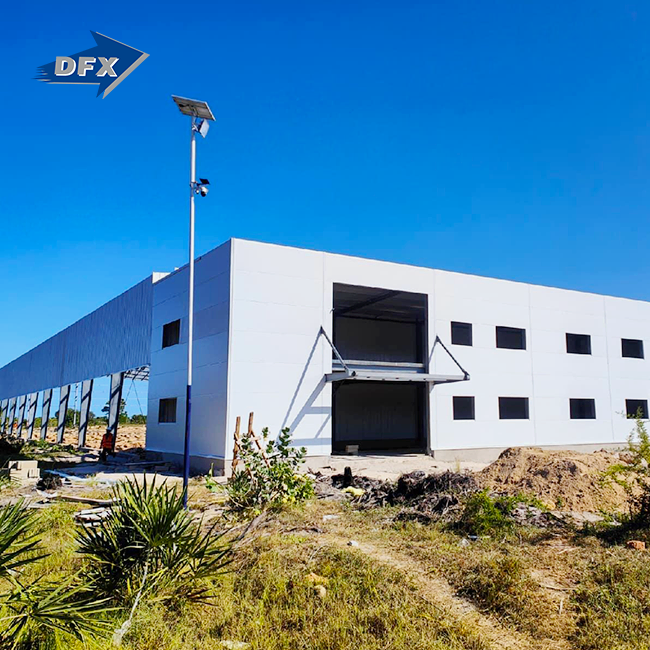
Using structural steel frames and composite sandwich panels together, an insulated steel garage is a high-performance building option that provides excellent thermal control, longevity, and operating efficiency. These buildings are different from regular metal buildings because they have polyurethane or polyisocyanurate foam cores joined between coated steel covers. This makes them very energy efficient, with R-values between R-12 and R-32. This design gets rid of condensation, lowers energy costs by up to 40%, and makes fire-resistant enclosures that are great for storing vehicles, keeping tools safe, and working in workshops in the industrial, building, agriculture, and logistics industries.

Introduction
Insulated steel garages are becoming more and more popular in modern business-to-business purchases because they solve important operating problems that traditional buildings can't. Businesses that take care of temperature-sensitive tools, protect goods, or run workshops all year know that climate control has a direct effect on how much they get done and how long their assets last. These prefabricated buildings can be put up quickly, have predictable prices, and save a lot of energy. All of these features work well with project timelines and budget responsibility.
The move toward insulated metal buildings is in line with a larger trend in the industry that values sustainability and the total cost of ownership over just the original cost of purchase. Now, procurement managers, project engineers, and operations directors look at buildings through the lens of their entire lifespan, comparing the costs of upkeep, the amount of energy they use, and how well they hold up against the initial investments that were made. This detailed guide gives people who need to make decisions the technical information, comparative analysis, and seller evaluation criteria they need to choose and buy insulated steel garages that meet the needs of the project right now and work well in the long term.
Understanding Insulated Steel Garages
Core Components and Construction
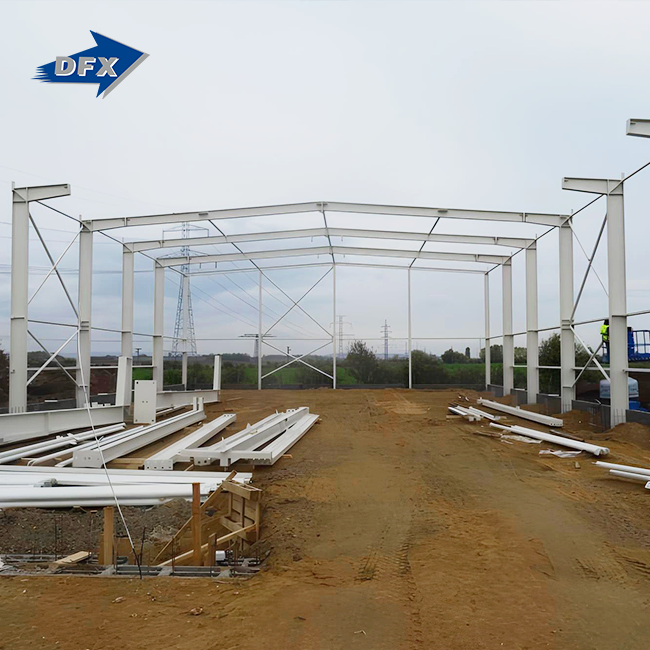
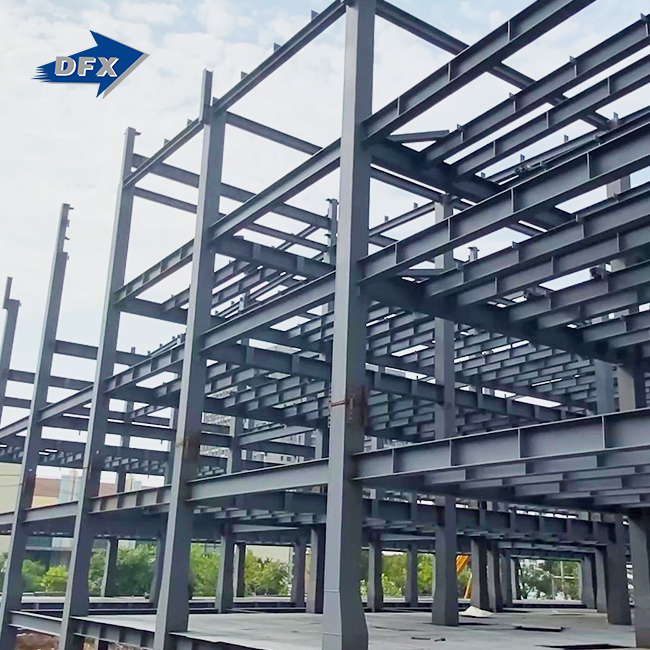
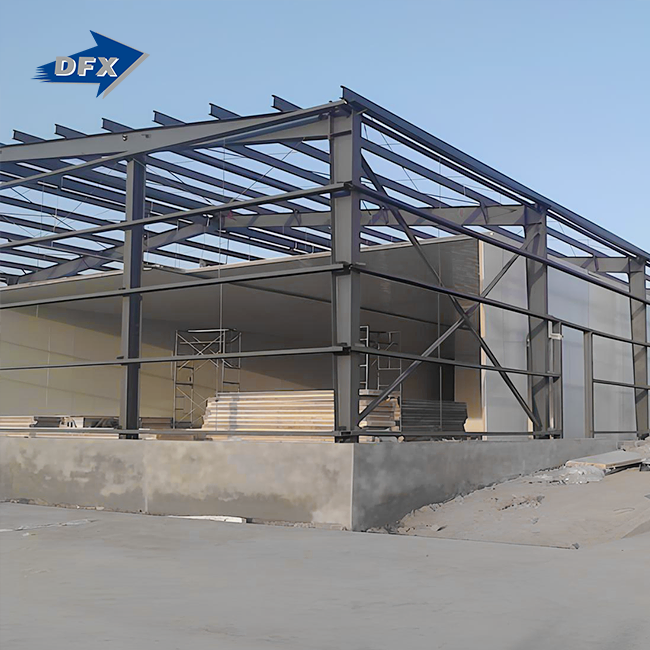
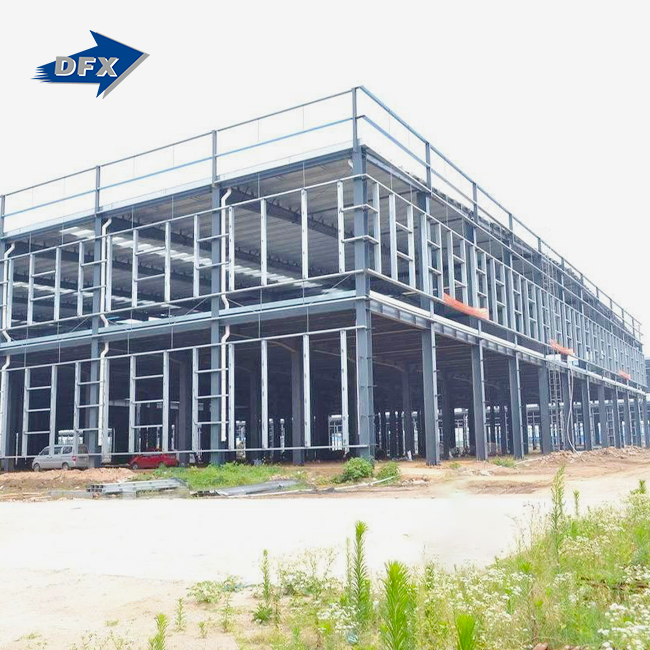
Insulated steel garages use welded or light H-section steel frames that hold up composite wall and roof pieces. There is closed-cell foam padding between two steel skins that are usually 24 to 29 gauge and galvanised with AZ150 Galvalume or G90. This layout makes a hard shell for the structure, and the composite panels add bending strength that the steel skin couldn't provide on its own. Between the main frames, galvanised purlins spread out the weight and make sure the panels are perfectly aligned for connection.
How Insulation Transforms Performance
By stopping heat from moving through the building shell, the foam core stops thermal bridging. Closed-cell polyurethane keeps internal temperatures stable even when the outside conditions are very bad because it has a thermal conductivity as low as 0.022 W/m·K and a density of 40–42 kg/m³. This stability keeps stored cars from rusting from wetness, keeps equipment from being damaged by freeze-thaw cycles, and lowers HVAC loads by 30–50% compared to buildings that aren't insulated. The airtight construction also blocks out noise from outside sources like rain, traffic, or nearby operations. This is a huge benefit for workshops that need to do precise work or facilities that are close to residential areas.
Advantages for Commercial Applications
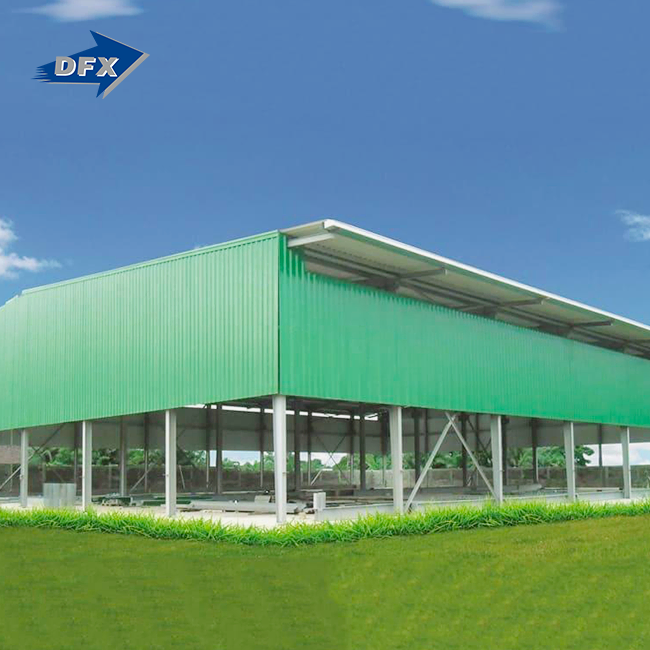
Businesses get more practical benefits than just saving energy from insulated steel garages. The rigidity of the structure lets it have clear spans over 30 metres without internal beams, making the most of the floor space for moving vehicles, setting up production lines, or storing large items. With fire resistance grades of B1 or A2, which are reached by adding smoke-suppressant foam, these buildings are better than wood-frame options. This means that insurance costs are lower and building codes are easier to follow. Because galvanised steel doesn't rust, it doesn't need as much maintenance as wooden buildings do. For example, it doesn't need to be painted, sealed, or fixed when it rots. All of these things lower the total cost of ownership over 50 years, which means that project-based buying gives a better return on investment.
Comparing Insulated Steel Garages with Other Garage Types
Structural Integrity and Longevity
When looking at different building options, the way the structure works under stress from the surroundings and loads separates good options from bad ones. Wooden sheds are dimensionally unstable because wood absorbs water, which causes it to bend, split, and eventually decay, even if it is treated. Aluminium buildings don't rust, but they aren't very rigid, so they need a lot of support, which makes the plan of the inside harder to work with. Steel buildings that aren't sealed are strong, but they don't keep heat in, which leads to condensation that speeds up rust from the inside. This is a secret degradation that is often not noticed until the structure is compromised.
Insulated steel garages get around these problems with a designed composite action. Loads are spread out over the whole area of the joined panels instead of being concentrated at the fastener points. This design can handle snow loads of more than 60 pounds per square foot, so it can be used as transport hubs in the Alps or for cold-chain drug storage in subarctic areas. The galvanised finish offers sacrificial protection up to G90 standards, making sure years of service even in coastal areas where salt spray can damage less durable materials.
Thermal Performance Comparison
In temperature-sensitive uses, how well the insulation works decides how well the system can work. Standard measurements include R-value (thermal resistance) and blower door tests to find out how much air leaks out. Wooden buildings can get R-11 to R-15 with fibreglass batts, but gaps around the frame and setting insulation lower the performance by 20 to 30 per cent in real life. Metal buildings that aren't insulated don't offer much heat protection, so they need expensive spray foam upgrades that trap water against steel surfaces and cause corrosion to happen behind the scenes.
In insulated steel garages, factory-bonded sandwich panels keep the temperature stable because the foam core sticks directly to both steel skins during production. With panel thicknesses ranging from 50mm to 150mm, you can get an exact R-value that fits your temperature zone and purpose. Tongue-and-groove or standing seam openings use thermal break tape to stop electric paths that would make insulation less effective. Engineered insulated buildings are different from field-assembled ones because they pay extra attention to getting rid of thermal bridges.
Cost Analysis Over Time
When deciding what to buy, comparing upfront costs to long-term costs shows where insulated steel garages really shine. The initial cost of materials is 15–25% higher for metal buildings that don't have insulation, but 10–20% lower for similar wooden buildings that need the same level of insulation. Installation workers prefer steel because premade parts can be put together in days instead of weeks, which cuts down on site costs and speeds up the project's finish.
Every year, the benefits of lower operating costs add up. When compared to buildings that aren't insulated, insulated buildings use 35–45% less energy for temperature control. This means that facilities that are used all year can save thousands of dollars on electricity costs. Maintenance costs almost go away because you don't have to paint, repair wood, or top up the insulation when it settles. Insurance companies often lower rates by 10 to 15 per cent compared to combustible buildings because of the better fire ratings and structural resilience. When looking at net present value over 30 years, insulated steel choices always come out on top, especially for companies that want to save money and protect their assets.
Procurement Guide for Insulated Steel Garages
Defining Project Requirements
Clearly stating functional needs is the first step to successful buying. Size factors include the clear span needed, the size of the door opening for equipment access, and the roof height to allow for high cranes or tall cars. The ratings for snow and wind must fit the local building rules. This is very important to make sure that the structure doesn't fall apart and that the permit is approved. Choosing the right insulation thickness depends on the climate zone. For example, 50mm panels are fine in mild areas, but 100mm to 150mm thick insulated steel garage panels are needed in very cold places or for uses that need to keep temperatures very low.
There are more ways to customise than just measurements. There are different types of doors, from normal roll-up doors to high-speed insulated doors that keep the heat in even when they are being used a lot. Where you put your windows changes how much natural light and air flow you get. Different types of earth and load concentrations have different foundation needs. For example, thickened slab edges or strengthened piers are better at supporting steel frame point loads than continuous footings made for wood floor plates.
Evaluating Suppliers and Manufacturers
Supplier choice affects the quality of the product, the dependability of delivery, and the help provided after the sale. Established makers show that they follow the ASTM A792 steel standards and ISO 9001 quality management systems. This makes sure that the panels are laminated consistently and that structural parts are made correctly. Independent testing backs up performance claims with certifications like CE marking, Energy Star scores, and fire test paperwork.
The production room at Director Steel is 40,000 square meters, and the company can make more than 20,000 tonnes of welded H-beams, 8,000 tonnes of C/Z sections, and 50,000 square meters of sandwich panels every year. Six automatic welding lines and specialised panel production tools make sure that the panels are the right size and have a finish that meets international standards. Our in-house engineering services offer building design, structural calculations, and thorough shop plans. This makes it easier to coordinate everything from the idea stage to the final installation. Companies that offer complete solutions that include manufacturing, material supply, and help for erection make buying easier while keeping accountability high by putting all the responsibility on one source.
Cost Optimisation Strategies
To manage project budgets, you need to know what causes costs and take advantage of buying benefits. The price of materials goes down as you place more orders. If you buy a lot of them for various buildings or work that is done in stages, you can save 8–12%. Shipping costs a lot when you buy things from other countries. You can lower the cost of shipping per unit by combining orders and making the best use of containers. Standard designs are cheaper than fully customised engineering. If you choose customisable models that can be changed by changing the dimensions, you can save money on engineering fees.
Financing choices lessen the effects on cash flow. Many sellers let you spread out the cost of your order over several stages of production and shipping. Capital expenses are turned into routine costs through leasing agreements, which protect credit lines for key business needs. In some places, energy reward programmes offer refunds or tax credits for high-efficiency building envelopes. These can cover anywhere from 5 to 15% of the total project costs. Professionals in procurement are constantly looking into these chances to make the most of budgets while securing better infrastructure.
Installation and Maintenance Considerations
Professional fitting protects the structure and makes sure the guarantee is followed. Erection teams who are familiar with steel building systems can put them together faster and more correctly than general contractors who don't know how to connect the different parts. Proper foundation preparation, such as putting vapour shields under slabs and making sure that the placement of support bolts matches the shape of the frame, stops water from getting in and makes sure that the load is transferred. Installers who know how to close panels can make airtight covers that stop water and heat from leaking through.
Maintenance plans keep things working well and extend the life of things, including the insulated steel garage. An annual checkup checks to see if the fasteners are tight, the sealant around the holes is in good shape, and the drainage system works. Panel surfaces don't need to be painted; they just need to be washed every so often to get rid of dirt that has built up. Insulation stays effective forever; closed-cell foam doesn't settle or absorb water, so it keeps over 90% of its original R-value over 50 years. These basic requirements are very different from wooden buildings that need to be treated, fixed, and parts replaced on a regular basis.
Conclusion
Insulated steel garages have clear benefits in terms of how well they hold up, how much energy they use, and how much they cost over their whole time. The composite panel construction fixes long-lasting issues with traditional buildings by getting rid of condensation, making upkeep easier, and creating fire-resistant enclosures that can be used in business and industrial settings. When purchasing, professionals look at these buildings, they feel more confident when they know the exact specs of the materials, can compare options without bias, and work with makers who offer full support from design to installation. When it comes to storing vehicles, protecting equipment, and running well, insulated steel garages are the best choice for a wide range of businesses. They can be set up quickly, have fixed costs, and work well.
FAQ
1. What lifespan can we expect from an insulated steel garage?
Insulated Steel Garages that are well taken care of usually last longer than 50 years. The galvanised steel frame doesn't rust because it has sacrificial zinc coats on it, and the closed-cell foam padding doesn't break down chemically. Regular checks and small repairs to the sealant keep the envelope's integrity. This keeps the building from rotting, bending, and losing its insulation, all of which shorten the life of wooden buildings to 20 to 30 years.
2. Does the structure require special foundations?
Steel frames put most of the weight at the column points instead of spreading it out along the walls. Cracking and settlement can be stopped by using engineered foundations with thicker slab edges or strengthened concrete piers. Putting vapour shields under slabs stops ground moisture that could make insulation less effective and cause mist to form inside.
3. Can insulation be added to existing metal buildings?
Spray foam or fibreglass batts can still be used for retrofit insulation, but they are not as good as factory-bonded sandwich panels. Adding insulation to an old building can trap water between the new insulation and the old steel skin, which speeds up rusting that isn't visible. If you don't add expensive thermal breaks, thermal bridging through structural parts will keep wasting energy. In the long run, it will be cheaper to build new with insulation built in.
Partner with Director Steel for Your Insulated Steel Garage Project
Director Steel makes high-quality insulated steel garage options. They are certified by ISO 9001 and have over 12 years of experience working with structural steel. We offer a full range of services, such as standard design, precise production, and full installation support. These services make buying easier for building companies, factories, and farms. We offer turnkey solutions that are tailored to your exact needs. Our short production processes, CE certification, and ability to handle projects ranging from small car storage to large-scale industrial uses make this possible.
As a maker of Insulated Steel Garages with a lot of experience, we offer full project lifecycle support, from the idea stage to the final completion. Our engineering team makes unique designs that meet standards for clear span, specific door configurations, and insulation ratings that are right for each region. Contact jason@bigdirector.com to talk about the details of your project, get specific quotes, and learn about the benefits of buying in bulk. Find out how our quality-certified goods and integrated production skills lower project risk and shorten deployment times.
References
1. American Society for Testing and Materials. (2018). ASTM A792/A792M Standard Specification for Steel Sheet, 55% Aluminum-Zinc Alloy-Coated by the Hot-Dip Process. West Conshohocken, PA: ASTM International.
2. Metal Building Manufacturers Association. (2020). Energy Performance of Metal Building Systems: Design Guide for Thermal Efficiency. Cleveland, OH: MBMA Publications.
3. National Institute of Building Sciences. (2019). Whole Building Design Guide: Insulated Metal Panels - Performance and Selection Criteria. Washington, DC: NIBS.
4. Steel Construction Institute. (2021). Design of Composite Metal Deck and Sandwich Panel Systems for Thermal Performance. Ascot, UK: SCI Publications.
5. U.S. Department of Energy. (2022). Commercial Building Envelope Technologies: Comparative Analysis of Insulation Systems. Washington, DC: Office of Energy Efficiency and Renewable Energy.
6. International Organization for Standardization. (2015). ISO 9001:2015 Quality Management Systems - Requirements for Steel Fabrication Industries. Geneva, Switzerland: ISO Publications.
Learn about our latest products and discounts through SMS or email