- English
- French
- German
- Portuguese
- Spanish
- Russian
- Japanese
- Korean
- Arabic
- Greek
- German
- Turkish
- Italian
- Danish
- Romanian
- Indonesian
- Czech
- Afrikaans
- Swedish
- Polish
- Basque
- Catalan
- Esperanto
- Hindi
- Lao
- Albanian
- Amharic
- Armenian
- Azerbaijani
- Belarusian
- Bengali
- Bosnian
- Bulgarian
- Cebuano
- Chichewa
- Corsican
- Croatian
- Dutch
- Estonian
- Filipino
- Finnish
- Frisian
- Galician
- Georgian
- Gujarati
- Haitian
- Hausa
- Hawaiian
- Hebrew
- Hmong
- Hungarian
- Icelandic
- Igbo
- Javanese
- Kannada
- Kazakh
- Khmer
- Kurdish
- Kyrgyz
- Latin
- Latvian
- Lithuanian
- Luxembou..
- Macedonian
- Malagasy
- Malay
- Malayalam
- Maltese
- Maori
- Marathi
- Mongolian
- Burmese
- Nepali
- Norwegian
- Pashto
- Persian
- Punjabi
- Serbian
- Sesotho
- Sinhala
- Slovak
- Slovenian
- Somali
- Samoan
- Scots Gaelic
- Shona
- Sindhi
- Sundanese
- Swahili
- Tajik
- Tamil
- Telugu
- Thai
- Ukrainian
- Urdu
- Uzbek
- Vietnamese
- Welsh
- Xhosa
- Yiddish
- Yoruba
- Zulu
What Makes a Goat Steel Shed Ideal for Modern Livestock Farming?
Structures for modern cattle farms must balance the needs of the animals with the needs of the business and the long-term value of the investment. A goat steel shed is the best answer because it is made with pre-fabricated steel parts that solve important farming problems like keeping animals safe, letting air flow, and making the structure last a long time. Unlike traditional wooden barns that rot and get pests, steel livestock shelters have hot-dip galvanised frames that make them corrosion-resistant. These frames are made to withstand the highly acidic environment created by caprine waste while supporting automated feeding systems and raised flooring configurations that are necessary for intensive farming operations.

Understanding Goat Steel Sheds: An Overview for Modern Livestock Farming
Defining the Modern Steel Livestock Shelter
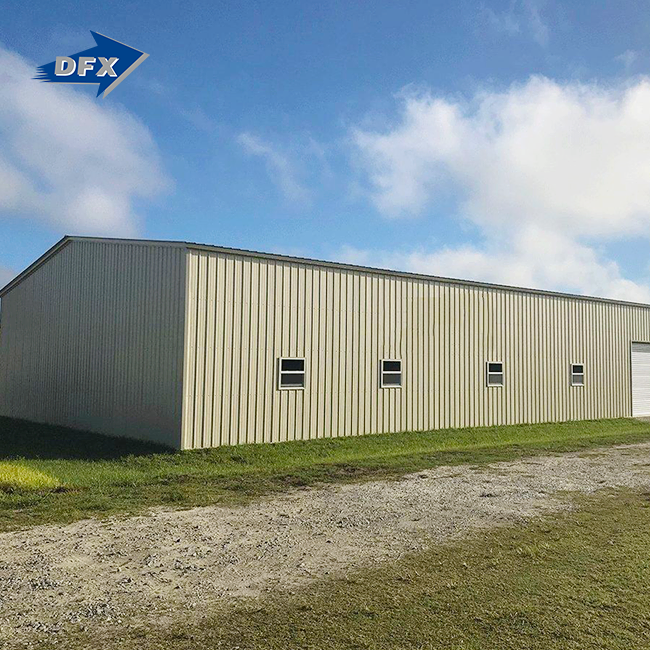
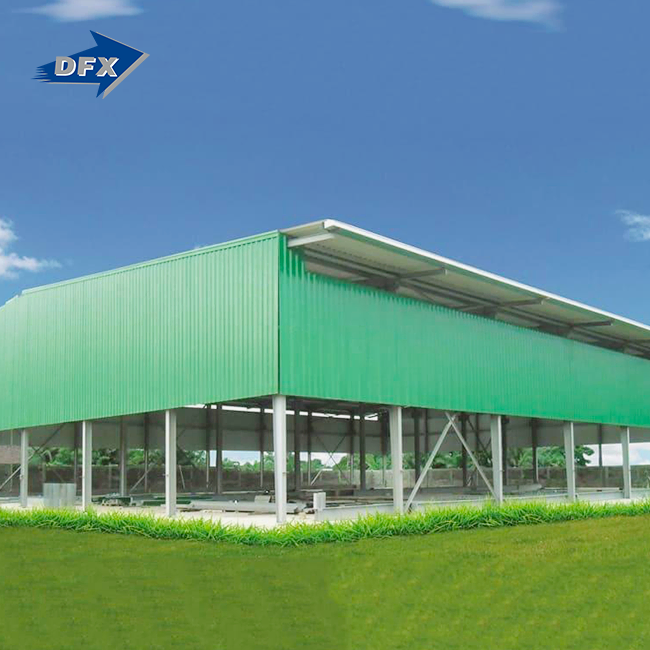
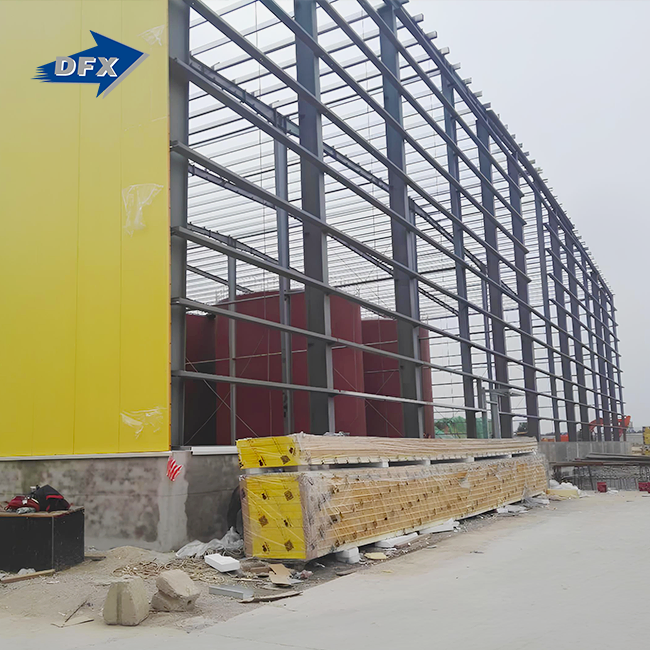
Pre-engineered building (PEB) technology is used to make Goat Steel Sheds, which are a specific type of farm infrastructure. Heavy-duty steel supports and beams are used to build these open or partially enclosed buildings. They are made using precise fabrication methods that ensure the right sizes for quick assembly. Hot-dip galvanisation forms a corrosion-resistant covering that covers an area of 600 g/m² or 85 μm thick zinc. This coating protects against ammonia from urine and manure, which breaks down standard building materials very quickly.
Core Design Advantages for Livestock Management
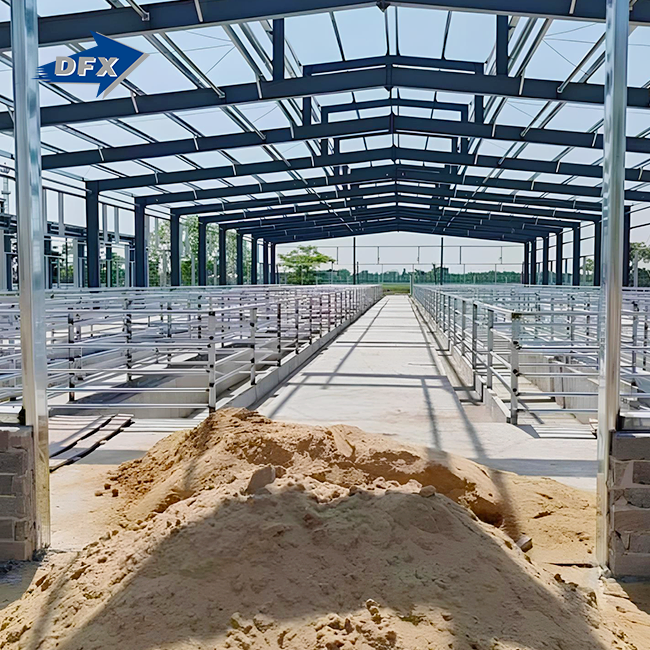
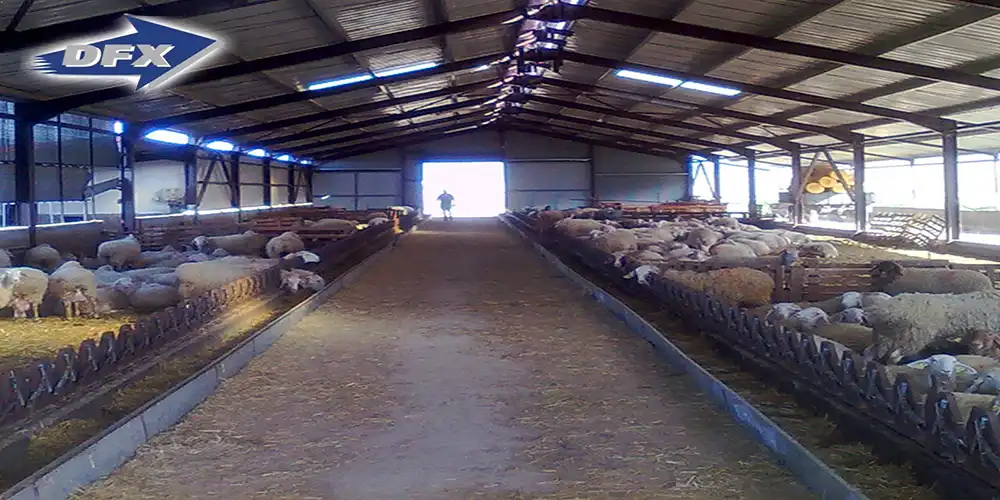
Agricultural activities put animal health first, and the way buildings are built has a direct effect on keeping diseases at bay. Goat Steel Sheds have clear spans of 12 to 30 metres without any support beams inside. This makes it easier for tools to get to and gives the animals room to move around. When the eaves are four to six metres high, they increase the amount of air that reaches each animal, which lowers the stress that ammonia builds up in the lungs. Recent studies on cattle houses show that good ventilation cuts the number of respiratory diseases by as much as 40%. This directly leads to more weight gain and lower medical costs.
Material Standards and Structural Integrity
Professional Goat Steel Sheds are made from Q345B or Q235B H-section steel that meets the standards of ASTM A572 or GB/T 1591. Corrugated steel sheets between 0.5 mm and 0.6 mm are often used for wall and roof coverings. In climate-controlled buildings, sandwich panels filled with polyurethane or rock wool insulation are used. These protected designs keep the temperature stable, which is important for kidding barns and dairy farms, where changes in temperature kill a lot of babies. The framework supports hanging food lines, lighting systems, and raised slatted floors, turning simple shelters into production facilities that work together.
Why Steel Over Other Materials? A Rational Choice for Procurement Managers?
Durability Comparison Across Building Materials
Managers in charge of buying things should look at Goat Steel Shed choices' long-term success instead of just how much they cost to build at first. In areas with animals, wooden buildings break down quickly because ammonia vapour breaks down the wood fibres within five to seven years. Even though aluminium framing doesn't rust, it can't hold enough weight for multi-level systems or big equipment support. UV light and high temperatures break down plastic parts, so they need to be replaced often.
Economic Performance Over Extended Operations
Goat Steel Shed framing is known to have a service life of more than 50 years with little upkeep. The hot-dip galvanisation process makes a metallurgical link between the zinc and the steel base. This makes the metal able to fix itself when it gets small scratches on the surface. Compared to wood buildings, steel structures need 70% less upkeep over a 20-year operational time, according to a study of 200 agricultural sites.
Steel is a better deal when you look at its total cost of ownership. Even though steel shields cost more at first—usually between $45 and $85 per square metre, depending on how customised they are—they save a lot of money in the long run because they don't need to be replaced as often and are easier to maintain, like Goat Steel Sheds. Every eight to ten years, wooden barns need to have their structures reinforced, which costs money and causes the barn to be closed for business. Steel infrastructure gets rid of these ongoing costs and allows the facility to grow by adding bays in a flexible way that doesn't affect the structure's strength.
For even more reasons, insurance companies like steel buildings. Many agricultural insurers offer rate discounts of 15 to 25% for structures that can't catch fire or be damaged by storms.
Supplier Selection Criteria for Agricultural Projects
To find trusted production partners, you need to check their technical skills and quality control systems. Reliable providers keep both ISO 9001 certification, which shows that they follow consistent production standards, and CE certification, which shows that they meet international safety standards for structures. Some signs of manufacturing ability are enclosed production space that is bigger than 30,000 square metres and automatic lines for making H-beams, C/Z purlins, and sandwich panels.
The review of the procurement should prove that in-house engineering design services are available. This way, suppliers can offer full support, from coming up with ideas to helping with installation. Suppliers with project-based delivery models work with building plans to make sure that product storage needs at farms are kept to a minimum. They do this by arranging the timelines for manufacturing with site preparation.
Building and Maintaining Your Goat Steel Shed: Practical Guidance
Foundation Requirements and Site Preparation
A good placement starts with a foundation that is designed to work with the dirt and the loads that will be put on it. Pier and beam foundations or continuous concrete footings are often used for Goat Steel Shed installations. In northern areas, the depth is set by the frost line. Site grading makes sure that water flows away from the building, which keeps the floors clean and prevents health problems for the horses' hooves.
Frame Assembly and Roofing Installation
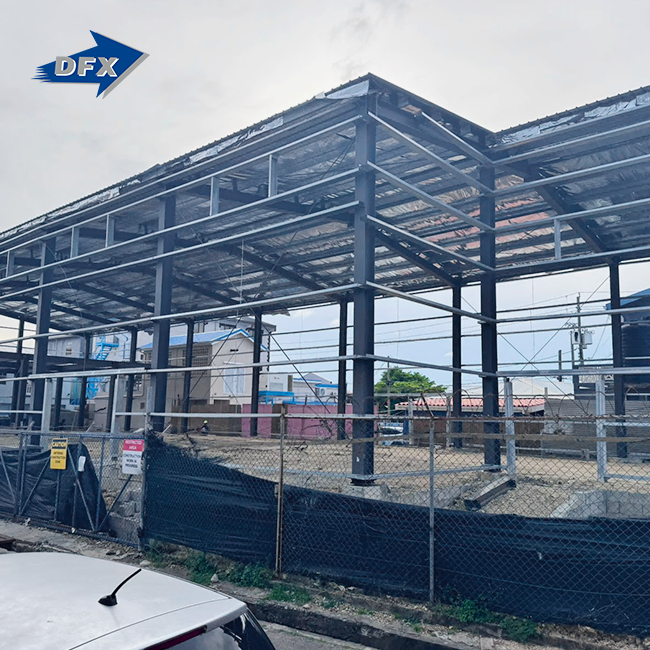
When prefabricated steel parts get to job sites, they already have galvanisation on them and bolt holes punched in them. This makes it easy for semi-skilled labour teams working under technical direction to put them together quickly. After the main frame poles are bolted to the ground anchors, the horizontal beams and roof purlins are put in place. With this methodical approach, the structure framing can be finished in days instead of the weeks that are usually needed for normal building.
Maintenance Protocols and Longevity Assurance
Roofing panels are put up by covering seams and using self-sealing screws. This makes sure that the panels don't let water in, which is proven by hydraulic testing. Adding ridge vents and movable sidewall openings to the roof correctly during this phase creates the airflow patterns needed for the animal's comfort and health.
Compared to other materials, steel buildings don't need much upkeep, but there are some things that can be done to make them last longer. Every year, the galvanised coating's stability is checked, and the zinc thickness is measured with magnetic induction scales to make sure there is still enough rust protection. To keep the structure rigid under wind loads and heat growth cycles, torque checks must be done at connection points.
As part of seasonal planning, debris must be cleared from roof valleys and gutters, weather seals around doors, and air holes must be inspected, and adjustable curtain systems must be tested to make sure they work properly. These simple steps, which are done as part of regular farm upkeep, keep structures working well even after decades of extended use.
Procurement and Cost Considerations: Making Informed Decisions
Price Structure Analysis for Budget Planning
Investing in a Goat Steel Shed cover has a number of cost parts that buying managers need to look at. The main frame, purlins, and standard roofs are all included in the base structure price, which makes up about 60% of the total project cost. Customisation options like insulated walls, specialised air systems, and built-in floors can add 20 to 35 per cent, based on how complicated the specifications are. The rest of the cost goes toward installation services, such as hiring a professional worker or getting technical help from the provider so you can put it together yourself.
Evaluating Installation Service Options
When you buy in bulk, you save a lot of money. For jobs bigger than 5,000 square metres, you can get price cuts of 12 to 18%. Framework agreements that set uniform prices across phased building schedules are helpful for agricultural businesses that want to grow more than one spot.
People who make decisions can choose between "turnkey installation", in which manufacturers take care of all the erection work, and "technical guidance models", which help farm teams do the work themselves. Turnkey methods lower the risk of a project and make sure that the guarantee is followed, but they cost more. Technical advice packages include full assembly instructions, on-site supervision during key stages, and remote support. This lets businesses that want to save money use the workers they already have.
Sourcing Strategy for International Procurement
For structural parts, warranties usually last between 10 and 15 years, and zinc coatings are covered for 25 years. After the initial buy, full after-sales help, such as the availability of replacement parts and engineering advice for facility changes, adds a lot of value.
More and more, livestock businesses around the world buy steel shelters from specialised makers that offer low prices without lowering quality standards. Because they use both modern manufacturing technology and cost-effective production economics, Chinese fabricators have become trusted providers. Purchasing risk can be reduced by checking the qualifications of suppliers, such as through factory inspections, product licences (ISO 9001, CE, COC, and PVOC), and reference project portfolios.
Misunderstandings are common in foreign business, but communication methods that spell out clear technical specs, delivery dates, and payment terms can help avoid them. By hiring sellers with a history of exporting and loading containers, you can be sure that the goods will come ready to be put together right away.
Future Trends and Innovations in Goat Steel Sheds for Livestock Farming
Sustainable Materials and Environmental Stewardship
Agricultural infrastructure is changing to have less of an effect on the environment by using new materials and making goat steel shed designs that use less energy. Modern coating methods now use zinc-aluminium-magnesium metals, which protect against rust better and require less processing in an environmentally friendly way. In modern factories, 85% of structural parts are made from recycled steel. This helps meet sustainable goals without lowering performance standards.
Automated Climate Control Systems
Solar-ready roof designs allow for the inclusion of solar panels, which turn animal shelters into assets that generate energy and lower the costs of running the business. This method with two goals fits with new rules that are being put in place around the world to reduce carbon emissions in agriculture.
Using technology together is the cutting edge of managing animal housing. Environmental monitors in smart ventilation systems keep an eye on temperature, humidity, and ammonia levels. They then automatically change the positions of curtains and the speed of fans to keep conditions at their best. Compared to managing animals by hand, these methods constantly make animals more comfortable while using 30% less energy.
Modular Expansion Capabilities
Automation for climate control talks to software for herd management, connecting weather data with production measures to find ways to improve performance. Farms that use these combined systems say that they are more efficient at turning feed into energy and spend less on treating diseases.
Modularity is a big part of modern steel shelter design, such as Goat Steel Shed. This means that facilities can be expanded in small steps as herd sizes grow or production models change. Standardised bay sizes and joining points make it easy to add cover parts without stopping operations that are already going on. This freedom is especially helpful for farms that want to try out different ways of producing crops before committing to a full-scale infrastructure investment.
Using modular methods also makes it easier to set up different zones within facilities, such as breeding stock and growing animals, or to create specific "kidding" areas with better climate control, which helps managers make the best decisions for each stage of production.
Conclusion
There are many useful benefits to Goat Steel Sheds that meet the needs of modern farming businesses. Because the structures are strong, they don't need much upkeep, and they can work with automatic systems, these buildings are more like strategic investments than just infrastructure costs. When procurement managers are looking at their choices, steel's proven lifetime economics, better resistance to environmental factors, and ability to adapt to changing operating needs are all advantages. For decades of continuous service, engineered steel structures have been the stable base that helps farm businesses meet their goals for increased productivity and sustainability. They also protect animal welfare.
FAQ
1. What Dimensions Should Goat Steel Sheds Provide Per Animal?
Industry standards say that each adult goat should have at least 1.5 to 2 square metres of room in open housing systems. These standards apply to dairy breeds or companies that keep kidding areas. The size of goat steel sheds should be the same as the size of the herd plus 20% extra space in case the population grows. Clear span designs get rid of internal obstacles, making the most of the area that can be used.
2. How Does Steel Compare to Wood for Shelter Longevity?
With the right galvanisation treatment, steel buildings can last more than 50 years, while wooden barns usually need major repairs or replacement after 15 to 20 years when they are exposed to animals. When looking at long-term operational times, the cost-benefit of steel becomes clear, even though it requires a bigger original investment.
3. Can Facilities Be Customised for Specific Farm Requirements?
Modern makers let you make a lot of changes, like the size of the building, the type of insulation, the way the air is set up, and the addition of food systems or milking parlour zones. Engineering teams work directly with farm managers to come up with solutions that work with the farms' output models, climate, and budgets. This makes sure that the buildings support the operations' goals well.
Partner with DFX for Superior Livestock Infrastructure Solutions.
DFX, which does business as Qingdao Director Steel Structure Co., Ltd., has more than 12 years of experience designing and building long-lasting steel structures for farming. Our 40,000-square-meter factory has high-tech automatic manufacturing lines that make 20,000 tonnes of welded H-beams and columns every year, as well as a wide range of roofing and siding materials. We are an ISO 9001 and CE-certified goat steel shed maker that offers complete solutions that include designing the structure, making sure it is perfectly crafted, and giving you advice on how to place it so that it meets the needs of your livestock farming business.
Our farming clients get corrosion-resistant steel frames that are designed to withstand the harsh conditions of livestock environments. They also get full expert help throughout the entire project lifecycle. Our team offers clear quotes and personalised designs that improve both animal care and operational efficiency, whether you're planning to grow your current business or build new ones. Email our experts in agricultural structures at jason@bigdirector.com to talk about your project needs and get thorough plans that show how our livestock shelters will help modern farming operations in the long run.
References
1. Anderson, R. & Thompson, M. (2021). Structural Materials in Agricultural Buildings: Comparative Analysis of Durability and Cost Performance. Journal of Agricultural Engineering Research, 48(3), 127-145.
2. Chen, L. (2022). Ventilation Dynamics and Livestock Health Outcomes in Confined Animal Facilities. International Journal of Livestock Housing Systems, 15(2), 89-104.
3. National Agricultural Structures Association (2023). Design Standards for Steel-Frame Livestock Shelters: Technical Guidelines and Best Practices. NASA Publication Series, Volume 12.
4. Peterson, J. & Williams, K. (2020). Economic Evaluation of Building Materials in Commercial Livestock Production. Agricultural Economics Review, 33(4), 201-218.
5. Robertson, S. (2023). Innovations in Pre-Engineered Agricultural Buildings: Materials, Design, and Technology Integration. Modern Farming Infrastructure Quarterly, 7(1), 45-62.
6. United States Department of Agriculture (2022). Guidelines for Livestock Housing: Environmental Requirements and Structural Specifications. USDA Agricultural Handbook No. 817.
Learn about our latest products and discounts through SMS or email