- English
- French
- German
- Portuguese
- Spanish
- Russian
- Japanese
- Korean
- Arabic
- Greek
- German
- Turkish
- Italian
- Danish
- Romanian
- Indonesian
- Czech
- Afrikaans
- Swedish
- Polish
- Basque
- Catalan
- Esperanto
- Hindi
- Lao
- Albanian
- Amharic
- Armenian
- Azerbaijani
- Belarusian
- Bengali
- Bosnian
- Bulgarian
- Cebuano
- Chichewa
- Corsican
- Croatian
- Dutch
- Estonian
- Filipino
- Finnish
- Frisian
- Galician
- Georgian
- Gujarati
- Haitian
- Hausa
- Hawaiian
- Hebrew
- Hmong
- Hungarian
- Icelandic
- Igbo
- Javanese
- Kannada
- Kazakh
- Khmer
- Kurdish
- Kyrgyz
- Latin
- Latvian
- Lithuanian
- Luxembou..
- Macedonian
- Malagasy
- Malay
- Malayalam
- Maltese
- Maori
- Marathi
- Mongolian
- Burmese
- Nepali
- Norwegian
- Pashto
- Persian
- Punjabi
- Serbian
- Sesotho
- Sinhala
- Slovak
- Slovenian
- Somali
- Samoan
- Scots Gaelic
- Shona
- Sindhi
- Sundanese
- Swahili
- Tajik
- Tamil
- Telugu
- Thai
- Ukrainian
- Urdu
- Uzbek
- Vietnamese
- Welsh
- Xhosa
- Yiddish
- Yoruba
- Zulu
Noise reduction strategies in machinery processing workshops
To effectively control noise in a machinery processing workshop, it is first necessary to understand that too much noise not only puts workers' health at risk, but it also lowers the standard of work and makes operations less efficient. When focused noise reduction tactics are used, industrial areas become safer and more productive. To solve acoustic problems, you need to look at the sound sources, like CNC milling and grinding processes and moving materials, and use tried-and-true engineering concepts. When building engineers and project managers put noise reduction first, they protect their workers and meet the standards set by OSHA and other regulatory bodies around the world.

Understanding Noise Problems in Machinery Processing Workshops
Identifying Primary Noise Sources
Because of how forging works, machinery processing workshops have to deal with noise problems all the time. Cutting, grinding, and moving things around create loud settings that send sound waves through big workshop areas. Heavy-duty machine vibrations make noise louder through structural transfer, especially in buildings that don't have good isolation. Workflow plans often put machines in close quarters without meaning to, which raises the overall noise level. When procurement managers know about these specific factors, they can choose tools and building plans that deal with the reasons instead of just the symptoms.
Regulatory Compliance and Worker Safety
Following noise rules keeps businesses from being sued and protects the health of their workers. OSHA sets exposure limits at 90 dBA for eight-hour shifts, and systems that protect hearing must be in place for even higher levels. Similar safety measures are set by EU Directive 2003/10/EC, and people who don't follow them face harsh punishments. Aside from legal requirements, long-term noise exposure causes workers to lose their hearing, feel more stressed, and perform worse in cognitive tasks. Machinery processing workshops that manage noise levels effectively report lower injury rates and better employee retention. This shows that noise control has real practical benefits in addition to meeting legal requirements.
Impact on Operational Efficiency
Noise problems have a direct effect on the quality of the work and the efficiency of the workers. Too much noise makes it hard to talk to each other, which makes mistakes more likely when people are working together on a project. When workers are in noisy places, they get tired more quickly, which makes quality control less accurate. Long-term exposure to noise levels above 85 dBA has been linked to shorter attention spans and slower reaction times, according to research. On the other hand, machinery processing workshops that use complete noise reduction report higher happiness among their workers and measurable improvements in the consistency of their output. Because acoustic management and practical success are linked, noise control is not just an afterthought; it is a strategic investment.
Core Noise Reduction Principles and Techniques
Soundproofing and Acoustic Insulation Materials
Choosing the right acoustic materials means finding a mix between performance needs and price limits. Mass-loaded vinyl shields successfully stop sound from travelling through the air, and open-cell foam pieces soak up mid- to high-frequency noise. Adding fibreglass insulation to the spaces between walls is a cheap way to fix up old machinery processing workshops. When it comes to retrofitting, composite panels with thick outer layers and damping cores work better. The choice of material depends on the frequency ranges that are most common in the workshop. For example, low-frequency rumble from heavy presses needs different solutions than high-pitched grinding noise. By knowing these differences, you can avoid wasting money on methods that don't work.
Low-Noise Machinery Design
Noise reduction engineering is built into modern manufacturing tools from the very beginning of the planning process. When they have closed cabinets and perfectly balanced wheels, CNC machining centres make a lot less noise than older manual machines. Using accumulator technology in hydraulic systems smooths out changes in pressure, getting rid of sudden noise spikes. When gas motors are replaced with electric servo drives, both noise levels and energy use go down. When buying equipment, setting maximum noise levels ensures that new systems meet the overall sound goals of the building. The extra cost of quiet gear is worth it because it makes working conditions better and ensures compliance.
Strategic Workflow Layout and Zoning
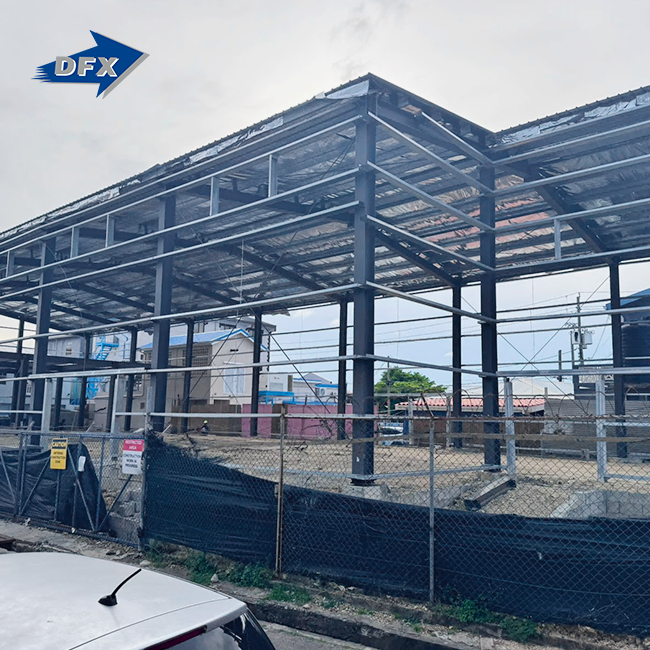
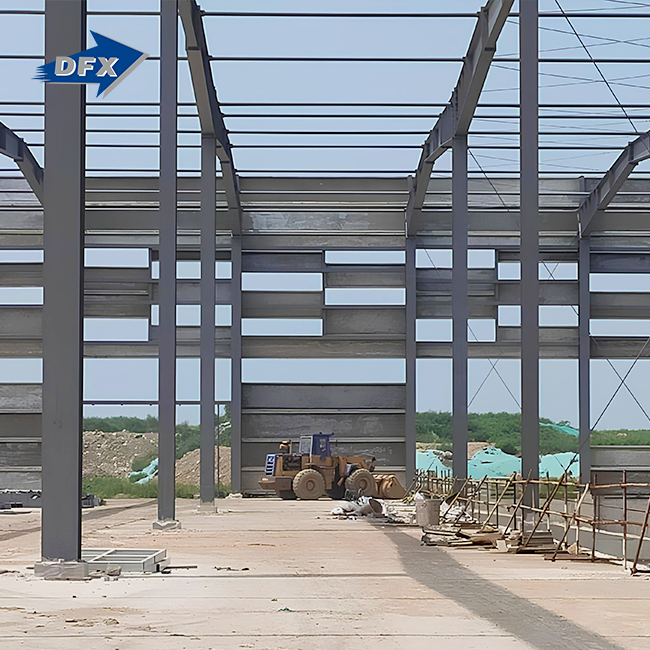
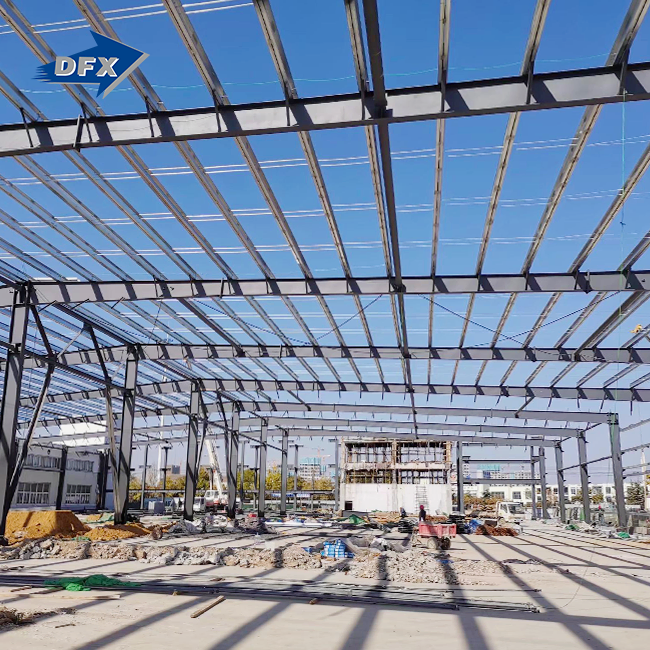
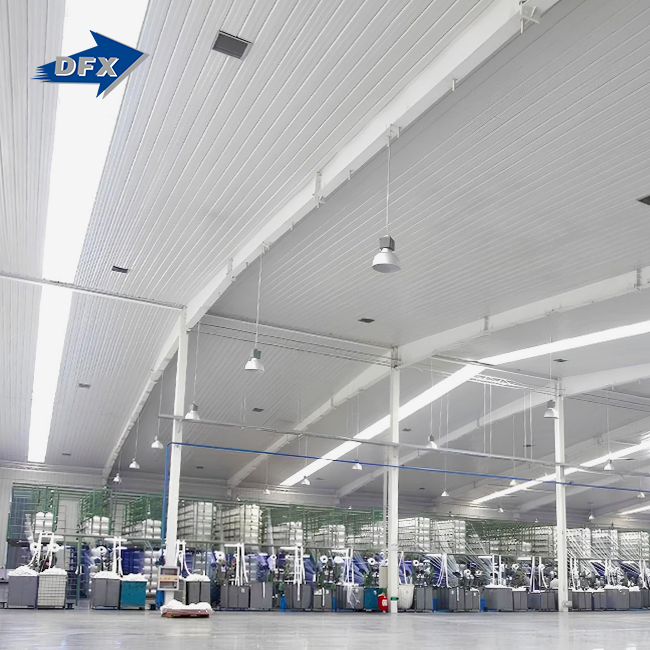
Planning the layout of space has a direct effect on how sound travels through big industrial steel buildings, such as a machinery processing workshop. Putting noisy processes close to outdoor walls with sound-absorbing cladding cuts down on reflections inside. Putting up acoustic walls between specific areas with different processes stops noise from spreading from one work area to another. Keeping enough space between machines lowers the amount of sound reinforcement that builds up over time. Structures with open interiors, like those made by Director Steel with welded H-section steel frames, can use purposeful zoning techniques that use structural volume to get rid of sound energy. Acoustics can be taken into account during the design part if the layout is carefully planned, rather than having to be fixed at a later date, which can be expensive.
Practical Noise Reduction Solutions for Modern Workshops
Retrofitting Existing Facilities
Upgrading the operating machinery processing workshops comes with its own problems that need to be solved in stages so that production doesn't stop. Putting up movable acoustic barriers around equipment that makes a lot of noise makes things better right away in that area. Resonance amplification can be lowered by applying damping techniques to panels and structural elements that are vibrating. Hanging acoustic shields from ceiling structures soaks up sound that is reflected in high-bay spaces. As you move from assessment to implementation, you'll need to work with production plans to make sure that installations happen during planned breaks.
Structure-borne sound transmission is stopped by vibration isolators put under heavy machinery. This stops noise from passing through building frames. Acoustic solutions alone can't stop low-frequency noises, but spring mounts and elastomeric pads can. Case studies from car factories show that systematic upgrading can lower noise levels by 8 to 12 decibels without replacing any equipment. This makes the machinery processing workshop last longer and is better for everyone who works there.
These practical steps have measured outcomes that show that the money spent was well spent because they led to higher safety standards and following the rules. After extensive acoustic changes, facilities say that workers are less tired and conversation is clearer.
Supplier Evaluation and Equipment Procurement
Long-term acoustic performance and business success depend on choosing makers you can trust. When judging providers, it's important to check noise specs using independent testing data instead of just believing what they say on the marketing. Certifications like ISO 9001 and CE marks show that a company follows quality management systems that include sound performance. Teams in charge of buying things should ask for specific noise emission paperwork that meets ISO 4871 measurement standards.
When you compare the buy and lease choices, it changes how you can allocate your cash, especially for expensive, specialised low-noise tools. New smart sensor technologies allow tracking of sound conditions in real time, sending maintenance alerts when machine noise levels rise above acceptable levels. Often, designs that use less energy also make less noise, which means that environmental goals and acoustic control goals are aligned. Building ties with foreign makers, like Chinese fabricators that offer made-to-order production with lead times of 25–43 days, increases the number of suppliers you can work with while still upholding quality standards by following the right screening procedures.

Maintenance and Operational Best Practices to Sustain Noise Reduction
Preventive Maintenance Programmes
Tough maintenance stops noise from getting worse as things wear out and break down. Scheduled lubrication cuts down on the noise that bearings and moving parts make when they rub against each other. Calibration methods make sure that machinery works within its design limits, which stops vibrations from becoming uneven. When worn-out cutting tools are replaced on time, the chattering and screaming sounds that come from dulled edges are gone. Acoustic diagnostics training helps maintenance teams spot problems early on, before they become a threat to the work environment. Keeping track of how loud the equipment is during regular machinery processing workshop checks gives you a starting point for analysing trends.
Staff Training and Behavioural Protocols
The way people work has a big effect on the overall sound conditions. Workers learn how to make their jobs quieter through training programmes that teach them things like controlled material placement instead of dropping parts. Shift scheduling methods limit each person's exposure to loud times by switching them to jobs that are quieter. When building controls can't completely get rid of dangers, encouraging people to always wear safety gear is the last line of defence. Physical noise control methods work better when there is an attitude in the tooling workshop and machinery processing workshop that values sound awareness.
Continuous Monitoring and Risk Assessment
Using noise mapping technology makes visual images that show trouble areas that need specific attention. Formal risk assessments look at how much exposure there is over time across different job roles to make sure that safety steps are based on real conditions. Quality control checks make sure that sound treatments keep working well over time by finding damage that needs to be fixed. When noise management is part of larger safety rules, acoustic control becomes an organisational practice. It goes from being a one-time project to an ongoing practical concern for the machinery processing workshop.
Choosing the Right Noise Reduction Strategy for Your Workshop
Scaling Solutions to Facility Size
Acoustic techniques are very different depending on the size and complexity of the machinery processing workshop. Focused equipment enclosures and smart material choice are best for small manufacturing shops. Medium-sized businesses need combined methods that combine planning the space and selecting soundproofing. Large industrial sites need thorough master planning that takes into account both sound transmission between buildings and sound transmission across the whole site. Customising interventions to a practical scale keeps money from being wasted on measures that aren't needed while still providing enough safety.
Comparing Traditional and Modern Approaches
Usually, insulation is done with mass and isolation, which means using heavy walls and physical separation. These days, modern options use active noise cancellation, smart tracking systems, and advanced composite materials that work better and take up less room. For simple tasks, traditional methods work well and don't cost too much. On the other hand, cutting-edge technologies are worth the extra money when dealing with noisy surroundings in a machinery processing workshop. Finding the best balance between tried-and-true methods and new ideas leads to the best results right away and long-term flexibility.
Supplier Selection Criteria
Choosing partners with a good reputation guarantees high-quality tools, industrial flooring, and dependable assistance throughout the entire project lifecycle. Strict screening looks at past performance, professional skills, and promises of service after the sale. OEM relationships give you direct access to engineering experts, and prices from foreign makers are more reasonable. Buildings that were made using ISO 9001-certified methods, like those that use Q235/Q355 welded H-section steel frames that are CE certified, show a dedication to quality standards that goes beyond just meeting the basic requirements. When procurement teams work with well-known sources like Director Steel, they can get combined solutions that include structural design, manufacturing, and installation advice for a machinery processing workshop. This speeds up the project delivery process while still meeting the requirements for acoustic performance.
Conclusion
Putting in place complete noise reduction strategies makes machinery processing workshops safer and more productive. Understanding sound sources, using tried-and-true engineering principles, and keeping an eye on operating procedures all lead to places where workers do well and where the quality of work goes up. Putting money into low-noise equipment, well-thought-out building design, and regular repair pays off in the form of legal compliance, employee retention, and operational success. When purchasing managers look at acoustic solutions, they should give more weight to providers that offer a full range of services, from structural planning to installation support. Noise control isn't just required by law; it's also a competitive edge in today's factories, where safety and efficiency are both important.

FAQ
1. What noise level requires mandatory hearing protection in industrial workshops?
Hearing protection is required by OSHA when noise levels hit 85 dBA over an eight-hour period of time. Machinery processing workshops with noise levels higher than 90 dB A must have a complete hearing conservation plan that includes yearly audiometric tests. Personal safety tools should never be the first line of defence. Instead, engineering controls should always come first.
2. How do vibration isolators cut down on noise in the workshop?
By separating machinery from building supports, vibration isolators stop sound from travelling through structures. Low-frequency shocks are stopped before they reach steel frames and concrete floors by spring bolts and elastomeric pads. This method deals with noise that moves through machinery processing workshop structures in a way that can't be stopped by sound solutions.
3. Can steel structure workshops achieve effective noise control?
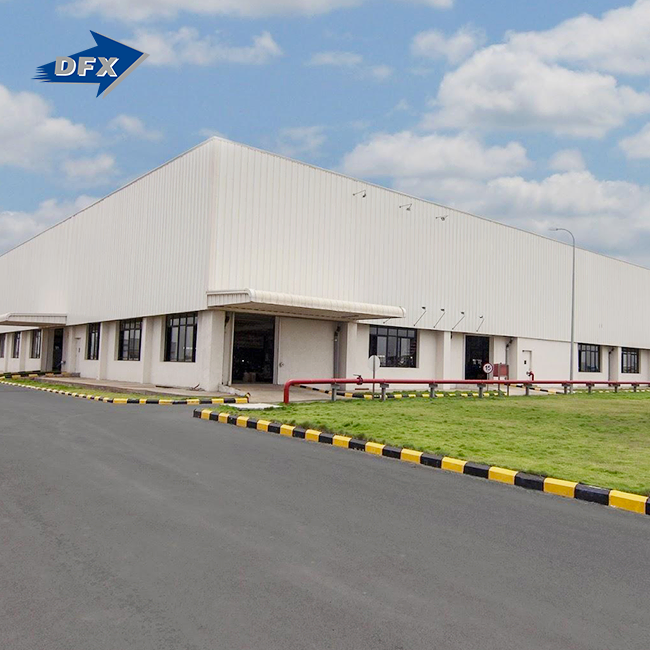
Industrial steel buildings with open floor plans and large spans can be designed to keep noise down. Putting sound-absorbing covering systems, acoustic baffles, and zoned plans into steel frames that are bonded together works well for a machinery processing workshop. Choosing panels with damping qualities over purely structural choices during construction improves acoustic performance without affecting the building's structural integrity.
4. What kinds of care keep machines from making more noise?
Regular cleaning cuts down on noise caused by friction, and tuning stops shaking imbalances. If old parts are replaced on time in the machinery processing workshop, the rattling and grinding that come with them will stop. Keeping track of standard noise levels during commissioning creates a set of data that can be used to find signs of wear and tear during regular checks.
Partner with DFX for Acoustically Optimised Workshop Solutions
To solve the noise problems in your factory, you need more than just one-off treatments. You need a combined structure plan that includes soundproofing from the base up. Director Steel specialises in making big industrial steel buildings that work best in machinery processing workshops where noise control is very important for running the business well. Our welded H-section steel main frames made from Q235/Q355 steel provide the structure for complete soundproofing systems. C/Z steel purlins support acoustic coating designs that are specific to your workflow needs.
We are a well-known Machinery Processing Workshop seller with ISO 9001 and CE certifications. We offer complete turnkey solutions that include designing the structure, making it, treating the surface, and helping with the placement on-site. Our 40,000-square-meter production centre and 200-person technical team make sure that the standard of our made-to-order projects stays high over the 25–43-day lead times. Contact jason@bigdirector.com to talk about how our integrated approach—which combines structural engineering knowledge with acoustic optimisation—can turn your facility into a compliant, productive space where industrial success and worker well-being can live together.
References
1. Anderson, M., & Chen, L. (2021). Industrial Noise Control Engineering: Principles and Applications. Cambridge Engineering Press.
2. European Agency for Safety and Health at Work. (2020). Noise in Figures: Risk Data for Occupational Noise Exposure. Publications Office of the European Union.
3. International Organization for Standardization. (2018). ISO 4871:1996 Acoustics—Declaration and Verification of Noise Emission Values of Machinery and Equipment. ISO Standards Catalogue.
4. National Institute for Occupational Safety and Health. (2019). Preventing Hearing Loss Caused by Chemical and Noise Exposure. DHHS Publication No. 2019-124.
5. Thompson, R. J. (2022). "Vibration Isolation Techniques for Heavy Industrial Machinery." Journal of Manufacturing Systems Engineering, 44(3), 187-203.
6. Wright, S. P., & Martinez, D. (2020). Acoustic Design of Steel-Frame Industrial Buildings: Engineering Guidelines and Case Studies. Technical Publishing International.
Learn about our latest products and discounts through SMS or email