- English
- French
- German
- Portuguese
- Spanish
- Russian
- Japanese
- Korean
- Arabic
- Greek
- German
- Turkish
- Italian
- Danish
- Romanian
- Indonesian
- Czech
- Afrikaans
- Swedish
- Polish
- Basque
- Catalan
- Esperanto
- Hindi
- Lao
- Albanian
- Amharic
- Armenian
- Azerbaijani
- Belarusian
- Bengali
- Bosnian
- Bulgarian
- Cebuano
- Chichewa
- Corsican
- Croatian
- Dutch
- Estonian
- Filipino
- Finnish
- Frisian
- Galician
- Georgian
- Gujarati
- Haitian
- Hausa
- Hawaiian
- Hebrew
- Hmong
- Hungarian
- Icelandic
- Igbo
- Javanese
- Kannada
- Kazakh
- Khmer
- Kurdish
- Kyrgyz
- Latin
- Latvian
- Lithuanian
- Luxembou..
- Macedonian
- Malagasy
- Malay
- Malayalam
- Maltese
- Maori
- Marathi
- Mongolian
- Burmese
- Nepali
- Norwegian
- Pashto
- Persian
- Punjabi
- Serbian
- Sesotho
- Sinhala
- Slovak
- Slovenian
- Somali
- Samoan
- Scots Gaelic
- Shona
- Sindhi
- Sundanese
- Swahili
- Tajik
- Tamil
- Telugu
- Thai
- Ukrainian
- Urdu
- Uzbek
- Vietnamese
- Welsh
- Xhosa
- Yiddish
- Yoruba
- Zulu
What Defines an Efficient Agricultural Tool Steel Shed Design?
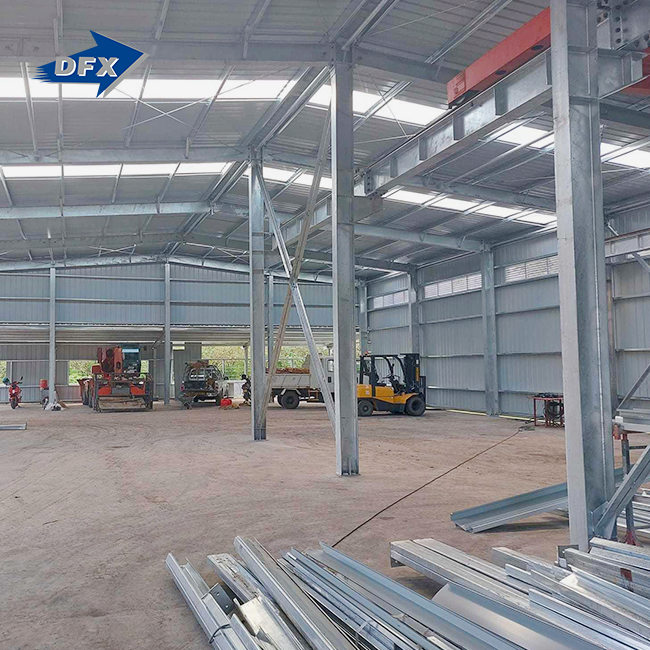
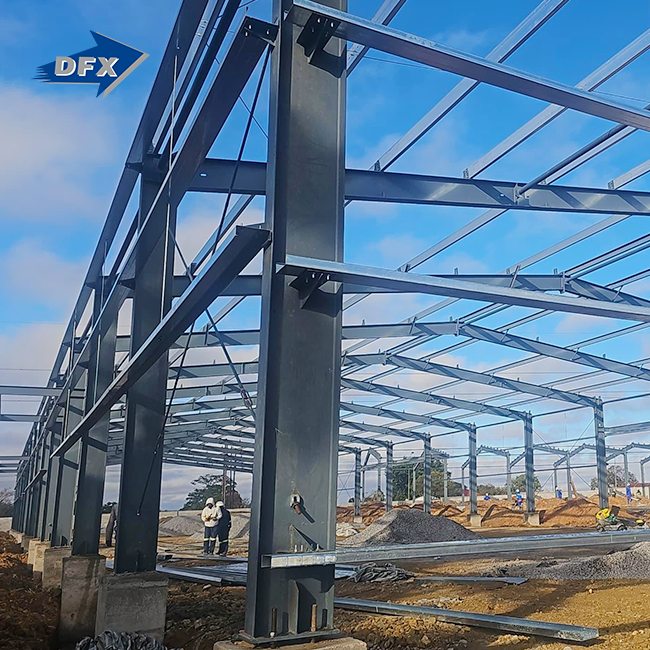
An effective agricultural tool steel shed design strikes a balance between structural strength and functional flexibility. It is made to keep valuable farm tools safe from harsh weather conditions while allowing for smooth working. The high-tensile steel frames, corrosion-resistant finishes, and modular construction principles in these pre-engineered metal buildings make them long-lasting, cost-effective, and flexible in how they are used. The design focuses on clear-span plans that allow for easy access to equipment, built-in ventilation systems that keep wetness from damaging materials, and scalable architecture that can be changed to fit growing farm operations. This will make sure that your investment works well for many years to come.

Understanding the Essentials of Agricultural Tool Steel Shed Design
What Makes Steel the Superior Choice for Agricultural Storage?
Agricultural operations have special problems, like having to deal with toxic chemicals, changing temperatures, and the need to store more and more expensive equipment. In these situations, traditional wood buildings break down quickly, and aluminium doesn't have the strength to hold heavy tools. Material science and structural design are used to make agricultural tool steel sheds that are especially made for farming use, which solve these problems.
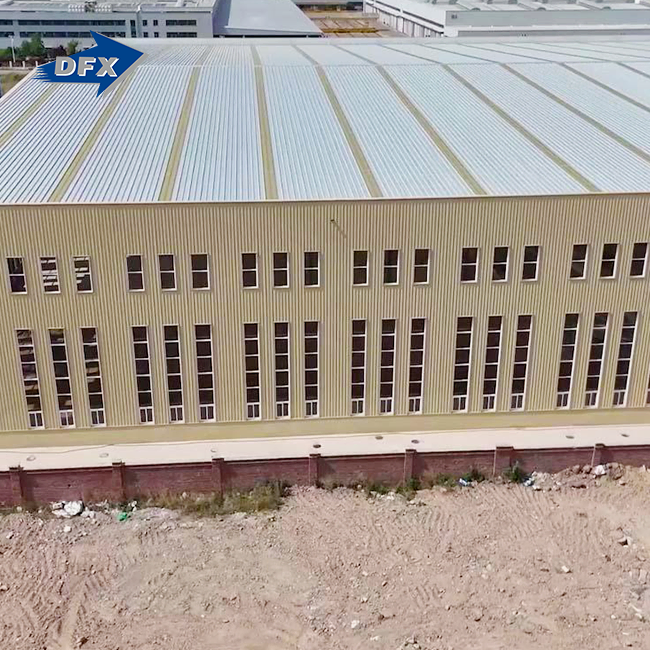
The materials that make up an agricultural tool steel shed frame are what make it strong. High-quality carbon steel, like Q345B or ASTM A572 Grade 50, has a yield strength of at least 345 MPa, which is strong enough to hold the weight of snow on the roof and keep the structure together during high winds that are typical in open farmland. The covering that doesn't rust, which is usually Z275 hot-dip galvanisation with 275 g/m² of zinc protection, makes a metal shield against ammonia from animal waste, chemical fertilisers, and water, so the structure doesn't rust for 20 to 50 years.
Primary Applications in Modern Farming Operations
Agricultural tool steel sheds are very important on farms for many reasons. Large farms use these buildings to store tractors, combine harvesters, seeders, and precision farming machines, which are expensive purchases worth hundreds of thousands of dollars. The clear-span design gets rid of the internal support columns, which lets workers move big machines around without having to deal with any problems. These buildings are also used by farms as maintenance shops where fixes can be made all year long. The non-flammable nature of steel makes welding easier.
Steel can also be used in chemical storage areas because it doesn't rust and protects both the building and the materials kept inside. Many farms use the modular design of the agricultural tool steel shed to make organised work areas by combining methods for keeping track of parts and tools. The building is flexible enough to adapt to changing seasons; during harvest, it briefly stores equipment for moving grain before switching back to storing machinery.
Steel Versus Alternative Materials: A Performance Analysis
When procurement managers look at different storage choices, it's important for them to understand the actual trade-offs. Wooden buildings are cheaper to build, but they need to be maintained all the time because they can rot, be damaged by termites, and catch fire. Studies show that wood farm buildings need major fixes every 8 to 12 years and need to be replaced every 25 years. Aluminium doesn't rust, but it's not very strong, so it can't be used for long spans and needs extra framing, which adds to the cost.
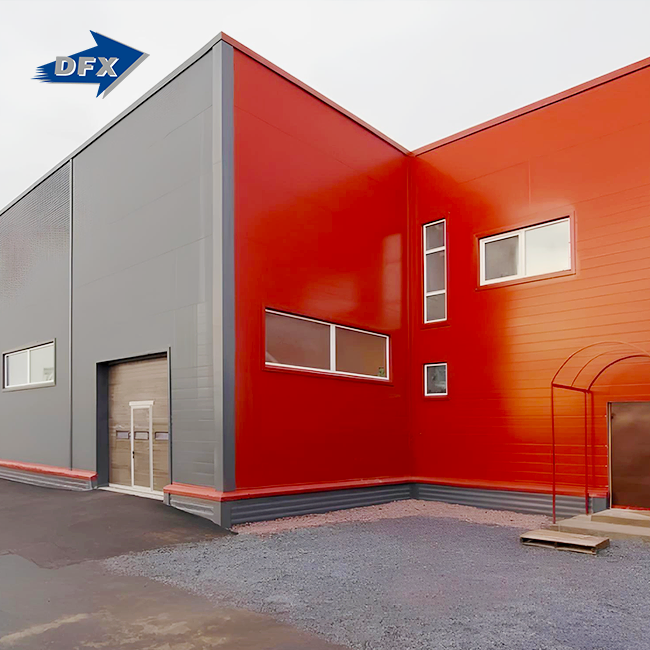
Even though buildings made of plastic or cloth are cheap, they fail when they get snow on them and break down quickly in the sun. They usually only last between 5 and 10 years. Agricultural tool steel sheds have a better lifetime value because they need less upkeep, are less likely to catch on fire, which lowers insurance rates; and can be built bigger and higher to fit modern farm equipment. Professional-grade sheds are made of heavy-gauge steel panels (26ga or 24 ga), which are much more resistant to damage from hail and other physical effects than the lighter materials used in homes.
Core Design Principles for Efficient Agricultural Tools: Steel Sheds
Selecting Appropriate Steel Grades and Protective Coatings
Choosing the right materials is the first step in building an efficient agricultural tool steel shed. The main frame needs structural steel that meets strict standards set by the American Institute of Steel Construction (AISC). Compliance with ISO 9001 ensures stability and dependability. You can choose between cold-formed steel and hot-rolled H-beams based on the span you need and the load estimates that are specific to your climate zone.
In farming settings, longevity depends on the protective coating methods that are used. Hot-dip galvanisation is still the standard in the business, but fields that store materials that are especially corrosive should use extra epoxy zinc-rich starters. Digital scales are used to make sure that the coating thickness meets ASTM A123 standards. This quality control step is necessary because a coating that isn't thick enough will fail early. Companies like Qingdao Director Steel Structure Co., Ltd, which is ISO and CE certified, follow strict finishing rules for all of their 20,000-tonne-a-year production.
Layout Optimisation Through Modular Scalable Design
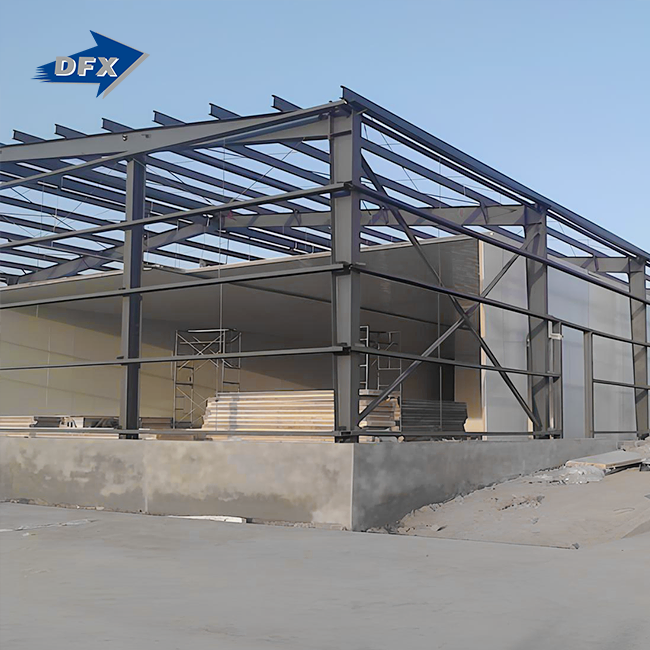
Farm operations change over time. As machine fleets grow, working needs change, and storage needs rise. Modular portal frame building in an efficient agricultural tool steel shed design takes this into account. The method makes it possible to take down end walls and add new structural bays along the length of the structure without affecting the integrity of the current structure. Because it can be expanded, the shed goes from being a fixed object to a flexible part of the infrastructure.
Thinking about the internal plan has a big effect on how efficiently operations run. Clear span lengths of 60 to 100 feet or more allow for side-by-side parking of equipment while still leaving enough aisle room for safe movement. When the eave height is 16 feet or more, you can store tall tools and set up overhead crane systems for repair work. The placement and size of doors—usually hydraulic hangar doors that span 14 to 20 feet—allow straight entry without having to move other equipment around, which takes time.
Ventilation and Climate Control Integration
The main thing that can damage farm tools and gear is moisture. When there are differences in temperature between the inside and outside, condensation forms. This causes tools to rust on the outside and hydraulic parts to break down. Passive ventilation is used in an efficient agricultural tool steel shed design by placing ridge vents and eave holes in a way that lets air move naturally without using mechanical systems.
As a way to stop condensation, special felt underlayment is put on the roof panels. This creates a temperature cushion that keeps water from dripping onto stored equipment. Agricultural Tool Steel Shed. Farms in wet areas can benefit from insulated sandwich panels with polyurethane or rockwool cores. These panels keep the temperature inside more stable and reduce noise even more. By keeping equipment from getting damaged by the climate, investing in good ventilation and insulation saves money on long-term upkeep costs.
Performance Optimisation: Improving Durability and Functionality
Addressing Common Performance Bottlenecks
Agricultural tool steel sheds have problems that can be predicted. If these problems aren't taken into account during design and installation, the sheds will fail early or not work as well as they should. When wind loads on a structure over and over again, it needs the right kind of foundation support, like concrete block foundations or engineered pier systems that meet local building codes and soil conditions. During bad weather, the link between the steel supports and the base must be able to withstand both compressive loads and uplift forces.
Even in galvanised steel, rust can form at connection points where protective coatings are damaged during assembly. Professional construction methods include using zinc-rich paint to fix areas that have been scratched or worn down in the field. For high-strength bolts (grade 8.8 or 10.9), torque testing is needed to make sure that connections reach the right level of tension without pulling the threads. This is an important quality control step that keeps the joint from breaking under stress.
Condensation management includes more than just air. It also includes grading the area around the agricultural tool steel shed so that water flows away from the base. Standing water speeds up the rusting of lower wall panels and makes it so wet that air systems have a hard time keeping up. These small but important differences make professional-grade agricultural buildings different from consumer-level goods.
Maintenance Practices for Extended Service Life
Agricultural tool steel sheds don't need as much care as sheds made of other materials, but regular maintenance makes them last a lot longer. Every year, the coating should be checked to see how it's holding up, especially in high-stress areas like where panels meet and fasteners join. If damage to the coating is found early, it can be easily fixed on the job site before rust gets to the main steel.
Panel fastener tightness needs to be checked on a regular basis because temperature cycles of expansion and contraction slowly remove connections, leaving holes where water can get in. On the list of things to check during a checkup, you should make sure that the door hardware works and that the hydraulic systems and locks stay in place. Farms that store corrosive materials should wash the inside of their buildings every three months to get rid of dust and chemical leftovers that have built up and could damage the protective coats.
These maintenance tasks take very little time—usually just 4 to 8 hours a year—but they protect the value of an object and keep it from needing expensive fixes in an emergency. The paperwork that is made during checks can also be used to support insurance claims and is useful for planning future growth.
Energy-Efficient and Sustainable Design Features
Agricultural businesses today are under more and more pressure to cut costs and reduce damage to the environment. The form of agricultural tool steel sheds helps reach these goals in several ways. Reflective roof coats stop solar heat from entering, lowering the temperature inside by 15 to 20°F in the summer. This passive cooling saves rubber parts on equipment and lowers the amount of energy needed if mechanical cooling is needed.
There are different types of sandwich panels with R-values between 10 and 30 that are suitable for different temperature zones. The temperature efficiency lowers the risk of condensation and keeps the inside of the machine more stable, which protects sensitive electrical equipment that is becoming more common in modern farm equipment. Steel's ability to be recycled at the end of its useful life makes it environmentally friendly. Agricultural tool steel sheds show how the circular economy works in real life.
Adding natural light through parts of clear panels lowers the amount of power used during the day. By placing these screens in the right places, you can get enough light to check and fix equipment without making it too hot, such as for the Agricultural Tool Steel Shed. These design features cut costs in a way that can be measured and help businesses meet environmental responsibility goals, which are becoming more and more important.
Conclusion
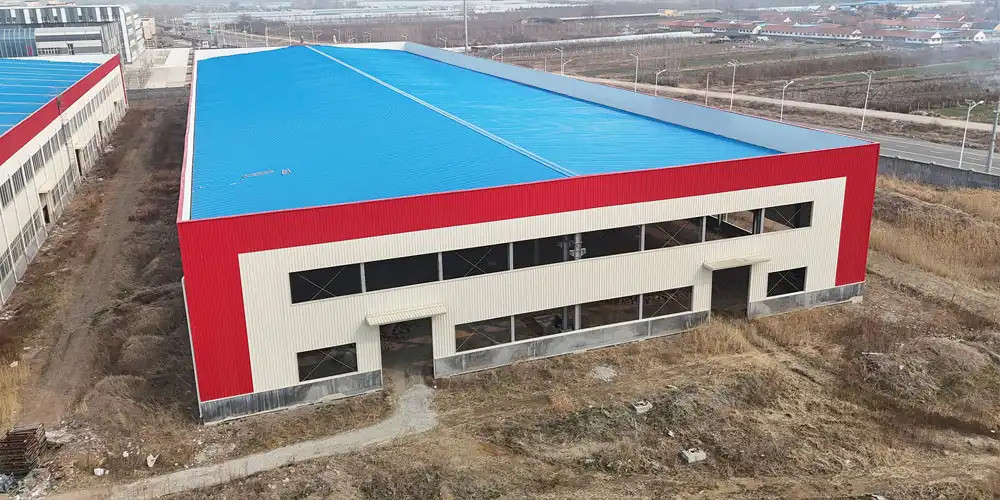
The design of an efficient agricultural tool steel shed combines the precision of engineering, the science of materials, and a realistic understanding of how farms work. The buildings protect expensive equipment by using steel framing that doesn't rust, smart ventilation, and flexible scalability that can be changed to meet changing farm needs. To be successful at procurement, you need to look at the credentials of the maker, know how much things will cost over their entire life, and choose designs that are right for the practical scale. Steel has measured advantages over other materials, including longer work lives, less maintenance, and the ability to span large distances. These advantages build up over decades of use. Investing in properly designed agricultural tool steel shed structures is a smart way for modern farming businesses to manage their money, run their businesses more efficiently, and protect their assets.
FAQ
1. How does panel thickness impact long-term shed performance?
Panel size has a direct effect on how long something will last in farming settings. Professional Agricultural Tool Steel sheds are made of 26ga or 24ga steel, which is 0.45mm to 0.5mm thick, which is much thicker than 29ga panels used in homes. Dents from flying objects, hail damage, and panel bending during installation are less likely to happen with thicker panels. The extra cost of the material is nothing compared to the cost of replacing panels that fail too soon. It's an investment in life rather than a useless cost.
2. What foundation types work best for agricultural steel sheds?
The type of foundation you choose will depend on the soil reports and technical load estimates that are specific to your area. Concrete block foundations offer even support and make it easier for tools to move inside an agricultural tool steel shed. In stable soils, pier or footing systems with grade beams are more cost-effective. During wind events, the footing must hold the column base plates in place against both downward loads and lifting forces. A professional site review stops foundation failures that weaken whole buildings, no matter how good the steel is.
3. Can existing sheds be expanded or modified later?
Quality modular portal frame designs allow for future growth through bay additions. To do this, the end walls need to be taken down, and more frame pieces need to be installed lengthwise. Manufacturers who keep paperwork up-to-date make this process easier years after the Agricultural Tool Steel Shed was built. These sheds can be expanded, turning them from fixed assets into flexible infrastructure. This protects the initial investments and allows for operational growth without having to completely rebuild the structures.
Partner With DFX for Your Agricultural Steel Structure Needs
Qingdao Director Steel Structure Co., Ltd. has been making agricultural tool steel shed buildings for farms and businesses for over 12 years. Their buildings are made to last in harsh conditions. Our ISO 9001-certified factory has 40,000 square meters of production space, six automatic H-beam lines, and full panel manufacturing systems. Each year, they deliver 20,000 tonnes of structural steel. We know that farming businesses need more than just standard buildings. They need engineered solutions that are both cost-effective and last for decades.
In addition to manufacturing, our Agricultural Tool Steel Shed maker can also do full engineering design, structural calculations for your unique site conditions, and erection help to make sure the shed is installed correctly. Each project is certified by CE, COC, and PVOC, which shows that it meets world quality standards. Whether you're a farming business looking to store more equipment, an EPC contractor overseeing farm infrastructure projects, or a procurement manager looking for dependable steel structure suppliers, our team is here to help you from the first idea to the finished project. Email Jason at jason@bigdirector.com to talk about your needs for an agricultural steel building and get full specs that are made to fit your needs.
References
1. American Institute of Steel Construction (AISC). (2016). Specification for Structural Steel Buildings. Chicago: AISC.
2. Davies, J.M. (2019). Light Gauge Steel Agricultural Buildings: Design and Construction. Oxford: Wiley-Blackwell.
3. Henderson, R. & Peterson, M. (2020). "Lifecycle Cost Analysis of Agricultural Storage Structures." Journal of Agricultural Engineering Research, 45(3), 287-302.
4. National Agricultural Biosecurity Center. (2018). Best Practices for Farm Equipment Storage Facilities. Manhattan: Kansas State University.
5. Shao, Y. (2021). "Corrosion Resistance of Galvanized Steel in Agricultural Environments." Materials Performance and Characterization, 10(2), 156-171.
6. United States Department of Agriculture. (2022). Farm Buildings and Infrastructure: Engineering Guidelines. Washington: USDA Agricultural Research Service.
Learn about our latest products and discounts through SMS or email