- English
- French
- German
- Portuguese
- Spanish
- Russian
- Japanese
- Korean
- Arabic
- Greek
- German
- Turkish
- Italian
- Danish
- Romanian
- Indonesian
- Czech
- Afrikaans
- Swedish
- Polish
- Basque
- Catalan
- Esperanto
- Hindi
- Lao
- Albanian
- Amharic
- Armenian
- Azerbaijani
- Belarusian
- Bengali
- Bosnian
- Bulgarian
- Cebuano
- Chichewa
- Corsican
- Croatian
- Dutch
- Estonian
- Filipino
- Finnish
- Frisian
- Galician
- Georgian
- Gujarati
- Haitian
- Hausa
- Hawaiian
- Hebrew
- Hmong
- Hungarian
- Icelandic
- Igbo
- Javanese
- Kannada
- Kazakh
- Khmer
- Kurdish
- Kyrgyz
- Latin
- Latvian
- Lithuanian
- Luxembou..
- Macedonian
- Malagasy
- Malay
- Malayalam
- Maltese
- Maori
- Marathi
- Mongolian
- Burmese
- Nepali
- Norwegian
- Pashto
- Persian
- Punjabi
- Serbian
- Sesotho
- Sinhala
- Slovak
- Slovenian
- Somali
- Samoan
- Scots Gaelic
- Shona
- Sindhi
- Sundanese
- Swahili
- Tajik
- Tamil
- Telugu
- Thai
- Ukrainian
- Urdu
- Uzbek
- Vietnamese
- Welsh
- Xhosa
- Yiddish
- Yoruba
- Zulu
What Is a Grain Storage Steel Warehouse and Why Does It Matter?
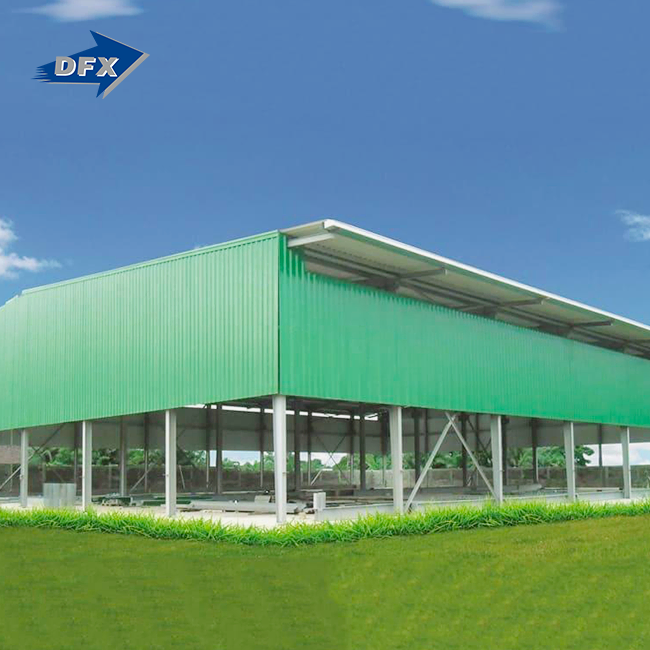
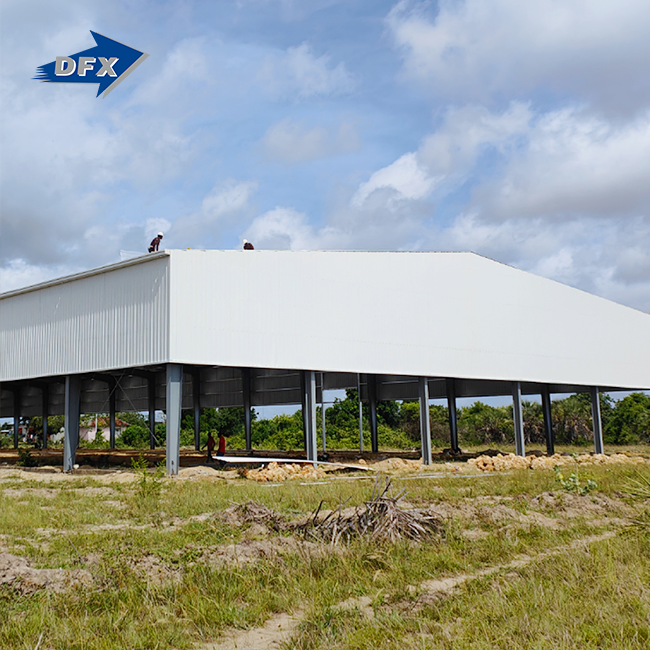
A grain storage steel warehouse is a special kind of industrial building that was made to meet the specific physical and biological needs of storing large amounts of grain. In contrast to normal logistical stores, these ones focus on controlling the high grain pressure—hydrostatic loads put on big solids—while making a controlled environment to slow down grain respiration and keep it from going bad. There are both horizontal flat storage buildings made of portal frame steel structures with supporting walls and vertical steel silos in this group. The main problems that were solved are keeping the structure strong under horizontal grain pressure, controlling moisture and temperature to stop mould growth, keeping pests out by creating settings that can't be opened, and incorporating aeration for stable long-term storage.

Understanding Grain Storage Steel Warehouses
The needs for storing grain today are very different from how it was stored in the past. These specialised grain storage steel warehouses are a big step forward in farming infrastructure because they combine technical precision with the need for storage.
Specialised Design for Agricultural Demands
Structures for storing grains are very different from regular warehouses. The design solves special problems, like how to handle the huge side forces that stored grain puts on the structure. When a holding area is full of thousands of tonnes of wheat, corn, or soybeans, the walls have to be strong enough to handle forces like those that are used to contain liquids. However, reinforced steel frames are more cost-effective than concrete options while still providing the required strength.
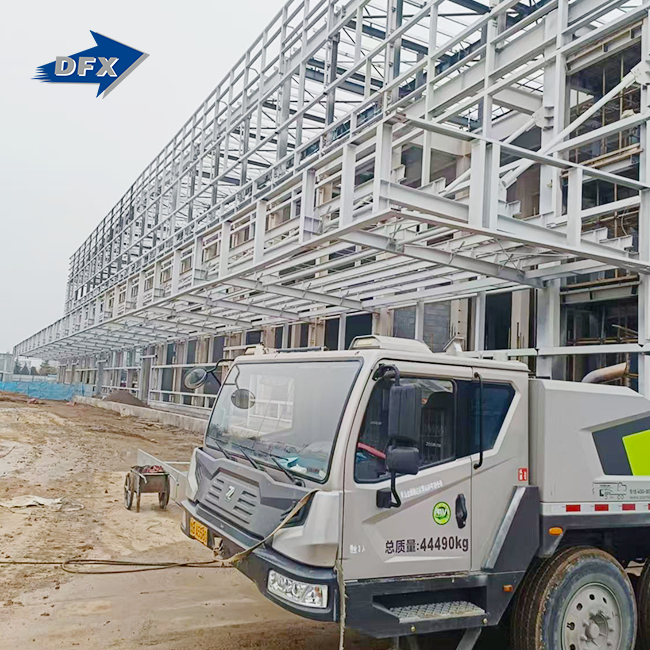
The flexible prefabricated steel storage building method lets them be set up quickly. When parts come pre-engineered and ready to be put together, construction schedules shorten by a lot. This speed is important during important harvest times when food needs to be stored safely right away to keep fields from losing crops.
Core Structural Components
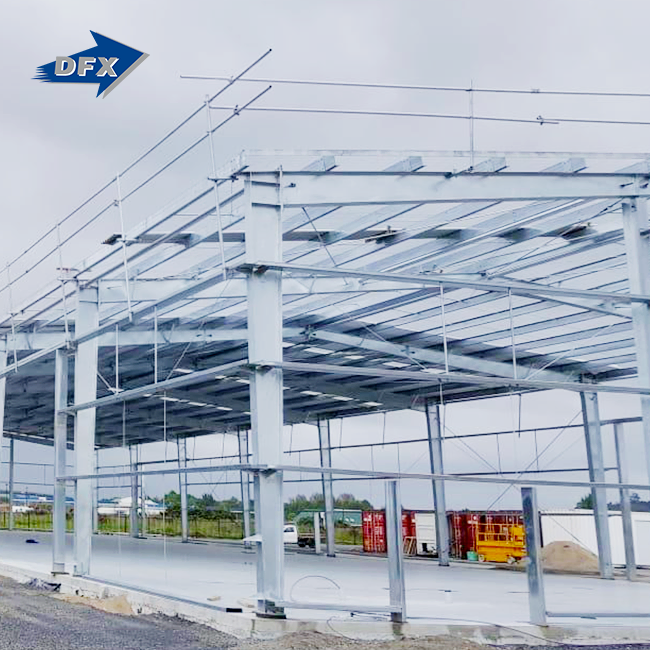
The main structure is the base of a safe grain-holding system. The structure is held together by H-beam steel frames, which also distribute weight evenly. The roof and walls are held up by steel C/Z purlins that connect to these beams. Even when the structure is fully loaded, the support system keeps it stable on the sides.
Galvanisation shields steel parts from the acidic environment made by grain acids and water. The zinc coating, which usually weighs between 275 g/m² and 600 g/m² for seaside systems, makes the service life a lot longer. Because of this protective layer, buildings made in China stay strong in a wide range of temperatures without needing to be maintained often.
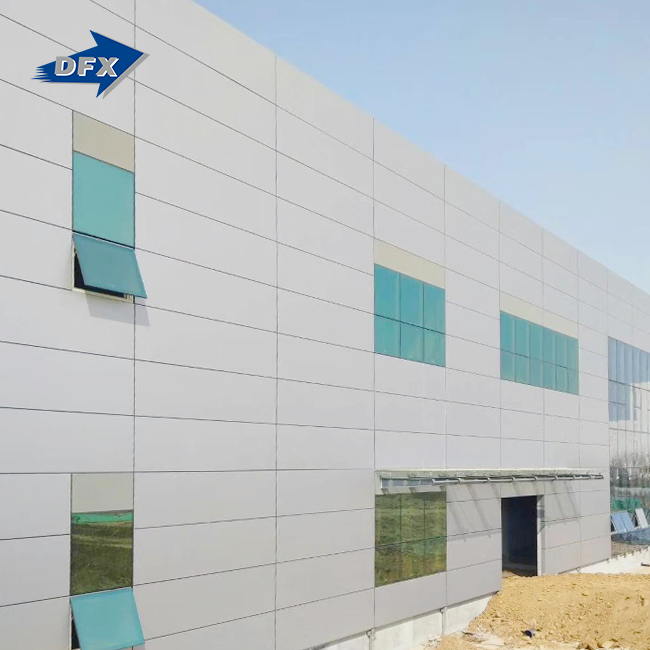
Controlling the temperature and humidity is built right into the structure. Ridge ventilators, eave vents, and active air fans all react to temperature monitors to keep condensation from forming, which would otherwise cause grains to go bad. Insulated steel walls keep goods within the best temperature ranges for preservation by reducing temperature differences between the inside and outside surfaces.
How do these warehouses function?
Operational effectiveness starts when the grain is received. Large bay windows let delivery cars and farm equipment pass through without any problems. Clear-span designs, which usually range from 20 to 60 metres, don't have any interior columns that would get in the way of loaders moving around or lower the amount of space that can be used for storage.
The concrete floor slab does more than just keep the surface level. It spreads out point loads from equipment and supports perimeter walls that don't give in to lateral grain pressure. The right way to figure out loads for a foundation is to look at the specifics of the grain. For example, the bulk density and angle of rest of corn, wheat, and soybeans are all different.
Aeration devices keep the quality of the grain high even after long periods of storage. Under-floor ductwork controls the flow of air, and temperature tracking wires find hot spots that mean living things are active. This proactive tracking stops spoilage before it causes damage that can be seen, saving a large amount of money that is stored inside.
Why Do Grain Storage Steel Warehouses Matter in B2B Procurement?
Buying choices for grain storage steel warehouses in the agricultural supply chain are based on strategic benefits. Knowing about these perks helps people make good decisions about what to do.
Economic Advantages Over Traditional Storage
A long-term cost study shows that this way of storage saves a lot of money compared to other options. Steel buildings don't need much upkeep besides regular checks and standard corrosion protection. Formwork and drying time for concrete bunkers are very long, which drives up the cost of building them at first. Metal bins don't have many ways to add more space, so when operations grow, they have to be replaced completely.
Saving money on operations is a direct result of saving energy. For climate-controlled storage, modern insulated panel systems lower the amount of heating and cooling that is needed. In a steel grain storage warehouse, active ventilation systems keep the grain in good condition while using less power than options that need to be chilled. Over decades of service life, these routine savings add up.
The modular design makes gradual spending plans possible. Agricultural businesses can set up their starting capacity to match their current output and then gradually increase it as their land area grows. When compared to fixed buildings that are too big and sit empty for long periods of time, this flexibility saves cash flow.
Industry-Specific Applications
Large commercial agribusinesses use these buildings as buffering sites for the yield. During the peak harvest, a lot of grain comes from the fields at once, which is more than what standard silos can hold. These extra loads are handled by flat storage buildings, which have wide doors that allow many unloading processes to happen at the same time. Loaders and skid steers can work quickly inside the space because it's set up to move grain and make room for more orders.
Steel warehouses are used for importing and exporting at port platforms and transportation hubs. Salt spray makes rust very hard to deal with in coastal areas. Marine-grade galvanisation and heavy-duty structural finishes keep things from breaking down too quickly. For high-flow needs, loading and unloading must be able to happen quickly. Horizontal storage layouts work better for this than vertical stacks.
These buildings are used for tempering and storing raw materials in food preparation plants and flour mills. Food-grade internal liners and precise temperature control are needed to meet strict cleanliness standards. Keeping the best grinding quality means stopping seeds from germinating too early and not drying them out too much, which damages the kernel structure.
Supply Chain Stability and Compliance
Reliable storage infrastructure stabilises supply lines in agriculture by separating the time of gathering from the time of delivery to markets. Farmers and groups keep grain when there is a lot of it during harvest time. As market prices change, they slowly release their stock. This strategy flexibility makes the business more profitable while also making sure that downstream producers always have enough supplies.
More and more, regulations require that storage conditions be written down. Monitoring systems for temperatures and records of upkeep show that proper care was taken to avoid pollution. Structures that are approved by ISO9001, CE, and EN1097 standards meet the quality standards for foreign markets around the world.
Comparing Grain Storage Steel Warehouses With Other Storage Options
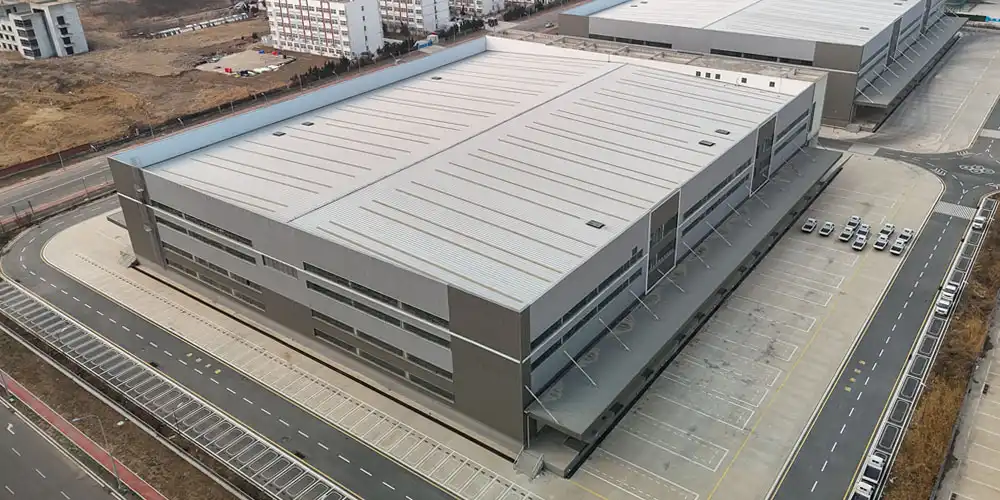
To make an informed purchase, you need to know how the performance of different grain storage steel warehouses compares in key areas.
Structural Durability and Strength
When it comes to impact protection, steel buildings are the best choice. When working in agriculture, big machinery sometimes hits walls and support posts. Unlike concrete that cracks or plastic bins that cut, steel buildings can take these hits without breaking in terrible ways.
Seismic performance is better for steel frames that have been properly designed. Because steel is ductile, buildings can bend when the ground moves, releasing energy without falling down. Rigid concrete bunkers put earthquake loads directly on the foundations, which means that base separation systems need to be bigger and more expensive.
In country areas, structures last longer than 30 to 50 years with little upkeep. Upgraded coating systems or extra coats of epoxy paint make installs in industrial or coastal areas last just as long. This durability saves the big investment in cash over many years of useful service.
Maintenance Requirements and Operational Costs
Compared to concrete or wooden buildings, routine upkeep needs are still low. Once a year, tests make sure that the fasteners are tight, the sealer is in good shape, and there is no damage to the coating that needs to be fixed. The cost of work and materials for these preventative steps is very low.
How well pest control works depends a lot on how well the structure is built. Precision-rolled panel joints and EPDM gaskets make it possible for steel buildings to seal tightly against air and water. This airtightness keeps rodents out and makes fumigation work well when it's needed. Over time, gaps appear in traditional wooden buildings, making it harder to keep pests out.
Steel interiors that are smooth are better for cleaning. Using motorised sweepers to get rid of grain residue quickly cuts down on the time it takes to switch between storage processes. Rough concrete surfaces keep waste that attracts pests and increases the risk of infection.
Scalability and Installation Efficiency
Due dates for projects greatly benefit premade steel systems. The parts come ready to be bolted together, so there are no delays while the concrete cures. Building buildings takes weeks instead of months for teams with a lot of experience. This speed is important when crop dates are coming up and the current capacity isn't enough.
Adding parallel rooms or making the building longer are simple ways to increase its capacity. The flexible design allows for small changes that are in line with how the business grows. For concrete bunkers to work, whole new buildings have to be built, which means big investments that may not be needed right away.
The ability to relocate gives you a lot of freedom. Bolt-together design lets you take things apart and put them back together in different places if your working needs change. Compared to solid concrete installations that can't be moved, this salvage value of grain storage steel warehouses saves investment.
Selecting and Procuring the Right Grain Storage Steel Warehouse
A good procurement process weighs a number of factors to find the best grain storage steel warehouse options that meet the needs of the business.
Critical Procurement Criteria
Calculations of capacity are the building blocks of design creation. Look at how much is being produced now and then, and guess how much will be produced in five to ten years. Too little initial capacity ties up capital that isn't making any return, while too much initial capacity causes growth projects to happen too soon.
The position of the materials has a big effect on their specs. To stop salt-air rusting, galvanisation needs to be improved in coastal areas. In places where there is a lot of snow, roofs need to be stronger. Better protection devices are needed in seismic zones. Competent providers do technical estimates that are specific to the spot.
The certification needs depend on the planned use and the market location. Getting ISO9001 approval shows that you follow the rules for quality management systems. The CE mark shows that the product meets European standards, which is necessary for selling in other countries. Certification to EN1097 may only be needed for certain uses or places.
Supplier Evaluation and Selection
Reputable makers have technical teams that work on custom designs. Qingdao Director Steel Structure Co., Ltd. was established in 2011 and has production facilities that cover 40,000 square meters. It employs more than 200 trained workers. Six automatic welded H-beam production lines, two sandwich panel lines, and a wide range of manufacturing tools allow them to make 20,000 tonnes of welded beams every year.
Indicators of manufacturing potential show how reliable a provider is. Multiple automatic lines in a production facility help keep quality uniform while meeting tight delivery dates. Having building design and finishing services in-house speeds up the whole process, from the idea stage to installation, making it easier to coordinate.
Support after the sale is what sets top sellers apart from commodity providers. Erection advice helps workers who don't have a lot of practice with steel structures. Technical advice given during operating start-up makes sure that systems work the way they were meant to. Problems are quickly fixed by responsive customer service, which cuts down on downtime.
Cost Structures and Financing Options
Project-based creation lets you make changes that exactly meet your needs without having to pay extra for features you don't need. Costs are broken down by component, such as structural steel, covering panels, doors, and air equipment, in detailed quotes that help with value engineering.
The coordination of delivery operations is a high hidden cost that experienced providers handle well. Delays and demurrage charges can be avoided by optimising containers, keeping track of customs paperwork, and coordinating shipping plans. Suppliers who already have established export processes can easily handle these challenges.
There are different ways to pay for a grain storage steel warehouse, such as standard purchase orders or lease agreements that spread costs out over the life of the equipment. Instead of just looking at the initial purchase price, you should think about the total cost of ownership for the Grain Storage Steel Warehouse, which includes repairs, energy use, and the expected length of service life.
Conclusion
Grain storage steel warehouses are important investments in infrastructure that have a direct effect on the efficiency and profitability of the farming supply chain. Their unique form solves the unique problems that come with storing bulk grains and gives them benefits over other storage options. The modular prefabricated building method can be quickly set up, can be expanded, and is cost-effective in a wide range of settings, from industrial farms to port hubs. Carefully choosing a provider, writing clear specifications, and doing regular upkeep are all ways to get the best return on investment over many years of service. As farm production around the world continues to grow, modern steel storage infrastructure gives businesses the dependability and performance they need to stay competitive.
FAQ
1. Can Steel Warehouses Handle Condensation Problems?
Professional designs use more than one way to let air flow through. Ridge ventilators and eave vents let air move passively, and temperature monitors control active aeration fans to keep the right temperature inside. Insulated steel plates keep the inside and outside of a building from being too different in temperature, which keeps walls from reaching the dew point. In places with a lot of dampness, double the thickness of the insulation keeps the surface temperatures inside above the condensation limits even when it's cold outside.
2. What Grain Types Suit Flat Steel Warehouse Storage?
Almost all food products, like wheat, corn, soybeans, rice, barley, and sorghum, can be stored in horizontal buildings. Changes to the design are made to account for different grain traits. For example, higher retaining walls are used for goods with steeper angles of repose, and better air flow is provided for types that are sensitive to moisture. It's flexible enough to handle a wide range of activities that store different types of grain throughout the year.
3. How Does Foundation Design Address Heavy Loads?
Structural engineers figure out how deep a footing needs to be by looking at the specific grain bulk density and the storage height. Most reinforced concrete blocks have thickened edges or ring beams around the edges that hold the side thrust from retaining walls. Testing the soil's holding ability makes sure that it can support the building without sinking too much. Proper base engineering keeps the structure from breaking down during the whole life of the building.
Partner With a Trusted Grain Storage Steel Warehouse Manufacturer
DFX specializes in designing storage systems that are used in both agriculture and industry, including Grain Storage Steel Warehouse. Our technical team has been making solid steel structures for more than 12 years, taking tasks from the idea stage to the final installation. As part of their manufacturing services, they offer automatic H-beam production, full cladding systems, and combined design services that make sure projects run smoothly. Each building comes with full engineering estimates, paperwork on the quality of the fabrication, and instructions on how to put it together to help your construction team. Our goods meet world quality standards for tough uses and are certified under ISO9001 and CE standards. Get in touch with jason@bigdirector.com to talk about your unique needs and get full technical proposals that fit your business goals.
References
1. Jayas, D. S., & White, N. D. G. (2018). Storage and Drying of Grain in Canada: Low Cost Approaches. Canadian Agricultural Engineering Society Journal.
2. Reed, C., & Harner, J. P. (2020). Design and Management of Steel Grain Storage Structures. Kansas State University Agricultural Experiment Station and Cooperative Extension Service.
3. Thompson, S. A. (2019). Grain Storage Systems Design. American Society of Agricultural and Biological Engineers Technical Papers.
4. Foster, G. H., & Tuite, J. (2017). Principles of Grain Storage and Preservation Engineering. Agricultural Engineering International Review.
5. Maier, D. E., & Lawrence, J. (2021). Modern Grain Storage Facility Design and Operation. Purdue University Extension Agricultural and Biological Engineering Department.
6. ISO 11697:2012. Bases for Design of Structures – Loads Due to Bulk Materials. International Organization for Standardization Technical Committee.
Learn about our latest products and discounts through SMS or email