- English
- French
- German
- Portuguese
- Spanish
- Russian
- Japanese
- Korean
- Arabic
- Greek
- German
- Turkish
- Italian
- Danish
- Romanian
- Indonesian
- Czech
- Afrikaans
- Swedish
- Polish
- Basque
- Catalan
- Esperanto
- Hindi
- Lao
- Albanian
- Amharic
- Armenian
- Azerbaijani
- Belarusian
- Bengali
- Bosnian
- Bulgarian
- Cebuano
- Chichewa
- Corsican
- Croatian
- Dutch
- Estonian
- Filipino
- Finnish
- Frisian
- Galician
- Georgian
- Gujarati
- Haitian
- Hausa
- Hawaiian
- Hebrew
- Hmong
- Hungarian
- Icelandic
- Igbo
- Javanese
- Kannada
- Kazakh
- Khmer
- Kurdish
- Kyrgyz
- Latin
- Latvian
- Lithuanian
- Luxembou..
- Macedonian
- Malagasy
- Malay
- Malayalam
- Maltese
- Maori
- Marathi
- Mongolian
- Burmese
- Nepali
- Norwegian
- Pashto
- Persian
- Punjabi
- Serbian
- Sesotho
- Sinhala
- Slovak
- Slovenian
- Somali
- Samoan
- Scots Gaelic
- Shona
- Sindhi
- Sundanese
- Swahili
- Tajik
- Tamil
- Telugu
- Thai
- Ukrainian
- Urdu
- Uzbek
- Vietnamese
- Welsh
- Xhosa
- Yiddish
- Yoruba
- Zulu
Modern Office Building Steel Structure Design Trends
Businesses all over the US are asking for faster, better, and more environmentally friendly ways to build, which is transforming the office building steel structure industry. High-strength Q235 and Q355 steel grades are used to make flexible, cost-effective structures for modern steel-framed business buildings. These buildings combine advanced engineering with sophisticated design. These buildings are perfect for construction companies, engineering and procurement firms, and industry owners who care about getting projects done quickly, making sure the buildings are safe, and getting good value over time. When choosing premade steel framework systems for corporate offices, executive buildings, and business centres, procurement managers and engineering directors can make smart choices when they know about the latest design innovations.

Understanding Modern Steel Structure Office Buildings
Modern office building steel structures represent a significant evolution in commercial construction methodology. At their core, these buildings depend on premade steel column-beam frames that are very strong and allow for a lot of design freedom.
Core Components of Steel Frame Construction
Steel frame design uses a lot of specialised parts that all work together. The main structure is made of Q355 or ASTM A572 Grade 50 steel H-beams and box piers, which are stronger than most building materials when it comes to tensile strength. Composite floor systems use steel decks and concrete tops to spread loads out evenly and make the building lighter overall. Moment-resisting frames and cross-bracing are two types of steel bracing devices that help keep buildings stable against wind and earthquakes. Curtain walls with thermal breaks and insulated metal panels are two types of facade systems. These make weathertight barriers that improve energy performance.
Structural and Economic Advantages
When project managers look at steel buildings, they find many great benefits that have a direct effect on their bottom line. Construction schedules are cut by 30–50% because production happens at the same time as site preparation, so there are no delays for concrete drying. Steel's high strength-to-weight ratio lowers dead loads, which means smaller footings and less digging are needed, which lowers foundation costs by a large amount. Architects can make column-free spans up to 24 metres long with design adaptability. This lets them create flexible interior plans that can adapt to changing workplace needs. Precision industrial making, where tolerances are measured in millimetres instead of centimetres, cuts down on material waste by a huge amount.
Addressing Performance Misconceptions
At first, some buying workers aren't sure about how fireproof and quiet steel is. Modern intumescent coverings get bigger when they get hot, giving them fire ratings of two to four hours that meet strict building codes. Concerns about noise can be solved by using composite floor plans with viscoelastic damping materials that have Sound Transmission Class (STC) scores that are the same as those of concrete buildings. These technical solutions make sure that steel buildings meet strict safety standards while still being fast and flexible, which are two of their main benefits.
Latest Trends in Steel Structure Office Building Design
The architectural and engineering communities continue pushing boundaries in how an office building's steel structure can be designed, driven by technological innovation and environmental responsibility.
Modular Prefabrication and Advanced Manufacturing
The way we build business buildings has changed because of modular prefabrication. Whole building parts now come to job sites ready to be put together quickly. They come with all the mechanical, electrical, and plumbing systems already installed. This method cuts down on the need for workers on-site by 60% while improving quality control through checks done in the factory. Microalloying elements added to advanced steel alloys make them more resistant to rust and easier to weld. This makes them last longer in tough environments without raising the cost of the materials. Robot-based automated welding technologies make sure that the quality of the joints is always the same, so humans don't make mistakes when making important structural connections.
Sustainability and Green Building Integration
Many of the design choices that go into modern office building steel structures are based on worries about sustainability. Steel can be recycled over and over again without losing any of its quality. This supports the circular economy ideas that are important for LEED and BREEAM standards. Compared to older building designs, low-emissivity surfaces and better insulation systems cut the amount of energy used by buildings by 25 to 40 per cent. Adding photovoltaic panels is easier when the frames are made of steel that is designed to fit rooftop solar systems without having to be changed structurally. These features are appealing to building and industrial firms that want to meet environmental, social, and governance (ESG) goals.
Regulatory Compliance and Safety Engineering
Building rules are always changing to take into account the effects of climate change and safety concerns. Base separation systems and ductile details are now used in seismic design. These features let buildings bend during earthquakes, releasing energy without breaking in a big way. Advances in wind engineering use computational fluid dynamics to make facade systems work better in places that are likely to be hit by hurricanes. Corrosion prevention systems use hot-dip galvanisation or marine-grade epoxy finishes that are meant to last 50 years or more in coastal areas. To avoid expensive changes during the approval process, procurement managers should know about these standards early on in the project planning process.
Comparing Steel Structures with Other Office Building Materials
Smart procurement decisions require objective material comparisons based on project-specific criteria rather than assumptions or past practices regarding an office building steel structure.
Steel Versus Concrete Construction
While concrete buildings have benefits in terms of thermal mass and are easier to build with, steel structures often offer better project costs. The most important difference is the speed of construction: steel frames are put up in weeks, while cast-in-place concrete frames take months. When properly protected against corrosion, steel has lower lifecycle maintenance costs than concrete. This is because concrete buildings need expensive fixes for rebar oxidation spalling. The lighter weight of steel makes foundation building easier. This is especially helpful in places with bad dirt that need deep pilings. But concrete might be cheaper in places where there are lots of aggregates but not many places that can make steel.
Steel Versus Wood and Hybrid Systems
Wood construction works well for low-rise buildings, but it doesn't work well in business office settings. Most places have fire safety rules that limit the height of wood frames. Steel, on the other hand, gets its fire ratings from coats rather than material limits. Span possibilities are very different. Clear spans for wood usually stop at 10 metres, while they can go up to 24 metres for steel. This limits the interior's freedom. Comparing environmental impacts shows that things aren't so simple. For example, wood stores carbon while it grows, but steel's ability to be recycled and last a long time often makes it have a better overall carbon footprint. New solutions that balance the benefits of both materials are hybrid systems that use steel frames and cross-laminated wood (CLT) floors.
Decision Framework for Material Selection
Directors of engineering and procurement need organised ways to evaluate things. A budget study should look at the total costs of installation, which should include supports as well as the prices of building materials. Timeliness is very important; projects with short deadlines prefer steel's speed benefits even if they mean paying more for the material. When green building certifications come with cash benefits or are required by law, sustainability goals affect the choices that people make. Future flexibility should be thought about, since steel structures are easier to expand, add floors to, and rearrange inside than concrete or wood structures.
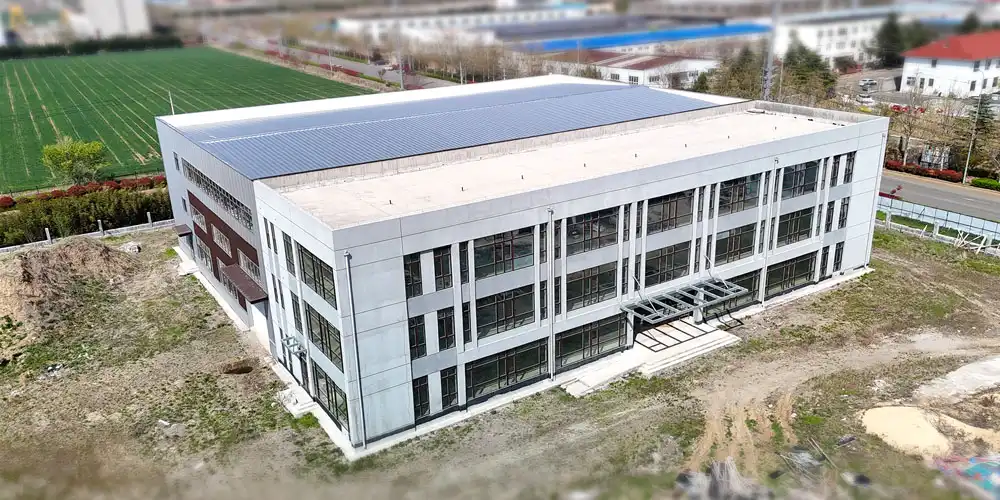
Procurement Guide: Sourcing and Implementing Steel Structures for Offices
Selecting the right manufacturer and setting clear rules for procurement have a direct effect on the success and revenue of an office building steel structure project.
Evaluating Potential Suppliers
There are a few key signs that a steel building seller is good. ISO 9001 certification means that quality control systems have been in place for a while, and CE marking means that the product meets European safety standards that are important for foreign projects. Production capacity is important. Facilities with more than 40,000 square meters of enclosed production space and automated H-beam lines can meet the needs of big projects without any delays. Technical skills should include office building steel structure, building design services, and structural engineering support that can be done in-house. This will allow for talks about value engineering early on in the project's life. Having a history of working on similar types of buildings lowers the risk, especially in specialised settings like data centres or labs that need strict air controls.
International Versus Domestic Sourcing Considerations
A lot of building companies and EPC firms look at both Chinese and American steel structure makers. Because of economies of scale and specialised production facilities, Chinese makers can often offer 20–30% lower prices on materials and labour. When you choose well-known makers with foreign certifications and third-party inspection processes, you don't have to worry as much about quality. Lead times need careful planning—ocean freight adds 4–6 weeks to domestic delivery, so decisions about what to buy need to be made earlier. Changes in currency and trade policies add financial factors that procurement teams should deal with by using fixed-price contracts or strategies for hedging.
Cost Management and Value Optimisation
Detailed specs are the first step to good budget control because they stop scope creep and change orders. By working with suppliers early on in the planning process, you can find ways to save money by standardising connection details and making sure that members are the right size. Fabricators looking for long-term partnerships may offer better prices if you commit to a lot of work on a number of jobs. Terms of payment are very important. Letters of credit, payouts based on milestones, and retention plans should all be in line with the project's cash flow needs and protect both parties' interests.
Maintaining and Optimising Steel Structure Office Buildings
Preventative maintenance plans keep an office building's steel structure's health and financial success up to the end of its useful life.
Inspection Procedures and Stopping Corrosion
Every year, there should be regular inspections that focus on the integrity of the connections, the state of the coating, and the places where water can get in. Ultrasonic examination and magnetic particle inspection are two non-destructive testing methods that find hidden flaws in structures before they affect how well they work. Starting with the right coating systems is the first step in stopping corrosion. Hot-dip galvanisation provides basic protection, and epoxy systems rated for specific exposure classes (C3 to C5) match the intensity of the climate. Areas with a lot of humidity need extra safety, like cathodic protection systems for parts below grade. Touch-up methods quickly fix coating damage, stopping rust that speeds up the repair process and raises the cost of the repair.
Energy Performance Upgrades
Improvements to the thermal shell of existing steel office buildings lower the costs of heating and cooling them. Adding thermally broken curtain walls or insulated metal screens can cut energy use by 15 to 25 percent while making the building more comfortable for the people who live or work there. In warm places, reflective roof coats lower peak cooling loads by blocking the sun's heat gain. Retrofitting with LED lights and integrating smart building controls can help you use energy more efficiently, and the payback time is usually less than three years. These improvements raise the value of the land and help companies meet their green goals.
Smart Building Technology Integration
Building management systems turn steel buildings into settings that can be controlled, including office building steel structures. Sensor networks check the health of structures by finding strange shocks or deflections that could mean problems. Integrated building management tools combine controls for HVAC, lighting, and security, making operations simpler. Utilising the room more efficiently is made possible by occupancy sensors, which collect data that guides workplace tactics. Steel buildings are more flexible than concrete ones, so they can easily handle changes to technology infrastructure. This keeps buildings from becoming outdated too quickly as workplace technologies change.
Conclusion
The modern office building steel structure reflects the construction industry's evolution toward efficiency, sustainability, and long-term value creation. As manufacturing companies grow, building companies look for ways to stay ahead of the competition, and EPC firms take on more difficult infrastructure projects, it's important for them to understand these new design concepts. Today's business goals are perfectly matched by steel's ability to meet short building timelines, be structurally flexible, and be environmentally friendly. Concerns about performance in the past have been put to rest by improvements in fire safety systems, manufacturing quality, and corrosion protection. This makes steel the material of choice for groups that want to move forward. When procurement managers and engineering directors follow these trends, their projects are more likely to succeed in a market that is getting more and more competitive.
FAQ
1. How do office buildings made of steel keep fires out?
How do office building steel structures keep fires out? Steel starts to lose its strength around 600°C, which can be dangerous in a fire if you don't have the right safety gear. We deal with this by using intumescent layers, which get bigger when they get hot and form a shield that keeps heat out. These coatings have fire resistance rates of two to four hours, based on how they are used and the building rules in the area. As an alternative, structural parts can be encased in concrete, but this adds weight and cost. Modern covering technologies offer clear or aesthetically beautiful finishes that stay true to the architecture while keeping people safe during fires.
2. Can steel structures accommodate future expansions?
Compared to concrete houses, steel constructions are much more flexible. To add floors, the current columns and foundations need to be strengthened. This is possible with the right technical study. Taking down walls that aren't supporting weight or making new holes doesn't cause any structural problems because steel frames separate support functions from enclosure systems. This adaptability is helpful for factories that need to change their processes or for business offices that need to rearrange their spaces to fit new ways of working. Planning for possible additions during the initial design phase maximises long-term value by defining slightly bigger foundation capacities and connection details that make it easier to make changes in the future.
3. What maintenance costs should owners anticipate?
Well-designed steel office buildings don't need much upkeep as long as they are secured properly. Coating checks cost about $0.15 to $0.25 per square foot per year, and painting touch-ups are needed every 10 to 15 years, based on how much the coating has been exposed to the environment. Every five years, experienced engineers should check the building's structure. This should cost between $3,000 and $8,000 for most business buildings. These costs are still a lot less than fixing concrete that has cracked or fixing wood that has rotted. Setting up preventive maintenance programmes when a building is first put into use cuts down on unexpected repair costs and extends the structure's useful life beyond 75 years.
Partner with DFX for Your Steel Structure Office Building Project
Qingdao Director Steel Structure Co., Ltd. (DFX) has been making and putting up steel structures for commercial office buildings, executive buildings, and business centres in the US and other countries for more than 12 years. More than 200 trained workers in our 40,000-square-meter production centre use high-tech automated systems, such as six H-beam welding lines and a wide range of manufacturing tools. We offer complete solutions that include designing the architectural plan, doing structural calculations that follow local building codes, making precise parts out of Q235/Q355 steel grades, and giving full installation instructions. We are dedicated to quality control and worldwide standards, as shown by our ISO 9001 and CE certifications. If you need a dependable office building steel structure supplier that can provide project-based fabrication with full technical support, email our team at jason@bigdirector.com to talk about your specific needs and get detailed quotes that are tailored to your project's timeline and budget.
References
1. American Institute of Steel Construction. (2022). Steel Construction Manual, 15th Edition. AISC, Chicago, Illinois.
2. Lawson, R.M., & Ogden, R.G. (2021). Sustainable Steel Construction: Design and Practice for Modern Buildings. Steel Construction Institute, Berkshire, United Kingdom.
3. Chen, W.F., & Lui, E.M. (2019). Handbook of Structural Engineering, Second Edition: Steel Structures. CRC Press, Boca Raton, Florida.
4. Green Building Council. (2023). LEED v4.1 Building Design and Construction Guide for Commercial Interiors. U.S. Green Building Council, Washington, D.C.
5. Bjorhovde, R. (2020). Development and Use of High Performance Steel: Modern Trends in Structural Steel Design. Journal of Constructional Steel Research, Volume 178, Pages 106-119.
6. Salmon, C.G., Johnson, J.E., & Malhas, F.A. (2018). Steel Structures: Design and Behavior, Emphasizing Load and Resistance Factor Design, 6th Edition. Pearson Education, New York.
Learn about our latest products and discounts through SMS or email