- English
- French
- German
- Portuguese
- Spanish
- Russian
- Japanese
- Korean
- Arabic
- Greek
- German
- Turkish
- Italian
- Danish
- Romanian
- Indonesian
- Czech
- Afrikaans
- Swedish
- Polish
- Basque
- Catalan
- Esperanto
- Hindi
- Lao
- Albanian
- Amharic
- Armenian
- Azerbaijani
- Belarusian
- Bengali
- Bosnian
- Bulgarian
- Cebuano
- Chichewa
- Corsican
- Croatian
- Dutch
- Estonian
- Filipino
- Finnish
- Frisian
- Galician
- Georgian
- Gujarati
- Haitian
- Hausa
- Hawaiian
- Hebrew
- Hmong
- Hungarian
- Icelandic
- Igbo
- Javanese
- Kannada
- Kazakh
- Khmer
- Kurdish
- Kyrgyz
- Latin
- Latvian
- Lithuanian
- Luxembou..
- Macedonian
- Malagasy
- Malay
- Malayalam
- Maltese
- Maori
- Marathi
- Mongolian
- Burmese
- Nepali
- Norwegian
- Pashto
- Persian
- Punjabi
- Serbian
- Sesotho
- Sinhala
- Slovak
- Slovenian
- Somali
- Samoan
- Scots Gaelic
- Shona
- Sindhi
- Sundanese
- Swahili
- Tajik
- Tamil
- Telugu
- Thai
- Ukrainian
- Urdu
- Uzbek
- Vietnamese
- Welsh
- Xhosa
- Yiddish
- Yoruba
- Zulu
Agricultural Tool Steel Shed for All-Weather Tool Protection
It is impossible to find a better product than an agricultural tool steel shed when it comes to protecting important farming tools from bad weather. The high-tensile carbon steel frames and corrosion-resistant coatings in these pre-engineered steel structures are made to survive tough farming environments, such as coastal humidity and extreme temperature changes. Unlike other storage choices, steel sheds don't catch fire, don't attract pests, and have strong structures that protect tractors, tools, and other sensitive machinery all year long. This makes them a smart investment for modern farming operations.

Understanding Agricultural Tool Steel Sheds
What Makes Steel Sheds Essential for Farm Operations?
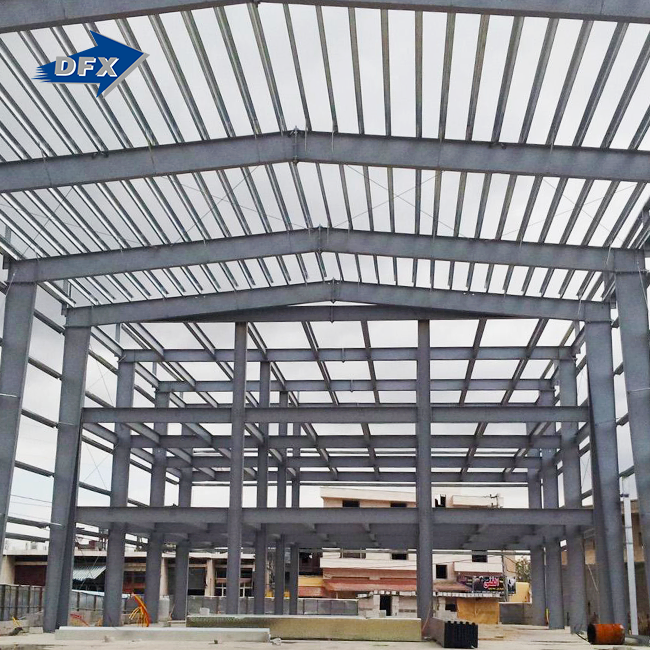
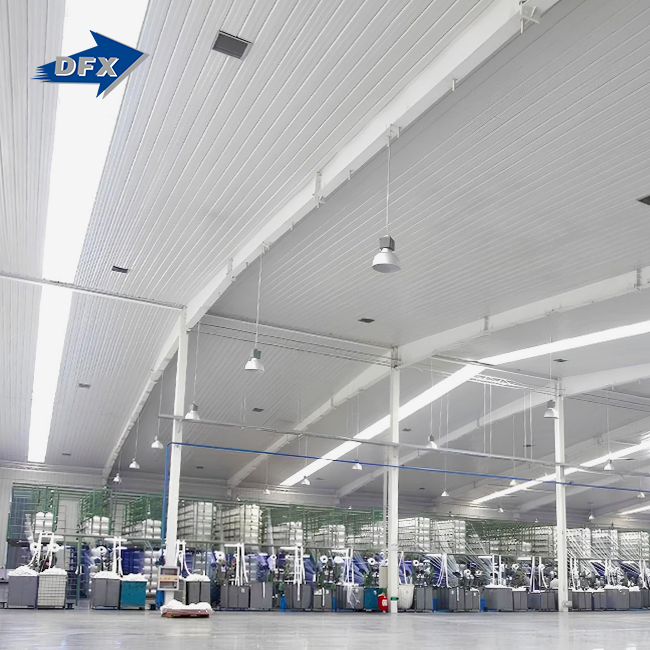
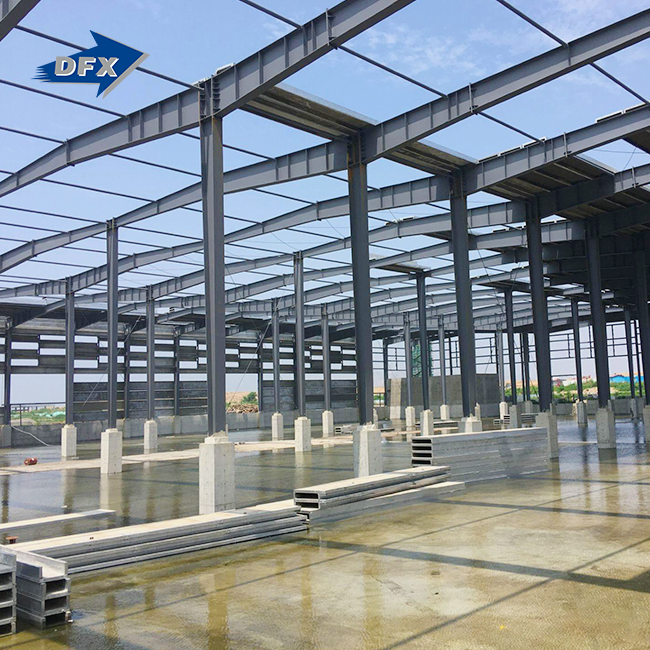
Equipment for farming is a big expense, and leaving tools out in the rain, snow, or UV light speeds up their depreciation by a huge amount. Agricultural tool steel sheds solve this problem with advanced engineering that makes them strong and resistant to the weather. Heavy-duty steel supports and beams make a rigid frame that can hold a lot of snow and stand up to the wind uplift forces that are common in open farming fields.
These buildings do a lot more important things than just store things. They keep precise tools from rusting because of wetness, keep hydraulic systems from freezing, and give chemical applicators safe places to work that are away from areas with animals. Agricultural tool steel shed construction is non-combustible, which also lowers fire insurance rates, which is an important cost factor for businesses that store fuel-powered equipment.
Core Advantages Over Traditional Storage Solutions
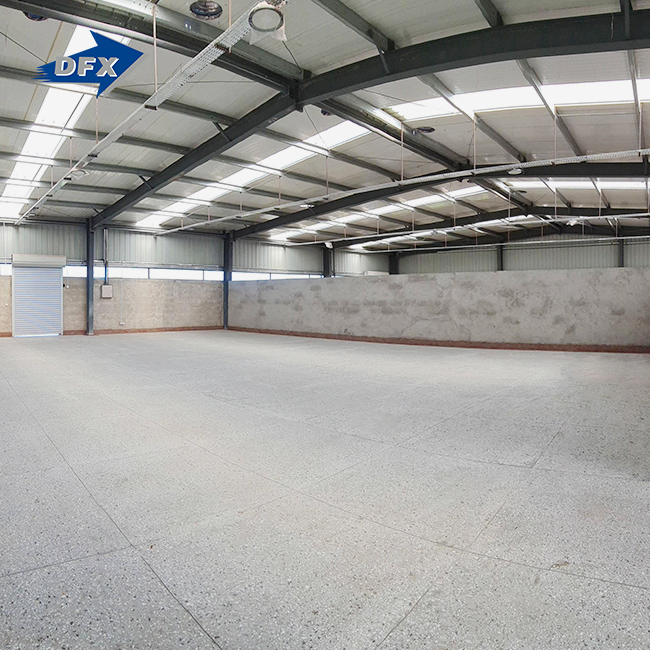
Agricultural tool steel shed buildings have measured performance benefits that have a direct effect on how efficiently operations run. Because the material is naturally strong, clear-span designs can be up to 100 feet without having to use internal support beams. This makes it easier for big tractors and combines to move around inside. Post-and-beam wooden buildings can be hard to get around, but this open plan gets rid of those problems. This makes it easier to store and get back equipment without damaging it by accident.
Galvanised steel with a Z275 coating has been shown to prevent corrosion for 20 to 50 years, even when exposed to ammonia from animal waste or acidic fertiliser leftovers. This lasts longer than solid options, which rot in the same conditions after 10 to 15 years. The security of the structure also stops the doors from warping and sagging, which happens in old wooden buildings and makes them less useful. This keeps the doors' weathertight seals, which keep bugs and wetness out.
Typical Agricultural Applications
Modern farms use agricultural tool steel sheds in a variety of situations where they need to protect the environment reliably. They are used by large businesses to store tools like harvesters, planters, and watering systems that are worth hundreds of thousands of dollars. The high eave heights of the structures—often 16 feet or more—allow large machinery to fit without having to take attachments apart between uses.
These houses are often turned into workshops and store spaces by mid-sized farms. Overhead crane systems for engine fixes are safely supported by the Agricultural Tool Steel Shed frame, and toolboxes keep smaller tools in order. Dairy and cattle farms like the biosecurity benefits. They store tools for handling feed away from areas where animals live in steel sheds. This reduces the risk of contamination that wooden structures with holes that rodents can get through can't stop.
Key Design and Material Considerations for Optimal Steel Sheds
Steel Grade and Coating Technologies
The choice of material is the key to making an agricultural tool steel shed last a long time. High-quality carbon steel that meets the standards of Q345B or ASTM A572 Grade 50 has a peak strength of more than 345 MPa, which is important for keeping structures from deforming when heavy snow falls. The tensile qualities of the steel ensure that links stay strong even after decades of thermal expansion and contraction.
Environmental protection is based on protective layers. When 275 grams of zinc are applied per square metre during hot-dip galvanisation, a shield is made that stops rust from getting through. Some makers make Galvalume coats that are made of both aluminium and zinc to reflect heat better. This is especially helpful in the south, where summer roof temperatures can reach over 150°F. When it comes to hail damage, panels that are between 26-gauge and 24-gauge (0.5 mm and 0.7 mm) thick can handle hits better than smaller materials made for homes.
Sizing and Configuration Planning
Costly mistakes during buying can be avoided with good measurement planning. To figure out how much floor space is needed for the agricultural tool steel shed, project managers should make a list of all the tools that need a place to stay dry and then add 30% more space for safety and future growth. Standard bay sizes of 20, 30, or 40 feet can fit most farm equipment, and the length can be added in modules that fit between the frames.
When figuring out the eave height, you need to add two feet for space and the height of the largest piece of equipment with its attachments raised to the transport position. It's important to pay close attention to the size of the doors. For example, hydraulic bi-fold doors that open to 16 feet make it easy to get to current trucks with front loaders, as they don't have to deal with frustratingly small gaps that could damage antennas and mirrors.
Ventilation and Condensation Management
Keeping the agricultural tool steel shed and the things that are held safe from moisture on the inside is important. When you mix ridge ventilation systems with roof vents, you get natural movement that gets rid of humid air that builds up because of differences in temperature. If there isn't enough air flow, condensation forms on the inside of the roof at night when it's cool, which drips onto machinery and speeds up the rusting of metal parts that are visible.
When put under metal roofing panels, anti-condensation felt soaks up moisture vapour before it turns into liquid drops. Insulated sandwich panels with mineral wool or polyurethane bases help operations in wet areas because they create thermal breaks that stop the surface temperature drops that cause condensation. This investment will pay off because you won't have to wipe down tools every day after overnight moisture builds up.
Comparing Agricultural Tool Steel Sheds with Alternative Solutions
Steel Versus Wooden Construction
Wooden sheds are appealing because they are cheaper to buy, but they cost more in the long run because they need to be maintained. Pressure-treated wood briefly stops rot, but chemical treatments break down when exposed to UV light, so they need to be applied every three to five years again. As wood dries, structural parts warp, leaving holes that let wind-driven rain and pests get in.
The Agricultural Tool Steel Shed gets rid of these repair processes. A properly painted steel shed only needs to have its bolts and sealant joints checked every so often. This only takes a few hours, compared to the long painting sessions that wooden sheds need over the weekend. The fire resistance rating is also important. Because wooden sheds are easily caught on fire, they are not a good choice for keeping equipment with fuel tanks or batteries. On the other hand, steel's Class A rating protects assets and can get you insurance rates that are 15 to 20% lower than those for wooden sheds of the same size.
Aluminium and Plastic Alternatives Assessment
Even though aluminium sheds don't rust, they aren't strong enough for farming needs. Due to its lower strength-to-weight ratio, the material needs bigger gauges to achieve the same level of stiffness in the agricultural tool steel shed, which raises prices without improving performance. Galvanic rusting can also happen at connection points in aluminium frames when different metals come into contact with each other in damp places. This makes the joints weaker over time.
For light-duty home use, plastic and composite sheds work, but they can't stand up to harsh conditions on farms. UV light breaks down plastic, which makes it weak and easy for cracks to spread around fastener holes. The material is flexible enough to bend in the wind, which breaks doors and makes ways for water to get in. Extreme temperatures change the shape of things, which makes weather sealing less effective. Steel's thermal stability stops these issues.
Custom-Built Versus Pre-Engineered Options
Custom agricultural tool steel shed manufacturing lets you make solutions that fit the needs of a specific spot or piece of equipment. Manufacturers like DFX can design structures that meet difficult needs, such as extra-wide door openings for big machines, strengthened frames for installing solar panels, or special ventilation for chemical storage regulations. Site-specific wind and snow load data are used in the construction process to make sure that the structure is strong enough without being over-engineered, which drives up costs needlessly.
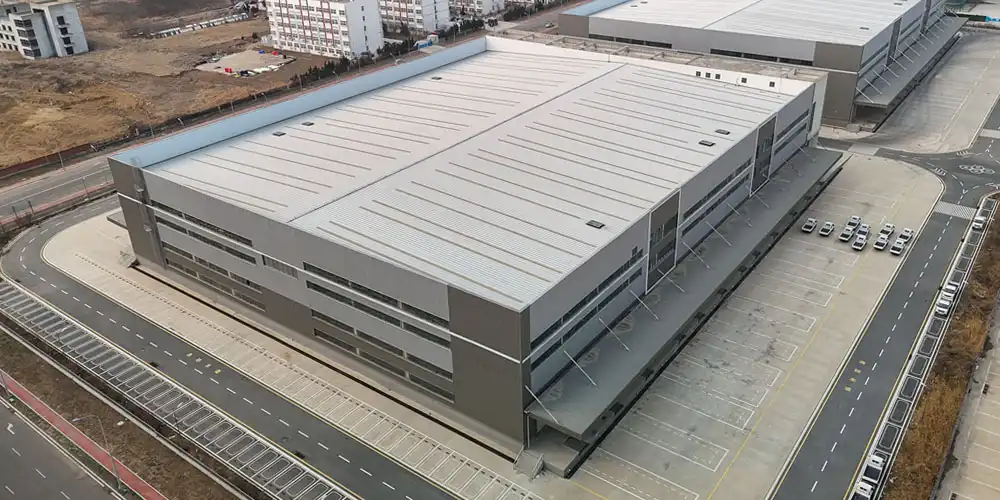
For regular uses, pre-engineered systems cut down on lead times and make buying easier. These plans use tried-and-true structure formulas and standard parts that make building and putting them together easier. But restrictions on changes may mean that the placement of doors or the plan inside the agricultural tool steel shed have to be compromised. Operations should figure out if their needs can be met by standard setups or if they need to spend money on custom tech to get the best performance.
Procurement and Installation Best Practices for B2B Clients
Evaluating Supplier Credentials and Capabilities
Choosing the right agricultural tool steel shed supplier is more than just comparing prices; it affects the success of the job. Certifications like ISO 9001 quality management and CE marks show that the product meets international standards for safe construction. Check the factory's production capacity by making sure it has the right tools. For example, automatic H-beam welding lines, CNC drilling systems, and powder coating facilities show that the factory can keep tolerances and end quality across big orders.
When you choose reliable sources, manufacturing in China, especially in places like Qingdao that have long-standing steel fabrication clusters, can save you money without losing quality. Established makers that offer engineering design, fabrication, and installation advice include Qingdao Director Steel Structure Co., Ltd., which has been in business since 2011 and has 40,000 square meters of production space. Their ability to weld 20,000 tonnes of H-beams every year and their full list of certifications, which includes COC and PVOC, show that they are ready to sell their products in other countries.
Strategic Procurement Channels and Financing
With project-based buying, you can negotiate full packages that include the agricultural tool steel shed design, supplies, and help with installation. To make it easier to compare bids, ask for thorough information on steel types, coating systems, bolt quality, and weatherproofing parts. When you coordinate purchases across different farms or work with farming cooperatives to buy things as a group, you can get volume discounts.
Equipment loans and lease-to-own plans make it possible to make investments that require a lot of cash. Some sellers offer payment terms that are in line with project goals, such as deposits when the order is confirmed, progress payments when the fabrication is finished, and full payment after the installation goes well. This method protects good infrastructure while keeping usable cash for business needs.
Installation Planning and Warranty Considerations
Professional placement protects the agricultural tool steel shed and keeps out the weather, which is something that do-it-yourself methods often fail to do. Reliable providers offer installation advice or hire installation teams that know how to properly anchor the base, tighten the bolts to the stated torque values, and connect the panels in a way that keeps water from getting in through the wind. Whether it's a concrete block or pier footings, the foundation needs to be designed based on the soil's ability to support weight and the depth of the frost to keep the building from sinking and becoming out of alignment.
The warranty should cover both the supplies and the work that was done for the Agricultural Tool Steel Shed. As standard, we offer 20-year warranties against corrosion on panel coats and 10-year structural guarantees that cover the stability of the frame. Make sure you understand the terms of the insurance, including who is responsible for upkeep, what proof is needed for claims, and what happens if the weather goes beyond what was planned. Longer warranties give more peace of mind for expensive setups that protect expensive devices.
Conclusion
Choosing an agricultural tool steel shed is an investment in protecting your assets and making your business run more efficiently. Compared to other storage options, this one has a great lifetime value because it is structurally durable, resistant to environmental damage, and doesn't need much upkeep. Agricultural businesses can protect their infrastructure and equipment investments for decades by working with experienced makers who offer full engineering support and quality-certified production. Because these buildings can be added on to or changed in the past, they can grow with the needs of the farm. This makes them essential parts of modern farm infrastructure.
FAQ
1. What size agricultural tool steel shed do I need for my farm operation?
The size varies on how many tools you have and how you plan to grow in the future. Measure your biggest piece of equipment with all of its parts in the "transport" position. Then, add three feet of room on all sides to allow for safe movement, and then add another 30% for growth. Small businesses with simple tools can use 30x40-foot buildings, but bigger farms with lots of trucks and combine harvesters usually need 50x80-foot or bigger buildings. Talk to engineering teams. They can look over your list of tools and suggest the best measurements for your agricultural tool steel shed.
2. How does maintenance compare between steel and wooden sheds?
Maintaining an Agricultural Tool A steel shed is a lot easier to maintain than a wooden one. Steel structures only need to be inspected and cleaned once a year. Touch-up paint could be added to bolt holes every five to seven years. Wooden sheds need to be painted or stained every two years, kept free of pests, fixed when structural members are twisted, and eventually replaced when parts start to rot. Over the course of 20 years, maintaining steel structures is usually 60 to 70% cheaper than maintaining wooden structures of the same type, and it also requires a lot less work.
3. Can I customise my steel shed design for specific equipment?
Reliable makers offer a wide range of customisation options to meet specific needs. You can change the door's size, placement, and how it opens and closes to fit your biggest equipment. Changes that can be made to the inside of the agricultural tool steel shed include adding a crane support frame, adding electricity services, installing special air for chemical storage, or putting up walls to divide the workshop into different areas. Talk about your unique needs during the design part to make sure the structure works best for your business and doesn't force your equipment to fit into standard shapes.
Partner with DFX for Your Agricultural Steel Building Needs
DFX is an expert at providing complete agricultural tool steel shed options that are designed to meet the specific needs of modern farming operations. We have been making steel structures for a long time and have ISO 9001, CE, COC, and PVOC certifications. We offer full services from the initial engineering design to manufacturing and installation guidance. Our team has worked on over a hundred foreign projects and knows how to help farming clients deal with problems like corrosive environments, the need to get heavy equipment to where it needs to go, and tight budgets.
Get in touch with our expert on farm buildings at jason@bigdirector.com to talk about your unique storage needs. We'll make unique designs that work best for your spot and your needs, whether you need a small tool shed or a large facility for all of your equipment. As a reliable Agricultural Tool Steel Shed provider, we offer fair project-based pricing, flexible shipping plans, and ongoing support to make sure your investment works well for many years. Get in touch with us right away for specifics and a free appointment.
References
1. American Institute of Steel Construction. (2016). Steel Construction Manual, 15th Edition. Chicago: AISC.
2. Henderson, M.P. & Watson, J.R. (2019). Corrosion Protection Systems for Agricultural Steel Structures. Journal of Agricultural Engineering Research, 104(3), 287-301.
3. National Frame Builders Association. (2021). Post-Frame Building Design Manual. Lawrence, Kansas: NFBA Technical Services.
4. Thompson, D.L. (2018). Farm Buildings and Agricultural Structures: Design and Construction Practices. Agricultural Engineering Press.
5. United States Department of Agriculture. (2020). Standards for Agricultural Building Design and Construction. USDA Natural Resources Conservation Service Technical Note.
6. Wilson, A.K. & Martinez, C.S. (2022). Lifecycle Cost Analysis of Agricultural Storage Structures. International Journal of Farm Management, 8(2), 134-152.
Learn about our latest products and discounts through SMS or email