- English
- French
- German
- Portuguese
- Spanish
- Russian
- Japanese
- Korean
- Arabic
- Greek
- German
- Turkish
- Italian
- Danish
- Romanian
- Indonesian
- Czech
- Afrikaans
- Swedish
- Polish
- Basque
- Catalan
- Esperanto
- Hindi
- Lao
- Albanian
- Amharic
- Armenian
- Azerbaijani
- Belarusian
- Bengali
- Bosnian
- Bulgarian
- Cebuano
- Chichewa
- Corsican
- Croatian
- Dutch
- Estonian
- Filipino
- Finnish
- Frisian
- Galician
- Georgian
- Gujarati
- Haitian
- Hausa
- Hawaiian
- Hebrew
- Hmong
- Hungarian
- Icelandic
- Igbo
- Javanese
- Kannada
- Kazakh
- Khmer
- Kurdish
- Kyrgyz
- Latin
- Latvian
- Lithuanian
- Luxembou..
- Macedonian
- Malagasy
- Malay
- Malayalam
- Maltese
- Maori
- Marathi
- Mongolian
- Burmese
- Nepali
- Norwegian
- Pashto
- Persian
- Punjabi
- Serbian
- Sesotho
- Sinhala
- Slovak
- Slovenian
- Somali
- Samoan
- Scots Gaelic
- Shona
- Sindhi
- Sundanese
- Swahili
- Tajik
- Tamil
- Telugu
- Thai
- Ukrainian
- Urdu
- Uzbek
- Vietnamese
- Welsh
- Xhosa
- Yiddish
- Yoruba
- Zulu
Grain Storage Steel Warehouse for Large-Scale Farming Projects
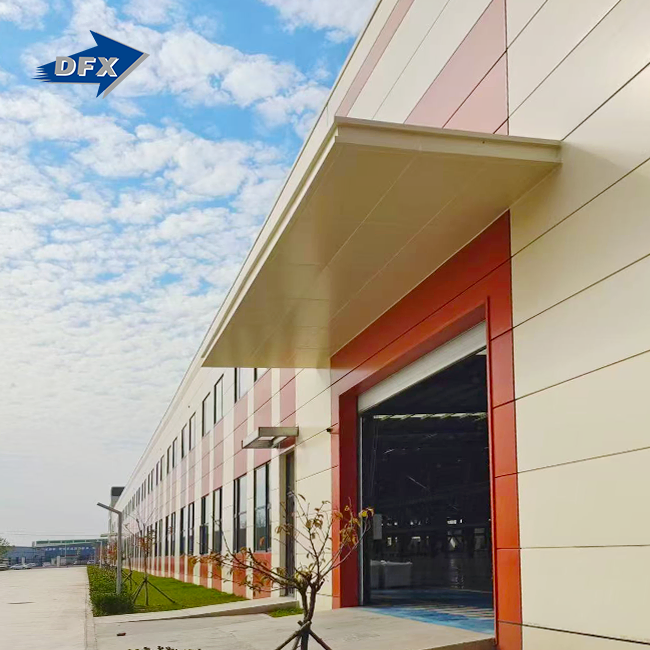
Maintaining huge grain amounts becomes critical when agricultural activities expand substantially. A grain storage steel warehouse provides a secure, regulated environment that prevents spoilage, moisture, and pests. These steel buildings, which combine structural integrity with superior temperature control, are essential for commercial agribusinesses, food processors, and logistical hubs that handle thousands of tonnes of wheat, corn, rice, or soybeans annually.

Understanding Grain Storage Steel Warehouses: Benefits and Design Principles
Bulk grain management requires more than room. Biological activity in stored grain creates heat and moisture, promoting mould, insect infestation, and quality degradation. This is solved by designing grain storage steel warehouses that balance structural strength and environmental management.
Why Does Steel Outperform Traditional Materials?
Traditional wood and concrete buildings fail contemporary agriculture. Grain acids and moisture degrade wood, needing periodic repair. Concrete is robust yet limited in expansion and thermal insulation. Chinese steel warehouses made from high-tensile Q355B grade steel have excellent load-bearing ability and withstand corrosion with 275g/m² or higher galvanised coatings. Farmers may store harvests before market values decline with this modular prefabricated steel storage facility, which takes 40% less time than concrete.
Core Design Principles for Grain Preservation
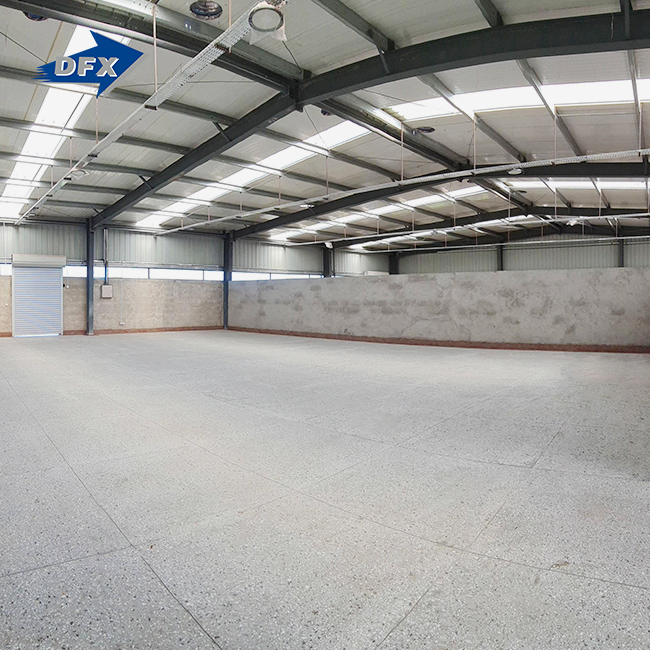
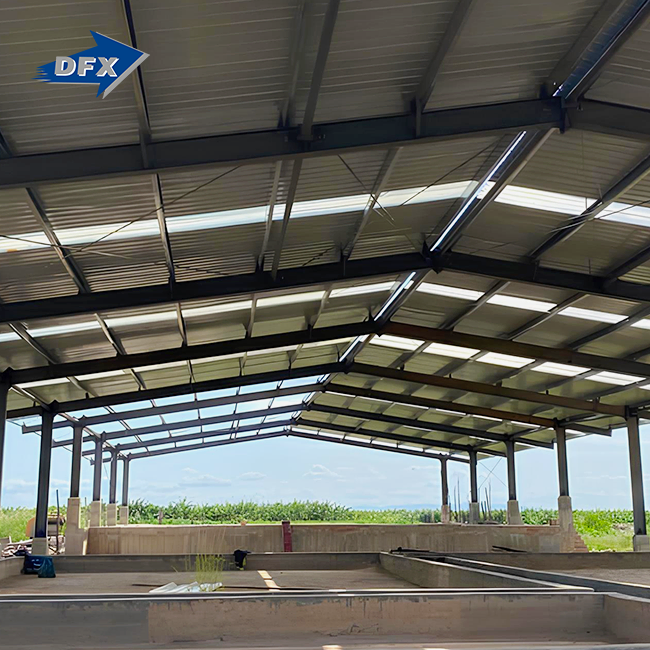
Technical characteristics make grain storage buildings effective. The H-beam main steel frame with galvanised C/Z purlins allows loaders and forklifts to operate without column impediments across 20 to 60 metres. The bracing mechanism distributes grain-pressure lateral loads, which act like liquid pressure on walls. Polyurethane-cored insulated sandwich panels reduce temperature changes that produce condensation, a major grain-spoiling cause.
Ventilation systems use temperature-controlled ridge and eave vents. Active aeration blowers beneath perforated flooring circulate air through the grain mass to remove moisture and avoid hotspots. This engineering calculation maintains interior conditions in humid areas, sustaining grain quality for longer.
Fire Resistance and Pest Exclusion
ISO9001 and optional CE and EN1097 certifications ensure structural steel satisfies strict safety requirements. In dry, flammable agricultural installations, primary member fire-resistant coatings are essential. Sealed EPDM gaskets and precise roll-formed connectors prevent rodents and insects from entering, minimising contamination issues from typical storage techniques.
How to Build an Efficient Grain Storage Steel Warehouse for Large-Scale Projects?
Successful installation begins before steel arrives. Proper planning decides whether a grain storage steel warehouse lasts decades or needs costly upgrades within years.
Site Preparation and Foundation Requirements
Huge burdens rest on the foundation. Fully laden flat storage warehouses press vertically and laterally on retaining walls. Grain Storage Steel Warehouse. Reinforced concrete slabs are designed with enlarged perimeter edges or ring beams depending on the grain angle of repose and bulk density, which differ between wheat (770 kg/m³) and maize (720 kg/m³). Site assessment soil-bearing capacity tests avoid settling concerns that might affect the structure's integrity.
Assembly Process and Timeline
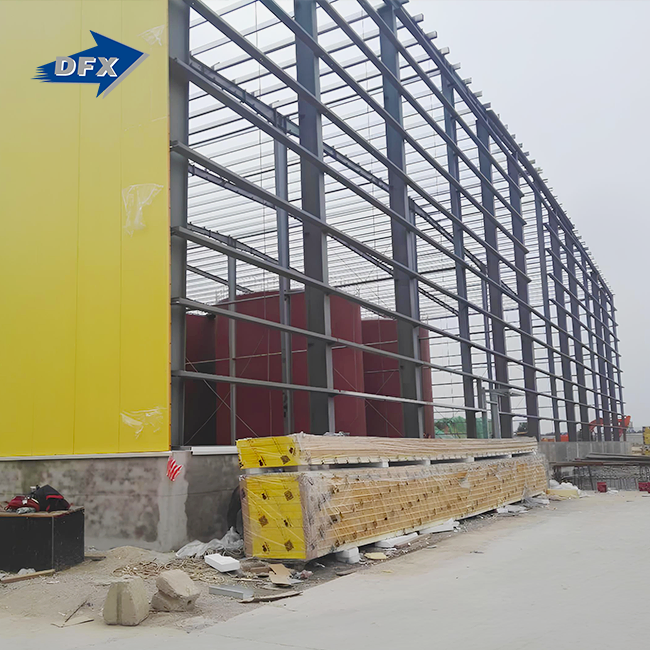
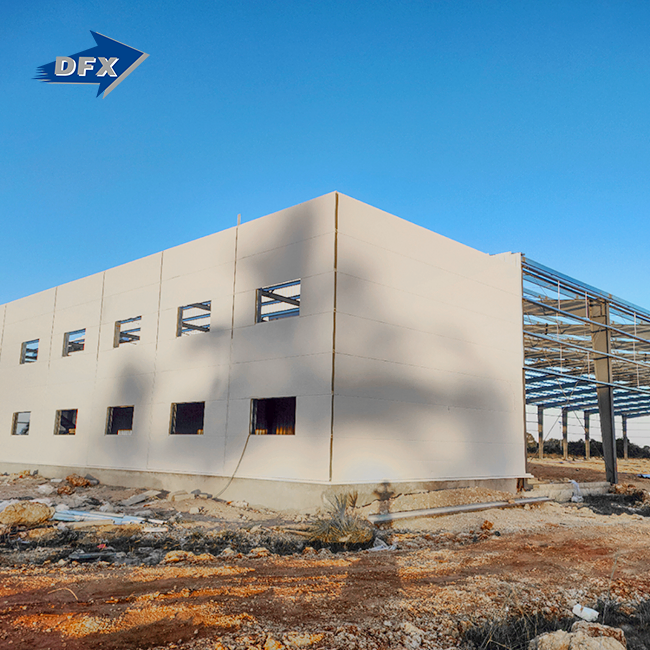
Project-based manufacturing produces modular prefabricated components for quick assembly. Erection supervision by skilled personnel aligns pre-drilled bolt connections, preventing forced fits and residual stress. Cladding, ventilation, and access doors are installed in six to eight weeks in a 1,500-square-metre, 2,000-tonne grain storage steel warehouse. This speed is crucial during harvest seasons when storage space affects profits.
Capacity Planning and Load Calculations
Procurement managers must match warehouse sizes to operations. Due to grain settling and machinery headspace, a 5,000-tonne plant needs 6,250 cubic metres of storage. Wall reinforcements and floor slabs can sustain static grain pressure and dynamic pressures from conveyor systems and mobile equipment, thanks to ISO 11697 load-bearing regulations. Oversizing by 15-20% allows for future output growth without structural expansion.
Maintenance Strategies for Longevity
Routine maintenance increases service life beyond 30 years. Biannual examinations assess coating degradation, especially at weld sites and fasteners, where moisture might cause corrosion. Ventilators need quarterly filter cleaning and motor maintenance. Fumigation-grade warehouses undergo yearly pressure-decay airtightness testing to check seal integrity. These measures preserve capital investments and meet food processor and export market grain quality criteria.
Comparing Grain Storage Steel Warehouses with Alternative Storage Solutions
Multiple variables beyond cost must be considered when choosing a storage technique. Lifecycle costs, operational flexibility, and maintenance needs sometimes offer unanticipated benefits.
Steel Warehouses vs. Concrete Silos
Vertical silos save space but hinder large-scale activities. Concrete silos require specialist foundation engineering and cost 30-50% more per tonne than flat grain storage steel warehouses. Steel warehouses are easier to load and clean using machinery, saving manpower. Horizontal storage permits granular visual examination, detecting moisture concerns before severe losses.
Durability and Environmental Performance
Wood facilities require chemical treatments that increase food safety problems, whereas grain storage steel warehouses and galvanised steel buildings withstand environmental deterioration. Energy efficiency comparisons indicate insulated steel panels automatically regulate internal temperatures, reducing cooling needs. This heat control lowers ventilation system electricity costs and preserves grain's nutritional content, which is important for premium markets.
Cost Analysis Over Time
Although steel warehouses have low upfront costs, lifetime analysis shows appealing economics. Over 30 years, an ISO-compliant logistics warehouse application requires just coating touch-ups and seal replacements. Concrete needs crack repairs and moisture barrier renewals. Wood structures need thorough rebuilding every 15-20 years. Grain storage steel warehouse construction regularly outperforms other materials in total cost of ownership, especially for enterprises holding 3,000 tonnes or more.
Procurement Guide: How to Choose, Purchase, and Install Grain Storage Steel Warehouses?
Technical specifications and supplier skills are needed to make purchase decisions. Project managers benefit from evaluation frameworks that match operational goals.
Key Selection Criteria
Durability matters most. Check that vendors utilise Q355B or comparable high-tensile steel and offer zinc coating mass certifications. Current storage volumes and expected expansion must meet structural capacity. Insulated panels, natural ventilation, and energy efficiency minimise running expenses and maintain grain quality. ISO9001 certification, successful project portfolios, and thorough fabrication fault and coating performance warranties indicate supplier trustworthiness.
Understanding Pricing and Financing
Modular prefabricated steel storage structures cost differently depending on capacity, customisation, and site-specific engineering. Basic 1,000-tonnene buildings cost $80,000 to $120,000, whereas 5,000-tonnene complexes with modern temperature control cost $450,000. Multi-building projects and agricultural cooperatives can consolidate orders for bulk discounts. Supplier finance that matches harvest cycles reduces construction cash flow limitations.
Evaluating Supplier Services
Leading manufacturers provide extensive services. Find integrated engineering calculation, fabrication, logistics coordination, and erection guiding companies. Director Steel Structure, with 12 years of expertise and 40,000 square metres of production space, provides turnkey solutions from idea to completion. Their six automated welded H-beam manufacturing lines and two sandwich panel lines assure quality and on-time delivery, crucial when harvest timetables determine project timeframes.
Installation Support and After-Sales Service
Professional installation reduces long-term issues. Suppliers should supply thorough erection instructions, on-site technical supervision, and local crew training. After-sales support—warranty claims, replacement parts, and operational optimisation—is crucial. Establishing OEM-customisable manufacturer connections enables future expansions to fit easily with existing infrastructure.
Technical Specifications and Innovations in Grain Storage Steel Warehouses
Modern grain storage requires advanced engineering for structural performance and agricultural science.
Material Standards and Structural Engineering
High-tensile steel grades, such as ASTM A572 or similar, are used in primary load-bearing elements of the grain storage steel warehouse. Standard conditions require 0.5 mm galvanised steel with 275g/m² zinc coating for wall panels, whereas coastal areas with salt spray exposure require 450-600 g/m² coatings. Asymmetric loading circumstances during filling and discharge are accounted for in structural calculations, assuring stability in all operating scenarios. Sonic and magnetic particle assessment of weld integrity removes subsurface flaws that might propagate under cyclic stress.
Thermal Management Systems
Preventing rotting requires temperature control. Insulated roof panels with polyurethane cores reduce summer heat input by 25-30%. Strategic ventilation holes provide natural convection currents that exhaust warm, damp air without mechanical help, saving energy. Temperature monitoring wires implanted in grain masses supply data to automatic fan systems that operate only when needed in advanced installations.
Emerging Technologies
Innovation changes grain storage. Because of IoT sensors, smart automation systems monitor grain temperature, humidity, and inventory levels in real time, warning management before quality declines. Smartphone-based remote monitoring technologies let operators oversee various sites from a central location. Sustainable materials like recycled steel and low-VOC coatings meet performance criteria. These technologies enable forward-thinking agricultural companies to achieve stricter food safety and customer quality standards.
Conclusion
A deliberate investment in grain storage infrastructure affects profitability for decades. Grain storage steel warehouses designed for agriculture provide unrivalled durability, operating flexibility, and grain preservation. Understanding design concepts, objectively analysing options, and working with competent manufacturers help procurement managers secure buildings that safeguard harvests, decrease losses, and boost corporate development. Proven structural architecture, current temperature control technology, and extensive supplier support offer storage systems that match today's and future commercial agriculture needs.
FAQ
1. How long does a galvanised steel grain warehouse typically last?
In rural areas, good care and zinc coatings of 275g/m² or greater can extend structural longevity beyond 30-50 years. For equivalent durability, industrial or coastal locations need improved coatings or epoxy paint systems. Regular coating integrity examinations and rapid damage repair ensure full service life realisation.
2. Can these warehouses be expanded later?
Modular design allows easy extension. Connecting new frames to end walls adds bays to existing buildings. The ability to extend storage capacity as output quantities increase protects earlier capital investments without replacing whole grain storage steel warehouses.
3. What maintenance do ventilation systems require?
Ventilators need quarterly maintenance. Clean intake filters for airflow efficiency, oil fan motors per manufacturer specifications, and check automated controls for temperature sensor response. Professional checks annually detect problems before they affect grain quality.
4. Are these structures suitable for organic grain storage?
Correctly designed grain storage steel warehouses fulfil organic certification standards. Hermetic sealing allows controlled organic fumigation, while food-grade inside liners prevent grain-structural member contact. Check that coatings and sealants meet certification body organic criteria.
Partner with Director Steel for Your Grain Storage Steel Warehouse Needs
Since 2011, Director Steel Structure has designed agricultural storage solutions for project managers, procurement directors, and farm owners worldwide. Our Grain Storage Steel Warehouse supplier offers innovative manufacturing—including six automatic H-beam lines producing 20,000 tons annually—and extensive engineering calculation, fabrication, and erection assistance. Our ISO9001 and CE-certified methods provide structural integrity and agricultural performance for 1,000-ton or 10,000-ton multi-building complexes. For customisation, capacity planning for your grain kinds, and thorough quotes, email jason@bigdirector.com now. Harvest protection difficulties become long-lasting storage assets that protect agricultural investments.
References
1. Johnson, M.R. & Williams, P.T. (2021). Structural Engineering Principles for Agricultural Storage Facilities. Agricultural Engineering Press.
2. Thompson, L.K. (2020). "Comparative Analysis of Grain Storage Methods: Economic and Quality Considerations." Journal of Post-Harvest Technology, 48(3), 234-251.
3. International Standards Organization. (2019). ISO 11697: Bases for Design of Structures - Loads Due to Bulk Materials. Geneva: ISO Publications.
4. Anderson, S.J. & Chen, W. (2022). Modern Steel Construction in Agricultural Applications. Industrial Press Inc.
5. Roberts, E.A. (2020). "Corrosion Protection Systems for Steel Agricultural Buildings in Variable Climates." Materials Performance Quarterly, 15(2), 67-82.
6. Mitchell, D.L. & Kumar, R. (2021). Grain Preservation Technology: Engineering Solutions for Commercial Operations. Academic Agricultural Publishers.
Learn about our latest products and discounts through SMS or email