- English
- French
- German
- Portuguese
- Spanish
- Russian
- Japanese
- Korean
- Arabic
- Greek
- German
- Turkish
- Italian
- Danish
- Romanian
- Indonesian
- Czech
- Afrikaans
- Swedish
- Polish
- Basque
- Catalan
- Esperanto
- Hindi
- Lao
- Albanian
- Amharic
- Armenian
- Azerbaijani
- Belarusian
- Bengali
- Bosnian
- Bulgarian
- Cebuano
- Chichewa
- Corsican
- Croatian
- Dutch
- Estonian
- Filipino
- Finnish
- Frisian
- Galician
- Georgian
- Gujarati
- Haitian
- Hausa
- Hawaiian
- Hebrew
- Hmong
- Hungarian
- Icelandic
- Igbo
- Javanese
- Kannada
- Kazakh
- Khmer
- Kurdish
- Kyrgyz
- Latin
- Latvian
- Lithuanian
- Luxembou..
- Macedonian
- Malagasy
- Malay
- Malayalam
- Maltese
- Maori
- Marathi
- Mongolian
- Burmese
- Nepali
- Norwegian
- Pashto
- Persian
- Punjabi
- Serbian
- Sesotho
- Sinhala
- Slovak
- Slovenian
- Somali
- Samoan
- Scots Gaelic
- Shona
- Sindhi
- Sundanese
- Swahili
- Tajik
- Tamil
- Telugu
- Thai
- Ukrainian
- Urdu
- Uzbek
- Vietnamese
- Welsh
- Xhosa
- Yiddish
- Yoruba
- Zulu
What Is a Military Aircraft Steel Hangar and Why Does It Matter?
A military aircraft steel hangar is a special kind of structural steel building that is made to house, protect, and help with the repair of military aircraft, like fighter jets, passenger planes, and unmanned aerial vehicles. Unlike most business buildings, these hangars meet strict military standards like the Unified Facilities Criteria (UFC 4-211-01), and they have huge clear-span interiors that are more than 60 to 100 metres long so that planes can fly without any problems. These hangars, which are made of high-tensile structural steel and advanced coatings that resist corrosion, solve important operational problems. They keep expensive military equipment safe from bad weather, provide safe places for maintenance, and allow for quick deployment for forward operating bases where fleet readiness is key to mission success.

Understanding Military Aircraft Steel Hangars
Core Purpose and Operational Design
A military aircraft steel hangar serves as the most important part of an airbase's infrastructure because it meets needs that go beyond normal building standards. The buildings have to be able to hold a wide range of military fleets, from small fighter planes to huge C-17 and C-130 transport planes. This requires careful planning of space and design that can support heavy loads. We've seen procurement teams have a hard time matching the need for protection with the need to meet building deadlines. This is especially true when projects need to be permanent and flexible at the same time.
Technical Features and Material Specifications
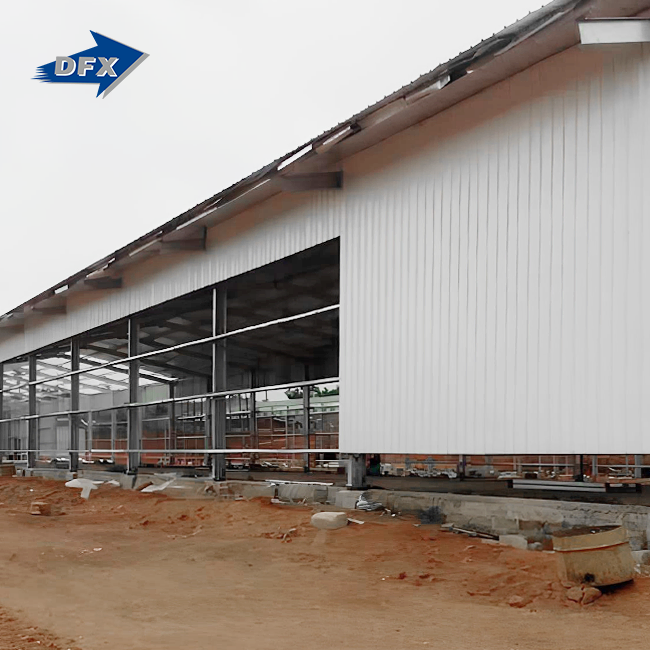
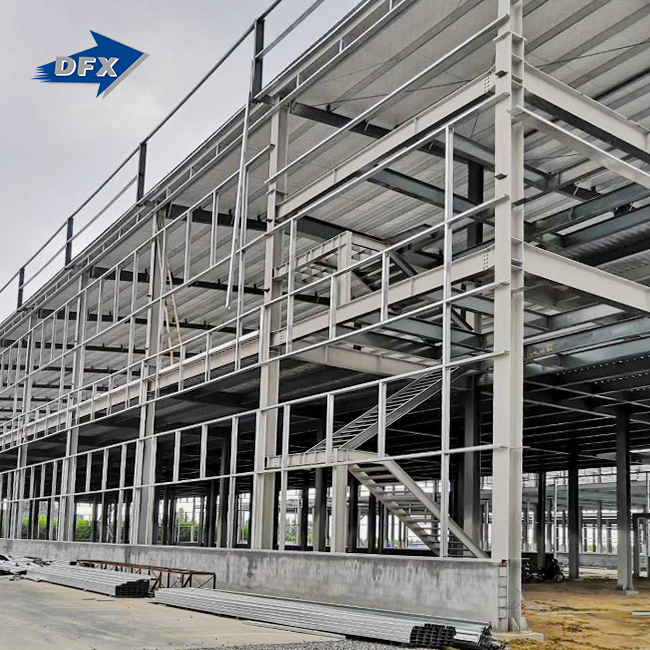
The base of these hangars is made of high-tensile structural steel, which is usually ASTM A572 Grade 50 or EN S355JR to get the best strength-to-weight ratios. The main frame of these long-span steel buildings with high headroom is made of welded H-section steel that is made in China in line with ISO9001 and CE standards. Engineers use strengthened bracing systems that can survive earthquakes in Zone 4 and wind speeds of more than 180 km/h, which are common near key coastal sites.
Military-grade structures are different from civilian ones because they use advanced sealing systems. When you use an epoxy zinc-rich base, polyurethane topcoats, and hot-dip galvanising of at least 600 g/m², you can protect against rust from jet fuel, hydraulic fluids, and salt spray. This multiple-layer security means that it will last for decades, even in harsh marine settings where regular steel would break down quickly.
Structural Design Criteria for Aircraft Accommodation
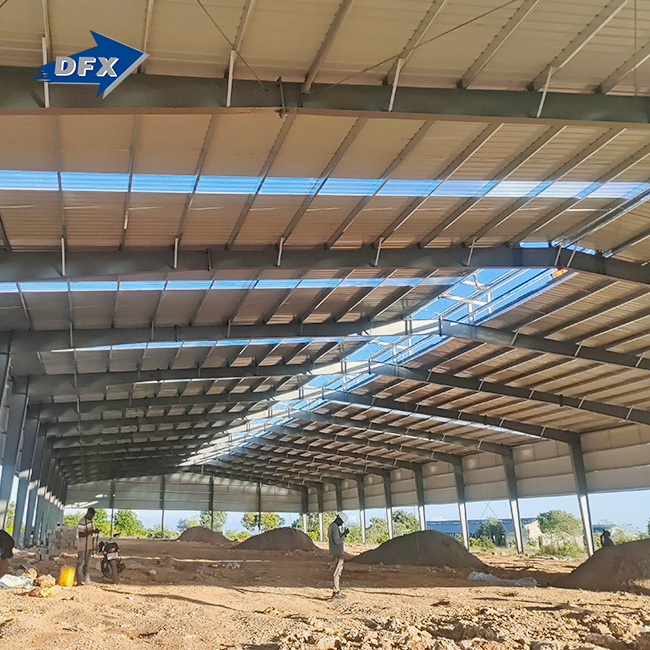
With complex portal frame or truss designs, the clear-span technology gets rid of internal columns in widths from 30 to over 100 metres. This design doesn't have any columns, which makes it easier to move big planes during repair work. It also lets high cranes with capacities of 10 to 25 tonnes do the work of taking out and installing engines.
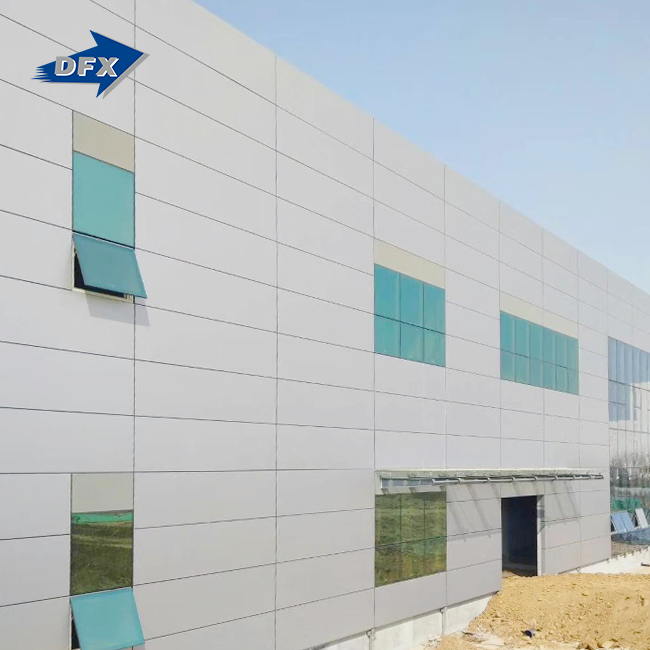
The thermal and auditory performance is carefully thought out by combining sandwich panels with cores made of rock wool or polyurethane that have R-values above 20. This protection keeps the temperature and humidity inside stable, which is important for maintaining sensitive electronics. It also lowers the noise from the engines, which would otherwise interfere with base operations. As part of the customised construction process, structural estimates are made that are specific to the size and function of the aeroplane.
Why Are Steel Hangars Essential for Military Aircraft?
Unmatched Durability Compared to Alternative Materials
When long-term success measures are compared, the superiority of military aircraft steel hangars becomes clear. Even though metal is lighter, it doesn't have the structural rigidity to hold big loads on a crane or protect it from damage from ground equipment. While concrete buildings are very good at resisting blasts, they take a lot longer to build and can't be changed easily in the future, which is often needed for military activities.
Based on our work with EPC contractors on building projects, steel hangars stay strong even in very cold or very hot temperatures, from over 50°C in the desert to below -40°C in the Arctic, without cracking like concrete options do. The material's consistent behaviour across temperature ranges makes engineering estimates easier and lowers the risk of upkeep mistakes over many years of use.
Built-in Safety Features Meeting Military Standards
Aviation hangars that meet NFPA 409 guidelines must have integrated fire suppression systems with high-expansion foam makers, deluge pipes, and water monitors. The steel framework can hold the estimated dead loads for these life-safety systems without affecting the performance of the structure. Blast-relief panels can be built into the outer design so that pressure waves from accidental blasts can escape while the main structure stays standing. This is an important thing to think about for places that store weapons or fuel operations.
Operational Benefits and Strategic Value
Because they can be set up quickly, prefabricated steel buildings are very useful for forward operating bases, where the speed of construction affects the mission's ability. Bolted connections make it easy for military building units to put together quickly. Some modular designs can create a weathertight enclosure in weeks instead of the months needed for options made of poured-in-place concrete.
Maintenance that is done well leads to lower operating costs over the life of the building. Fabric shelters need to be replaced often, and wooden structures can rot and be damaged by insects. But steel hangars that are well taken care of can last more than 50 years in acidic seaside environments when the coating systems are inspected and touched up on a regular basis. Real-life examples at military air stations show that these structures last a long time. Structures from the 1970s are still protecting aeroplanes after regular maintenance programmes.
Comparing Steel Hangars with Alternative Hangar Solutions
Cost-Effectiveness and Lifecycle Analysis
When project managers are looking at different building choices for a military aircraft steel hangar, they should look at the total cost of ownership instead of just the initial construction costs. While prefabricated steel structures require a modest initial investment, they save money in the long run by reducing the need for on-site workers and speeding up the installation process. When an 80-metre span hangar is built off-site, its parts are already precisely cut and drilled when they get to the building site. This eliminates the need for field welding and the quality control problems that come with it.
When properly protected against rust, maintenance needs tend to favour steel. The cost of an annual checkup, which includes visually checking the quality of the coating and the tightness of the connections, stays low. Concrete hangars need to have spall repaired and waterproofing renewed on a regular basis, while aluminium buildings need to have their fasteners replaced on a regular basis because of problems with galvanic rusting in connections made of mixed metals.
Prefabricated Versus Site-Built Construction Methods
The fabrication method has a big effect on project delays and results. It is hard to get the same level of accuracy and quality in the welds when making structural parts in the field. This is why the 40,000-square-metre production centres with automated welded H-beam lines are so important. Non-destructive testing, such as ultrasonic examination and magnetic particle inspection, can find weld flaws before parts leave the plant. This keeps expensive repairs from having to be done during installation.
Contractors who are working on multiple jobs at the same time, like how predictable pre-made shipping plans are for a military aircraft steel hangar from a China modular steel aircraft hangar factory. Traditional building delays caused by bad weather don't matter as much when 70% of the work is done indoors, and only the base work and final assembly are affected by the seasons. This dependability is especially helpful for defence projects with set dates for receiving funds, since delays in the plan can cause problems with the budget.
When you're in a rural area, logistics are very important. Shipping prefabricated parts is easy with standard shipping crates or flat-rack transport. But for cast-in-place concrete, you have to set up on-site batch plants in areas that aren't well developed, where the quality of the aggregate is unknown. Steel erection has a smaller effect on the environment and reduces the need for security perimeters during the build-out stages.

Procurement and Installation of Military Aircraft Steel Hangars
Selecting Qualified Manufacturers and Suppliers
Defence buying teams need a military aircraft steel hangar provider to show that they can do more than just build business buildings. Certification under the ISO 9001 quality management system gives basic peace of mind, while the CE marking proves that the product meets European standards that are being used more and more in international defence specifications. Extra certificates, such as COC (Certificate of Conformity) and PVOC (Pre-Export Verification of Conformity), make it easier for foreign shipments to project sites to get through customs.
Indicators of manufacturing potential help you figure out how reliable a provider is. Multiple automatic welding H-beam production lines, C/Z section steel lines, and sandwich panel lines at facilities show that they are well-established and can handle large defence project numbers. 20,000 tonnes of welded H-beams and columns are an example of an annual production capacity standard that can be used to figure out if a maker can meet project requirements without rushing deliveries.
Customisation Options for Unique Military Requirements
As defence needs change, modular construction can adapt to meet those needs. Adding bays to a portal frame design allows for lengthwise growth with little impact on current operations. This is useful when fleet numbers grow bigger than expected. End walls that aren't meant to hold weight make it easier to add on in the future without having to pay for expensive structural support.
Specialised features make operations more efficient. Integrating hermetic sealing and dehumidification protects airframes in coastal areas with a lot of salt, which helps prevent corrosion problems that affect marine police aircraft. Base security requirements are met by security improvements like stronger entry points, mounting holes for video systems, and the ability to connect perimeter lighting without the need for aftermarket changes.
The service includes structural calculations, custom design, manufacturing, and installation instructions. This all-in-one solution is chosen by procurement managers who want to be responsible for only one source. In-house building design and detailed services help customers with all stages of a project, from coming up with ideas to putting the finishing touches on it.
Cost Components and Budgeting Considerations
Clear summaries of costs allow for correct pleas for funds. Buying materials like steel, fasteners, roofing panels, and insulation, as well as manufacturing work, surface treatment and coating application, transportation to the job site, and installation services, are some of the main types of costs. Optional features like lighting packages, HVAC equipment, overhead crane systems, and fire protection integration show up as different line items, which gives you more budget freedom.
Installation times depend on the size of the hangar and the conditions of the spot. From breaking ground to handing over the structure for operation, a 60-metre span structure usually takes 8 to 12 weeks, given that the base work goes smoothly and there are no problems below the ground. Contractors like that steel construction schedules are more reliable than concrete-curing schedules, which depend on the weather and make project finish times less certain.
After-sales service commitments differentiate quality sellers from transactional vendors. Support that covers everything includes structural engineering advice during design changes, access to replacement parts, and expert help for upkeep staff, such as for a military aircraft steel hangar from a Chinese modular steel aircraft hangar factory. This ongoing relationship makes sure that structures can change to meet new operating needs over the course of their many decades of use.
Conclusion
In conclusion, military aircraft steel hangars are mission-critical infrastructure projects that need to be carefully planned out and sourced. When you combine high-strength materials, precise engineering, and full protective coats, you get buildings that can survive harsh operating conditions and keep working reliably for decades. Understanding the technical differences between commercial and defence-grade buildings is helpful for procurement teams, as they know that spending money up front on good manufacturing and installation will save them a lot of money in the long run. The strategic value goes beyond protecting assets and includes operational readiness, the ability to quickly send forces, and the ability to adapt to changing defence needs. These are all things that have a direct effect on mission success in a global security environment that is changing all the time.
FAQ
1. What lifespan can be expected from a properly maintained military steel hangar?
With the right rust protection methods, like hot-dip galvanising and multi-layer epoxy coatings, solid steel hangars usually last longer than 50 years, even in harsh coastal settings. Systematic care programmes that include regular inspections and targeted recoating keep structures strong well past their original design life. For example, some installations from the 1970s are still in use today. The most important factor is the coating upkeep discipline, not the base steel decline.
2. How extensively can military hangars be customised for specific aircraft?
You can change almost every part of the design, such as the span width, eave height, door setups, crane capacity, and environmental control systems. Modular design principles let you add more bays in the future without stopping current activities. Special needs like blast-resistant features, better security, or environmental separation for sensitive repair operations can be built in during the initial design stages at a relatively low extra cost compared to retrofit methods.
3. What lead times should procurement teams anticipate?
From order approval to site delivery, most projects take between 16 and 24 weeks. This includes validating the engineering plan, getting materials, building, inspecting for quality, and shipping internationally. Installation can take an extra 8 to 12 weeks, based on how complicated the hangar is and how the site needs to be prepared. Standardised designs can be made faster if you pay more for them, but highly customised specs may make the process take longer to ensure proper engineering approval and manufacturing quality control.
Partner with DFX for Your Military Aircraft Steel Hangar Project
Director Steel Structure Co., Ltd. designs and builds military aircraft steel hangars that meet the high standards that government agencies and defence companies expect. Our 40,000-square-meter factory in Qingdao has been open since 2011 and makes precision-fabricated structure parts. The factory is ISO 9001 certified and has a CE mark to show that it meets international standards. Six automatic welded H-beam production lines make the strong frames needed for clear-span designs longer than 100 metres, and our special coating systems protect against corrosion for decades in the harshest conditions.
With over 200 trained fabricators and a dedicated engineering team, we can provide full turnkey services, from figuring out the structure to helping with installation. This gets rid of the planning problems that come with using more than one provider. Our portfolio includes aircraft hangars, heavy equipment storage facilities, and big industrial shelters built in a variety of global places. This shows that we can adapt to different site conditions and legal frameworks.
Procurement managers looking for a trusted Military Aircraft Steel Hangar provider will appreciate our clear pricing, well-documented quality control processes, and dedication to meeting your project deadlines for delivery. Get in touch with jason@bigdirector.com right away to talk about your unique needs and get a full engineering plan with competitive quotes.
References
1. Department of Defense Unified Facilities Criteria (UFC 4-211-01): Aircraft Maintenance Hangars, Washington D.C., U.S. Government Publishing Office, 2019.
2. American Institute of Steel Construction, "Design Guide 25: Frame Design Using Web-Tapered Members," Chicago, AISC Publications, 2018.
3. National Fire Protection Association, "NFPA 409: Standard on Aircraft Hangars," Quincy, Massachusetts, NFPA Standards Council, 2021.
4. International Organization for Standardization, "ISO 12944: Paints and Varnishes – Corrosion Protection of Steel Structures by Protective Paint Systems," Geneva, ISO Technical Committee, 2017.
5. Steel Construction Institute, "Design of Portal Frame Buildings to Eurocode 3," Ascot, United Kingdom, SCI Technical Publications, 2020.
6. American Society for Testing and Materials, "ASTM A572/A572M: Standard Specification for High-Strength Low-Alloy Columbium-Vanadium Structural Steel," West Conshohocken, Pennsylvania, ASTM International Standards, 2022.
Learn about our latest products and discounts through SMS or email