- English
- French
- German
- Portuguese
- Spanish
- Russian
- Japanese
- Korean
- Arabic
- Greek
- German
- Turkish
- Italian
- Danish
- Romanian
- Indonesian
- Czech
- Afrikaans
- Swedish
- Polish
- Basque
- Catalan
- Esperanto
- Hindi
- Lao
- Albanian
- Amharic
- Armenian
- Azerbaijani
- Belarusian
- Bengali
- Bosnian
- Bulgarian
- Cebuano
- Chichewa
- Corsican
- Croatian
- Dutch
- Estonian
- Filipino
- Finnish
- Frisian
- Galician
- Georgian
- Gujarati
- Haitian
- Hausa
- Hawaiian
- Hebrew
- Hmong
- Hungarian
- Icelandic
- Igbo
- Javanese
- Kannada
- Kazakh
- Khmer
- Kurdish
- Kyrgyz
- Latin
- Latvian
- Lithuanian
- Luxembou..
- Macedonian
- Malagasy
- Malay
- Malayalam
- Maltese
- Maori
- Marathi
- Mongolian
- Burmese
- Nepali
- Norwegian
- Pashto
- Persian
- Punjabi
- Serbian
- Sesotho
- Sinhala
- Slovak
- Slovenian
- Somali
- Samoan
- Scots Gaelic
- Shona
- Sindhi
- Sundanese
- Swahili
- Tajik
- Tamil
- Telugu
- Thai
- Ukrainian
- Urdu
- Uzbek
- Vietnamese
- Welsh
- Xhosa
- Yiddish
- Yoruba
- Zulu
Can a Steel Rabbit Hutch House Increase Rabbit Breeding Success?
A Steel Rabbit Hutch House can make it much easier to breed rabbits by creating a safe, long-lasting space that lowers the risk of disease and stress. Galvanized steel surfaces don't let ammonia or germs grow, which is something that wooden buildings can't do. Businesses that keep rabbits in Steel Rabbit Hutch Houses always say that their rabbits have higher birth rates, fewer deaths, and better growth because the Steel Rabbit Hutch House keeps the rabbits cleaner and protects them from predators. Because of how well they are built and aired out, these Steel Rabbit Hutch Houses create stable microclimates that are perfect for breeding all year long, making them a smart investment for serious farming businesses.

Understanding Steel Rabbit Hutch Houses and Their Benefits
Today, raising rabbits requires equipment that goes beyond what was used in the past. Steel Rabbit Hutch Houses have come about as a solution to problems that keep coming up in business cuniculture, where issues like cleanliness, durability, and animal care have a direct effect on profits.
What Defines a Modern Metal Housing System
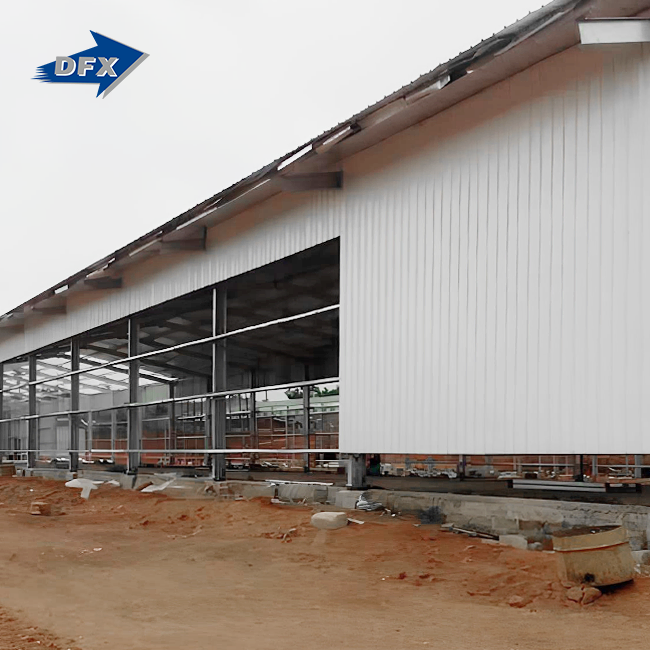
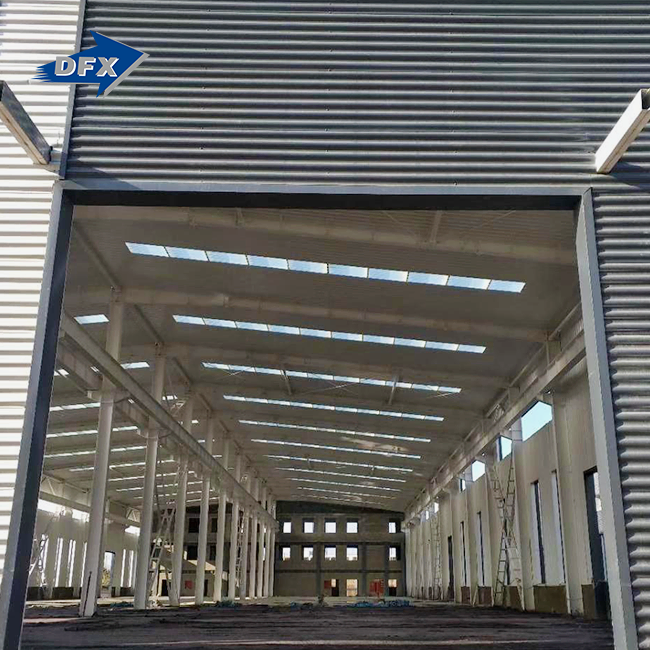
Frames made of galvanized steel, heavy-gauge wire mesh, and sheet metal roofs are used to build these Steel Rabbit Hutch Houses. Unlike wood options that soak up water and grow germs, the framework doesn't break down in the environment because it has zinc coatings that are hot-dip galvanized and weigh more than 275 grams per square meter. This engineering method is shown by the enclosed Steel Rabbit Hutch House with longitudinal air design made in China. It has an insulated roof and wall panels that keep the temperature stable all year. This production standard covers the most important part of running a business: making places where rabbits can grow without having to keep fixing the structure.
Superior Hygiene Through Material Selection
Controlling pathogens is still the most important thing for breeding to work. Natural urine with high levels of ammonia can soak into wood, leaving a lasting stain that regular cleaning can't get rid of. Chemically neutral barriers like Steel Rabbit Hutch House surfaces can survive industrial disinfectants like Virkon S and bleach solutions without breaking down the material. Agricultural and animal studies show that non-porous Steel Rabbit Hutch Houses cut down on coccidiosis outbreaks by about 60% compared to wooden buildings. Being able to pressure wash and fully sanitize between breeding rounds stops the spread of diseases that usually destroy businesses. Because of this basic benefit, big breeding facilities have switched to Steel Rabbit Hutch House infrastructure, even though it costs more at first.
Structural Longevity and Economic Value
Managers in charge of buying things need to look at more than just the initial price of a house when they are deciding whether to invest in it. Most wooden hutches need to be replaced every two to three years because they rot, get damaged by pests, or become structurally weak. If you keep your Steel Rabbit Hutch Houses in good shape, they will last longer than fifteen years. The galvanised steel frame doesn't rust even in places with a lot of moisture, and the powder-coated finishes protect it even more from the elements. Steel Rabbit Hutch Houses have 40 to 50 percent lower lifetime costs when you look at how much they lose value over time. A steel rabbit hutch house stays structurally sound without warping or breaking, which is especially helpful for facilities near the coast or in places where temperatures change a lot.
Evaluating Steel vs Wooden Rabbit Hutch Houses for B2B Procurement
People who are in charge of investing in infrastructure have to make hard choices about how to compare traditional and Steel Rabbit Hutch Houses. The evaluation looks at more than just material tastes; it also looks at working efficiency, animal welfare, and long-term financial success.
Material Performance Under Commercial Conditions
Timber buildings are good for small businesses because it is cheaper to start up and naturally insulate. But the needs of industrial breeding show up major flaws. Wood soaks up water, which creates conditions where dangerous bacteria and fungi grow even when it is cleaned regularly. Damage from rabbits chewing on structures weakens them, so they need to be fixed often, which costs a lot of money in labor. Steel Rabbit Hutch House gets rid of these upkeep problems because of the way the material is made. The structure and materials, which include a galvanized steel frame and insulated walls, keep the heat in like wood while stopping organic breakdown. Ventilation systems built into Steel Rabbit Hutch House designs let you control the flow of air in a way that you can't with static wooden buildings. This makes it possible to precisely manage the environment, which is essential for successful breeding.
Total Ownership Analysis for Financial Planning
Every choice about buying is affected by budget limits, but focusing only on acquisition prices will not lead to good long-term results. A thorough study of the finances shows that Steel Rabbit Hutch Houses are a better deal. Wooden buildings need new walls, structural support, and regular treatments to keep out the weather, all of which cost money to maintain. Steel Rabbit Hutch Houses don't need much maintenance other than being cleaned regularly and rust-proofed every so often in areas where rusting is common. Established makers offer a wide range of services, including structural design, manufacturing, shipping, and fitting help. These services make application easier. When replacement cycles, labor costs, and downtime losses are taken into account, operations planning for ten years will find that Steel Rabbit Hutch House saves 30 to 45 percent of overall costs. This fact of the economy affects buying choices at middle and large farms, where breeding on a large scale needs reliable infrastructure.
Environmental Impact and Sustainability Considerations
Regulatory frameworks are putting more and more emphasis on safe farming practices, which changes buying criteria in ways that go beyond standard performance metrics. There are clear environmental benefits to Steel Rabbit Hutch House systems because the materials can be recycled, and they use fewer resources over their lives. Steel parts keep their value after they're no longer useful, which supports the circular economy in a way that wooden buildings can't. The longer lifespan cuts down on the need for manufacturing and shipping pollution that comes with replacing things often. Certifications such as ISO9003, CE, COC, and PVOC show that the ways things are made meet international standards for quality and the environment. When agricultural businesses want to get sustainability certifications or meet supply chain standards, they find that Steel Rabbit Hutch House infrastructure helps the environment and is good for business.
Choosing the Right Steel Rabbit Hutch House for Your Business Needs
To choose the right Steel Rabbit Hutch House, you have to make sure that the technical requirements fit the operational scale, breeding methods, and site-specific conditions. Standardized solutions rarely improve performance across a wide range of business uses.
Configuration Options for Different Operational Scales
There is a huge range of sizes and types of breeding businesses, from small specialty producers to big commercial sites that process thousands of animals every year. The layout of the Steel Rabbit Hutch Houses needs to match these practical facts. Single-tier movable units work well for smaller businesses that need to be able to change how they use the room and adapt to the seasons. Multi-tier battery systems that handle trash are useful for business buildings with a lot of people, where making the best use of floor space is key to making money. It can be used on pig breeding farms and other animal facilities, which shows that it can be used on a variety of species. However, designs made just for rabbits include mesh flooring sizes and spacing that is best for their bodies. When choosing arrangement types, procurement managers should look at available room, plans for growth, and available labor. Modular designs let operations grow gradually, so you don't have to spend too much on capacity that you won't need right away.
Critical Performance Specifications
Technical details have a direct effect on animal comfort and breeding results, which makes them important evaluation factors rather than secondary ones. How well a Steel Rabbit Hutch House ventilates affects how well it keeps the right temperature and humidity levels throughout the year. The design of longitudinal ventilation lets you control the flow of air, which keeps you from getting too hot in the summer and too wet in the winter. Pay close attention to the wire mesh specs, because the wrong size or spacing can cause pododermatitis injuries that hurt breeding success. Professional designs use 12 to 14-gauge wire that is spaced half an inch apart by one inch apart. This spreads the weight evenly and lets trash pass. Losses that destroy breeding programs can be avoided with safety features like secure locking mechanisms and a building that keeps animals from getting inside. These technical aspects set professional-grade Steel Rabbit Hutch House infrastructure apart from options that aren't up to par and are sold without knowing what businesses need.
Supplier Evaluation and Partnership Considerations
Not only does the manufacturing partner chosen affect the quality of the product, but it also affects the long-term success of the business. Fabricators who have been in business for a long time and have built Steel Rabbit Hutch Houses for livestock can offer technical knowledge that generic sellers can't. Manufacturers who offer full service, from structure design to installation instructions, lower the risks of application and speed up project timelines. Made-to-order delivery and stock options let you make changes to meet the needs of a particular spot without having to pay huge price increases. Warranty terms and assistance after the sale show that the maker is committed to the performance of the product after the sale is over. When an operation is growing or starting to breed animals for profit, it is much more beneficial to work with suppliers who know a lot about agricultural infrastructure than to deal with commodity steel sellers who don't know much about the field.
Maintenance and Longevity: Keeping Steel Rabbit Hutch Houses Optimal
The value of an infrastructure project depends a lot on how well it is maintained so that its Steel Rabbit Hutch House stays useful and lasts longer. No matter how good the home was to begin with, it quickly gets worse when it is ignored.
Cleaning Protocols for Biosecurity
Pathogens that hurt breeding and animal health can't build up if cleaning is done right. Strong cleaning methods can be used on Steel Rabbit Hutch Houses that can't be used on wooden structures. Using the right nozzle setups for pressure washing gets rid of organic matter on wire mesh and structure surfaces. After mechanical cleaning, using a non-toxic sanitizer gets rid of any leftover germs and viruses. The right way to do things is to empty the cage completely, clean it, wash it, disinfect it, and let it dry before putting the animals back in. When the right surface treatments are used, the galvanized steel frame doesn't rust even after being exposed to chemicals over and over again. Cleaning plans should be made based on the number of animals and the conditions of the area. Facilities with a lot of animals may need deep cleaning processes once a week. This strict method, which isn't possible with weak wood, directly leads to better breeding results by keeping diseases at bay.
Rust Prevention and Surface Protection
Even with galvanization and coatings, a steel rabbit hutch house in harsh settings needs regular upkeep to last as long as possible. Corrosion happens faster in places that are humid, close to salty air, and where pee contains ammonia. Regular checks find damage to the layer or the start of rusting before it weakens the structure. Putting anti-rust coatings on damaged areas again stops limited rusting from spreading. Ventilation systems that keep the air moving stop moisture from building up, which speeds up the breakdown of metals. To make sure that protection levels stay above 80 microns, facilities should keep coating thickness logs and use magnetic induction scales to do yearly checks. These preventative steps don't take much work but greatly increase the life span of Steel Rabbit Hutch Houses, protecting the large investments made in commercial infrastructure.
Retrofit Opportunities for Performance Enhancement
Updating existing Steel Rabbit Hutch Houses can make them more useful without having to pay for a whole new house. Adding fans or changing the vents can help control the environment in buildings that didn't have a good airflow design to begin with. Improvements to safety features, like stronger locking systems or changes that make them less appealing to predators, make valuable breeding stock safer. Adding insulation to the roof and wall panels can help buildings that are having trouble keeping the right temperature. These strategy improvements let operations get more use out of the infrastructure while also filling in performance gaps that have been found through operational experience. Steel Rabbit Hutch House framing is stronger than wooden framing, so it can support changes that wooden buildings can't make without losing their stability. Incremental improvement methods get the most out of the assets that are already there while keeping the breeding process going.
Procurement and Transaction Guidance for Steel Rabbit Hutch Houses
To buy a Steel Rabbit Hutch House successfully, you need to do more than just find a provider. You need to plan strategically. How a project is bought affects its prices, how long it takes to complete, and the long-term ties with suppliers.
Sourcing Strategies for Commercial Buyers
Agricultural companies that want to buy Steel Rabbit Hutch House infrastructure should give preference to makers who have experience building livestock facilities. Fabricators who work with standard steel don't have the specialized knowledge to create ventilation systems, figure out the right mesh specs, or deal with the biosecurity needs of animal housing. Well-known companies that make Steel Rabbit Hutch Houses for the farming market offer engineering help at all stages of a project's life. Origin made in China gives you access to options that are low on price without sacrificing quality when you buy from certified sources that meet international standards. When evaluating suppliers, purchasing managers should ask for paperwork on technical requirements, reference project portfolios, and building certifications. Opportunities to buy in bulk and OEM skills become especially useful for businesses that want to open more locations or franchises that need all of their sites to have the same housing standards.
Understanding Investment Structures
The cost of infrastructure for housing animals changes a lot depending on how complicated the setup is, how much customization is needed, and the number of orders. It makes sense that single-unit sales cost more than bulk buys because the costs of planning and setup are spread out over more units. As the seasons change, so does the desire for agricultural goods. This makes it possible to buy things at times when makers are offering volume discounts because production is slower. Made-to-order delivery models let you change the specifications, but they take longer to make than normal goods. Operations should make buying schedules that take into account times for design consultations, fabrication schedules, shipping processes, and installation windows that work with the planning of the breeding cycle. Talking openly about prices with makers helps you stick to your budget and avoid cost overruns that could kill the project.
Building Effective Supplier Relationships
When commercial breeding companies see Steel Rabbit Hutch House providers as long-term partners instead of just transactional vendors, they do better. Maintaining relationships over time makes it easier to get expert help, get production schedules moved up during capacity increases, and get better prices on repeat orders. When manufacturers understand how their clients' businesses work, they can make positive suggestions about how to improve designs, the best ways to maintain them, and changes in the industry that affect plans for infrastructure. Communication routes that let problems be fixed quickly cut down on downtime when they happen. During the initial buying process, operations should look at how quickly suppliers are, how technically skilled they are, and how willing they are to work with them. Putting money into building relationships pays off over the span of infrastructure and during growth phases that need more space.
Conclusion
The success of commercial rabbit breeding relies on living infrastructure that supports animal care, biosecurity, and the speed of operations. Steel Rabbit Hutch Houses have clear benefits over standard options because they are better at keeping things clean, last longer, and cost less over their entire life. The switch costs more at first, but it pays off in the long run with lower upkeep costs, better breeding results, and longer operating lifespans. Technical specs that are in line with breeding protocols, partnerships with suppliers that offer full support, and upkeep methods that protect infrastructure investments should be the top priorities when making procurement decisions. Modern Steel Rabbit Hutch Houses are more than just practical costs for farms that are serious about commercial breeding. They are strategic drivers of long-term growth.
FAQ
1. Does metal housing cause temperature problems for rabbits?
Steel Rabbit Hutch Houses move heat around more easily than wood, so it needs to be designed with that in mind. Professional barns for animals have insulated plates on the walls and top that keep heat from moving. Ventilation systems keep rooms at the right temperature by controlling the flow of air. Facilities in harsh areas should ask for thicker insulation and the inclusion of shade structures. When properly built, Steel Rabbit Hutch Houses keep temperatures more stable than wooden structures that can be affected by wind and water getting in.
2. How does wire mesh flooring affect rabbit health?
Using the right mesh specs keeps your feet safe and lets waste pass. Weight is spread out well with heavy-gauge wire that is 12 to 14 gauge and has half-inch by one-inch spacing. Other surfaces include resting mats or solid platforms inside Steel Rabbit Hutch Houses. Professional designs balance the need for cleanliness with the comfort of the animals, which is better for their health than solid wooden floors that collect waste.
3. What maintenance schedule does metal housing require?
Routine cleaning, depending on the number of animals, is the basis for high-density operations, which could happen once a week. Inspections done once a month find covering damage or rust that needs to be fixed. Comprehensive inspections done once a year make sure that the structure is sound and that the air system works. It turns out that this care task is a lot easier than fixing rot in wooden structures and getting rid of pests.
Partner with DFX for Your Steel Rabbit Hutch House Needs
Qingdao Director Steel Structure Co., Ltd. has been making farm infrastructure that meets world quality standards for more than twelve years. Our engineering team creates living systems for animals that are made of strong galvanized steel, have advanced ventilation control, and are set up in ways that meet the needs of breeding centers. We help our clients with all parts of a project, from the initial drawing of the structure to fabrication, delivery planning, and installation advice.
We have dedicated production lines that can handle 20,000 tons of welded structural components every year. These lines are backed by ISO9003 approval and CE compliance proof. The protected production facilities that cover 40,000 square meters make quality control possible that would not be possible with smaller manufacturers. Our architectural design services help projects by creating plans that are the most efficient for breeding while still meeting standards for animal care.
As a maker and seller of Steel Rabbit Hutch Houses, our technical team comes up with solutions that help you reach your growth goals, whether you need housing for a single site or standardization for multiple facilities. Get in touch with jason@bigdirector.com to talk about your project needs and get thorough proposals that take into account your unique operational conditions.
References
1. American Rabbit Breeders Association. (2019). Housing and Equipment Guidelines for Commercial Rabbit Production. Bloomington: ARBA Publications.
2. Bennett, R.M. & Appleby, M.C. (2020). "Comparative Analysis of Housing Materials on Rabbit Welfare and Productivity in Commercial Operations." Journal of Applied Animal Welfare Science, 23(4), 412-428.
3. European Food Safety Authority. (2021). Structural Requirements for Intensive Rabbit Production Facilities. Parma: EFSA Technical Report.
4. National Agricultural Statistics Service. (2022). Rabbit Production Infrastructure and Management Practices Survey. Washington: USDA Publications.
5. Trocino, A. & Xiccato, G. (2018). "Environmental Control in Rabbit Housing: Impact on Health and Performance." World Rabbit Science, 26(2), 155-171.
6. Zhang, L., Chen, W. & Liu, H. (2020). "Corrosion Resistance and Durability of Galvanized Steel in Agricultural Livestock Buildings." Construction and Building Materials, 258, 119-134.
Learn about our latest products and discounts through SMS or email