- English
- French
- German
- Portuguese
- Spanish
- Russian
- Japanese
- Korean
- Arabic
- Greek
- German
- Turkish
- Italian
- Danish
- Romanian
- Indonesian
- Czech
- Afrikaans
- Swedish
- Polish
- Basque
- Catalan
- Esperanto
- Hindi
- Lao
- Albanian
- Amharic
- Armenian
- Azerbaijani
- Belarusian
- Bengali
- Bosnian
- Bulgarian
- Cebuano
- Chichewa
- Corsican
- Croatian
- Dutch
- Estonian
- Filipino
- Finnish
- Frisian
- Galician
- Georgian
- Gujarati
- Haitian
- Hausa
- Hawaiian
- Hebrew
- Hmong
- Hungarian
- Icelandic
- Igbo
- Javanese
- Kannada
- Kazakh
- Khmer
- Kurdish
- Kyrgyz
- Latin
- Latvian
- Lithuanian
- Luxembou..
- Macedonian
- Malagasy
- Malay
- Malayalam
- Maltese
- Maori
- Marathi
- Mongolian
- Burmese
- Nepali
- Norwegian
- Pashto
- Persian
- Punjabi
- Serbian
- Sesotho
- Sinhala
- Slovak
- Slovenian
- Somali
- Samoan
- Scots Gaelic
- Shona
- Sindhi
- Sundanese
- Swahili
- Tajik
- Tamil
- Telugu
- Thai
- Ukrainian
- Urdu
- Uzbek
- Vietnamese
- Welsh
- Xhosa
- Yiddish
- Yoruba
- Zulu
Inland Fishery Steel Shed: The Future of Sustainable Fish Farming
Inland Fishery Steel Sheds are at the heart of modern fish farming because they are the most environmentally friendly way to build aquaculture structures. For Recirculating Aquaculture Systems (RAS), hatcheries, and broodstock facilities, these special steel buildings keep the temperature and humidity just right. Unlike regular wooden or concrete buildings, steel sheds are better at resisting rust and have better plans that make operations more efficient while also dealing with the biosecurity and humidity control issues that come up in indoor aquaculture.

Understanding Inland Fishery Steel Sheds: Definition, Benefits, and Design
What Makes an Inland Fishery Steel Shed Different
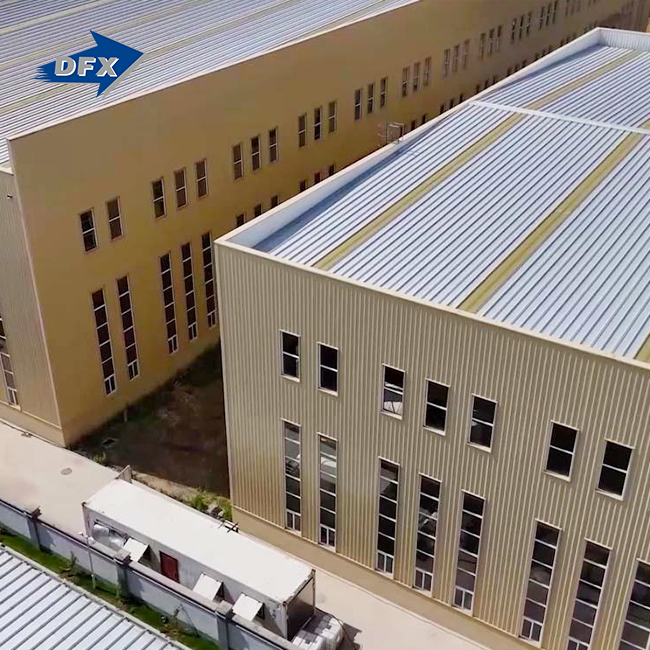
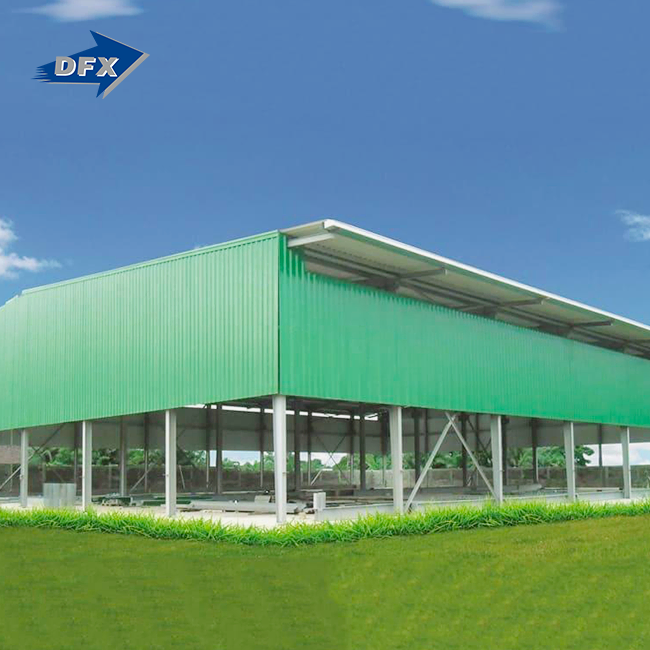
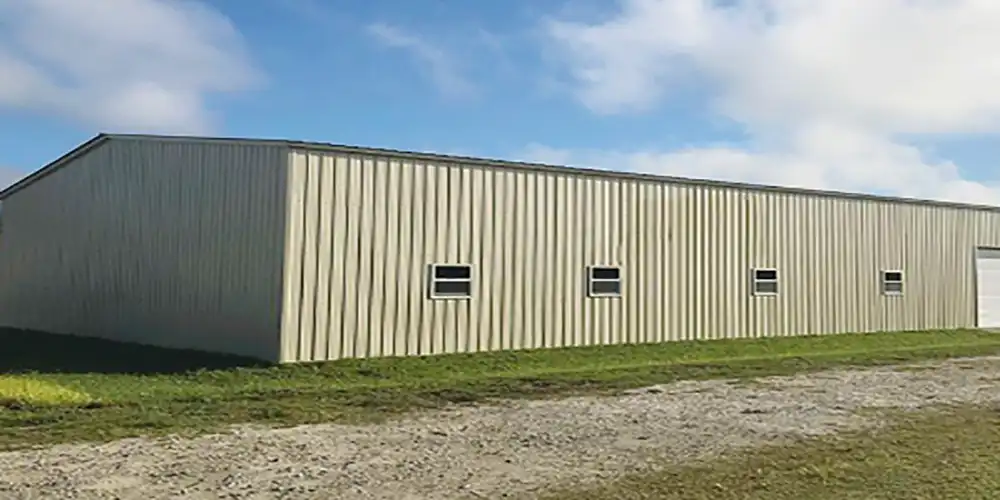
An Inland Fishery Steel Shed is a special kind of pre-engineered building that was made for controlled-environment aquaculture. These buildings are very different from regular farm storage sheds. They are made with heavy-duty steel frames and beams that have been coated with improved corrosion-resistant materials so that they can stand up to the constant high humidity and ammonia levels that are found in fish farms. The plan focuses on having a large clear-span, usually between 12 and 60 meters, so that big circular rearing tanks can be put in place without any problems with the inner columns.
The structural engineering meets the specific needs of farming. Unlike regular stores, these sheds have overhead crane support systems for maintaining equipment, stronger fixing points for hanging feeders and water piping systems, and better roof slopes that keep condensation from building up. The buildings are made in China by well-known producers such as Director Steel, which has over 12 years of experience working on difficult steel frame projects.
Core Benefits That Drive Adoption
When you look at how long aquaculture buildings last and how much upkeep they need, the benefits of steel construction become clear. In damp places, traditional wooden buildings break down quickly and usually need to be replaced every 8 to 10 years. If you properly galvanize or coat steel sheds with epoxy, they will keep their structure for 25 to 30 years, even if they are constantly exposed to water.
Cost-effectiveness goes beyond the original building phase. Because steel is stronger than concrete, it can be put together faster, which saves money on work and cuts down on project timelines. Because a steel frame is flexible, it can be expanded in stages as operations grow. This lets farm managers add capacity without stopping production. Another big benefit is that these structures keep their internal temperatures stable by using insulated sandwich panels with polyurethane or polyisocyanurate cores. This lowers HVAC running costs by up to 30% compared to options that aren't insulated.
Environmental sustainability has become a key issue for buying managers. Steel can be recycled over and over, and current ways of making things make very little trash. Because these sheds provide a controlled environment, they can also support water recycling systems that use up to 90% less freshwater than standard pond aquaculture. This is in line with US environmental laws that are becoming stricter.
Material Specifications and Design Trends
These days, designers focus on using materials that are both effective and affordable. High-tensile steel like Q355B or A572 Grade 50 is often used for primary framing because it can hold a lot of weight. The solutions on the surface must meet the ISO 12944 standards for corrosion environments C3 or C4. Hot-dip galvanization with zinc coats of more than 600g/m² is now the standard, but some operators choose heavy-duty epoxy zinc-rich primer systems for especially harsh conditions.
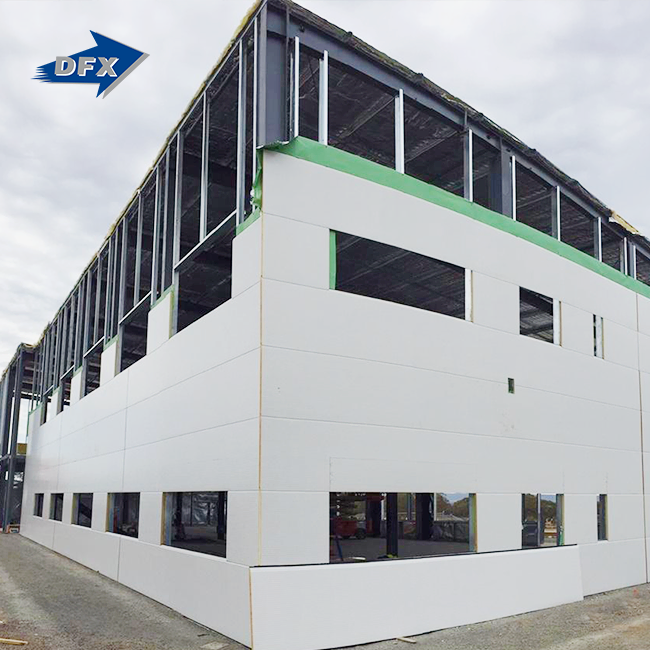
Wall and roof panels have changed a lot over the years. Single-skin metal sheets used to be popular, but sandwich panels, which are better at keeping heat in, have mostly replaced them. Panels that are 50 mm to 100 mm thick have R-values that are high enough to keep water at the right temperature and reduce condensation. The anti-condensation wool backing on the inside metal surfaces soaks up water before it can drip onto the tanks, which keeps the water quality from getting bad.
Integration of natural air systems made especially for aquaculture use is one of the new trends. The placement of ridge vents and corner louvers creates airflow patterns that get rid of humidity without making drafts that could stress out fish. Some more advanced designs have automated weather controls that change the airflow based on humidity monitors that are constantly checking the air.
How to Build and Maintain Inland Fishery Steel Sheds for Maximum ROI
Site Assessment and Preparation Essentials
A thorough site inspection is the first step to a successful installation. Soil bearing capacity testing tells us how deep the foundations need to be, which is very important because aquaculture facilities have to hold a lot of water weight from tanks that are full. Differential settlement, which could affect the alignment of structures and cause practical problems, can't happen if the base is properly designed. So that foundation costs aren't a surprise, procurement managers should make sure that soil research is part of turnkey bids.
Planning for access should be done with great care. Large steel parts need roads that are wide enough and have enough room for delivery cars to turn. Sites should have room for the temporary placement of materials while they are being built. It is also important to check the supply of utilities. For example, RAS facilities need a lot of electricity and stable water sources, so checking the infrastructure of utilities is an important part of choosing a site.
Construction Phase Best Practices
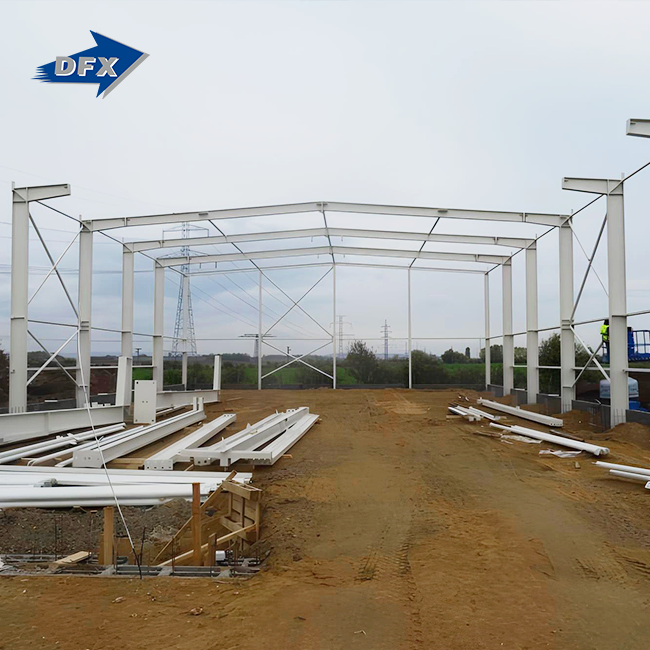
Building an Inland Fishery Steel Shed follows standard procedures, but there are some things that need to be thought about when building an aquaculture shed. Anchor bolt placements must be set with very close accuracy during foundation work, as steel framing's pre-drilled connection points need to be lined up exactly. Once the foundations are dry, column erection goes fast. For moderate-sized facilities, experienced teams can usually finish frame assembly in two to three weeks.
Quality aquaculture systems pay close attention to waterproofing and closing joints. To keep the controlled indoor environment, all holes for pipes and electricity conduits must be properly covered. Installers should follow the manufacturer's instructions when applying sealant to panel joints, since holes can cause thermal bridges and condensation issues. Director Steel gives workers detailed instructions on how to place their products, which helps them avoid common mistakes.
As part of quality control during building, the consistency of the coating is checked. Any welds or changes made in the field that hurt protection coats need to be fixed right away with repair paint that is compatible to stop corrosion from starting. Dimensional checks make sure that the orientation of the structure is within the limits shown on the engineering plans.
Proactive Maintenance Strategies
To make something last longer, it needs to be maintained in a planned way. The state of the coating should be checked once a year, especially in high-splash areas near tanks where mechanical damage is most likely to happen. If small coating problems are found early, they can be fixed for a low cost. But if damage is ignored, it leads to faster rust that costs a lot to fix.
Another important upkeep task is inspecting the fasteners. For fastening purposes, stainless steel screws (304 or 316 grade) are required because they don't rust when exposed to salt spray in marine environments. Even these can become less tight over time due to changes in temperature, so checking the tightness of the panels on a regular basis stops them from moving, which speeds up wear.
Maintaining the drainage system keeps many building problems from happening. Clear out the garbage from the gutters and drains so water doesn't back up and soak the panel joints. After bad weather, the surface of the roof should be checked to make sure there are no holes or loose fasteners that could lead to leaks. These regular checks don't take long and save a lot of money by preventing costly water damage.
Comparing Inland Fishery Steel Sheds with Alternative Fishery Structures
Steel Versus Traditional Materials
Wooden houses used to be the norm for fish farms because they were cheap to build and didn't require much maintenance. But real-world experience has shown that farming settings have a lot of problems. Wood soaks up water, which helps fungi grow and weakens the structure. Pressure treatment makes things last a little longer, but it also adds chemicals that are bad for food output. Wooden buildings usually need to be replaced every 10 to 12 years, but properly installed Inland Fishery Steel Sheds last 25 to 30 years, making steel more cost-effective over any sensible planning period.
While concrete houses last a long time, they come with some problems. Construction times vary a lot. For example, a steel shed can be built in 4 to 6 weeks, while a similar concrete building might take 3 to 4 months. The thermal mass of concrete can help keep temperatures stable, but it needs thicker, more expensive insulation to work as well as steel panels that are enclosed. Because concrete is so stiff, it's also hard to make changes in the future when operating needs change.
Some people like fabric buildings because they are cheaper. Instead of fixed panels, these have steel frames with cloth covers that are pulled tight. Fabric is much cheaper at first, but it doesn't last very long—usually it needs to be replaced every 7 to 10 years. Fabric is also not very good at keeping heat in and doesn't keep rodents out, which creates hygiene problems that can't be allowed in industrial hatcheries.
Insulated Versus Non-Insulated Steel Designs
Whether to use an insulated or non-insulated steel building depends a lot on the environment and the needs of the species. Designs with single-skin metal plates that aren't insulated work well in mild areas where there isn't much difference in temperature between the inside and outside. These are 20–30% cheaper than protected ones of the same kind, and they work fine for species that can handle a wide range of temperatures.
Insulated designs are needed in places where temperatures can change a lot or for species that need precise temperature control. In order to keep water temperatures within certain ranges for salmon smolt production, which is done in several U.S. states, buildings must be well protected. The higher original cost of the panels is quickly covered by the lower energy costs from less heating and cooling. In mild climates, the panels usually pay for themselves within 3–5 years, and even faster in extreme climates.
More and more hybrid methods are being used, in which only some areas get full protection. Broodstock areas that need strict environmental control get insulated panels, while grow-out areas that don't need as much control use standard panels. This keeps the total project cost low while still meeting working requirements.
Procurement Insights: Buying, Customization, and After-Sales for Inland Fishery Steel Sheds
Sourcing and Supplier Selection
When buying Inland Fishery Steel Sheds, procurement managers have to deal with a number of different sources. Working directly with the maker has benefits for bigger jobs that need a lot of customization. Companies like Director Steel, which is certified by ISO9001, CE, COC, and PVOC, offer a full range of services, from engineering design to manufacturing and installation advice. Having direct relationships makes it easier to make changes to the plan and makes sure that everyone can understand each other during the project-critical engineering process.
Distributor networks are useful for projects that are smaller and more uniform. Authorized dealers have ties with many makers and can quickly match the needs of buyers with the right goods. Less creative freedom and possibly longer lead times as orders wait in line with the manufacturer's production plan are the costs.
Online business-to-business (B2B) sites have become popular because they make prices clear and let you compare suppliers. But buyers should carefully check the qualifications of the maker because platform listings aren't all the same. Misrepresentation can be avoided by looking at real certification papers instead of depending on claims that are written down.
Customization Possibilities
Standard designs don't always meet aquaculture needs perfectly, so being able to customize is a very important factor in choosing a seller. Changes to the structure can allow for certain tank layouts, the mounting of special equipment, or the addition of features like partial internal divider walls to allow for more operating freedom.
Common types of customization are climate-specific adaptations. Buildings in hurricane-prone seaside places need better wind load engineering. In places in the snow belt, roof pitches need to be raised, and structures need to be able to handle more snow. Suppliers with their own engineering teams can quickly model these differences and provide signed plans that meet the standards of the local building code.
Even though it's not as important from a functional point of view, customization for looks is important for operations with public schooling parts or facilities that can be seen from public roads. It is possible to have custom panel colors, architectural features, and branding signs integrated without affecting the structure's performance.
Installation and After-Sales Considerations
Professional installation has a big effect on how well the structure works in the long run. While skilled general contractors can put up steel structures, the best results come from expert teams that know how to meet the needs of aquaculture. Director Steel's erection advice services help builders deal with things that are different from normal farm construction, such as installing vapor barriers and controlling humidity.
When you buy something, you should carefully read the warranty terms. Depending on the specs, structural warranties usually last between 10 and 25 years. Panel systems, on the other hand, come with different warranties that cover things like coating performance and thermal efficiency. Knowing exactly what each guarantee covers and how to file a claim keeps disagreements from happening.
Logistics for delivery need to be coordinated, especially when Chinese makers ship goods internationally. Optimizing the number of containers has a big effect on freight costs. Experienced suppliers set up packages to use the fewest containers possible while still protecting parts during travel. Buyers should make sure that the prices they are given include both port delivery and freight to the end spot.
Leading Inland Fishery Steel Shed Manufacturers in 2026
Evaluating Manufacturer Capabilities
It takes a lot of research to choose sources for important structures. A company's production capacity shows how well it can handle the size and schedule of a project. For example, Director Steel's 40,000 square meters of protected production space and 200+ trained workers show that they can handle big projects without having to wait for long lead times. Welded H-beams and poles that can hold more than 20,000 tons per year give customers peace of mind that material supply won't slow down project plans.
Quality risks can be avoided by checking the certification. Getting ISO9001 certification means that established quality control systems are up and running. CE approval proves that a product meets European safety and performance standards. This is becoming more important as U.S. buyers look for quality standards that are known around the world. Third-party inspections through companies like SGS or Bureau Veritas give buyers extra peace of mind when they can't do their own plant checks.
Suppliers who can provide technical help are different from makers who can't. Companies that do building design and finishing work with you as a partner throughout the whole job. When compared to sellers who only offer manufacturing services, those who can do structural calculations, make stamped drawings, and help with building management make things a lot easier for buyers.
What to Look For in Your Supplier Partnership
In addition to being able to make things, suppliers for fishing infrastructure projects need to know how the projects will be used. Manufacturers who have worked on structures for farms and animals know what to do in acidic conditions, but experience with structures for aquaculture is the most valuable. By looking at a supplier's project resume, you can tell if they've dealt with problems that are similar to the ones your business will be facing.
Responding quickly during the quote process is often a good indicator of how well the working relationship will go. When suppliers ask you a lot of questions about your business needs, the conditions of the site, and your deadlines, they are actually doing proper planning and not just giving you a price for a generic product. Complete proposals should have clear scope descriptions, material certifications, and thorough specification sheets so that they can be compared in a useful way.
Conclusion
Inland Fishery Steel Sheds are tried-and-true infrastructure options for long-term seafood businesses that want to find the best mix between performance, sturdiness, and cost-effectiveness. Technical benefits like resistance to corrosion, long-lasting structures, and weather control directly address the practical problems that have generally made indoor fish farming unsuccessful. These specialized structures will become more important as aquaculture grows to meet the world's nutrition needs while also having less of an effect on the environment. When purchasing infrastructure, procurement managers should give more weight to providers that offer full technical support, widely recognized certifications, and proven experience with aquaculture projects to ensure success.
FAQ
1. What factors most significantly affect inland fishery steel shed costs?
Price changes are caused by three main factors. About 40 to 50 percent of the price difference between basic and expensive setups is due to structural factors like steel grade, coating type, and panel insulation level. Building size and complexity follow. Clear spans that are longer need heavier structural members, and plans with lots of compartments require more work to be done on the manufacturing side. The final cost variables are geographical factors, such as local building code requirements, how easy it is to get to the spot, and how far it is from manufacturing facilities. Depending on these things, the average job costs between $48 and $55 per square foot.
2. Can these structures accommodate brackish or saltwater aquaculture species?
If the right changes are made to the specs, steel sheds can be used for farming marine species. For saltwater uses, better corrosion protection is needed, like 316-grade stainless steel bolts instead of galvanized gear, and paint that meets ISO 12944 C5-M (marine environment codes) standards. When choosing panels, you should give priority to materials that are very resistant to water. Marine-grade buildings that are properly specified work consistently in these tough conditions, but the cost of materials usually goes up by 15 to 20 percent compared to freshwater specs.
3. How quickly can an inland fishery steel shed be installed?
Installation times depend a lot on the size of the building and how the spot needs to be prepared. For a normal 5,000–8,000-square-foot building, putting up the structural frame takes two to three weeks with an experienced crew once the supports are done. Finishing work and installing the panels will take an extra two to four weeks. From site mobilization to operational readiness, the whole project usually takes 8–12 weeks. This is a lot shorter than concrete building options, which take 16–20 weeks for similar facilities.
Partner with DFX for Your Aquaculture Infrastructure Needs
To build the right infrastructure for successful fish farming, you need more than just regular building skills. You need specialized engineering, tried-and-true materials, and a partner who knows how to deal with the unique challenges of aquaculture. We've spent more than 12 years at DFX (Qingdao Director Steel Structure Co., Ltd.) perfecting steel structure solutions for tough conditions. We bring this knowledge to every Inland Fishery Steel Shed job. Our ISO-certified manufacturing methods, CE-compliant products, and full range of services, from planning to installation advice, make sure that your building works well for many years. We encourage sourcing managers, farm owners, and EPC contractors to talk to our engineering team about your unique needs. Our team can help you with building a new RAS facility, increasing the capacity of a hatchery, or replacing old infrastructure. We offer open and honest expert advice, thorough plans, and quick project support. Get a personalized price today from a reliable Inland Fishery Steel Shed maker that cares about the success of your project by emailing jason@bigdirector.com.
References
1. Timmons, M.B., & Ebeling, J.M. (2020). Recirculating Aquaculture Systems Engineering: Design and Management. Ithaca Publishing Company.
2. FAO Fisheries and Aquaculture Technical Paper. (2019). Building Design and Construction for Aquaculture Facilities. Food and Agriculture Organization of the United Nations.
3. American Institute of Steel Construction. (2021). Steel Construction Manual: Specifications for Structural Steel Buildings. 15th Edition.
4. Lawson, T.B. (2018). Fundamentals of Aquacultural Engineering Infrastructure. Springer International Publishing.
5. National Fisheries Institute. (2023). Best Practices for Indoor Aquaculture Facility Design and Operation. Technical Report Series.
6. Colt, J., & Orellana, J. (2020). Environmental Control in Recirculating Aquaculture Systems: Building Performance and Fish Health. Aquacultural Engineering Journal, Volume 91.
Learn about our latest products and discounts through SMS or email