- English
- French
- German
- Portuguese
- Spanish
- Russian
- Japanese
- Korean
- Arabic
- Greek
- German
- Turkish
- Italian
- Danish
- Romanian
- Indonesian
- Czech
- Afrikaans
- Swedish
- Polish
- Basque
- Catalan
- Esperanto
- Hindi
- Lao
- Albanian
- Amharic
- Armenian
- Azerbaijani
- Belarusian
- Bengali
- Bosnian
- Bulgarian
- Cebuano
- Chichewa
- Corsican
- Croatian
- Dutch
- Estonian
- Filipino
- Finnish
- Frisian
- Galician
- Georgian
- Gujarati
- Haitian
- Hausa
- Hawaiian
- Hebrew
- Hmong
- Hungarian
- Icelandic
- Igbo
- Javanese
- Kannada
- Kazakh
- Khmer
- Kurdish
- Kyrgyz
- Latin
- Latvian
- Lithuanian
- Luxembou..
- Macedonian
- Malagasy
- Malay
- Malayalam
- Maltese
- Maori
- Marathi
- Mongolian
- Burmese
- Nepali
- Norwegian
- Pashto
- Persian
- Punjabi
- Serbian
- Sesotho
- Sinhala
- Slovak
- Slovenian
- Somali
- Samoan
- Scots Gaelic
- Shona
- Sindhi
- Sundanese
- Swahili
- Tajik
- Tamil
- Telugu
- Thai
- Ukrainian
- Urdu
- Uzbek
- Vietnamese
- Welsh
- Xhosa
- Yiddish
- Yoruba
- Zulu
Private Jet Steel Hangar: Best Protection for Your Aircraft
By buying a Private Jet Steel Hangar, you protect your valuable aircraft against bad weather, natural dangers, and periods of rest. These special buildings are more than just shelter; they offer engineered safety that is especially designed to meet the needs of business flight. Modern steel hangars are made of high-tensile steel framing that allows for clear-span construction. They can hold a range of aircraft types, from light jets to large-cabin business aircraft, and they protect your investment for decades by keeping the temperature inside and the fire out.

Understanding Private Jet Steel Hangars: Core Benefits and Features
What Defines a Private Jet Steel Hangar?
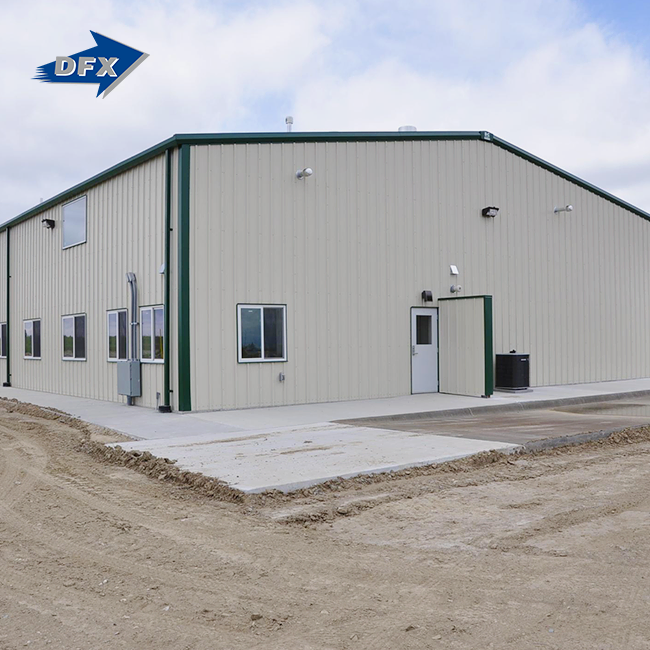
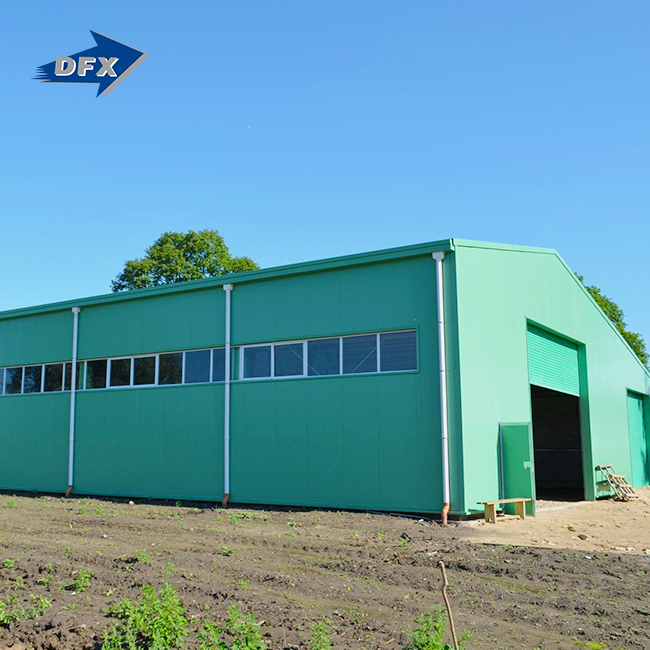
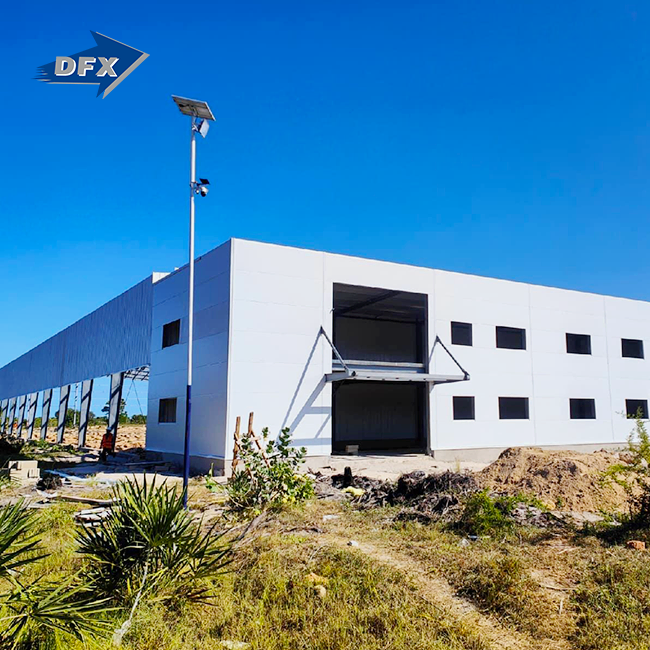
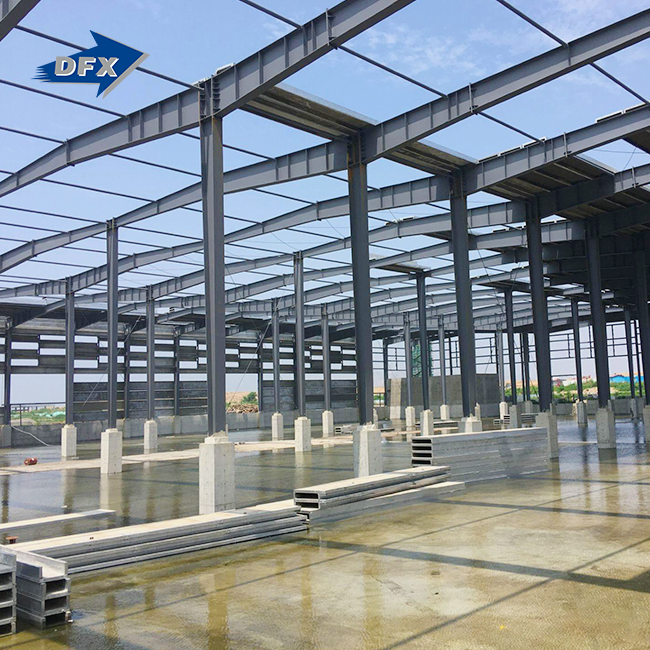
There is a pre-engineered building system called a Private Jet Steel Hangar that is intended to house and protect flying assets. In contrast to regular warehouses, these buildings use rigid portal frame systems to make huge clear spans—often more than 200 feet—without any internal beams that would get in the way of planes. The design meets important flight needs, including enough height space for vertical stabilizers, integration points for heavy-duty hydraulic or bi-fold door systems, and construction that keeps moisture and other contaminants away from sensitive electronics.
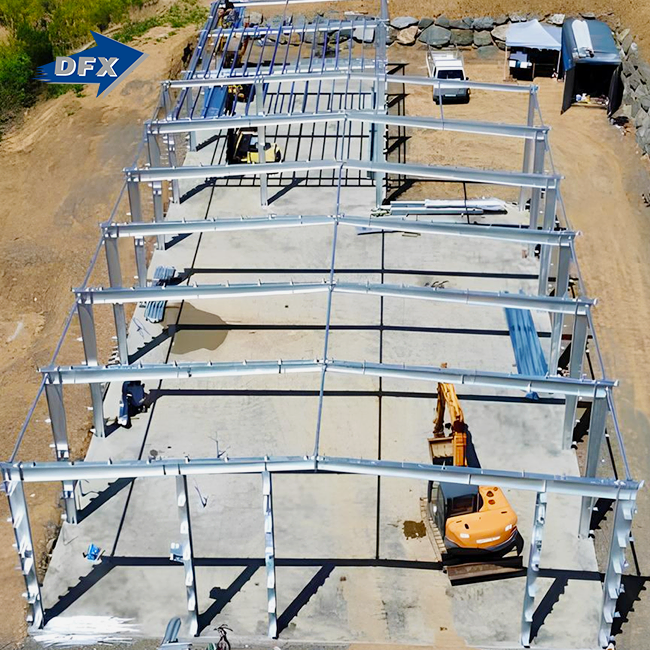
When we make things at Director Steel, we use welded H-section steel as the main frame material. This is then strengthened with a full bracing system that evenly spreads wind and snow loads. This way of building lets you make changes that fit a wide range of jet sizes, from small turboprops to Gulfstream G650s with wingspan clearances of more than 100 feet.
Structural Advantages That Protect Your Investment
When compared to other materials, steel hangars have the strongest structures in China's modular steel aircraft hangar brands. Most of the time, high-tensile steel that meets Q345B or ASTM A572 Grade 50 standards is used for the main frame. This steel can withstand wind speeds of up to 180 mph and heavy snowfall. This strength is very important in places where bad weather happens often, and airplane safety cannot be compromised.
Key structural features include:
- Clear span widths from 60 to 300 feet: These column-free rooms make the most of useful floor space for moving planes, putting repair equipment in the right place, and storing multiple planes. Not having any inside obstacles makes handling on the ground easier and lowers the chance of damaging the plane by mistake while it's moving.
- Fire-resistant construction: Steel hangars built to NFPA 409 standards can handle the weight of flood fire control systems and still stay stable during fires. Steel framing is naturally fire-resistant because it doesn't catch fire as cloth or wood buildings do.
- Corrosion protection for longevity: All steel parts are shot-blasted to SA 2.5 grade and then hot-dip galvanized or painted with epoxy zinc-rich paint, which forms a shield against rust and degradation. This treatment, on the surface, makes the pattern last up to 50 years, even in harsh seaside areas where salt spray is common.
All of these benefits work together to make a place where your plane is safe from damage, environmental degradation, and problems with its operations. Because steel is so stable, the value of the assets will be preserved, and insurance costs will go down over the hangar's lifetime.
Sustainability and Environmental Benefits
Modern steel hangars take environmental concerns into account, which are becoming more and more important to business flight activities. Because it can be recycled, steel is the most recycled building material in the world—over 90% of structural steel can be returned without losing any of its quality. This rotating material economy makes building a hangar less harmful to the earth than other options that need to get new materials, making China's modular steel aircraft hangar brands a sustainable choice.
Insulation systems built into steel hangars have R-values higher than R-30, which create thermal barriers that use less HVAC energy. This climate control feature keeps flight systems safe from high temperatures and lowers the costs of running the business. Sound insulation plates improve the building's environmental performance even more by keeping upkeep noise within acceptable limits for the neighborhood.
How to Choose the Right Private Jet Steel Hangar for Your Needs
Assessing Functional Requirements
Figuring out the right Private Jet Steel Hangar layout starts with figuring out what the practical needs are beyond just storing planes. Will the building only protect you from the weather, or does your business need to be able to do repairs with high cranes? For engine removal processes, MRO hangars need roof rafters that are stronger and can hold bridge cranes that can lift 5 to 10 tons.
Minimum size standards are set by measuring the wingspan and tail height of your present and planned future aircraft. Adding an extra 10 to 15 percent of space above these measurements gives you room to move safely and allows for possible fleet upgrades without having to expand the facility.
The choice of door design has a big effect on both usefulness and cost. Hydraulic single-swing doors are fast and keep out the weather, but the door header needs a lot of structural support. Bi-fold systems have large openings that can be used for more than one airplane entry point. The loads are spread out across a truss header assembly. Figuring out these trade-offs helps balance how well the business works with how much it costs to build.
Material Quality and Certification Standards
A quality guarantee that can be checked at every stage of production builds trust in the procurement process. All steel plate and H-section products should come with Mill Test Certificates that show their chemical makeup and yield strength. According to AWS D1.1 welding standards, critical welds on main columns and beams need Non-Destructive Testing, like Ultrasonic or Radiographic Testing, to find flaws inside.
Director Steel keeps its ISO 9002 certification and makes buildings that are CE-certified, which shows that it follows international quality management systems and European safety standards. Our hangars also meet the licensing needs of clients in controlled markets for COC and PVOC. This paperwork is the quality assurance base that is needed for insurance pricing and governmental approval.
Cost Considerations and Budget Planning
The price of steel hangars depends on a number of factors that are all linked. The basic cost is based on how much the structure needs to weigh to withstand wind and snow loads in the area. For example, wider clear spans need heavy steel shafts and deeper beam sections. Another big cost factor is the complexity of the door system. For example, hydraulic mechanisms cost a lot more than simple opening systems.
Foundation needs and construction prices are affected by things that are unique to the site. Because of the heavy loads at the base of columns, it is usually necessary to use engineered reinforced concrete supports with spread footings linked by grade beams instead of just building on the ground. The cost and design of foundations are also affected by the type of soil and earthquake design categories.
Customization raises costs but raises value. Premium prices are charged for insulated wall panels, special air for painting operations, and flooring that is strong enough to handle hydraulic fluid exposure. The cost-to-benefit ratio can be improved by balancing these improvements with the needs of operations. Many of the building builders and EPC companies we work with like turnkey solutions because they combine structural design, manufacturing, and installation advice into one package. This makes project management easier and speeds up delivery times, which is why many choose China's modular steel aircraft hangar brands.

Design and Maintenance Best Practices for Maximum Protection
Optimizing Hangar Design for Operational Efficiency
Well-thought-out Private Jet Steel Hangar design choices made during the planning stage pay off over the life of the building. A lot of thought should go into the building of door headers because they have to carry the door's dead load and fight uplift wind forces when the doors are open. Not enough space here causes operations to fail and expensive fixes to be made.
The design of the ventilation system affects both the safety of workers and the longevity of the airplane. For painting or coating to happen in a hangar, it needs special air systems that control the amount of toxic organic compounds present. Controlled air exchange keeps condensation from building up on the sides of aircraft, even in facilities that only store things.
Automated door systems make things easier and last longer than human ones. Electric motors with variable frequency drives allow for smooth movement and braking, which makes mechanical parts last longer. Integration with building management systems lets you control and watch things from afar, which improves the speed of operations.
Establishing Preventive Maintenance Protocols
Regular inspections keep structures strong and stop small problems from getting worse and needing expensive fixes. Any rusting, covering wear, or weak fasteners should be recorded during yearly inspections. If you catch rust early, when it's only on the surface, you can make minor fixes instead of replacing the whole structure.
Maintenance on the door system keeps operations running smoothly. These heavy-duty parts work effectively because they have oiled rollers, checked wire tension, and safety devices that are tested. Fluid analysis and seal inspections must be done on hydraulic systems on a regular basis to keep them from suddenly breaking down and damaging airplanes when doors don't work right.
Monitoring the foundation finds cracks or movement that could make it hard for the building to stay in place. Paying extra attention to the areas around doorways, where loads are concentrated, and forces are changing, can help find issues before they get in the way of the door working or keeping out the weather.
Leading Brands and Reliable Suppliers: Ensuring Quality and Trust
Selecting a Manufacturing Partner
There are a lot of providers in the Private Jet Steel Hangar market, but it's important to tell the difference between fabricators who have real experience with flight infrastructure and manufacturers who make buildings for other uses. Aviation hangars require more precise engineering than most business buildings. For example, door opening errors greater than 5 mm can stop hydraulic doors from working properly, and changes in column plumbness affect how the structure's load is distributed.
Director Steel brings certain skills to projects involving airplane hangars:
Qingdao Director Steel Structure Co., Ltd. was founded in 2011 and has production facilities that cover 40,000 square meters. It employs more than 200 trained workers. Our six automatically welded H-beam production lines make about 20,000 tons of the main building parts needed to build a hangar every year. This output capacity helps construction companies and EPC firms that are in charge of building aviation facilities meet important project deadlines.
We are different from providers who only do manufacturing because we offer building design and detailing services in-house. We help our clients from the idea stage all the way through installation by doing structural calculations, making sure the design fits the needs of the site, fabricating to international standards, and giving installation instructions that make the process easier in the field. This integrated method makes it easier to work together and speeds up the project's finish.
Evaluating Supplier Credentials and Support
Support and expert help after the sale are two things that set reliable partners apart from transactional providers. Suppliers who know about rules like NFPA 409 fire protection codes can help with aviation hangar projects by designing solutions that meet these standards early on, instead of finding out about compliance issues after the project has been approved.
Warranty coverage protects you financially against problems with materials and labor. To figure out the real risk, it's helpful to know what parts are covered by the guarantee and how long the coverage lasts. For example, structural steel is usually covered for longer than extras. How quickly a service responds to problems decides whether small issues are fixed quickly or cause project delays.
Having certification paperwork that supports international quality standards makes getting approval from government bodies and insurance companies easier. Our CE certification shows that we meet European standards, and our ISO 9002 quality management certification makes sure that the process is safe. COC and PVOC certifications make projects easier to do in places that need these special approvals.
Conclusion
Building a Private Jet Steel Hangar gives private flight the technical certainty, long-lasting structure, and operating freedom that they need. Clear-span design, fire-resistant construction, and adjustable features work together to make buildings that protect airplane assets and help operations run smoothly. International approvals for material quality, well-thought-out design that meets useful needs, and preventative maintenance procedures all work together to make sure that the product will last for decades. Working with experienced steel structure makers is good for construction companies, EPC firms, and aircraft operators because they know what is needed for aviation infrastructure and can provide complete solutions, from figuring out the structure to helping with installation.
FAQ
1. How much does a steel hangar typically cost per square foot?
Prices for a Private Jet Steel Hangar range from $40 to $150 per square foot, based on the size of the clear span, the complexity of the door system, and the amount of customization. Wider spans need larger steel pieces, which drives up the cost of the materials. When compared to slide doors, hydraulic bi-fold doors cost an extra $25,000 to $75,000. Insulated walls, crane support systems, and specialized floors all add to the cost, but they provide practical benefits that make the cost worth it.
2. What timeline should we expect for design and installation?
For normal configurations, engineering and design usually take 4 to 6 weeks. For more complicated customizations, it can take 8 to 10 weeks. It takes 8 to 12 weeks to make steel parts, based on the size of the job and the production line. On-site construction usually takes between 6 and 8 weeks for teams with a lot of experience. From signing the contract to being ready to go, a project usually takes between 6 and 9 months. However, fast-track scheduling can shorten this time frame when needed.
3. Can the hangar support future modifications?
Changes are easier to make to steel construction than to concrete or brick construction. Engineers can add crane systems, make door openings bigger, or add more services to the building that is already there. Choosing support points during the initial planning stage, even if they aren't used right away, allows for cost-effective growth. This flexibility saves your investment as the needs of your business change.
Partner with DFX for Your Aviation Infrastructure Needs
Director Steel provides complete Private Jet Steel Hangar options that are designed to meet the needs of private flight. Our full range of services, including structural calculations, custom design, precise fabrication, and installation advice, makes it easier for building workers, EPC firms, and aviation operators in the US and around the world to buy things. We are a well-known steel structure producer with ISO 9002, CE, COC, and PVOC certifications. We make high-clearance, long-span buildings that meet international quality standards and fit your project's schedule and budget. Get in touch with jason@bigdirector.com right away to talk about your Private Jet Steel Hangar project and get a full quote that fits your needs.
References
1. National Fire Protection Association. NFPA 409: Standard on Aircraft Hangars. 2021 Edition. Quincy, MA: NFPA Publications.
2. American Institute of Steel Construction. Steel Construction Manual, 15th Edition. Chicago: AISC, 2017.
3. Metal Building Manufacturers Association. MBMA 2020: Metal Building Systems Manual. Cleveland: MBMA Press, 2020.
4. Federal Aviation Administration. Advisory Circular 150/5300-13B: Airport Design. Washington, DC: U.S. Department of Transportation, 2020.
5. International Code Council. International Building Code (IBC) 2021. Country Club Hills, IL: ICC Publications, 2021.
6. Porter, Martin L. and Frederick S. Fisher. Pre-Engineered Metal Buildings: Design and Construction Best Practices. New York: McGraw-Hill Professional, 2019.
Learn about our latest products and discounts through SMS or email