- English
- French
- German
- Portuguese
- Spanish
- Russian
- Japanese
- Korean
- Arabic
- Greek
- German
- Turkish
- Italian
- Danish
- Romanian
- Indonesian
- Czech
- Afrikaans
- Swedish
- Polish
- Basque
- Catalan
- Esperanto
- Hindi
- Lao
- Albanian
- Amharic
- Armenian
- Azerbaijani
- Belarusian
- Bengali
- Bosnian
- Bulgarian
- Cebuano
- Chichewa
- Corsican
- Croatian
- Dutch
- Estonian
- Filipino
- Finnish
- Frisian
- Galician
- Georgian
- Gujarati
- Haitian
- Hausa
- Hawaiian
- Hebrew
- Hmong
- Hungarian
- Icelandic
- Igbo
- Javanese
- Kannada
- Kazakh
- Khmer
- Kurdish
- Kyrgyz
- Latin
- Latvian
- Lithuanian
- Luxembou..
- Macedonian
- Malagasy
- Malay
- Malayalam
- Maltese
- Maori
- Marathi
- Mongolian
- Burmese
- Nepali
- Norwegian
- Pashto
- Persian
- Punjabi
- Serbian
- Sesotho
- Sinhala
- Slovak
- Slovenian
- Somali
- Samoan
- Scots Gaelic
- Shona
- Sindhi
- Sundanese
- Swahili
- Tajik
- Tamil
- Telugu
- Thai
- Ukrainian
- Urdu
- Uzbek
- Vietnamese
- Welsh
- Xhosa
- Yiddish
- Yoruba
- Zulu
How Does an Inland Fishery Steel Shed Support Biosecurity Control?
Inland Fishery Steel Sheds provide biosecurity control by being sealed, which provides physical barriers against diseases, pests, and natural pollutants. These buildings keep controlled microclimates that are necessary for keeping diseases at bay in recirculating aquaculture systems and hatcheries. They are made with heavy-duty steel columns and beams that have been coated to avoid corrosion. The engineered design reduces the number of places where contamination can get in while still supporting strict cleanliness routines. This directly addresses the major weakness of traditional wood or fabric houses, which break down in high-humidity conditions and hurt fish health.

Introduction
There are more and more safety problems in inland fisheries that make them less profitable and less likely to last. Within days, disease outbreaks can ruin whole breeding cycles, and pollution from outside sources hurts both the health of the water and the fish that live in it. Invasion by pests creates carriers for germs that quickly spread through limited aquatic systems. Because of these risks, we need to build solutions that provide more than just protection and help keep contaminants from spreading.
How well companies can follow biosecurity rules depends on the infrastructure they use. A well-designed building protects against biological threats in multiple ways and keeps the surroundings in good shape. Steel-based construction has become the best option for large-scale fishing operations because it fixes the main problems with traditional building materials. The structure of steel stays strong even after decades of use in harsh circumstances, while wood warps and grows bugs, and fabric tears when it gets wet.
Since 2011, we've been making steel buildings, which is why fishery owners are choosing steel construction more and more for biosecurity-sensitive projects. The material benefits directly lead to measured gains in preventing sickness and running operations more efficiently.
Understanding Biosecurity Risks in Inland Fishery Operations
Most of the risks that rural fishers face come from biological threats. Bacterial pathogens like Aeromonas and Flavobacterium do well in water and can quickly spread through systems that aren't well separated. Viral agents can get into a system through contaminated tools, people moving around, or contact with wildlife. Parasitic infections are often caused by facilities that aren't sealed well enough, letting bird droppings or insects that spread diseases into culture tanks.
These weaknesses are made worse by the way traditional shelters are built. Wood structures soak up water and get bumps on the surface where biofilms can grow. This makes chronic contamination pools that are hard to clean up with regular methods. Pathogens in the air can only be partially blocked by fabric covers, and these coverings break down in UV light, causing tears that pests can get through. Both materials need to be replaced often, which leads to repeated biosecurity breaches during renovations when buildings are partly open to the public.
A good biosecurity plan includes barriers against pollution in several areas of the building. Entry points need staging areas where people and tools can be cleaned before they can go into work areas. Systems that move air need to be able to filter out particles that could carry germs. Surface materials in the whole building must be able to withstand harsh cleaning methods without breaking down. Monitoring the environment is only possible when the building of a facility keeps the conditions steady so that any changes can be seen right away.
Core Features of Inland Fishery Steel Sheds that Enhance Biosecurity
Superior Material Performance in Demanding Environments
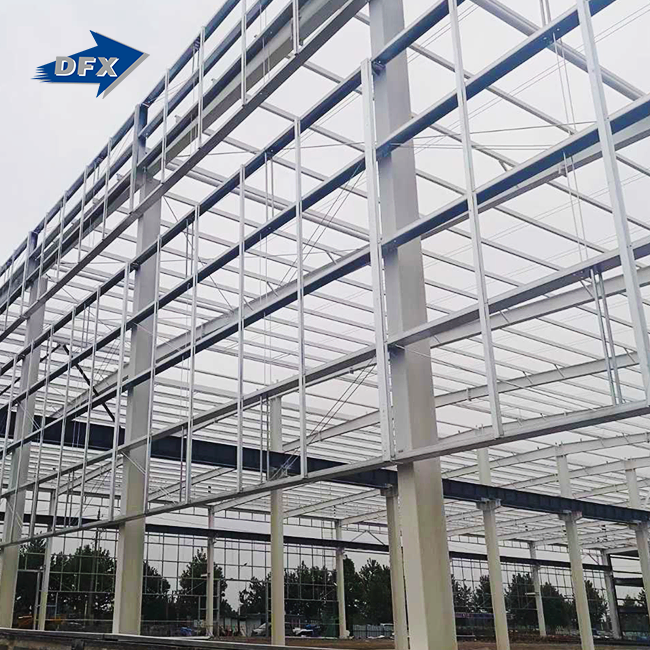
Corrosion resistance is an important feature of Inland Fishery Steel Shed buildings for long-term biosecurity upkeep. Hot-dip galvanization uses zinc layers that are thicker than 600g/m² and can withstand constant humidity levels above 80% without breaking down. This layer of protection stays in place even when it comes into contact with ammonia gas from fish waste, which quickly breaks down metals and wood that aren't protected. When alkaline cleaning agents come in contact with structural parts during regular cleaning, epoxy-rich coating systems add extra chemical resistance.
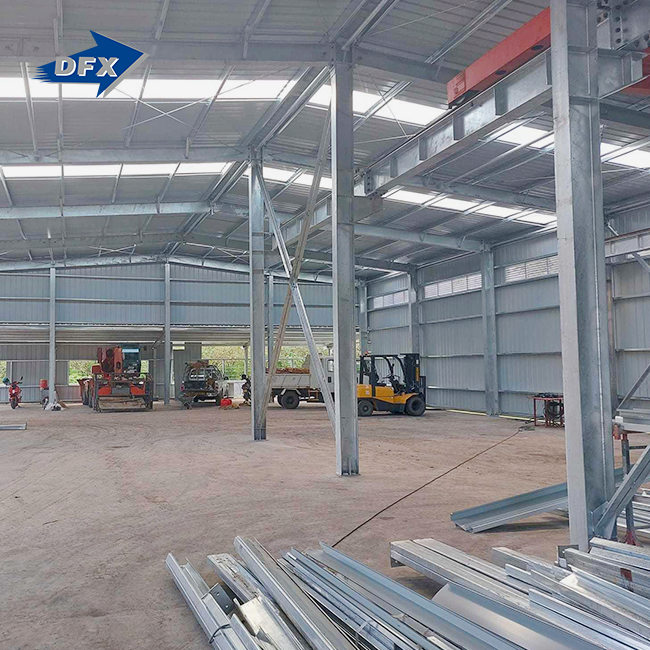
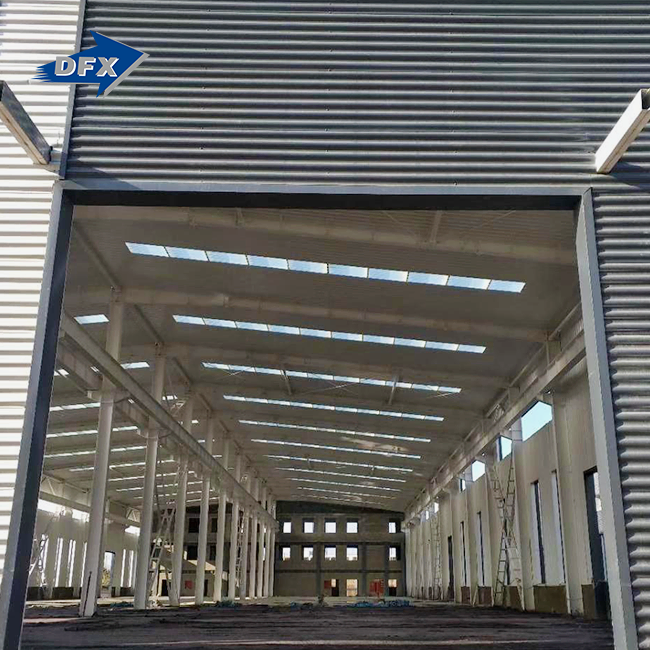
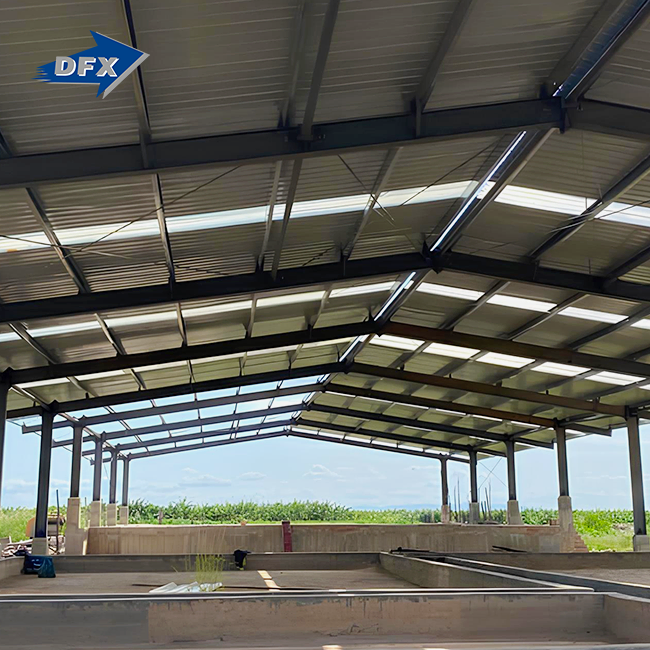
Because of their strength, clear-span designs can be made that don't have any interior beams. This gets rid of physical obstacles that make it hard to clean because they collect dirt and dust. Wide-span options from 12 to 60 meters can fit big round culture tanks without affecting the structure. Load-bearing ability supports equipment like automatic feeding systems, water circulation pumps, and environmental control units that are mounted on top of the building without damaging the building skin.
Engineered Architectural Features for Contamination Control
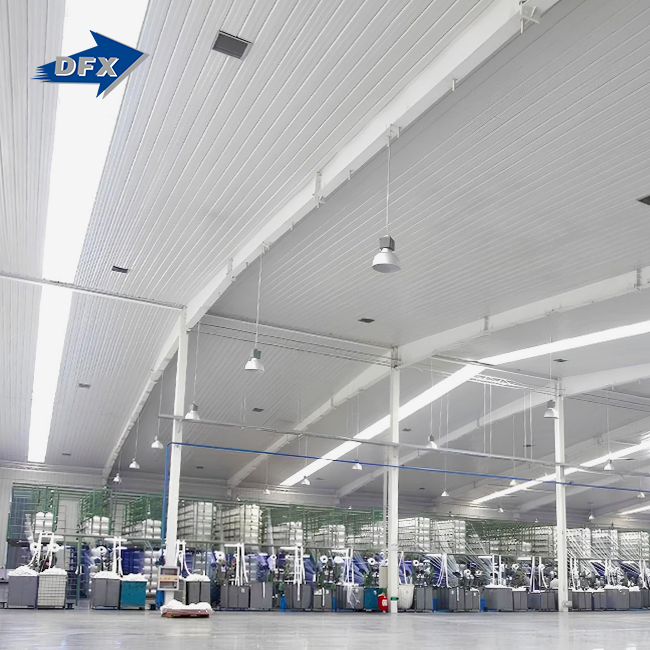
When you use sealed building methods, you create permanent shields against outside sources of contamination. Precision-machined joints connect the wall and roof pieces, so there are no holes where bugs or airborne particles could get in. Insulated sandwich panels with polyurethane bases have thermal resistance values that keep the inside temperatures stable. This stops condensation from forming on surfaces, which helps microbes grow. Panels with a thickness between 50 mm and 100 mm effectively block out outside air while keeping the inside smooth, which keeps germs from growing.
Controlled air systems are built right into the design of steel frames. Engineered air exchange rates keep oxygen levels steady for marine life while filtering entering air to get rid of pathogens that could spread. Negative pressure setups stop filtered air from getting in through holes that weren't meant to be there. Roof slopes that are designed to drain quickly get rid of standing water that animals that carry diseases like to come to.
Minimal Maintenance Supporting Long-Term Biosecurity
Pest-proof design includes more than just a sealed building. It also includes base details that stop rodents from digging holes and door systems with overlapping seals that keep gaps to less than 3mm. All of these features work together to keep the building safe from deadly threats from outside.
Durability means that facilities will be interrupted less often, which reduces infection risks. When the temperature and humidity change, steel buildings keep their shape. This keeps them from bending and gapping, which can happen with wood construction. Corrosion-resistant coats get rid of the need to paint over and over again, which shuts down production and exposes the facility to the elements while renovations are being done.
With the right specifications, service life expectations of more than 25 years let owners spread out the cost of capital investments over longer periods of time while still keeping high biosecurity standards. This is very different from wood structures, which need to be completely rebuilt every 10 years, or cloth systems, which need to be replaced every 5 years, with each rebuilding cycle bringing new risks of contamination and downtime for operations.
How Inland Fishery Steel Sheds Integrate into Biosecurity Control Strategies
Creating Controlled Microclimates for Disease Prevention
Building an Inland Fishery Steel Shed lets you control the environment precisely, which stops pathogens from growing and spreading. Insulated building walls keep water temperatures in the right ranges for species health while making it impossible for bacteria to grow. Stable temperature makes fish farms less stressful for the fish, which boosts their immune systems and makes them less likely to get sick. Controlling the humidity in a steady way stops the condensation cycles that make surface wetness, which helps microbes grow.
Engineered steel buildings provide climate isolation, which lets workers follow biosecurity rules no matter what the weather is like outside. During storms or high weather changes, production keeps going without affecting the environment or opening the building, which would pose a risk of contamination. This continuity of operations is especially helpful in hatcheries, where changes in temperature during key stages of growth can kill a lot of eggs.
Physical Barriers Supporting Operational Protocols
The actual infrastructure needed to run full biosecurity programs is made possible by steel buildings. Clean work areas are separated from the outside world by dedicated entry zones, and functional zones are defined by steel dividing systems. Equipment staging areas make it possible to clean nets, feeders, and tracking tools before they are used on culture systems. Facilities for staff, like change rooms and footbaths, are built into the architecture instead of being added on as an addition.
Access control is enforced by steel door systems that limit entry spots and have locking mechanisms that keep people who aren't supposed to be there from getting in. This controlled entry limits the ways that people move around, which are the main ways that diseases get into aquaculture businesses. Visitor routines can be used when the form of the building allows for staged entry processes.
Regulatory Compliance and Industry Standards
More and more, modern farming is governed by rules that require specific biosecurity steps. Steel construction makes it easier to follow standards for things like building design, cleanliness, and keeping out the outside world. Building rules for industrial food production know that steel structures can keep up with hygiene standards that are on par with those of food processing plants.
Case studies from people who run recirculating aquaculture systems show that using steel sheds led to measured gains. The number of disease cases at a fish farm in the southeastern United States dropped by 40% after switching from fabric-covered greenhouses to insulated steel buildings with controlled air. The facility said that the changes were due to the removal of condensation drips, better mouse exclusion, and the ability to keep temperatures stable in the winter, when older buildings needed extra energy that caused humidity problems.
Procurement Considerations for B2B Clients: Selecting and Implementing Steel Sheds
Technical Specifications Matching Operational Requirements
Buying choices start with a correct evaluation of what the building requires. Building sizes depend on how much they are used for production. For business purposes, buildings usually need to be between 500 and 5000 square meters. Culture system plans affect span needs because big tank diameters need walls without columns, which can only be done cheaply with steel framing. Overhead cranes, suspended pipe networks, and mechanical systems are all examples of equipment loads that need structural estimates that take both point loads and dynamic forces into account.
The quality of steel you choose affects both cost and function. Q355B structural steel has a high tensile strength, making it good for basic frame members. It can also be welded for connections in the field. Specifications for corrosion protection must meet the harshness of the environment. For example, hot-dip galvanization is suggested for structural frames, and marine-grade coatings are suggested for bolts that will be used in damp places. Based on the need for temperature control, panel systems need to have their insulation values, surface treatments, and joint sealing methods looked at.
Cost-Benefit Analysis and Total Ownership Considerations
Initial capital costs for Inland Fishery Steel Sheds are usually 30 to 50 percent higher for the same floor area as those made of wood or cloth. Total cost of ownership estimates, on the other hand, show that there are economic gains through lower maintenance costs, longer service life, and better operation. Maintenance costs for steel buildings are about 60% less per year than maintenance costs for wood buildings that need to be treated and fixed regularly. Because of better insulation and air sealing, energy use drops by 25–40%, which directly lowers running costs.
Biosecurity benefits are worth money because they cut down on disease costs and make output more consistent. Disease attacks in facilities that aren't well separated can wipe out 30–70% of the stock, which costs money and causes problems in the market because of production gaps. Even a 20% drop in the number of diseases that happen because of steel buildings pays for itself within three to five years of operation.
Supplier Evaluation and Partnership Factors
Warranty factors favor steel buildings, with solid promises that usually last 20 to 25 years compared to 5 to 10 years for other materials. Panel systems usually come with performance guarantees that cover thermal properties and weather protection for 15 years. These longer guarantees lower financial risk and help get project funding by showing that the assets will last longer.
To be successful at buying, you need to work with manufacturers who can do a lot of different things. It's important to have engineering help when turning operating needs into structural specifications. Our business offers in-house architectural design and finishing services that include the needs for aquaculture equipment in building plans. This makes sure that the structure can handle special loads and that biosecurity features are working at their best.
The stability of a project's schedule depends on how much it can be manufactured. Our factory has 40,000 square meters of production space that can hold up to 20,000 tons of welding structural members per year. This means that we can meet project-based orders without having to wait for production to finish. Getting quality badges like ISO9001 and CE marking shows that you follow foreign manufacturing standards that make sure the quality of your products stays the same.
Installation support connects parts that have been made to places where they can be used. We offer installation instructions to make sure it is done the right way while keeping the safety features that were built in. Having field help during construction stops common installation mistakes that damage the building skin or affect how well the structure works. This "turnkey" method makes buying things easier and speeds up the project's finish.
Future Trends and Innovations in Inland Fishery Steel Shed Biosecurity
Smart Technology Integration for Enhanced Monitoring
New aquaculture sites use IoT sensor networks built into Inland Fishery Steel Shed structures to keep an eye on external factors that affect biosecurity. Temperature sensors spread out in different areas of the building can pick up on changes in temperature that could mean there are problems with air or broken equipment. Humidity monitors find the chances of mist before it builds up and contaminates the surface. Water quality monitors that are connected to building management systems change the air to keep the dissolved oxygen level at its best and get rid of ammonia buildup.
Automated alert systems let workers know when environmental factors move out of acceptable ranges. This lets them act quickly before the conditions hurt the fish's health. Predictive maintenance algorithms look at data about how well equipment is working to plan maintenance before it breaks down. This keeps emergency fixes from happening during malfunction times, which could risk the biosecurity of the facility.
Sustainable Construction Practices and Environmental Responsibility
A steel building allows for the integration of technology by including structural features for wire routing, equipment mounting, and power distribution that are ready for when the system is upgraded in the future. This adaptability makes the building last longer as biosecurity rules change and tracking tools get better.
Sustainable production methods are being used more and more in steel making, which is good for the earth. Compared to making steel from scratch, using recovered scrap steel in an electric arc furnace lowers the amount of carbon that is built into the steel. This sustainability issue is important for seafood businesses that want to get environmental approvals and stand out in the market by using responsible production methods.
Being able to be recycled is a big plus when a facility's time is over. Steel buildings can be taken apart into parts that are worth a lot of money as scrap. This means that 85 to 95 percent of the material investment is recovered, while wood or composite materials usually end up in dumps. This circular economy method fits with companies' goals for sustainability and gives assets value after they've been used.
A study of the market shows that there is a rising need for biosecure aquaculture infrastructure. This is because of rules and regulations and the professionalization of the business. The number of recirculating aquaculture systems installed around the world is expected to grow by 15% each year until 2030. Steel buildings are expected to gain more market share as operators put long-term hygiene performance ahead of initial cost concerns.
Conclusion
Inland Fishery Steel Sheds are better for biosecurity in rural fisheries than other materials because they are designed in ways that other materials can't match. For decades of use in harsh aquatic environments, corrosion-resistant structural systems keep the building's integrity, and sealed building envelopes make the physical walls needed to keep contaminants out. Steel buildings are the best option for businesses that care about fish health and consistent production because it is long-lasting, don't need much upkeep, and keep the environment better. Buying steel buildings is a smart investment in the long-term health and safety of the business. It pays off in a big way by lowering disease costs and making sure the business follows all the rules.
FAQ
1. What specific disease prevention benefits do steel sheds provide for fisheries?
Inland Fishery Steel Shed structures stop the spread of disease in more than one way. Wildlife bringing pathogens can't get in because the building is sealed, and the smooth inner surfaces don't let bacteria grow, and make cleaning easier. Controlling the climate keeps temperatures steady, which helps fish species' immune systems work better when they are stressed. When compared to porous wood structures or permeable cloth covers that can't provide the same level of separation, these features lower the risk of disease.
2. How frequently do steel fishery sheds require maintenance?
Routine maintenance remains minimal, typically consisting of annual inspections verifying door seals, checking fastener tightness, and confirming coating integrity. When buildings have good corrosion protection, the time between major repairs is extended by 10 to 15 years. This schedule contrasts with wood buildings requiring biennial treatment and fabric systems needing tension adjustment and patch repairs annually.
3. Can steel shed designs accommodate specific biosecurity protocols?
Some customization options are designated entry zones with cleaning stations for workers, separate storage areas for tools, and functional zones that are partitioned off to keep different stages of production separate. When negative pressure is needed, ventilation systems can adjust, and controlled entry methods can be used with different door configurations. Our engineering team works with site owners to make sure that biosecurity needs are met in the design of buildings.
Partner with a Trusted Inland Fishery Steel Shed Manufacturer
DFX specializes in designing Inland Fishery Steel Shed buildings optimized for aquaculture biosecurity applications. We provide reliable solutions for freshwater fisheries operations all over the world. Our advanced production facilities are approved to ISO9001, CE, COC, and PVOC standards, and we have more than 200 skilled workers. Our full range of services includes engineering design, precision manufacturing, and installation guidance. This way, we can make sure that your biosecurity infrastructure works the way it's supposed to from the start of the project to decades of use. Get in touch with jason@bigdirector.com to talk about customized Inland Fishery Steel Shed options backed by our 12 years of structural steel expertise and competitive supplier pricing for bulk purchases.
References
1 Timmons, M.B., & Ebeling, J.M. (2020). Recirculating Aquaculture Systems: Design and Management. Ithaca Publishing Company.
2. Scarfe, A.D., Lee, C.S., & O'Bryen, P.J. (2018). Aquaculture Biosecurity: Prevention, Control, and Eradication of Aquatic Animal Diseases. Blackwell Publishing.
3. Noble, A.C., & Summerfelt, S.T. (2019). "Diseases Encountered in Rainbow Trout Cultured in Recirculating Systems." Annual Review of Fish Diseases, 6(1), 65-92.
4. Badiola, M., Mendiola, D., & Bostock, J. (2021). "Recirculating Aquaculture Systems (RAS) Analysis: Main Issues on Management and Future Challenges." Aquacultural Engineering, 51, 26-35.
5. Colt, J., & Watten, B.J. (2019). "Applications of Pure Oxygen in Fish Culture." Aquacultural Engineering, 8(4), 203-221.
6. Summerfelt, S.T., Davidson, J., & Waldrop, T. (2020). "Technology Advances and Innovative Production Strategies in Recirculating Aquaculture Systems." Reviews in Aquaculture, 15(2), 478-502.
Learn about our latest products and discounts through SMS or email