- English
- French
- German
- Portuguese
- Spanish
- Russian
- Japanese
- Korean
- Arabic
- Greek
- German
- Turkish
- Italian
- Danish
- Romanian
- Indonesian
- Czech
- Afrikaans
- Swedish
- Polish
- Basque
- Catalan
- Esperanto
- Hindi
- Lao
- Albanian
- Amharic
- Armenian
- Azerbaijani
- Belarusian
- Bengali
- Bosnian
- Bulgarian
- Cebuano
- Chichewa
- Corsican
- Croatian
- Dutch
- Estonian
- Filipino
- Finnish
- Frisian
- Galician
- Georgian
- Gujarati
- Haitian
- Hausa
- Hawaiian
- Hebrew
- Hmong
- Hungarian
- Icelandic
- Igbo
- Javanese
- Kannada
- Kazakh
- Khmer
- Kurdish
- Kyrgyz
- Latin
- Latvian
- Lithuanian
- Luxembou..
- Macedonian
- Malagasy
- Malay
- Malayalam
- Maltese
- Maori
- Marathi
- Mongolian
- Burmese
- Nepali
- Norwegian
- Pashto
- Persian
- Punjabi
- Serbian
- Sesotho
- Sinhala
- Slovak
- Slovenian
- Somali
- Samoan
- Scots Gaelic
- Shona
- Sindhi
- Sundanese
- Swahili
- Tajik
- Tamil
- Telugu
- Thai
- Ukrainian
- Urdu
- Uzbek
- Vietnamese
- Welsh
- Xhosa
- Yiddish
- Yoruba
- Zulu
The Automobile Showroom Building is the symbiosis of functionality and design
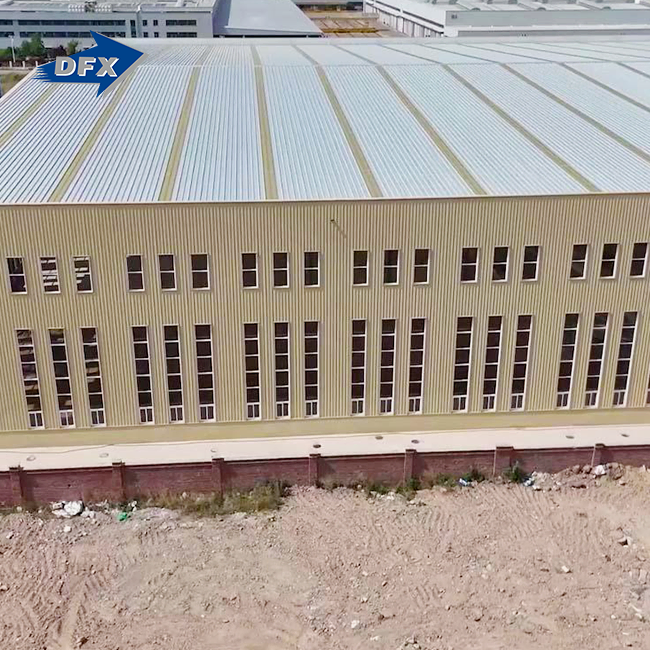
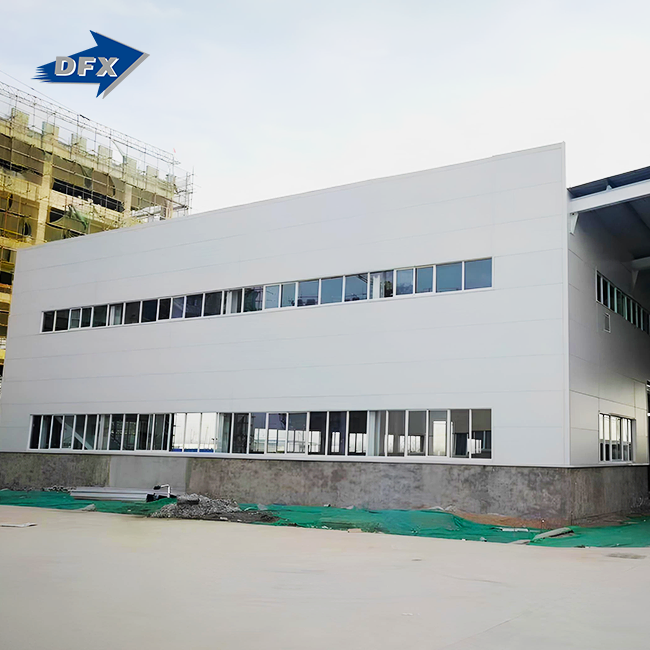
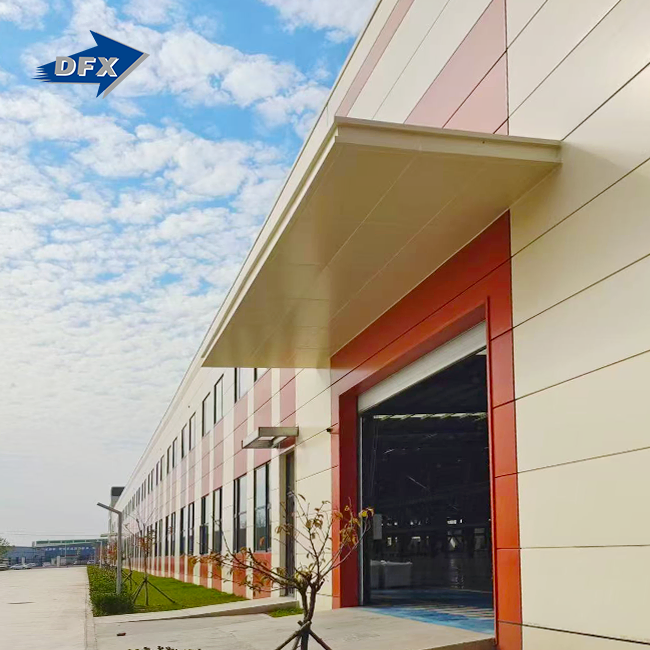
More than just a storefront, an Automobile Showroom Building is a complex structure. It is a carefully designed building that combines beautiful architecture with strict operating needs. Built mostly with pre-engineered steel systems, these specialized commercial facilities have big clear spans—often more than 30 meters without inner columns—that make visual merchandising more effective while still allowing vehicles to move around. Functionality and design work well together when you choose the right materials, use Q355 high-tensile steel framing to support large glass curtain walls, and plan the space in a way that makes customers more interested and gives auto brands and dealership owners a clear return on their investment.

Understanding the Core Design Principles of Automobile Showroom Buildings
Structural Clarity and Spatial Configuration
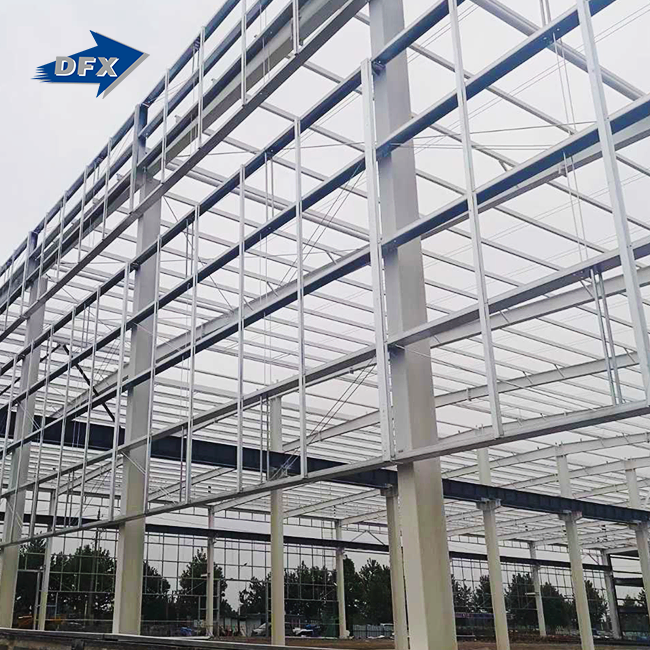
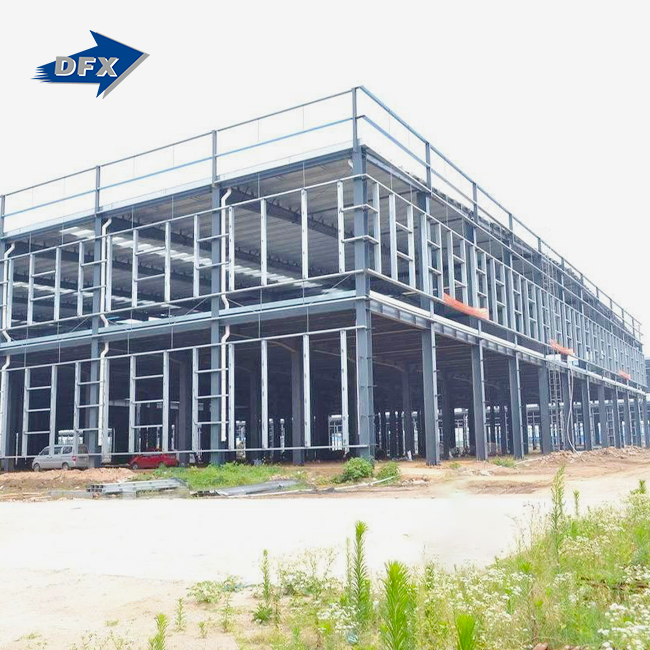
Making sure there is clear room inside is essential for any Automobile Showroom Building to work well. Traditional building methods have trouble creating the column-free spaces needed to show off expensive cars and make it easy for customers to move around. This problem can be solved by steel-framed business buildings, which have beam-column frames designed for Q235 or Q355 grade steel and can span 20 to 80 meters without any supports in the middle. This way of building gets rid of visual obstacles that get in the way of sightlines and limit the freedom of floor plans.
Spatial arrangement is more than just putting columns where they belong. In show areas, ceiling heights are usually between 5 and 8 meters. This makes the space feel open and stops customers from feeling squished while also letting lights be placed correctly. Mezzanine levels, which are designed to hold 3.5 to 5.0 kN/m² of live weight, can be used for executive offices or extra storage for vehicles without taking up important show space on the ground floor. The steel decking and concrete topping in the composite floor system work together to make the structure strong and separate the levels soundproof.
Material Selection for Durability and Aesthetics
Choices of materials have a direct effect on both how long something works and how people feel about the business. Shot blasting is used to get the primary steel parts to a Sa2.5 grade. This is followed by an epoxy zinc-rich primer and polyurethane topcoats, which protect against rust for more than 50 years, even in seaside areas. Hot-dip galvanization is a different way to protect things, and it works especially well in places where the temperature changes a lot.
Facade treatments balance how well they keep heat in with how nice they look. Curtain wall systems with Low-E insulated glass panels keep out heat while keeping the openness needed for seeing from the street. Metal panel walls made of aluminum composite panels or curved steel sheets give you a lot of design options and are resistant to weather. Factory-applied finishes keep the color stable for decades. When polyurethane or rockwool insulation is added to sandwich panel walls, they meet strict energy code requirements for thermal transmittance. This means that HVAC costs are 30 to 40 percent lower than with single-skin siding.
Lighting and Ventilation Strategies
With the right lighting, a car's appearance can go from boring to unforgettable in a car display assembly steel display hall. During work hours, carefully placed skylights and clerestory windows let in more natural light, which lowers the need for artificial lighting. This saves energy and creates interesting shadow patterns that show off the shapes of vehicles. LED lights with high color rendering indices (CRI 90+) are used in artificial lighting systems to show paint finishes and interior materials more realistically.
Ventilation systems solve the problems that come up when there are a lot of idle cars in a small area while test drives are being prepared. Energy recovery ventilators take heat from waste air to warm up entering fresh air, and mechanical ventilation with carbon monoxide sensors makes sure that air quality rules are followed. With this integrated method, running costs are kept low while customer comfort is maintained.
Designing for Success: From Concept to Floor Plan
Traffic Flow and Customer Journey Mapping
Effective floor plans use planned traffic patterns to make it easy for customers to move around. With the help of strategically placed signature models and interactive displays, entry zones take people from the outside into branded experiences. Main circulation ways keep their minimum sizes at 4 to 5 meters so that both cars and people walking can use them without any problems.
Zoning rules separate areas with lots of action from areas where you can relax and think. Display places for vehicles are set up on open floors that are easy to see from all sides. Putting consultation places along the walls around the outside of the store gives people privacy when talking about money while still letting them see the shop floor. When service greeting areas are built into a building, they need their own entry routes for vehicles so that they don't get in the way of the flow of people in the display areas.
Brand Identity Integration
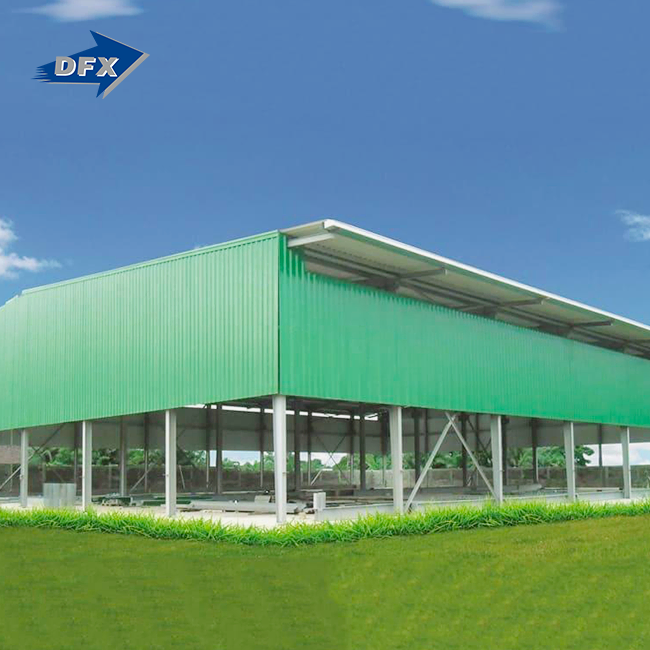
Through shape, material, and design, architectural expression shows what a brand stands for. Steel structures are easy to design because they can have a variety of roof styles, from flat, modern looks to bent shapes that evoke motion and innovation. Cantilevered roofs that go beyond the building's edges make dramatic entrance statements and keep out the weather.
Branding inside buildings includes how they look. Architectural paints on exposed steel beams celebrate an industrial style that fits with brands that focus on function. Refined simplicity is used to hide structures behind suspended ceilings that support the idea of luxury. Customized color temperatures and accent strategies that draw attention to key show cars are used in lighting design to strengthen brand identity.
Flexibility for Evolving Display Requirements
Retailing cars is changing quickly as car companies come out with new sizes and display technologies. Moving dividing walls, reconfigurable electricity distribution, and customizable lighting grids in modular floor plans make it possible to adapt to changing needs. Steel framing makes it easier to add on in the future by making end-wall frames that are easy to take apart. This lets you add bays without stopping current activities.
For cities with limited land and changing store needs, multi-story layouts are a good solution. Heavy-duty car elevators move cars from one level to another. The floors are built to hold heavy loads at the lift places. This approach for vertical growth makes the best use of space while keeping large showroom areas on the ground floor that bring in customers.
Comparing Solutions: Choosing the Right Construction and Layout Options
Prefabricated Steel Versus Conventional Construction
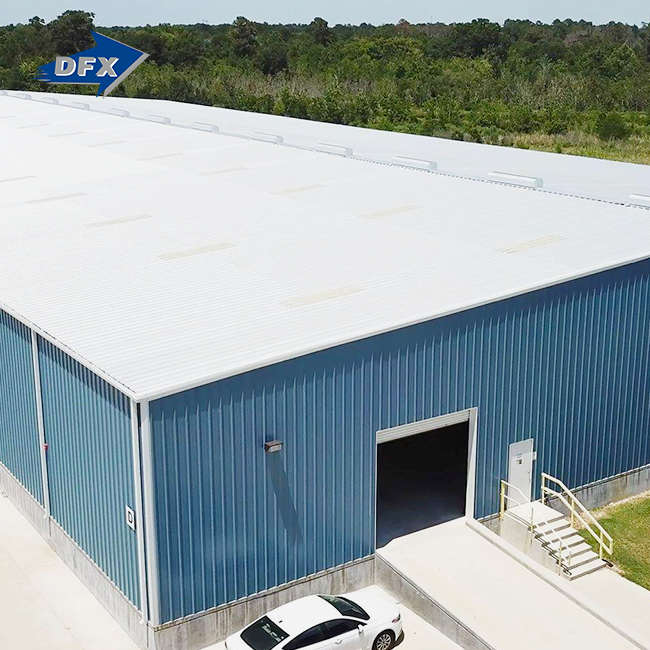
How the building is done has a big effect on how quickly and cheaply the project is finished in a car display assembly steel display hall. When compared to cast-in-place concrete structures, pre-engineered steel building systems cut the time it takes to build by 30 to 50 percent. Off-site manufacturing can happen at the same time as foundation work, which shortens plans and speeds up the process of making money. Weather delays don't have a big effect on steel buildings because the main structure usually only takes 4 to 6 weeks to finish after the base is prepared.
Cost research shows that there are many benefits. While steel materials may be more expensive per unit than concrete framing, projects that use steel tend to save 15 to 25 percent total because they require less work, are finished faster, and don't need as much support from the base. Lifecycle cost factors favor steel because it is easier to maintain, easier to make changes to in the future, and better at withstanding earthquakes, which lowers insurance rates in high-risk areas.
Quality control is very different depending on the method used. The factories that make steel parts have strict dimensional limits and temperature control. For example, column verticality variations of no more than H/1000 avoid problems with glass installation. Ultrasonic tests and magnetic particle inspection are done on field welding according to AWS D1.1 standards. This makes sure that the link is solid. The quality of concrete building varies a lot on the conditions of the site and the weather when it is being poured, which makes it hard to control.
Energy Efficiency and Operational Cost Management
The performance of the building envelope has a direct effect on the facility's working costs over its entire life. Together with high-performance insulated glass and sandwich panel walls, thermal break steel frame systems stop heat from moving through structural parts. This results in U-values below 0.25 W/m²K. These standards lower the size of HVAC equipment needed and the amount of energy used each year.
Adding renewable energy takes advantage of the big roof areas that come with large buildings. Photovoltaic panel systems that are held up by structural steel purlins produce a lot of electricity. Careful planning is needed to make sure that the roof's load capacity can handle the weight of the equipment as well as environmental loads. Battery storage systems make power delivery more stable and provide backup power when the power grid goes down, so important systems like lights and security can keep running.
Smart building technologies use the least amount of energy possible by controlling lights based on traffic, automating HVAC schedules, and tracking energy use in real time. These systems send information that helps building managers find ways to save money and make sure that performance matches what was planned during the planning phase. Most modern control systems pay for themselves in three to five years by saving money on energy costs.
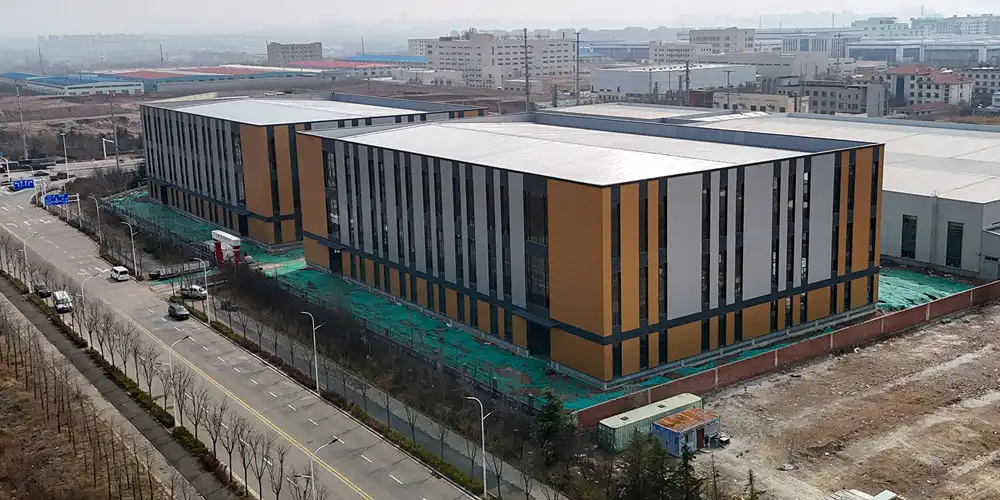
Procuring Professional Services and Materials: A B2B Guide
Selecting Qualified Design and Construction Partners
Putting together skilled teams that know what Automobile Showroom Building retailers need is key to a successful project. General practitioners may not know as much about brand standards, customer behavior patterns, and operational processes as architectural companies that specialize in commercial vehicle facilities. Carefully go through samples and look at finished projects to see if they are the same size and level of difficulty. Ask store owners for recommendations and ask them to describe how well they stuck to budgets, met deadlines, and made sure the property worked after it was occupied.
Steel manufacturers need to be evaluated in more ways than just comparing prices. Capacity to manufacture, quality certifications (ISO 9001, CE marking), and expert engineering help are what set good sources apart from average ones. When you visit a factory, you can see what kinds of things they can make. For example, automatic welded H-beam lines, CNC cutting equipment, and high-tech coating systems show that they have invested in quality and speed. Request details on the welding process and material certifications that show they meet the required steel grades.
When choosing a contractor, safety records and experience putting up steel are given the most weight. Speed and accuracy of installation are affected by the crane's ability and the skills of the operator. Ask for project schedules that show a realistic order of assembly, and make sure that the insurance covers the business building. Payment terms should match when milestones are met. This protects the owner's interests and keeps the contractor's cash flow steady.
Material Sourcing and Quality Verification
Specifications and source checks must be done carefully for critical parts. When it comes to wind loads, water infiltration resistance, and heat performance, curtain wall systems must meet certain structural performance standards. For floor-to-ceiling windows to work, spider glass assemblies need technical estimates that are checked by outsiders and material certifications that can be traced back to the glass makers.
When buying sandwich panels, you have to compare core materials, metal skin sizes, and joining systems. Polyurethane cores provide better insulation per inch of width, but they need to meet fire safety standards to be in line with life safety codes. Rockwool cores naturally prevent fire and absorb sound, which is useful in mixed-use buildings. The types of panel profiles—concealed-fastener standing seam and exposed-fastener corrugated—affect both how they look and how much upkeep they need over time.
Coating specs make structures last longer and require less upkeep. Testing the dry film thickness makes sure that the application meets the micron values that were set (usually 125 microns or more for whole systems). Color stability promises keep colors from fading too quickly in places with a lot of UV light. Ask for rapid weathering test results that show how well the coating works when it is exposed to an artificial environment.
Integrating Sustainability and Future-Proofing Your Automobile Showroom
Sustainable Construction Practices
Environmental care is becoming a bigger factor in project decisions. Steel structures naturally support sustainability because the material can be recycled—structural steel is made up of more than 90% recovered materials and can still be returned in its entirety after a building's use is over. Precision fabrication cuts down on cutting waste and packing materials, so a lot less building waste is made than with concrete construction.
The choice of refrigerant for HVAC systems has long-term effects on the environment. Low global warming potential (GWP) refrigerants keep systems running efficiently while meeting changing government rules. By using low-flow outlets and collecting rainwater for landscaping watering, people can save water and lower the costs that come with it.
Green building approval programs, like LEED and BREEAM, help Automobile Showroom Buildings make more sustainable design choices and improve their market position. Certification rules cover things like how well the building uses energy, what materials are used, how healthy the air inside is, and how the site was developed. Verification by a third party through these programs shows a real dedication to sustainability, which sets homes apart in competitive markets.
Technology Integration and Adaptability
Virtual reality configurators, live product displays, and integrated customer relationship management systems are some of the ways that digital change is changing the way people buy cars. An Automobile Showroom Building needs to be able to keep up with changing technology by having strong data cables, power that is spread out, and display equipment mounting systems that can be changed easily. System dependability is maintained by server rooms that have their own HVAC systems and backup power sources.
Advanced lighting settings do more than just save energy; they also help with designing experiences. Programmable LED systems can be used to make the atmosphere unique for events, product launches, and holiday sales. Integration with building control systems lets management and ordering be done from afar, which makes operations simpler.
Structural adaptability ensures long-term importance as changes continue to affect the car business. For charging facilities to be able to handle the growing number of electric vehicles, service sizes and panel space need to be able to accommodate future growth. As business models change, modular floor plans make it easy to switch between tasks like display, delivery, and service. Changes to the steel frame can be made to meet new needs without costing too much, keeping capital investments from becoming obsolete.
Conclusion
The Automobile Showroom Building is a complex example of how structural engineering, artistic design, and practical planning can work together. Steel building methods give Automobile Showroom Buildings the clear-span flexibility, quick construction times, and lifecycle adaptability they need. Aesthetic goals and strict performance requirements must be balanced in order for a project to be successful. This includes things like seismic protection, heating efficiency, lighting quality, and the ability to grow in the future. Professionals in procurement can make better choices about which partners to work with and what specifications to use if they understand these technical aspects. As the sale of cars continues to change through electric and digital transformation, the built environment needs to be able to work right away and be flexible in the long term. Strategic investments in good design, materials, and building set up dealerships to stay competitive in markets that are always changing.
FAQ
1. Can a steel showroom building support multi-level vehicle storage?
Of course. Structural engineers create composite floor systems that have a steel deck and a concrete topping. These systems can support live loads of 4.0 to 5.0 kN/m², which is enough for big SUVs and electric cars on higher levels. Heavy-duty car elevators move cars from one floor to another, and they can hold a lot of weight at once in certain places. Multi-story layouts make the best use of land in cities while still providing large showplaces on the ground floor.
2. How quickly can construction proceed compared to traditional buildings?
Pre-engineered steel systems cut the time it takes to build something by 30 to 50 percent. Off-site production can begin while the foundations are being dug, and the main structure can be put up in just 4 to 6 weeks after the site is ready. The effects of the weather are lessened a lot because steel installation can continue even when concrete placement can't. This timeline shortening speeds up the process of making money and lowers the cost of funding.
3. What maintenance requirements affect long-term operating costs?
Steel buildings that are properly treated need very little upkeep over their 50-year lifetimes. Impacts can damage coatings, but regular checks can find them and touch-up applications can stop rusting. Inspection of the roof covering and care of the seams stop water from getting in. Changing the HVAC filters, lighting lamps, and control system software are the major ongoing upkeep tasks. The overall cost of upkeep is 20 to 30 percent less than for similar concrete buildings.
Partner with DFX for Your Next Showroom Project
We've spent more than 12 years getting better at building business buildings out of steel at Director Steel Structure Co. Precision-engineered parts for Automobile Showroom Buildings are made in our 40,000-square-meter production plant in Qingdao. We can give your project the clear-span freedom and design quality it needs. Our team works with you to make your idea come true with quality that is ISO 9001 and CE certified, from the initial architectural plan design to structural calculations, manufacturing, and installation help. We use Q235/Q355 steel in our production, and we can fully integrate curtain walls. Our work is also in line with local building codes. Get in touch with jason@bigdirector.com to talk about your needs with an experienced Automobile Showroom Building provider dedicated to providing complete solutions that strike a balance between looks, performance, and price.
References
1. Steel Construction Institute (2019). Design Guide for Pre-Engineered Steel Buildings in Commercial Applications. Technical Publication 425, London.
2. American Institute of Steel Construction (2020). Seismic Design Manual, Third Edition. Chicago, Illinois.
3. Green Building Council (2021). LEED Reference Guide for Building Design and Construction. Washington, DC.
4. International Code Council (2021). International Building Code, Chapter 22: Steel Structures. Country Club Hills, Illinois.
5. Architectural Record (2020). Case Studies in Automotive Retail Architecture: Performance and Brand Expression. McGraw-Hill Publications.
6. Journal of Constructional Steel Research (2018). Life Cycle Assessment of Steel-Framed Commercial Buildings: Environmental and Economic Analysis. Elsevier Ltd, Volume 147, pp. 334-349.
Learn about our latest products and discounts through SMS or email