- English
- French
- German
- Portuguese
- Spanish
- Russian
- Japanese
- Korean
- Arabic
- Greek
- German
- Turkish
- Italian
- Danish
- Romanian
- Indonesian
- Czech
- Afrikaans
- Swedish
- Polish
- Basque
- Catalan
- Esperanto
- Hindi
- Lao
- Albanian
- Amharic
- Armenian
- Azerbaijani
- Belarusian
- Bengali
- Bosnian
- Bulgarian
- Cebuano
- Chichewa
- Corsican
- Croatian
- Dutch
- Estonian
- Filipino
- Finnish
- Frisian
- Galician
- Georgian
- Gujarati
- Haitian
- Hausa
- Hawaiian
- Hebrew
- Hmong
- Hungarian
- Icelandic
- Igbo
- Javanese
- Kannada
- Kazakh
- Khmer
- Kurdish
- Kyrgyz
- Latin
- Latvian
- Lithuanian
- Luxembou..
- Macedonian
- Malagasy
- Malay
- Malayalam
- Maltese
- Maori
- Marathi
- Mongolian
- Burmese
- Nepali
- Norwegian
- Pashto
- Persian
- Punjabi
- Serbian
- Sesotho
- Sinhala
- Slovak
- Slovenian
- Somali
- Samoan
- Scots Gaelic
- Shona
- Sindhi
- Sundanese
- Swahili
- Tajik
- Tamil
- Telugu
- Thai
- Ukrainian
- Urdu
- Uzbek
- Vietnamese
- Welsh
- Xhosa
- Yiddish
- Yoruba
- Zulu
How to Set Up a Machining Workshop for Your Business Needs?
To make a machinery processing workshop work well, you must first know what you want to make and then match that with the right equipment. Whether you're the operations manager of a manufacturing business that's growing or the project engineer in charge of expanding a facility, the first thing you need to do is choose a steel structure building that can hold fine machining equipment and keep the environment under control. A well-designed workshop uses smart space planning, the right machinery, and the best ways to organise work flow to turn raw materials into precision parts that meet strict quality standards and tolerances in the aerospace, automobile, and industrial sectors.

Understanding the Basics of a Machining Workshop
What Defines a Modern Machining Facility?
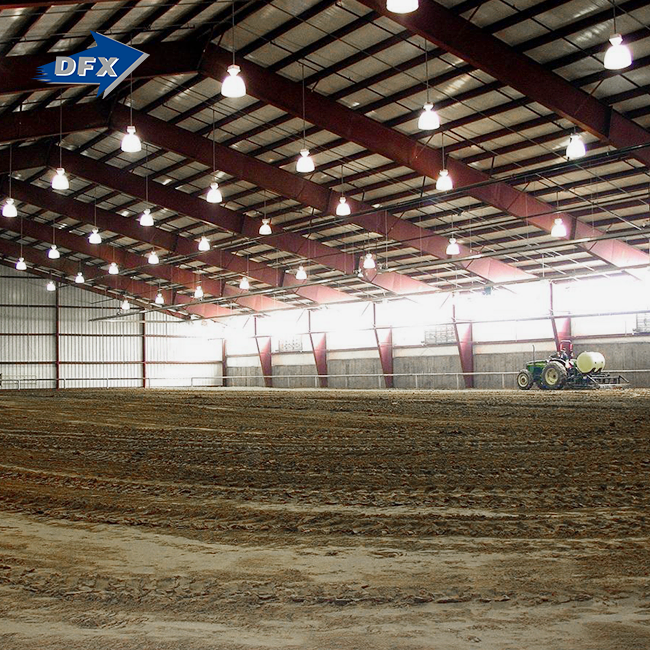
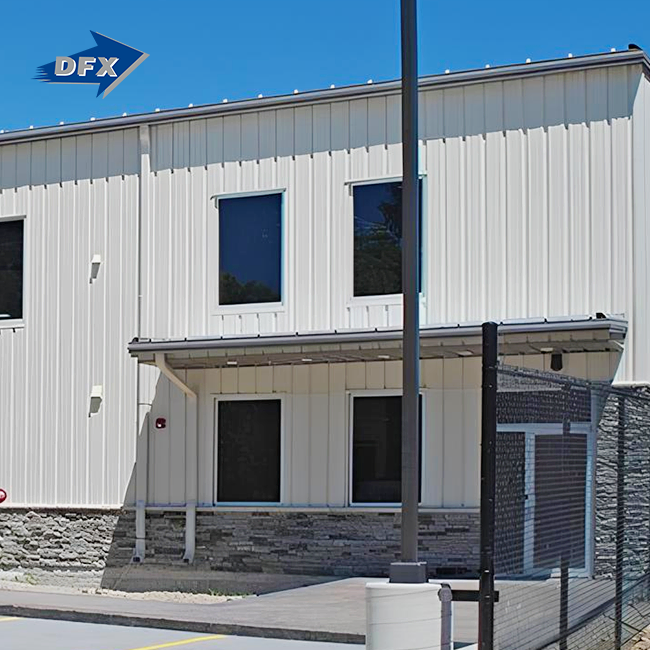
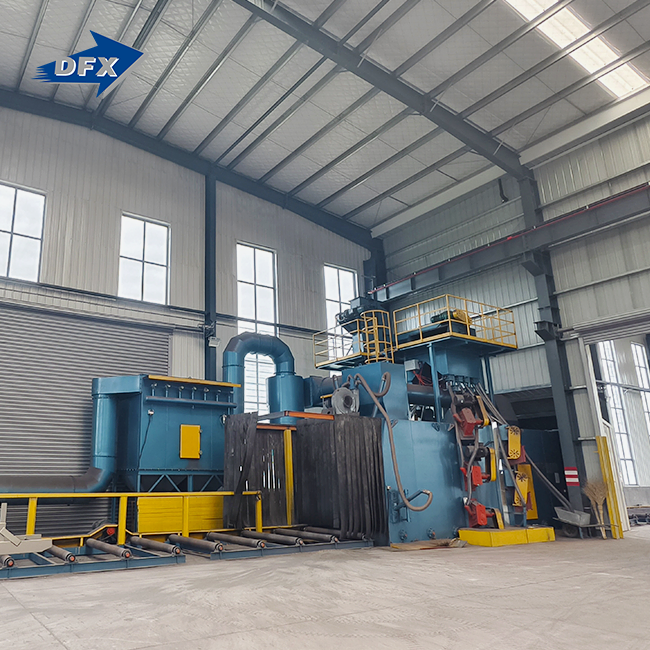
As the centre of production, a machinery processing workshop is where metals, engineering plastics, and composite materials are cut down using CNC milling, turning, grinding, and electrical discharge machining (EDM). For these tasks to be able to be done, the surroundings must be controlled, the foundations must be strong against vibrations, and there must be clean air management systems to keep dust and other particles from getting in the way of precision work. The construction of the machinery processing workshop needs to be strong enough to hold big equipment and have enough room for overhead cranes and systems for moving materials. Modern facilities usually have long industrial steel buildings with open areas inside that let you put equipment in different ways and add on in the future without having to change the structure.
Core Machining Processes and Their Requirements
During turning processes, spinning workpieces are pressed against stationary cutting tools to shape cylindrical parts. This is done to make shafts, valves, and transmission parts. Milling uses multi-point rotating cutters to remove material, which makes engine blocks, structural bulkheads, and mould holes with complicated shapes. Grinding can get surfaces as smooth as Ra 0.1 µm, which is what is needed for bearing surfaces and sealing contacts. Each process creates different levels of heat, shaking, and chip removal difficulties, all of which affect the choices made about how to set up the machinery processing workshop. Positioning of equipment needs to take into account how materials move from the receiving docks to the final checking and shipping areas, with as little handling as possible, so that there are no differences in size.
Safety Protocols and Skilled Personnel
Machine protection, emergency stops, lockout-tagout processes, and the need for personal protective equipment (PPE) that keeps machinists safe from moving parts and metal chips are all governed by safety standards. Coolant mists and metal fumes can make the air quality and measurement accuracy worse. Good ventilation systems get rid of these problems. Skilled machinists read technical plans, set up fixturing systems, choose the right cutting settings, and use micrometres and gauges to check the work as it's being done. Maintenance engineers set up preventative plans for things like checking the alignment, lubricating, and checking the state of tools so that they don't break down during production runs.
Planning and Designing Your Machining Workshop Layout
Space Utilisation and Workflow Efficiency
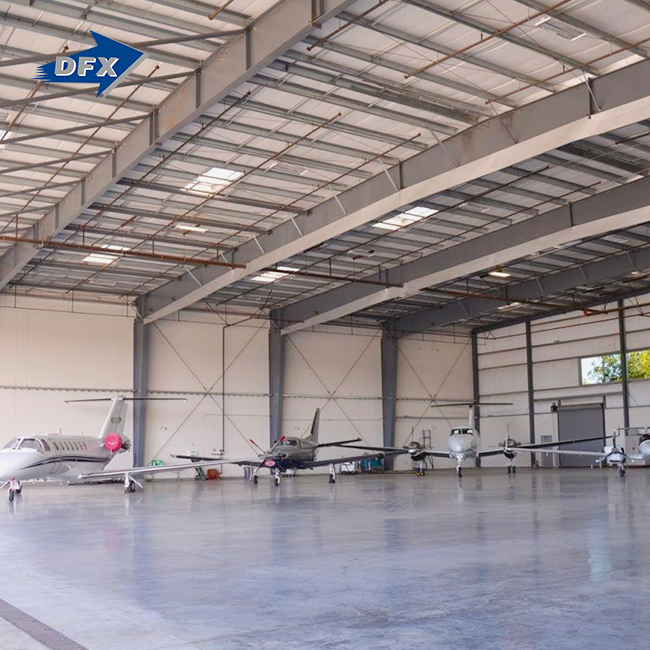
Figuring out how much floor space is needed based on machine footprints, repair entry zones, and material staging areas is the first step in planning a good layout. A large-span industrial steel building made in China usually has welded H-section steel main frames made from Q235 or Q355 grade steel. These frames have column-free spans of up to 30 metres, which removes any internal obstructions. With this open layout, materials can move in a straight line from storage for raw materials to quality control units and the inventory of produced goods. Heavy machinery placed strategically near structural beams spreads loads out well, while precision equipment is kept away from sources of shaking like forging presses and heavy material handling.
Infrastructure Integration for Operational Stability
Stable three-phase power with voltage regulation is needed for CNC controls and servo drives that are very delicate. Coolant filter and recycling systems get rid of particles in the coolant and keep the temperature stable. This keeps workpieces from expanding during long machining processes. Compressed air systems keep the pressure of pneumatic fittings and chip-clearing tools steady. Enough lighting, between 500 and 1000 lux, helps with inspections and keeps operators safe. The steel structure of the Machinery Processing Workshop should have C/Z steel purlins that hold up insulated roof panels that keep the temperature stable within ±1°C of variation. This is needed for precision machining tasks where temperature changes can affect errors down to the micron level.
Ergonomic Design and Safety Compliance
Ergonomics at workstations keeps workers from getting tired by using adjustable machine controls, anti-fatigue floors, and the right lighting settings to keep cutting areas from getting too dark. Fire control systems and emergency doors must meet OSHA rules and local building codes. Forklift routes and high crane operations are kept separate from foot traffic by clearly marked paths. Enough ceiling height lets overhead cranes work for installing and maintaining equipment. Depending on the size of the machine and how much it needs to be lifted, these cranes usually need 8 to 12 metres of space.
Choosing the Right Equipment and Technology
Manual Versus CNC Machine Capabilities
Manual machines require less money to buy and are better for special work that is done in small quantities and where setup freedom is more important than production speed. During cutting processes, skilled workers make changes in real time based on what they see and feel. CNC machining centres follow preset toolpaths that are accurate to within ±0.003 mm. This lets them make hundreds or thousands of parts with complicated geometries that are all the same. From 3-axis vertical mills to 5-axis simultaneous machining centres, multi-axis features make setup times shorter by letting you access multiple part faces in a single clamping operation. This improves dimensional accuracy by getting rid of the positioning mistakes that build up over multiple setups.
Automation and Quality Control Integration
Automated pallet movers and robotic filling systems increase the amount of time that machines can be used without being watched. This makes the most of the equipment during weekends and night shifts. In-process probing checks important dimensions without taking parts off the clamps. This lets tool offsets be changed in real time, which keeps tolerances the same throughout production runs. Coordinate Measuring Machines (CMM) check CAD models against geometric dimensioning and tolerancing (GD&T) standards. They then make inspection reports that meet AS9100D aircraft quality standards and IATF 16949 car quality standards. When choosing equipment, you should weigh the benefits of automation against the amount of work that needs to be done and the cost of staff so that the payback times are in line with your business's financial plans.
Procurement Strategies and Supplier Evaluation
When buying equipment, people weigh the initial cost of the item against its long-term economic gains and upkeep costs. Leasing agreements help you save money for working goods and tools while also giving you ways to improve as technology changes. When comparing providers, you need to look at things like machine rigidity specs, spindle thermal stability specs, control system capabilities, and the availability of expert help after the sale. Reliable makers offer training programmes for operators and support staff, mill test certificates for structural castings, and data from vibration tests. Delivery times for solid steel parts range from 25 to 43 days. To avoid costly delays, delivery times must match up with equipment installation plans.
Establishing Workflow, Maintenance, and Staff Management
Standardised Machining Processes
Setting uniform cutting parameters, tooling choices, and quality checks through process documents makes it easier for workers and shifts to work together. Standard work directions list the best cutting speeds, feeds, and depths that were found during the original process development and tool life studies. Digital work orders that are connected to ERP systems keep track of how the job is going, how much material is being used, and how long the real cycle times are compared to the estimated times. This helps find problems and ways to keep making things better. Flexibility is still needed to handle custom orders that need unique fixtures or materials that aren't commonly used. This can be done by allocating designated capacity in a way that doesn't mess up normal production flows.
Preventive and Predictive Maintenance Approaches
Daily checks of the coolant level, weekly cleaning of the chip conveyor, monthly alignment checks with laser interferometry, and greasing of the ballscrews every three months are all part of the planned maintenance in the CNC machining plant. With vibration analysis, worn bearings can be found before they fail completely, so they can be replaced during planned breaks instead of having to be fixed quickly during production runs. Predictive tracking looks at patterns in spindle power use that show how tools are wearing down. This lets automatic tool changes happen before differences in size go beyond what is acceptable. Maintenance logs keep track of all service operations and create past records that help with plans for replacement capital and deciding how long to keep an item in service.
Training Programmes and Performance Alignment
Before a new employee can operate a machine on their own, they are given training in safety rules, basic equipment operation, and quality standards. Ongoing skill development includes learning new technologies like high-speed machining methods and more advanced computer techniques. Individual contributions are aligned with business goals through performance measures that track things like first-part acceptance rates, setup time reduction, and equipment usage percentages. Cross-training programmes make sure that backups are available for all important pieces of equipment. This makes the company less vulnerable to unexpected delays and more able to adjust its capacity when demand changes.

Evaluating Costs, Benefits, and Supplier Selection
Initial Investment and Operational Expenses
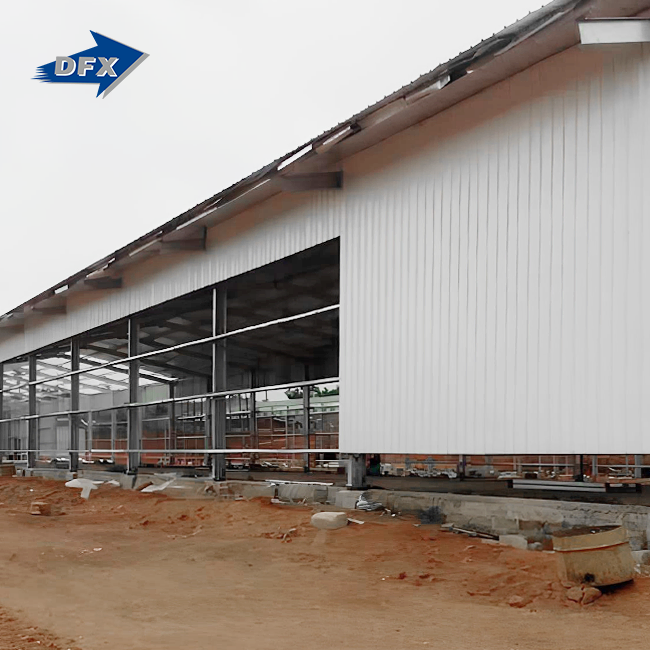
Setup costs include making the structure of the building out of steel, engineering the base, installing the electricity service, buying equipment, and making an inventory of tools. As long as it meets ISO9001 and CE standards, a normal machinery processing workshop will include structural design, fabrication, surface treatment, packing, and assembly drawings. This gives you full turnkey support. Bolted steel links make it possible to make changes in the future as production needs change. Labour, utilities, consumables like cutting tools and coolant, repair parts, and quality control tasks are all examples of operational costs. To make a good budget, you need to guess how much will be made, how much will be wasted during the process, and how much technology will need to be upgraded to stay competitive.
In-House Production Versus Outsourcing Analysis
In-house machining lets you keep an eye on quality, protect your intellectual property, and make quick changes to engineering plans while a product is being developed. When production levels go above the break-even points set by machine utilisation rates and worker efficiency, fixed overhead costs become beneficial. Outsourcing works well for speciality processes that don't need to be done very often but need expensive equipment that is only used sometimes. This turns set costs into flexible costs that can be adjusted based on production needs. When making strategic choices, companies have to think about their core competencies, their limited capacity during times of high demand, and how to handle supply chain risks while balancing the need to cut costs with the need to ensure reliable delivery.
Selecting Reputable Equipment and Structure Suppliers
Suppliers that are good at what they do show that they have manufacturing certifications, such as ISO9001 quality management systems and materials that meet ASTM standards for solid steel components. As part of their production, companies should be able to use automatic welded H-beam lines, make sandwich panels, and shape corrugated sheets into whole building shell systems, supported by a capable tooling workshop. Technical help includes architectural design services, engineering estimates for wind and snow loads in the area, and on-site installation advice to make sure everything is put together correctly. Deliveries that are reliable and made-to-order production plans with clear lead times make it possible to organise the installation of equipment. Companies like Director Steel, which has been making structural steel for over 12 years and can produce 20,000 tonnes of steel every year, have a track record of dependability when working with industrial manufacturing sites around the world.
Conclusion
In order to set up a machinery processing workshop that works well, technical needs must be balanced with financial facts when planning the building, choosing the equipment, and planning how the workshop will be run. The key to success in precision manufacturing is to choose a steel structure building with flexible open-span rooms, good infrastructure integration, and the ability to grow in the future. Carefully choosing equipment that fits your production volumes and quality standards, along with strong maintenance programmes and training for skilled workers, will set up your facility to be highly productive and give you a competitive edge when you're working with tough automotive, aerospace, and industrial clients.
FAQ
1. What structural requirements support precision machining equipment?
For precise cutting, you need supports that don't shake. Usually, these are reinforced concrete slabs 300–500 mm thick, with separate pads under heavy equipment. For machine levelling to work, steel-frame buildings must keep their floors flat within 3 mm every 3 metres. Temperature control methods keep it within ±1°C, so thermal expansion doesn't mess up limits at the micron level. When the roof is the right height, overhead cranes can be used to place and fix equipment.
2. How does workshop size affect production capacity?
Workshop size has a direct effect on the number of tools, how well materials move, and how easily the business can grow. The smallest space needed for a business to be successful is 500 square metres, which can hold three to five machines. For high-volume operations, the space needed is over 5,000 square metres, which can hold dozens of machining centres with automatic material handling. Large-span steel buildings don't have internal beams, so the floor space is used more efficiently and the building can be rearranged as production needs change.
3. What quality certifications matter for machining workshops?
ISO9001 sets the standards for a quality control system that most industry customers need. AS9100D certification shows that a company meets the strict standards for traceability and process control in the aerospace business. IATF 16949 meets the needs of the car industry for statistical process control and methods for continuous growth. Building materials that meet ASTM standards and have the CE mark on them make sure that the structure is strong and that they follow the rules for foreign operations.

Partner with Director Steel for Your Machining Workshop Infrastructure
For industrial sites that need accuracy, durability, and high operating efficiency, Director Steel offers a wide range of steel structure options. Our welded H-section steel frames made from Q235/Q355 grade materials give your machinery processing workshop the structural stability it needs. Plus, their large-span designs get rid of inner obstacles that get in the way of optimising workflow. Our buildings meet world-quality standards that are important for precision machining settings. They are ISO9001 certified, CE-compliant, and meet ASTM material standards.
Our full turnkey service includes designing the structure based on the weight of your equipment and local building codes, fabricating it in our 40,000-square-meter factory, treating the surface professionally to prevent corrosion, and providing installation drawings and on-site guidance to make sure the right way to put it together. Made-to-order production with wait times of 25 to 43 days lets you schedule things around the time it takes you to buy the tools. Get in touch with jason@bigdirector.com to talk about your project needs with our skilled technical team and find out why companies in the car, aerospace, and industrial sectors choose Director Steel as their main steel structure provider for important production facilities.
References
1. Smith, J. & Chen, L. (2022). Industrial Facility Design for Advanced Manufacturing: Layout Optimization and Infrastructure Integration. Manufacturing Engineering Press.
2. Roberts, M. (2021). "Precision Machining Environment Requirements: Temperature, Vibration, and Structural Considerations," Journal of Manufacturing Systems, Vol. 58, pp. 112-128.
3. Anderson, P. & Kumar, R. (2023). Steel Structure Buildings for Industrial Applications: Design, Fabrication, and Performance Standards. International Construction Publishers.
4. Thompson, K. (2022). "Equipment Selection Strategies for Small to Medium Machining Operations," Production Management Quarterly, Vol. 34(2), pp. 45-67.
5. Williams, D., Zhang, H., & Martinez, C. (2021). Quality Systems in Precision Manufacturing: ISO, AS9100, and IATF Standards Implementation. Global Manufacturing Institute.
6. Johnson, E. (2023). "Cost-Benefit Analysis of In-House Machining Versus Outsourcing for Mid-Sized Manufacturers," Supply Chain Management Review, Vol. 27(1), pp. 89-104.
Learn about our latest products and discounts through SMS or email