- English
- French
- German
- Portuguese
- Spanish
- Russian
- Japanese
- Korean
- Arabic
- Greek
- German
- Turkish
- Italian
- Danish
- Romanian
- Indonesian
- Czech
- Afrikaans
- Swedish
- Polish
- Basque
- Catalan
- Esperanto
- Hindi
- Lao
- Albanian
- Amharic
- Armenian
- Azerbaijani
- Belarusian
- Bengali
- Bosnian
- Bulgarian
- Cebuano
- Chichewa
- Corsican
- Croatian
- Dutch
- Estonian
- Filipino
- Finnish
- Frisian
- Galician
- Georgian
- Gujarati
- Haitian
- Hausa
- Hawaiian
- Hebrew
- Hmong
- Hungarian
- Icelandic
- Igbo
- Javanese
- Kannada
- Kazakh
- Khmer
- Kurdish
- Kyrgyz
- Latin
- Latvian
- Lithuanian
- Luxembou..
- Macedonian
- Malagasy
- Malay
- Malayalam
- Maltese
- Maori
- Marathi
- Mongolian
- Burmese
- Nepali
- Norwegian
- Pashto
- Persian
- Punjabi
- Serbian
- Sesotho
- Sinhala
- Slovak
- Slovenian
- Somali
- Samoan
- Scots Gaelic
- Shona
- Sindhi
- Sundanese
- Swahili
- Tajik
- Tamil
- Telugu
- Thai
- Ukrainian
- Urdu
- Uzbek
- Vietnamese
- Welsh
- Xhosa
- Yiddish
- Yoruba
- Zulu
Why Retailers Choose a Steel Structure Supermarket
Retailers across the US are increasingly stressed by limited budgets, short building timelines, and the need for stores that can adapt to changing customer needs. A steel structure supermarket takes on these problems head-on by being easy to set up and having a very strong structure. Steel-framed retail buildings are much faster to build than traditional concrete or masonry buildings, which take months to finish. They also have better open-span spaces that work well with modern merchandising plans. This detailed guide looks at why procurement managers, project engineers, and retail developers are choosing steel structures for their supermarket projects more and more. It discusses the technical, financial, and operational benefits that make these buildings the best choice in today's competitive retail market.
Understanding Steel Structure Supermarkets
What Defines a Steel Structure Supermarket?
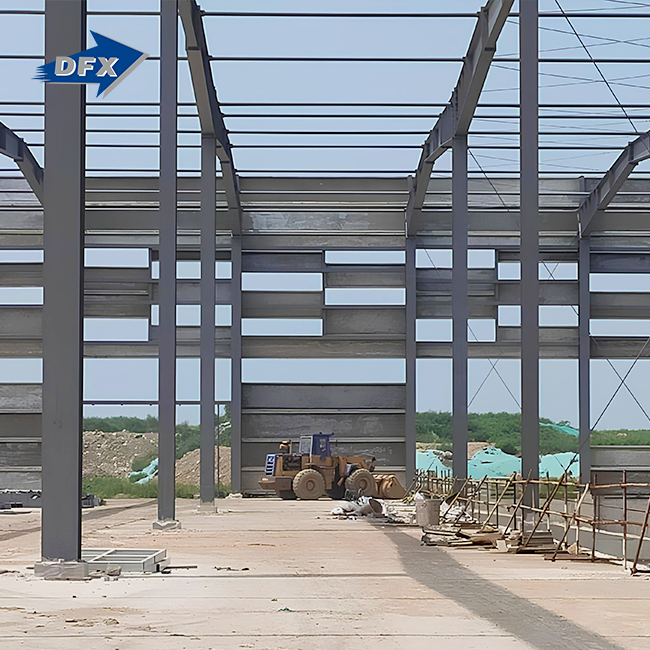
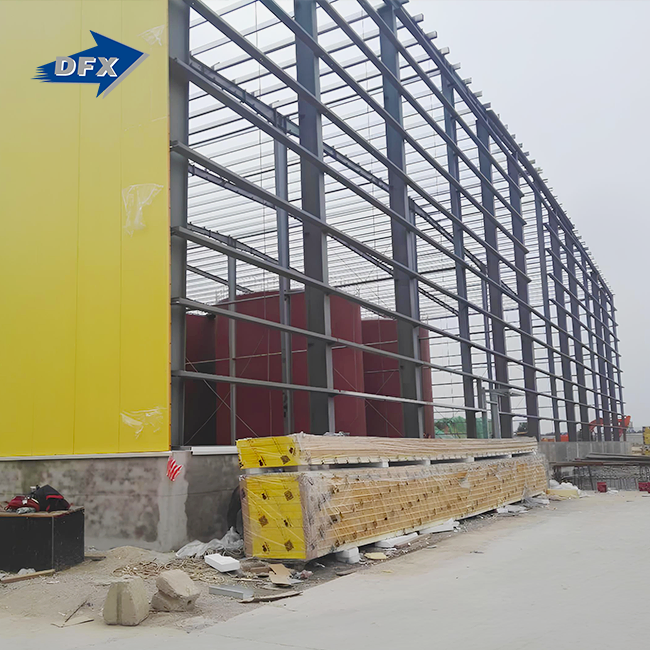
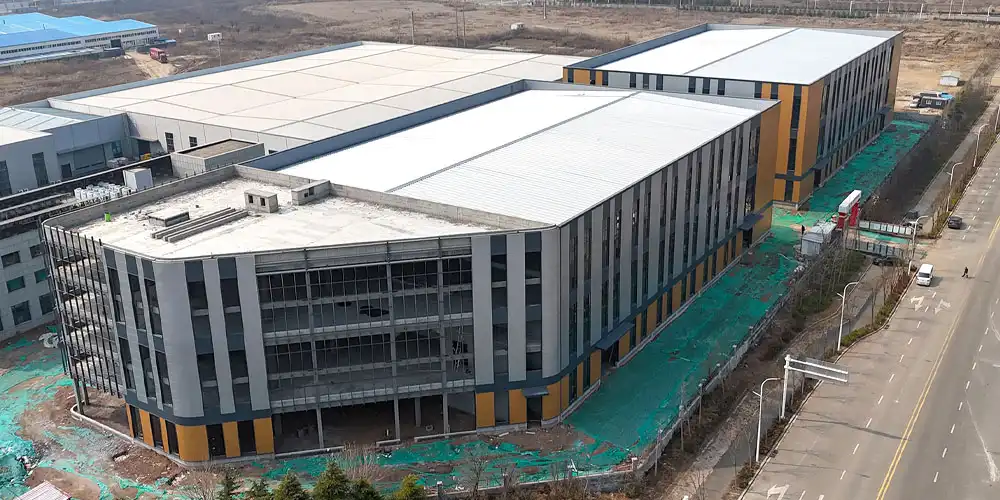
A steel structure supermarket uses PEB systems with high-grade H-section steels like Q355B or ASTM A572 Gr50 for the main frame. C and Z purlins are cold-formed for support. This layout creates clear-span rooms 65 to 200 feet long without beams. This configuration maximises floor space for product displays and consumer movement. Retail planning changes without internal support, as merchandisers can adjust store layouts for changing seasons or to accommodate specialised departments without structural concerns.
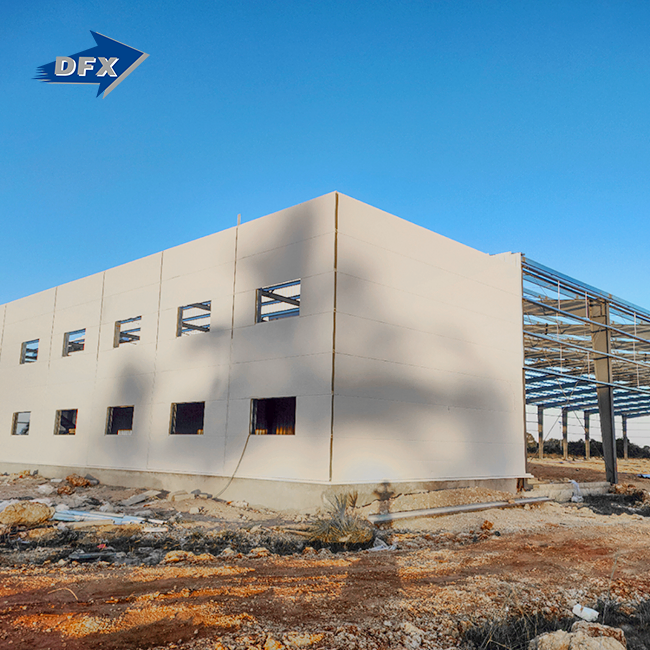
The building system uses a sturdy framework and attractive cladding. Composite floor decks spread loads, and artistic cladding solutions like insulated sandwich panels or modern glass curtain walls keep heat and weather out. Built in China under strict ISO9001 and CE certification, these structures satisfy international quality standards and are cheaper than similar-sized concrete buildings.
Material Composition and Technical Specifications
Supermarkets use galvanised steel with a zinc coating mass of 275 g/m². This gives steel strong corrosion resistance for stores with several cooling systems and excessive humidity. Most structural sections have tensile strengths between 470 and 630 MPa and yield strengths of 345 MPa. This guarantees structural durability under active loading. These qualities affect real-world construction performance. These structures are designed to withstand wind loads exceeding 0.60 kN/m², snow loads, and earthquakes up to Grade 8.
Surface solutions extend building life. Hot-dip galvanisation and multi-coat epoxy zinc-rich painting prevent atmospheric rust in food stores, HVAC condensation, and moisture entry. Because steel is light, it reduces foundation loads by 30–40% over concrete. This reduces site preparation expenses and speeds project plans. Sandwich panels of 50mm to 100mm polyurethane or polyisocyanurate form thermal envelopes. These panels' R-values improve HVAC efficiency and meet B1 or A fire safety standards.
Comparing Steel Structure Supermarkets with Traditional Building Methods
Construction Speed and Quality Control
The base curing, columns poured, beams installed, and slab poured are the order of construction for traditional concrete structures. Each phase relies on weather and curing time. Steel supermarket frameworks eliminate bottlenecks through parallel processing. While the foundations are being built, other companies are making steel parts in controlled surroundings. Parallelisation reduces project timescales by 30–50%, helping merchants capitalise on market opportunities and get their money back faster.
Factory-controlled output ensures quality. Magnetic particle testing is utilised for fillet welds, and ultrasonic testing for full-penetration welds. This ensures each welded link is strong, unlike field-poured concrete. Laser measurement instruments ensure accurate measurements within ±2 mm, ensuring bolt hole alignment for smooth assembly on-site. This accuracy eliminates costly field alterations in traditional building and reduces work.
Cost Performance and Long-Term Value
Steel prices are reliable for frugal retailers. Unlike unpredictable concrete markets, material prices remain steady, and shorter building times minimise borrowing costs and speed up profits. Less labour is needed to assemble prefabricated elements, which bolt together without formwork, rebar insertion, or concrete finishing. Less site damage reduces environmental cleanup costs and local disruption, which slows typical projects.
Long-term lifespan economics favour steel over concrete. Well-maintained steel supermarkets with hot-dip galvanisation or strong protection coatings can endure 50 years or more, similar to concrete, and have high scrap value. Energy expenses drop with better thermal envelope performance. Insulated metal panels outperform concrete walls thermally and weigh less. The layer simply needs to be inspected and touched up occasionally, unlike traditional buildings that require concrete spalling, brick repointing, and structural faults to be repaired.
Key Reasons Why Retailers Prefer Steel Structure Supermarkets
Maximized Retail Space and Layout Flexibility
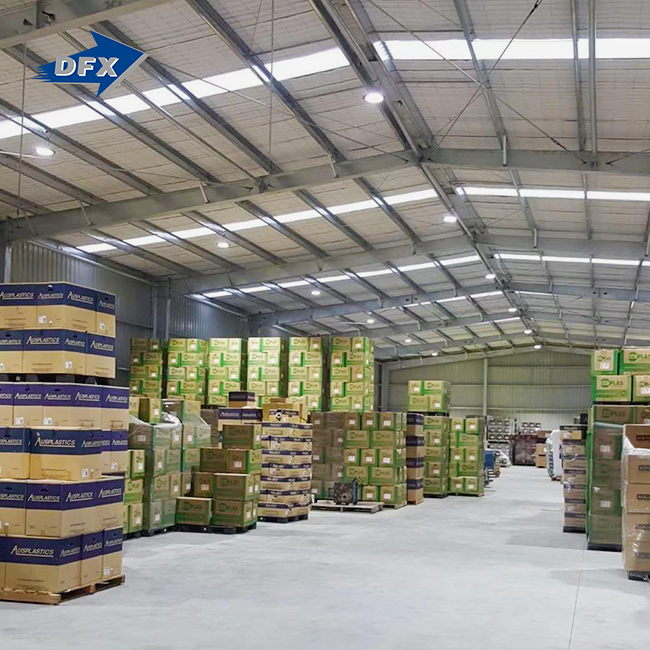
Modern retail requires merchandisers to adapt swiftly to seasonal needs, marketing initiatives, and new product categories. Steel supermarkets can span 60 meters and have unobstructed floor plates. Column-free spaces allow store planners to be inventive. Costco and Sam's Club, which include high-rack storage systems, forklift lanes, and customer-movement areas in one enormous volume, benefit from these extra square feet.
The structural method suits many store layouts. Multi-storey commercial buildings with stores on the ground floor and parking or office space on the upper floors utilise composite deck floors, which can handle 3.5 to 5 KN/m² of live loads while maintaining slimmer dimensions than concrete beam systems. Thermal break and polyurethane sandwich panel layouts improve fresh food markets and cold chain operations. These configurations create walk-in freezers and refrigerated display spaces within the main building envelope. Enhanced galvanisation and stainless steel fasteners help prevent panel deterioration.
Rapid Deployment for Competitive Advantage
The way the market works rewards speed. When retailers want to get into new areas or react to moves by competitors, they need buildings that can be used in months, not years. This benefit is clearly provided by steel structure supermarkets. When prefabricated parts get to the job site, they are ready to be put together. It only takes weeks for construction teams to finish building frames. Cladding, roofs, and MEP systems can all be installed at the same time, which greatly shortens plans compared to traditional methods that need trades to coordinate their work in order.
This gain in terms of time goes beyond the initial building. End-wall cladding is easy to remove, which lets new structural bays bolt onto current frames without stopping operations. This means that future growth will cause little to no business interruption. When you want to add on to a concrete building, you have to tear it down, strengthen it, and keep it closed for long periods of time, which destroys income. Because steel is flexible, store space can be turned into assets that can change with the needs of the business.
Structural Resilience and Safety Performance
Retail businesses must protect their pricey cooling equipment, big product investments, and most crucially, customers in various weather conditions. Steel supermarkets do well in these areas. These buildings can handle regional wind, earthquake, and snow loads. They remain stable amid extreme weather that damages other buildings. Steel frames are naturally flexible; thus, they can manage earthquake energy loss, preventing building collapses.
Steel building fire safety questions are answered by modern protection technologies. Intumescent fireproof coatings spread, insulate steel members for two to four hours, and exceed fire safety standards for commercial buildings when heated. The fire protection of concrete reduces over time owing to cracking and reinforcing exposure; however, these approaches function well and add little weight or expense to projects.
Procurement and Construction: What Buyers Need to Know
Selecting Qualified Steel Structure Manufacturers
Supplier screening is the first step to successfully building a supermarket with a steel structure. Buyers should prioritise organisations with ISO9001 quality management systems and CE markings that demonstrate compliance with European standards. Extra certificates like COC or PVOC show your commitment to international trade standards in business-to-business agreements.
Experience as a manufacturer matters. Qingdao Director Steel Structure Co., Ltd., formed in 2011, has over 12 years of experience creating business buildings, shopping complexes and retail facilities. Examine past project portfolios for e-commerce sites of similar size and difficulty. Production capacity signs reveal that facilities with six automatic welded H-beam lines, sandwich panel production, and C/Z section steel making can produce 500–2,000 tonnes of structural steel for large supermarket projects.
Understanding Project Specifications and Customization
Customisable steel-structure supermarkets may accommodate many shopping ideas. Structural design services should include optimising the architectural plan, calculating loads for large HVAC equipment on top, refrigeration condensers, and possible future photovoltaic systems. Building systems perform smoothly when MEP and façade systems are coordinated. This distinction sets full-service suppliers apart from component dealers.
Material selection influences budget and function. Choose steels that suit your climate. In coastal areas, hot-dip galvanisation is preferable to painting for corrosion protection. Cladding choices consider appearance, heat retention, and maintenance. Polyurethane-based sandwich panels insulate better in climate-controlled establishments. Modernise high-end retail malls with decorative metal panels or curtain wall systems.
Installation and Quality Verification
Long-term building success is based on the quality of the work on-site. Installing steel structure supermarkets correctly is easier when the workers are skilled and know the right way to do it. Bolt torque checks make sure that connections are as strong as they should be, and dry film thickness tests on welds make sure that the protection coating is still intact. Dimensional checks during assembly stop errors from building up and making it harder to put the facade together or opening up ways for water to get in.
Inspections that happen at different stages of building find problems early, when they are still easy and cheap to fix. Verifying the placement of foundation anchor bolts saves money by avoiding having to make changes in the field during the steel building. Mainframe checks for plumbness and alignment, make sure that loads are transferred correctly, and render working on later trades easier. Inspections of the placement of roof and wall panels make sure that the right fastening patterns, sealant applications, and flashing details are used to make sure that the building shells are weathertight.
Environmental and Operational Impact of Choosing Steel Structures
Sustainability Benefits and Green Building Certifications
Environmental responsibility is becoming crucial in commercial real estate decisions. Steel supermarket structures help achieve sustainability goals in several ways. Steel is one of the most recyclable materials. The majority of structural steel is recycled and can be fully recycled if a structure is demolished. This steady flow of materials reduces embodied carbon compared to producing concrete, which produces CO₂, or cutting down trees for wood, which destroys forests.
Energy efficiency over the system's lifetime is also significant. Advanced insulation techniques on steel building surfaces reduce HVAC energy use, the principal cost of climate-controlled store rooms. Reflective roof coatings and clerestory windows or transparent panels reduce cooling and lighting needs in warm climates. These features aid LEED applicants, making companies look greener and saving energy.
Lifecycle Cost Optimization
Smart stores don't just look at the original construction funds when deciding whether to invest in a building; they also look at the total cost of ownership over many years. Steel structure supermarkets do very well in lifecycle reviews because they have many ways to save money. Less upkeep means that concrete and masonry buildings don't have to pay for repairs like concrete spalling and masonry tuckpointing, and structural cracks don't have to be fixed. Periodic checks of the covering and small touch-ups in specific areas keep security systems in good shape at a low cost.
Adaptive reuse potential keeps an asset's value even as store ideas change. Since column-free designs don't limit the plan, interior reconfigurations can happen without changing the structure. By using the space that is already there, vertical extensions add mezzanine floors for storage or customer service in the back room. Through bolt-on additions, horizontal extensions fit in perfectly with the original building. This ability to change keeps investments from becoming useless over time, giving them a much longer economic useful life than other building methods.
Conclusion
Steel structure supermarket stores are the result of modern engineering, smart economics, and the best operating practices in retail building. Clear-span interiors, quick construction, and structural strength are some of the technical benefits. The financial benefits, such as predictable costs, shorter timelines, and low lifetime costs, make these buildings very appealing to stores and investors. Environmental friendliness and design adaptability are two more things that set steel systems apart as cutting-edge solutions that can adapt to changing store environments. When procurement workers look at different retail building choices, steel structures perform better than any other material in terms of speed to market, operating efficiency, and long-term value preservation.
FAQ
1. How does steel perform in regions with high humidity or coastal environments?
Steel structure supermarket stores near the coast or in places with a lot of humidity need more than just normal repairs to keep them from rusting. Hot-dip galvanisation with zinc covering masses greater than 275 g/m² protects well against atmospheric rust and works much better in coastal settings than painted systems. Using stainless steel screws on ornamental surfaces keeps them from getting rusty, and epoxy zinc-rich primer systems add another layer of protection against water getting in. Coastal steel structures that are properly designed and kept often have 50-year service lives that are the same as or longer than those of concrete buildings. This is because they don't have the chloride-induced reinforcing corrosion problems that plague seaside construction.
2. Can existing steel supermarkets be expanded or modified after initial construction?
The flexible nature of steel buildings makes it easy to add on to or change structures that are made of solid concrete. End-wall cladding panels are easy to take off, which lets new structure bays bolt directly onto old frames without stopping store operations. With mezzanine additions, the original building's space is used to make more floor space for storage, offices, or bigger store sections. Rearranging the interior is easy because there are no columns in the way. This means that new marketing strategies can be used without any problems. Because they can be changed so easily, retail buildings become truly flexible assets that can change with the needs of the business, saving capital investments from becoming obsolete.
3. What quality certifications should buyers verify when sourcing steel supermarket suppliers?
Steel structure manufacturers with a good reputation keep their ISO9001 quality management certification up to date. This shows that they have systematic quality control during the planning, production, and shipping processes. The CE mark shows that a product meets European safety, health, and environmental protection standards, which is necessary for buying things from other countries. Extra certificates, like COC (Certificate of Conformity) and PVOC (Pre-Export Verification of Conformity), show that the goods meet the needs of the target country. Buyers should ask for mill test certificates that prove the chemical makeup and mechanical qualities of the steel, as well as qualifications and licences for the welding process, to make sure of the integrity of the structural connections.
Partner with DFX for Your Steel Structure Supermarket Project
Through its subsidiary Qingdao Director Steel Structure Co., Ltd., DFX has more than 12 years of experience providing steel structure supermarkets to stores all over the world. Our wide range of skills, including architectural design, structural engineering, manufacturing, and on-site building support, ensures that projects run smoothly. With over 200 trained professionals working in 40,000 square meters of production space and six automatic H-beam lines, we make high-quality steel buildings that are backed by ISO9001 and CE certifications. Whether you're building a single store or a chain of shopping centres, our team can help you with turnkey solutions that are tailored to your needs. Get in touch with jason@bigdirector.com right away to talk about your project with one of our technical experts and find out why top stores trust DFX as their steel structure supermarket provider. We provide excellent combined design, manufacturing, and installation services that turn your store idea into a working reality.
References
1. American Institute of Steel Construction. (2022). Steel Construction Manual, 15th Edition. Chicago: AISC.
2. Lawson, R.M., & Ogden, R.G. (2020). Design of Steel Framed Buildings for Retail Applications. Steel Construction Institute Technical Report.
3. Environmental Protection Agency. (2021). Lifecycle Assessment of Building Materials: Steel versus Concrete Comparative Analysis. EPA Sustainable Materials Management Program.
4. International Code Council. (2021). International Building Code Requirements for Steel Structures. Country Club Hills: ICC Publications.
5. Chen, W.F., & Lui, E.M. (2019). Handbook of Structural Engineering, Second Edition. Boca Raton: CRC Press.
6. National Retail Federation. (2023). Retail Construction Trends and Best Practices: Infrastructure Investment Strategies. Washington D.C.: NRF Research Division.
Learn about our latest products and discounts through SMS or email