- English
- French
- German
- Portuguese
- Spanish
- Russian
- Japanese
- Korean
- Arabic
- Greek
- German
- Turkish
- Italian
- Danish
- Romanian
- Indonesian
- Czech
- Afrikaans
- Swedish
- Polish
- Basque
- Catalan
- Esperanto
- Hindi
- Lao
- Albanian
- Amharic
- Armenian
- Azerbaijani
- Belarusian
- Bengali
- Bosnian
- Bulgarian
- Cebuano
- Chichewa
- Corsican
- Croatian
- Dutch
- Estonian
- Filipino
- Finnish
- Frisian
- Galician
- Georgian
- Gujarati
- Haitian
- Hausa
- Hawaiian
- Hebrew
- Hmong
- Hungarian
- Icelandic
- Igbo
- Javanese
- Kannada
- Kazakh
- Khmer
- Kurdish
- Kyrgyz
- Latin
- Latvian
- Lithuanian
- Luxembou..
- Macedonian
- Malagasy
- Malay
- Malayalam
- Maltese
- Maori
- Marathi
- Mongolian
- Burmese
- Nepali
- Norwegian
- Pashto
- Persian
- Punjabi
- Serbian
- Sesotho
- Sinhala
- Slovak
- Slovenian
- Somali
- Samoan
- Scots Gaelic
- Shona
- Sindhi
- Sundanese
- Swahili
- Tajik
- Tamil
- Telugu
- Thai
- Ukrainian
- Urdu
- Uzbek
- Vietnamese
- Welsh
- Xhosa
- Yiddish
- Yoruba
- Zulu
What are the advantages of a prefabricated steel warehouse?
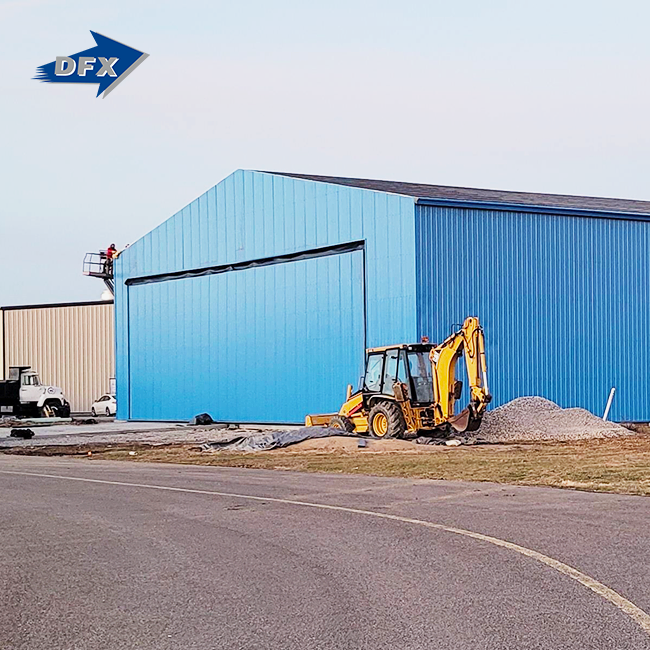
These days, industrial storage needs options that are quick, reliable, and cheap without losing quality. These problems can be solved with a prefabricated steel warehouse that uses advanced engineering and factory-controlled production methods. These prefab buildings are made in China and shipped to places so that they can be put together quickly. They have H-beam main frames, galvanised C/Z purlins, and bracing systems. Compared to traditional concrete buildings, prefabricated steel warehouses cut down on construction times by 30 to 50 per cent, offer better clear-span capabilities for unobstructed inner rooms, and make budgeting easier by being precisely manufactured in a factory. This method cuts down on waste and delays caused by bad weather, which makes it a great choice for transportation companies, factories, and farms that want to get things done quickly and for a long time.

Introduction
Global procurement professionals are under increasing pressure to keep projects on schedule, prices low, and businesses open. Whether you're building industrial plants, expanding factories, or improving farm infrastructure, your warehouse construction approach affects your bottom line and project success. For buying managers, project engineers, and EPC personnel in many industries, prefabricated steel warehouses are a novel storage solution.
The benefits of pre-engineered building systems help individuals decide if modular steel construction is ideal for their project. Prefabricated steel warehouses have many advantages over conventional construction. They are cheaper, faster, more durable, and greener. This topic explains why steel warehouse systems are a good investment for US and international logistics, industry, farming, and infrastructure organisations.
Understanding Prefabricated Steel Warehouses?
What Makes Prefabricated Steel Different
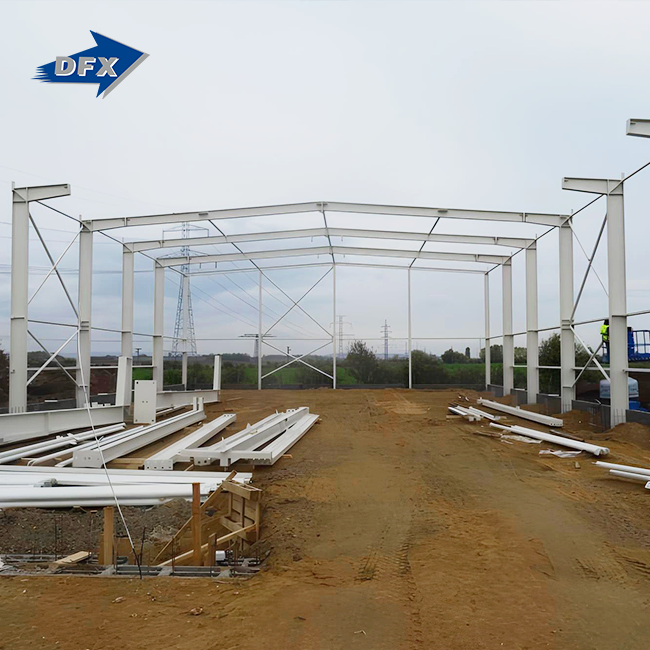
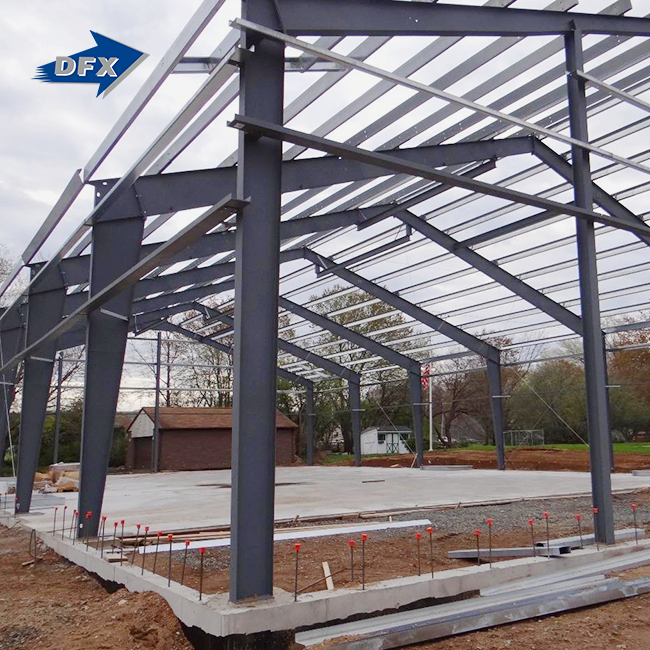
A prefabricated steel warehouse is like a complicated pre-engineered building system, with structural sections produced in a controlled workshop before being shipped to the construction site. Before production begins, proper building information modelling optimises material utilisation and structural strength. H-section columns, beams, galvanised C/Z-section purlins, and wall or roof cladding are fabricated to specs and sent to the construction site for assembly. In contrast, typical concrete or timber construction involves cutting, shaping, and assembling all materials on site, leaving the project vulnerable to quality and weather variations.
Modular Manufacturing Process
Factory manufacturing makes sure that all of the structural parts are the same. Automatic welding lines make H-beams of the same high quality, and sandwich panel production lines make insulated wall and roof systems with exact thermal qualities. About 20,000 tons of structural steel can be made every year on six automatic welded H-beam lines, and 8,000 tons of secondary frame members can be made on specialized C/Z section lines. Because they can make things on an industrial scale, lead times for project-specific production runs are faster. The modular method lets parts be made at the same time as site preparation, which shortens total project schedules by a lot compared to traditional building, which is done one step at a time.
Design Flexibility and Customization
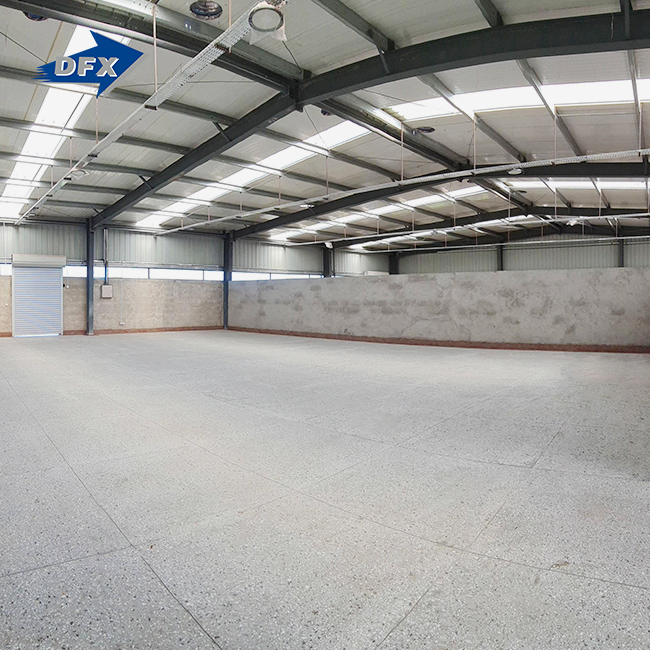
These frameworks are flexible despite their conventional design. Clear-span designs over 80 meters have no interior columns. Current shipping operations that use automated storage and retrieval systems benefit from this open floor area. You can alter eave heights from 12 to 20 meters for vertical shelves and lofts. The environment affects insulation standards. Polyurethane sandwich panels in 200mm widths are suitable for -30°C cold storage facilities. In construction, crane support elements are integrated into the main frame. Heavy industries can use 10- to 100-tonne overhead bridge cranes.
Key Advantages of Prefabricated Steel Warehouses
Accelerated Construction Timeline
In the world of project creation, time is money, and steel buildings save a lot of time. Prefabricated steel warehouses can be fully usable in 6 to 9 months, while standard concrete warehouses may need 12 to 18 months from the time the foundations are broken to the time they are used. The parallel process, which involves preparing the base and making the parts at the same time, gets rid of delays in the order of the steps. Instead of waiting months for concrete to cure, bolted links let installation teams put up structure frames in weeks instead of months. This speeding up has a direct effect on return on investment, which lets operating sites start making money earlier.
Cost Efficiency and Budget Predictability
When compared to fabrication on-site, the controlled setting of a plant greatly lowers the amount of material waste. High-Strength Low-alloy steel types like Q355B have a yield strength of more than 345 MPa. This means that engineers can get the load-bearing capacity they need with less material weight and fewer base requirements. Because skilled installation teams finish putting things together faster than regular building groups, labor costs go down. When manufacturing, not having to worry about the weather means that project plans stay stable, which avoids expensive delays and the costs that come with them. Procurement managers like premade systems because they offer stable prices. This is because the costs of production in the factory are set before work starts on-site, which protects budgets from changes in material prices.
Structural Durability and Longevity
AISC or Eurocode 3 steel warehouses can withstand 120 km/h winds and Zone 4 earthquakes. Due to its flexibility, structural steel can absorb energy during dynamic loads. This prevents catastrophic building collapses. Surface treatments such as hot-dip galvanisation or epoxy zinc-rich painting systems with dry film thicknesses over 100 μm inhibit corrosion at levels 3 to 5. Even in tough seaside settings where salt air speeds up the disintegration of unprotected materials, these safety measures ensure the construction will last more than 50 years. Steel framing is also resistant to termites and rodents, unlike wooden buildings.
Energy Efficiency and Environmental Benefits
Thermal resistance exceeds R-30 in modern sandwich panel covering systems with polyurethane, polyisocyanurate, or rockwool insulation. Very little energy is utilised for heating and cooling. For temperature-controlled manufacturing and storage facilities, this heat performance is ideal. Photovoltaic solar panels can be put on standing seam roofs without waterproofing. Facility operators can generate green energy and cut costs. Steel is 100% recyclable and energy-efficient, and electric arc furnace steel production employs more recycled content than raw materials, reducing carbon content.
Operational and Maintenance Benefits
Simplified Long-Term Maintenance
Steel constructions require less maintenance than conventional building technologies. Protective coatings applied during production prevent rust for decades without repainting. Steel frames maintain structural integrity by inspecting connections and coatings, unlike concrete or wooden buildings that need frequent repairs or pest control. Bolt links are easier to repair than solid concrete. Facilities managers prefer cheap building maintenance expenditures that don't disrupt the company.
Scalability and Expansion Capability
Flexibility makes prefabricated steel warehouse construction easy to add on as business demands evolve. Weight-bearing end-wall frames can be removed temporarily. New bays can be added with standard connections that match the building. Companies that create more can extend workshop space without stopping other activities. When distribution facilities switch to e-commerce, companies can add storage capacity as sales grow. They won't have to spend on a large initial construction project. This versatility helps organisations in fast-changing marketplaces where construction demands change with customers.
Safety and Compliance Advantages
ISO9001-certified facilities ensure prefabricated steel building quality throughout manufacture. Ultrasonic and radiographic testing uncover internal welding faults in AWS D1.1/D1.5-certified welding. This keeps the link strong under load. CE accreditation implies it satisfies European safety standards. EN1100 compliance means it fulfils foreign standards. Thermally spreading intumescent coatings and other fire resistance treatments insulate structural steel, giving it the one to three hours of fire resistance required by building requirements. Built-in safety features protect workers and property, helping total cost of ownership buyers meet risk management targets.
Comparison With Other Warehouse Types
Structural Performance Differences
Compared to options made of reinforced concrete, steel building systems are stronger for their weight. Steel is better at tensile and flexural uses than concrete, which means that buildings made of steel can have longer clear lengths with fewer support posts. For a concrete warehouse with 60-metre clear spans, the beams need to be very deep and reinforced, which raises the cost of materials and makes the building process more difficult. Wooden structures have problems with being able to hold weight and staying safe in fires. Because of this, they are mostly used for smaller farming buildings and not for big logistics or industrial facilities. Because steel behaves predictably under load, exact engineering estimates can be made, which cuts down on the need for safety factors and material over-specification that are common in other building methods.
Timeline and Financial Considerations
Diverse constructions have very diverse lengths. Concrete stores require months for formwork, rebar insertion, casting concrete, and curing before the construction enclosure. Even though wooden buildings are faster than concrete, they must be assembled piece by piece on-site, which might be delayed by inclement weather. A prefabricated steel warehouse can be installed quickly in any weather, and the weathertight barrier is complete within weeks of building the base. A financial assessment must consider the project's complete expenses, including basic work, materials and labour, finishing systems, and time. Base costs are 15–25% lower for steel than concrete due to its lower dead load. Although structural steel costs more per unit than concrete, building costs are lower due to labour productivity.
Maintenance and Lifecycle Analysis
Long-term ownership expenses exceed house construction costs. Concrete buildings develop microscopic gaps that let water in and need to be sealed periodically. Wooden buildings need constant treatment to prevent water, pest, and structural damage. Steel buildings coated properly don't need much upkeep for decades. In coastal places, marine-grade galvanisation or epoxy systems prevent rust. Bolted steel framing makes adding loading docks, overhead cranes, or new mechanical systems easier than solid concrete or load-bearing timber construction, strengthening the lifetime analysis that favours steel.
Procurement Insights for Prefabricated Steel Warehouses
Supplier Evaluation Criteria
To choose a skilled steel frame fabricator, you need to do a lot more than just compare prices. Suppliers' ability to meet project deadlines depends on their manufacturing capacity. Facilities with multiple automatic welding lines and specialized purlin production tools show that they can handle large-scale projects. The ISO9001 certification shows that quality management systems are in place, and the CE marking shows that structural engineering meets European standards that can be used on foreign projects. Technical skills are very important. Suppliers that offer in-house architectural design and detailed services offer unified support from the initial idea to the final installation, which makes planning easier than handling a number of different specialty contractors. Offering warranties that cover the strength of the structure, the longevity of the finish, and the performance of the parts shows that the maker is confident and helps protect assets over time.
Pricing Structures and Financial Planning
Prices for a prefabricated steel warehouse usually include planning and design services, the fabrication of the steel structure (including main frames and secondary systems), wall and roof cladding panels, accessories like doors and windows, and the handling of shipping operations. Knowing about these factors helps people who work in procurement correctly evaluate quotes and deal well. With project-based production, prices change based on specific needs. Clear-span width, eave height, local wind and snow loads, and seismic concerns all affect the amount of materials needed and the level of difficulty in making. Some suppliers offer financing or leasing plans that match capital expenditures with income growth. This is especially helpful for companies that want to grow without using up their working capital savings.
Logistics and Installation Considerations
How efficiently containers are shipped affects foreign projects that get buildings from places where they are made. Freight costs are cut down, and customs clearance is made easier with modular parts that are made to fit standard container sizes. Delivery plans make sure that the arrival of parts matches up with the readiness of the site and the availability of the installation team. This way, demurrage charges and storage costs are avoided. Help with erection from providers with a lot of experience is very helpful. Detailed assembly drawings, connection specs, and technical support during installation help avoid mistakes that cost a lot of money and make sure that the structure works the way the engineers predicted it would. Professionals in charge of buying things should find out if suppliers offer on-site supervision or training for local installation crews. This is especially important for projects in places where steel buildings aren't common.
Conclusion
For procurement workers in charge of industrial, manufacturing, farming, and transport building projects, prefabricated steel warehouses offer clear benefits. Schedules are cut by months when building is sped up, which means that operations can start up faster and the investment pays off sooner. Cost efficiency comes from wasting less material, hiring fewer people, and making a budget that doesn't change based on things like bad weather or differences in quality on-site. Buildings that are structurally durable will last for decades with little upkeep, and covering systems that use less energy will lower costs and help reach sustainability goals.
The flexible design theory lets businesses grow without any problems as their needs change, protecting their initial investments while they do so. When compared to traditional concrete and wooden buildings, steel performs better in many ways, such as its ability to span large areas, its low lifetime costs, and its ability to be easily modified. To successfully buy something, you need to carefully evaluate suppliers by looking at their ability to make the product, their quality certifications, their expert support, and the range of services they offer, from planning to installation.
FAQ
1. How long do prefabricated steel warehouses last in harsh climates?
When properly covered, standard prefabricated steel warehouses can last for more than 50 years. Hot-dip galvanisation with zinc coatings of at least 600 g/m² or marine-grade epoxy paint systems are needed to better guard against rust in coastal areas with a lot of salt. Thermal break technology keeps links from rusting because of condensation in cold places. Arid areas with little rain and low temperatures are actually great for steel because they make it last longer, while tropical areas with a lot of rain need full protective processes that were planned for during design.
2. Can these warehouses accommodate future solar panel installation?
When extra dead load is taken into account during the initial planning, roof structures can hold solar arrays. Solar panels usually add 15 to 20 kg/m² to the weight of the roof, which means that the frame needs to be a little heavier or the spaces between the purlins need to be closer together. Standing seam metal roof profiles can hold panels in place with special clamps that don't go through waterproof coverings, which protects the structure of the building skin. During planning, structural experts and solar workers work together to make sure that the load capacity and mounting features are right.
3. What fire protection options exist for steel warehouses?
At high temperatures, steel loses its structural strength, so fire safety is needed in many situations. When heated, intumescent fireproof layers spread, making insulating walls that keep steel temperatures below critical levels. These systems offer fire protection for one to three hours, which meets the standards of local building codes. Spray-applied cementitious fireproofing or gypsum board encasing for internal columns is another option. Which one you choose will rely on your budget and personal taste.
Partner With DFX For Your Next Steel Warehouse Project
The Director Steel Structure Co., Ltd. has been making and installing prefabricated steel warehouses for more than 12 years. Our 40,000-square-metre factory has six automatic welded H-beam lines, two sandwich panel lines, and specialized C/Z section steel equipment. This lets us make 20,000 tons of structural frames and 50,000 square meters of insulated panels every year. Quality management that is ISO9001-certified and structural engineering that is CE-certified help every project meet foreign standards and last for a long time.
Our unified method helps procurement workers at all stages of a project's lifecycle. In-house architectural design teams create unique solutions that meet your exact business needs, while detailed engineering calculations make the best use of materials and ensure the structure's strength. Precision assembly is guaranteed by controlled workplace conditions during fabrication, and on-time delivery of parts is ensured by thorough logistics planning. Help with installation from highly skilled technical staff guarantees a correct setup that meets all engineering requirements.
Director Steel can help you with everything from planning to building logistics, distribution centers, industrial workshops, cold storage facilities, or farm buildings. Get in touch with our team at jason@bigdirector.com to talk about your project needs and get a full quote from a reliable prefabricated steel warehouse provider that is dedicated to providing quality, dependability, and value.
References
1. American Institute of Steel Construction. (2016). Steel Construction Manual, 15th Edition. Chicago: AISC.
2. Metal Building Manufacturers Association. (2018). Common Industry Practices for Metal Building Systems. Cleveland: MBMA.
3. Davies, J.M. (2019). Lightweight Steel Structures: Design and Construction Handbook. London: Structural Engineering Publications.
4. Newman, A. (2017). Metal Building Systems: Design and Specifications, 3rd Edition. New York: McGraw-Hill Professional.
5. Trebilcock, P. (2020). Prefabricated Industrial Buildings: Performance Analysis and Sustainability Assessment. Journal of Architectural Engineering, 26(3), 1-14.
6. International Code Council. (2021). International Building Code: Chapter 22 Steel Structures. Washington: ICC Publications.
Learn about our latest products and discounts through SMS or email