- English
- French
- German
- Portuguese
- Spanish
- Russian
- Japanese
- Korean
- Arabic
- Greek
- German
- Turkish
- Italian
- Danish
- Romanian
- Indonesian
- Czech
- Afrikaans
- Swedish
- Polish
- Basque
- Catalan
- Esperanto
- Hindi
- Lao
- Albanian
- Amharic
- Armenian
- Azerbaijani
- Belarusian
- Bengali
- Bosnian
- Bulgarian
- Cebuano
- Chichewa
- Corsican
- Croatian
- Dutch
- Estonian
- Filipino
- Finnish
- Frisian
- Galician
- Georgian
- Gujarati
- Haitian
- Hausa
- Hawaiian
- Hebrew
- Hmong
- Hungarian
- Icelandic
- Igbo
- Javanese
- Kannada
- Kazakh
- Khmer
- Kurdish
- Kyrgyz
- Latin
- Latvian
- Lithuanian
- Luxembou..
- Macedonian
- Malagasy
- Malay
- Malayalam
- Maltese
- Maori
- Marathi
- Mongolian
- Burmese
- Nepali
- Norwegian
- Pashto
- Persian
- Punjabi
- Serbian
- Sesotho
- Sinhala
- Slovak
- Slovenian
- Somali
- Samoan
- Scots Gaelic
- Shona
- Sindhi
- Sundanese
- Swahili
- Tajik
- Tamil
- Telugu
- Thai
- Ukrainian
- Urdu
- Uzbek
- Vietnamese
- Welsh
- Xhosa
- Yiddish
- Yoruba
- Zulu
The Ultimate Pig Farming Housing Plan: How Prefab Steel Solves Space, Durability & ROI Nightmares
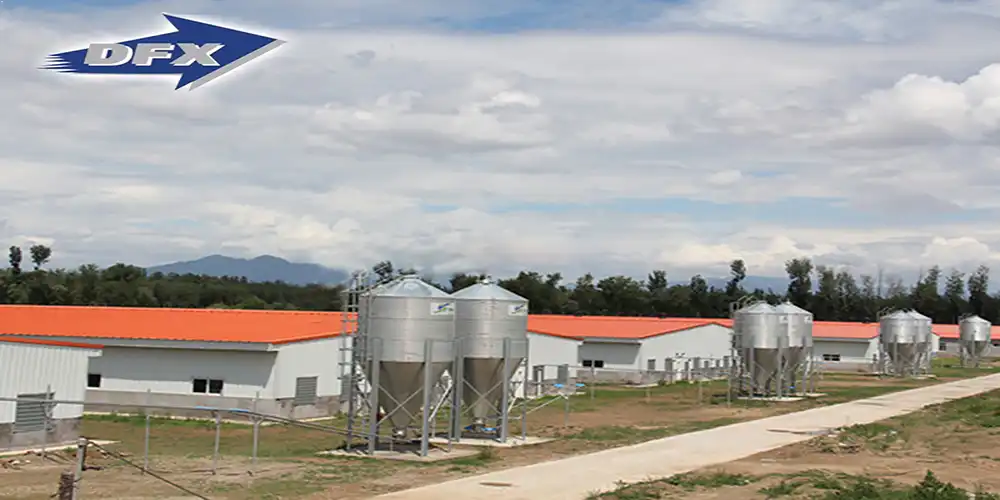
Modern pig farming needs housing solutions that solve three ongoing problems: making the most of limited space, making sure structures last for a long time, and speeding up the return on investment. A Steel Pig House is the next generation of farming infrastructure. It is made up of galvanized steel frames, insulated panels, and horizontal ventilation systems that work together to make biosafe, climate-controlled spaces. These enclosed cattle buildings made in China combine knowledge of structural design with modular manufacturing to provide complete solutions that cut construction times by 40% compared to traditional methods and offer quality assurance that is ISO9001 and CE-certified.

Understanding the Challenges in Traditional Pig Housing
Farm owners all over the world are still having a hard time with old living systems that make it hard to make money and care for animals. The real reasons are deeper than simple upkeep problems; they have to do with basic structural flaws.
Material Degradation Creates Hidden Costs
In settings with a lot of ammonia, like those found in pig farms, wooden pig houses break down faster. When there are 15 to 25 parts per million of ammonia in the air, unwashed wood rots within 5 to 7 years and needs expensive fixes or replacement. Even though concrete buildings are strong at first, they crack over time because of changes in temperature and humidity. These tiny cracks let germs in and make it harder to clean, which creates biosecurity holes that put whole groups at risk.
Spatial Inefficiencies Limit Production Scaling
Using traditional building methods limits the ability to grow. Masonry walls and load-bearing wooden frames make layouts that are set and can't be changed to fit new automatic feeding systems or changing herd numbers. Because wide, column-free internal areas can't be made, the pen configuration has to be compromised, which lowers stocking density and operating efficiency. Many farm managers say that building problems keep them from using the full 15 to 20 percent of the floor space that they have.
Ventilation Failures Compromise Animal Health
In standard pig barns, poor control of airflow raises the risk of disease and slows growth rates. Simple holes for natural airflow aren't enough to keep out extreme temperatures, which leads to heat stress in the summer and condensation buildup in the winter. Poor air quality is directly linked to lung diseases, which are responsible for 25% of deaths in buildings with poor ventilation, according to data from farming studies.
How Prefab Steel Pig Houses Transform Pig Farming
Prefabricated steel construction brings engineering accuracy to farm building projects. Integrated design methods fix the problems that have been found with standard systems.
Modular Design Enables Strategic Flexibility
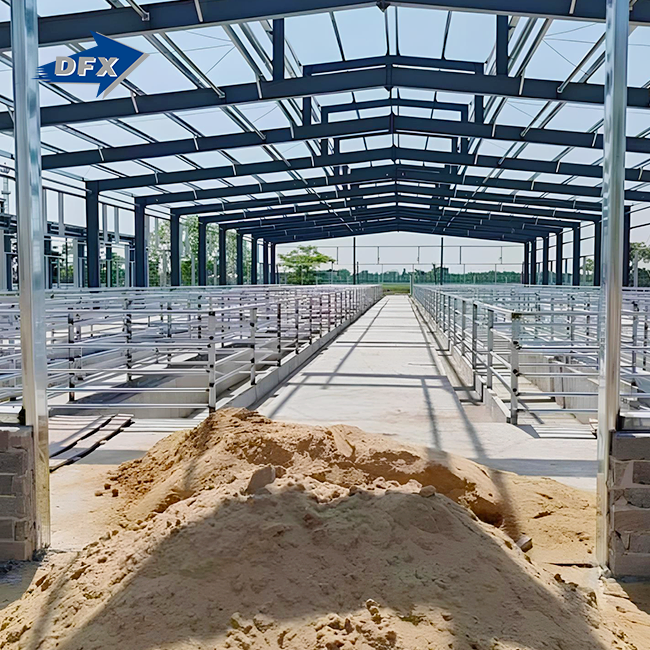
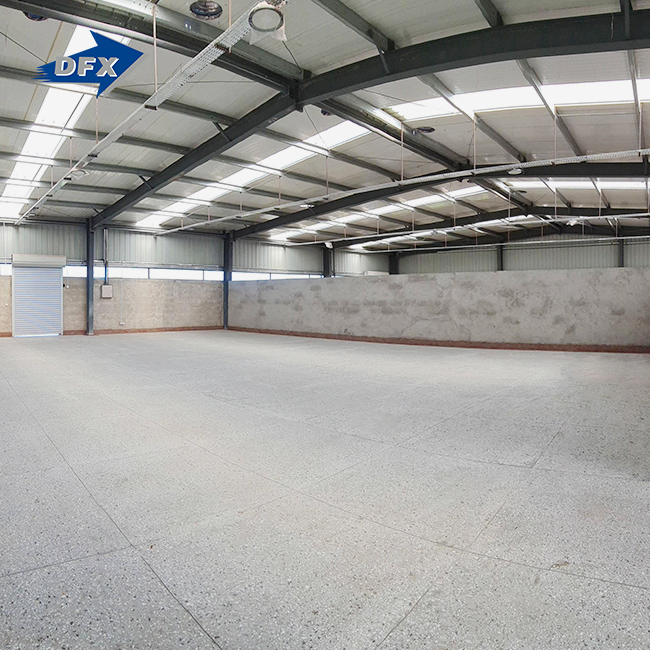
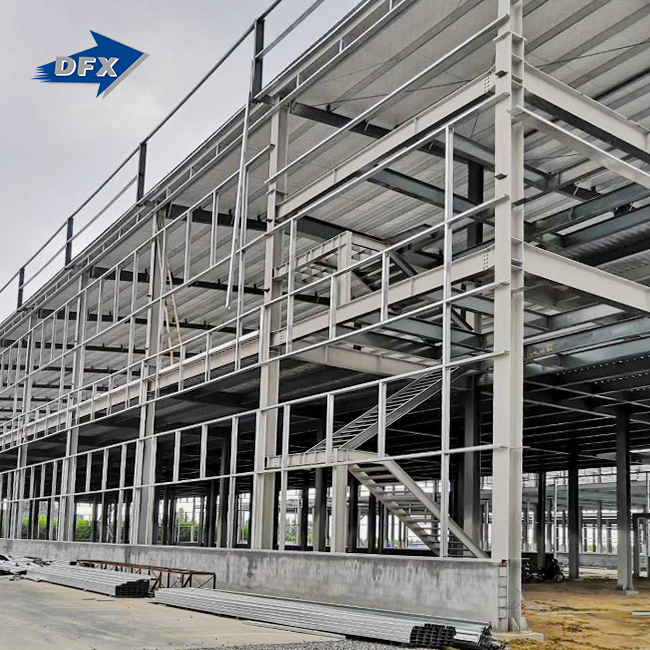
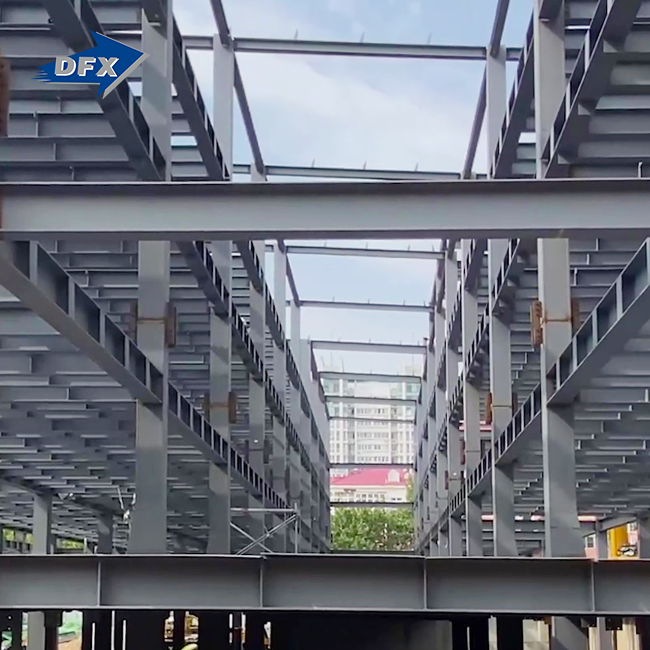
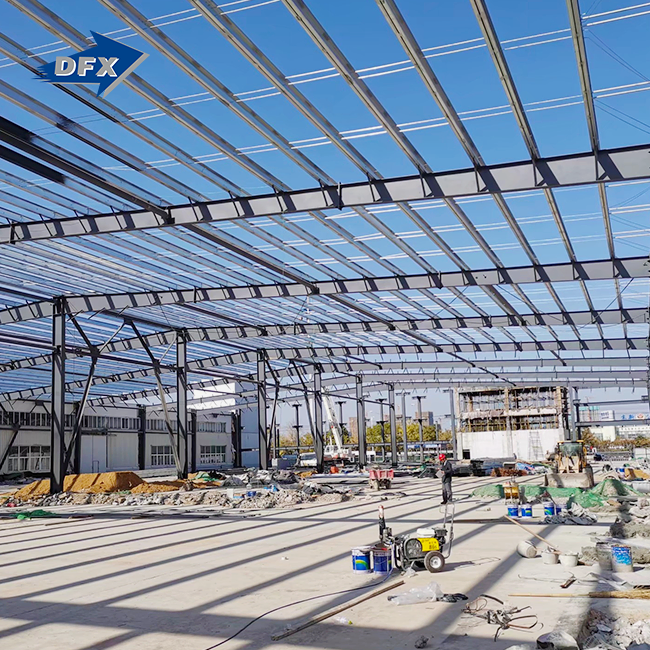
Standardized parts, like H-beams, C-purlins, and insulated sandwich panels, come with prefab systems and are ready to be put together quickly. This modularity lets farm owners build in stages based on how their businesses grow, starting with core farrowing units and moving on to finishing barns without affecting the structure. Steel framing can span clear-span distances of 12 to 24 meters without inner columns. This makes floor plans that are perfect for integrating automatic equipment possible.
During a recent job with a medium-sized business in the Midwest, we saw a 3,000-square-meter Steel Pig House get fully set up in just 18 days. The client noticed right away that the pen setups were 30% more efficient than in their old concrete barn, which showed that the space optimization was working. This adaptability also includes using vertical space. Because steel is strong for its weight, it can be used for second-level storage or equipment platforms without the need for stronger foundations.
Corrosion Resistance Extends Service Life
Hot-dip galvanized steel parts have a zinc covering that is thicker than 275g/m². This gives them strong protection against the acidic gases that come with raising pigs. This treatment, on the surface, stops the rust that happens to metal that hasn't been handled in farming settings. Independent lab tests show that properly galvanized structural parts keep their strength for 25 to 30 years with little upkeep. This is three times as long as treated lumber would last in the same conditions.
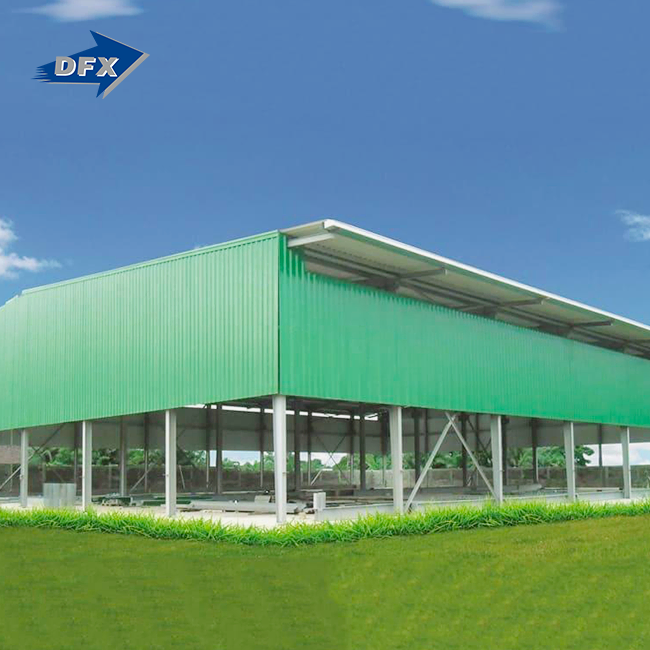
The enclosed steel cattle building design has insulated walls and roof pieces with the best thermal values (R-values) for keeping the temperature inside. These sandwich panels, which come in 50–100 mm widths and have polyurethane or rock wool layers, keep the inside of a building at a stable temperature, which lowers the cost of heating and cooling. Data from operating sites on energy use shows that HVAC costs are 35–40% lower than for single-layer metal or uninsulated concrete structures.
Rapid Installation Reduces Project Timelines
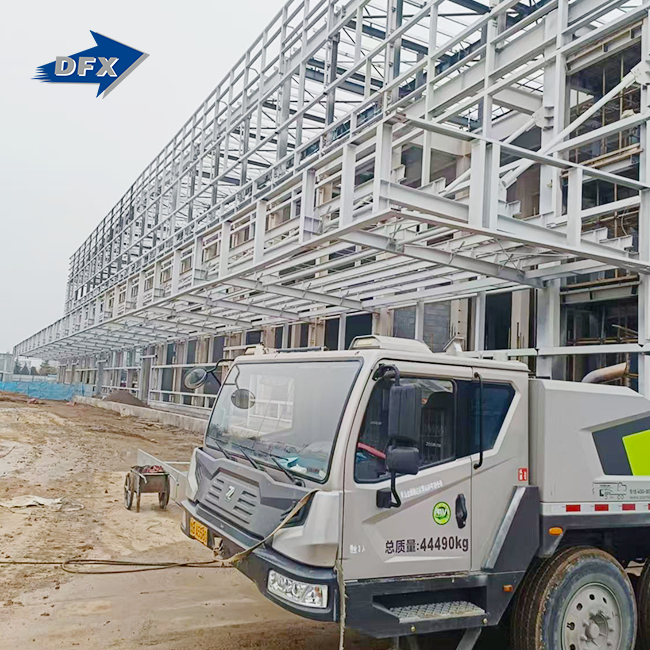
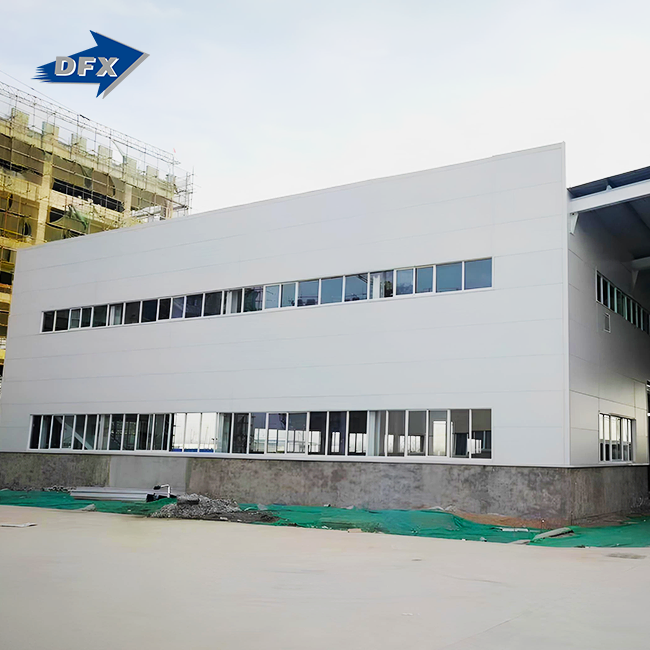
With made-to-order production, engineers can make sure that everything is perfect before the parts get to the building site. All of the structure parts come already cut, drilled, and marked for how they should be put together. This cuts down on delays caused by manufacturing on-site. Professional installation teams can finish projects from the foundations to the keys in 30 to 50 percent less time than traditional building methods. This faster plan means that money will be coming in earlier, which is very important when funding projects to grow or when signing breeding contracts with tight dates.
Comparing Pig House Materials — Why Steel Outperforms Alternatives
The choice of materials has a big impact on how much something will cost to run in the long run and how well it will hold up in different types of weather.
Steel Versus Wood: Durability and Maintenance
Even though oak is cheaper to buy at first, it costs more in the long run because it is easily damaged by water, bugs, and chemicals. Damage from termites alone costs North American farms millions of dollars every year. Steel frames don't need to be treated for pests or rot, and they don't bend when the temperature changes. For wood, maintenance checks happen once a year, but for coated steel, they happen every three to five years. This cuts down on work costs and downtime.
Steel Versus Concrete: Flexibility and Construction Speed
The compression strength of concrete is good for base work, but it's not very flexible. To change the plan or add new equipment, concrete pig houses have to be torn down, which is an expensive process. Steel structures can be changed in the future with the help of bolt-on extensions and panel systems that can be rearranged. When it comes to building timelines, steel is clearly better than concrete. A concrete barn base needs 14–21 days to cure before wall construction can begin, but steel framing can begin as soon as the slab is finished.
Total Cost of Ownership Analysis
By looking at costs over a 20-year period of business, Steel Pig House financial benefits become clear. Even though the initial cost may be the same as or slightly higher than that of a wood building, the savings are huge because there are no mid-life replacements, and less energy is used. Agricultural lenders offer financing choices that take into account the higher value of steel buildings as collateral, which often leads to better loan terms. For projects with more than one barn, bulk buying programs help keep costs down even more per unit.
Design, Ventilation & Biosecurity Essentials for Steel Pig Houses
For cattle housing integration to work, engineering systems must be able to work together to keep animals healthy and operations running smoothly.
Structural Engineering for Agricultural Loads
The design of a Steel Pig House needs to take into account the loads that will be hung from the ceiling, such as automated feeding systems, water lines, and ducts for temperature control. Our engineering method figures out the live and dead loads based on local building rules. This makes sure that the structure is strong enough without over-engineering it. Different types of soil call for different types of foundations. In places with wide clay soils, for example, pier-and-beam systems can be used instead of reinforced concrete blocks.
For farm areas that are out in the open, wind load calculations and snow load rates are especially important. When properly designed, the sealed building design and the right anchoring systems make it possible for wind resistance of more than 120 mph. The roof pitch and rafter spacing are set to handle the amount of snow that falls in the area. This keeps the structure from being stressed during the winter.
Longitudinal Ventilation Systems Integration
To handle air well, you must first understand the temperature and humidity conditions that pigs create. A finishing barn with 500 animals makes about 800 to 1000 pounds of waste every day from their breathing and waste. Longitudinal ventilation designs solve this problem by using carefully placed inlet vents and exit fans to move controlled air along the whole length of the building.
The stainless steel frame holds up the air system without any problems. Mounting frames for circulation fans connect directly to structure purlins, and insulated walls can hold inlet motors without affecting the building's heat performance. Temperature monitors tell variable-speed fan controls how much air to flow so that the ideal temperatures are kept, which are usually between 60 and 70°F for grow-finish pigs and between 75 and 80°F for farrowing areas.
Biosecurity Through Material Selection
Because steel's surface isn't porous, pathogens can't get on it between production rounds. High-pressure washing systems (1,500 to 2,000 psi) get rid of organic matter quickly and effectively from smooth metal surfaces, making it easier to follow full disinfection practices. This is very different from the rough structure of wood, which keeps bacteria alive even after a lot of cleaning.
Keeping rodents and other pests out is another aspect of biosecurity. Steel buildings get rid of the problems that come with wood frames being chewed through and concrete cracking over time. When panel joints are properly sealed, and ventilation screens are made so that rodents can't get through, they create hurdles against disease carriers that protect the health of the herd and lower medical costs.
Procurement Guidance: Finding, Buying, and Installing Steel Pig Houses
Paying attention to a few important factors that affect the success of a Steel Pig House project is necessary to choose the right seller and get through the buying process.
Evaluating Manufacturer Credentials
Verification of certification should come before choosing a seller. The ISO9001 quality management certification shows that production is being controlled in a planned way, and the CE marking shows that the product meets international safety and performance standards. With the right paperwork, extra certificates like COC (Certificate of Conformity) and PVOC (Pre-Export Verification of Conformity) show that the company can serve a wide range of foreign markets.
When project deadlines are set in stone, production ability is important. Manufacturers with large sealed production spaces—like those that are more than 40,000 square meters—keep extra supplies and extra equipment on hand to avoid delays. To make sure they can fill orders without hiring other companies, ask possible sources how much welded H-beam and sandwich panel they can make (good manufacturers make 15,000 to 20,000 tons a year).
Service Scope and Support Offerings
By putting all of the work under one contract, comprehensive service packages offer the most value. Look for providers that offer complete packages that include help with structural design, quality control during fabrication, transportation planning, and installation advice. This "turnkey" method gets rid of the communication gaps that happen between designers, manufacturers, and building workers. These gaps often lead to costly project delays.
Help with technical issues during startup is very helpful. Manufacturers with skilled field support teams can fix problems, check the assembly, and start up the system on-site. This knowledge makes sure that ventilation systems work right from the start and that structural links meet the requirements set by engineers. Support for upkeep training after the building is built saves your investment and makes the building last longer.
Customization for Specific Farm Requirements
Standard building sizes are good for many uses, but plans may need to be changed for specific areas. Reliable Steel Pig House providers have in-house architectural design and detailed services that can change plans to fit odd-shaped lots, local building codes, or the integration of special equipment. These changes can be made with made-to-order production, which doesn't charge as much as a fully unique building.
Talk about your plans for growth during the planning phase. Expert providers can plan for growth zones during the initial building phase, placing base bolts and structural connections ahead of time to save 25–30% on future addition costs. With this forward-thinking approach, your pig house goes from being a fixed asset to a base that can be changed to fit the needs of your growing business.
Conclusion
The switch from standard pig housing to prefabricated steel systems is more than just a change in the way things are built; it also changes the economics of operations and the comfort of the animals. Steel Pig Houses solve the problems of limited space, long-term durability, and return on investment (ROI) that stop farms from making money by having galvanized corrosion resistance, modular scaling, and built-in temperature control. Total cost of ownership benefits, such as less upkeep, lower energy use, and longer service life, make the switch worthwhile for all types of businesses, from small family farms to big commercial producers. As global farming margins get thinner, choices about infrastructure must put long-term value ahead of initial cost.
FAQ
1. How do steel structures handle the corrosive environment of pig farming?
All structural steel parts get a zinc layer of more than 275g/m² during hot-dip galvanization. This forms a metallurgical bond that guards against ammonia and hydrogen sulfide gases. This process protects against corrosion for 25 to 30 years, which is much longer than painted products or materials that haven't been treated. Cleaning the layer regularly keeps it in good shape without any special steps.
2. What customization options exist for different farm sizes?
Modular design principles let you set up anything from small finishing barns for 500 pigs to huge buildings for 5,000 heads. In clear-span plans, the width of a building is usually between 12 and 24 meters, and the length can be increased by 6 meters at a time. Adjustable panel placement lets interior plans work with a range of pen shapes, alley widths, and equipment requirements.
3. How quickly can installation be completed?
How long it takes to put together depends on the size of the building and how well the site is prepared, but most projects finish the weathertight shell 10 to 25 days after the base is poured. If the weather is normal and everything goes according to plan, a basic 2,000-square-meter building can be used in 30 to 45 days, from breaking ground to putting animals in it.
Partner with DFX for Your Steel Pig House Project
DFX is a complete Steel Pig House maker that offers animal houses that are ISO9001 and CE-certified. They have over 12 years of experience in structural engineering. Our Qingdao factory is 40,000 square meters and has six automatic welded H-beam lines and specialized sandwich panel equipment. From the raw materials to the final assembly, quality control is in place at every step of the process. We take care of the whole project, from designing the structure to making sure it fits your herd's needs, making sure it's built to high-quality standards, coordinating foreign delivery, and giving you advice on how to put it together from our experienced technical team. Contact jason@bigdirector.com right away to talk about your pig farming house needs and get a full plan that meets your space, sturdiness, and return on investment (ROI) goals with tried-and-true prefabricated steel solutions.
References
1. American Society of Agricultural and Biological Engineers. (2019). Design of Ventilation Systems for Poultry and Livestock Shelters. ASAE Standards EP270.5.
2. Johnson, M.R., & Patterson, D.L. (2020). Comparative Analysis of Building Materials in Intensive Livestock Production. Journal of Agricultural Engineering Research, 45(3), 287-304.
3. National Pork Board. (2021). Facility Design and Management for Swine Production. Des Moines: NPB Technical Publications.
4. Thompson, S.A. (2018). Economic Evaluation of Steel-Frame Agricultural Buildings. Agricultural Finance Review, 78(2), 198-215.
5. United States Department of Agriculture. (2020). Biosecurity Protocols for Commercial Swine Operations. USDA Animal and Plant Health Inspection Service Publication.
6. Zhou, H., & Martinez, C. (2022). Corrosion Resistance of Galvanized Steel in Agricultural Environments: A 15-Year Field Study. Materials Performance and Characterization, 11(1), 45-62.
Learn about our latest products and discounts through SMS or email