- English
- French
- German
- Portuguese
- Spanish
- Russian
- Japanese
- Korean
- Arabic
- Greek
- German
- Turkish
- Italian
- Danish
- Romanian
- Indonesian
- Czech
- Afrikaans
- Swedish
- Polish
- Basque
- Catalan
- Esperanto
- Hindi
- Lao
- Albanian
- Amharic
- Armenian
- Azerbaijani
- Belarusian
- Bengali
- Bosnian
- Bulgarian
- Cebuano
- Chichewa
- Corsican
- Croatian
- Dutch
- Estonian
- Filipino
- Finnish
- Frisian
- Galician
- Georgian
- Gujarati
- Haitian
- Hausa
- Hawaiian
- Hebrew
- Hmong
- Hungarian
- Icelandic
- Igbo
- Javanese
- Kannada
- Kazakh
- Khmer
- Kurdish
- Kyrgyz
- Latin
- Latvian
- Lithuanian
- Luxembou..
- Macedonian
- Malagasy
- Malay
- Malayalam
- Maltese
- Maori
- Marathi
- Mongolian
- Burmese
- Nepali
- Norwegian
- Pashto
- Persian
- Punjabi
- Serbian
- Sesotho
- Sinhala
- Slovak
- Slovenian
- Somali
- Samoan
- Scots Gaelic
- Shona
- Sindhi
- Sundanese
- Swahili
- Tajik
- Tamil
- Telugu
- Thai
- Ukrainian
- Urdu
- Uzbek
- Vietnamese
- Welsh
- Xhosa
- Yiddish
- Yoruba
- Zulu
7 Tips for Multi-car Commercial Garage
The choices you make today will have an effect on how your business runs for decades when you are faced with designing a Multi-car Commercial Garage. Knowing the ins and outs of business garage building can save you a lot of time and money, whether you're a construction contractor managing a fleet of vehicles, a manufacturing company growing your logistics reach, or an EPC firm helping clients who need strong vehicle storage solutions. A Multi-car Commercial Garage is more than just a place to park your car undercover; it's an investment in strategic infrastructure that will safeguard your expensive vehicles, make operations run more smoothly, and make the most of limited space. The seven tips below are a mix of useful technical information and the best ways to buy things. They are meant to help people make decisions about planning, choosing, and putting things into action. These suggestions address the main concerns of project managers, procurement directors, and operations leaders who want every building they order to last, be cost-effective, and follow the rules.

Tip 1: Designing Your Multi-car Commercial Garage for Maximum Efficiency
Understanding Spatial Requirements and Layout Optimization
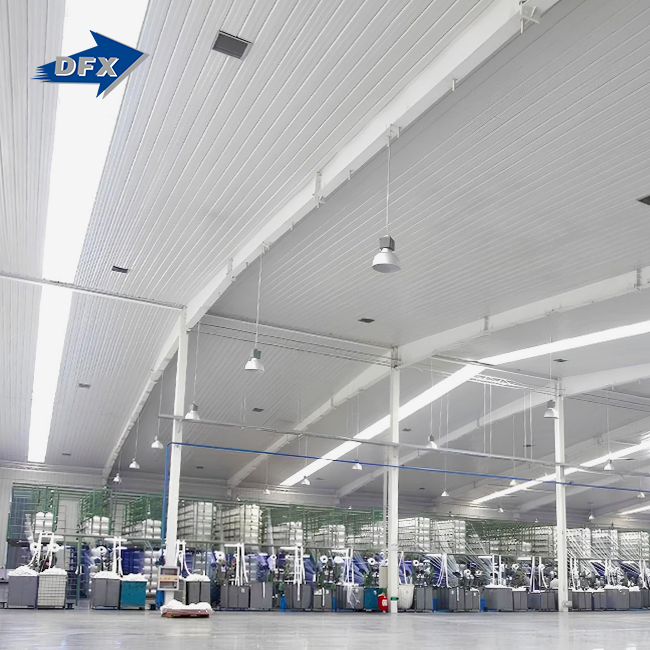
You need to know exactly how many and what kind of cars the building will hold before you start building. Different types of vehicles, like fleet vehicles, service trucks, and equipment haulers, need different clearance heights and bay lengths. To make good use of space, you should start by measuring your biggest car and leaving at least two-foot gaps on all sides. Patterns of traffic flow are very important. Single-entry designs slow things down during shift changes, while dual-access plans let people enter and leave at the same time. Clear-span steel framing gets rid of internal beams, leaving clear passageways for movement that lower the risk of accidents and make it easier to move around during busy times.
Integrating Ventilation and Lighting Systems
Fuel gas builds up when there isn't enough airflow, which can be dangerous and make working conditions uncomfortable. Cross-ventilation designs that put intake louvers low on the outside walls and exhaust vents high on different sides or roof peaks are good for commercial garages. Natural airflow saves money on energy bills, but motorized systems are needed in buildings that are completely sealed off or in places where temperatures change quickly. At floor level, lighting should provide even illumination of at least 50 foot-candles. LED lights have the longest life and use the least amount of power. Motion-sensor settings in areas with little foot traffic can save up to 40% of electricity while still keeping lights visible for safety.
Implementing Comprehensive Safety Features
Fire control systems that meet NFPA 88A standards keep people and property safe. Small problems don't turn into total losses when there are sprinkler networks with water sources that can keep flowing. Putting surveillance cameras at entrances, inside bays, and around the outside of buildings keeps people from stealing and provides proof for insurance claims. Access control systems that use biometric readers or RFID tags only let allowed people in, which lowers the risk of harm. Emergency exits must always be clearly marked and free of any obstacles. Exit doors must have alarm gear that can be used without keys or codes during emergencies.
Tip 2: Selecting the Best Materials for Durability and Cost-Effectiveness
Comparing Structural Material Options
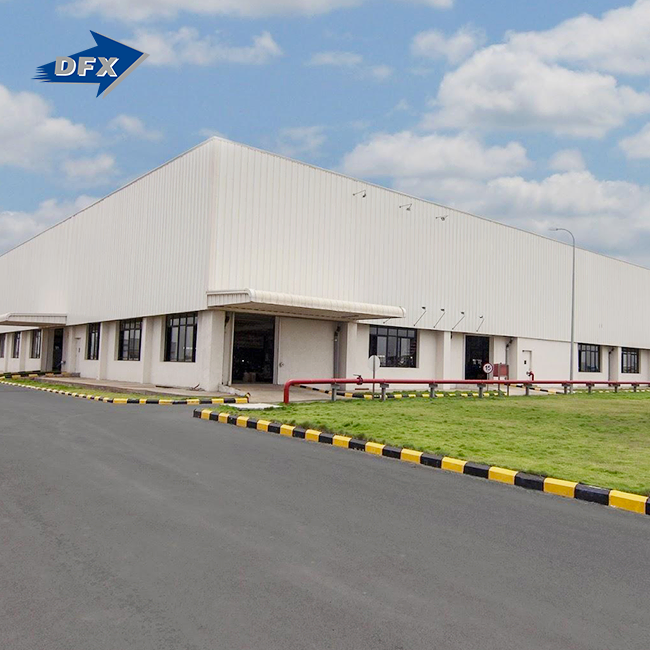
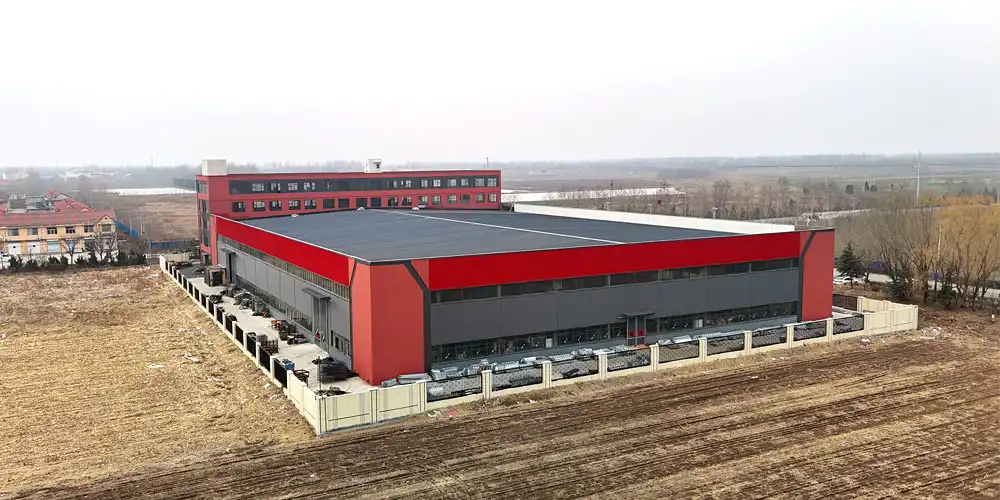
A steel frame is the most common type of material used to build china steel structure garage business garages because it is strong for its weight and can be designed in a variety of ways. Wide spans can be supported by light H-section beams and square tube steel frames that are made to high tensile strength standards. Galvanized steel purlins don't rust as quickly as raw steel ones, so they last longer in humid or seaside areas where salt air speeds up the rusting process. Concrete is better at resisting fire and blocking noise, but it takes longer to build and needs special tools for shaping and filling. When compared to stick-built methods, modular parts that are made off-site come ready to be put together, cutting project plans by 30 to 50 percent.
Which of these products to use depends on the needs of the place. Steel buildings work best when they need to be put up quickly or in places with difficult dirt because they can hold less weight, which means they don't need as many foundations. Concrete works well in places where fire rules require non-combustible building materials or where soundproofing is important. Hybrid methods balance cost, speed, and efficiency by using both steel superstructures and concrete base slabs.
Evaluating Roofing Systems for Long-Term Value
Choosing a roof affects how much it costs to maintain the building for its whole life. 24-gauge galvalume steel walls can survive being hit by hail and wind uplift, and they also reflect sun's heat to keep the inside of a building cooler. Standing seam shapes with hidden fasteners get rid of the places where water can get in and cause leaks. Pitched roofs better shed snow and rain than flat ones, which stops ponding problems that speed up membrane degradation. When prefabricated modular roofing systems are made, insulation layers are built in. When they arrive at the job site, they are already put together and can be installed in hours instead of days. In many places, energy-efficient coatings with high sun reflectance indexes can get LEED points and utility discounts, which can help pay for the more expensive materials by saving money on operations.
Tip 3: Building a Multi-car Commercial Garage Step-by-Step
Navigating Permits and Regulatory Compliance
When building a business, there are many approval steps that private projects never have to go through. Zoning offices make sure that places that store cars follow the rules about how land can be used, how far back buildings can be, and how many spaces can be parked. For building permits, you need designed plans that have been signed off on by licensed professionals and show that the structure is strong enough to withstand snow loads, wind speeds, and earthquakes in the area. Environmental permits might be needed if the site is close to waterways or changes more than an acre of land. Fire marshal checks to make sure that emergency exits, water coverage, and storage rules for dangerous materials are followed. Hiring permitting experts who know the local rules speeds up the approval process by solving common concerns before the plans get to the tables of reviewers.
Following Construction Phases from Foundation to Completion
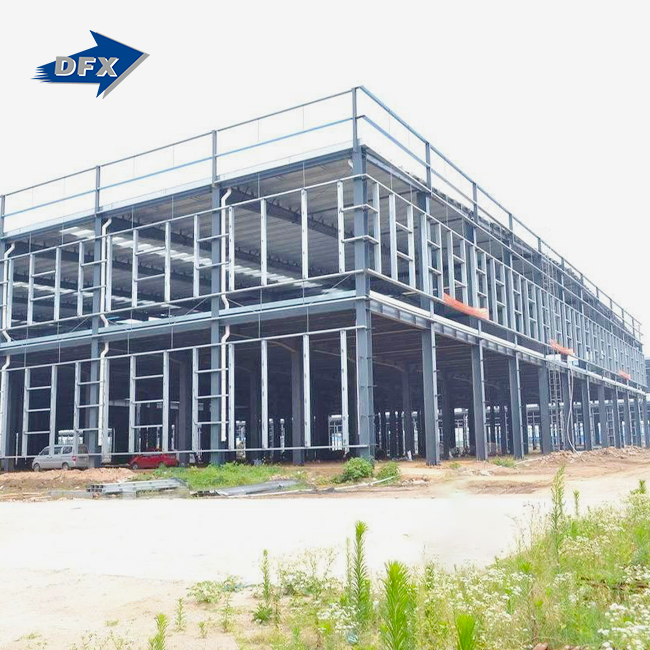
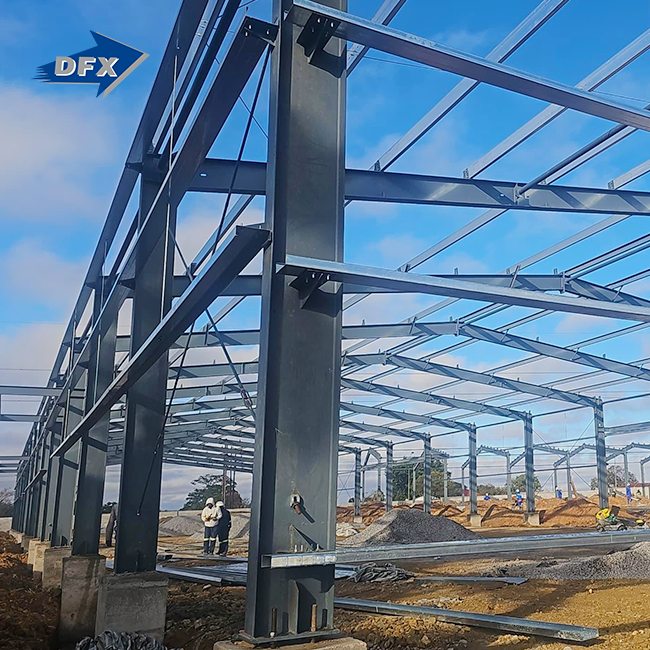
The first step in getting a site ready is checking the dirt to see how well it drains and how much weight it can hold. Soils that aren't very good need deep foundations or ground improvement methods, which cost more but keep buildings from sinking into the ground in terrible ways. Anchor steel columns with concrete spread footings or drilling piers that go below the frost line. Anchor bolt placement must be within a quarter-inch of the frame's centerline. Once the foundations are dry, steel construction moves quickly. In just a few days, crane workers can put together frames. After the roof and wall panels are put on, secondary framing like purlins, girts, and support is added. Rough-ins for mechanical, electrical, and plumbing work happen at the same time as outdoor finishing, which shortens the total schedule.
Working with steel manufacturers who are qualified and keep their ISO quality certifications will make sure that everything is consistent and can be tracked. When manufacturers follow CE rules, they make sure their parts meet European standards, which are often higher than the minimum needs in the U.S. By asking for mill test results, you can be sure that the chemistry and mechanical properties of the steel match the design specs. This keeps you from using cheaper materials instead.
Tip 4: Maintaining and Optimizing Your Commercial Garage for Longevity
Establishing Preventive Maintenance Protocols
Regular checks find small problems before they become expensive emergencies in a China steel structure garage. Every three months, roof inspections find leaky screws, broken panels, and drains that are clogged drains. Every year, structural engineers check for corrosion in the connections, frame misalignment, and base movement. Floors are constantly being driven on, which causes cracks and chips that trap water and speed up the wear and tear. Epoxy coats or treatments that make concrete denser protect surfaces from oil and de-icing salts while making them easier to clean.
Ventilation systems collect dust and other things that block airflow. This makes motors work harder and use more electricity. Changing the filters and cleaning the fans every six months keeps them working well. Over time, lighting fixtures lose their brightness because the lenses and internal mirrors turn yellow. Every three years, photometric testing finds areas that aren't working well and need new lamps or fixtures.
Upgrading Security and Safety Systems
Technology changes quickly, and systems that were put in place five years ago don't have features that are now standard. IP cameras with analytics software can spot odd patterns of movement and sound alarms before a theft happens. The cloud gets rid of the need for recording equipment that is kept on-site and can be tampered with. Smart access systems work with business software to keep track of when people enter and send alerts when doors stay open for longer than usual. Motion-activated lights around the outside of property lines keep people from breaking in and save energy when no one is there. By lowering insurance rates, these improvements protect assets and reward people who take the initiative to control risk.
Tip 5: Cost Considerations and Financing Options for B2B Clients
Analyzing Prefab Versus Custom Build Economics
Costs for prefabricated steel buildings are known ahead of time because makers quote set prices based on standard designs. It is still possible to customize parametric frames by changing things like door locations, bay widths, and finishes without having to do a full engineering rebuild. Custom builds give you complete choice in how the house looks, but the costs can change based on things like weather, changes made by the customer, and delays in building. Choosing the right material has a big effect on the price. For example, galvanized steel costs 15 to 20 percent more than raw steel, but it doesn't need to be painted and doesn't need to be maintained as often. 40 to 60 percent of the total cost of a project goes to labor. This makes prefab options appealing in places where wages are high or where there aren't enough skilled workers.
Suppliers who are open and honest give quotes that break down the costs of supplies, manufacturing, shipping, and installation. Because of this, procurement teams can correctly compare bids and discuss specific line items. Short production cycles, which are common among well-known makers, lower the cost of project funding by cutting down on the time between the initial payment and the facility making money.
Exploring B2B Financing Structures
Leasing capital equipment helps businesses keep cash on hand for practical needs and spreads out the costs of ownership over the asset's useful life. Operating leases let you plan your monthly payments and require little up-front investment, but the control never changes hands. Capital leases are a type of financing where the owner eventually takes ownership after making all of their payments. Commercial building loans offer lump-sum funding at low interest rates to people with good credit. They require security and pro forma financial records to show that the project will be profitable. Some steel structure providers offer payment terms of 30 to 90 days or even longer. This can help with short-term cash flow problems during the building process.
When figuring out the return on investment, you should take into account things like lower insurance rates for covered trucks, lower vehicle repair costs when assets are kept out of the weather, and more efficient operations thanks to organized vehicle staging. When looking at over 20-year lifecycles, these real benefits often make the higher building costs worth it.
Tip 6: Procurement Best Practices—Choosing the Right Supplier
Evaluating Supplier Credentials and Certifications
Quality suppliers have third-party certifications proving their manufacturing consistency. ISO 9001 certification ensures your quality management system meets international standards. From obtaining raw materials to final assessment, documented protocols encompass everything. CE marks indicate that structural parts fulfil European health, safety, and environmental requirements. Product-specific certifications like ISO 8995 for lighting, PVOC for Kenya, and COC for numerous African nations demonstrate that the product fulfils local technical requirements.
Asking prior customers in comparable sectors for examples might tell you more about a company's performance than its marketing materials. Project managers who supervised installations may explain how suppliers handle design modifications, delivery delays, and warranty claims. Visit completed projects to discover how well they were constructed and how long they will survive. Buyers without steel construction professionals benefit from suppliers with technical support teams that aid with installation and troubleshooting.
Managing Supplier Relationships for Project Success
Avoid miscommunications that derail plans and escalate expenses by being explicit. Detailed sizing, materials, finishes, and supplementary specifications provide accurate quotations. You may prepare for delays by receiving regular fabrication progress updates. Payment arrangements based on milestones rather than dates align supplier advantages with project objectives. Pre-contract dispute settlement procedures like mediation or binding arbitration allow for organised dispute resolution without resorting to court.
Long-term supplier relationships assist with several jobs. Preferred customers may get priority ordering at peak periods, discounts for big purchases, and flexible terms to accommodate changing project timetables. Suppliers that care about their clients' success might provide design suggestions while planning. They may recommend adjustments that first-time customers may overlook based on hundreds of installs.
Tip 7: Emerging Trends and Innovations in Commercial Garage Construction
Integrating Smart Building Technologies
Internet-connected sensors in Multi-car Commercial Garage buildings keep an eye on the temperature, humidity, air quality, and number of people using the garage at all times. By adjusting heating, ventilation, and cooling based on real-time conditions instead of set plans, automated climate control systems save 25 to 35 percent of the energy that would have been wasted. Remote monitoring systems that can be accessed through smartphone apps let building managers know about problems with the environment, security, or repair needs, no matter where they are. Predictive analytics software looks at old data to guess when equipment will break down, so fixes can be done before they happen and downtime is avoided.
Vehicle tracking systems that work with parking entry controls let you see where your fleet is, how often it's being used, and when it needs to be serviced. This information helps you make choices based on facts about the right size of teams, the best way to assign vehicles, and finding assets that aren't working well. When digital intelligence and physical infrastructure come together, simple storage buildings become key operational hubs that produce useful business data.
Adopting Sustainable and Energy-Efficient Design
Putting solar panel systems on garage roofs makes energy, which lowers operating costs and greenhouse gas emissions. Modern steel structures that are already built come with extra dead-load capacity that can support solar systems without extra support. Batteries store extra energy from the sun so it can be used during times of high demand or when the power goes out, making energy more reliable. Green roofing systems with layers of plants provide natural insulation, cut down on stormwater runoff, and protect membranes from UV damage, which makes them last longer. Low-VOC paints and seals make the air inside better while also following stricter environmental rules.
With factory-controlled processes, recycling rates of over 90%, and modular building methods, the amount of trash is reduced. When small steel parts can be shipped in regular crates instead of needing special large loads, transportation costs are lower. Companies that want to meet ESG goals and get LEED approval for new buildings like these environmentally friendly features.
Conclusion
The efficiency of the design, the choice of materials, the construction method, the planning of upkeep, the financial structure, the review of suppliers, and the integration of technology are all important considerations when building a Multi-car Commercial Garage. To help procurement workers make choices that balance short-term budget needs with long-term operational success, this article gives them some tips. Steel buildings made of light H-section frames and galvanized parts last a long time and are easy to put together. They can be used for a wide range of tasks, from parking fleets to storing tools. Working with skilled manufacturers who offer full services from design to installation helps make sure the project is a success and lowers the technical and financial risks that come with business building.
FAQ
1. What Makes Steel Framing Superior for Multi-Vehicle Storage Facilities?
Steel is the strongest material available, so it can be used for clear-span plans that go up to 40 feet without any inner columns. This gets rid of things that get in the way of moving the car and makes the most of the room available. Galvanized parts don't rust for more than 40 years with little upkeep. This is especially important in places where road salt and humidity are common. Pre-engineered systems that are built off-site have tighter standards for size than options that are built on-site, which ensures that they fit correctly when they are put together. Because it is lighter than concrete, it requires less base and costs less to build on. This is especially helpful in places with difficult soil conditions.
2. How Long Does Construction Typically Require from Order to Completion?
Short production cycles are common for prefabricated steel buildings. Standard designs can be built in four to eight weeks, based on the size of the project and the manufacturer's capacity. Shipping can add one to three weeks, depending on how far it is and how hard it is to handle. On-site building goes quickly; skilled workers put up frames in days instead of weeks, and the whole cage is finished in two to four weeks. Standard projects usually take three to four months from the time the order is placed until the building is occupied. This is about half the time it takes for similar site-built concrete construction.
3. Are Modifications Possible After Installation if Operational Needs Change?
Steel structures can be expanded and rearranged more easily than most other types of buildings. By connecting new frames to the original supports, extra bays can be added to existing buildings with little damage. By taking down wall panels and putting up new frames, you can move door and window spaces without affecting the structure's strength. Lightweight framing systems are used to make interior walls that separate areas for storing different types of vehicles or tools. Equipment that is placed on the roof, like solar panels or HVAC units, is connected using engineered support structures that spread the weight across several structural parts.
4. What Warranty Coverage Should Buyers Expect from Reputable Manufacturers?
Good providers will guarantee structural steel parts for one to five years against problems with the way they were made, including problems with the materials and mistakes in the work. Coating systems, such as galvanizing and paint finishes, usually come with their own guarantees that cover damage that happens naturally over 10 to 20 years. Roof and wall panels usually come with 20–30-year protection against holes caused by corrosion. For painting finishes, the color will stay true for 10 years. Documentation needs to show that the product was installed correctly and regularly, as specified by the maker. Reading the warranty terms before you buy makes it clear what is covered and what upkeep is needed to keep the guarantee valid.
Get Expert Support for Your Multi-car Commercial Garage Project
Director Steel has been helping builders, manufacturers, and people who are building infrastructure for more than 12 years by making steel structures that are stable and meet international standards. Our factory uses six automatic production lines to make about 20,000 tons of welded H-beams every year. This ensures uniform quality and reliable delivery times. Every Multi-car Commercial Garage provider relationship includes in-depth design services, manufacturing using ISO-certified methods, full installation plans, and technical help from our skilled engineering team. Our CE, PVOC, and COC approvals show that we are serious about meeting the needs of a wide range of markets. Whether you need buildings to park cars, store tools, or do maintenance, our small steel-framed structures with enclosed designs offer cost-effective safety and have been used successfully in global markets for years. Get in touch with jason@bigdirector.com to talk about your unique needs and get a full project review that fits your budget and operational needs.
References
1. Anderson, M. & Roberts, K. (2021). Prefabricated Steel Construction for Commercial Applications: Design Principles and Cost Analysis. Industrial Building Press.
2. Chen, L. (2022). "Corrosion Protection Systems for Steel Structures in Aggressive Environments." Journal of Structural Engineering and Materials Science, 18(3), 215-234.
3. International Code Council (2021). International Building Code: Commercial Garage and Vehicle Storage Facilities. ICC Publications.
4. National Fire Protection Association (2020). NFPA 88A: Standard for Parking Structures. NFPA Press.
5. Thompson, R., Williams, J., & Patterson, D. (2023). Sustainable Building Systems: Energy Efficiency and Environmental Performance in Steel Construction. Green Architecture Publications.
6. Wilson, S. (2022). "Comparative Life-Cycle Cost Analysis of Commercial Building Structural Systems." Construction Economics Review, 29(2), 112-138.
Learn about our latest products and discounts through SMS or email