- English
- French
- German
- Portuguese
- Spanish
- Russian
- Japanese
- Korean
- Arabic
- Greek
- German
- Turkish
- Italian
- Danish
- Romanian
- Indonesian
- Czech
- Afrikaans
- Swedish
- Polish
- Basque
- Catalan
- Esperanto
- Hindi
- Lao
- Albanian
- Amharic
- Armenian
- Azerbaijani
- Belarusian
- Bengali
- Bosnian
- Bulgarian
- Cebuano
- Chichewa
- Corsican
- Croatian
- Dutch
- Estonian
- Filipino
- Finnish
- Frisian
- Galician
- Georgian
- Gujarati
- Haitian
- Hausa
- Hawaiian
- Hebrew
- Hmong
- Hungarian
- Icelandic
- Igbo
- Javanese
- Kannada
- Kazakh
- Khmer
- Kurdish
- Kyrgyz
- Latin
- Latvian
- Lithuanian
- Luxembou..
- Macedonian
- Malagasy
- Malay
- Malayalam
- Maltese
- Maori
- Marathi
- Mongolian
- Burmese
- Nepali
- Norwegian
- Pashto
- Persian
- Punjabi
- Serbian
- Sesotho
- Sinhala
- Slovak
- Slovenian
- Somali
- Samoan
- Scots Gaelic
- Shona
- Sindhi
- Sundanese
- Swahili
- Tajik
- Tamil
- Telugu
- Thai
- Ukrainian
- Urdu
- Uzbek
- Vietnamese
- Welsh
- Xhosa
- Yiddish
- Yoruba
- Zulu
Inland Fishery Steel Shed Specifications for High-Density Fish Farming
Inland aquaculture with a lot of fish needs buildings that can handle steady humidity, temperature changes, and conditions that eat away at metal. These problems can be solved with an Inland Fishery Steel Shed, which has a pre-engineered, corrosion-resistant frame that is made for flowing aquaculture systems and large-scale fish production. These sheds are made in China with heavy-duty steel frames and beams and feature advanced anti-corrosion finishes that make them last in damp places where other building materials tend to fail. They were made with biosecurity and operating effectiveness in mind, and they are a cost-effective way for industrial fish farms to increase stocking rates while lowering infrastructure risks.

Understanding Inland Fishery Steel Sheds
What Makes Steel Sheds Essential for Aquaculture?
These days, fishing companies have to deal with special building needs. Unlike most agricultural buildings, fish growing facilities have to deal with high amounts of moisture, ammonia exposure, and the need to precisely control the environment. Steel-framed shelters work best in these situations because they are strong and flexible by nature. We know that purchasing managers and farm project engineers need structures that are both cost-effective and good for the long term. That's why hot-dip galvanized steel frames have become the standard in the industry.
The layer on these structures, which is often thicker than 600g/m² zinc, keeps them from rusting when water mist and chemicals in the air react with them. This process makes structures last longer than 25 years, even in places with a lot of humidity where metal that hasn't been treated would break down quickly. The semi-enclosed or fully enclosed designs let workers control the temperature, lighting, and airflow, making safe conditions that are important for fish like tilapia, catfish, and trout.
Material Selection and Structural Integrity
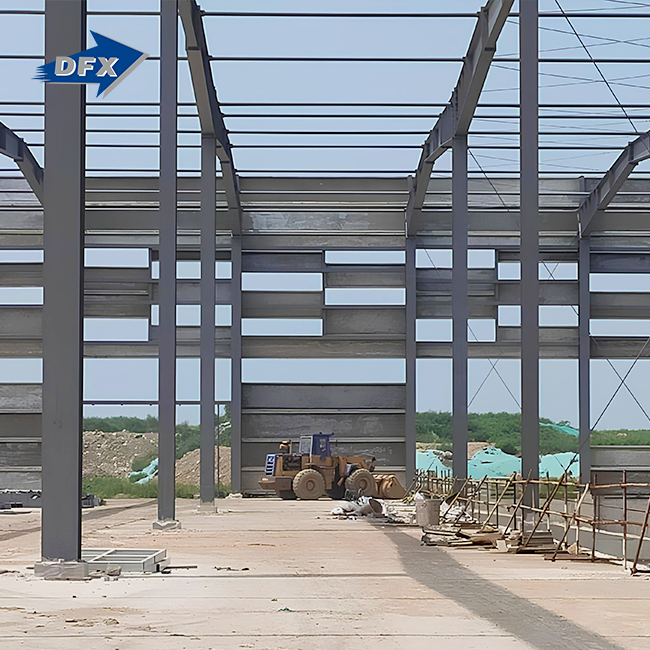
The type of materials used determines how well an Inland Fishery Steel Shed will work for decades. High-tensile steel grades, like Q355B, can hold more weight while being lighter, which lets structures have wider clear spans without having to add internal supports. This column-free design gives you the most options for where to put the tanks, which is very important when setting up circular or rectangular raising systems.
Polyurethane or polyisocyanurate sandwich panels that are 50 mm to 100 mm thick are often used for roofing and wall panels. These insulated screens keep water from building up, which would otherwise cause mold to grow and make the temperature unstable. Thermal resistance values (R-values) in this range lower the costs of heating and cooling by a large amount. This makes businesses more profitable in places where the seasons change a lot.
Why Steel Outperforms Traditional Materials
When you compare steel to wood, plastic, or concrete, you can see that it has clear benefits. Buildings made of wood soak up water, which causes them to bend and attract pests. Plastic sheds don't have the strength needed for large-scale processes, and UV light breaks them down. Even though concrete is strong, it needs a lot of work to be put down as a base and doesn't allow for much growth in the future. Steel is modular, so it can be built in stages that match the size of the production, and it can be recycled, which helps meet sustainable goals that are becoming more important to aquaculture standards.
Design Considerations and Construction Process
Optimizing Shed Configuration for Fish Farming
Understanding how operations work is the first step in designing an Inland Fishery Steel Shed that works well. Access to feed storage, tank arrangements, and water management equipment must all fit perfectly inside the building shell. We suggest that biofilters and oxygen cones be placed close to rearing tanks so that there are fewer pipe runs and less energy is lost through friction.
Ventilation systems need to be carefully thought out. In mild areas, natural ventilation through ridge vents and sidewall holes works well. But when precise humidity control is needed, motorized ventilation is needed. Ammonia builds up when air doesn't flow properly, which stresses fish out and slows their growth. Lighting architecture is also important. For example, some species do better with controlled photoperiods, which means they need roof systems that block light or automatic shading.
The clear-span width of a structure is usually between 12 and 60 meters, and it can hold tanks with a diameter of 6 to 10 meters. Roof slopes of 1:12 to 1:10 make sure that water drains away properly and doesn't pool, which could cause the building to collapse during heavy rain. Frame reinforcement standards are based on local wind load estimates, which make sure that building rules are followed. This is especially important in coastal or typhoon-prone areas.
Construction Workflow and Timeline
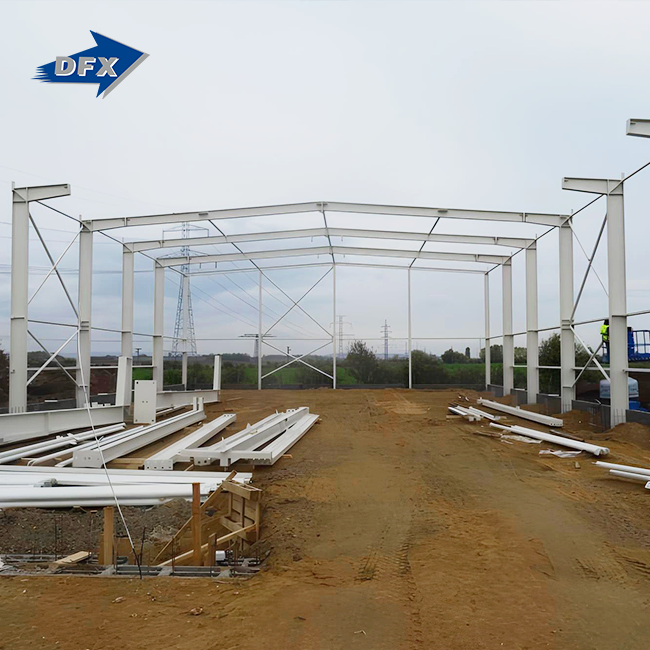
Leveling and packing down the foundation area are part of site preparation. Depending on the conditions of the soil, the next step is to place a concrete pad or pier footings. Pre-engineered parts that are made off-site come ready to be put together, which cuts building times by a huge amount compared to traditional builds. From digging the foundation to turning it on for the first time, a normal 500-square-meter shed can be built in four to six weeks.
Column placement and frame building are the first steps in installation. The next parts are the roof purlins and wall girts, which make up the framework for attaching the panels. Sandwich panels are held in place with hidden fixings that keep the weather out. During this step, quality control checks the coating thickness with dry film gauges, the weld stability with ultrasonic tests, and the limits for size. These checks make sure that there are no flaws that could affect speed.
Cost Management and Budget Planning
60–70% of the total cost of the project goes to materials. The rest goes to work and installation. The price of steel changes depending on the state of the world market. For projects with more than one phase, bulk buying deals are helpful. Because prefabricated systems cut down on on-site work hours, they have less of an effect on area wages. With project-based procurement financing choices, operations can better control their cash flow by making sure that capital expenditures are in line with output goals.
Customization costs more, but it provides unique answers for specific problems, like more snow or better protection zones. Teams in charge of buying things should check to see if standard designs meet 80% of needs. Custom engineering should only be used for really unique situations. This method strikes a balance between operating needs and budget limits.
Maintenance and Longevity of Inland Fishery Steel Sheds
Routine Inspection Protocols
For Inland Fishery Steel Sheds to stay strong, they need to be inspected regularly, focusing on areas that are likely to rust. Every three months, you should look over the fastener links, panel seams, and base plate bolts. Any scratches, chips, or cracking in the coating must be fixed right away with epoxy-zinc primers that work with the covering to stop rust from spreading. Every year, full inspections check the stability of the roof surface, the way the gutters drain water, and the performance of the door seals.
If repairs aren't done, settings with a lot of humidity speed up the breakdown process. Cleaning methods that get rid of algae, mineral layers, and organic matter from panel surfaces stop them from holding on to water. Mild detergents and low-pressure cleaning keep the surface looking good without hurting the layers that protect it. Cleaning the filters and lubricating the motors of ventilation systems every six months is good for them because it keeps the airflow steady, which is important for fish health.
Addressing Repair Challenges
Typical repair situations include replacing fasteners, fixing panels that were damaged by falls, and fixing rust at weld points. 304 or 316 grade stainless steel bolts don't rust as easily as regular gear, especially in salty or brackish systems. Due to its flexible design, panel replacement is still easy—damaged parts can be swapped out without taking apart nearby areas.
When energy tests show that heating or cooling costs are too high, it makes financial sense to upgrade the insulation. Adding reflective roof coats or better R-value panels to an existing building can cut costs by 15 to 25 percent. By adding bigger gutters or more pipes and making the drainage better, you can stop foundation damage and water problems that weaken the structure over time.
Making the Right Purchase: Comparative Insights
Evaluating Material and Design Options
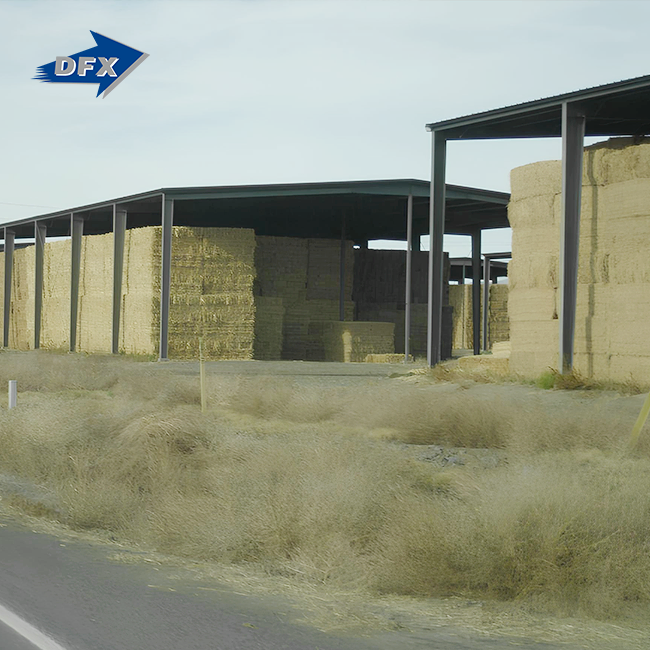
Which configuration to use—open, semi-enclosed, or fully enclosed—depends on the environment and the amount of output. Open buildings work well in warm climates with mild weather, which lowers the initial costs. In semi-enclosed designs, wall panels are added to the sides that get the most wind. This balances security with natural airflow. Fully covered sheds keep the weather out the most, which is important for year-round production in places where winters are cold or where it gets very hot.
As a whole, aluminum frames are lighter than steel frames, but they can't hold as much weight or be as cost-effective. Aluminum is often 40–60% more expensive than steel, which makes it less appealing for projects that need to stay within a budget. Plastic-coated steel can look different, but the coats must be checked to make sure they meet the same standards for corrosion protection as galvanization.
Supplier Assessment Criteria
Suppliers you can trust show that they have manufacturing qualifications for Inland Fishery Steel Sheds, such as ISO9001 quality management and CE compliance for foreign markets. COC and PVOC licenses make it easier to get goods through customs in Africa and the Middle East. When you visit a production facility, you can see how automated the welding is, how well the quality control system works, and how well the inventory management is done.
The warranty should cover flaws in the structure for at least 10 years and the performance of the finish for 5 years. After-sales support includes help with installation, supply of spare parts, and expert advice during commissioning. Procurement experts can get references from aquaculture projects that have already been finished to make sure that deliveries were made on time and that the equipment worked well after installation.
Procurement Process and Support Services
Sourcing Strategies and Logistics
When you buy something from another country, you have to deal with export paperwork, shipping processes, and import rules. The total landing cost is affected by how close the port is and the time of year when there are a lot of containers. Cost, Insurance, and Freight (CIF) terms are offered by some providers, which makes it easier to plan operations. On the other hand, FOB (Free On Board) price gives buyers with established freight partnerships more options.
Local representation or agent networks make it easier for people in different time zones and languages to talk to each other. Direct access to an expert is helpful for technical questions about load estimates, material substitutions, or installation processes. Digital platforms that show 3D models and structure formulas help people feel more confident in their decisions before they make a purchase.
Installation Support and Training
Professional installation teams make sure that the right way of putting things together is done, which is important for the guarantee to be valid. Erection instructions from the supplier include thorough models, step-by-step instructions for putting things together, and safety rules. Supervision on-site during the early stages of construction prepares local teams for future growth by increasing their skills while keeping quality standards.
When you buy in bulk for deployments at more than one place, you can get big savings and a common inventory of parts. This method works well for aquaculture businesses that want to expand to more areas because it makes upkeep and managing extra parts easier when the designs are the same everywhere. Structures for financing, like lines of credit or milestone payments, can handle big investments and keep everyone's interests safe.
Conclusion
To choose the right Inland Fishery Steel Shed, you have to balance technical requirements with your budget. Corrosion-resistant frameworks made in China have been shown to last longer and require less upkeep in high-humidity aquaculture settings than standard materials. Heavy-duty steel construction supports production systems that work hard, and flexible designs let businesses grow. The success of procurement rests on carefully screening suppliers, having clear specifications, and setting reasonable deadlines. When built and kept correctly, these structures last for decades, saving important infrastructure investments and allowing fish farms to continue running.
FAQ
1. What lifespan can be expected from a properly maintained steel fishery shed?
In aquaculture settings, an Inland Fishery Steel Shed that has been hot-dip galvanized and given the right finishes usually lasts longer than 25 to 30 years. This goes even further with regular care, such as yearly checks and paint touch-ups. When materials are exposed to harsh conditions like high levels of ammonia or saltwater, they may need to be made with better specs to last longer.
2. Can these structures accommodate future expansion or equipment upgrades?
Modular steel design makes it easy to add on. Adding more bays to a current frame doesn't require any changes to the structure. The plans inside can be changed to fit new tank designs, better filtration systems, or automatic feeding systems. Including plans for an overhead crane beam in the initial design makes it easier to move equipment in the future.
3. What maintenance frequency is recommended for optimal performance?
Visual checks every three months find new problems before they get worse. Every year, full inspections are done that check the structure's strength, the state of the coatings, and the internal systems. Corrosion can be stopped right away by fixing any damage to the paint. Cleaning plans rely on the weather where you live, but they're usually done every six months or so, with a focus on the panel surfaces and drainage parts to avoid problems caused by water.
Partner with DFX for Your Aquaculture Infrastructure
Qingdao Director Steel Structure Co., Ltd. has been making strong Inland Fishery Steel Sheds for high-density fish farming activities for more than 12 years. Our 40,000-square-meter factory in China uses cutting-edge quality control and automated welding systems that are approved by ISO9001, CE, COC, and PVOC. We offer full turnkey services, from engineering design to manufacturing and erection help, to make sure your project is exactly what you want it to be. Our heavy-duty steel frames and coatings that don't rust are designed to work in harsh aquaculture settings. They come with full insurance and quick technical support. As a reliable provider of Inland Fishery Steel Sheds, we work with builders, farmers, and fishery owners who want long-lasting, low-cost infrastructure. Get in touch with us at jason@bigdirector.com to talk about your needs and get a quote that is tailored to your business problems and growth goals.
References
1. Timmons, M.B., & Ebeling, J.M. (2013). Recirculating Aquaculture Systems (3rd Edition). Ithaca Publishing Company.
2. Summerfelt, S.T., & Vinci, B.J. (2008). "Better Management Practices for Recirculating Aquaculture Systems." Aquacultural Engineering, Vol. 38, Issue 3.
3. American Institute of Steel Construction. (2016). Steel Construction Manual (15th Edition). Chicago: AISC.
4. Food and Agriculture Organization. (2020). The State of World Fisheries and Aquaculture: Sustainability in Action. Rome: FAO.
5. British Standards Institution. (2019). BS EN ISO 12944: Paints and Varnishes – Corrosion Protection of Steel Structures by Protective Paint Systems. London: BSI.
6. Chen, S., et al. (2017). "Development of Recirculating Aquaculture Systems: A Review." Reviews in Aquaculture, Vol. 9, Issue 4.
Learn about our latest products and discounts through SMS or email