- English
- French
- German
- Portuguese
- Spanish
- Russian
- Japanese
- Korean
- Arabic
- Greek
- German
- Turkish
- Italian
- Danish
- Romanian
- Indonesian
- Czech
- Afrikaans
- Swedish
- Polish
- Basque
- Catalan
- Esperanto
- Hindi
- Lao
- Albanian
- Amharic
- Armenian
- Azerbaijani
- Belarusian
- Bengali
- Bosnian
- Bulgarian
- Cebuano
- Chichewa
- Corsican
- Croatian
- Dutch
- Estonian
- Filipino
- Finnish
- Frisian
- Galician
- Georgian
- Gujarati
- Haitian
- Hausa
- Hawaiian
- Hebrew
- Hmong
- Hungarian
- Icelandic
- Igbo
- Javanese
- Kannada
- Kazakh
- Khmer
- Kurdish
- Kyrgyz
- Latin
- Latvian
- Lithuanian
- Luxembou..
- Macedonian
- Malagasy
- Malay
- Malayalam
- Maltese
- Maori
- Marathi
- Mongolian
- Burmese
- Nepali
- Norwegian
- Pashto
- Persian
- Punjabi
- Serbian
- Sesotho
- Sinhala
- Slovak
- Slovenian
- Somali
- Samoan
- Scots Gaelic
- Shona
- Sindhi
- Sundanese
- Swahili
- Tajik
- Tamil
- Telugu
- Thai
- Ukrainian
- Urdu
- Uzbek
- Vietnamese
- Welsh
- Xhosa
- Yiddish
- Yoruba
- Zulu
Can an Inland Fishery Steel Shed Increase Aquaculture Efficiency?
An Inland Fishery Steel Shed can make farming much more productive by controlling the atmosphere, making the structure last longer, and making the best use of space. These special steel buildings solve important problems that come up when growing fish indoors, like controlling biosecurity, keeping the water dry, and putting all the equipment together. Operators can achieve stable water temperatures, lower energy costs, and higher survival rates by putting Recirculating Aquaculture Systems (RAS) or hatcheries inside engineered steel frameworks with coatings that resist corrosion and thermal insulation. These benefits directly lead to higher production yields and a faster return on investment.

Understanding Inland Fishery Steel Sheds and Their Role in Aquaculture Efficiency
More and more pressure is being put on the aquaculture industry to increase efficiency while also lowering operating risks. When you grow fish today, you need more than just a place to live. An Inland Fishery Steel Shed is a custom-made option made to meet the specific needs of aquaculture systems that are kept inside.
What Makes These Structures Different from Standard Agricultural Buildings
Unlike most farm barns, these steel buildings are designed to handle the problems that come with being in places with a lot of humidity. The structure is made of Q355B high-tensile steel that has been hot-dip galvanized to give it a zinc coating that is thicker than 600g/m², so it can stand up to constant contact to water. This anti-corrosion process is very important when dealing with the evaporative buildup and ammonia off-gassing that happens a lot in fish production sites.
The design of the structure focuses on having a clear span of 12 to 60 meters, which means that there are no internal beams that would get in the way of placing tanks. This open structure makes the best use of floor space by letting workers set up circular holding tanks that are 6 to 10 meters in diameter without any problems. The interior doesn't have any columns, which makes it easy for maintenance workers and tools to move around the building.
Key Design Elements That Drive Operational Performance
Thermal control is one of the most important parts of running a seafood business well. The polyurethane or polyisocyanurate sandwich panels on these steel sheds are usually between 50mm and 100mm thick, which gives them great heat protection. This protection stops humidity from forming, which is a common problem that leads to mold growth and is bad for fish health. It also keeps the water temperature stable, which is important for fast growth.
The ventilation systems are built right into the steel frame. They have changeable louvers and exhaust fans that control the flow of air without making drafts that are bad for water plants and animals. The form of the roof slope makes sure that water drains away properly, stopping water pools that could damage the structure or let contaminants in.
Biosecurity features built into the building include smooth-finish wall panels that keep germs from colonizing and make cleaning easier. Cross-contamination between production zones can't happen with an airtight building. This is especially important in hatcheries where broodstock and fry need to be kept separate.
Comparing Inland Fishery Steel Sheds with Alternative Structures
Looking at Inland Fishery Steel Sheds Next to Other Types of Buildings: When procurement managers look at infrastructure choices, they need to think about more than just the original cost. The choice of material affects not only the initial investment, but also the costs of running the business and the level of output over time.
Steel Versus Traditional Wood Construction
Wooden buildings have a lot of problems when used for farming. Wood easily soaks up water, which makes it perfect for rot, fungus growth, and structural damage. The constant wetness in fish farms speeds up this wear and tear, and parts usually need to be replaced or fixed extensively within 5 to 8 years.
Steel design is stronger than aluminum, so it can hold longer spans without any extra supports in the middle. This means that more room can be used and tank setups can be changed more easily. Maintenance requirements drop a lot—steel frames that are properly protected against rust only need to be inspected every so often, while wooden structures need to be watched over all the time.
How Steel Compares to Plastic and Aluminum Alternatives
Even though plastic buildings don't rust, they can't hold as much weight as they need to for large-scale activities. They can't hold up overhead cranes that are needed to maintain equipment or the point loads that come from automatic conveyors and hanging feed bins. Keeping the right temperature is also hard because plastic doesn't have much heat mass and doesn't insulate well.
Aluminum is resistant to rust in a way similar to polished steel, but it costs a lot more to make. The structural estimates show that bigger metal pieces are needed to get the same load capacities, which takes away a lot of the weight benefit. Steel frames that have been designed with the right coatings offer the same level of corrosion protection at a lower cost.
Impact of Material Choice on Insulation and Structural Integrity
The thickness and grade of steel have a direct effect on how well it resists heat and how long it lasts. Heavy-duty steel columns and beams made from A572 Grade 50 steel give structures the strength they need to stand up to natural loads and support equipment that is used. When properly matched with sandwich panels, the whole system gets R-values that keep the inside temperatures within the narrow ranges that aquaculture species need, usually between 22°C and 28°C for warm-water species like tilapia.
This temperature stability cuts HVAC energy use by 30 to 40 percent compared to options that aren't well insulated. Over the structure's working life, which is usually more than 25 to 30 years with proper upkeep, the energy savings add up to a lot.
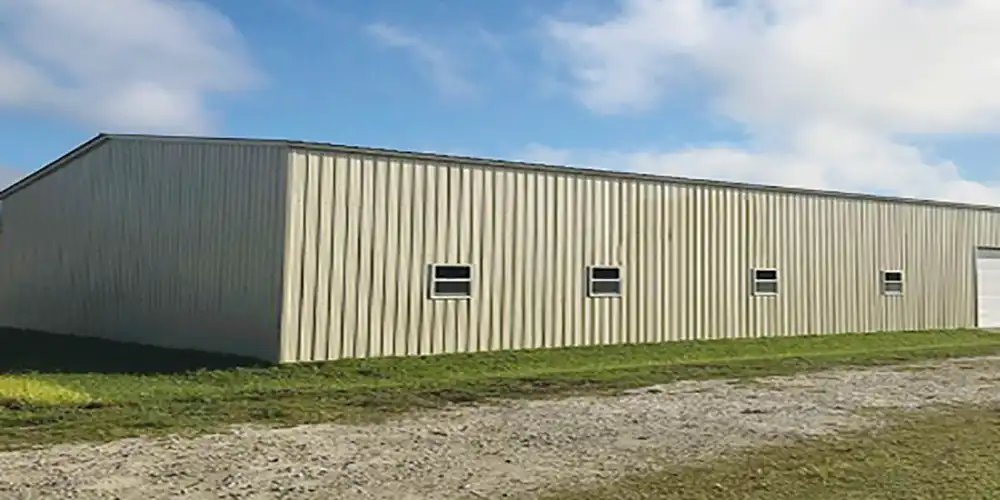
Building and Maintaining Inland Fishery Steel Sheds to Maximize Efficiency
Maximizing Efficiency by Building and Taking Care of Inland Fishery Steel Sheds: To be successful, execution needs to pay attention to both the building process and continued care. These factors show if the infrastructure spending leads to the expected economic gains.
Essential Installation Steps and Site Preparation
The first step in getting a site ready is to do a geotechnical study to make sure the dirt can hold the loads that are expected. When designing the foundation, it's important to think about not only the weight of the steel structure, but also operating loads like tanks full of water, which can be more than 1,000 kg per cubic meter. With the right drainage systems around the outside, water doesn't build up and threaten the foundation's safety.
Because steel buildings are modular, they can be put together in stages, which lets managers increase capacity as demand grows. When compared to cast-in-place options, pre-engineered parts arrive at the site ready to be put together, which drastically cuts down on building times. Most projects are finished with weathertight enclosures 6 to 8 weeks after they start.
Maintenance Protocols for Long-Term Performance
As part of regular inspections, the state of the sealant at panel joints, the stability of the coating, and the tightness of the fasteners should all be looked at visually. Any places where the paint is damaged need to be fixed right away. Touching up with zinc-rich primers stops localized rust from spreading. Raising the check frequency to every three months helps find problems early in coastal areas or places with salty groundwater.
The corrosion-resistant coatings required for aquaculture uses that meet ISO 12944 C3 or C4 conditions make upkeep a lot easier. When used with 304 or 316 grade stainless steel screws in high-exposure places, the structure keeps working well with little maintenance.
Cost Breakdown and Procurement Strategies
Material prices usually make up 60 to 65 percent of the total cost of a job. The rest of the cost goes to fabrication and assembly. To make sure deliveries happen on time, project managers should look at providers' manufacturing certifications (ISO 9001, CE marks) and production capacity.
When planning multiple facilities or phased growth, bulk buying methods can help keep costs down per unit. Hiring suppliers who offer a full range of services, from engineering design to erection advice, makes it easier to coordinate projects and lowers the risks that come up when different companies work together. Director Steel has 40,000 square meters of production space that can hold up to 20,000 tons of welded H beams per year. This lets us provide solid delivery plans for big aquaculture projects.
Procuring Inland Fishery Steel Sheds: What B2B Buyers Should Know
What Business-to-Business Buyers Should Know About Purchasing Inland Fishery Steel Sheds: To get through the procurement process, you need to know both the technical standards and the skills of the suppliers. The success of a project depends on having the right partners.
Evaluating Manufacturer Credentials and Certifications
Quality badges are concrete proof of a company's ability to make things. The ISO 9001 approval shows that the quality management system is well-established, and the CE marking shows that it meets European safety standards. For jobs in certain areas, you might need extra certifications like COC or PVOC.
Audits of production facilities show how capacity is limited and how quality control is done. Manufacturers who use automatic welding lines for H-beams get better weld quality consistency than those who do it by hand, which lowers the risk of failure in important links. Our six automatically welded H-beam production lines make sure that all of the parts are the right size and have a strong structure.
Customization Options to Meet Specific Aquaculture Needs
Standard designs can be used as a starting point, but aquaculture companies often need to make changes to fit the needs of specific species or the conditions of the site. You can customize by changing the clear-span lengths, choosing better insulation packages, or adding special mounting spots for equipment.
Operators who want to set up RAS systems need buildings that can support overhead cranes with a capacity of 2 to 5 tons. This makes biofilter repair and tank cleaning easier. Hatchery buildings might need zoned temperature control, which means they need to be divided up inside and have their own HVAC systems. Manufacturers with a lot of experience offer engineering design services that turn operating needs into structural requirements.
After-Sales Support and Total Cost of Ownership
In addition to delivery, comprehensive support includes construction advice to make sure that the right techniques are used to protect the structure and the guarantee. When suppliers offer expert support during installation, mistakes that could hurt performance or safety are less likely to happen.
The projected service life, energy efficiency, and upkeep needs should all be taken into account when figuring out the total cost of ownership. When built to the right standards, steel buildings have cheaper lifecycle costs than options that don't last as long, even if they may cost more at first. Project-based financing options help keep track of capital expenditures while keeping cash flow steady for routine needs.
Future Trends and Innovations in Inland Fishery Steel Sheds for Aquaculture
Trends and New Ideas in Inland Fishery Steel Sheds for Aquaculture: Innovations that improve both sustainability and operating efficiency keep coming from the place where building technology and aquaculture science meet.
Emerging Technologies Enhancing Functionality
Smart materials with phase-change chemicals in the insulation layers control the temperature without actively heating or cooling the space. These materials take in heat when temperatures rise and let it out when temperatures drop. This evens out temperature changes that are bad for fish populations.
Automation integration is another new area of research. Structures are now built with sensor networks that can check on things like the climate, the performance of equipment, and the strength of the structure itself. Platforms for the Internet of Things collect this information, which lets predictive maintenance fix problems before they affect production.
Environmental Considerations and Sustainability Goals
The fact that steel can be recycled fits in with the growing focus on circular economy ideas. When their useful life is over, structural parts still have value, unlike composite materials that are hard to get rid of. Electric arc furnace processes make a lot less carbon dioxide than standard blast furnace processes, which is why more and more manufacturers are using them to make steel.
As part of energy-efficient design, buildings are oriented in a way that lets natural air work best when the weather permits, which cuts down on the time that mechanical systems have to run. Solar-ready roof structures can hold photovoltaic panels, which lets aquaculture facilities use less power from the grid and protect themselves against changes in the price of energy.
Strategic Planning for Evolving Standards
The rules that control aquaculture are always changing, with more focus on hygiene, protecting the environment, and food safety. Infrastructure that is flexible, like modular plans that allow reconfiguration and update options for better filtering systems, keeps systems from becoming outdated as standards get stricter.
As the market moves toward higher-value species and organic approval, there is a need for centers that can better control the environment and keep track of their products. Steel buildings designed to support these advanced production systems put owners in a good position to compete as more people want seafood that is grown in a way that doesn't harm the environment.
Conclusion
Inland Fishery Steel Sheds made just for aquaculture use are more efficient because they better control the environment, last longer, and can be used in a variety of ways. When the building is properly specified, the initial investment pays off with lower energy costs, less maintenance, and better output results. As the world's demand for seafood keeps going up and wild fisheries harvest levels stay the same, urban farming infrastructure becomes more important. When procurement managers choose steel building systems, they get partners who can help with both short-term project needs and long-term plans for growth. This helps their businesses stay competitive in an industry that is changing quickly.
FAQ
1. Can steel structures withstand the corrosive environment of fish farms?
Of course. Modern Inland Fishery Steel Sheds for aquaculture use special protection systems, such as hot-dip galvanization with zinc coats that are thicker than 600g/m² or high-build epoxy phenolic paints that are made to fight hydrogen sulfide and ammonia. When these treatments are paired with stainless steel fasteners in high-exposure places, the service life is extended beyond 25 years, even in harsh conditions with constant humidity levels above 80% and chemical emissions from organic matter breaking down.
2. How do these structures address condensation problems?
Managing condensation depends on having the right shielding measures in place. Sandwich walls with polyurethane or polyisocyanurate bases keep the inside from getting too cold and wet by acting as thermal barriers. Vapor shields that face inside areas keep moisture from touching cold surfaces by trapping it first. Ventilation systems that are properly installed keep the air moving, which helps water evaporate. This stops "indoor rain," which pollutes tanks, threatens fish health, and damages equipment.
3. What structural modifications support heavy aquaculture equipment?
For example, automatic feeds, overhead pipe networks, and crane systems are all examples of suspended equipment that are taken into account in engineering estimates. Point loads are safely spread out by reinforced rafter flanges and special mounting brackets. Structures made for RAS sites can usually handle loads of 20 kg/m² or more spread out, and localized reinforcement can support crane capacities of 2 to 5 tons, which lets repair be done on the equipment without the need for extra lifting gear.
Partner with DFX for Your Aquaculture Infrastructure Solution
Director Steel has been making highly specialized steel structures for demanding industry and farming uses for more than 12 years. Our ISO-certified factory has more than 200 trained workers who use high-tech automatic systems to make sure that the standard of every part is the same. As a reliable maker of the Inland Fishery Steel Shed, we know that seafood businesses can't stand delays or poor quality.
We take care of the whole project, from the initial engineering design to providing on-site help for assembly. Our work is backed by CE approval and meets all international standards. Our project-based delivery model fits with your building schedule, and our technical team gives you specs that are specific to your species' needs and the conditions of the area's environment. Get in touch with jason@bigdirector.com to talk about how our tried-and-true steel building options can help your aquaculture business be more productive and make more money. Let us make your business idea a reality by making things that last and work well.
References
1. Anderson, J.L., & Valderrama, D. (2019). Infrastructure Design for Recirculating Aquaculture Systems: Engineering Considerations. Aquaculture Engineering Journal, 84, 156-167.
2. Chen, S., Ling, J., & Blancheton, J.P. (2020). Material Selection and Corrosion Prevention in Marine and Aquaculture Facilities. Marine Structures Technology Review, 42(3), 289-305.
3. Martins, C.I., Eding, E.H., & Verreth, J.A. (2018). Environmental Control in Intensive Aquaculture: The Role of Building Design. Aquacultural Engineering Quarterly, 76, 45-58.
4. National Fisheries Institute. (2021). Best Practices for Inland Aquaculture Facility Construction. Washington, DC: NFI Technical Publications.
5. Timmons, M.B., & Ebeling, J.M. (2020). Recirculating Aquaculture Systems: Design and Construction Principles, 4th Edition. Ithaca: Cayuga Aqua Ventures.
6. World Aquaculture Society. (2022). Steel Frame Buildings in Modern Aquaculture: A Technical Assessment. Conference Proceedings of the International Aquaculture Infrastructure Summit, San Diego, California.
Learn about our latest products and discounts through SMS or email