- English
- French
- German
- Portuguese
- Spanish
- Russian
- Japanese
- Korean
- Arabic
- Greek
- German
- Turkish
- Italian
- Danish
- Romanian
- Indonesian
- Czech
- Afrikaans
- Swedish
- Polish
- Basque
- Catalan
- Esperanto
- Hindi
- Lao
- Albanian
- Amharic
- Armenian
- Azerbaijani
- Belarusian
- Bengali
- Bosnian
- Bulgarian
- Cebuano
- Chichewa
- Corsican
- Croatian
- Dutch
- Estonian
- Filipino
- Finnish
- Frisian
- Galician
- Georgian
- Gujarati
- Haitian
- Hausa
- Hawaiian
- Hebrew
- Hmong
- Hungarian
- Icelandic
- Igbo
- Javanese
- Kannada
- Kazakh
- Khmer
- Kurdish
- Kyrgyz
- Latin
- Latvian
- Lithuanian
- Luxembou..
- Macedonian
- Malagasy
- Malay
- Malayalam
- Maltese
- Maori
- Marathi
- Mongolian
- Burmese
- Nepali
- Norwegian
- Pashto
- Persian
- Punjabi
- Serbian
- Sesotho
- Sinhala
- Slovak
- Slovenian
- Somali
- Samoan
- Scots Gaelic
- Shona
- Sindhi
- Sundanese
- Swahili
- Tajik
- Tamil
- Telugu
- Thai
- Ukrainian
- Urdu
- Uzbek
- Vietnamese
- Welsh
- Xhosa
- Yiddish
- Yoruba
- Zulu
What Is the Best Inland Fishery Steel Shed for Intensive Aquaculture?
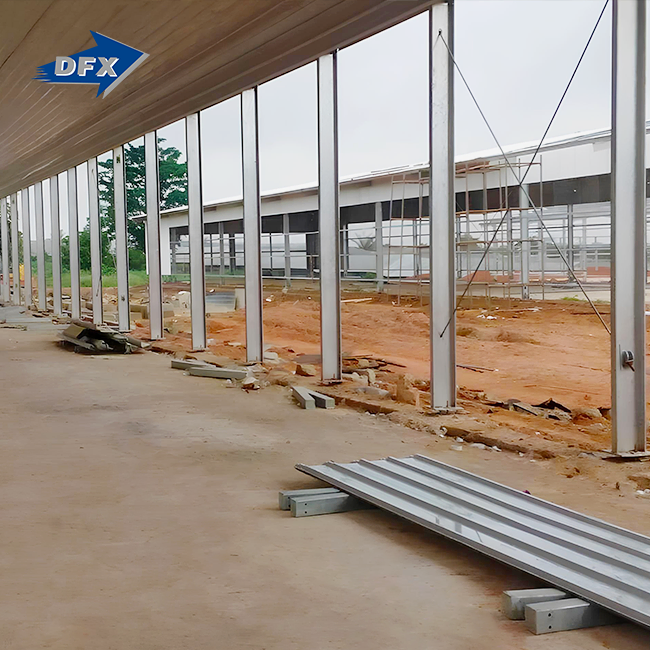
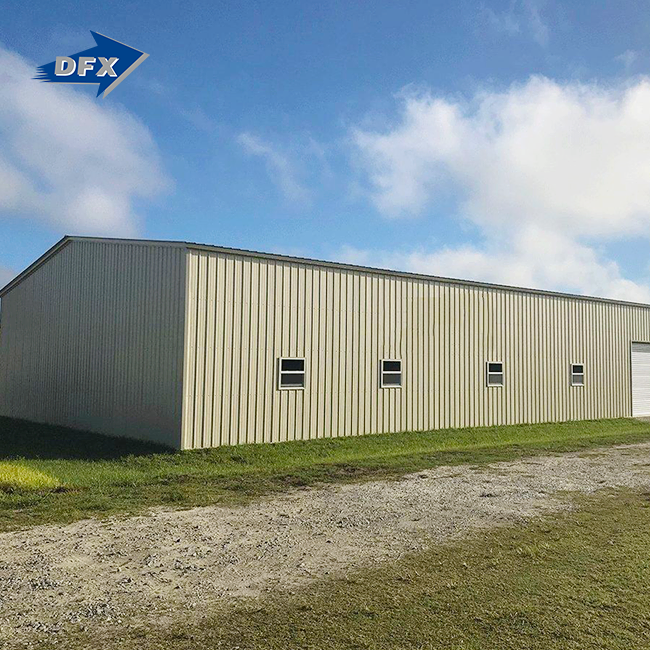
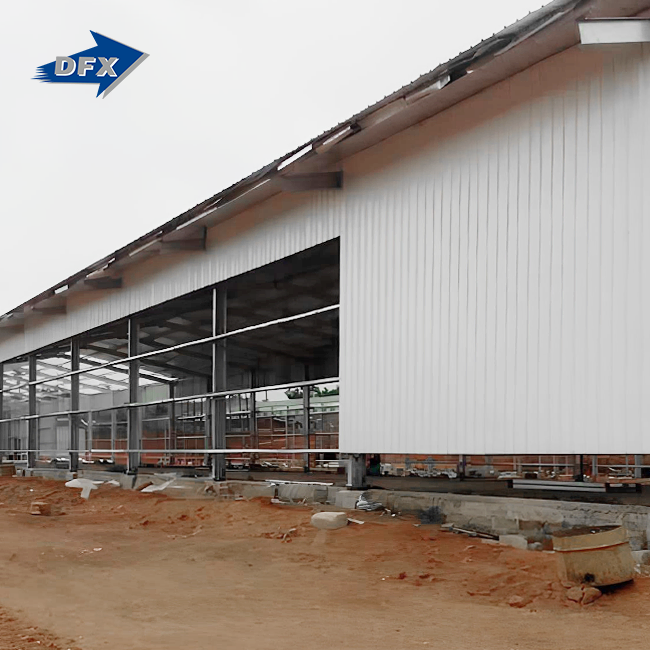
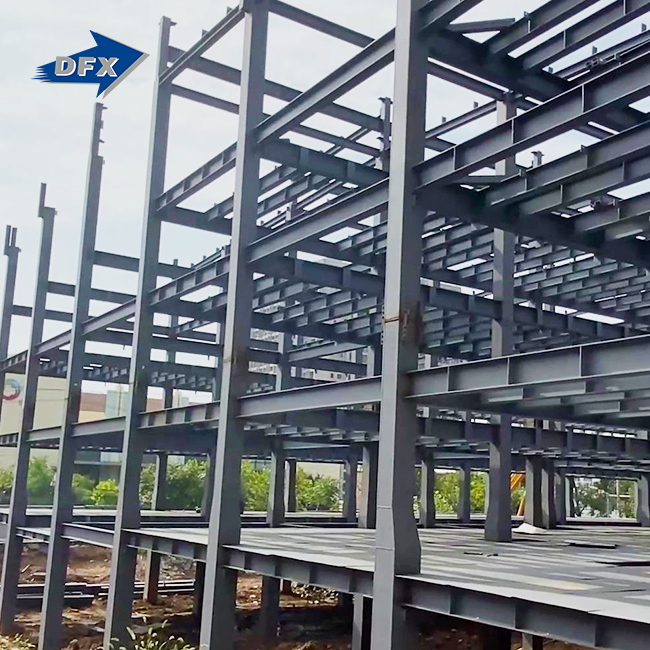
For large-scale aquaculture operations, the best Inland Fishery Steel Shed is one that is pre-engineered and made of Q355B high-tensile steel. It should also have wide clear-span designs (12m–60m) and protected sandwich walls for the best temperature control. This special steel framework meets the specific needs of Recirculating Aquaculture Systems (RAS), hatcheries, and indoor fish farming by controlling high humidity, protecting biosecurity, and providing column-free interiors that make the most of tank layouts while cutting down on construction times and running costs.

Understanding Inland Fishery Steel Sheds: Foundations and Benefits
What Defines an Inland Fishery Steel Shed?
Inland aquaculture locations need distinct structures from farmed warehouses. Inland Fishery Steel Sheds are designed for Recirculating Aquaculture Systems (RAS), hatcheries, and broodstock firms that need environmental control to make money. Large steel columns and beams are used to withstand the corrosive atmospheres created by water evaporation, ammonia gas release, and salt spray in brackish species farming.
Director Steel uses high-quality Q355B steel (A572 Gr.50) to manufacture these buildings. This ensures that buildings are robust even when water tanks weigh tonnes. The corrosion-resistant coating processes, such as hot-dip galvanisation with zinc coverage exceeding 600g/m², prolong service life to 25-30 years, even in humid situations above 80%. This overcomes a major issue: traditional concrete or wood structures degrade fast, requiring costly repairs that halt output.
Core Benefits Over Traditional Construction
Steel buildings help aquaculture owners. The strength-to-weight ratio allows for a large clear span between 12 and 60 meters, eliminating the requirement for internal poles to place circular tanks 6 to 10 meters in diameter. Due to design adaptability, yields per square metre increase, affecting stocking density and operational efficiency.
Another operational benefit is thermal efficiency. These structures use 30% less HVAC energy than single-skin metal buildings because they maintain a steady temperature between 22°C and 28°C using 50mm to 100mm polyurethane or polyisocyanurate sandwich panels. Temperature variations damage tilapia and eel populations and limit feed conversion rates; therefore, steady temperatures are crucial.
Construction timelines are accelerated. The project location receives prefabricated steel pieces created in a controlled environment for speedy assembly. Projects may be completed 40–60% quicker than with typical stone constructions. When funds are low for pumps, bio-filters, and oxygen cones, this speedier approach implies money will come in sooner.
Sustainability and Environmental Considerations
Modern fishing businesses are under more and more pressure to show they care about the earth. Steel buildings are environmentally friendly because they can be recycled. When they reach the end of their useful life, structural steel can be reused or recycled without losing any of its quality. This circular economy method is very different from the problems that come up when you try to get rid of concrete demolition trash or chemically treated wood.
When compared to making cement, the process of making cement itself produces less carbon dioxide. Director Steel's factories in China use ISO 9001 quality control systems to make sure that materials are used efficiently and that as little trash as possible is created during the manufacturing process. Our ability to produce 20,000 tons of welded H-beams every year shows economies of scale that help sourcing managers who care about the environment and are looking for approved green building materials.
Comparing Steel Sheds for Inland Fishery: Making the Right Choice
Steel Versus Alternative Materials
Trade-offs are made by procurement managers when choosing structures. Wooden structures may look cheap, but water breaks them down rapidly. Replacement is needed during busy periods because moisture absorption causes bending, decay, and pest infestations in 5–8 years. Chemicals from treatment enter water systems, posing safety issues and making compliance tougher.
Plastic and fibreglass aren't sturdy enough for major events. Due to load-bearing constraints, high crane systems for tank repairs are not viable. Long-term UV exposure makes the material brittle and structurally unstable, which is bad for keeping millions of dollars in cattle.
The benefits of Inland Fishery Steel Sheds over other materials can be seen in their 30-year service life with little upkeep, their ability to support 20 kg/m² of suspended feeding systems and pipe infrastructure, and their resistance to biological degradation. Our CE and COC licenses show that our products meet international building standards. This makes builders and EPC firms that manage turnkey aquaculture projects less worried about risk.
Insulated Versus Non-Insulated Configurations
Changing the climate has a direct effect on the health of fish and the profitability of operations. Insulated steel sheds with sandwich panel walls and roofs keep the inside at a constant temperature even when the temperature outside changes, which lowers the cost of heating and cooling. The R-value of 100mm polyisocyanurate panels keeps condensation to a minimum. Condensation is an ongoing problem that causes "indoor rain" that damages tanks and grows mold on surfaces that aren't protected.
In temperate areas where water temperatures are kept at the right level all year, non-insulated designs work best. These buildings use single-skin tubular steel sheets, which lowers the original cost of capital by 25 to 30 percent. But practical research shows that energy costs will be higher in the long run. People who make decisions need to know how long it will take for the money to be paid back. In cold or warm areas that need active climate change, insulated designs usually pay for themselves in three to four years just by saving energy.
Prefabricated Efficiency Versus Custom Engineering
Standardised prefabricated steel building blueprints accelerate project delivery. We manufacture modular parts with ±2mm accuracy using six automated welded H-beam manufacturing lines at our facilities. This precision allows the assembly to proceed without field adjustments. It reduces labour expenses and installation errors. Standard designs can meet 80% of industrial aquaculture demands, from 500m² hatcheries to 2,000m² RAS facilities.
When the location is unique, such as in flood-prone regions that require higher supports, seismic zones that need stronger bracing, or integrated processing plants and grow-out activities, custom planning is essential. Our in-house architectural design team works with customers through the concept, engineering, and finishing phases to ensure that structures, such as shrimp nurseries or fish breeding centers for adornment, are designed for each species.
Roof Design Impact on Performance
Architecture choices impact more than appearance. Water drains naturally from gable roofs with slopes between 15 and 25 degrees, preventing corrosion and snow weight. This method works well when the rain varies by season.
Curved roof profiles help distribute wind loads on storm-prone seashore structures. As required by local building codes, our structural estimations consider for wind speeds up to 180 km/h. The aerodynamic shape reduces lifting forces that might damage roofing panels in bad weather.
Lean-to layouts may be connected to existing structures, saving space and money. Hatcheries may be added to grow-out structures using this pattern. Shares utility infrastructure but separates biosecurity.
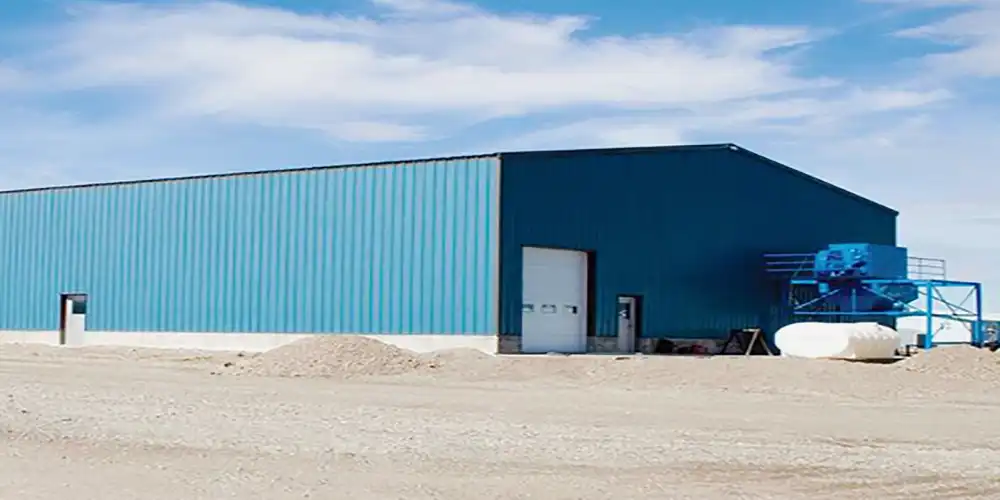
How to Build and Maintain an Inland Fishery Steel Shed for Intensive Aquaculture
Site Selection and Foundation Requirements
A careful site evaluation is the first step to a successful installation. Soil bearing ability needs to be able to hold up structure loads and tanks full of water, which usually means it needs to have a 150–250 kPa compression strength. Geotechnical studies find out what the ground is like below, which helps with designing the base. In areas with soft soil, they can use shallow concrete slabs, pier-and-grade-beam systems, or deep pilings.
Being close to safe water sources and electrical facilities lowers the costs of running a business. Our engineering team checks the site's entry for delivering materials, making sure that the roads can fit 12-meter structural beams and that the crane can get to the site for the erection process. Before building starts, regulatory compliance checks make sure that all the necessary permits and approvals have been obtained.
There are strict rules for preparing a foundation. Within 28 days, concrete mixes must reach a tensile strength of 25 MPa, and pin bolts must be placed within a 5 mm range for structural column connections. Director Steel provides thorough erection drawings that show how to properly move the load from the superstructure to the base. These drawings include bolt patterns, leveling standards, and grouting processes for each Inland Fishery Steel Shed.
Assembly Process and Quality Checkpoints
Pre-made parts come numbered and in the right order so that they can be put together in a systematic way. As the base pin points are moved up, the primary frame is put up, making sure that each column is straight within 1:500 tolerances. Main rafters and purlins are connected by high-strength bolts that are torqued to certain values. Our technical team gives installation instructions to make sure that the joints are properly pre-tensioned so that they stay strong under service loads.
Wall panels and roof sheets are held up by secondary framing. Our two C/Z section steel production lines make girts and purlins to specific lengths, so there aren't many wasteful cuts and trash in the field. Installing a sandwich panel takes careful attention to where the seal goes and how far apart the fasteners are. If you don't do it right, thermal bridges form that make the insulation useless.
Weld reviews using magnetic particle testing on important connections, coating thickness verification with dry film scales to make sure the zinc layer is thick enough, and measurement checks to make sure door openings and ventilation holes line up with mechanical systems are all examples of quality control measures. These checkpoints keep the building from needing expensive repairs and make sure it meets the requirements of the plan.
Preventive Maintenance Strategies
Regular checks make structures last longer and prevent output from stopping. Every six months, the layer is checked to see if there is rust bloom or mechanical damage that needs to be fixed with zinc-rich primers. Checking the tightness of panel fasteners stops water from getting in through the wind; replacing loose screws with worn-out neoprene covers stops leaks before they start.
Ammonia and hydrogen sulfide fumes make corrosion happen faster on surfaces that aren't covered. Ventilation systems need to work properly so that air exchange rates stay high enough to keep toxic gases from building up. Our buildings have ridge vents and corner louvers that are meant to move 12 to 15 tons of air every hour, which lowers the amount of harmful contaminants in the air below the levels that can cause damage.
Seasonal upkeep addresses problems caused by the weather in a certain area. In cold places, removing snow loads keeps structures from being overloaded. Along the coast, uncovered steel needs to be rinsed with saltwater every year to get rid of chloride layers. Clearing out drainage systems like gutters, drains, and surrounding ditches keeps water from pooling, which can lead to corrosion cells forming in one area. These preventative steps keep the system strong and protect the large investment in aquaculture infrastructure.
Procurement Guide: Acquiring the Best Inland Fishery Steel Shed
Evaluating Manufacturers and Suppliers
To find dependable steel structure makers, you need to do a thorough evaluation. Production capacity shows how well a company can meet project deadlines. Qingdao Director Steel Structure Co., Ltd. has 40,000 square meters of enclosed production space and over 200 trained workers, which ensures that output is uniform and quality is controlled. We've been in business since 2011 and have worked in commercial buildings, airplane hangars, and industrial plants over that time. This shows that we have the technical skills to handle specialized aquaculture uses.
Certifications prove that production standards are met. ISO 9001 quality management systems keep track of the whole process, from buying the materials to checking them for quality at the end. When structural goods have the CE stamp, it means they meet European safety standards. This is important for foreign projects or aquaculture businesses that want to sell. COC and PVOC certificates make it easier to clear customs in African markets, which makes operations easier for freelancers who are in charge of multi-national fish farming projects.
Referrals from customers can help you figure out how reliable a seller is. Ask for case studies of similar fishing projects and look at how the building is holding up after 5 to 10 years of use. Real-world longevity can be seen by visiting working facilities and looking at things like coating condition, structural alignment, and owner happiness. This is more than just marketing promises for your Inland Fishery Steel Shed.
Pricing Dynamics and Budgeting Considerations
Pre-made pieces are numbered and ordered for methodical assembly. As the base points are raised, the main frame is raised, straightening each column within 1:500 tolerances. Main rafters and purlins are joined by torqued high-strength fasteners. Our expert staff provides installation instructions to pre-tension joints for service load strength.
Secondary framework supports roof and wall panels. Our two C/Z section steel manufacturing lines manufacture girts and purlins to exact lengths, reducing field waste. Sandwich panel installation requires precise seal placement and fastener spacing. Not doing it appropriately creates thermal bridges that render insulation worthless.
Quality control measures include magnetic particle testing on critical welds, dry film scales to verify zinc layer thickness, and measurement checks to ensure door openings and ventilation holes match mechanical systems. These checkpoints prevent costly repairs and ensure the building meets plan requirements.
Preventive Maintenance Strategies
Regular inspections prolong structural life and prevent output loss. Every six months, the layer is tested for rust bloom or mechanical damage that requires zinc-rich primers. Checking panel fasteners for wind infiltration and replacing loose screws with neoprene coverings prevents leaks.
Ammonia and hydrogen sulphide emissions accelerate corrosion on unprotected surfaces. Proper ventilation systems maintain air exchange rates to prevent hazardous gas buildup. Ridge vents and corner louvres in our buildings flow 12 to 15 tonnes of air every hour, reducing airborne pollutants below damage thresholds.
Seasonal maintenance fixes weather-related issues. Snow removal prevents structures from overloading in cold climates. Uncovered steel by the seaside must be cleaned with saltwater annually to remove chloride. Clearing gutters, drains, and ditches prevents water from accumulating and developing corrosion cells. These precautions safeguard the system and the enormous aquaculture infrastructure investment.
Why Choose Steel Sheds for Intensive Aquaculture? Future Prospects and Industry Trends
Operational Advantages in Modern Fish Farming
For intensive fishing to thrive, infrastructure must support biosecurity and maximise productivity. Steel shelters keep fish populations safe from disease-carrying animals, birds, and dirty water. Structures with sealed and regulated access points reduce pathogen introduction concerns. This preserves important broodstock and decreases antibiotic usage, which alarms regulators and consumers.
Activities can continue under changing weather thanks to environmental adaptability. Hurricane-resistant designs keep buildings sturdy in bad weather, preventing major losses to outdoor pond systems. Temperature-controlled rooms extend cold-weather growth seasons. Production year-round stabilises market supply and maximises building utilisation.
Accurate control of the surroundings leads to yield optimization. Automated feeding systems that are hung from the structure's framing spread nutrients out evenly, which raises the feed conversion rates. By blocking light with solid wall panels, photoperiods can be changed, which speeds up the growth of salmon and trout. These small changes to how things are done add up over time to give 15-20% more output than standard open or slightly sheltered systems using a modern Inland Fishery Steel Shed.
Integration with Sustainable Practices
Sustainability in aquaculture is becoming a bigger factor in both buying choices and government approvals. The use of recyclable materials and energy-saving patterns in steel construction makes it compatible with green building standards. Water recirculation systems in insulated sheds cut the amount of thermal energy needed by 30–40%. This lowers carbon footprints and lowers running costs, which is good for both investors who care about the environment and owners who want to save money.
Lifecycle economy makes environmental gains last longer. For long work lives, there is less need for demolition and the trash that comes with it. When a project is over, structural steel still has a lot of value as scrap, which helps pay for the costs of removal by recovering the material. This circular economy method is different from concrete buildings that need to be crushed or thrown away in a landfill, which uses a lot of energy. This makes it easier for businesses that want to get eco-label certifications to show that they are environmentally friendly.
Emerging Technologies and Industry Innovation
Construction of future aquaculture facilities will include smart tracking devices. Structures now accommodate sensor networks that assess water quality, ambient conditions, and machine operation. As IoT platforms improve, steel framing makes it simpler to organise wires and position devices for new technologies.
New insulation materials reduce panel thickness and increase thermal efficiency, making interior space more usable. Vacuum-insulated panels and aerogel materials under development might have R-values twice as high as current norms. It would reduce energy consumption even further. Steel constructions may easily adopt these new concepts by swapping panels without reducing strength.
Automation alters facility management. Robotic feeding systems, automated water testing, and AI-driven weather controls need powerful load-supporting and power-distribution infrastructure. Pre-engineered steel structures' modular architecture enables these technologies to be deployed in stages as budgets and expertise allow.
Conclusion
Choosing the correct Inland Fishery Steel Shed is very important for the success of heavy aquaculture projects. These special buildings offer corrosion resistance, environmental control, and hygiene that are necessary for modern fish farms. They can also be built quickly and with environmentally friendly materials. Procurement managers benefit from carefully evaluating suppliers based on their manufacturing skills, qualifications, and the wide range of services they provide. Despite the higher starting cost, steel buildings are still the best option because it saves money in the long run and last longer. Steel is still the best building material for aquaculture infrastructure growth because of trends in the industry toward automation and environmental sustainability.
FAQ
1. What is the typical lifespan of an inland fishery steel shed?
Structures that are properly designed can last longer than 25 to 30 years, even in farming settings with a lot of humidity. Corrosion can be stopped by marine-grade paint systems that meet ISO 12944 C5-M standards and hot-dip galvanized frames with zinc coats above 600g/m². Regular care, like checking the finish, making sure the fasteners are tight, and clearing the drainage system, makes things last longer and protects big investments in your Inland Fishery Steel Shed.
2. Can these structures be customized for specific fish species requirements?
Customization takes into account the needs of each species when it comes to controlling temperature, managing lights, and integrating equipment. The thickness of the insulated panels can be changed to keep the water at the best temperature for tropical or cold species. Salmonids can't get enough light when the walls are opaque, but decorative fish that need natural light can see through clear panels. Structures can support different kinds of equipment, like big bio-filters for tilapia RAS and small air systems for shrimp hatcheries.
3. What cost components most significantly impact total project expenses?
The cost of steel materials makes up 40 to 50 percent of all project budgets, and these costs change with the world product markets. The amount of foundation work is between 15 and 20 percent, depending on the type of dirt that needs tailored solutions. Insulated panel systems cost 20–25% more than non-insulated options, but they save so much energy that the costs are covered in three to four years. The rest of the costs come from transportation and installation work, which depend on how easy it is to get to the spot and how much people earn in that area.
Strengthen Your Aquaculture Operations with DFX Steel Solutions
The Qingdao Director Steel Structure Co., Ltd., branch of DFX can help aquaculture project managers and sourcing engineers find trusted Inland Fishery Steel Shed suppliers. Our 20,000-ton yearly production capacity, 12 years of experience making things, and CE-certified goods make sure that your facility meets strict biosecurity and environmental control standards. We offer complete solutions that include engineering design, manufacturing, and installation instructions that are specifically made for the needs of intensive fish farming. Get in touch with jason@bigdirector.com right away to talk about the details of your project, get full quotes, and look into the benefits of buying in bulk. Speed up the building of your aquaculture infrastructure by working with a reputable company that cares about quality, dependability, and environmentally friendly building methods.
References
1. Timmons, M.B., Ebeling, J.M. (2013). Recirculating Aquaculture Systems Engineering. Ithaca Publishing Company.
2. Food and Agriculture Organization of the United Nations (2020). The State of World Fisheries and Aquaculture: Sustainability in Action. FAO Fisheries and Aquaculture Department.
3. American Institute of Steel Construction (2017). Steel Construction Manual, 15th Edition. AISC Committee on Manuals.
4. International Organization for Standardization (2018). ISO 12944: Paints and Varnishes – Corrosion Protection of Steel Structures by Protective Paint Systems. ISO Technical Committee.
5. Summerfelt, S.T., Vinci, B.J., Piedrahita, R.H. (2000). Oxygenation and Carbon Dioxide Control in Water Reuse Systems. Aquacultural Engineering Journal, Volume 22, Issue 1-2.
6. British Standards Institution (2015). Eurocode 3: Design of Steel Structures – General Rules and Rules for Buildings. BSI Standards Publication.
Learn about our latest products and discounts through SMS or email