- English
- French
- German
- Portuguese
- Spanish
- Russian
- Japanese
- Korean
- Arabic
- Greek
- German
- Turkish
- Italian
- Danish
- Romanian
- Indonesian
- Czech
- Afrikaans
- Swedish
- Polish
- Basque
- Catalan
- Esperanto
- Hindi
- Lao
- Albanian
- Amharic
- Armenian
- Azerbaijani
- Belarusian
- Bengali
- Bosnian
- Bulgarian
- Cebuano
- Chichewa
- Corsican
- Croatian
- Dutch
- Estonian
- Filipino
- Finnish
- Frisian
- Galician
- Georgian
- Gujarati
- Haitian
- Hausa
- Hawaiian
- Hebrew
- Hmong
- Hungarian
- Icelandic
- Igbo
- Javanese
- Kannada
- Kazakh
- Khmer
- Kurdish
- Kyrgyz
- Latin
- Latvian
- Lithuanian
- Luxembou..
- Macedonian
- Malagasy
- Malay
- Malayalam
- Maltese
- Maori
- Marathi
- Mongolian
- Burmese
- Nepali
- Norwegian
- Pashto
- Persian
- Punjabi
- Serbian
- Sesotho
- Sinhala
- Slovak
- Slovenian
- Somali
- Samoan
- Scots Gaelic
- Shona
- Sindhi
- Sundanese
- Swahili
- Tajik
- Tamil
- Telugu
- Thai
- Ukrainian
- Urdu
- Uzbek
- Vietnamese
- Welsh
- Xhosa
- Yiddish
- Yoruba
- Zulu
Multi-car Commercial Garage: Managing Different Door Types and Openers in One Space
It takes careful planning and technical know-how to manage a Multi-car Commercial Garage with different door types and openers in the same area. When different door systems need to work well together, they create special problems in modern buildings like car shops and fleet logistics hubs. It's important to find a good balance between practical needs, safety standards, and the cost of long-term upkeep. A well-thought-out garage building with strong steel support can fit different door layouts, keep valuable vehicles safe, and make daily tasks easier. A simple parking lot can be turned into a useful business tool by learning how to connect sectional, roll-up, and overhead doors with openers that work with them.

Understanding Multi-Car Commercial Garage Door Types and Opener Technologies
Choosing the right door systems has an impact on the daily operations and repair plans of businesses. Due to room limitations, security needs, and car throughput needs, different businesses depend on different door configurations.
Common Commercial Door Types and Their Applications
Sectional doors are good for rooms that need to be insulated and weather-tight. Because these doors roll vertically along tracks, they are perfect for places that need to keep the temperature stable, like auto repair shops. Roll-up doors are durable and make good use of space. They are often found in logistics buildings where quick entry is more important than thermal performance. Slider doors work well in places with low ceilings, but they need enough space between the door and the wall. Overhead doors have wide spaces that can be used to store big items or let farm vehicles in and out.
Each type of door is used for a different set of tasks. Sectional models can handle heavy daily use with little wear, while roll-up models can handle tough industrial circumstances. Choices affect how long something will last and how often it needs to be fixed.
Opener Systems: Matching Technology to Door Configuration
Chain drive openers provide dependable power at low costs, and they work well with big industrial doors. Belt drive systems are quiet, which is good for buildings that are close to homes or offices. Screw drive systems are easier to maintain, but they work best with doors that aren't very heavy. Smart openers that are connected to the Internet of Things (IoT) allow for remote tracking and centralized control, which speeds up the time it takes to fix problems.
When you mix different types of doors and key systems, you run into compatibility problems. A building with both sectional and roll-up doors needs different types of openers for each type. Weight limits, mounting requirements, and control methods are all very different. To avoid costly problems during installation, procurement teams need to work with sellers who know how these technical relationships work.
Integration Challenges in Multi-Door Facilities
It's harder to figure out how much electricity a building needs when it has more than one door system. Each type of opener needs a different amount of energy, so the lines and backup power must be properly rated. Different door types have photoelectric beams that work in different ways, which means that general safety measures need to take these differences into account.
When five different kinds of doors are used in the same building, maintenance plans get difficult. For each system, technicians need different new parts and specific skills. Standardizing parts as much as possible cuts down on stocking costs and makes training easier. Still, some practical needs call for a mix of setups. This is why centralized management systems are useful for keeping track of how all units are doing.
Designing Multi-Car Commercial Garages to Accommodate Diverse Doors and Openers
Well-thought-out spatial planning keeps operations from getting slowed down and keeps people safe. The layout of a building directly impacts how people move through it, how well doors work, and how flexible it is in the long run.
Spatial Planning and Zoning Strategies
With good zoning, maintenance zones are kept separate from places with a lot of foot traffic. Putting rapid-access roll-up doors near loading docks keeps delivery trucks moving, while sectional doors are used for entry places that don't happen as often. In steel-framed buildings, the door width choices are limited by the distance between the columns. Clear-span designs using H-section beams, on the other hand, can have bigger openings without the need for extra supports.
Before building starts, traffic flow research is used to find the best places for doors. By mapping out car turning circles and peak-hour traffic patterns, congestion near access points can be avoided. For the same building to hold both small service cars and big delivery trucks, the doors need to be different sizes and heights. These different needs can be met by modular steel frame systems without affecting the strength of the structure.
Ventilation, Lighting, and Safety Integration
Ventilation plans need to be adjusted to mixed-door settings. Roll-up doors that are opened a lot let in more outside air than protected rectangular units, which changes how the HVAC load is calculated. When air exchange rates are just right, carbon monoxide doesn't build up in protected parking lots, and the energy economy stays the same.
Different kinds of doors let natural light in, so lighting systems need to be able to handle that. Daytime lighting loads are lower with translucent sectional door panels, but more ceiling lights are needed with solid roll-up doors. Motion-activated LED systems automatically light up areas around busy doors to save energy and meet safety standards.
Safety rules require that all door types meet the same standards. The emergency stop buttons should be placed the same way on every door, no matter what kind it is. When working around door parts and tracks, fire control systems need to be more tightly integrated. Steel-framed buildings make this merging easier by giving safety tools consistent mounting places all over the building.
Case Study: Logistics Hub Implementation
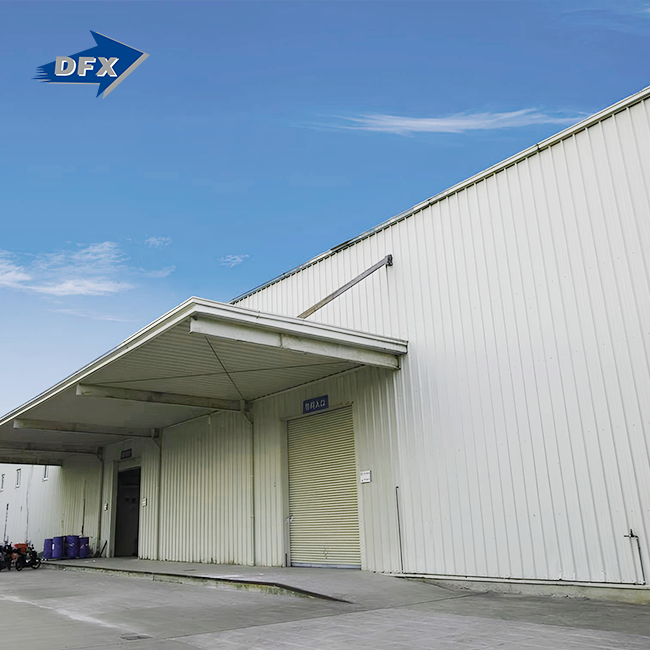
A regional delivery fleet operator recently moved all of their activities into a steel-structured Multi-car Commercial Garage that can hold thirty cars. The building had twelve sectional doors for storing vehicles in a climate-controlled area, eight roll-up doors for high-speed dispatch rooms, and four sliding doors for getting to equipment. All gate systems were controlled by centralized control screens through a single interface, which cut down on the time needed to train operators. The steel frame system, which was made of galvanized purlins and square tubes, could hold different door weights without needing to be changed structurally. This unified method cut the time it took to get vehicles back by 40% while still meeting strict safety standards.
Comparing Materials and Technologies for Multi-Car Commercial Garage Doors and Openers
The choice of material affects both the initial investment and the costs of running the business for decades. Steel structures have clear benefits for buildings that have to manage various door systems.
Steel Frame Advantages for Door System Integration
Light H-section steel frames can support large industrial doors without much foundation due to their strength-to-weight ratios. Air from often-opened doors doesn't corrode galvanised parts. This durability is crucial along the shore or in industrial areas with airborne contaminants.
Steel frames are easier to modify than cast concrete constructions. Adding entrances or expanding rooms requires less intrusive construction work. Standard prefabricated steel structures are erected quickly after fabrication. Business disruptions during expansion initiatives are minimised.
Concrete structures have thermal mass but aren't flexible with door systems. Making new holes in reinforced concrete walls requires specific equipment and downtime. Steel is adaptable, so facilities may be modified as requirements change.
Prefabricated vs. Custom Solutions
Prefabricated door and opener packages make installation easier because they are tested at the factory to make sure they work together. The systems come ready to be quickly mounted on standard steel frames, which saves money on work and time spent getting the business up and running. Customized solutions are made to meet specific operating needs, like openings that are too big for certain tools or systems that are stronger for high-security uses.
These methods work well together in mixed-use buildings. Standardized sectional doors let vehicles in and out of most areas, while unique roll-up units are used in specific parking zones. This combined approach keeps costs down without limiting the ability to run the business. It's easier to get things for big projects when you work with makers who offer both standard designs and the ability to make changes to them.
Energy Efficiency and Automation Trends
Insulated sectional doors with weather protection reduce heat and cool air loss. Smart sensors activate the door openers quickly as a vehicle approaches, eliminating wait periods and unnecessary door openings. These automation elements function well with steel-framed structures since electrical conduit lines are designed.
Installing solar panels on garage roofs makes them profitable. Steel structures constructed to bear greater dead weight may accommodate photovoltaic systems. Business customers increasingly prioritise environmental aims, and the energy generated balances the electricity and lights.
Modern control systems monitor door openings and starting motor performance. They recognise when repairs are required before they happen. Data-driven methods reduce unplanned downtime, which is crucial for fleet operations and vehicle shops with tight timetables.
Procurement and Maintenance Best Practices for Multi-Car Commercial Garage Systems
Making smart choices about purchases sets the stage for long-term activities that can be relied on in a China steel structure garage. In the planning and installation stages, mistakes that cost a lot of money can be avoided by working with sellers who have a lot of experience.
Supplier Selection Criteria
Manufacturers with ISO accreditation provide quality control throughout manufacturing. CE accreditation ensures a product satisfies international safety standards, protecting purchasers from legal concerns. Asking for mill test data ensures that the steel composition fulfils technical specifications for load-bearing sections that support large door systems.
Product warranties demonstrate the manufacturer's confidence in its durability. Supply and structural work coverage indicate construction quality. Support after the sale is crucial. Suppliers that provide installation, technical support, and replacement components reduce facility operational hazards.
Supplier production ability checks reduce delivery delays for large projects. Manufacturers with big enclosed production rooms and several manufacturing lines may handle complex orders more reliably. This output size reflects financial stability and industry expertise when picking a service.
Cost Framework and Investment Planning
Building, installing doors and openers, hiring workers, and preparing the space are upfront expenditures. Steel-framed buildings are usually cheaper and quicker to construct than concrete ones. This speed reduces financial costs and accelerates construction.
Each door type has distinct maintenance expenses. Roll-up door springs and tracks require oiling periodically. Check hinges and replace panel seals on sectional doors. Frequent motor servicing and safety sensor calibration are needed for opener systems. During purchasing, budgeting for these continuing charges keeps your money in check.
Equipment rental, construction loans, and supplier payment plans are available to commercial purchasers. Spread-out finance that aligns payment schedules to project objectives works well for larger projects. Discussing these intentions early in the procurement process simplifies budgeting and cash flow.
Maintenance Scheduling and Troubleshooting
Regular inspections may prevent modest issues from becoming system breakdowns. Monthly visual inspections reveal outdated parts, loose hardware, and alignment concerns. Every three months, professionals inspect safety systems, opener calibration, and structural connecting points. Annually, comprehensive studies assess the system and plan replacements.
To remedy typical problems, learn how various doors fail. Tracks typically misalign when sectional doors are repeatedly impacted. Roll-up doors might develop slat damage in high-use areas. Most opening issues are caused by overheating motors or control boards. Detailed service logs assist in identifying recurring issues and guide system modifications.
Training facility personnel in basic maintenance cuts service call costs. Teams that learn how to unlock doors, free them in emergencies, and make basic alterations may solve daily difficulties on their own. This knowledge raises safety awareness and extends tool life by utilising them daily.
Optimizing Operations: Managing and Upgrading Multi-Car Garage Door Systems
Coordinated control systems and quick equipment updates are needed for operations to run smoothly. With today's management techniques, garages can be turned into useful business tools.
Centralized Control Systems
All door openers are controlled by centralized systems that have a single set of interfaces. From a single workstation, operators can see what's going on with doors in real time, manage who can access them, and get repair reports. This combination is especially helpful for buildings that have to manage twenty or more doors in more than one zone.
Individual control systems are cheaper to set up, but they are harder to handle every day. To change settings or figure out what's wrong, staff have to physically go to each door spot. Large facilities have a lot of wasted labor, which makes organized systems more cost-effective over time, even though they cost more to set up at first.
IoT-enabled tracking lets you view it from afar using web portals and mobile devices. Facility managers are immediately notified when doors don't work or stay open past their planned times. This connectivity makes it possible for regional managers to oversee more than one place at the same time, which is called multi-site operations. Cloud-based systems also keep track of past performance data, which helps people make smart choices about when to change systems and how to make them work better. China steel structure garage
Upgrade Timing and Implementation Strategies
When the cost of repairs is more than 60% of the price of new tools, door systems need to be replaced. Frequent breakdowns that stop activities are another reason to improve sooner. Because of changes in safety regulations, systems must sometimes be replaced before they reach the end of their useful life.
By changing door systems in stages, phased changes keep operations as smooth as possible. This method spreads costs over several budget rounds while keeping the facility's functions. When switching to unified control systems or making big changes to the structure, complete overhauls work better. The choice relies on how flexible the facility's operations are and how much money is available.
Planning changes for times of the year when business isn't as busy lowers their impact on the company. Fleet operations might plan to do a lot of work in the winter, when things are slower. When the model year changes or when inventory levels drop, car shops plan installations to happen at those times. Planning ahead with suppliers makes sure that the business can get the tools it needs and that the work crews can fit it into their schedules.
Safety and Compliance Management
In every area, business garage door systems are governed by rules and regulations. The National Fire Protection Association (NFPA) sets rules for fire safety, and OSHA sets rules for worker safety. Facilities must keep up with the rules by having regular checks and keeping written records of their care.
Employee training programs teach them what to do in an emergency, how to open and close doors correctly, and how to spot hazards. Before they can use door devices on their own, new employees get hands-on training. Safety rules are reinforced every year during refresher training, which also includes new processes introduced after system changes.
Inspection procedures make sure that the safety sensors work, the emergency stop works, and the door is balanced correctly. Documentation shows that rules were followed during government audits and insurance reviews. This organized method keeps workers and the company from having accidents that could have been avoided and from being held responsible for them.
Conclusion
Managing different types of doors and openers in a business garage requires planning that includes both the design and the day-to-day activities. Steel-framed buildings are strong and flexible enough to fit a variety of door systems and can be easily changed in the future. When you buy something with care, you should make sure that the seller is reliable and that you get full warranties and long-term upkeep support. Centralized control systems and proactive repair plans make operations more efficient while still meeting safety standards. Putting money into good planning and construction pays off in the form of less downtime, longer machine life, and easier control of the building. When businesses put these things first, they set themselves up for long-term growth and operational success.
FAQ
1. How do I determine which door types work best for my facility?
Look at both your operational goals and the things that affect the environment. Insulated sectional doors are good for keeping temperatures in check in buildings that need to, while rapid-cycling roll-up systems are better for high-traffic cargo operations. Think about the weather in your area, how often the site is used each day, and the types of vehicles that can get to it. Talking to expert steel structure makers can help you find doors that fit your budget and structural design.
2. Can existing garages be retrofitted with upgraded door systems?
Retrofitting rests on how strong the structure is and how the building is set up now. Because they are made up of separate modules, steel-framed buildings are usually easier to update than concrete ones. Before adding heavier door systems or automation equipment, a structural expert should check the building's load-bearing ability. Many sites are able to improve their opener systems and control platforms without having to make big structural changes.
3. What maintenance frequency prevents unexpected door failures?
Visual checks done once a month catch problems as they start to happen, and professional service every three months makes mechanical changes and tests the safety system. Every year, full evaluations check the general state of the system and help with plans for replacement. Professional repair should be done more often on places that get a lot of use. Keeping detailed service logs can help you find trends and set the best maintenance times based on real performance data instead of general plans.
Ready to Build Your Multi-car Commercial Garage Solution?
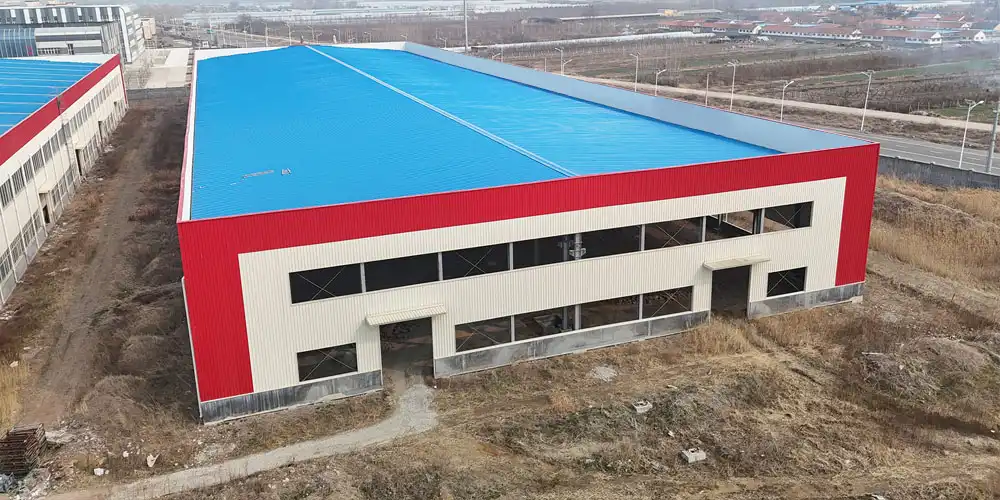
DFX specializes in providing complete steel structure solutions that work perfectly for business garages with a lot of doors and complicated layouts. Our factory makes high-quality light H-section and square tube steel frames with zinc purlins that will last for a long time for your fleet management and car storage needs. Our goods are certified to meet strict worldwide standards by ISO8995, CE, COC, and PVOC. With more than twelve years of experience working with structural steel, we offer a full range of services, from standard design and manufacturing to assembly drawings. Our short production cycles help keep your project on track, and our skilled workers handle the technical challenges of fitting different door systems into one building. Get in touch with Jason@bigdirector.com to talk about your needs with a reliable Multi-car Commercial Garage seller who knows how to handle B2B purchasing.
References
1. Anderson, M. (2021). Commercial Steel Structures: Design and Applications for Modern Industrial Facilities. Industrial Press.
2. Chen, R., & Williams, D. (2022). Automated Door Systems in Commercial Buildings: Integration and Management. Building Technology Publications.
3. Harrison, J. (2020). Fleet Management Facilities: Optimizing Space and Operations. Transportation Infrastructure Press.
4. Matthews, S. (2023). Steel Frame Construction: Benefits and Best Practices for Commercial Projects. Construction Engineering Journal, 45(3), 112-128.
5. Roberts, K., & Thompson, P. (2021). Multi-Use Commercial Garage Design: Balancing Function and Efficiency. Architectural Steel Review, 38(2), 67-84.
6. Zhang, L. (2022). Prefabricated Steel Buildings: Modern Solutions for Rapid Construction. International Journal of Structural Engineering, 29(4), 203-219.
Learn about our latest products and discounts through SMS or email