- English
- French
- German
- Portuguese
- Spanish
- Russian
- Japanese
- Korean
- Arabic
- Greek
- German
- Turkish
- Italian
- Danish
- Romanian
- Indonesian
- Czech
- Afrikaans
- Swedish
- Polish
- Basque
- Catalan
- Esperanto
- Hindi
- Lao
- Albanian
- Amharic
- Armenian
- Azerbaijani
- Belarusian
- Bengali
- Bosnian
- Bulgarian
- Cebuano
- Chichewa
- Corsican
- Croatian
- Dutch
- Estonian
- Filipino
- Finnish
- Frisian
- Galician
- Georgian
- Gujarati
- Haitian
- Hausa
- Hawaiian
- Hebrew
- Hmong
- Hungarian
- Icelandic
- Igbo
- Javanese
- Kannada
- Kazakh
- Khmer
- Kurdish
- Kyrgyz
- Latin
- Latvian
- Lithuanian
- Luxembou..
- Macedonian
- Malagasy
- Malay
- Malayalam
- Maltese
- Maori
- Marathi
- Mongolian
- Burmese
- Nepali
- Norwegian
- Pashto
- Persian
- Punjabi
- Serbian
- Sesotho
- Sinhala
- Slovak
- Slovenian
- Somali
- Samoan
- Scots Gaelic
- Shona
- Sindhi
- Sundanese
- Swahili
- Tajik
- Tamil
- Telugu
- Thai
- Ukrainian
- Urdu
- Uzbek
- Vietnamese
- Welsh
- Xhosa
- Yiddish
- Yoruba
- Zulu
Advantages of a steel structure chicken house
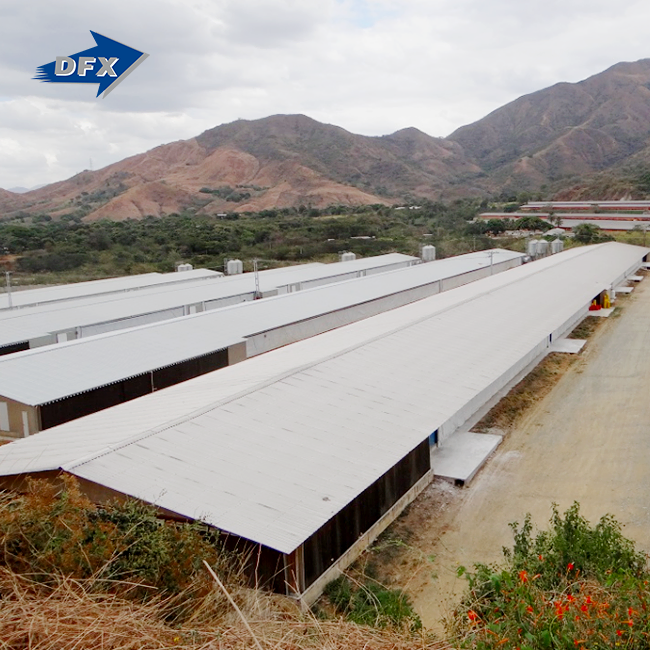
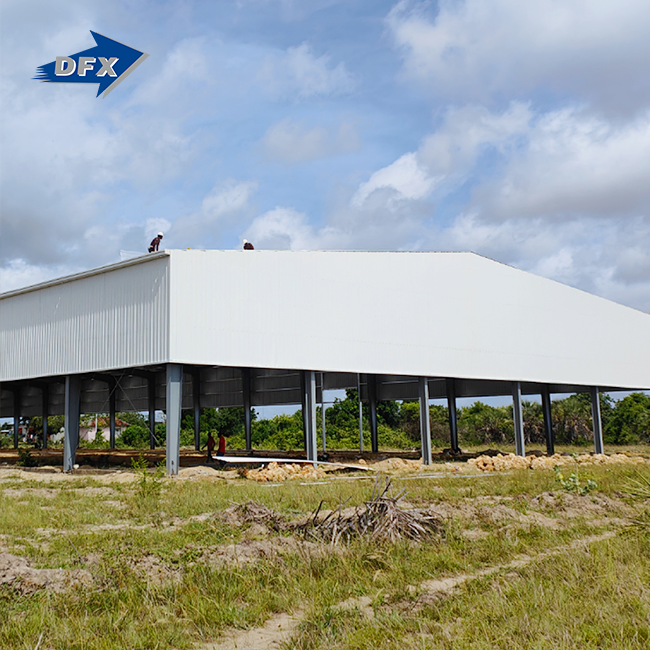
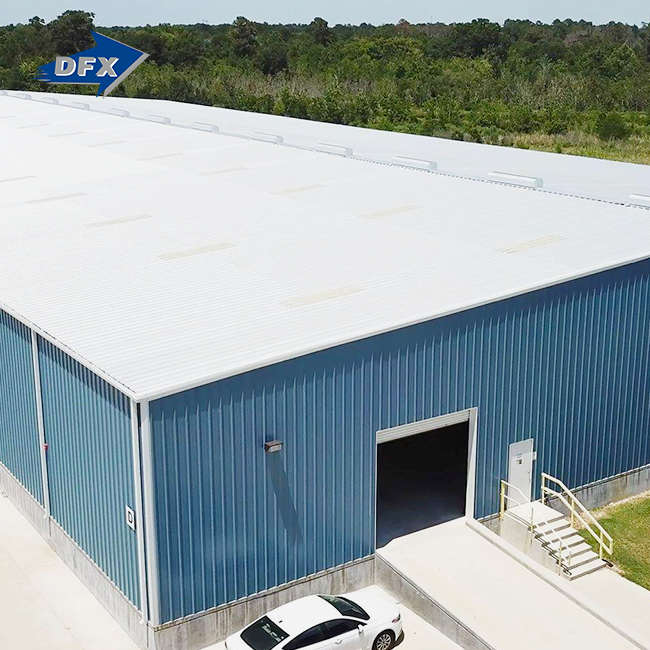
Steel Chicken Poultry Hangar facilities represent a transformative advancement in agricultural building technology, specifically engineered to address the demanding requirements of commercial poultry operations. Unlike conventional wooden structures that deteriorate under the corrosive effects of ammonia and humidity, these specialized steel buildings employ hot-dip galvanized frameworks paired with insulated sandwich panels to create biosecure environments that protect flock health while delivering exceptional structural longevity. We've observed across our twelve years of experience at Qingdao Director Steel Structure Co., Ltd. that operations transitioning to steel structures consistently report reduced mortality rates and maintenance costs, making these buildings a strategic investment rather than a simple construction project.

Understanding Steel Structure Chicken Houses
Agricultural steel buildings made for chicken farms are very different from general-purpose sheds in terms of how they are built and what they are used for. A well-thought-out building uses hot-dip galvanized H-beam columns, truss roof systems, and plans that maximize air to create places where biosecurity and climate control are more important than just protection.
What Defines a Steel Chicken Poultry Hangar?
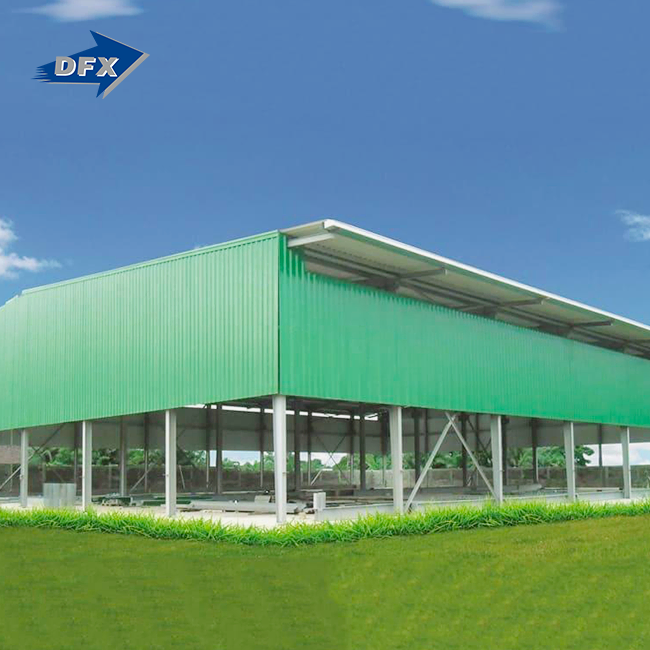
The technical meaning is based on pre-engineered steel houses that are best for places with a lot of chicken farms. Rigid portal frame systems with H-section steel columns and beams linked by high-strength bolted joints are used to build these buildings. The framework allows clear spans from 12 meters to 20 meters without internal beams. This lets you put down equipment like automatic feeding lines, nipple watering systems, and environmental control systems without any problems. The lack of internal support is especially important in layer houses, where multi-tier cage systems need to be perfectly aligned, and repair staff must always be able to get to them.
Operational Applications Across Poultry Sectors
Broiler farms benefit from the sealed envelope design, which lets tunnel ventilation systems keep exact temperature differences and air exchange rates. Layer operations use the structure's strength to support multi-tier battery cage installations, which can put on a lot of dead weight and need engineering estimates that take into account both the weight that is static and the forces that are moving during feeding cycles. For breeders and hatcheries, the ability to separate areas that comes with a steel building is used to create safety zones that stop pathogens from spreading between age groups and production stages.
Key Advantages of Steel Structure Chicken Houses Over Traditional Materials
Traditional wood construction used to be the most popular way to build in agriculture Poultry house design because it was cheaper and easier to get the materials. However, when compared to current steel alternatives, traditional timber construction falls far short in terms of performance.
Superior Durability and Corrosion Resistance
When wooden buildings are exposed to the chemicals inside chicken coops, they slowly fall apart. As manure breaks down, it constantly releases ammonia gas, which attacks cellulose fibers and speeds up rot in even treated logs. We have proof that wooden frames need to be replaced completely every fifteen years, but our steel structures stay strong for more than thirty years. The hot-dip galvanization process we use forms a metallurgical link between zinc and steel that protects against damage and heals itself. When surface scratches reveal base metal, the zinc around it works as a sacrificial anode, stopping the spread of rust.
Enhanced Biosecurity Through Hygienic Surfaces
From a practical point of view, controlling diseases may be the most important benefit. Porous wood surfaces are home to mites, germs, and virus particles that can live between flocks even after being cleaned. Because steel doesn't have pores, it can be cleaned thoroughly with high-pressure water and chemical disinfectants. The smooth zinc finish stops bacteria from forming and gets rid of the cracks where red mites usually set up colonies. This directly lowers the number of parasites that hurt birds' health and egg production.
Structural Flexibility and Customization
Poultry operations are very different depending on the type of production, region, and size of the business. Because they are designed to be flexible, steel frame systems can handle these differences. We often plan buildings with different widths to fit the available land, change the roof slopes to meet snow load requirements, and include attachment points for automation equipment that are defined by the providers. Modular steel components allow for gradual expansion, which means that operations can add more bays to existing structures without affecting the stability of the original building. This helps businesses grow without having to completely rebuild.
Long-Term Cost-Effectiveness
The original cost of building with steel is usually twenty to thirty percent higher than building with wood framing, but lifecycle cost studies always favor steel. Maintenance costs drop by a huge amount because galvanized steel doesn't need to be painted, treated with chemicals, or protected against termites. Insurance companies often lower the rates for steel buildings because they are better at resisting fire and wind loads. The long service life, which often exceeds fifty years with little maintenance, gives a return on investment that wooden buildings can't match since they need to be replaced every twenty years.

Building and Maintaining Steel Poultry Hangars: Practical Guidance
To complete a job successfully, you need to know the order of the steps involved and set up Poultry house designupkeep plans that protect the structure's built-in benefits.
Foundation Requirements and Site Preparation
The first step in designing a good foundation is to do a full study of the dirt to find out its bearing ability and how it might settle. We ask for concrete foundations that are designed to hold up the steel structure's dead weight as well as the moving weight of birds and tools. Anchor bolt placement needs to be done with great accuracy—mistakes as small as ten millimeters can make putting together the structure harder and cause stress to build up during the building process. When you grade a site, you set up drainage patterns that keep water from pooling around foundations. This keeps them safe from frost heaving in cold countries and weakening in places where it rains a lot.
Erection Process and Quality Checkpoints
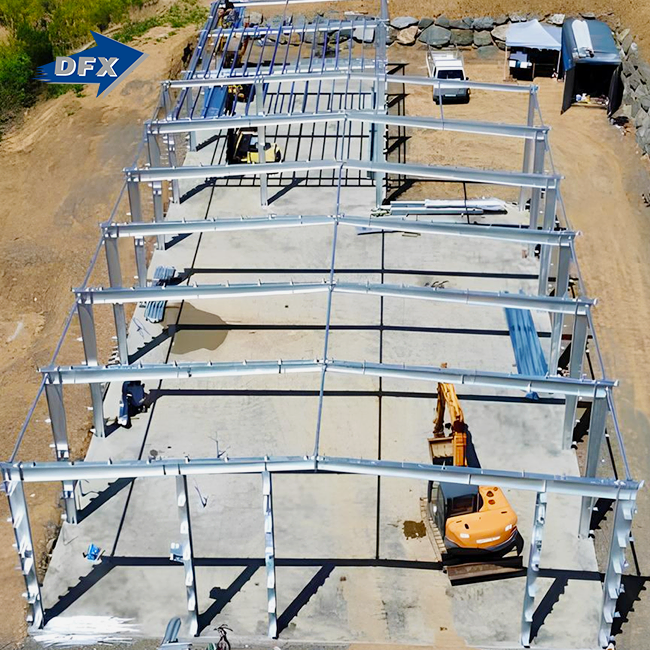
Putting up a steel building is done in a planned way, starting with placing the columns and ending with installing the panels and purlins. We give you full erection plans that show how to weld field connections, how much torque to apply to each bolt, and what the limits for size are at each stage of assembly. Plumbness checking is an important part of quality control during building. Columns must be vertically aligned within acceptable limits so that panels don't get stuck when they are installed. Paying close attention to where the compression seals are placed is important for attaching the roof and wall panels and making sure the building skin meets the airtightness standards that are needed for the ventilation system to work.
Climate-Specific Considerations
Because of differences in climate, airflow, and insulation requirements, adjustments need to be made to each area. In hot and humid places, operations can benefit from thicker roof insulation and outdoor finishes that reflect heat back into the building. For placements in cold areas, vapor barriers must be placed properly within panel assemblies to stop condensation from building up and lowering the insulation's performance. Upgrades to heavier galvanization coats or the addition of extra protection coatings may be necessary in coastal areas near saltwater to extend the service life in harsh weather conditions.
Comparing Steel vs. Wooden Poultry Hangars: A Decision-Making Perspective
Instead of just looking at the original building budgets, procurement choices need to be based on an objective study of performance measures, lifecycle economics, and operational effects.
Investment Analysis and Return Calculations
The amount of money spent on capital is just the beginning of a financial analysis. Multiple factors show that steel structures offer a better return on investment. These include lower insurance rates, lower energy use due to better insulation integration, Chicken farm building, and longer depreciation plans that are in line with real service life. We made lifetime cost models with these factors for procurement managers, and they constantly show that steel pays for itself in eight to twelve years, even though it costs more at first.
Performance Metrics in Production Environments
Collecting operational data from chicken farms lets us compare results in the real world. Steel buildings keep their interior temperatures more fixed, which is better for birds because it lowers heat stress and increases feed conversion efficiency by 2% to 5% compared to regular buildings. It's easier to control humidity when you can reach your ventilation goals without letting uncontrolled air in. This has a direct effect on lung health and lowers the need for antibiotics. These practical benefits lead to changes in production measures that can be measured and used by procurement teams to judge supplier offers.
Supplier Landscape and Procurement Channels
There are a lot of different types of suppliers in the market for steel chicken buildings, and they all meet different buying needs. Direct makers, such as Qingdao Director Steel Structure, offer complete packages that include design, fabrication, and installation help, with output plans based on the needs of the project. Our building has six automatic welded H-beam production lines and two sandwich panel lines that can make up to 20,000 tons of main structure parts each year. This vertical integration makes sure that quality is maintained throughout the whole production process and gets rid of the problems that come up when working with different companies. We keep our ISO9001 certification up to date and provide CE, COC, and PVOC paperwork that meets international standards for farm building.
Procurement Considerations for Steel Chicken Poultry Hangars
When choosing providers and setting up contracts for purchases, it's important to think about their technical skills, whether they have the right certifications, and what kind of services they offer beyond just delivering goods.
Evaluating Supplier Qualifications
Technical expertise starts with design skills. Suppliers should offer farm layout planning services that align buildings with the prevailing winds, place mounting points for equipment according to the automation system's instructions, and figure out ventilation needs based on the highest bird density. Check out the supplier's quality control processes for fabrication, especially the methods used to check the thickness of the galvanization coating and the testing techniques for weld stability. Ask for information about past projects that were similar to yours in size and purpose, along with contact information for people who worked on those projects and can talk about the quality of installation support and how quickly they were after the project was finished.
Service Scope and Support Requirements
Comprehensive providers set themselves apart by offering services that go beyond building chicken farm buildings, just making parts. We provide structural design documents that can be used to get building permits, thorough fabrication drawings that can help contractors work together, and installation instructions, along with on-site expert control during the most important parts of the building process. This unified method makes teamwork easier and makes it clear who is responsible for what when dealing with building problems. In order to protect project plans, procurement agreements should spell out what needs to be delivered at each stage of the project. They should also include clear deadlines and quality standards.
Certification and Compliance Verification
International farming projects need paperwork that shows they meet the standards of the target country. Check that your providers have the most up-to-date certifications for your area. For example, ISO9001 quality management certification is a good way to make sure that production is controlled in an orderly way. Regional approvals, like CE marking for European markets or PVOC certification for African countries, show that a product meets the technical standards in that area. To get a building permit and meet the standards for an engineering review, you need to ask for material test papers that show the steel grade, the mass of the galvanization coating, and the insulation values of the panels.

Conclusion
With steel frame chicken houses, you can measure the practical benefits that lead to more efficient chicken production and lower long-term costs. When properly designed ventilation systems, insulated panels, and hot-dip galvanized steel frames are used together, they create biosecure environments that protect flock health while reducing the amount of upkeep that needs to be done. When procurement professionals are choosing between traditional wooden construction and modern steel alternatives, they should look at the overall cost of ownership (lifecycle cost analysis) rather than the initial capital expenditure. This is because Steel Chicken Poultry Hangar construction has a longer useful life and lower operating costs, which makes it a strong investment. Picking qualified suppliers that offer full services from planning to installation guarantees the success of the project and creates relationships that support operating excellence throughout the building's many years of use.
FAQ
1. How does steel construction enhance biosecurity compared to wooden structures?
The non-porous galvanizing surface of steel stops bacteria from growing and gets rid of the hiding places where parasites can set up colonies. Because the finish is smooth, it can be cleaned thoroughly between groups using high-pressure water and chemicals that would damage wood structures. This basic feature of the material directly lowers the risk of disease spread and supports the strict hygiene rules that are needed in commercial poultry operations.
2. What service life can operations expect from steel poultry structures?
When steel buildings are properly kept, they usually last fifty years, and many structures keep working after that. The method of hot-dip galvanization protects against rust and keeps the structure strong for a much longer time than treated wood. We've looked at buildings that were built 30 years ago, and they're still holding the same amount of weight with only small repairs needed. This shows how durable steel construction is.
3. Can steel structures accommodate extreme weather conditions?
Engineering design lets steel buildings deal with environmental problems that are unique to each place. We build buildings that can withstand wind speeds of more than 120 kilometers per hour, snow loads that are ideal for the area's climate, and seismic needs for places that are prone to earthquakes. During the planning process, these forces are taken into account in the structural formulas. This makes sure that the building will still work even during the worst weather that is likely to happen at the installation site.
Partner with DFX for Your Poultry Infrastructure Needs
Qingdao Director Steel Structure Co., Ltd. has been making agricultural steel buildings that meet the exact needs of industrial poultry companies around the world for more than twelve years. Our 40,000-square-meter factory has more than 200 skilled workers and uses high-tech automation tools like automatic welded H-beam lines and sandwich panel production systems to help them do their jobs. We use hot-dip galvanized steel to make Steel Chicken Poultry Hangar buildings, and we make sure they are of the highest quality throughout the whole process, which is ISO9001-certified. As a company that makes Steel Chicken Poultry Hangars and is dedicated to providing "turnkey solutions," we offer a range of services that include planning the layout of your farm, designing the structure, making the parts, and helping you set them up. Our design team works directly with project engineers and procurement managers to create unique solutions that meet the needs of specific operations, climates, and plans for growth. Our technical knowledge guarantees that the buildings you choose will work well and be worth a lot in the long run, whether they are for chicken farms, layer houses, or breeding facilities. Email Jason at jason@bigdirector.com to talk about the details of your project and get thorough technical offers. We'd love the chance to show you how our Steel Chicken Poultry Hangar solutions can improve your chicken production operations' biosecurity, operating efficiency, and lifecycle value.
References
1. Agricultural Engineering International Commission. Standards for Ventilation Design in Poultry Housing Structures. International Agricultural Engineering Journal, 2021.
2. Chen, W., and Roberts, M. Comparative Analysis of Building Materials in Commercial Livestock Facilities. Journal of Agricultural Construction, 2020.
3. International Steel Construction Association. Pre-Engineered Buildings for Agricultural Applications: Design Guidelines and Best Practices. ISCA Technical Manual, 2019.
4. National Poultry Technology Center. Biosecurity and Facility Design Recommendations for Commercial Poultry Operations. Auburn University Agricultural Extension Service, 2022.
5. Peterson, J. Lifecycle Cost Analysis of Steel versus Wood Frame Agricultural Buildings. Agricultural Economics Review, 2021.
6. World Poultry Science Association. Environmental Control Systems in Modern Poultry Housing. WPSA Technical Bulletin Series, 2020.
Learn about our latest products and discounts through SMS or email