- English
- French
- German
- Portuguese
- Spanish
- Russian
- Japanese
- Korean
- Arabic
- Greek
- German
- Turkish
- Italian
- Danish
- Romanian
- Indonesian
- Czech
- Afrikaans
- Swedish
- Polish
- Basque
- Catalan
- Esperanto
- Hindi
- Lao
- Albanian
- Amharic
- Armenian
- Azerbaijani
- Belarusian
- Bengali
- Bosnian
- Bulgarian
- Cebuano
- Chichewa
- Corsican
- Croatian
- Dutch
- Estonian
- Filipino
- Finnish
- Frisian
- Galician
- Georgian
- Gujarati
- Haitian
- Hausa
- Hawaiian
- Hebrew
- Hmong
- Hungarian
- Icelandic
- Igbo
- Javanese
- Kannada
- Kazakh
- Khmer
- Kurdish
- Kyrgyz
- Latin
- Latvian
- Lithuanian
- Luxembou..
- Macedonian
- Malagasy
- Malay
- Malayalam
- Maltese
- Maori
- Marathi
- Mongolian
- Burmese
- Nepali
- Norwegian
- Pashto
- Persian
- Punjabi
- Serbian
- Sesotho
- Sinhala
- Slovak
- Slovenian
- Somali
- Samoan
- Scots Gaelic
- Shona
- Sindhi
- Sundanese
- Swahili
- Tajik
- Tamil
- Telugu
- Thai
- Ukrainian
- Urdu
- Uzbek
- Vietnamese
- Welsh
- Xhosa
- Yiddish
- Yoruba
- Zulu
Raw Material Steel Warehouse Storage Best Practices
Managing steel inventory effectively demands rigorous attention to structural integrity, environmental control, and operational safety. A Raw Material Steel Warehouse goes beyond ordinary storage—it's a specialized facility designed to handle heavy-tonnage steel products like coils, plates, and structural sections while preventing corrosion, maximizing space, and ensuring worker safety. Implementing proven storage best practices protects your investment, reduces material waste, and accelerates project timelines across construction, manufacturing, and infrastructure sectors.

Understanding Raw Material Steel Warehouse Storage
The Role of Steel Warehousing in Supply Chain Management
Steel warehouses are important links between steel mills and end users because they make sure that production schedules and project needs are met. In contrast to general-purpose storage, these buildings need stronger structural systems that can support overhead cranes and floor loads that are often higher than 50 kN/m². The buildings are usually made of flexible manufactured steel with H-beam main frames and galvanized C/Z purlins, which makes them easy to set up and last a long time. Manufacturing clients have cut lead times by 30% just by putting their warehouses closer to the production lines. This shows how a smart storage site directly affects how efficiently operations run.
Warehouse Types and Configuration Models
The business world agrees on three main warehouse layouts. Traditional ground-level storage uses a horizontal room that can be reached by forklifts. This type of storage is good for small businesses that handle modest amounts. Multi-level racking systems use mezzanines and tiered storage to make the most of vertical space. They are perfect for sites that can't expand their size. Warehouse Management Systems (WMS) and robotic retrieval systems are used together in automated warehouses for high-volume processes that need to keep accurate track of goods. Centralized models group goods at regional hubs, which lowers the cost of storing each unit but might raise the cost of transporting them. With decentralized approaches, smaller warehouses are placed closer to project sites. This cuts down on delivery times but raises the overall cost of maintaining the facility.
Why Proper Storage Protects Your Bottom Line
Poor storage conditions cost money in a measurable way. Unprotected carbon steel can deteriorate at rates of more than 100 microns per year due to atmospheric rust caused by humidity, making the material useless for precise uses. Layouts that aren't well organized cause operational bottlenecks. For example, we've seen cases where stacking methods made retrieval times 400% longer. Safety problems caused by unsteady loads or not enough crane spaces put the company at risk of being sued and cause projects to be delayed. Using controlled environments with dehumidification systems, keeping the relative humidity below 60%, and following systematic labeling protocols can help fix these problems. They also make materials last longer and make handling them easier.
Key Best Practices for Optimizing Steel Warehouse Operations
Warehouse Layout Design Principles
Through systematic zoning, good layout planning strikes a balance between safety, accessibility, and space use. Put items that are used a lot close to loading docks to cut down on travel time, and put specialty items in secondary zones that can only be reached by crane. Aisle widths need to be big enough to fit your biggest pieces of material-moving equipment. For example, normal forklifts need 3.5-meter clearances, while overhead cranes need 20–60-meter column space to allow for free movement. Using floor tape and signs to make clear visual markings keeps traffic from building up at intersections. During layout planning, we suggest doing time-motion studies that look at actual workflow patterns instead of theoretical models. This always shows optimization opportunities that weren't seen in the initial designs.
Implementing Warehouse Management Systems
With today's WMS systems, managing inventory is no longer a matter of guessing, but of planning ahead. Real-time tracking through barcode reading or RFID tagging lets you see right away how much stock you have, where materials are, and how they've been moved in the past. Automatic restocking alerts make sure that you never run out of stock by ordering more when the amount you have on hand drops below a certain level. When Raw Material Steel Warehouse data is linked to procurement and production schedules through enterprise resource planning (ERP) systems, there are no more information silos. The financial effects are clear right away—within six months of implementing a WMS, industrial clients report that inventory accuracy has gone from 78% to 99.2%, directly lowering the costs of emergency expedites and production stops due to missing materials.
Safety Protocols and Compliance Requirements
There are many risks that come with storing steel, so safety systems need to be very thorough. Heavy-duty crane frames made of structural steel go through Non-Destructive Testing (NDT), which includes Ultrasonic Testing (UT) and Magnetic Particle Testing (MT), to find flaws in the welding that could lead to catastrophic breakdowns. Standards for personal protective equipment say that people working in active storage areas must wear hard hats, safety shoes, and clothes that are easy to see. Load capacity placards must show the heaviest weights that can be put on each rack, and the structure must be checked regularly to make sure it is still solid. Fire protection systems need extra care. Depending on local rules, intumescent coatings on main steel members provide one- to three-hour fire ratings, and sprinkler systems are designed to protect vertical steel stock layouts, which are harder to protect than other types of steel stock.
Addressing Common Challenges in Raw Material Steel Warehouses
Solving Space Constraints Through Intelligent Design
Facilities that are seeing a rise in volume without the money to expand are having trouble because they don't have enough space. Vertical storage methods that use cantilever racking systems can hold long steel sections while keeping shorter items accessible from the ground. Modular built steel storage buildings are flexible because they can be expanded by adding more bays that fit in with the current structures. A cost-benefit study is needed to decide whether to expand the building or change how it works. We've helped clients through studies that show that improving existing space with new racks and a new layout can increase capacity by 80% for 40–60% less than building something new. This is why it's the best first step before thinking about building an addition.
Maintaining Inventory Accuracy Across Operations
Inventory inconsistencies happen because of mistakes made by people when counting items by hand, lost items, and bad paperwork. Cycle counting programs break up goods into sections that can be audited in turns. This way, problem areas can be found without having to do full physical counts, which can be annoying. Inaccuracies can't get into the system because of standardized receiving procedures that check the quantities and quality requirements before accepting them. When digital documentation replaces paper-based processes, transcription mistakes are eliminated, and there are audit trails to help settle disagreements. When these practices are used together, manufacturing companies usually get inventory accuracy rates of over 98%. This cuts down on the hidden costs of phantom inventory, which is made up of materials that are listed as available but aren't there when they're needed.
Advancing Sustainability in Warehouse Operations
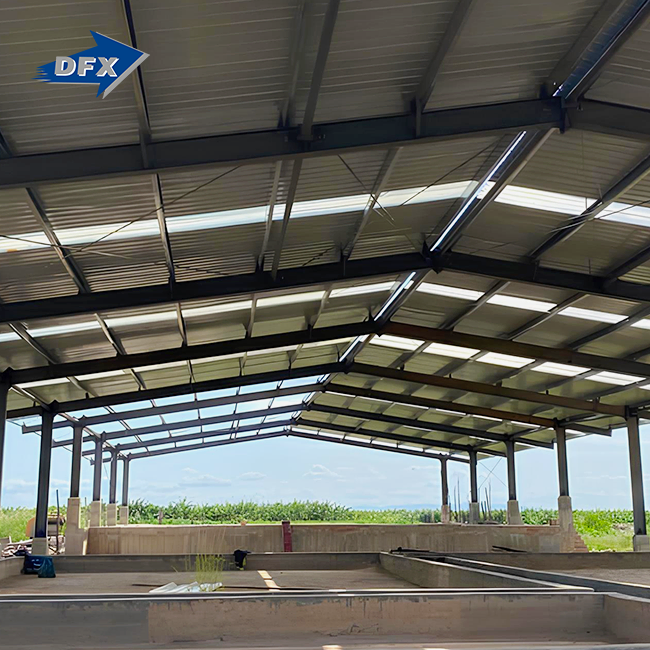
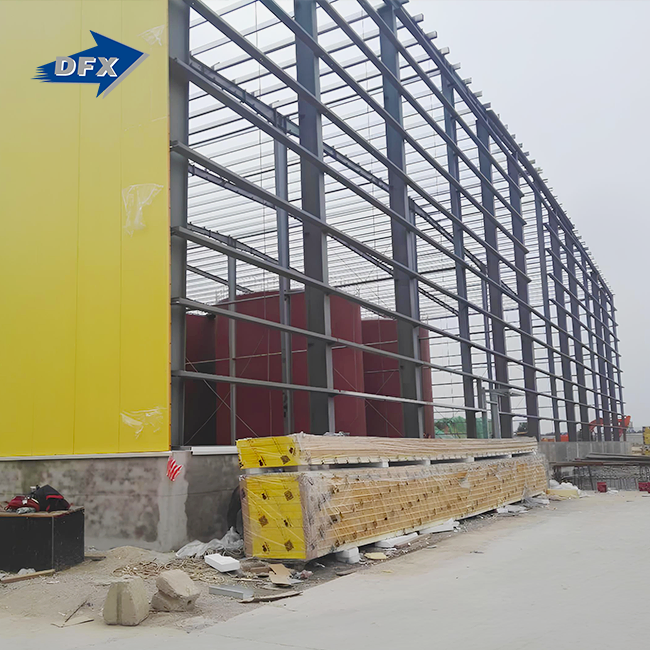
Environmental responsibility is becoming more and more important in buying choices, especially for American and European clients who put a high value on companies' environmental promises. During the day, energy-efficient designs that use transparent roof panels to let in natural light cut the need for artificial lighting by 40–70%. By keeping internal temperatures stable, insulated sandwich panel systems lower HVAC energy use. For example, 50mm polyurethane core panels have thermal resistance values around R-7, which means they use a lot less energy for heating and cooling. Adding renewable energy like solar panels to the roof of Raw Material Steel Warehouses changes them from energy consumers to part-generators. These environmentally friendly features lower running costs right away and put companies in a better situation in bids where environmental performance scores affect who gets the contract.
Choosing the Right Steel Warehouse Storage Solutions and Equipment
Evaluating Storage System Options
Choosing the right storage tools depends on the type of material, how often it needs to be handled, and your budget. Traditional cantilever shelving works with long steel pieces like beams, pipes, and structural members because the arm configurations can be changed to fit different-sized items. For the sake of saving room, drive-in shelving increases density for similar SKUs with low turnover rates. This means that selectivity is lost. Automated Storage and Retrieval Systems (AS/RS) are the fastest and most accurate way to handle large amounts of data, but they usually cost more than $500,000 to set up. Our analysis approach looks at our clients' throughput needs, the complexity of their inventory, and the total cost of ownership over five years. This way, we can be sure that equipment purchases are in line with business realities and not just ideal scenarios that aren't based on actual demand trends.
Supplier Selection Criteria for Long-Term Success
Picking steel structure suppliers means looking at their technical skills, how well they can get their products to you, and how well they make sure the quality of their work. Verification of manufacturing capacity shows that production volumes meet project deadlines. Facilities with six automatic welded H-beam production lines that produce 20,000 tons per year provide a stable supply for large-scale developments. Cross-border projects need to show that they follow international quality standards, which can be shown by certification standards like ISO9001, CE marking, and EN1090 compliance. Shipping costs and delivery times are balanced by geography. For example, Chinese manufacturers offer low prices but longer lead times, while local sellers charge more but respond faster. When evaluating a vendor, we suggest asking for specific fabrication plans, quality control processes, and references from similar projects. This will help you set performance standards before signing a contract.
Financial Considerations in Infrastructure Investment
The choice of whether to lease or buy goes beyond a simple analysis of cash flow and includes strategic operational flexibility. Buying warehouse space increases your property and gets rid of the need to pay rent every month, but it takes a lot of money and assumes that the location will be good for a long time. Leasing keeps your capital flexible, lets you change locations as markets change, and gives property owners the responsibility of maintenance. However, the total costs over long periods of time usually go over the purchase price. Modular prefabricated steel buildings made in China offer a mixed opportunity: they are cheaper to buy than traditional buildings but have the same level of structural performance. Project-based fabrication lets you tailor the work to your exact needs, and it includes technical calculations, logistics planning, and help with setting up the structure. This method gives you the benefits of owning something at a price that's close to what you'd pay for a loan over five to seven years.
Future Trends and Innovations in Steel Warehouse Storage
Automation and Digital Transformation
As technology changes, building processes are changing too. Interconnected systems make it easier to make decisions. Internet of Things (IoT) devices constantly check the environment and send out alerts when humidity levels cross certain levels that could cause rust or when temperature changes could cause condensation to form. By looking at how things were used in the past, artificial intelligence algorithms can figure out the best places to put items in stock. They do this by putting items that are used a lot in good areas and items that aren't used often in secondary zones. Robotic systems move things over and over again, which cuts down on labor costs and injuries at work while keeping operations running 24 hours a day, seven days a week. As equipment costs go down and interoperability standards get better, the integration threshold keeps going down. This means that mid-sized businesses can now use advanced automation for tasks that used to be done by hand.
Evolving Regulatory Standards and Compliance
Industry standards are always changing to keep up with new safety information and environmental needs. After recent earthquakes caused structures to fail, seismic design requirements have become stricter. Buildings must now have better support systems and link details that can withstand Grade 8 seismic forces. More and more, safety rules at work require complete fall protection systems, like guardrails, safety harnesses, and designated anchor points, for people who work in storage areas that are higher up. Because of rules about pollution from factories, low-VOC paints and water-based surface treatments are becoming more popular instead of older solvent-based systems. To stay ahead of changes to regulations, you need to keep an eye on the processes used to write codes and make improvements to your facilities before the dates for compliance. This way, you can avoid rushed retrofits that stop operations and cost more than they should.
Sustainable Building Practices Gaining Momentum
The trend toward green buildings is caused by both government regulations and consumer preferences for businesses that are good for the environment. LEED certification frameworks give official praise to energy-efficient HVAC systems, sustainable material sources, and water-saving measures. This is helpful for marketing and attracting tenants. Lifecycle assessment methods look at the environmental effects of getting materials, making them, transporting them, using them, and finally taking them down. They prefer steel structures because they are easily recycled and keep their properties over many cycles, unlike other materials that break down. Carbon footprint reduction programs encourage using local resources when possible, switching to renewable energy sources, and making operations more efficient. As more and more corporate clients expect environmental accountability throughout supply chains, these sustainability promises have a bigger impact on B2B purchasing choices. This means that green warehouse practices are now competitive differentiators rather than optional improvements.
Conclusion
Good Raw Material Steel Warehouse management combines structural engineering, environmental control, working efficiency, and strategy planning into systems that work together to protect material investments and speed up project delivery. The suggested methods, such as smart layout design, WMS implementation, sustainability integration, and equipment optimization, are designed to help building contractors, makers, and infrastructure developers deal with the unique problems they face when handling their heavy steel inventories. As automation gets better and rules change, buildings that use adaptable, scalable solutions will be in a better position to stay competitive in the long term. Your choices about warehouse infrastructure today will affect how it works for decades to come, so it's important to make smart decisions based on tried-and-true best practices for long-term success.
FAQ
1. How does proper storage prevent steel corrosion damage?
To stop corrosion, you need to control your exposure to the world in a number of ways. Enclosed warehouses keep the weather out, and active dehumidification keeps the relative humidity below 60%, which keeps steel surfaces from condensing. Insulated sandwich panels keep the temperature inside stable, which stops the thermal cycling that causes moisture to build up. Chemical defenses against oxidation can be found in surface processes like hot-dip galvanization or epoxy zinc-rich primers. Regular checks that find early signs of corrosion allow action to be taken before the material degradation gets so bad that it affects the structure's performance or appearance.
2. What crane capacity requirements suit different operations?
The choice of crane size is based on the maximum weight of each load and how often it will be used. 10-ton overhead cranes work well for light manufacturing that involves moving steel parts that weigh less than five tons. Systems that can hold 20 to 30 tons are usually needed for medium-duty jobs that use structural steel sections and plates. Heavy industrial tasks that involve handling huge billets, thick plates, or fully put-together structural modules need 50-ton or more capability, and some facilities use dual-girder configurations that can hold 100 tons or more. During the design phase of a building, structural engineering figures out the column loads, runway beam specifications, and foundation needs for each crane capacity.
3. Can modular steel warehouses expand as inventory grows?
Standardized bay sizes and link details in modular building make it easy to support phased growth. The first installations set up the foundation grids and main structural systems that will allow for future additions. Through bolted links, expansion rooms fit into existing buildings without stopping activities too much. During the initial planning phase, engineers do math to figure out how big the foundations and end-bay framing need to be to accommodate future loads in case the building grows. This scalability benefit lets capital expenditures match revenue growth instead of needing big initial investments based on optimistic predictions that might not come true in the time frame planned.
Partner with Experienced Steel Warehouse Specialists
DFX has more than twelve years of experience designing and making Pre-Engineered Building systems that are perfect for tough industrial storage needs. Our factory can make 20,000 tons of H-beams every year, and we have ISO9001 quality systems and CE certification to back them up. This means that your Raw Material Steel Warehouse will meet international performance standards. We offer full turnkey solutions, which include everything from structural calculations and manufacturing to shipping planning and on-site erection help. This saves you the trouble of working with multiple vendors. We have been a steel structure seller for a long time and work with construction companies, manufacturers, and infrastructure developers all over the world. We know that your technical needs and price limits affect your choices about what to buy. Email our team at jason@bigdirector.com to talk about your specific storage problems and get detailed engineering proposals that show how our modular prefabricated solutions provide better performance at reasonable costs.
References
1. American Institute of Steel Construction. (2022). Steel Construction Manual, 15th Edition. Chicago: AISC.
2. Warehouse Education and Research Council. (2021). Best Practices in Warehouse Operations and Management. Oak Brook: WERC Publications.
3. Thomas, Douglas J. and Griffin, Paul M. (2020). "Coordinated Supply Chain Management in the Steel Industry." International Journal of Production Economics, Vol. 224, pp. 107-119.
4. National Association of Warehouse Keepers. (2023). Safety Standards for Industrial Steel Storage Facilities. Kansas City: NAWK Press.
5. Green Building Council. (2022). LEED Reference Guide for Warehouse and Distribution Centers, Version 4.1. Washington: USGBC.
6. Bartholdi, John J. and Hackman, Steven T. (2019). Warehouse & Distribution Science: Release 0.98. Atlanta: Supply Chain and Logistics Institute.
Learn about our latest products and discounts through SMS or email