- English
- French
- German
- Portuguese
- Spanish
- Russian
- Japanese
- Korean
- Arabic
- Greek
- German
- Turkish
- Italian
- Danish
- Romanian
- Indonesian
- Czech
- Afrikaans
- Swedish
- Polish
- Basque
- Catalan
- Esperanto
- Hindi
- Lao
- Albanian
- Amharic
- Armenian
- Azerbaijani
- Belarusian
- Bengali
- Bosnian
- Bulgarian
- Cebuano
- Chichewa
- Corsican
- Croatian
- Dutch
- Estonian
- Filipino
- Finnish
- Frisian
- Galician
- Georgian
- Gujarati
- Haitian
- Hausa
- Hawaiian
- Hebrew
- Hmong
- Hungarian
- Icelandic
- Igbo
- Javanese
- Kannada
- Kazakh
- Khmer
- Kurdish
- Kyrgyz
- Latin
- Latvian
- Lithuanian
- Luxembou..
- Macedonian
- Malagasy
- Malay
- Malayalam
- Maltese
- Maori
- Marathi
- Mongolian
- Burmese
- Nepali
- Norwegian
- Pashto
- Persian
- Punjabi
- Serbian
- Sesotho
- Sinhala
- Slovak
- Slovenian
- Somali
- Samoan
- Scots Gaelic
- Shona
- Sindhi
- Sundanese
- Swahili
- Tajik
- Tamil
- Telugu
- Thai
- Ukrainian
- Urdu
- Uzbek
- Vietnamese
- Welsh
- Xhosa
- Yiddish
- Yoruba
- Zulu
Automotive Assembly Steel Workshop Safety Standards Explained
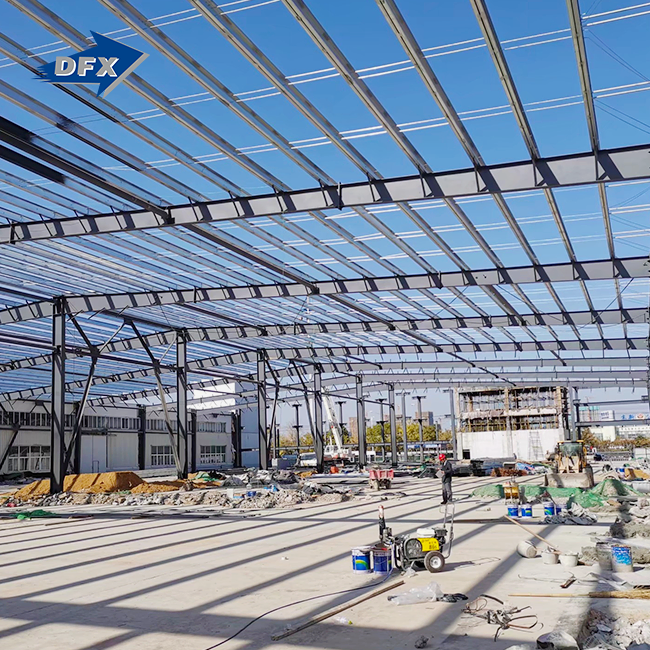
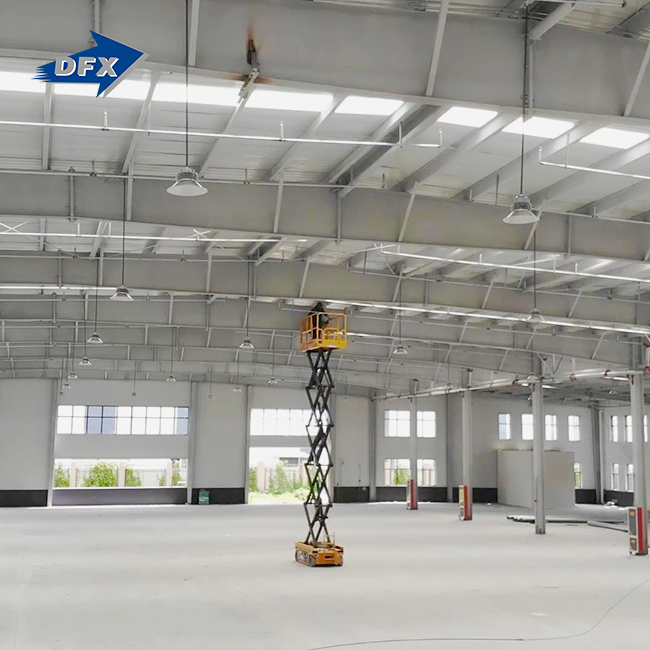
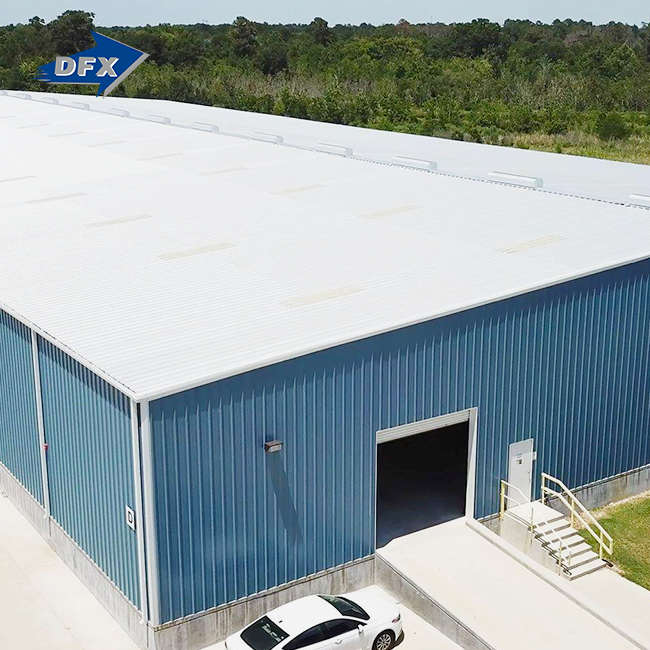
When planning a manufacturing expansion or new automotive assembly facility, understanding the safety standards governing steel workshop construction becomes paramount. An Automotive Assembly Steel Workshop isn't just an empty shell with a roof—it's a carefully engineered environment where vehicle manufacturing demands intersect with worker protection, regulatory compliance, and operational efficiency. These facilities, typically featuring large-span industrial steel buildings with open interior spaces, must balance structural integrity with comprehensive safety protocols. Achieving this balance requires knowledge of international standards, proactive hazard management, and strategic design choices that protect both personnel and production continuity.

Understanding Automotive Assembly Steel Workshop Safety Standards
Automotive Assembly Steel Workshop safety standards are a complicated set of rules and best practices for running machines, keeping workers safe, and taking care of the environment. These rules come from well-known regulatory bodies, like OSHA in the US, and international frameworks, like ISO 45001 for health and safety management systems in the workplace.
The Regulatory Landscape
The rules that control these sites are more complicated than just building codes. The General Industry Standards (29 CFR 1910) set the minimum standards for steel-framed buildings. These standards cover a wide range of topics, from the areas where people walk and work to the handling of dangerous materials. Also, ISO 9001 approval makes sure that quality management systems meet foreign standards, which is a very important thing for procurement managers to think about when they are looking at different steel frame suppliers.
Following the ASTM material standards is a must when we work with building companies and EPC firms. These rules make sure that welded H-section steel main frames made of Q235 or Q355 grade steel always work well in tough conditions like those used in auto assembly. Material compliance isn't just a bunch of paperwork; it's the basis of structural safety that keeps workers and millions of dollars' worth of equipment safe.
Why Safety Standards Matter for Decision Makers
There is more and more pressure on project managers and engineering directors to finish buildings on time without sacrificing worker safety or the quality of the work. Learning about safety standards can help reduce risks in the workplace before building even starts. This lowers the risk of liability and protects the brand's image all along the supply chain.
According to research from the National Safety Council, factories with proactive safety programs have 52% fewer lost-time injuries than factories with reactive safety programs. This directly leads to lower insurance rates, lower workers' compensation costs, and consistent production schedules, all of which are very appealing to operations managers who are trying to keep costs down.
Core Components of Safety Standards in Steel Assembly Facilities
Three things hold an automotive Automotive Assembly Steel Workshop together: rules for safe use of equipment, the need for personal protective equipment, and the strategic planning of the work environment. Each part strengthens the others, making a system of defenses against the dangers that come with making cars.
Equipment Safety and Maintenance Protocols
There are a lot of mechanical risks with heavy stamping presses, 10- to 50-ton overhead bridge cranes, and robotic assembly cells. Preventative maintenance plans help keep machines from breaking down at odd times, which could put workers in danger and stop production lines. Our experience making steel structures for assembly plants shows that buildings that are built with machine separation in mind—using separate foundation systems and heavy-duty H-beams with localized bracing—have a lot fewer problems caused by vibration.
During the design process of the structure, dynamic loads from suspended conveyor systems and concentrated point loads at certain hanger sites must be taken into account. We put loads defined by the maker into structural analysis models and then make the truss chords and secondary beams stronger to match. This level of technical rigor keeps things from breaking down in terrible ways and makes sure that crane operations stay within the robotic calibration limits for decades of use.
Personal Protective Equipment and Training
Certified PPE is the last line of defense against getting hurt on the job. Accident rates go down when workers get a lot of training. This builds a culture of compliance. Hands-on demos and regular refresher classes are the best ways to train people because they keep them from getting lazy once they're used to their surroundings.
Safety managers should give priority to PPE that tackles dangers that are unique to the building. In auto paint shops that need to keep the environment controlled, respirators are needed in addition to hard hats and steel-toed boots. The special steel frames and covering connections that keep the building under positive pressure and dust-free also mean that people need to be trained on how to get out of the building in an emergency when they can't see.
Workshop Layout and Environmental Controls
Workshop plans that are well thought out and have clear emergency exits, enough air, and strong fire safety systems reduce risks and boost productivity. Our modular pre-engineered building method allows for maximum column-free spans, which are often more than 30 meters. This makes it possible for flexible layouts that support AGV traffic patterns and overhead skillet systems without any structural problems.
Places that work with flammable materials and high-temperature processes need to pay extra attention to fire safety. Passive fire protection, like intumescent coatings that offer up to three hours of fire resistance, makes sure that NFPA rules are followed and protects financial investments. When combined with carefully placed fire suppression systems and well-marked escape routes, these steps make areas that can be defended and stop problems before they get worse.
Common Safety Challenges and Practical Solutions
Human factors, technical complexity, and environmental conditions all come together to make safety problems in automotive steel workplaces that don't go away. To deal with these problems, we need to move from reactive event reaction to predictive risk management.
Human Error and Training Gaps
Accidents that could have been avoided are still often caused by workers not getting enough training. When the need to get things done quickly grows, workers who don't fully understand why certain steps are necessary may be tempted to take shortcuts. We've seen that workplaces that invest in ongoing safety education instead of one-time introductory workshops have better safety cultures where workers actively look for dangers.
Using buddy systems for difficult or dangerous tasks lowers the chance of mistakes when using cranes and moving things around. When you pair up experienced workers with newer ones, you can share knowledge and keep an eye on important operations in real time.
Machinery Malfunctions and Aging Equipment
Failures of equipment almost never happen without warning. Unusual noises, changes in temperature, and a loss of efficiency are all signs that trouble is coming. Integrated safety management systems with constant tracking tools can find these early warning signs and take action to fix things before they break.
Facilities that use IoT-enabled sensors on important equipment have 40% less unexpected downtime than those that only use time-based repair plans. These sensors check the temperatures of the bearings, the hydraulic pressures, and the electrical loads. They send information to central screens where maintenance teams use the real equipment state instead of dates to decide what needs to be done first.
Ergonomic Risks and Material Handling Hazards
Musculoskeletal disorders are the most common type of work injury in manufacturing. They are caused by doing the same things over and over and lifting heavy things. The design of ergonomic workstations, tools that can be adjusted, and motorized lift assists all help to reduce physical strain while increasing output.
Material handling safety goes up a lot when the design of the workshop takes into account how logistics will flow from receiving to production to shipping. During the conceptual phase, our structure design service takes into account forklift traffic patterns, overhead crane coverage zones, and AGV paths. This way, there are no conflicts that force workers to make unsafe compromises in their processes.
Emerging Innovations Transforming Workshop Safety
As technology keeps getting better, it changes how car assembly plants handle safety management. Smart technologies are changing safety from a reactive reaction to a proactive approach. At the same time, changing environmental standards are pushing facilities to run in a way that is good for both workers and the community.
AI-Driven Hazard Detection Systems
In manufacturing safety, AI is used in a variety of ways, such as computer vision systems that check if PPE is being worn correctly and predictive algorithms that find patterns of high-risk behavior in an Automotive Assembly Steel Workshop. Camera networks watch how workers move near dangerous machines, and sound alarms go off when workers enter exclusion zones or take positions that are unsafe.
These systems learn how things normally work and then alert you to any problems that a person might miss while checking things regularly. If a pressing press operator gets closer to the point of operation during each shift, someone has to step in before something bad happens, not after.
IoT Sensors and Automated Monitoring
The Internet of Things technology can be used to keep an eye on everything, from equipment to the environment as a whole. Wireless monitors check the air quality in paint shops to find dangerous amounts of volatile organic compounds before they get too high. Monitoring of temperature and humidity makes sure that climate control systems stay within important parameters for worker comfort and the quality of paint application.
Automated tracking cuts down on the need for manual checks, which can be flawed by human error. Sensor networks are always working, making time-stamped records that show compliance for regulatory audits and let people know early on when problems are starting to happen.
Sustainable Safety Practices
Environmental and energy-saving standards are becoming more and more similar to safety standards. Buildings with better insulation, like sandwich panels with polyurethane or rockwool cores that have U-values below 0.35 W/m²K, lower the need for air conditioning and keep workers comfortable, which makes them more alert and lowers the number of accidents caused by heat.
Daylighting tactics that use glass skylights with UV protection cut down on the need for artificial lighting, which makes workplaces safer and more pleasant. There is a strong link between having access to natural light and better worker mood and fewer accidents.
Selecting Safety-Compliant Steel Structure Partners
To pick the right steel structure suppliers and service partners, you need to carefully look at their certifications, knowledge, and ability to provide help after the sale. If you only look at the first few price quotes, you may end up with problems with the structure, problems with maintenance, and problems with following the rules years later.
Certification and Quality Credentials
Professionals in charge of buying things should make sure that any possible sellers have up-to-date ISO 9001 quality management certification and CE marks for structural parts. These certificates show that quality control is carried out in a planned way throughout the whole production process, from receiving the raw materials to the final inspection.
Material compliance paperwork that shows agreement with ASTM standards is proof that steel grades match design specs. We have a third party test the materials and give mill certificates for all structural steel. This makes records that can be tracked and meets the needs of both engineers and regulators.
Supplier Track Record and Capabilities
If you look at a supplier's history with auto assembly projects, you can tell if they understand the special needs of these facilities. Companies that have been making and putting up steel buildings for commercial uses for 12 years or more bring real knowledge that general fabricators don't have.
When project deadlines get tight, production ability is important. Multiple automatic welded H-beam production lines, C/Z section steel lines, and sandwich panel manufacturing facilities can deliver complete material packages within 25 to 48 days, which is very important for contractors who need to meet tight construction schedules.
Comprehensive Service Offerings
Suppliers who offer complete solutions, including structural design and fabrication, surface treatment, installation drawings, and on-site guidance, make it easier to coordinate projects and make sure that everyone is responsible. When one partner is in charge of design engineering, manufacturing, and building support, problems between fields are much less likely to happen.
Our architectural design and detailing service helps customers throughout the whole project lifecycle. This takes away the problems that come up with teamwork when design experts, fabricators, and erectors work on their own. This unified method works especially well for EPC workers who are in charge of completing the whole building project.
Conclusion
Automotive Assembly Steel Workshop safety standards are more than just boxes that must be checked to meet government requirements. In demanding industrial settings, they show organized ways to keep workers safe, protect equipment investments, and keep production going. When project managers, procurement experts, and engineering directors know about these standards, they can make choices that balance short-term costs with long-term working excellence. Buildings that put safety first instead of as an afterthought always do better than their competitors because they have fewer accidents, lower insurance costs, and happier workers, all of which lead to better quality throughout the production process.
FAQ
1. How do safety standards impact project timelines and budgets?
Adding strict safety rules during the planning phase usually adds two to three weeks to the engineering schedule and eight to twelve percent to the initial building budget. These investments pay off because insurance premiums go down by an average of 15 to 20 percent per year, workers' compensation claims go down, and expensive repairs aren't needed when regulatory agencies find problems during inspections. Buildings that go above and beyond the basic requirements also sell for more money and draw better tenants.
2. What safety considerations are unique to automotive manufacturing versus general industrial facilities?
Assembling cars comes with its own set of risks, such as high-frequency vibrations from stamping operations, chemical exposure in paint shops that need special ventilation, and precision equipment that can bend or break. These places need vibration isolation systems, clean environments, and structures that are stiffer than what is normally required in a warehouse. Planning for how to respond to emergencies needs to include unique situations, such as how to control a battery fire in places where electric vehicles are made.
3. Can existing steel workshops be upgraded to meet current safety standards?
Most buildings that are already there can be made safer, but the amount and cost of the work depend a lot on how well they were built in the first place and how they look now. Some common retrofits are better fire protection coatings, better ventilation systems, and stronger structures to handle the weight of new equipment. A thorough engineering study finds possible improvements and creates cost-benefit charts that show the differences between remodeling and building from scratch. When a building is over 30 years old, it's often cheaper to replace it than to keep making small improvements here and there.
Partner with DFX for Safety-Compliant Steel Solutions
Choosing the right Automotive Assembly Steel Workshop provider will have long-lasting effects on the safety of your building. DFX has more than 12 years of specialized knowledge and a wide range of skills, including designing structures, making them, and helping with installations. Our production methods are ISO 9001 and CE certified, and the welded H-section steel structures we make meet or beat safety standards while still staying within your project's budget and time frame. We keep 40,000 square meters of production space and use high-tech automatic tools to make unique solutions in 25 to 48 days. Get in touch with our team at jason@bigdirector.com to talk about how our unified approach can meet your specific performance and safety needs, turning legal requirements into competitive advantages.
References
1. National Safety Council. (2022). Injury Facts: Manufacturing Sector Safety Statistics and Analysis. Itasca, Illinois: National Safety Council Press.
2. American Institute of Steel Construction. (2021). Steel Construction Manual, 15th Edition: Standards for Structural Steel Buildings. Chicago: AISC Publications.
3. Occupational Safety and Health Administration. (2023). General Industry Standards 29 CFR 1910: Safety and Health Regulations for Manufacturing Facilities. Washington, D.C.: U.S. Department of Labor.
4. International Organization for Standardization. (2018). ISO 45001:2018 Occupational Health and Safety Management Systems: Requirements with Guidance for Use. Geneva: ISO Central Secretariat.
5. Building Research Establishment. (2020). Fire Safety Engineering for Steel Structures: Design Guidelines and Performance Criteria. Watford, United Kingdom: BRE Press.
6. American Society for Testing and Materials. (2019). ASTM A992/A992M-19: Standard Specification for Structural Steel Shapes. West Conshohocken, Pennsylvania: ASTM International.
Learn about our latest products and discounts through SMS or email