- English
- French
- German
- Portuguese
- Spanish
- Russian
- Japanese
- Korean
- Arabic
- Greek
- German
- Turkish
- Italian
- Danish
- Romanian
- Indonesian
- Czech
- Afrikaans
- Swedish
- Polish
- Basque
- Catalan
- Esperanto
- Hindi
- Lao
- Albanian
- Amharic
- Armenian
- Azerbaijani
- Belarusian
- Bengali
- Bosnian
- Bulgarian
- Cebuano
- Chichewa
- Corsican
- Croatian
- Dutch
- Estonian
- Filipino
- Finnish
- Frisian
- Galician
- Georgian
- Gujarati
- Haitian
- Hausa
- Hawaiian
- Hebrew
- Hmong
- Hungarian
- Icelandic
- Igbo
- Javanese
- Kannada
- Kazakh
- Khmer
- Kurdish
- Kyrgyz
- Latin
- Latvian
- Lithuanian
- Luxembou..
- Macedonian
- Malagasy
- Malay
- Malayalam
- Maltese
- Maori
- Marathi
- Mongolian
- Burmese
- Nepali
- Norwegian
- Pashto
- Persian
- Punjabi
- Serbian
- Sesotho
- Sinhala
- Slovak
- Slovenian
- Somali
- Samoan
- Scots Gaelic
- Shona
- Sindhi
- Sundanese
- Swahili
- Tajik
- Tamil
- Telugu
- Thai
- Ukrainian
- Urdu
- Uzbek
- Vietnamese
- Welsh
- Xhosa
- Yiddish
- Yoruba
- Zulu
Waste Recycling Steel Workshop Safety and Compliance Guide
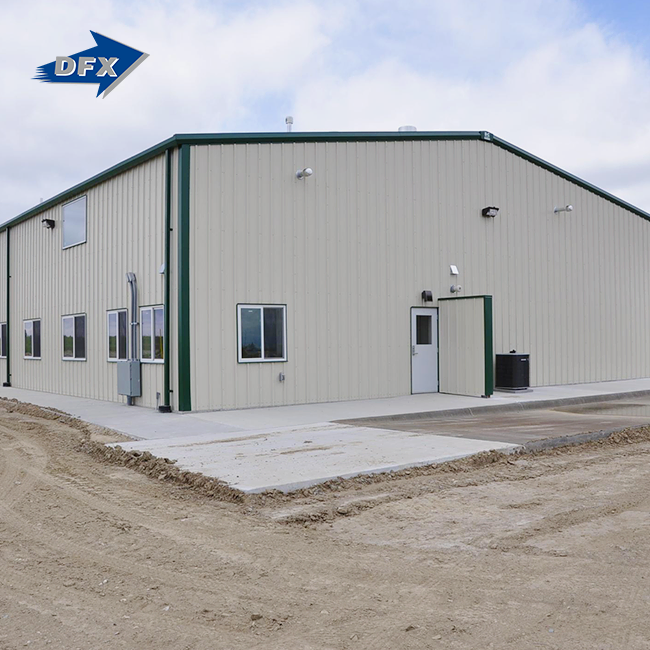
Operating a steel recycling facility involves navigating complex safety and regulatory landscapes. A Waste Recycling Steel Workshop is far more than a simple storage shed—it's a purpose-engineered steel structure designed to handle high-intensity operations like scrap metal shredding, sorting, and baling. These facilities demand robust structural integrity, optimized ventilation systems, and strict compliance protocols to protect workers, meet environmental regulations, and maintain operational efficiency. Getting safety and compliance right from the design phase saves money, prevents accidents, and ensures your operation can scale sustainably as recycling demands increase.

Understanding Steel Recycling Workshop Safety Challenges
Recycling steel comes with its own set of risks that can affect both worker safety and the efficiency of the business. When purchase managers and engineers know about these problems ahead of time, they can build facilities that reduce risk from the start.
Common Workplace Hazards in Recycling Operations
Sharp metal edges, vibrations from heavy machinery, and breathing in dirty air are some of the most common risks in recycling workplaces. Every day, people who work with scrap materials run the risk of getting cut, and people who run shredders and balers have to deal with machines that make a lot of noise. Industry data shows that over 30% of injuries at recycling centers are caused by not having the right personal safety equipment or not following the right way to handle materials.
Cutting and grinding produce dust that can be harmful to your lungs, especially in small areas. When working with batteries, electronics, or coated metals, chemical exposure is a problem. These toxins build up if the steel building doesn't have proper ventilation and containment systems built in. This poses health risks and breaks the law.
Regulatory Frameworks and Compliance Standards
Meeting OSHA, EPA, and ISO standards is required by law and can't be skipped. OSHA rules require specific safety measures for using heavy machinery, locking out and tagging workers, and entering tight spaces. EPA rules cover how to deal with trash, handle stormwater flow, and limit emissions, especially for places that process trash or electronic waste.
When choosing structural steel and protective coatings for places where corrosive gases or liquids are present, ISO 12944 corrosion resistance standards are important to keep in mind. When these factors aren't taken into account when designing a building, it falls apart faster, requiring more expensive repairs and possibly structural failures. Compliance isn't just about passing checks; it also protects your employees and investments over many years.
Key Compliance Guidelines for Steel Waste Recycling Workshops
To be truly compliant, a building must be carefully planned and run in a way that meets all safety and environmental standards.
Optimized Facility Layout and Safety Features
The layout of your recycling business has a direct effect on how safe it is. Keeping "dirty" tipping floors away from "clean" sorting and baling areas stops contamination and lowers the risk of accidents. Wheel loaders and forklifts can move around freely on wide, clear spans (usually 24 to 60 meters), which lowers the risk of accidents.
Awnings that are 10 to 15 meters high can hold vertical equipment like baling presses and ventilation cyclones and make airflow better. When lined to within ±2 mm, reinforced crane runway beams hold up overhead cranes that lift 5 to 50 tons without wearing out too quickly or becoming dangerously out of alignment.
Emergency exits, well-marked paths, and carefully placed safety signs all meet OSHA egress standards and make it easier for people to leave quickly. It is much cheaper to include these features in the structural design from the start than to add them to buildings that are already there.
Material Classification and Waste Management Protocols
Waste Recycling Steel Workshop the right way lowers risks and increases the amount of material that can be recovered. Setting up separate areas for polluted trash, non-ferrous materials, and ferrous metals keeps dangerous things from mixing, like lithium batteries going into shredders. Training programs that show workers how to spot hazards and handle them properly greatly lower the number of accidents that happen.
Schedules for maintaining safety gear must be written down and kept track of. Gloves, caps, safety glasses, and hearing protection should all be checked regularly to make sure they keep working right. Keeping records of training classes and equipment checks is very important for regulatory audits.
Optimizing the Steel Recycling Process for Safety and Efficiency
To find a good balance between output and safety, you need to plan your processes carefully and use the right technology.
Safe Receiving, Handling, and Storage Methods
Protocols for inspecting incoming materials catch dangerous items before they get to the processing lines. Visual checks for squished containers, burning substances, or radioactive sources keep workers safe and avoid major damage to equipment. Fluids from old vehicles are stored in designated areas with proper drainage systems. This keeps the soil from getting contaminated and avoids fines from the government.
Safe ways to stack things and clear weight limits for storage areas make it less likely that something will fall. When flooring made to handle heavy machine loads is built in with the steel beam grid at the beginning of the building process, it keeps the structure from failing and makes the building last longer.
Technology Adoption for Enhanced Safety
Compared to traditional methods, automated scrap sorting systems with optical sensors and AI-powered identification cut down on the amount of work that needs to be done by hand, which can lower the risk of injury by up to 40%. Eddy current systems and electromagnetic separators get rid of dangerous materials without workers having to touch them directly.
IoT sensor networks keep an eye on the temperature, vibration, and other working parameters of equipment in real time. This lets repair professionals plan ahead and avoid dangerous mechanical breakdowns. The air quality stays below the OSHA limits with the help of dust suppression systems that use automated misting controls. These technologies require initial investments that pay off in the form of lower insurance rates, fewer workers' compensation claims, and higher productivity.
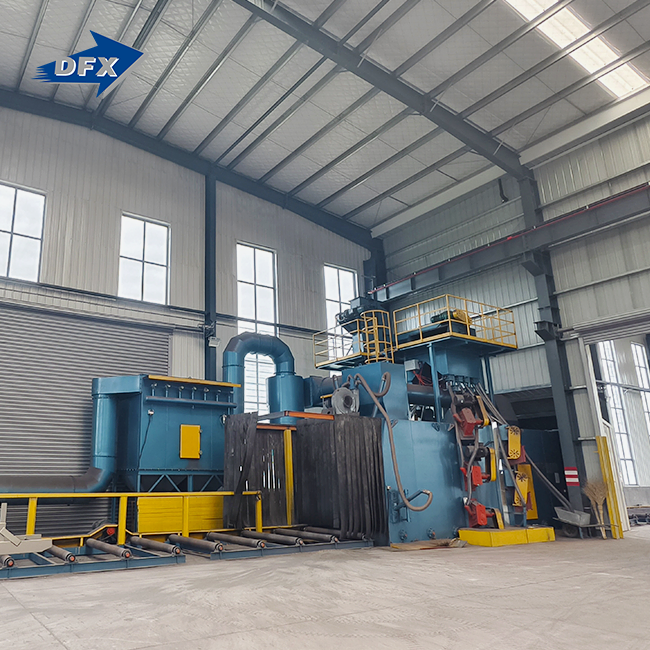
Automated systems sort materials three to five times faster than human sorting lines while keeping higher purity rates. Modern machines keep noise levels within accepted ranges because they are enclosed. This is often boosted by sound insulation built into the walls and roof panels, which lowers exposure by 20 to 30 decibels.
Evaluating and Choosing a Steel Recycling Workshop or Supplier
To find the best structural steel source for your recycling center, you need to carefully consider a number of factors.
Supplier Credentials and Safety Records
Check the ISO 9001 and CE certifications of possible providers to make sure they follow European standards for quality management systems. Ask for proof of past recycling or big industrial projects, paying special attention to the crane powers that were used and the steps that were taken to prevent corrosion.
Safety records are important. Suppliers who have worked in factories that do dangerous work know how important it is to have redundant structures and protective coatings. Ask them about the non-destructive testing methods they use. For example, ultrasonic testing and magnetic particle inspection of welds show that they care about the integrity of the structure.
Cost Considerations and Total Ownership Value
Lifecycle costs should be compared to the initial price. Hot-dip galvanized Q355B or Q345B high-strength Waste Recycling Steel Workshop costs more than standard grades at first, but it lasts 15-20 years in corrosive environments compared to 5-7 years for steel that isn't protected. PVDF-coated siding doesn't break down in UV light and looks good for a lot longer than cheaper coats.
For made-to-order production, delivery times are usually between 25 and 52 days. Suppliers who offer "turnkey" solutions, which include designing the structure, making it, treating the surface, and helping with installation, make project management easier and lower the risk of coordination problems. Often, this unified method saves more money than hiring a bunch of different expert contractors.
Key Questions for Supplier Evaluation
When you talk to potential suppliers, find out how much weight they can support for bridge cranes that are relevant to your business. If they are working with flammable materials like paper or plastics, make sure they have experience with fire-resistant coats. For high-risk jobs, intumescent paint that resists fire for two to four hours is normal.
Ask what kinds of soundproofing are available. Metal liner sheets with holes in them and rockwool inside can cut down on noise transmission enough to meet local laws, even when shredders are running all the time. It's also important that the modular design is flexible; as your business grows, your building should be able to add more bays or update your equipment without having to be rebuilt from scratch.
Safety Innovations and Future Trends in Steel Recycling Workshops
New technologies are constantly changing how recycling centers handle safety and follow the rules.
Smart Monitoring and Predictive Maintenance
IoT-enabled sensors put on structural members and equipment find strange vibration patterns that happen before parts break. With real-time alerts, maintenance teams can fix problems during planned breaks instead of during major breakdowns that put workers in danger.
Video analytics powered by AI can spot unsafe worker actions like entering limited areas or avoiding safety equipment, immediately sending tips to supervisors. These systems learn trends that are unique to each location. This cuts down on false alarms while keeping a close eye on large workshop areas.
Energy Efficiency and Environmental Compliance
Energy-efficient LED lighting with motion sensors uses 60% less electricity than traditional fixtures and makes it easier to see in important work areas. When paired with insulated sandwich panels, high-efficiency HVAC systems keep the temperature stable with little energy input, which helps both worker comfort and machine performance.
By collecting rainwater and putting it into facility drainage systems, EPA stormwater management rules are met while municipal water costs are lowered. Green certifications are having a bigger impact on business-to-business buying decisions. This means that sustainability features are becoming competitive differentiators for forward-thinking recycling operations.
Preparing for Regulatory Evolution
Environmental laws are getting stricter all over the world. As standards change, structures that are flexible enough to accommodate new filtering systems, more airflow, and support points for future equipment will still be in compliance. Working with providers who understand these trends will help your building investment last for the 30 to 50 years it will be used.
Conclusion
Paying close attention to the structure, tools, and operating rules is necessary to create a safe and compliant Waste Recycling Steel Workshop. Because recycling businesses have to deal with heavy dynamic loads, corrosive environments, and strict government rules, they need to work with experienced structural steel providers. Buildings that are properly designed with crane support, soundproofing, and corrosion-resistant materials make the workplace safer and lower their long-term costs. If you invest in infrastructure that can be changed, your business will continue to be successful in the growing recycling industry as technology improves and rules change.
FAQ
1. What makes a Waste Recycling Steel Workshop different from standard industrial buildings?
To handle the vibrations from shredders and balers, recycling centers need stronger building structures. They also need heavy-duty crane systems to move scrap materials. They need special ventilation to keep dust and fumes under control, and coatings that won't rust in places where chemicals and water are present. These important technical traits aren't found in most warehouses.
2. How do I ensure my facility meets OSHA and EPA requirements?
Working with providers who know about safety rules for the workplace and can show proof of compliance is important. Make sure that buildings have the right escape paths, equipment guards, and storage systems for dangerous materials. After the initial building is done, ongoing compliance is maintained through regular checks and staff training programs.
3. What's the typical return on investment for automated sorting equipment?
Automation cuts the cost of labor by 25–40% and increases the rate at which materials are recovered. Insurance rates and workers' compensation costs go down when the number of injuries goes down. Most businesses get their money back within three to five years, and the benefits keep growing over the equipment's fifteen- to twenty-year life.
Partner with DFX for Your Steel Recycling Infrastructure
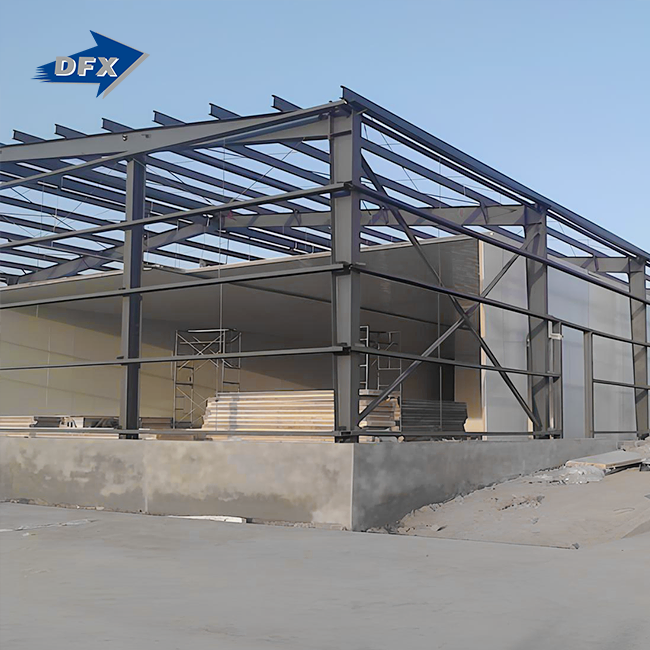
To build a safe and legal recycling business, you need to know a lot about both structural engineering and industrial processes. DFX is an expert at making large industrial steel buildings that are designed to withstand tough environments, like waste recycling facilities. Our welded H-section steel frames made from Q235/Q355 grades, along with bolted connections and C/Z steel purlins, make strong structures that can hold heavy crane systems and stand up to harsh environments.
As a Waste Recycling Steel Workshop manufacturer that has been around since 2011, we offer full solutions, from designing and building structures to treating the surfaces and helping with installation on-site. Our ISO 9001, CE, and ASTM material compliance certifications make sure that your building meets the highest safety and quality standards around the world. We can handle jobs of any size because our production room is 40,000 square meters and we can weld 20,000 tons of H-beams every year. Lead times are usually 25 to 52 days.
Email our engineering team at jason@bigdirector.com to talk about what you need for your recycling center. We'll help you deal with compliance issues, make the best use of your building's plan, and build a structure that will protect your employees and your investment for decades.
References
1. National Institute for Occupational Safety and Health, "Preventing Injuries and Deaths in the Scrap Metal Recycling Industry," DHHS Publication, 2015.
2. Environmental Protection Agency, "Best Management Practices for Scrap Metal Recycling Facilities," EPA Compliance Guide, 2019.
3. American Institute of Steel Construction, "Design Guide for Industrial Steel Structures Subject to Dynamic Loads," AISC Publication, 2018.
4. International Organization for Standardization, "ISO 12944: Paints and Varnishes - Corrosion Protection of Steel Structures by Protective Paint Systems," 2017.
5. Occupational Safety and Health Administration, "Safety and Health Management Systems for Recycling Facilities," OSHA Technical Manual, 2020.
6. Steel Recycling Institute, "Modern Technologies in Scrap Processing and Material Recovery Facilities," Industry White Paper, 2021.
Learn about our latest products and discounts through SMS or email