- English
- French
- German
- Portuguese
- Spanish
- Russian
- Japanese
- Korean
- Arabic
- Greek
- German
- Turkish
- Italian
- Danish
- Romanian
- Indonesian
- Czech
- Afrikaans
- Swedish
- Polish
- Basque
- Catalan
- Esperanto
- Hindi
- Lao
- Albanian
- Amharic
- Armenian
- Azerbaijani
- Belarusian
- Bengali
- Bosnian
- Bulgarian
- Cebuano
- Chichewa
- Corsican
- Croatian
- Dutch
- Estonian
- Filipino
- Finnish
- Frisian
- Galician
- Georgian
- Gujarati
- Haitian
- Hausa
- Hawaiian
- Hebrew
- Hmong
- Hungarian
- Icelandic
- Igbo
- Javanese
- Kannada
- Kazakh
- Khmer
- Kurdish
- Kyrgyz
- Latin
- Latvian
- Lithuanian
- Luxembou..
- Macedonian
- Malagasy
- Malay
- Malayalam
- Maltese
- Maori
- Marathi
- Mongolian
- Burmese
- Nepali
- Norwegian
- Pashto
- Persian
- Punjabi
- Serbian
- Sesotho
- Sinhala
- Slovak
- Slovenian
- Somali
- Samoan
- Scots Gaelic
- Shona
- Sindhi
- Sundanese
- Swahili
- Tajik
- Tamil
- Telugu
- Thai
- Ukrainian
- Urdu
- Uzbek
- Vietnamese
- Welsh
- Xhosa
- Yiddish
- Yoruba
- Zulu
Industrial Fuel Storage Shed Ventilation: Best Practices
When designing and operating fuel storage facilities, ventilation isn't just a regulatory checkbox—it's a life-safety imperative. Proper ventilation in an Industrial Fuel Storage Shed prevents the accumulation of volatile vapors, reduces explosion hazards, and protects both your personnel and your investment. Whether you're storing diesel for agricultural operations, gasoline for construction equipment, or aviation fuel for remote sites, implementing effective airflow strategies directly impacts operational safety and regulatory compliance. This guide explores proven ventilation approaches tailored to the unique demands of fuel storage environments.

Understanding Industrial Fuel Storage Shed Ventilation
Ventilation systems in buildings that store fuel have one very important job: they keep dangerous air amounts from getting too high. When flammable liquids are kept in small areas, they keep giving off smoke. If there isn't enough airflow, these vapors can build up and reach the Lower Explosive Limit (LEL), which makes it easy for an explosion to happen. A well-designed ventilation system constantly replaces the air inside the building, which lowers the quantity of vapors and safely sends them outside.
Natural Ventilation Systems
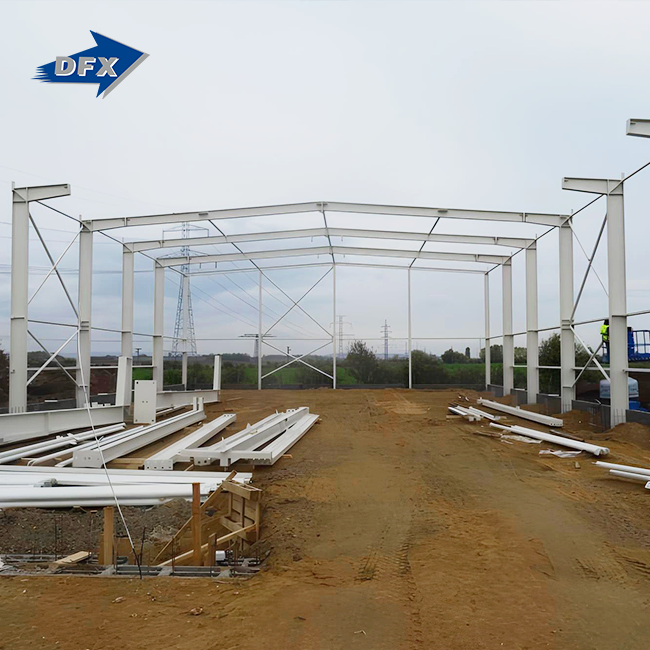
In natural airflow, physics is used instead of machines. Warm air with a lot of vapor rises and leaves through ridge vents or openings in the high walls. Cooler, fresh air comes in through low-level vents. This silent method works well in mild temperatures and doesn't cost anything to run. Cross-ventilation is naturally easier in steel buildings with open sides, like those made with H-section beams, C/Z galvanized purlins, and side spaces that aren't blocked. With these designs, the building's main winds can blow through it, constantly exchanging the air inside without any help from machines.
Mechanical Ventilation Systems
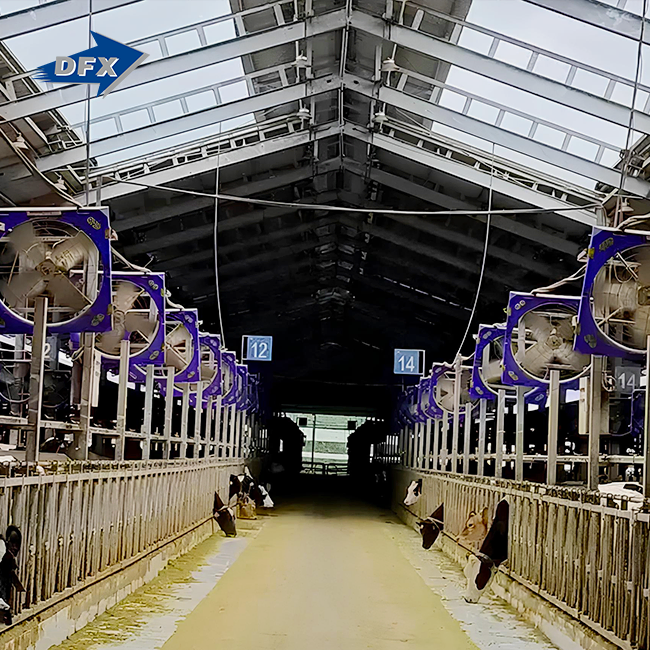
Mechanical systems use vent fans to force vapor-rich air out of the building. This keeps the airflow steady no matter the weather or the direction of the building. When keeping Class 1A flammable liquids (flashpoint below 73°F) or working in places with little natural airflow, these methods are a must. Explosion-proof fans rated for dangerous areas remove air at set rates all the time, keeping gas levels well below what is considered dangerous. The performance of mechanical solutions can be predicted and measured, which is important for many insurance companies and regulatory bodies.
Key Ventilation Requirements and Design Standards
Regulatory guidelines for fuel tank ventilation are the result of decades of engineering study and accident investigations. Compliance isn't a choice; it's necessary for legal operations and risk management.
Regulatory Frameworks and Compliance
OSHA's 29 CFR 1910.106 sets basic ventilation standards for storing flammable liquids. It says that there must be enough movement to keep vapor amounts from going above 25% of the LEL. The Flammable and Combustible Liquids Code (NFPA 30) gives specific airflow rules based on the type of fuel, the amount of space available, and the structure of the building. EPA rules cover vapor pollution and protecting the environment, while ATEX guidelines control installations in areas that could be explosive on a global scale. Before the shed is built, project managers and buying leaders must make sure that the designs meet all the standards that apply.
Essential Ventilation Metrics
Air exchange rates show how well ventilation is working. Natural ventilation usually gets between 0.5 and 1.5 air changes per hour, which is enough for stable flammables like diesel to be stored in buildings with open sides. Fuels that evaporate quickly need motorized airflow that delivers 1 cubic foot per minute per square foot of floor space. Ventilation holes need to be the right size and placed. Intake vents close to the floor level take in heavier-than-air vapors, and exit points at the ridge let out lighter vapor parts. For buildings that let air flow naturally, the area of all the ventilation holes should be at least 1 square inch per square foot of floor space.
Material and Structural Considerations
Ventilation parts have to be able to handle corrosive fuel vapors and be outside in the weather. Ductwork and louvers made of galvanized steel don't rust and keep their structural integrity. Panels made of fiberglass are better at resisting chemicals in places where they are very corrosive. When building an Industrial Fuel Storage Shed, choosing materials that don't rust or corrode will make it last longer and require less maintenance. Supporting ventilation equipment, exhaust stacks, and environmental control systems without compromising the building's integrity is possible with H-section beams and columns. Structures made to ISO9001 standards guarantee stable quality of materials and precise assembly.
Best Practices for Industrial Fuel Storage Shed Ventilation
Installing a few vents isn't enough to make airflow work; you need to plan in a way that takes into account many factors.
Conducting Thorough Risk Assessments
Take a look at your unique working situation before choosing ventilation tools. The amount of air that needs to be exchanged depends on the size of the shed. The type of fuel determines the gas density, release rates, and temperature features. The efficiency of natural ventilation is affected by things like the weather, humidity, and wind patterns in the area. A 2,000-square-foot diesel storage shed in rural Texas has a lot more problems with airflow than a gasoline storage facility on the humid coast. Operations managers should write down these factors and hire trained engineers to turn them into ventilation requirements.
Optimal Vent Placement and Airflow Paths
By placing vents in the right places, you can make air flow patterns that go through the whole building. Intake holes on the walls that face the wind and low on the sides catch thick vapors that settle near the floor. Vapors that float can leave naturally through exhaust holes on the side walls and at the highest point of the roof. Do not store containers, equipment, or building parts that could block airflow paths. Sheds with open sides and room between the columns naturally let in more air than sheds that are completely covered. Natural cross-ventilation works all the time without using any energy when the sides are open or have cladding that can be taken off.
Integration with Spill Containment and Fire Protection
As part of a larger safety environment, ventilation devices do their job. Secondary containment sumps must have drainage holes so that fuel that is sitting still doesn't evaporate and block airflow. Fire suppression systems and ventilation systems should work together. Some guidelines say that motorized ventilation should be turned off during fires so that oxygen doesn't feed the flames, while others say that exhaust should be left on to get rid of smoke. Instead of working alone, engineering teams need to work together to create these systems. Structures with built-in safety features not only meet the requirements of officials, but they also qualify for lower insurance rates, which have real financial benefits.
Here are the main benefits of ventilation systems that are built right:
- Hazard Reduction: Constantly removing vapors keeps the amount of vapor in the air below the level needed for an explosion, which protects people and property from terrible fires.
- Compliance with regulations: Proven ventilation meets OSHA, NFPA, and EPA standards, so there are no fines or shutdowns of operations during inspections.
- Fuel Quality Preservation: Controlled airflow keeps temperature changes and moisture from getting in, which keeps stored fuel usable for longer and stops it from breaking down.
- Insurance Benefits: Safety measures that can be proven, like approved ventilation systems, usually lead to lower premiums and better coverage terms from insurers.
- These benefits all help to solve the problems that building companies, factory managers, and farms have with managing on-site fuel sources. Ventilation systems are an investment in lowering risk that pays off in the form of fewer accidents, following the rules, and keeping operations running smoothly.
Maintenance Protocols and Air Quality Monitoring
Without regular maintenance, even the best ventilation system will break down. Visual checks should be done once a week to make sure that garbage, bug nests, and built-up dust don't block the vents. Technical inspections are done every three months to check the fan bearings, motors, and the structural stability of the pipes and louvers. Continuous vapor detection systems that sound alarms when amounts get close to 10% LEL are helpful for places that store Class 1A liquids because they let people know quickly if the ventilation system stops working. For regulatory audits and insurance reviews, maintenance records show that practical care involves keeping track of how the system is used.
Comparing Ventilation Solutions: Choosing the Right Option for Your Business
To choose the right ventilation method, you have to weigh a lot of different factors that are specific to your needs and your budget.
Natural Versus Mechanical Ventilation
Natural airflow saves money over time because it doesn't use any energy and doesn't need much upkeep. Open-sided steel buildings with ridge vents and sidewall holes placed in the right places can reliably control vapor for stable fuels in the right climates. This method works well for places like equipment repair sheds, parking lots for cars, and Industrial Fuel Storage Shed facilities where diesel fuel is stored for farming. Mechanical ventilation works the same way every time, no matter what the weather is like. For regular vapor control, facilities that store fuel, deal with large amounts, or work in confined urban areas need forced-air systems. Better control and certainty of legal compliance more than make up for the higher cost of the tools and the energy it uses.
Prefabricated Modular Versus Custom-Designed Solutions
Prefabricated movable sheds with built-in air systems can be set up quickly and at a cost that you can plan for. These stock units come with pre-engineered vent holes, explosion-proof fittings, and paperwork that shows they have been approved by the government. Fabrication lead times are between 4 and 6 weeks, and short production cycles allow for quick project timelines, which is very important for builders who have to stick to tight building plans. Customized solutions are made to fit the needs of each place, work with specific types of fuel, or connect to existing infrastructure. When it comes to process plants or power plants, complex EPC projects often need custom engineering to deal with problems that only happen at the site. Both ways are good; which one to use relies on how hard the job is, how quickly it needs to be done, and how much money you have to spare.
Ventilation Integration with Comprehensive Safety Systems
Modern fuel storage facilities have ventilation systems, fire detection and suppression systems, and infrastructure for keeping spills under control, all built in. This all-around approach creates multiple layers of protection: vapor monitoring changes the ventilation before dangerous levels are reached, and fire suppression kicks in if a fire starts. Structures that use these coordinated systems show a level of organizational maturity that insurance companies and governing bodies like. When buying sheds, procurement managers should ask for integrated safety packages instead of putting together different parts. This way, all the parts will work together and perform at the same level.
Case Studies: Successful Industrial Fuel Storage Shed Ventilation Implementations
Applications in the real world show how careful ventilation design can solve problems in a wide range of industrial settings.
High-Capacity Steel Fuel Shed with Mechanical Ventilation
A manufacturing business that was growing in the Philippines needed to store diesel on-site so that it could power multiple production lines. The project called for a 40-foot-by-60-foot steel building that was completely contained and could hold 10,000 gallons of water in several tanks. Because the design was enclosed and the humidity was tropical, mechanical ventilation had to be used. Engineers asked for explosion-proof exhaust fans that could move 2,400 CFM of air continuously, which is equal to 6 air changes per hour. The north wall had intake louvers with insect screens and exhaust stacks mounted above the ridge that sent vapors 10 feet above the roofline. Continuous vapor tracking showed that amounts in the air stayed below 5% LEL during the whole process. The building was made from H-section beams, galvanized C/Z purlins, and corrugated steel siding. It got CE approval and met Philippine building codes. The short production cycle made it possible to finish the project in 14 weeks, which was shorter than the client's tight schedule for commissioning.
Open-Sided Agricultural Shed with Natural Ventilation
A big chicken farm in the United States. Midwest required a place to store gas for backup generators and to fill equipment. Because of limited funds and the stable nature of diesel, a natural ventilation method was chosen. The plan called for a steel frame with open sides and H-section poles that would hold up a ridge-vented roof. The east and west sides of the building stayed open, and covering pieces that could be taken off the north side kept it warm in the winter. Continuous cross-ventilation was caused by southwesterly winds, which normally exchanged air inside the building 0.8 times an hour. The second line of defense was a 110%-capacity concrete tank with drainage holes. The plan met the Spill Prevention, Control, and Countermeasure (SPCC) standards of the EPA while keeping building and running costs as low as possible. This installation shows how shed designs can be changed to fit different types of fuel and working conditions by allowing them to be fully enclosed or to have open sides.
Conclusion
An Industrial Fuel Storage Shed that has good ventilation goes from being a possible safety risk to a safe, legal asset. Whether your business needs natural airflow to be simple or precise mechanical systems, the way you design your ventilation must take into account the fuel you're using, the conditions of the site, and the rules that apply. Steel frames with H-section framing, galvanized purlins, and cladding choices that can be configured provide the structural base for reliable airflow performance. When purchasing managers look at fuel storage options, they should give more weight to companies that offer built-in safety features, proof of compliance, and engineering support throughout the entire project lifecycle. Ventilation systems that are properly installed and kept will keep your workers safe, meet regulatory requirements, protect fuel quality, and eventually allow for uninterrupted operations in the manufacturing, construction, and farming sectors.
FAQ
1. How Often Should Ventilation Systems Be Inspected?
Once a week, vents are visually checked to make sure they are still clear, and fans are still working properly. Technical inspections are done every three months to check the structure's stability, electrical links, and mechanical parts. Instead of just doing regular checks, places that store highly flammable fuels should use constant vapor tracking. Keeping records of inspection results helps with regulatory audits and insurance reviews.
2. What Role Does Ventilation Play in Fire Prevention?
Ventilation keeps vapor buildup from getting to dangerous levels, which directly reduces the risk of an explosion. Along with correct grounding, stopping static electricity, and controlling ignition sources, good airflow is one of the most important steps in preventing fires. In high-risk situations, regulatory bodies know that mechanical systems work better than passive ones because their performance can be measured and is always the same.
3. Which Materials Best Resist Corrosive Fuel Storage Environments?
Galvanized steel parts are good at resisting corrosion and don't cost too much. They can be used in most diesel and kerosene applications. Panels made of fiberglass and tools made of stainless steel work well in places where gasoline and aircraft fuel are used. In seaside or high-humidity areas, coating systems like hot-dip galvanizing, epoxy bases, and marine-grade topcoats make things last longer. Fabricators who are ISO9001-certified keep an eye on quality during the whole process of choosing materials and finishing them. This makes sure that the corrosion protection meets long-term performance expectations.
Partner with DFX for Industrial Fuel Storage Shed Solutions
We at Qingdao Director Steel Structure Co., Ltd. have been designing steel buildings that put safety, compliance, and efficiency first for more than ten years. Our Industrial Fuel Storage Shed solutions include strong structures and built-in ventilation systems that are customized to the types of fuel you use and the rules that apply. Every structure we make in our 40,000-square-meter factory meets ISO9001 and CE certification standards. It is made with advanced H-beam production lines and galvanized C/Z purlin systems. We offer full support for your project, from standard design and manufacturing to installation drawings and expert advice, to make sure it goes smoothly from the idea stage to the final commissioning.
Whether you're a building company looking for reliable project supplies, a manufacturing facility manager planning to increase capacity, or a farming operation looking for cheap diesel storage, our team can help. We offer turnkey solutions with short production cycles and reasonable prices. As a well-known provider of Industrial Fuel Storage Sheds, we know the problems that project managers and operations heads in a wide range of businesses face when they need to buy things.
Get in touch with jason@bigdirector.com right away to talk about your fuel storage needs. Our engineering team will look at your application, suggest the best ways to ventilate it, and give you a detailed proposal that takes into account your safety, compliance, and budgetary goals.
References
1. National Fire Protection Association. (2021). NFPA 30: Flammable and Combustible Liquids Code. Quincy, MA: NFPA Publications.
2. Occupational Safety and Health Administration. (2019). Flammable Liquids (29 CFR 1910.106). U.S. Department of Labor.
3. American Petroleum Institute. (2020). Design and Construction of Large, Welded, Low-Pressure Storage Tanks (API 650). Washington, DC: API Publishing.
4. Center for Chemical Process Safety. (2018). Guidelines for Vapor Cloud Explosion, Pressure Vessel Burst, BLEVE, and Flash Fire Hazards. Hoboken, NJ: John Wiley & Sons.
5. European Committee for Standardization. (2017). EN 14015: Specification for the Design and Manufacture of Site-Built, Vertical, Cylindrical, Flat-Bottomed, Above-Ground, Welded, Steel Tanks. Brussels: CEN Publications.
6. Steel Construction Institute. (2019). Design of Steel Structures for Hazardous Atmospheres. Ascot, Berkshire: SCI Technical Publications.
Learn about our latest products and discounts through SMS or email