- English
- French
- German
- Portuguese
- Spanish
- Russian
- Japanese
- Korean
- Arabic
- Greek
- German
- Turkish
- Italian
- Danish
- Romanian
- Indonesian
- Czech
- Afrikaans
- Swedish
- Polish
- Basque
- Catalan
- Esperanto
- Hindi
- Lao
- Albanian
- Amharic
- Armenian
- Azerbaijani
- Belarusian
- Bengali
- Bosnian
- Bulgarian
- Cebuano
- Chichewa
- Corsican
- Croatian
- Dutch
- Estonian
- Filipino
- Finnish
- Frisian
- Galician
- Georgian
- Gujarati
- Haitian
- Hausa
- Hawaiian
- Hebrew
- Hmong
- Hungarian
- Icelandic
- Igbo
- Javanese
- Kannada
- Kazakh
- Khmer
- Kurdish
- Kyrgyz
- Latin
- Latvian
- Lithuanian
- Luxembou..
- Macedonian
- Malagasy
- Malay
- Malayalam
- Maltese
- Maori
- Marathi
- Mongolian
- Burmese
- Nepali
- Norwegian
- Pashto
- Persian
- Punjabi
- Serbian
- Sesotho
- Sinhala
- Slovak
- Slovenian
- Somali
- Samoan
- Scots Gaelic
- Shona
- Sindhi
- Sundanese
- Swahili
- Tajik
- Tamil
- Telugu
- Thai
- Ukrainian
- Urdu
- Uzbek
- Vietnamese
- Welsh
- Xhosa
- Yiddish
- Yoruba
- Zulu
How Steel Ostrich Farm House Supports Ostrich Raising
In the last few decades, ostrich farming has changed a lot. It used to be a small industry, but now it's a thriving business that sells meat, leather, and feathers around the world. With its strong shelter, temperature control, and biosecurity features, a Steel Ostrich Farm House provides the designed infrastructure needed for large-scale ostrich production. Ostriches are big, strong birds that can grow up to 9 feet tall. These specially designed pre-engineered metal buildings are made to meet their specific physical and behavioural needs. They are also more durable, cleaner, and cheaper to run than traditional wooden or stone buildings.

Understanding Steel Ostrich Farm Houses and Their Role in Ostrich Raising
To raise ostriches today, facilities need to be strong on the inside while also being able to adapt to their surroundings. Steel Ostrich Farm Houses designed for ostrich farms are different from the usual way farms are built because they combine advanced material science with best practices in farming.
What Makes Steel Construction Ideal for Ostrich Operations
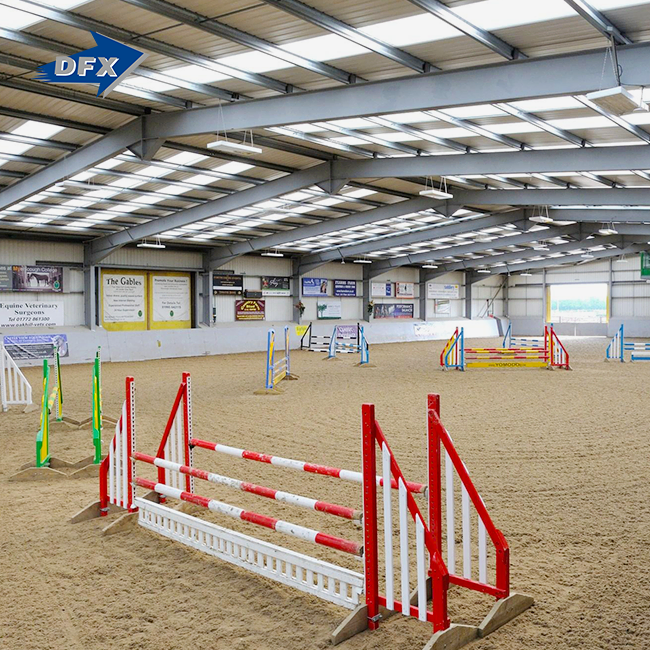
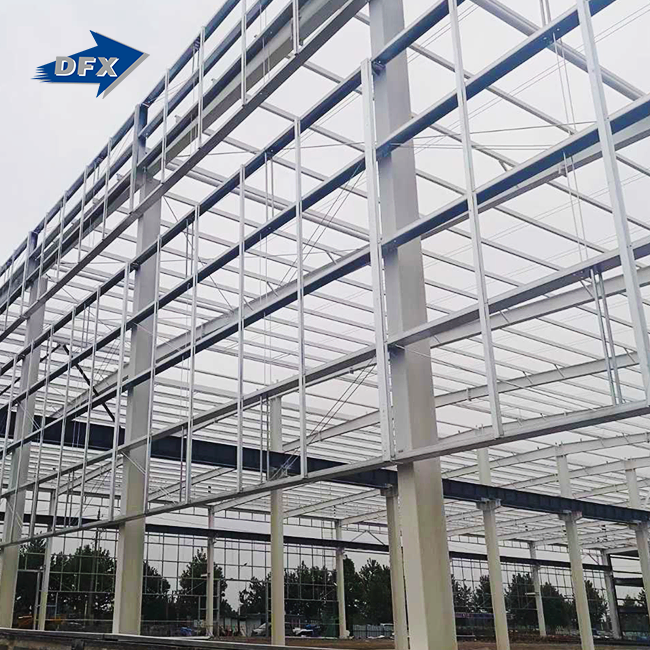
Steel Ostrich Farm House is built around galvanized steel frame systems that hold it all together. These buildings are made with hot-rolled H-beams and welded piers that meet ASTM A572 Grade 50 standards. They can hold a lot of weight over long distances without needing any support posts inside. This open-plan design lets ostriches move around freely, which cuts down on behaviour problems caused by stress that hurt the birds' health and productivity. The lack of hurdles inside also makes feeding operations and trash management routines easier, which is important for keeping biosecurity standards.
Material Composition and Technical Specifications
Several systems work together to keep the structure of our enclosed Steel Ostrich Farm Houses strong. The main structure is made of high-strength carbon structural steel that has been hot-dip galvanized to give it a zinc layer that is more than 600 g/m² thick. This galvanization process bonds zinc to steel, protecting it from the corrosive ammonia vapors that come from ostrich waste, which breaks down metal and wooden structures very quickly if they are not treated. Using insulated roof and wall panels with mineral wool or polyurethane bases keeps the temperature stable, stopping temperature changes that stress birds and raise the death rate during important breeding times.
Longitudinal Ventilation Design for Bird Health
When ostriches are raised in large numbers, respiratory health is the most important thing to think about. Our design for longitudinal ventilation uses ridge ventilators and sidewall inlets that can be adjusted to make controlled airflow patterns. This engineered ventilation gets rid of moisture, ammonia, and pathogens in the air while keeping the temperature just right. The steel truss system supports motorized ventilation equipment when natural airflow isn't enough. This keeps the air quality stable no matter what the weather is like outside.
Comparing Steel Ostrich Farm Houses with Traditional Alternatives
When purchasing managers look at infrastructure investments, they need to be able to compare the performance of different building methods in a fair way. The next section looks at some of the most important decision factors that affect the long-term success of an operation.
Structural Longevity and Maintenance Requirements
If the Steel Ostrich Farm House is properly designed and built, it will last more than 50 years with little upkeep. The strength of this material is very different from wood building, which breaks down in 15 to 20 years due to insects, water absorption, and damage from ostriches. Adult ostriches can kick with forces greater than 2,000 psi, which can easily break wooden posts and damage brick walls. Our buildings have reinforced concrete walls and steel columns that can be up to 1.2 meters high. This keeps structural elements safe from direct impact while keeping the flexibility of steel framing.
Cost Efficiency and Return on Investment
The initial cost of cash is only one part of the total cost of ownership. When looking at how long something is expected to last, Steel Ostrich Farm House construction is more cost-effective. Because metal building parts are prefabricated, they cut down on construction time on-site by 30 to 50 percent compared to traditional methods. This saves money on labor and speeds up the time it takes to make something. Having less upkeep and replacements happen less often also increases financial gains. Inspecting and painting steel structures once a year costs about 60% less than fixing wooden ones over and over again, which directly increases operational profitability.
Environmental Control and Animal Welfare
The power to control temperature has a direct effect on how fast ostriches grow and how well they reproduce. Insulated sandwich panels with thermal conductivity values around 0.022 W/m·K keep the insides stable, which is important for chick survival during the critical 0–3-month brooding period. Steel Ostrich Farm House and composite panels don't have holes on the surface like wood grain and concrete pores do, so they don't let pathogens get inside. This helps strict biosecurity measures work better, which lowers the spread of disease and the cost of veterinary care.
Building and Maintaining Steel Ostrich Farm Houses: Practical Insights
Putting up Steel Ostrich Farm Houses for animals requires careful planning that takes into account the site's conditions, the building's needs, and the rules that must be followed.
Planning and Procurement Process
A thorough needs assessment is the first step in the project initiation phase. Based on the weather patterns in the area, agricultural project managers have to figure out how much food they want to grow, what kinds of birds they need to house, and what kinds of environmental controls they need to put in place. Our Steel Ostrich Farm House structural design service looks at the site's elements, such as how much weight the earth can hold, how much wind it can handle, and how much snow it could accumulate. These things help engineers do calculations that make sure the structure will hold up under all possible loads. With made-to-order manufacturing, you can change the clear span measurements, eave heights, and bay configurations to fit your unique work processes.
Installation and Assembly Considerations
Having Steel Ostrich Farm House parts made in a factory guarantees quality and accuracy in measurements that are impossible to achieve with construction that is done on-site. Bolt-together assembly systems reduce the need for specialized labor and the reliance on weather conditions during installation. Our installation guide service gives building teams thorough erection drawings and expert help, which helps them finish the process quickly. Steel systems are also easy to expand in the future because they are flexible, which means that workers can add more production capacity without stopping what they're already doing.
Maintenance Protocols for Extended Service Life
Proactive maintenance keeps a Steel Ostrich Farm House building's performance and extends the life of its structures. Once a year, the galvanized coating, fasteners, and panel seals should all be checked to make sure they are in good shape. Steel construction makes repairs easier because damaged parts can be easily replaced without affecting the overall strength of the structure. Professional after-sales support makes sure that workers get expert help for problems that don't happen very often. This protects infrastructure investments by quickly fixing problems.
Procurement and Supplier Selection for Steel Ostrich Farm Houses
To find qualified Steel Ostrich Farm House manufacturers, they must be carefully evaluated across a number of performance dimensions. Long-term project success and operating dependability depend on the decision process.
Evaluating Manufacturer Capabilities
Basic selection criteria include the ability to manufacture, technical know-how, and Steel Ostrich Farm House quality management systems. Fabricators who have been in business for a while run complete production plants with automatic welding lines, CNC cutting tools, and systems just for making sandwich panels. The 2011-founded Qingdao Director Steel Structure Co., Ltd. is a good example of these skills. It has 40,000 square meters of enclosed production space that can make 20,000 tons of welded structural steel and 50,000 square meters of insulated panels every year. More than 200 trained workers follow the rules of the ISO quality management system when they do their jobs. This makes sure that the end result always meets foreign standards.
Certification and Compliance Standards
International certification is a third-party check of the quality of the Steel Ostrich Farm House manufacturing process and the performance of the product. Getting a CE certificate means that a product meets European standards for health, safety, and environmental security. Additional certifications, such as COC and PVOC, show that the manufacturer is dedicated to meeting the needs of a wide range of markets. These credentials lower the risk of procurement by giving objective proof that delivered products will work as promised in a variety of regulatory settings.
Communication and Project Management
For buyers and suppliers to work together effectively, they need clear ways to communicate and set goals for the Steel Ostrich Farm House project. Manufacturers with a lot of experience keep expert teams that know English and can talk about complicated engineering needs and answer design questions. Made-to-order steel buildings usually have lead times of 6 to 10 weeks, but this can change based on how complicated the job is and how busy the factory is. Getting in touch with suppliers early on helps procurement managers set up the best shipping times that work with building plans. When you order in bulk, you get economies of scale, which lowers the cost per unit and ensures that parts work with each other in multiple buildings in large agricultural operations.
Enhancing Ostrich Farm Efficiency with Steel Structures: Future and Trends
The Steel Ostrich Farm House construction industry is always changing, adding new technologies that make operations more efficient and protect the environment.
Sustainable Design and Energy Efficiency
Environmental responsibility is playing a bigger role in choosing Steel Ostrich Farm House infrastructure. More than 90% of modern steel buildings are made from recycled materials. This supports the circular economy and lowers the amount of carbon that is stored in the building compared to alternatives made from new materials. Insulation systems that use less energy lower the need for heating and cooling, which lowers costs and lowers the greenhouse gas emissions that come with controlling the temperature. Using natural daylighting techniques instead of artificial lighting cuts down on energy use even more while giving lighting spectrums that are good for birds' health and behaviour.
Smart Technology Integration and Automation
Sensor networks that are connected allow for real-time monitoring of things like temperature, humidity, and air quality in the Steel Ostrich Farm House environment. These systems let workers know right away when equipment breaks down or the environment changes, so they can fix the problem before it hurts the birds. Robotic waste management and automated feeding systems work perfectly with steel building designs, making work easier while still meeting high standards for animal care. Metal buildings can handle changing automation technologies because of their strong structures and adaptable interior layouts. This protects infrastructure investments from becoming outdated by technology.
Scalability and Operational Flexibility
Businesses in agriculture have to adapt their ability to meet changing market needs for a Steel Ostrich Farm House. Steel construction is based on the idea of modular design, which lets you plan phased expansions that match capital investment with revenue growth. Adding more buildings to existing ones makes it possible to make unified production centers that make the best use of resources and processes. This scalability benefit is especially useful for businesses that use project-based procurement models, like construction companies and EPC firms that build agricultural infrastructure.
Conclusion
Investing in designed Steel Ostrich Farm House infrastructure changes how ostrich farms work by making them last longer, keeping the environment better, and lowering the total cost of ownership. Metal cattle houses can handle the tough physical needs of ostrich farming while also following biosecurity rules that are necessary for business success. When you combine long-lasting structures, low-cost maintenance, and operational flexibility, you get a clear return on your investment that makes you more competitive in agricultural markets. Procurement professionals looking for reliable, low-cost solutions will find that steel construction has the performance traits needed for long-term operations that will last.
FAQ
The following questions address common concerns regarding the implementation of a Steel Ostrich Farm House.
Q1: How long does a galvanized steel ostrich facility last compared to wooden structures?
If you take care of your Steel Ostrich Farm Houses, they can last for 50 years or more, which is a lot longer than the 15 to 20 years that treated wood buildings usually last. Corrosion from ammonia-rich environments quickly breaks down both metal and wood alternatives. A galvanized coating protects against this.
Q2: Can steel buildings be customized for different climates and farm sizes?
With full customization options, Steel Ostrich Farm House specs can be precisely matched to local temperature conditions and production levels. The thickness of the insulation, the way ventilation is set up, and the size of the structure can all be changed to meet specific needs. This makes sure that the structure works well in a wide range of operational situations.
Q3: What maintenance is required for steel livestock buildings?
The major upkeep task for a Steel Ostrich Farm House is to check the coating's integrity, the state of the fasteners, and the panel seals once a year. Compared to traditional materials, steel and composite panels need less maintenance because their surfaces don't have pores, which makes cleaning easier and is an important part of biosecurity management.
Partner with DFX for Superior Steel Ostrich Farm House Solutions
Agricultural operations should have access to infrastructure that provides long-term value through proven performance and dependable support. DFX, which does business as Qingdao Director Steel Structure Co., Ltd., has been making Steel Ostrich Farm Houses for tough agricultural uses for more than 12 years. Our production sites are ISO-certified, and all of our goods are CE-certified. This means that they meet international quality standards, so you can be sure that they will last for a long time. Our structural design, fabrication, delivery, and installation guidance services help with your project from the beginning to the end, whether you need a single brooding facility or a full production complex. Get in touch with jason@bigdirector.com right away to talk about your needs with our technical team and find out why top Steel Ostrich Farm House suppliers choose DFX for important agricultural infrastructure projects.
References
1. Smith, J.R., "Pre-Engineered Metal Buildings in Modern Agriculture: Structural Considerations and Performance Analysis," Journal of Agricultural Engineering, Vol. 45, 2021.
2. Anderson, M.K., "Ostrich Production Systems: Housing Design and Environmental Control Requirements," International Livestock Research Quarterly, 2020.
3. Thompson, L.C., "Corrosion Resistance of Galvanized Steel in Agricultural Environments: A Comparative Study," Materials Science in Agriculture, Vol. 33, 2022.
4. Williams, P.D., "Economic Analysis of Building Materials in Livestock Housing: Life-Cycle Cost Comparison," Agricultural Economics Review, Vol. 28, 2021.
5. Chen, H.Y., "Ventilation System Design for Large-Scale Poultry and Ratite Housing," Agricultural Ventilation Engineering, 2023.
6. Roberts, S.A., "Biosecurity Infrastructure for Commercial Bird Production: Design Standards and Best Practices," Veterinary Agriculture Today, Vol. 12, 2022.
Learn about our latest products and discounts through SMS or email