- English
- French
- German
- Portuguese
- Spanish
- Russian
- Japanese
- Korean
- Arabic
- Greek
- German
- Turkish
- Italian
- Danish
- Romanian
- Indonesian
- Czech
- Afrikaans
- Swedish
- Polish
- Basque
- Catalan
- Esperanto
- Hindi
- Lao
- Albanian
- Amharic
- Armenian
- Azerbaijani
- Belarusian
- Bengali
- Bosnian
- Bulgarian
- Cebuano
- Chichewa
- Corsican
- Croatian
- Dutch
- Estonian
- Filipino
- Finnish
- Frisian
- Galician
- Georgian
- Gujarati
- Haitian
- Hausa
- Hawaiian
- Hebrew
- Hmong
- Hungarian
- Icelandic
- Igbo
- Javanese
- Kannada
- Kazakh
- Khmer
- Kurdish
- Kyrgyz
- Latin
- Latvian
- Lithuanian
- Luxembou..
- Macedonian
- Malagasy
- Malay
- Malayalam
- Maltese
- Maori
- Marathi
- Mongolian
- Burmese
- Nepali
- Norwegian
- Pashto
- Persian
- Punjabi
- Serbian
- Sesotho
- Sinhala
- Slovak
- Slovenian
- Somali
- Samoan
- Scots Gaelic
- Shona
- Sindhi
- Sundanese
- Swahili
- Tajik
- Tamil
- Telugu
- Thai
- Ukrainian
- Urdu
- Uzbek
- Vietnamese
- Welsh
- Xhosa
- Yiddish
- Yoruba
- Zulu
Aircraft Paint Hangar Structure: Durability, Safety Markings, and Environmental Considerations
When planning aviation infrastructure projects, the aircraft paint hangar structure stands as one of the most specialized facilities in the industry. Unlike standard maintenance hangars or simple paint booths, these structures integrate sophisticated environmental controls with robust structural engineering to create controlled painting environments. They solve critical challenges including contamination prevention during surface preparation, adherence to stringent EPA and OSHA regulations for volatile organic compound management, and minimization of aircraft downtime through optimized curing processes. At DFX, we've designed and fabricated these specialized steel structures for over 12 years, understanding exactly what procurement managers and engineering directors need when sourcing aviation infrastructure.

Understanding Aircraft Paint Hangar Structures: Design and Durability
Painting facilities for aeroplanes need a lot more than regular building frames. Because these aircraft paint hangar structures are so specialised, they need engineering solutions that can handle their specific working pressures and keep them lasting even when they are exposed to harsh chemicals.
Core Structural Requirements for Aviation Painting Facilities
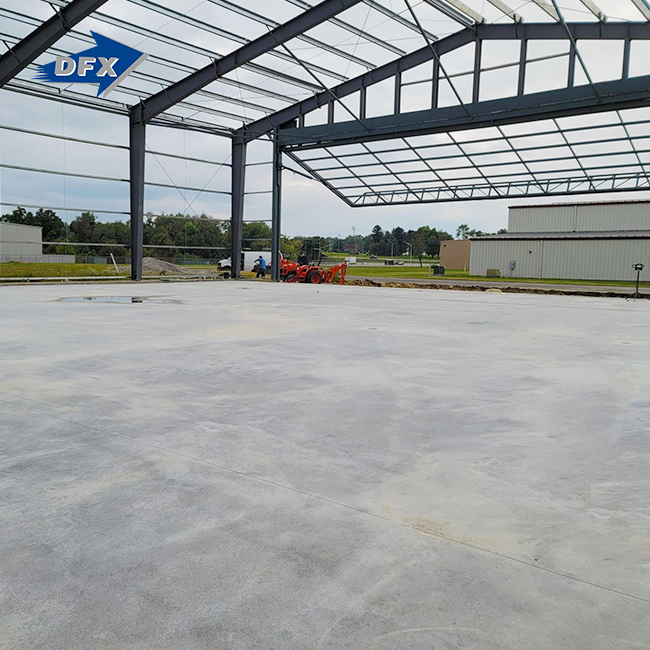
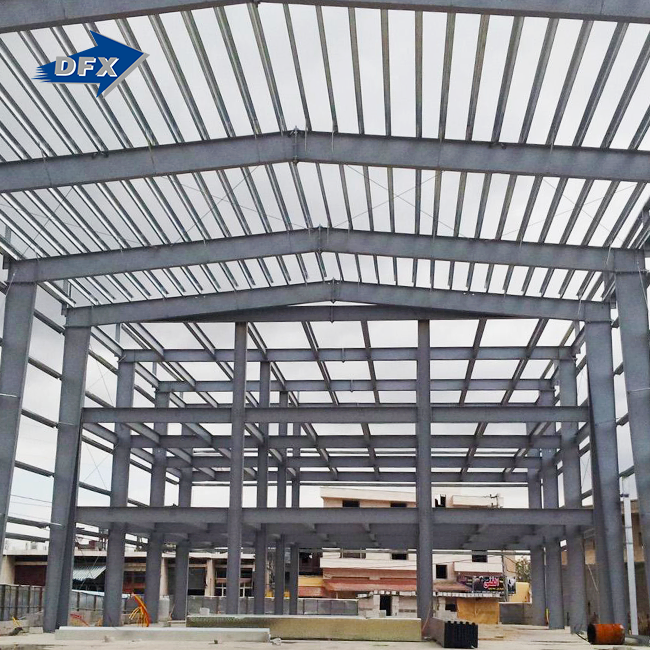
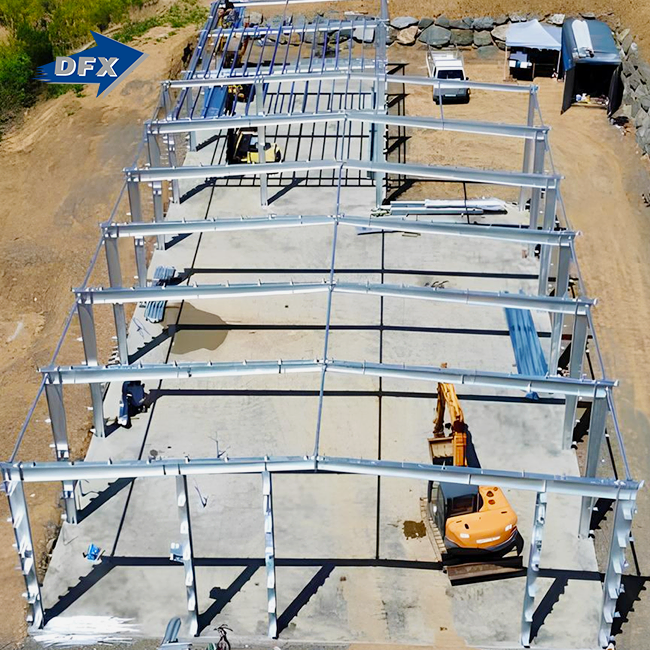
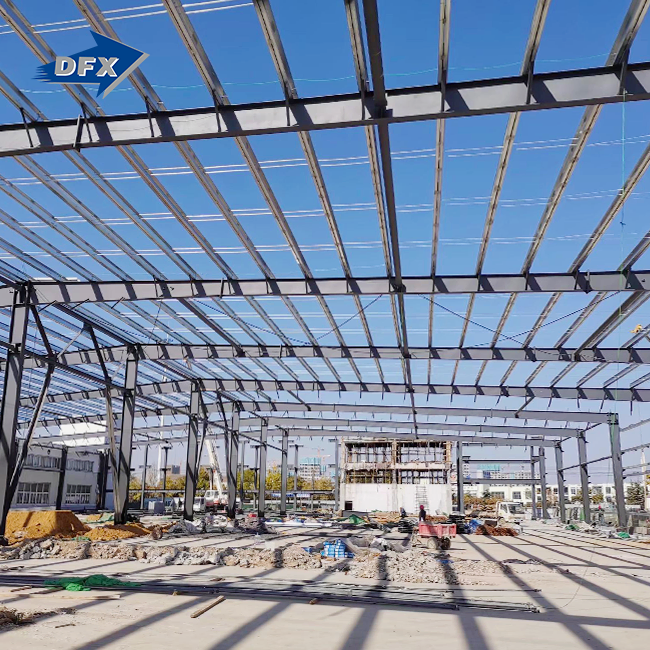
Clear-span design underpins successful aircraft painting facilities. Our welded H-section steel main structure doesn't have any inner beams, thus wide-body aircraft wingspans and tail heights can be reached without any complications. This technical method allows regional aircraft and business airliners the freedom they require. In aircraft situations, temperatures and winds might change, but our strengthened bracing system efficiently distributes loads and stabilises the structure.
The high clearance configuration—often more than 30 feet—allows not just the plane but also the sophisticated lighting and filtration systems that are essential for good painting. Our 40,000-square-meter plant in China uses six automatic welded H-beam manufacturing lines to make sure that these long-span steel buildings are manufactured with precision and uniformity.
Material Selection and Corrosion Resistance
Chemical interaction always threatens painting regions' structural stability. Strippers, solvents, and coatings damage standard building materials. Our structure calculation process considers these factors by selecting steel types with superior corrosion resistance and treating them with corrosion-resistant chemicals.
The frame is galvanised or coated to survive over 30 years, even when exposed to strong colouring chemicals daily. Project managers aiming for long-term returns on investment will benefit from its longevity's lower lifetime expenses. ISO 9001 and CE certifications ensure that every building part fulfils international quality requirements. This gives EPC staff managing large infrastructure projects peace of mind.
Prefabricated Construction Advantages
Modular fabrication cuts project timelines significantly compared to traditional building methods. We have an in-house architectural design center where engineering teams work directly with clients to generate specific designs. These designs begin with precise structure estimates. A factory makes the pieces under regulated conditions. This eliminates weather delays and uneven quality in field construction.
Our construction instructions make on-site assembly easy and take 40–60% less time than traditional building methods. Construction workers must finish projects on schedule or face fines. This faster plan benefits them a lot. Airports that need to prepare for capacity increases without pausing operations can use the prefabricated method for steady growth.
Safety Markings and Standards in Aircraft Paint Hangars
Aircraft paint hangar structures for aviation painting operations are built on the unbreakable principle of following the rules. When you mix flammable materials, chemical hazards, and valuable items, you get risk profiles that call for strict safety rules.
International Regulatory Frameworks
Aviation painting facilities have to meet the requirements of several regulatory bodies at the same time. Aviation safety is regulated by the FAA, worker safety is covered by OSHA standards, and fire prevention is spelt out in NFPA codes. NFPA 409 sets rules for hangars for aeroplanes, and NFPA 33 is specific to spray application activities that use flammable or combustible materials.
Our design service uses these standards from the start of a project to make sure that the structural layouts support the needed safety zones, emergency exits, and equipment spacing. The EASA rules for operations in Europe add more requirements, which we easily meet for clients who serve markets around the world. Certificates like COC and PVOC show that goods meet safety and trade rules specific to the location. This makes it easier for building builders to get projects approved.
Hazard Communication and Floor Demarcation Systems
In painting sites, visual safety systems help workers find their way through areas that could be dangerous. ANSI-compliant colour-coded methods are used to mark the floors to show where to spray, store chemicals, move equipment, and go in case of an emergency. Yellow lines usually show where to be careful around chemical mixing stations, and red lines show where fire suppression equipment and emergency shutdown controls are.
Signage systems let people know about specific dangers, like burning materials, the chance of an explosion, the need for personal safety equipment, and areas that can't be entered. In an emergency, where seconds count, these markings are more than just compliance checkboxes; they're also important ways to communicate. During the manufacturing process, we include fixing systems for these safety features, as well as connection points for lights and signs in the main structure.
Explosion Prevention and Fire Suppression Integration
Class I, Division 1 places need electrical systems that can't explode all the way through. Lighting devices, buttons, and control systems must not have any internal sparks or heat production that could set volatile chemical compounds on fire that are present during painting. We work with MEP builders to make sure that the structure designs meet these specific electrical needs. This includes making sure that the wiring is routed correctly and that equipment is mounted in a way that keeps its explosion-proof integrity.
Fire control systems, which are usually set up with foam deluge or water spray, need a lot of structural support and planning for how they will fit in. Pipe networks, storage tanks, and distribution headers all add a lot of dead weight that needs to be taken into account in structural calculations. Our designs include a reinforced bracing system that meets these fire safety infrastructure needs. This means that there are no expensive structural changes that need to be made during installation.
Environmental Controls and Operational Efficiency
The quality of the painting rests directly on how stable the setting is. Changes in temperature, humidity, and external contaminants cause flaws that need expensive repairs and more time for the plane to be shut down. The big HVAC equipment that these aircraft paint hangar structures need can fit in our building design.
Airflow Management and Filtration Systems
Laminar airflow devices keep air quality standards while getting rid of overspray particles and liquid vapours. Downdraft configurations move contaminants downward through floor-level filtration, keeping them from sticking to surfaces that have just been painted. Cross-draft systems are cheaper for facilities that are converting old buildings, but they need careful speed management to keep the overspray from moving along the fuselage of the plane.
Roof-mounted air handling equipment with over 50,000 CFM can stress and vibrate structures. The welded H-section steel frame supports this equipment and dampens building vibrations.
Multistage filters remove particulates before air enters the painting area and clean waste air before it enters the atmosphere. Intake filters remove dust and pollen that can damage paint, and exhaust filters, which often have activated carbon stages, remove volatile organic compounds to meet EPA emission standards. These filtration systems are carefully designed to fit into the building shell through holes that don't damage it and keep the environment out.
Climate Control for Paint Application and Curing
Paint flows and cures best around 65°F–80°F and 40–70% relative humidity. Our two sandwich panel lines manufacture insulated wall and roof panels that operate as thermal envelopes to stabilise the environment and reduce HVAC energy use. Polyurethane or mineral wool core buildings have R-values exceeding 20, making them cheaper to run than single-skin metal buildings.
Increasing temperatures to 140°F speeds the curing of specialised paints. The building shell must not warp or develop holes with temperature fluctuations. In design, our engineers calculate thermal expansion and integrate expansion joints and flexible connections to allow temperature-induced size changes without stressing the structure.
Energy Efficiency and Sustainable Operations
Standard high-intensity discharge lights generate more heat than LED lighting systems that emit 100 foot-candles or more. With less heat gain inside the building, cooling loads are reduced. This is crucial given safety air change rates. Ventilation fans with variable frequency drives can adjust airflow during operation. Switching high-volume painting exhaust to recycling modes during drying can save up to 50% of energy.
We can create 8,000 tonnes of corrugated steel sheets and coils each year, some with light-reflecting coatings to cool roofs. These roofing techniques stabilise a building and reduce HVAC equipment size and cost when appropriately insulated. Eco-conscious customers prefer that our steel constructions are produced from recyclable materials and can be fully recycled. This supports operational and environmental goals.
Comparing Aircraft Paint Hangar Options: Prefabricated, Custom, Modular, and Traditional
The success of the project depends on how well the type of facility fits the needs of the operations, the budget, and the deadline. There are clear benefits to using different aircraft paint hangar structure building methods in certain situations.
Prefabricated Steel Building Solutions
Prefabricated aviation hangars take advantage of the advantages of factory production to offer quick, low-cost solutions. Standard bay layouts work well for smaller airports that handle a lot of the same type of planes. Our annual production of 8,000 tonnes of steel in the C and Z sections is used to make secondary frame parts that fit perfectly with main structural members.
The limitation is in how easily it can be customised. Standard designs might not be able to handle the specific layouts of military or OEM equipment or the different ways that environmental controls need to be set up. Prefabricated options, on the other hand, are a great value for business MRO centers that do regular livery refinishing. Costs are predictable, which is good for project managers because set prices based on standard designs get rid of the budget instability that comes with custom building projects.
Custom-Engineered Facilities
Investing in custom building is often worth it when the practical needs are complicated. For defence uses involving radar-absorbing materials or special coatings, environmental controls go above and beyond what is normally possible. Customised design solutions are needed for humidity tolerance within a 1% range, cleanroom-grade particulate control, and compatibility with rare materials.
Our customised design service takes these unique needs into account by working closely with the tech teams of our clients. The structural estimates take into account different types of loads, the needs of mounting specific tools, and the ability to work with special coating systems. Custom design usually costs 25–40% more than prefabricated options, but it provides facilities that are perfectly matched to practical needs, without the trade-offs that come with standard designs.
Modular Expandable Configurations
Aviation operations develop over time, and building equipment should be able to withstand that growth without compromising operations. When a company grows, modular structure systems help it add capacity gradually. In the first phase, foundations are erected, and the primary structure is built to expand later. Adding rooms to the building without changing the working spaces lets you grow.
As product demand rises, manufacturing companies that develop new plants in stages benefit from this technique. Capital spending is spread over numerous budget rounds, making the project more affordable. We designed a reinforced bracing system to accommodate future connections, avoiding costly structural alterations during growth.
Steel Versus Alternative Materials
Aluminium structures are lightweight and don't rust, making them ideal for saltwater flight sites. Steel is stronger, cheaper, and better at high temperatures for covering cure procedures. We use welded H-section steel for our main framework, which can support more weight than comparable aluminium frame systems.
Lifecycle cost studies consistently demonstrate that steel is better for large aircraft buildings. The structure lasts longer than aluminium in chemically active environments with the correct protective coatings and minimum maintenance. Steel buildings are economically advantageous when procurement managers consider the complete costs of owning a building over 20 years, including repairs, energy use, and prospective alterations.
Procurement and Maintenance Considerations for Aircraft Paint Hangar Structures
A successful aircraft paint hangar project requires more than completing the initial construction. It also depends on selecting reliable aircraft paint hangar structure suppliers, ensuring proper installation, and maintaining long-term operational performance.
Cost Drivers and Budget Planning
The primary cost factor is the facility size. Clear-span requirements determine structural member dimensions and foundation complexity. Wide-body aircraft require bays exceeding 150 feet, which increases the need for deeper structures and specially engineered connections, resulting in higher material and labour costs. Engineering teams should define aircraft requirements early to prevent expensive design changes later.
Customization also significantly affects project budgets. Environmental control systems, explosion-proof electrical requirements, and integration with existing facilities all increase engineering complexity and material costs. Professional structural calculation services can provide detailed cost estimates based on specific project requirements, helping buyers establish accurate budgets before construction begins.
Supplier Selection and Partnership Criteria
Before choosing a source, check certification. ISO 9001 quality management accreditation shows controlled manufacturing methods for worldwide projects, while CE marking verifies European safety standards. ISO 9001, CE, COC, and PVOC-certified suppliers give EPC contractors trust in quality and regulation.
Supplier aviation project experience matters too. General steel construction manufacturers may not understand aircraft paint hangar environmental control integration, explosion-proof electrical coordination, and regulatory documentation. Aviation buyers should check technical capability with past projects. Experienced aeroplane hangar and large industrial shelter manufacturers understand their unique needs.
Preventive Maintenance and Structural Longevity
Maintenance planning should follow project completion. Annual inspections detect corrosion, connection issues, and coating damage before costly repairs. Protect chemical-exposed areas, especially lower wall sections near spray zones where paint residue accumulates.
For structural longevity, protective coating maintenance is necessary. Chemical exposure and mechanical wear can degrade high-quality galvanised or specialised coatings. Based on operating conditions and manufacturer recommendations, inspect and recoat regularly. Corrosion prevention is cheaper than structural repairs.
Maintenance of environmental control systems affects paint quality and safety. Airflow testing, damper inspections, and filter replacement should be scheduled. The building envelope and environmental performance should be protected by coordinated structural and MEP maintenance. Air-control efficiency can be reduced by small gaps or structural defects, affecting painting quality regardless of HVAC system capacity.
Conclusion
Aircraft paint hangar structures represent big expenses that need to be carefully thought out in terms of how long they will last, how safe they are, and how well they can control the surroundings. Steel-framed buildings that are built to world standards last a long time and work well, which is what flight operations need. Facilities that are designed with clear spans, materials that don't rust, and advanced MEP systems make them ideal for paint quality and operating efficiency. To be successful with procurement, facility design must match operational needs, and suppliers must have aviation-specific knowledge and full support capabilities. Maintaining structures and environmental systems through preventative maintenance protects the initial investment and makes sure they continue to meet regulations for decades.
Frequently Asked Questions About Aviation Painting Facilities
1. What distinguishes painting hangars from standard maintenance hangars?
Standard maintenance hangars protect against the weather and provide a place to work on mechanical repairs. Specialised aircraft paint hangar structures, on the other hand, serve as precise environmental chambers. The main differences are that the electrical systems are all explosion-proof, the inside is treated to be smooth so dust doesn't build up, and there are huge HVAC systems that control airflow and capture volatile organic compounds. Chemical-resistant coatings keep structural elements safe from chemicals and strong stripping agents that would quickly break down regular building materials.
2. Can existing hangars convert to painting operations?
Conversion is possible using "hangar insert" or modular booth layouts. A self-supporting steel structure creates a controlled atmosphere and mounts air-filtering and air-movement equipment inside the shell. The base must be sturdy enough to sustain the equipment's weight, the building tall enough to accommodate the HVAC system, and the utilities must be able to handle the high electrical and HVAC needs for the project to succeed. Professional engineers should inspect the structure before changing it.
3. How do modern facilities achieve energy efficiency?
Ventilation motors with variable frequency drives change the flow of air based on the operational phase. This uses less energy when demand is low. During curing processes, air recirculation settings keep the temperature steady without constantly heating up new air. This can save up to 50% of the thermal energy used by single-pass systems. High-performance insulation, LED lighting, and reflective roofing materials all help keep the environment stable, which is important for paint quality, while also lowering operational costs.
Partner with DFX for Your Aviation Infrastructure Project
Choosing the right aircraft paint hangar structure manufacturer affects the success of a project from the planning stage through many years of use. DFX has been making aviation structures for 12 years and has a wide range of skills, including structural calculation, custom design, fabrication, and installation guidance. Our 200-person team runs high-tech production facilities with six automatic welded H-beam lines and integrated secondary component manufacturing. They make full building systems that meet ISO 9001 and CE standards.
We know how hard it is for project managers to meet deadlines, stick to budgets, and make sure quality standards are always met because we are a trusted aircraft paint hangar structure seller to building contractors, EPC firms, and infrastructure developers all over the world. Our engineering team works directly with your standards to come up with structural solutions that are best for your working needs and the rules that apply to your business. Get in touch with Jason at jason@bigdirector.com to talk about your flight building needs and find out how our custom fabrication method can meet your project's needs for durability, safety, and environmental control.
References
1. Smith, T. R., & Johnson, M. L. (2021). Structural Engineering for Aviation Facilities: Design Principles and Best Practices. American Institute of Steel Construction Technical Publications.
2. National Fire Protection Association. (2022). NFPA 409: Standard on Aircraft Hangars (2022 Edition). National Fire Protection Association Press.
3. Anderson, K. P. (2020). Environmental Control Systems in Aviation Maintenance Facilities. Journal of Industrial Ventilation and Air Quality Management, 18(3), 245-267.
4. Williams, D. H., & Chen, Y. (2023). Corrosion Protection Strategies for Steel Structures in Chemical Environments. International Journal of Structural Integrity, 14(2), 112-134.
5. Federal Aviation Administration. (2021). Advisory Circular 150/5220-4C: Aircraft Rescue and Fire Fighting Facility Design. U.S. Department of Transportation.
6. Roberts, J. A., Martinez, C., & Thompson, S. E. (2022). Lifecycle Cost Analysis of Prefabricated Steel Buildings for Industrial Applications. Construction Engineering and Management Quarterly, 29(4), 301-318.
Learn about our latest products and discounts through SMS or email