- English
- French
- German
- Portuguese
- Spanish
- Russian
- Japanese
- Korean
- Arabic
- Greek
- German
- Turkish
- Italian
- Danish
- Romanian
- Indonesian
- Czech
- Afrikaans
- Swedish
- Polish
- Basque
- Catalan
- Esperanto
- Hindi
- Lao
- Albanian
- Amharic
- Armenian
- Azerbaijani
- Belarusian
- Bengali
- Bosnian
- Bulgarian
- Cebuano
- Chichewa
- Corsican
- Croatian
- Dutch
- Estonian
- Filipino
- Finnish
- Frisian
- Galician
- Georgian
- Gujarati
- Haitian
- Hausa
- Hawaiian
- Hebrew
- Hmong
- Hungarian
- Icelandic
- Igbo
- Javanese
- Kannada
- Kazakh
- Khmer
- Kurdish
- Kyrgyz
- Latin
- Latvian
- Lithuanian
- Luxembou..
- Macedonian
- Malagasy
- Malay
- Malayalam
- Maltese
- Maori
- Marathi
- Mongolian
- Burmese
- Nepali
- Norwegian
- Pashto
- Persian
- Punjabi
- Serbian
- Sesotho
- Sinhala
- Slovak
- Slovenian
- Somali
- Samoan
- Scots Gaelic
- Shona
- Sindhi
- Sundanese
- Swahili
- Tajik
- Tamil
- Telugu
- Thai
- Ukrainian
- Urdu
- Uzbek
- Vietnamese
- Welsh
- Xhosa
- Yiddish
- Yoruba
- Zulu
Can a steel shed be used for storing chemicals?
A steel shed can absolutely be used for storing chemicals when properly designed and engineered. A chemical storage steel warehouse offers a robust, durable solution tailored specifically to handle hazardous materials safely. Unlike generic storage structures, these specialized buildings incorporate critical safety features—including corrosion-resistant coatings, integrated spill containment systems, explosion-relief panels, and advanced ventilation—to mitigate risks associated with flammable, reactive, or corrosive substances. When sourced from certified manufacturers who understand regulatory requirements like OSHA and EPA standards, a steel structure becomes not just a viable option, but often the optimal choice for industrial chemical storage applications.

Understanding Chemical Storage in Steel Warehouses
Why Steel Excels in Chemical Storage Applications
Steel is naturally a good material for places where chemicals are stored because of the way it is made. Welded H-beam frames are very strong and can hold a lot of weight. They can support big drum racks and middle bulk bins without losing their stability. Steel's inability to catch fire is very important for fire safety, as it gives people and rescue workers valuable time during dangerous situations. Unlike wood or some plastics that break down when exposed to chemicals, steel stays the same size even when the temperature changes, and it doesn't break down physically if it's treated the right way.
Modern designs for chemical storage steel warehouses use high-tech coatings to protect against corrosive environments. Hot-dip galvanisation with zinc coatings of more than 600g/m² makes a metal barrier against oxidation. Duplex coating systems, which include zinc-aluminum metallisation and epoxy phenolic topcoats, protect against acidic and alkaline mists. The ASTM B117 salt spray test showed that these treatments last longer than 1,000 hours, protecting assets for a long time in harsh chemical environments.
Regulatory Compliance and Safety Standards
Keeping chemicals in storage means following a lot of rules very carefully. The Hazard Communication Standard (29 CFR 1910.1200) from OSHA says that things must be properly labelled and stored. The RCRA rules from the EPA say how to control hazardous trash. These needs can be met in steel warehouse designs by including engineered features such as separate storage areas for substances that don't go together, fire-rated wall assemblies that reach R120 ratings with intumescent coatings, and designated explosion venting areas that let out deflagration pressure without causing the structure to collapse.
Based on chemical groups, NFPA rules set minimum distances between fires and standards for automatic suppression systems. Modular compartmentalisation in properly engineered steel structures meets these requirements, letting project managers set aside areas within a single facility for flammables, oxidisers, and corrosives. This method, which is in line with regulations, lowers the risk of damage while showing that care was taken during safety checks and the insurance underwriting process.
Climate Control and Atmospheric Management
Controlling the air quality and keeping the temperature stable are important for many chemical storage uses. Insulated sandwich panels with polyurethane or polyisocyanurate bases keep the temperature inside stable, which stops reactions or breakdowns caused by temperature. This temperature stability is especially helpful for pharmaceutical precursors and fine chemicals, which meet GMP standards.
High-velocity air exchange rates are built into ventilation systems for chemical storage buildings so that vapour doesn't build up below the explosion limits. Ridge venting and powered exhaust fans work together to make negative pressure environments. This keeps any fumes that are released from getting into nearby rooms. Electrical parts that are intrinsically safe and approved for Class 1 Division 1 settings get rid of sources of ignition, and humidity control systems stop condensation that could cause corrosion or contaminate materials that absorb water.
How to Safely Store Chemicals in a Steel Shed/Warehouse
Strategic Zoning and Segregation Design
Planning carefully for space is the first step in safe chemical handling within a chemical storage steel warehouse. Segregation protocols keep substances that don't mix from coming together when containers leak or spill. Working with petrochemical workers at Director Steel has made us realise how important it is to set up different storage areas with fire-rated walls between them. Acids are kept away from bases in their own bays, and oxidisers are kept away from flammable solvents by structural dividers that meet at least two-hour fire ratings.
Colour-coded floor marks and vertical signs help people who move things around by preventing mistakes in placement that could lead to dangerous close quarters. Different chemical types can enter through different entry points in loading dock setups that allow separate receiving processes. This methodical approach cuts down on mistakes made by people while still allowing for smooth inventory rotation and retrieval.
Spill Containment and Secondary Barriers
Every place that stores chemicals needs strong infrastructure for containing spills. As required by EPA rules, steel warehouse foundations have raised curbing or dropped-slab systems that make control sumps that can hold more than 110% of the biggest container's capacity. Chemical-resistant HDPE liners or special epoxy coats are put over these concrete pits to keep the ground from getting dirty when leaks happen.
When installed above containment sumps, steel grating flooring systems make it possible to see spills right away while still letting forklifts and pallet jacks move around. The liquids that are collected by trench drain systems are sent to collection points that have oil-water filters or neutralisation tanks. The multiple barriers in this layered containment approach keep environmental leaks from happening, saving groundwater resources and avoiding expensive cleanup situations.
Fire Safety Architecture and Emergency Response
Chemical storage steel warehouses have more fire suppression systems than just regular sprinklers. Foam concentrate systems and other specialised fire control agents put out dangerous liquid fires, and dry chemical extinguishers placed all over the building provide quick-response tools. When steel structure parts are treated with intumescent fireproofing, they keep their load-bearing capacity during thermal events. This keeps the building from collapsing in a way that could trap people or block escape paths.
Back-up generators power emergency lighting that keeps people visible when the power goes out, and clearly marked escape routes lead to safe muster points. Adding explosion-relief panels to walls lowers the pressure inside during a fire, sending the powerful forces upward and away instead of through occupied areas. These carefully designed safety features show how complex it is to change steel buildings so they can store dangerous materials.
Real-World Implementation Insights
We just finished a project for a distributor of agrochemicals that shows how these ideas work in real life. The building had to be able to store both ammonium nitrate fertilisers and liquid pesticides, which are very different in terms of how dangerous they are. Our engineering team created a modular prefabricated steel storage building that is 5,000 square meters and has three separate areas, each with its own air system and control sumps. The H-beam main steel frame and galvanised C/Z purlins gave the inside more than 30 meters of clear span, which was perfect for bulk storage without any interior columns that could get in the way of moving things. The project was finished in seven months, from the first consultation to the handover of operations. This shows how efficient steel construction can be for industrial projects that need to be finished quickly.
Procurement Guide: Buying and Installing Chemical Storage Steel Warehouses
Supplier Evaluation Criteria
Project success and facility performance depend on selecting the proper manufacturing partner. Procurement managers should prioritise suppliers who can demonstrate their manufacturing capabilities by offering facility tours or production records. Automated welding lines, ultrasonic testing machines, and bespoke design engineering divisions indicate production capabilities.
Certification portfolios demonstrate quality and compliance. ISO9001 accreditation ensures manufacturing consistency, and CE marking ensures product safety. International companies that want their website worldwide to meet the same standards need this. EN1095 certifications provide further structural steel component quality assurance. Ask for mill test certificates for major structural steel to track the material and ensure its mechanical properties match ASTM A572 or Q355B standards.
After-sales service distinguishes trustworthy partners from transactional sellers. A full service should comprise engineering calculations, fabrication supervision, goods forwarding, customs documentation, and structure setup advice from experienced consultants or on-site inspection. This "turnkey" strategy simplifies project completion by having one supplier handle everything.
Cost Structure and Financial Planning
Budgets and financial models for a chemical storage steel warehouse require knowledge of expense types. Buying a steel warehouse has numerous costs. The base structural pricing includes primary frames, secondary purlins, bracing, and standard cladding. Customisation premiums apply to coatings, insulated panels, and explosion-relief features. Shipping prices depend on warehouse destination and goods kind. Staff from the supplier or local contractors can install.
Project-based manufacturing models for chemical storage must be planned. The lead time from order confirmation to shipment is normally 8–12 weeks, depending on how complicated the customisation is and where the order is in the manufacturing queue. Consider several funding choices. Outright purchases give you ownership and depreciation tax benefits. However, an operating lease uses short-lived facilities and maintains funds for key business activities.
Hidden expenses often arise during execution if not addressed beforehand. Building the foundation, connecting utilities, and changing the entry road prepare the site for the project. Different places charge different permit and engineering stamp costs. Some jurisdictions need local engineers to assess imported designs. By including backup plans in original budgets, mid-project funding shortfalls that hinder completion are avoided.
Installation Workflows and Quality Assurance
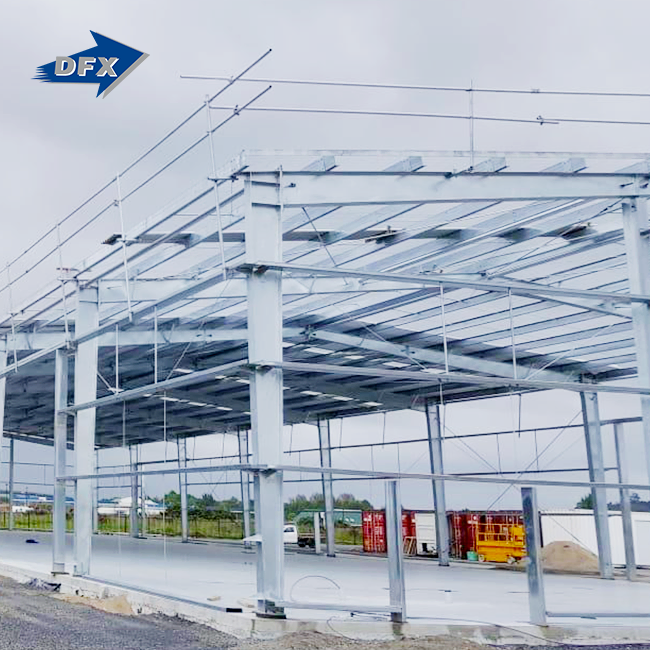
Project engineers should know the typical steel chemical warehouse construction process. The foundation must be built and the anchor bolts placed according to manufacturing plans before the structure is delivered. Mobile cranes raise the basic frame to form the structural skeleton. Next, secondary purlins support the roof and walls. Fire protection coatings, HVAC systems, electrical installations, and interior finishing are completed by specialised tradespeople.
Quality inspections occur throughout a project. Ultrasonic or magnetic particle non-destructive testing of important welds checks structural stability before loading. Before adding chemicals, hydrostatic testing of the containment sump checks for leaks, and coating thickness ensures protection systems are adequately coated. If suppliers document these quality control steps with images and test results, procurement specialists may be sure their goods match criteria.
The warranty should cover manufacturing defects and performance guarantees. Standard structure guarantees cover material and skill for one to two years following the main work. Depending on specifications, coating systems may have ten- to fifteen-year performance guarantees. Knowing the warranty terms and how to register a claim before signing the contract prevents disputes and ensures that operation-related issues can be resolved.
Trusted Brands and Market Leaders in Chemical Storage Steel Warehouses
Global and Regional Manufacturer Landscape
The technical and legal expertise of chemical storage infrastructure makers has risen due to their specialisation. European manufacturers with high-quality standards and North American manufacturers with petrochemical industrial groups are successful global enterprises. Asian specialists, especially Chinese enterprises like Director Steel, offer affordable pricing without compromising quality.
You must examine project files to determine a maker's experience. Suppliers' technical knowledge helps petrochemical factories, agrochemical distributors, and pharmaceutical companies develop superior technology solutions. Notable procurement managers and project engineers have praised the company's reliability and competence. Your colleagues honour your expertise with professional awards or credentials.
Certification Verification and Quality Signals
Third-party certifications demonstrate a manufacturer's abilities. The ISO9001 quality management certification reveals planned design control, document management, and corrective action. These stages are crucial for ensuring complicated constructed structures meet standards. The CE mark indicates that a product fulfils European safety, health, and environmental protection requirements by following rules.
Certificate correctness checks prevent fraud. Request copies of certificates with the logos and registration numbers of the accrediting agencies to check in their databases. Procurement or outside inspectors do site audits to show you how goods are created, how quality control is implemented, and how worker training is conducted. These processes ensure that the seller's claims reflect reality.
Distribution networks and technical support show that suppliers care about customer success after delivery. Manufacturers with regional service centers or cooperation with local engineering firms make practical questions and change plans easier to consult. Technical hotlines, professional project managers, and digital collaboration tools make working with people from different time zones and languages easier.
Conclusion
Specialised infrastructure is needed to keep chemicals safe, obey standards, and run efficiently in a chemical storage steel warehouse. Steel buildings are excellent for these complex needs when designed with the necessary protective layers, containment systems, and safety features. Strong, fire-resistant, and customisable steel is the finest material for storing chemicals in manufacturing, agriculture, and petrochemical industries. Knowing the benefits and cons of steel, concrete, and other storage materials helps procurement workers choose. They should also understand the importance of working with certified manufacturers who provide technical and installation support. For 12 years, Director Steel has built specialised industrial structures to ISO and CE standards. This illustrates Chinese manufacturers' global chemical storage capabilities. Chemical steel warehouse investments should protect people, property, and the environment with safe, long-lasting facilities. Proper seller selection, standard development, and quality assurance can achieve this.
Frequently Asked Questions About Chemical Storage in Steel Sheds
1. What types of chemicals can be kept in steel warehouses without harm?
When built correctly, steel buildings can hold most types of industrial chemicals. In the right storage spaces, flammable liquids, acids and bases that eat away at metals, oxidisers, and volatile substances can all be kept safely. Matching protective coatings and safety systems to specific chemical dangers is key. For example, acid-resistant epoxy phenolic coatings are good for corrosive environments, explosion-relief designs are good for volatile compounds, and separate areas are needed for materials that don't work well together. Talking to suppliers who have experience storing dangerous materials will make sure that the design parameters match your chemical inventory profile and your legal obligations.
2. How long does it usually take to set up a custom chemical warehouse?
Project timelines depend on the size of the facility and the level of customisation needed, but in general, they take between 4 and 7 months from the time the order is confirmed until the facility is ready to use. This includes 8–12 weeks for planning and manufacturing, 2–4 weeks for shipping internationally, and 4–8 weeks for setting up and commissioning the system on-site. When foundation work is done in parallel with manufacturing work, plans can be sped up even more. These times are much faster than alternatives made of concrete, which take 12 to 18 months. This makes steel buildings better when you need to meet pressing capacity needs or project targets that need to be met quickly.
3. What ventilation rules apply to buildings that store chemicals?
Ventilation needs are different depending on the type of chemicals being handled and the rules in your area. OSHA General Industry Standards say that there must be enough airflow to keep dangerous vapours from building up above the allowed exposure limits. Many places that store chemicals aim for 6 to 12 air changes per hour, which can be done with powered exhaust fans and passive intake vents. In certain situations involving highly volatile substances, you may need ventilation equipment that is safe from explosions and systems that keep an eye on you all the time. You can be sure that ventilation designs meet both safety goals and legal compliance requirements in your operational setting if you work with suppliers who are familiar with these needs.
Partner with DFX for Your Chemical Storage Steel Warehouse Project
Director Steel brings a lot of specialised knowledge to industrial chemical storage projects that need to be done with great engineering accuracy and manufacturing quality. Our 40,000-square-meter factory has six automatic welded H-beam lines that make 20,000 tonnes of steel each year. We also have advanced sandwich panel and purlin fabrication capabilities that make sure we can supply the whole project from a single source. As a well-known company that makes chemical storage steel warehouses, we've finished installations for petroleum contractors, agrochemical dealers, and manufacturing facilities on six continents. The projects we've done have all met strict safety standards and working needs.
In addition to making parts, we also offer full engineering calculation help, logistics planning to handle the difficulties of foreign freight, and erection advice to make sure the right installation. Our ISO9001 and CE certifications show that our quality management systems and products meet international standards. This gives buyers confidence in the quality of the goods they receive. Our technical team is ready to turn your chemical storage needs into safe, legal, and cost-effective facilities, whether you're an EPC contractor looking for full solutions or a project engineer looking for a reliable steel structure provider. Get in touch with jason@bigdirector.com to talk about the details of your project and get a thorough plan that meets your operational needs and meets your deadline goals.
References
1. American Institute of Steel Construction (AISC). Design Guide 7: Industrial Buildings—Roofs to Anchor Rods. Chicago: AISC, 2019.
2. National Fire Protection Association (NFPA). NFPA 30: Flammable and Combustible Liquids Code. Quincy, MA: NFPA Standards Council, 2021.
3. Occupational Safety and Health Administration (OSHA). Hazardous Materials Storage and Handling: Technical Manual Section IV, Chapter 2. Washington, DC: U.S. Department of Labor, 2020.
4. Environmental Protection Agency (EPA). Facility Response Plans for Hazardous Substance Storage under RCRA. Washington, DC: EPA Office of Emergency Management, 2018.
5. Steel Construction Institute. Fire Protection for Structural Steel in Buildings. 5th ed. Ascot, UK: SCI Publication, 2022.
6. International Code Council. International Building Code (IBC) Chapter 4: Special Detailed Requirements Based on Use and Occupancy. Washington, DC: ICC, 2021.
Learn about our latest products and discounts through SMS or email