- English
- French
- German
- Portuguese
- Spanish
- Russian
- Japanese
- Korean
- Arabic
- Greek
- German
- Turkish
- Italian
- Danish
- Romanian
- Indonesian
- Czech
- Afrikaans
- Swedish
- Polish
- Basque
- Catalan
- Esperanto
- Hindi
- Lao
- Albanian
- Amharic
- Armenian
- Azerbaijani
- Belarusian
- Bengali
- Bosnian
- Bulgarian
- Cebuano
- Chichewa
- Corsican
- Croatian
- Dutch
- Estonian
- Filipino
- Finnish
- Frisian
- Galician
- Georgian
- Gujarati
- Haitian
- Hausa
- Hawaiian
- Hebrew
- Hmong
- Hungarian
- Icelandic
- Igbo
- Javanese
- Kannada
- Kazakh
- Khmer
- Kurdish
- Kyrgyz
- Latin
- Latvian
- Lithuanian
- Luxembou..
- Macedonian
- Malagasy
- Malay
- Malayalam
- Maltese
- Maori
- Marathi
- Mongolian
- Burmese
- Nepali
- Norwegian
- Pashto
- Persian
- Punjabi
- Serbian
- Sesotho
- Sinhala
- Slovak
- Slovenian
- Somali
- Samoan
- Scots Gaelic
- Shona
- Sindhi
- Sundanese
- Swahili
- Tajik
- Tamil
- Telugu
- Thai
- Ukrainian
- Urdu
- Uzbek
- Vietnamese
- Welsh
- Xhosa
- Yiddish
- Yoruba
- Zulu
How to Select a Reliable Biotech Research Steel Workshop Manufacturer
Selecting a trustworthy manufacturer for your biotech research steel workshop directly impacts the success of your laboratory operations and compliance outcomes. These specialized facilities differ dramatically from standard industrial buildings because they must support critical functions like contamination control, precise environmental regulation, and integration with complex laboratory systems. When you choose a reliable steel structure supplier, you gain access to durable construction that meets Good Manufacturing Practice standards, adaptable designs that accommodate evolving research protocols, and engineering expertise that ensures regulatory compliance from day one. The right manufacturer brings more than fabrication skills—they deliver structural integrity that protects sensitive research, speed that accelerates your project timeline, and design flexibility that grows alongside your scientific ambitions.

Understanding the Unique Requirements of Biotech Research Steel Workshops
Why Biotech Facilities Demand Specialized Steel Construction
Conventional structures cannot meet the strict safety and sanitation requirements of biotech research steel workshops. For life sciences applications, a well-designed biotech research steel workshop accommodates large rooftop HVAC equipment, maintains regulated air pressure differentials, and offers vibration-dampened flooring that is necessary for high-precision instruments like liquid handlers and electron microscopes. Without sacrificing the airtightness of the building envelope, the structural structure must support utility chases, air filtering systems, and thick insulated wall panels.
Core Functional Requirements You Cannot Overlook
Any effective biotech research steel workshop is built on the foundation of temperature stability, humidity management, and contamination protection. Cleanroom components, which frequently comprise modular wall systems according to ISO 14644 requirements, must be smoothly integrated with the structure. Adequate ceiling height is required to accommodate suspended utilities, lighting, and HEPA filter arrays above the working plane; this is usually 5 to 7 meters clear span. The choice of material is crucial: surface coatings must withstand harsh cleaning chemicals such as vaporized hydrogen peroxide and chlorine dioxide used in pharmaceutical sterilization cycles, while Q345B or Q355B structural steel offers the strength-to-weight ratio required for lengthy spans.
Regulatory and Safety Benchmarks
Local construction codes, fire safety laws, and biosafety standards relevant to your study must all be met by your facility. In order to manage negative air pressure loads and emergency backup power systems, biotech research steel workshops that serve BSL-2 or BSL-3 confinement laboratories need to have reinforced structural capacity. The manufacturer you choose should exhibit knowledge of seismic design specifications, ASTM material standards, and industry certifications such as ISO 9001 that provide continuous quality control throughout fabrication.
Defining Your Procurement Needs and Decision Criteria
Clarifying Your Project Scope and Operational Parameters
Create a thorough specification document outlining the space footage, ceiling clearance, floor loading requirements, and environmental control zones of your business before contacting possible vendors. Think about whether your study involves large-scale bioreactor installations that place concentrated point loads on the floor slab, dangerous compounds requiring secondary containment, or cryogenic storage requiring thermal breaks. This upfront transparency guarantees that manufacturers can deliver accurate quotes and avoids expensive modification orders. Your operating model will determine how to strike a balance between isolated workshop shells and cleanroom-integrated construction. Tighter tolerances and quicker installation are provided by integrated designs in which the steel framework directly supports modular cleanroom panels; nevertheless, manufacturers with knowledge in pharmaceutical-grade construction are needed. More long-term flexibility is offered by standalone workshops, which let you rearrange interior lab modules without making structural changes.
Essential Decision Metrics for Manufacturer Evaluation
Certification portfolios show a fabricator's dedication to international standards and quality. Seek out material certificates confirming ASTM A572 Gr. 50 steel grades or higher, ISO 9001 quality management certification, and CE marking for European market compatibility. Transparency in the supply chain is also important; manufacturers who maintain control over their dimensional inspection procedures, surface treatment procedures, and welding operations provide more reliable outcomes than brokers who outsource crucial phases. Your project timeline and risk exposure are directly impacted by lead time estimates and warranty conditions. Depending on complexity, bespoke biotech research steel workshop production cycles typically last between 25 and 53 days, plus an additional two to eight weeks for foreign delivery. Reputable manufacturers provide structural guarantees that cover craftsmanship and material flaws, usually lasting 12 to 24 months after installation.
Evaluating Manufacturer Capabilities and Reputation
Technical Expertise and Production Infrastructure
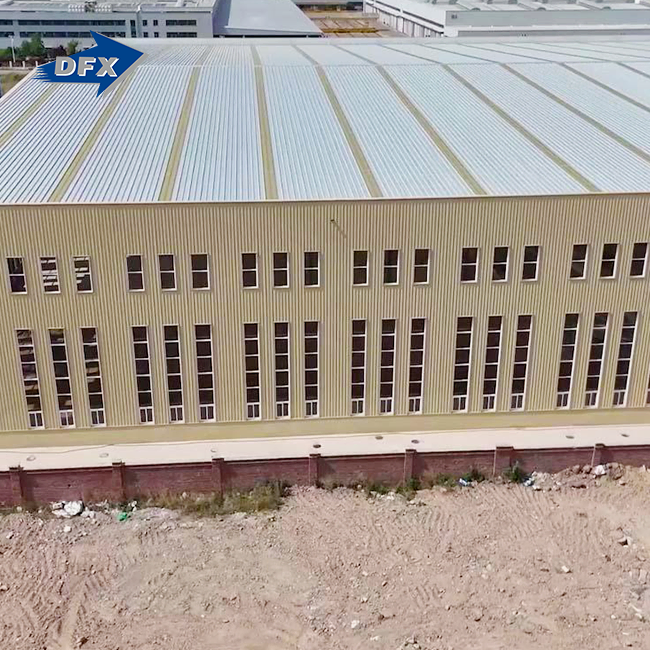
You can determine whether a manufacturer can complete your project according to specifications by looking at their facility capabilities. Automated H-beam welding lines run by skilled fabricators consistently achieve weld quality and dimensional precision that is significantly superior to manual approaches. Six automated welded H-beam manufacturing lines at DFX (Qingdao Director Steel Structure Co., Ltd.) produce around 20,000 tons of basic structural members a year, while sandwich panel production and specialized C/Z purlin lines support whole building envelope systems. Projects that depend on several subcontractors are less likely to experience coordination delays and inconsistent quality because of this vertical integration. For biotech applications, surface preparation and coating application are very important. Prior to applying high-build epoxy or polyurethane coatings with dry film thicknesses between 125 and 150 microns, steel members must undergo near-white metal blasting in accordance with SSPC-SP10 guidelines. Rust bloom caused by inadequate surface treatment results in particle pollution that is incompatible with cleanroom classifications. Make sure your manufacturer conducts DFT measurements on completed components and maintains specialized coating facilities with environmental controls.
Validating Industry Experience and Client Satisfaction
Manufacturers with portfolios of biotech research steel workshops are aware of the particular difficulties you encounter. Ask for case studies that show expertise with similar facility types, such as bio-banking facilities, analytical labs, or pilot plants for manufacturing and contract development organizations. Testimonials from clients shed light on the quality of post-installation assistance, problem-solving skills throughout construction, and communication responsiveness. Cost and cooperation effectiveness are both impacted by geographic factors. Because of their established supply chains and experienced labor pools, manufacturers located in well-established steel fabrication zones frequently provide affordable prices. Operating out of Qingdao, China, DFX uses 40,000 square meters of production area and more than 12 years of structural steel experience to provide affordable solutions without sacrificing quality. While architectural design and detailing services assist clients from idea creation to on-site construction, the company's CE marking accreditation attests to the goods' compliance with European safety requirements.
Comparing Steel Workshop Solutions: Modular vs. Custom Fabrication
Advantages of Modular Pre-Engineered Systems
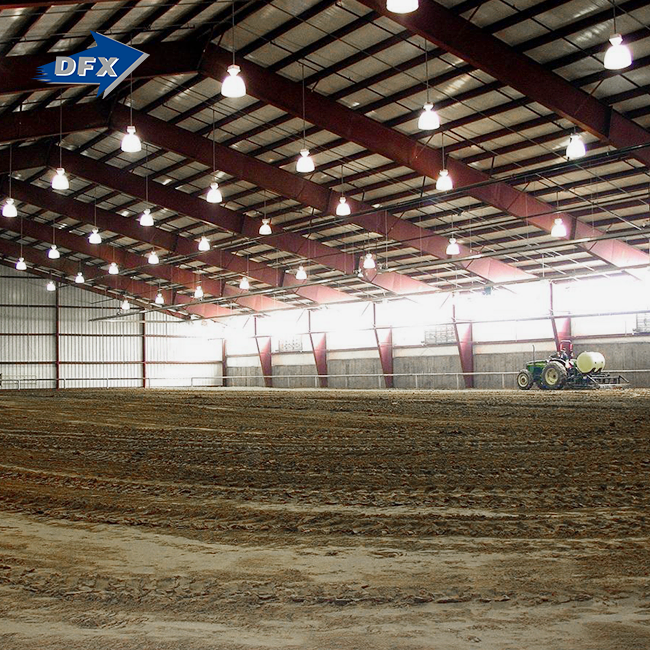
By overlapping component manufacture and design finalization, modular construction speeds up project completion. Pre-engineered biotech research steel workshops save engineering time without sacrificing structural performance by using standardized connection details and bay spacing. This strategy works well for biotech research steel workshops and research organizations that need to quickly construct facilities in order to fulfill funding deadlines or market windows. Additionally, modular systems are naturally scalable, allowing you to increase footprint or add bays with no interference with current operations. Another benefit of modularity is cost predictability. Standardized designs produce competitive pricing by utilizing economies of scale in the purchase and manufacture of materials. Because components arrive with pre-drilled connection points and defined assembly sequences, installation advances swiftly and requires fewer field labor hours. Flexible laboratory layout without load-bearing interior walls is made possible by the large-span industrial biotech research steel workshop architecture with open interior space, which increases useable floor area.
When Custom Fabrication Justifies Additional Investment
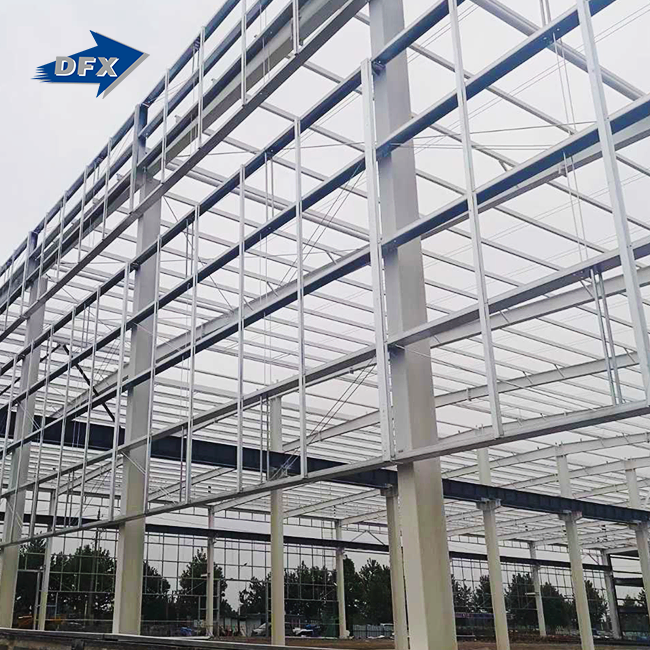
Custom-engineered solutions are required for complex research facilities with particular dimensional requirements, peculiar load conditions, or architectural limitations. Let's say your biotech research steel workshop needs to connect at odd angles with the campus infrastructure or provide a 15-meter clear span for large-scale fermentation equipment. If so, bespoke manufacturing offers the design flexibility required to address these issues. Instead of following pre-engineered catalogs, the welded H-section steel main frame with Q235 or Q355 material grades gives structural engineers the freedom to optimize member sizes for your particular loads. Custom projects demand more thorough cooperation during design development and have longer lead times (usually 40 to 53 days from engineering clearance to manufacturing completion). But the outcome is a facility that is ideally suited to your equipment clearances, operational workflow, and future growth objectives. In order to guarantee that your unique solution satisfies both functional and regulatory requirements, DFX offers a full service scope that includes structural design, fabrication, surface treatment, packaging, and installation plans with on-site coaching.
Ensuring Safety, Maintenance, and Long-Term Reliability
Structural Safety Protocols and Load Management
In addition to their own weight, biotech research steel workshops must securely support significant extra loads from inside equipment, ceiling-mounted utilities, and rooftop mechanical systems. Air handling units, exhaust stacks, and emergency power generators are supported by reinforced rafters and special focused load locations without placing undue strain on the main structural components. Bolted steel connections, which are common in contemporary construction, enable inspection and modification in the event that future equipment modifications modify the distribution of loads. When hazardous biological materials are used in laboratory activities, seismic resilience is especially important in earthquake-prone areas. Through controlled yielding at beam-column connections, ductile steel frames disperse seismic energy, safeguarding vital containment systems as well as the building envelope. Make sure your manufacturer uses connection details and seismic design coefficients that are acceptable for the seismic zone classification of your location.
Maintenance Strategies That Preserve Asset Value
Programs for routine inspections find possible problems before they affect operations. Coating integrity, connection tightness, and any indications of corrosion or material distress should all be checked during quarterly walk-throughs. Areas subjected to chemical vapor condensation or wash-down processes should get extra attention. It may be necessary to periodically check the fastener connections of the C/Z steel purlins that support the roof and wall panels, especially following extreme weather. Preventing corrosion prolongs the life of facilities and preserves the immaculate conditions required for biotech research. Use appropriate paint systems to quickly touch up damaged areas; high-build epoxy materials are usually used following surface preparation. Humidity control helps interior areas by preventing condensation on steel surfaces, and foundation connections are protected by adequate drainage around building perimeters. By maintaining both structural integrity and cleanroom compatibility for decades, these simple procedures optimize return on your capital investment.
Conclusion
Whether your biotech research steel workshop is a source of continuous problems or a competitive advantage depends on the manufacturer you choose. Give preference to vendors that exhibit technical proficiency through appropriate project experience, production infrastructure, and certifications. Depending on your unique operating needs and time constraints, strike a balance between personalized perfection and modular efficiency. Keep in mind that the optimum total cost of ownership is rarely provided by the lowest initial price; take into account warranty coverage, maintenance needs, and the manufacturer's ability to support your facility over the course of its service life. You put your company in a position to make an educated purchase selection that upholds regulatory requirements and promotes research excellence by methodically implementing these assessment criteria.
FAQ
1. What certifications should a biotech research steel workshop manufacturer possess?
Seek out material certifications attesting to ASTM A572 Gr. 50 or comparable steel grade compliance, ISO 9001 quality management certification proving systematic process control, and CE marking certifying compliance with European safety standards. Good Manufacturing Practice-related certifications for cleanroom-compatible items may also be held by manufacturers catering to pharmaceutical clients.
2. How long does custom biotech research steel workshop fabrication typically take?
Depending on the intricacy of the project, the degree of structural modification, and the present demand at the plant, production timetables might vary from 25 to 53 days. When scheduling your project, factor in the time needed for shipment (about two to eight weeks for overseas delivery) and on-site erection. Timelines are shortened when manufacturers are involved early in the design process.
3. Can modular biotech research steel workshops integrate with existing research facilities?
Yes, with appropriate interface planning, modular systems may support extension initiatives. Differential settling between new and existing structures must be taken into consideration in connection details, and temporary containment barriers may be required during construction in order to preserve biosafety procedures in nearby working laboratories. Skilled manufacturers offer installation advice that minimizes interference with ongoing research.
Partner with DFX for Your Biotech Research Steel Workshop
DFX (Qingdao Director Steel Structure Co., Ltd.) provides turnkey solutions for life sciences facilities in need of precisely engineered steel construction. With 40,000 square meters of advanced manufacturing capacity and 12 years of structural fabrication expertise, we are a trusted biotech research steel workshop supplier that can fulfill your most exacting requirements. We ensure that your facility satisfies worldwide quality and safety standards by manufacturing welded H-section steel main frames utilizing Q235 and Q355 materials with stringent ISO 9001 and CE marking compliance. Our wide range of services, which includes everything from surface treatment to structural design to on-site installation assistance, streamlines the procurement process and speeds up the completion of your project. To discuss your unique needs and obtain a comprehensive quote customized for your biotech application, get in touch with our team at jason@bigdirector.com.
References
1. Pharmaceutical Engineering Magazine. "Cleanroom Construction Best Practices for Biotechnology Facilities." International Society for Pharmaceutical Engineering, 2022.
2. American Institute of Steel Construction. "Design Guide 7: Industrial Buildings – Roofs to Anchor Rods." AISC Steel Design Guide Series, 2021.
3. World Health Organization. "Laboratory Biosafety Manual, Fourth Edition." WHO Guidelines for Biosafety Level Facilities, 2020.
4. Steel Construction Institute. "Structural Systems for Multi-Story Buildings: Design Guidelines." SCI Publication P400, 2019.
5. International Organization for Standardization. "ISO 14644-1:2015 Cleanrooms and Associated Controlled Environments – Part 1: Classification of Air Cleanliness." ISO Standards for Pharmaceutical Manufacturing, 2015.
6. National Fire Protection Association. "NFPA 101: Life Safety Code for Laboratory Facilities." NFPA Building Safety Standards, 2021.
Learn about our latest products and discounts through SMS or email