- English
- French
- German
- Portuguese
- Spanish
- Russian
- Japanese
- Korean
- Arabic
- Greek
- German
- Turkish
- Italian
- Danish
- Romanian
- Indonesian
- Czech
- Afrikaans
- Swedish
- Polish
- Basque
- Catalan
- Esperanto
- Hindi
- Lao
- Albanian
- Amharic
- Armenian
- Azerbaijani
- Belarusian
- Bengali
- Bosnian
- Bulgarian
- Cebuano
- Chichewa
- Corsican
- Croatian
- Dutch
- Estonian
- Filipino
- Finnish
- Frisian
- Galician
- Georgian
- Gujarati
- Haitian
- Hausa
- Hawaiian
- Hebrew
- Hmong
- Hungarian
- Icelandic
- Igbo
- Javanese
- Kannada
- Kazakh
- Khmer
- Kurdish
- Kyrgyz
- Latin
- Latvian
- Lithuanian
- Luxembou..
- Macedonian
- Malagasy
- Malay
- Malayalam
- Maltese
- Maori
- Marathi
- Mongolian
- Burmese
- Nepali
- Norwegian
- Pashto
- Persian
- Punjabi
- Serbian
- Sesotho
- Sinhala
- Slovak
- Slovenian
- Somali
- Samoan
- Scots Gaelic
- Shona
- Sindhi
- Sundanese
- Swahili
- Tajik
- Tamil
- Telugu
- Thai
- Ukrainian
- Urdu
- Uzbek
- Vietnamese
- Welsh
- Xhosa
- Yiddish
- Yoruba
- Zulu
Agricultural Tool Steel Shed with Modular Storage Solutions
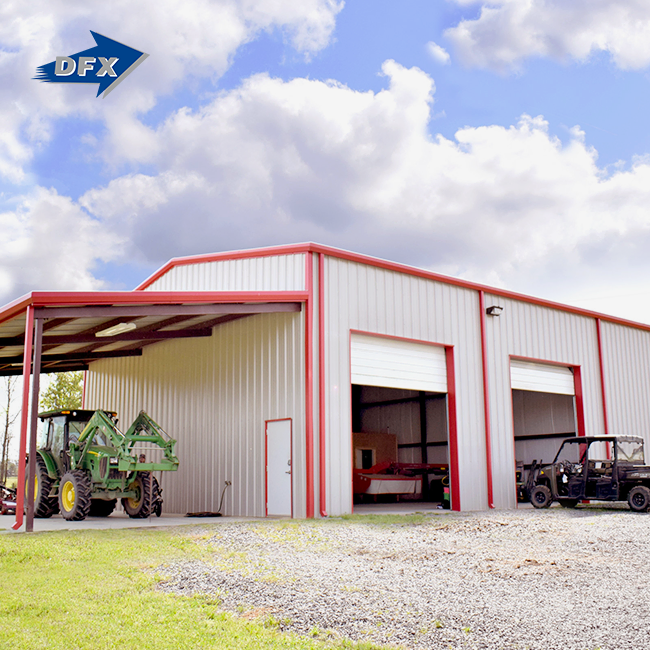
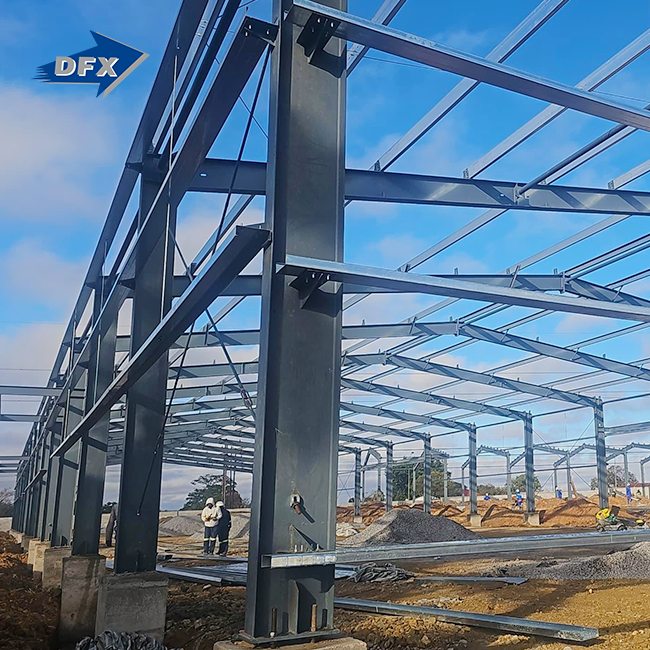
When managing agricultural operations, protecting valuable equipment from weather, theft, and corrosion becomes a top priority. An Agricultural Tool Steel Shed delivers precisely that—engineered specifically to house farming implements, tractors, and maintenance supplies with unmatched durability. Combining heavy-duty steel construction with modular storage innovations, these structures provide customizable, secure, and weather-resistant solutions that outperform traditional wood or plastic alternatives. Farms across the United States increasingly adopt these sheds to streamline tool management, reduce replacement costs, and enhance operational efficiency through intelligent storage design.

Understanding Agricultural Tool Steel Sheds and Their Benefits
What Makes Steel Construction Superior for Farm Storage
In the farming contexts, there are distinct obstacles. Traditional materials deteriorate quickly in corrosive conditions caused by contact with fertilizers, insecticides, and animal feces. Steel sheds with hot-dip galvanized coatings — with Z275 zinc layers — hold up well in these extreme chemical exposures. Steel, unlike wood, is not sensitive to termite damage and rot, and thus removes pest-related dangers totally while retaining structural integrity for decades.
These are designed as clear span constructions, which means there are no supports in the middle of the floor, allowing for easy movement of huge tractors and combines. Heavy-gauge steel columns and beams are usually manufactured from Q345B or ASTM A572 Grade 50 carbon steel with a yield strength above 345 MPa. This means the building can handle the huge snow loads typical of northern regions and the tremendous wind pressures found in broad farmlands.
Modular Storage Systems Transform Equipment Organization
Modular storage turns empty shed space into usable, structured spaces. Adjustable shelf units, wall-mounted racks, and sections that may be adapted to store everything from small hand tools to bulk supplies. This flexibility is extremely important as farms grow and storage layouts can be altered without structural improvements.
Procurement managers like modular systems because they spend less time looking for equipment and lose less to misplacement. Marking areas for seasonal tools, labeling compartments, and color-coding zones helps build processes to boost staff productivity during busy planting and harvest seasons.
Cost-Effectiveness and Long-Term Value
Analyzing lifecycle costs reveals the Agricultural Tool Steel Shed's financial advantages. Though initial investments may exceed wooden alternatives, maintenance expenses drop dramatically. Steel requires minimal upkeep—periodic inspections and occasional touch-up paint suffice. Wooden sheds demand regular treatments, pest control, and eventual board replacement, accumulating costs that surpass steel within a decade.
Insurance providers recognize steel's Class A fire rating, often reducing premium rates for farm operations utilizing fire-resistant structures. This rating proves particularly valuable when storing flammable materials like fuel containers or chemical applicators alongside tools.
Designing and Maintaining Your Agricultural Tool Steel Shed with Modular Storage
Strategic Design Principles for Maximum Functionality
Understanding workflow patterns is the key to good shed design. Tools that are used more often are kept at the entry points to save the time it takes to get them out, and seasonal equipment is stored at the back. Eave heights of 16 to 20 feet allow for tall gear and the installation of overhead cranes for maintenance activities.
Wide hydraulic doors, 12 to 16 feet, allow equipment to enter smoothly with no danger of harm to attachments. By planning the location of the doors on several walls, flexible traffic patterns are created so that at busy times when several operators need access at the same time, bottlenecks are avoided.
Good ventilation inhibits the buildup of moisture that causes corrosion. Air circulates naturally through vents at the ridge and apertures at the eaves. Inside the roof, an anti - condensation barrier prevents water from leaking when temperatures change. These design features ensure the equipment is kept dry and prolong the life of the equipment.
Maintenance Practices That Preserve Structural Integrity
Regular checks find small problems before they grow into big ones. Tightening bolts on structural connections so wind stresses will not affect frame stability. Inspections of coating integrity reveal possible galvanization touch-up spots where rust could reach the base metal.
Seasonal cleaning of modular storage components removes dust and dirt that can hold moisture. Protective finishes are not damaged by simple soap and water solutions, and they are functional. Sliding mechanisms of adjustable shelves need to be lubricated so that they can operate smoothly over the years of configuration changes.
Maintenance schedules that coincide with agricultural cycles – post-harvest and pre-planting – guarantee care throughout the slower operational periods. Documenting inspection findings produces a history that is valuable for warranty claims and future planning.
Professional Installation Versus DIY Approaches
Professional installation ensures correct foundation preparation and proper frame assembly. Experienced crews know how to calculate wind loads and anchor placement based on local soil conditions to meet building requirements. This experience reduces errors that impact structural performance.
DIY solutions are appropriate for experienced construction managers with the right equipment. Pre-engineered components have pre-drilled bolt holes and detailed instructions for assembly, making it easier. But faults in leveling the foundation or aligning the framework generate long-term difficulties that are difficult to remedy once they are in place.
Comparing Agricultural Tool Steel Sheds with Alternative Storage Options
Steel Versus Wood: Durability and Lifecycle Analysis
Wood's natural aesthetics appeal to some farm owners, yet performance gaps become apparent quickly. Moisture absorption causes dimensional changes, warping door frames, and creating gaps that admit weather. Termites and carpenter ants exploit these vulnerabilities, requiring chemical treatments with associated environmental concerns.
Steel's dimensional stability maintains tight seals around openings regardless of humidity levels. This consistency matters when protecting sensitive electronics integrated into modern farm equipment. Temperature-controlled environments remain easier to maintain when building envelopes resist air infiltration.
Lifespan comparisons favor steel decisively—properly maintained steel structures serve 50+ years, while wooden equivalents require major reconstruction after 20-25 years. This longevity advantage matters tremendously for agricultural operations planning multi-generational succession.
Environmental Considerations and Sustainability
Steel's recyclability offers environmental advantages often overlooked. At the end of life, steel components enter recycling streams, becoming feedstock for new construction materials. This circular economy reduces landfill waste compared to treated lumber disposal.
Manufacturing advances reduce steel production's carbon footprint continuously. Electric arc furnaces powered by renewable energy sources decrease emissions substantially compared to traditional blast furnace methods. Selecting manufacturers committed to sustainable practices aligns procurement decisions with corporate environmental goals.
Plastic sheds, while lightweight and corrosion-resistant, degrade under UV exposure and become brittle in freezing temperatures. Their petroleum-based composition raises disposal concerns, and limited structural strength prevents housing valuable heavy equipment safely.
Modular Compatibility Across Material Types
Steel construction inherently supports modular integration through standardized connection points. Wall studs and beam flanges accept bolted attachments without compromising structural elements. This flexibility surpasses wood's limitations—driving fasteners into studs creates weak points and load-bearing concerns.
Reconfiguring storage layouts in Agricultural Tool Steel Sheds requires simple bolt removal and repositioning. Wooden structures necessitate drilling new holes, weakening framing members progressively with each modification. This adaptability makes steel ideal for farms experiencing growth or diversification requiring frequent organizational changes.
Procurement Guide: How to Source and Purchase Agricultural Tool Steel Sheds
Evaluating Manufacturers and Certification Standards
Identifying reliable suppliers begins with certification verification. ISO 9001 quality management systems demonstrate consistent manufacturing processes, while CE certification confirms European standard compliance—important for exporters serving international markets. Additional certifications like COC (Certificate of Conformity) and PVOC (Pre-Export Verification of Conformity) indicate manufacturers' capability to meet diverse regulatory requirements.
Established manufacturers with decade-plus track records provide confidence through proven performance. Qingdao Director Steel Structure Co., Ltd., founded in 2011, exemplifies this reliability—over 12 years serving commercial construction, agricultural, and industrial clients across multiple continents. Their 40,000 square meter production facility and 200-person workforce signal capacity for large-scale projects and responsive customer service.
Request references from previous agricultural clients and review completed project portfolios. Manufacturers offering comprehensive services—engineering design, fabrication, and erection guidance—streamline project coordination compared to coordinating multiple specialized contractors.
Understanding Cost Factors and Pricing Structures
Material specifications significantly impact pricing. Panel thickness differences between 26-gauge and 29-gauge steel affect both cost and performance—thicker 26-gauge (0.5mm) resists denting from hail and debris better than standard 29-gauge options. Procurement managers must balance budget constraints against long-term durability requirements.
Customization complexity influences quotations. Standard rectangular designs with single-door configurations cost less than multi-bay structures with overhead cranes and specialized ventilation. Detailed specification communication during quotation stages prevents budget surprises during order confirmation.
Shipping logistics constitute substantial cost components, particularly for international procurement. Understanding Incoterms—FOB, CIF, or DDP—clarifies responsibility for freight, insurance, and customs clearance. Consolidating orders to achieve bulk discounts offsets individual structure costs for operations planning multiple building projects.
Navigating the Ordering and Delivery Process
Project-based manufacturing timelines typically span 4-8 weeks from deposit confirmation to shipment readiness. This schedule encompasses engineering finalization, material procurement, fabrication, quality inspection, and protective packaging. Rush orders may incur premium charges but accommodate urgent replacement needs following storm damage or facility expansion deadlines.
Clear communication channels expedite problem resolution. Direct contact with engineering teams—such as jason@bigdirector.com for technical consultations—ensures specification accuracy and prevents costly fabrication errors. Responsive manufacturers provide regular production updates, allowing procurement managers to coordinate site preparation and crew scheduling.
Post-delivery support distinguishes exceptional manufacturers. Installation guidance documents, erection videos, and technical hotline access help contractors navigate assembly challenges. Warranty terms covering material defects and coating performance provide financial protection against premature failures.
Future Trends and Environmental Impact of Agricultural Tool Steel Sheds
Smart Technology Integration for Enhanced Management
Emerging inventory management systems integrate with modular storage through RFID tags and sensor networks. These technologies track tool locations automatically, generating usage reports that identify underutilized equipment and prevent duplicate purchases. Mobile applications provide real-time inventory visibility, helping crews locate specific implements without physical searches.
Climate control automation optimizes storage conditions for sensitive equipment. Humidity sensors trigger ventilation fans when moisture levels threaten rust formation, while temperature monitoring protects battery-powered tools from freeze damage. These systems operate autonomously, reducing management burden while enhancing protection.
Sustainable Manufacturing and Material Innovations
Low-carbon steel production technologies gain traction industry-wide. Hydrogen-based reduction processes eliminate coal dependency, dramatically reducing manufacturing emissions. Forward-thinking procurement strategies prioritize suppliers adopting these innovations, aligning agricultural operations with climate responsibility commitments.
Recycled content steel maintains performance characteristics while reducing virgin resource consumption. Manufacturers increasingly source secondary steel, supporting circular economy principles without compromising structural integrity. This approach appeals to operations pursuing sustainability certifications or environmental stewardship recognition.
Scalability for Growing Agricultural Operations
Modular construction methodologies allow incremental expansion, matching operational growth. Adding bay sections extends storage capacity without demolishing existing structures—bolt-on end walls and framework additions integrate seamlessly. This scalability protects initial investments while accommodating fleet expansion or diversification into new crop types requiring specialized equipment.
Portable foundation systems enable structure relocation as land use patterns shift. This flexibility matters for operations, leasing land or rotating facility locations to optimize logistics. Steel's disassembly and reassembly capability surpasses permanent concrete foundations' rigidity.
Conclusion
Agricultural Tool Steel Sheds represent intelligent investments for modern farming operations prioritizing equipment protection, organizational efficiency, and long-term value. Their corrosion-resistant construction, modular storage flexibility, and minimal maintenance requirements address core challenges agricultural managers face daily. Compared to traditional materials, steel delivers superior durability, fire resistance, and lifecycle cost advantages that strengthen operational budgets. Selecting certified manufacturers with comprehensive service offerings ensures project success from initial design through decades of reliable performance. As smart technologies and sustainable manufacturing practices advance, these structures continue evolving to meet agriculture's future demands.
FAQ
1. How long do steel sheds last in agricultural environments?
Properly maintained steel structures with hot-dip galvanized coatings serve 40-50 years in typical agricultural settings. Harsh chemical exposures may reduce this to 30-35 years without protective upgrades like epoxy zinc-rich primers. Regular inspections and minor touch-ups extend service life considerably beyond wooden alternatives' 20-25 year expectancy.
2. Can modular storage be customized for different tool sizes?
Absolutely. Adjustable shelving accommodates everything from small hand tools to bulky equipment attachments. Wall-mounted systems support heavy items like chainsaws and power tools, while floor-standing units organize bulk supplies. Reconfiguration requires only basic hand tools, allowing seasonal adjustments to match changing equipment inventories without permanent modifications.
3. What makes steel better than wood for tool storage?
Steel eliminates pest infestation risks, resists moisture damage, and requires virtually no maintenance beyond periodic inspections. Wood demands continuous treatments, suffers dimensional changes with humidity fluctuations, and provides habitat for destructive insects. Steel's fire resistance reduces insurance costs while its strength supports overhead storage and lifting equipment that wood cannot safely accommodate.
Partner with DFX for Premium Agricultural Storage Solutions
Agricultural operations deserve storage infrastructure that protects investments and streamlines workflows. DFX specializes as a trusted Agricultural Tool Steel Shed supplier, delivering engineered solutions backed by ISO 9001, CE, and international certifications. Our manufacturing expertise spans design consultation, precision fabrication, and comprehensive installation support—ensuring your project succeeds from concept through completion.
Contact jason@bigdirector.com to discuss your specific requirements. Our engineering team provides customized proposals addressing your site conditions, storage needs, and budget parameters. Volume procurement receives competitive pricing, while our project-based delivery model accommodates your construction timeline. Discover why procurement managers across agricultural, livestock, and commercial sectors choose DFX for reliable, high-performance steel structures. Request your detailed quotation today and experience the DFX difference in quality, service, and long-term value.
References
1. American Institute of Steel Construction (AISC). Steel Construction Manual: Design Standards for Agricultural Buildings, 15th Edition, 2022.
2. National Agricultural Statistics Service. Farm Equipment Storage and Maintenance Practices: A Comprehensive Survey, U.S. Department of Agriculture, 2021.
3. Green Building Council. Lifecycle Assessment of Agricultural Building Materials: Steel, Wood, and Composite Structures, Environmental Impact Report, 2023.
4. International Organization for Standardization. ISO 9001:2015 Quality Management Systems for Steel Fabrication, Technical Guidelines, 2020.
5. Agricultural Engineering Society. Corrosion Resistance in Farm Storage Structures: Material Performance Analysis, Journal of Agricultural Infrastructure, Volume 34, 2022.
6. Modern Farming Technology Institute. Smart Storage Solutions for Contemporary Agriculture: Integration of IoT and Modular Systems, Industry White Paper, 2023.
Learn about our latest products and discounts through SMS or email