- English
- French
- German
- Portuguese
- Spanish
- Russian
- Japanese
- Korean
- Arabic
- Greek
- German
- Turkish
- Italian
- Danish
- Romanian
- Indonesian
- Czech
- Afrikaans
- Swedish
- Polish
- Basque
- Catalan
- Esperanto
- Hindi
- Lao
- Albanian
- Amharic
- Armenian
- Azerbaijani
- Belarusian
- Bengali
- Bosnian
- Bulgarian
- Cebuano
- Chichewa
- Corsican
- Croatian
- Dutch
- Estonian
- Filipino
- Finnish
- Frisian
- Galician
- Georgian
- Gujarati
- Haitian
- Hausa
- Hawaiian
- Hebrew
- Hmong
- Hungarian
- Icelandic
- Igbo
- Javanese
- Kannada
- Kazakh
- Khmer
- Kurdish
- Kyrgyz
- Latin
- Latvian
- Lithuanian
- Luxembou..
- Macedonian
- Malagasy
- Malay
- Malayalam
- Maltese
- Maori
- Marathi
- Mongolian
- Burmese
- Nepali
- Norwegian
- Pashto
- Persian
- Punjabi
- Serbian
- Sesotho
- Sinhala
- Slovak
- Slovenian
- Somali
- Samoan
- Scots Gaelic
- Shona
- Sindhi
- Sundanese
- Swahili
- Tajik
- Tamil
- Telugu
- Thai
- Ukrainian
- Urdu
- Uzbek
- Vietnamese
- Welsh
- Xhosa
- Yiddish
- Yoruba
- Zulu
Portable Steel Garage Unit: The Smart Storage Option
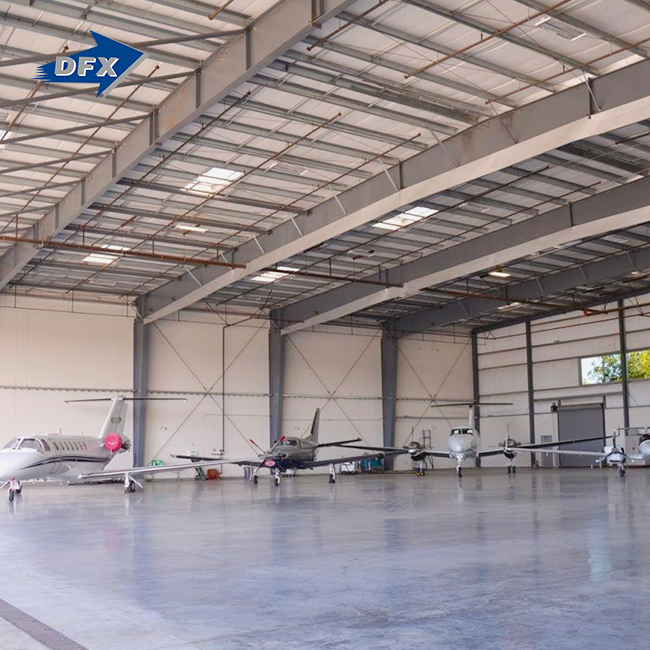
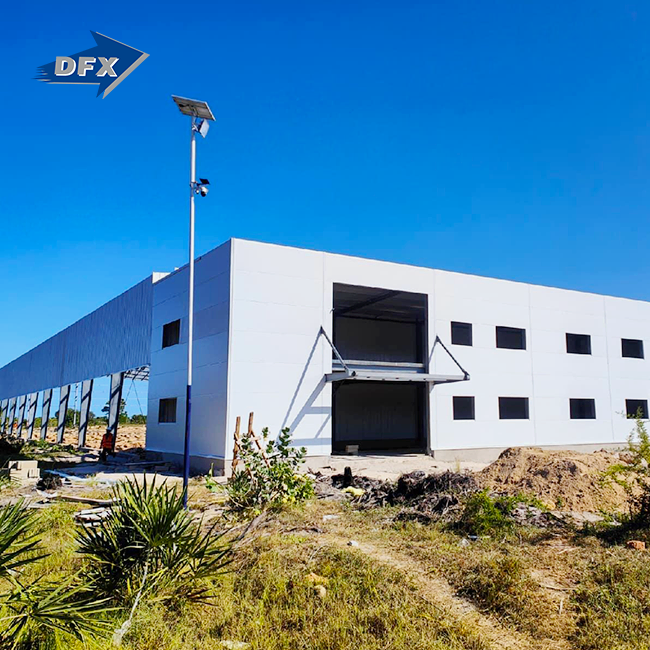
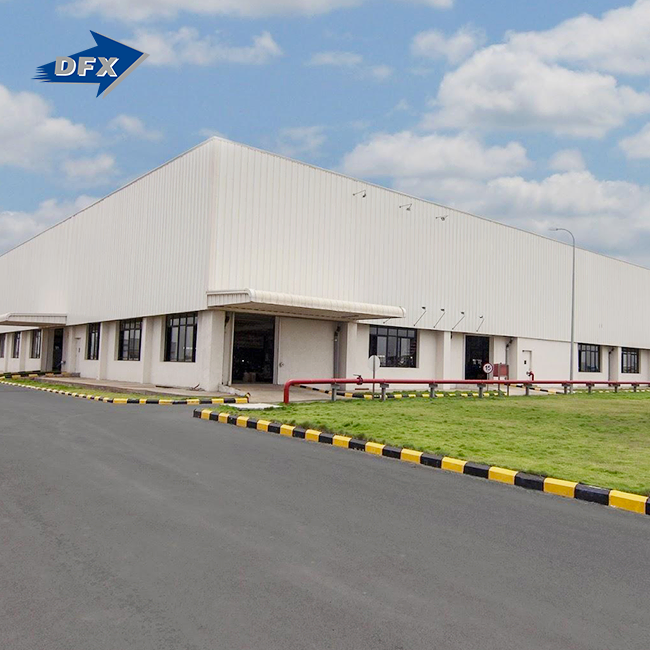
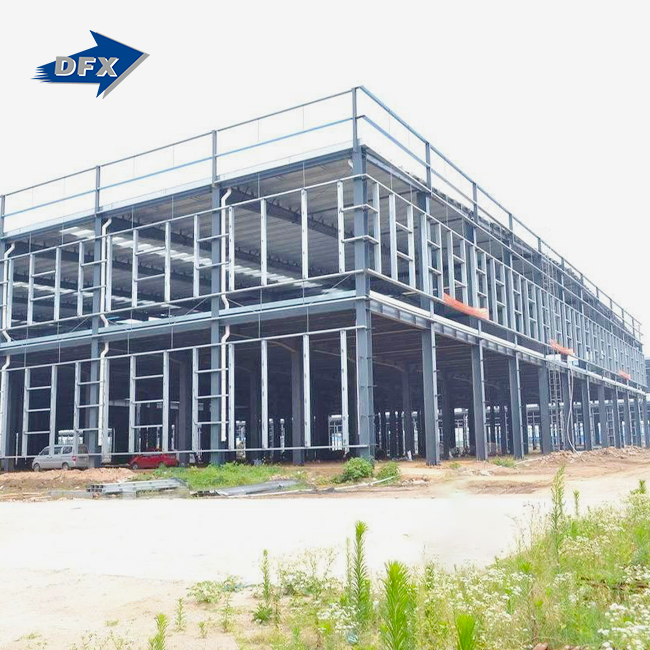
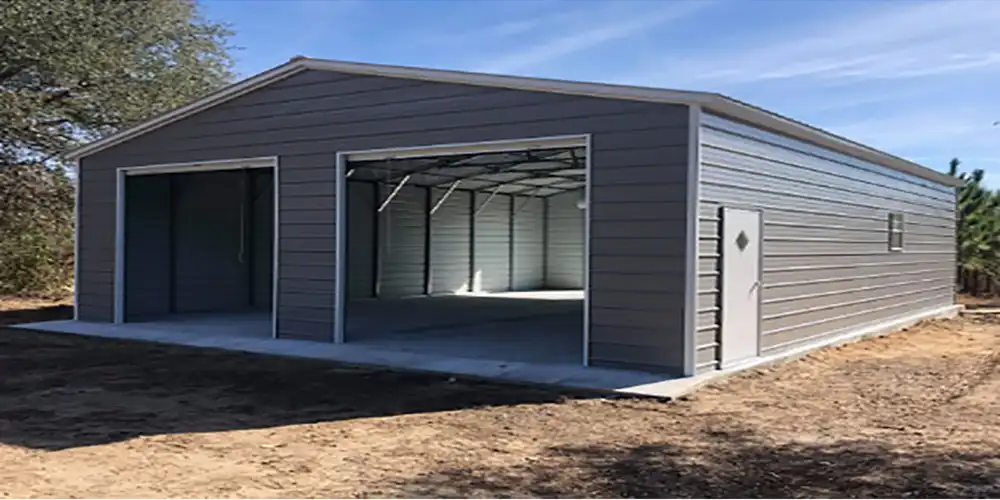
When your company needs dependable, affordable storage that can be modified to meet changing operating needs, a Portable Steel Garage Unit offers unrivaled flexibility and sturdiness. These pre-engineered buildings use industrial-grade steel frames and modular design principles to provide a range of benefits, from protecting vehicles to storing equipment, without the long build times or need for fixed foundations that come with traditional buildings. These small enclosed buildings are made with light H-section or square tube steel frames and galvanized purlins. They are used by construction companies, factories, and farms that need scalable infrastructure solutions that protect valuable assets while staying within budget.

Understanding Portable Steel Garage Units: A Comprehensive Overview
What Defines a Modern Steel Storage Structure
A Portable Steel Garage Unit is a pre-engineered, portable shelter system made of galvanized structural steel tubes arranged in truss shapes that spread the weight out evenly. These professional-grade units meet specific snow and wind load rates, which makes them a good compromise between temporary tents and permanent steel buildings. A small steel-framed building with an enclosed structure was made in China using industrial-grade Q235 or Q345 carbon steel that is hot-dip galvanized with a zinc covering that is at least 80 microns thick to keep the steel from rusting in damp places.
Core Engineering Advantages for Business Applications
The structure is strong because it is made of two trusses that span more than 20 feet. It can be covered with 29-gauge perforated steel sheets that have been treated to be fireproof and resistant to UV light, according to CPAI-84 standards. Professional units can handle wind gusts of up to 100 mph and snow loads of up to 50 PSF, as long as the pipe width is between 1.9 and 2.75 inches and the space between the trusses is between 3 and 5 feet. Anchoring systems can use auger anchors in dirt, expansion bolts for concrete pads, or weight plates for asphalt. This makes sure that structures stay rigid on a variety of surfaces without the need for solid foundations.
Why B2B Clients Choose Modular Steel Solutions
These units solve some of the biggest problems in the industry, like the need for quick deployment on remote construction sites, getting around strict zoning laws about permanent foundations, keeping assets from breaking down from UV and rain exposure, and being able to move inventory storage as operational logistics change. Businesses can be sure they are following quality standards when they have ISO 9001, CE, COC, or PVOC certificates to back them up. Because the production cycle is short, project managers can quickly set up storage infrastructure to meet immediate operating needs without having to wait months for the building to finish.
Comparing Portable Steel Garage Units with Alternative Storage Solutions
Steel Versus Wood: Longevity and Fire Resistance
In harsh weather, wooden garage buildings usually fall apart within 8 to 12 years and need to be treated all the time to stop rot, bug damage, and water damage. Steel units last decades longer than wood ones, and steel frames will stay strong for 20 to 30 years if they are properly kept. Fire resistance is another important benefit. Steel buildings naturally don't let flames start or spread, while wood sheds are much more likely to catch fire, which can raise insurance costs and put businesses at risk of lawsuits when they store valuable equipment or flammable materials.
Mobility and Installation Speed Advantages
For traditional permanent garages to be built, the site has to be carefully prepared, the concrete base has to cure, and skilled brickwork has to be done over a period of weeks. Portable Steel Garage Units can be put up in just a few days with simple tools and a smaller crew, which cuts down on labor costs by a huge amount. Because the units are portable, businesses can move them when their working needs change, which isn't possible with fixed structures. Moving storage facilities from job sites to job site without giving up capital investments is especially helpful for construction companies working on projects that last more than one year.
Structural Strength Compared to Basic Metal Carports
Metal carports protect your car from the weather, but they aren't as secure or strong as full garages because they aren't enclosed. Most carports are made of thinner materials and have open sides that let wind-driven rain, dust, and crime into the structure. Enclosed steel garage units keep out all weather with lockable entry doors, better insulation choices for storing things that need to be kept at a certain temperature, and a stronger frame that can handle heavy loads. Carports aren't good enough for businesses that need to store tools safely, keep their inventory safe in a climate-controlled area, or have a repair workshop.
Selecting the Right Portable Steel Garage Unit for Your Business Needs
Sizing Specifications for Different Applications
Standard unit sizes range from 12x20 feet for storing small pieces of equipment to 30x50 feet for storing a lot of vehicles or a manufacturing yard. Agricultural businesses that need to store tractors and hay usually need at least 20x30 feet, while building companies that need to store cranes and material stocks usually need 24x40 feet or more. Customization options include roof heights that can be changed from 8 to 14 feet to fit big machines or stacks of goods. Managers in charge of buying things should figure out how much room is needed by adding 20% to the dimensions of the equipment to allow for moving and future growth.
Material Quality and Climate Adaptability
For durability, high-quality steel types are very important. When compared to Q235 steel, Q345 steel has a higher yield strength. This is especially important in places where there is a lot of snow or a lot of wind. In coastal areas with salty air or industrial sites with chemical pollutants, galvanized purlins with an 80+ micron zinc covering are necessary to protect against rust. Different types of insulation, from single-layer covering to sandwich panels with foam cores, help keep the temperature stable, which is very important for factories that need to protect their workers from frost or farms that house animals in harsh climates.
Cost Analysis and Return on Investment
Prices change based on size, material, and customization options for Portable Steel Garage Units. For example, a basic 12x20 unit costs $4,000, while a big installation with lots of customization costs $25,000. When buying teams, look at value; they should consider the total cost of ownership. For example, steel units don't need as much upkeep as wood structures do, which need to be resealed and fixed on a regular basis. Costs for temperature control go down when insulation is done right and energy efficiency is improved. The mobility factor keeps the value of an asset by allowing transfer, while fixed buildings lose value when their working areas change. Most businesses see a return on investment (ROI) in three to five years, thanks to lower maintenance costs and more operating freedom.
Procurement and Installation Process for Portable Steel Garage Units
Identifying Reliable Manufacturing Partners
The 2011-founded Qingdao Director Steel Structure Co., Ltd. has a protected production space of 40,000 square meters and more than 200 trained workers. ISO quality control systems make sure that the company meets CE certification requirements. Every year, our six automatically welded H-beam production lines and other specialized tools make about 20,000 tons of welded parts. When looking at different suppliers, make sure the galvanization is solid by getting reports from a salt spray test that shows 500 hours or more of no red rust formation. Also, use caliper gauges to check the thickness of the steel tube walls to make sure they match the advertised load ratings, and ask for proof of the yield strength for specific steel grades used in construction.
Installation Timeline and Professional Support
Standard setups are finished in three to five business days by skilled teams who know how to set up trusses and anchoring systems. As part of our normal service, we provide detailed installation plans that include instructions for preparing the base, putting together the parts in the right order, and anchoring methods that are specific to the site's soil conditions. Purchasing managers should plan setups for times when the weather is ideal. For example, they should avoid times when the ground is cold, which makes anchoring harder, and times when there is a lot of wind, which can be dangerous while putting up the frame. Professional construction makes sure that the covering materials are properly tensioned and that the structure is sound before the job is handed over.
Warranty Coverage and After-Sales Service
Comprehensive guarantee plans usually cover the stability of the skeletal frame for 10 to 15 years and the materials used for the cladding for 5 to 10 years, but this depends on the specifics. Check that the guarantee covers failures due to galvanization, weld flaws, and structural deformation under the maximum load. Our company offers complete support at all stages of a project, from the initial idea and planning to the production and installation on-site. For more complicated customization needs, we also offer architectural design and detailing services. This "turnkey" method makes planning easier and makes sure that responsibility lies with a single source instead of a bunch of different contractor networks.
Maintaining and Maximizing the Lifespan of Portable Steel Garage Units
Routine Inspection and Cleaning Protocols
Corrosive contaminants are removed by regular cleaning before they damage the galvanization layers of Portable Steel Garage Units. Every three months, all connection bolts should be checked for loosening caused by changes in temperature, stress cracks should be found at the points where the siding is attached, and door seals should be checked to make sure they stay weathertight. Get rid of any accumulated garbage on the roof's surfaces right away. Decomposing organic matter traps water against steel surfaces, which speeds up rusting in that area. Agricultural users should pressure-wash the inside of cattle buildings once a year to get rid of ammonia-rich residues that damage protective coats.
Rust Prevention and Weatherproofing Strategies
Even though galvanization protects steel, mechanical damage from machine hits can leave bare steel open to rust. Fix any holes in the covering right away with a zinc-rich binder and then weather-resistant topcoats. Use silicone-based seals around zipper joints and places where fasteners go through the fabric to stop water from getting in. In seaside areas where salt spray is common, you might want to think about using extra protective coatings on top of normal galvanization. Metal-clad versions with dampness problems can be fixed with passive gravity vents or active sun exhaust fans. These keep moisture from building up and causing rust to form on inside surfaces and stored items.
Structural Integrity Maintenance
Fabric-covered units need to be tensioned on a regular basis using built-in ratchet systems to keep the covering drum-tight. Covers that are too loose don't shed snow well and get whipped around by the wind, which damages both the fabric and steel truss welds. Look for stress cracks in truss welds, especially at link places that will be carrying the most weight. Heavy-duty PVC covers last 10 to 15 years, based on how much UV light they get. PE covers the last 5 to 7 years. As part of regular maintenance, you should plan to buy new covers and keep an inventory of screws and closing parts so that you can fix small problems right away before they get worse and need professional help.
Conclusion
For businesses that need flexible, long-lasting storage options but don't want to commit to a fixed building project, Portable Steel Garage Units are a smart infrastructure investment. Industrial-grade materials, the ability to be deployed quickly, and a service life that lasts for decades make this product very valuable in the building, manufacturing, and farming industries. Procurement managers can set up storage infrastructure that adapts to changing operational needs and protects valuable assets from environmental exposure and security risks by understanding technical specifications, comparing options objectively, and working with experienced manufacturers who offer full support.
FAQ
1. Do These Units Require Concrete Foundations?
That's not a disadvantage; it's a benefit. While concrete slabs are the most stable, these units can be anchored straight to compacted gravel, dirt, or asphalt using ground augers or drive-rod anchors that are made for the site, as long as the pull-out capacity meets the engineering standards for wind loads in the area. This gives you the freedom to avoid paying for foundations and speeds up the installation process in remote areas where delivering concrete would be difficult.
2. How Do Units Handle Extreme Weather Conditions?
Professional units built to meet ASCE 7 standards can handle snow and wind loads in the area if they are properly grounded and maintained. Galvanized steel frames don't rust in damp places, and insulation choices let them work in temperatures ranging from -40°F to 120°F. When you have good site drainage, water doesn't pool around foundations, which could damage grounding systems during freeze-thaw cycles.
3. What Is the Expected Replacement Timeline?
Galvanized steel frames that keep their zinc covering usually last between 20 and 30 years. Cladding materials need to be replaced more often. Heavy-duty PVC covers last 10 to 15 years, while PE fabrics last 5 to 7 years. Covers that need to be replaced are much cheaper than whole units, so replacing the cladding every so often is a better financial option than replacing the whole structure.
Partner with DFX for Your Steel Garage Solutions
Director Steel Structure Co., Ltd. has been making certified steel buildings that meet world quality standards for more than 12 years. With full assembly plans and technical support from our 200+ trained pros, our Portable Steel Garage Units feature precisely designed light H-section frames with galvanized purlins. We offer custom solutions backed by ISO 9001, CE, COC, and PVOC certifications for any project that needs parking for building fleets, storage for industrial equipment, or repair sheds for farm equipment. Get in touch with jason@bigdirector.com right away to talk about your needs with our engineering team and get detailed specifications that are tailored to your operational needs. Our short production cycles and wide range of manufacturing capabilities make us your reliable supplier for scalable infrastructure solutions.
References
1. American Institute of Steel Construction. (2022). Steel Construction Manual: Design Standards for Prefabricated Steel Structures. Chicago: AISC Publications.
2. Chen, W., & Lui, E. (2019). Handbook of Structural Engineering: Steel Frame Construction and Load Rating Protocols. Boca Raton: CRC Press.
3. International Organization for Standardization. (2021). ISO 9001 Quality Management Systems: Requirements for Steel Fabrication Industries. Geneva: ISO Central Secretariat.
4. National Frame Builders Association. (2020). Post-Frame Building Design Manual: Guidelines for Agricultural and Commercial Structures. Lawrence: NFBA Technical Division.
5. Society of Automotive Engineers. (2018). Corrosion Prevention Standards: Hot-Dip Galvanization Testing and Performance Criteria. Warrendale: SAE International.
6. Zhang, L., & Wang, H. (2023). Modern Steel Structures: Engineering Principles for Portable and Modular Construction Systems. Singapore: Springer Nature.
Learn about our latest products and discounts through SMS or email