- English
- French
- German
- Portuguese
- Spanish
- Russian
- Japanese
- Korean
- Arabic
- Greek
- German
- Turkish
- Italian
- Danish
- Romanian
- Indonesian
- Czech
- Afrikaans
- Swedish
- Polish
- Basque
- Catalan
- Esperanto
- Hindi
- Lao
- Albanian
- Amharic
- Armenian
- Azerbaijani
- Belarusian
- Bengali
- Bosnian
- Bulgarian
- Cebuano
- Chichewa
- Corsican
- Croatian
- Dutch
- Estonian
- Filipino
- Finnish
- Frisian
- Galician
- Georgian
- Gujarati
- Haitian
- Hausa
- Hawaiian
- Hebrew
- Hmong
- Hungarian
- Icelandic
- Igbo
- Javanese
- Kannada
- Kazakh
- Khmer
- Kurdish
- Kyrgyz
- Latin
- Latvian
- Lithuanian
- Luxembou..
- Macedonian
- Malagasy
- Malay
- Malayalam
- Maltese
- Maori
- Marathi
- Mongolian
- Burmese
- Nepali
- Norwegian
- Pashto
- Persian
- Punjabi
- Serbian
- Sesotho
- Sinhala
- Slovak
- Slovenian
- Somali
- Samoan
- Scots Gaelic
- Shona
- Sindhi
- Sundanese
- Swahili
- Tajik
- Tamil
- Telugu
- Thai
- Ukrainian
- Urdu
- Uzbek
- Vietnamese
- Welsh
- Xhosa
- Yiddish
- Yoruba
- Zulu
Is a Multi-story steel hotel Right for Your Building?
If you value quick construction, strong structure, and low long-term costs, a Multi-story Steel Hotel may be the best option for your building project. This type of building uses structural steel supports, beams, and bracing systems as its main load-bearing framework. It can be finished 30–50% faster than concrete options. The lightweight steel framework cuts down on base costs by a large amount and makes the most of useful floor space by allowing for efficient spans. Multi-story Steel Hotels are better in places where speed and flexibility are important, like seismic zones, coastal areas, and high-density urban areas. This is true whether you're a construction contractor in charge of commercial projects or a developer looking for long-lasting hospitality solutions.

Understanding Multi-Story Steel Hotels: Definitions and Core Benefits
Multi-story Steel Hotels are a tried-and-true way to make modern lodging facilities. Engineered steel parts, usually ASTM A572 Grade 50 or EN 10025 S355 high-strength steel, are used to make strong frameworks that can hold multiple floors while still allowing for architectural flexibility.
What Defines a Steel Hotel Structure?
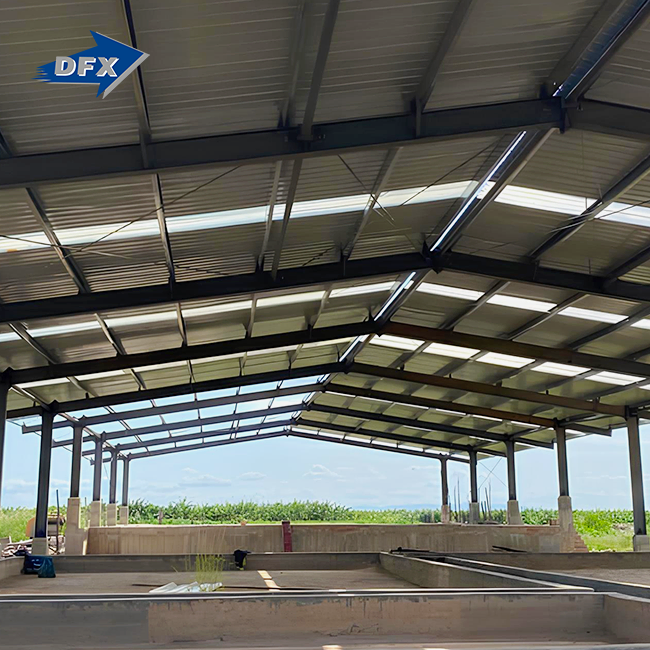
A Multi-story Steel Hotel is made up of several important parts that all work together. Steel portal frames or beam-column configurations make up the main structure. There are also strengthened roof systems and floors made of composite metal decks with concrete toppings. The outside is usually made of light-gauge steel or curtain wall systems, and the inside is usually divided up with steel studs that don't hold weight. With this modular method, high prefabrication ratios are possible, which means that most of the parts come ready to be put together. This cuts down on on-site labour and delays caused by bad weather.
Speed and Economic Advantages
One clear benefit of construction speed is that it stands out. Off-site steel fabrication happens at the same time as site preparation, which greatly shortens the time it takes to finish a project. A traditional hotel made of concrete might take 18 to 24 months to finish, but a Multi-story Steel Hotel can be open for business in 12 to 16 months. This speeding up directly means that developers will start making money sooner and have lower financing costs. Because steel is relatively light—about 30 to 60 percent lighter than concrete—smaller, less expensive supports can be used. This is especially helpful on sites with weak soil or where deep piles would normally be needed.
Structural and Spatial Efficiency
Because steel is stronger than most other materials, architects can put longer spans between columns. This lets them make open lobbies, ballrooms, and other public areas without any support elements getting in the way. Smaller column sizes increase the net leasable floor space on all floors of the guest rooms. In real life, this means that hotels can add more rooms to each floor or make expensive suites with large rooms that make the guest experience better and increase income per room.
Comparing Multi-Story Steel Hotels with Traditional Building Materials
To choose between Multi-story Steel Hotels, concrete, or wood frames, you need to know how their performance differs in a number of different areas. Each material has its own unique properties that affect project costs, timelines, and ongoing costs.
Lifecycle Cost Analysis
At first glance, the cost of raw Multi-story Steel Hotel materials may seem higher than the cost of concrete, but a full lifetime study shows that the real costs are different. Because of how well prefabrication works, Multi-story Steel Hotel construction cuts down on on-site work hours by 20 to 30 percent. Costs for general conditions like site control, temporary utilities, security, and insurance go down as the building schedule gets shorter. Over a 30-year working time, a Multi-story Steel Hotel is cheaper to maintain than concrete or wood because it doesn't crack, absorb water, or get damaged by pests like concrete or wood can.
Environmental Sustainability Metrics
Multi-story Steel Hotels are in line with their corporate sustainability commitments in a number of ways. Modern structural steel is made up of 90–95% recycled material, and Multi-story Steel Hotels that are no longer needed can be recycled almost completely. According to the American Institute of Steel Construction, recycling steel saves enough energy each year to power 18 million homes. About 8% of the world's carbon dioxide emissions come from making concrete. On the other hand, steel fabrication processes have become 30% more energy efficient in the last 20 years. Even though wood can be grown again, there are problems with the supply chain and its performance in bigger business settings.
Safety and Code Compliance
Concerns about fire resistance often come up with Multi-story Steel Hotel construction. Modern passive fire protection systems, like gypsum board encasing or intumescent coatings that spread when heated, meet the International Building Code standards for fire resistance rates of two to three hours. Steel's flexibility makes it very good at withstanding earthquakes. During earthquakes, buildings can bend and stretch without falling apart completely. Concrete naturally doesn't catch fire, but it can explode when it gets too hot, and wood needs a lot of work to make it safe, and most places don't let you build tall things out of it.
The Multi-Story Steel Hotel Construction Process Explained
Multi-story Steel Hotel projects that go well use a methodical approach that makes the design, construction, and installation phases go together smoothly.
Design and Engineering Collaboration
The process starts with the design and structural engineering teams working together to figure out the shape of the building, how much weight it needs to hold, and how it should look. Building Information Modelling (BIM) software makes detailed 3D models that show any possible problems before the building process starts. This digital planning includes the mechanical, electrical, and plumbing systems. It makes sure that the structural steel parts can fit the holes and service lines that are needed. Local building codes, wind load requirements, seismic design categories, and snow loads unique to the project site must all be taken into account by the design teams.
Procurement and Fabrication Quality Control
The success of a project depends on how well you choose a Multi-story Steel Hotel fabricator. Manufacturers with a good reputation use ISO 9001 quality management systems and have the right certifications, such as CE marking for European markets and AISC certification for projects in North America. Automated welded H-beam production lines make parts with millimeter-level accuracy at places like Director Steel's 40,000-square-meter production plant in Qingdao. As part of quality control, welds are tested non-destructively using ultrasonic and magnetic particle inspection techniques. Dimensional tolerances are also checked, and material certification tracking is done to make sure that the right steel grades are used.
On-Site Assembly and Erection
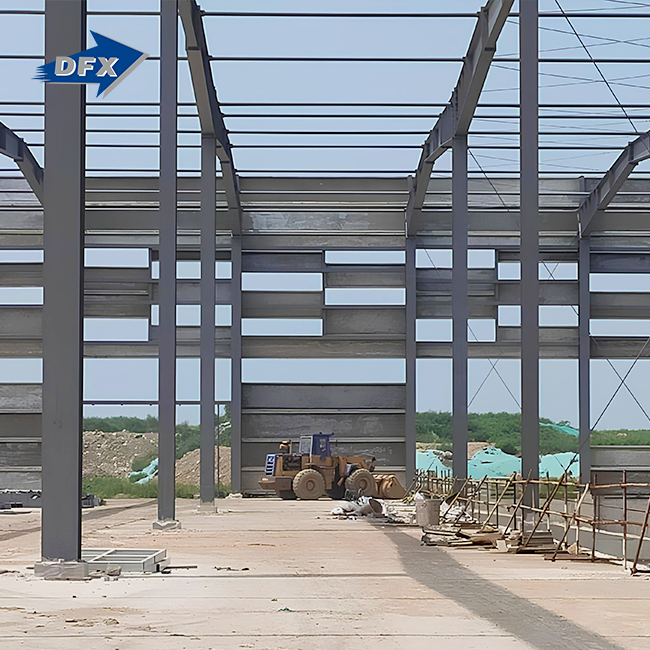
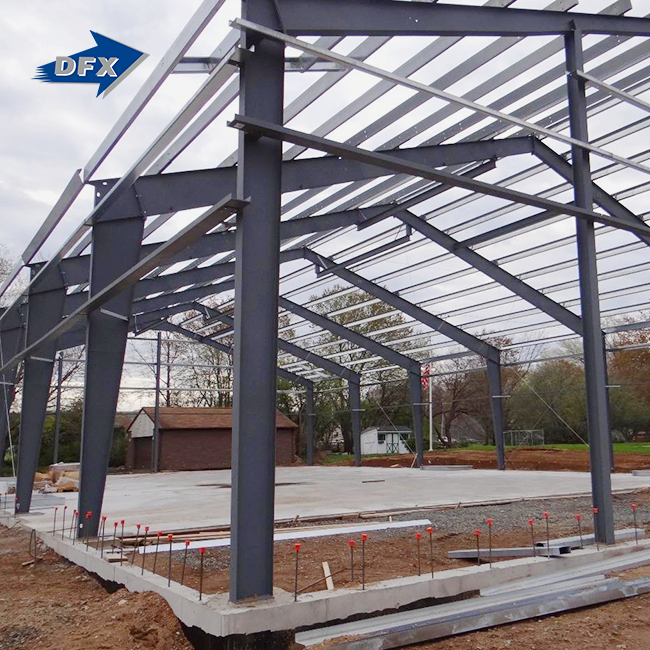
Multi-story Steel Hotel parts are brought to building sites in a certain order based on assembly plans. Mobile cranes move columns and beams into place, and high-strength friction grip bolts or approved welding methods are used to join them. An experienced construction crew can finish installing structural steel for a normal 100-room hotel in 6–8 weeks, while the same amount of time is needed for pouring, curing, and setting up concrete forms. At the same time that the steel is being put up, secondary trades can start putting roofing systems, exterior cladding, and interior rough-ins, which makes the total timeline even tighter.
Evaluating if a Multi-Story Steel Hotel Fits Your Project Requirements
Multi-story Steel Hotel construction isn't always the best choice for every job. Careful consideration of specific project parameters helps figure out the best materials to use.
Budget Considerations and Cost Variables
The first budgets for building projects need to include the costs of materials, labour, renting tools, and paying for the project. Multi-story Steel Hotel construction usually has lower costs in places where labour costs are high, because less time spent on-site makes up for higher material costs. When projects have to be finished quickly, they don't have to pay expensive late fees or lose seasonal income. When the soil is hard, foundation savings become big because lighter superstructures mean less piling is needed. Procurement managers should ask for specific cost reports that compare steel options to concrete baselines. These should include value engineering options that find the best member sizes without sacrificing performance.
Site-Specific Conditions
There are some things about the spot that make Multi-story Steel Hotel construction clearly better. Multi-story Steel Hotel's smaller building size and lower need for material staging make it a good choice for urban infill areas with limited laydown room. Coastal and island resort projects are built in harsh marine environments. A multi-story steel hotel that has been properly treated—either hot-dip galvanised or protected with high-performance coating systems that meet ISO 12944 C5 standards—performs better than concrete, which is more likely to have chloride seepage and rebar rust. In areas with a lot of earthquakes, you need flexible building structures. Multi-story Steel Hotel frames with moment-resisting connections or buckling-restrained braces work better than rigid concrete designs in earthquakes.
Long-Term Operational Benefits
Hotel owners like Multi-story Steel Hotels for reasons that go beyond the benefits they offer during development. Because of less thermal mass and the ability to make building envelopes tighter with modern insulated metal panel systems, HVAC systems work better in Multi-story Steel Hotels. Steel is naturally flexible, so it's easier to do renovation and expansion projects in the future. Non-load-bearing walls can be moved, extra floors can be added if the building was originally built for future vertical growth, and mechanical systems can be improved without having to make major structural changes.
Choosing Your Multi-Story Steel Hotel Supplier and Partner
Choosing a Multi-story Steel Hotel supplier is a big choice that affects the quality of the project, the stability of the plan, and the long-term performance of the building.
Manufacturer Capabilities and Certifications
Potential Multi-story Steel Hotel fabricators should be judged on their ability to produce, their technical knowledge, and their quality certifications. Established manufacturers should show they have worked on hospitality projects before, because hotels need to know about things like acoustic performance, vibration control, and architectural finish coordination that are important for guests' comfort. Check that suppliers keep their current certifications, such as ISO 9001 for quality management, CE marking for European exports, and any other certifications needed for the region, such as PVOC for African markets or COC for Middle Eastern projects. Ask for tours of the factory or virtual tours that show the production equipment. For example, some advanced manufacturers have multiple automated H-beam lines, C/Z purlin roll-forming equipment, and dedicated sandwich panel production for integrated envelope systems.
Turnkey Service Capabilities
Superior Multi-story Steel Hotel suppliers are different from commodity steel providers because they offer full project support. Look for partners that can help with idea design, structural engineering, manufacturing, surface treatment, and putting the structure together. Our building design and detailed service at Qingdao Director Steel Structure Co., Ltd. helps customers with their projects from start to finish. This continuity gets rid of the coordination problems that happen when projects are split up between several vendors. Turnkey providers take care of the connections between structural steel, roofs, and cladding systems, windows, doors, and internal finishes. They do this to make sure everything works together and to cut down on change orders that drive up costs and slow down projects.
Geographic and Logistic Considerations
Buying Multi-story Steel Hotel parts from other countries can save you money, but you have to plan your logistics carefully. Due to automated production scale and integrated supply chains, Chinese Multi-story Steel Hotel fabricators can make high-quality parts at prices that are competitive. Shipping containers usually take 25 to 35 days to get from the ocean to major ports, plus extra time for getting to project sites on land. Manufacturers with a lot of experience exporting, like Director Steel, take care of the paperwork needed for customs clearance, such as commercial invoices, packing lists, and certificates of origin. They also work with freight forwarders to make sure everything goes smoothly. To find the real economic benefits, compare the total landed costs, which include shipping and insurance, to the prices offered by local sellers.
Conclusion
Multi-story Steel Hotel building technology has a lot of benefits for hotel builders who care about speed, structural performance, and long-term value. The method has been shown to have benefits, such as shorter project timelines that allow homes to hit the market faster, lower foundation costs thanks to lightweight design, and better resilience in coastal and earthquake-prone areas. Initial material costs may be higher than some standard options, but a full lifecycle study that takes into account things like building speed, labour efficiency, maintenance needs, and operating flexibility shows that steel is a competitive material. To be successful, you need to work with skilled fabricators who know a lot about hospitality, keep high-quality standards, and offer help from design to installation, which makes complicated multi-story projects easier to handle.
FAQ
Q1: How long does steel hotel construction typically take?
Building Multi-story Steel Hotels takes 30 to 50 percent less time than building hotels with concrete frames. It takes about 12 to 16 months for a normal 100- to 150-room house to go from foundation work to being ready for use, while it takes 18 to 24 months for cast-in-place concrete. These faster completion times are due to the fact that fabrication can happen off-site at the same time as site preparation, steel can be put up quickly (6–8 weeks for the structural frame), and interior finishes can begin while the exterior envelope is still being installed.
Q2: Does steel construction cost more than concrete?
Costs of materials may slightly favour concrete, but full project funds show a different picture. Multi-story Steel Hotel construction cuts on-site labour hours by 20–30%, lowers general conditions costs by shortening schedules, and lowers base costs by making the structure lighter. Getting a project done earlier means making money faster, which cancels out any material cost. Over 30 years of use, steel's lower upkeep needs and ability to be renovated easily provide more economic benefits.
Q3: Can steel hotels withstand earthquakes and hurricanes?
When violent events happen, Multi-story Steel Hotel buildings do very well. Using moment-resisting frames or buckling-restrained braces in seismic design lets controlled energy escape during earthquakes, keeping buildings from collapsing and keeping people safe. Wind resistance comes from connections that are built to withstand specific wind loads for a project. Hotels on the coast can often withstand Category 4–5 storm forces. Proper foundation anchorage and structural detailing according to ASCE 7's wind and seismic rules make sure that the building meets the code and is safe for people to live in.
Partner with DFX for Your Steel Hotel Project
It has been over 12 years since Director Steel Structure Co., Ltd. has been making structural steel for commercial buildings, including Multi-story Steel Hotels and resorts around the world. Our 40,000-square-meter factory has six automated H-beam lines and more than 200 trained workers who make 20,000 tonnes of structural steel every year. Our Multi-story Steel Hotel components meet international quality standards because we maintain ISO 9001, CE, COC, and PVOC certifications. Our all-in-one service model includes concept design, structural engineering, fabrication with advanced surface treatment, and on-site erection support. This takes away the coordination problems that slow down projects. We have completed jobs in a variety of regions and seismic zones as an expert Multi-story Steel Hotel provider. Get in touch with jason@bigdirector.com to talk about your specific needs and get a thorough estimate that fits your project's boundaries and your budget.
References
1. American Institute of Steel Construction. (2022). Specification for Structural Steel Buildings (ANSI/AISC 360-22). Chicago: AISC.
2. Nethercot, D.A. (2021). Steel Structures in Modern Construction: Design, Fabrication and Performance. London: ICE Publishing.
3. Lawson, R.M. & Ogden, R.G. (2020). Modular Construction Using Light Steel Framing: An Architect's Guide. Steel Construction Institute.
4. Chen, W.F. & Lui, E.M. (2019). Handbook of Structural Engineering (Second Edition). Boca Raton: CRC Press.
5. Bruneau, M., Uang, C.M. & Sabelli, R. (2021). Ductile Design of Steel Structures (Third Edition). New York: McGraw-Hill Education.
6. European Convention for Constructional Steelwork. (2020). Design of Steel Structures for Buildings in Seismic Areas: Eurocode 8 Commentary. Brussels: ECCS Publications.
Learn about our latest products and discounts through SMS or email