- English
- French
- German
- Portuguese
- Spanish
- Russian
- Japanese
- Korean
- Arabic
- Greek
- German
- Turkish
- Italian
- Danish
- Romanian
- Indonesian
- Czech
- Afrikaans
- Swedish
- Polish
- Basque
- Catalan
- Esperanto
- Hindi
- Lao
- Albanian
- Amharic
- Armenian
- Azerbaijani
- Belarusian
- Bengali
- Bosnian
- Bulgarian
- Cebuano
- Chichewa
- Corsican
- Croatian
- Dutch
- Estonian
- Filipino
- Finnish
- Frisian
- Galician
- Georgian
- Gujarati
- Haitian
- Hausa
- Hawaiian
- Hebrew
- Hmong
- Hungarian
- Icelandic
- Igbo
- Javanese
- Kannada
- Kazakh
- Khmer
- Kurdish
- Kyrgyz
- Latin
- Latvian
- Lithuanian
- Luxembou..
- Macedonian
- Malagasy
- Malay
- Malayalam
- Maltese
- Maori
- Marathi
- Mongolian
- Burmese
- Nepali
- Norwegian
- Pashto
- Persian
- Punjabi
- Serbian
- Sesotho
- Sinhala
- Slovak
- Slovenian
- Somali
- Samoan
- Scots Gaelic
- Shona
- Sindhi
- Sundanese
- Swahili
- Tajik
- Tamil
- Telugu
- Thai
- Ukrainian
- Urdu
- Uzbek
- Vietnamese
- Welsh
- Xhosa
- Yiddish
- Yoruba
- Zulu
Best Steel Structures for Textile Raw Material Warehouse Projects
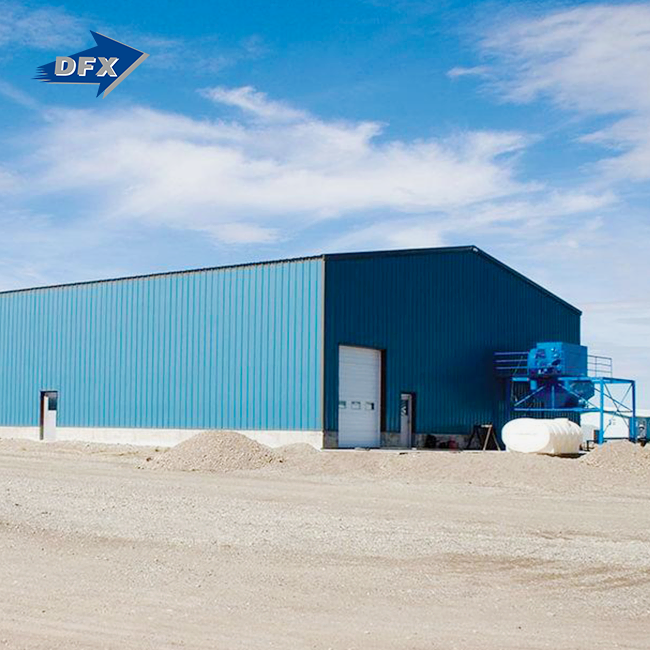
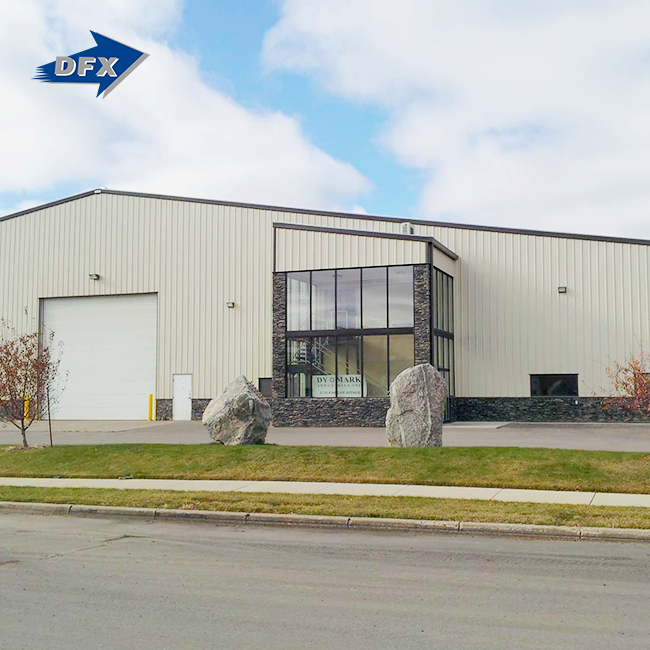
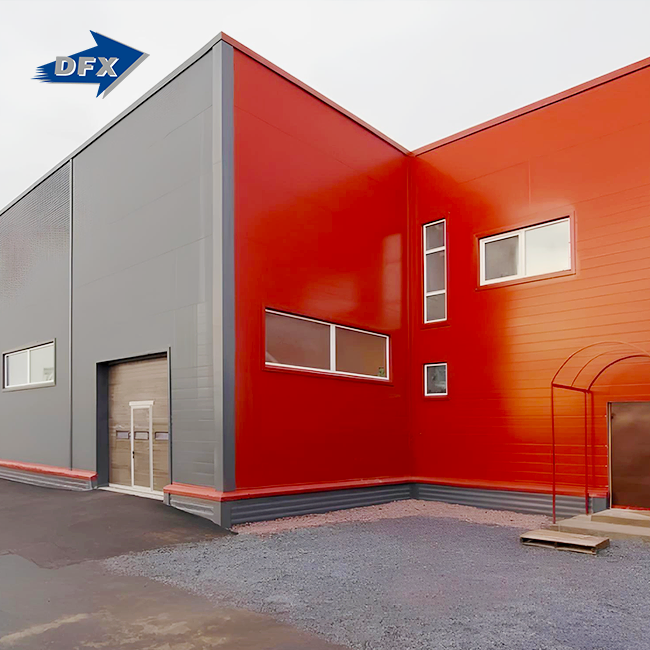
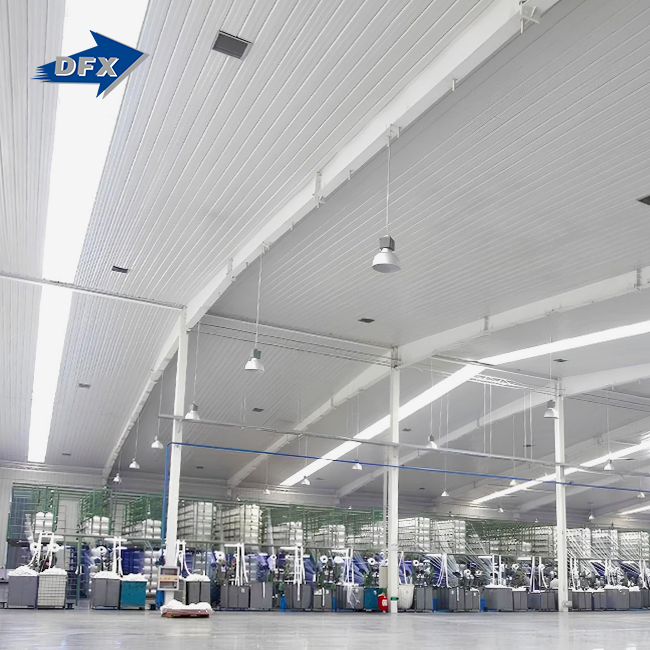
When it comes to Best Steel Structures for Textile Raw Material Warehouse Projects, modular prefabricated steel storage buildings stand out as the optimal choice for construction contractors, manufacturing companies, and infrastructure developers across the United States. A Textile Raw Material Warehouse demands specialized infrastructure to protect sensitive fiber inputs—cotton, wool, synthetic polymer chips, yarns, and dyeing auxiliaries—from moisture, contamination, and environmental degradation. Steel structures engineered with H-beam primary frames, galvanized C/Z purlins, and advanced bracing systems deliver the durability, climate adaptability, and scalability that textile supply chains require to maintain material integrity and operational efficiency.

Introduction
The way textile supply lines store raw materials has changed because of steel buildings. The textile industry has its own problems. Cotton fibers, for example, absorb water quickly, synthetic chips break down in low humidity, and variations in dye lots require careful inventory separation. Traditional buildings made of concrete don't always have the speed and freedom that modern textile businesses need.
This is exactly what modular prefabricated steel buildings are meant to do. We at Qingdao Director Steel Structure Co., Ltd. have been making things for 12 years, so we know a lot about what Textile Raw Material Warehouse storage really needs. Steel solutions are being used more and more by project managers and procurement directors in construction companies, EPC contractors, and manufacturing facilities because they are faster to build, more durable, and come in a variety of styles that can be used with both manual and automated inventory systems.
A well-done steel warehouse project designed for textile raw materials strengthens the supply chain, cuts down on product waste through proper climate control, and increases the long-term value of an asset by requiring little upkeep. This guide shows you the important things to think about, design features to look for, and buying strategies that will help your Textile Raw Material Warehouse project succeed.
Understanding Steel Structures in Textile Raw Material Warehousing
What Makes Steel Structures Ideal for Textile Storage
Prefabricated steel warehouses are very different from regular buildings made of stone or concrete. Steel parts are made in controlled factories—our plant has six automatic welded H-beam production lines that make about 20,000 tons of steel every year—and then they are brought to the job site and put together. Compared to traditional methods, this method cuts building time by up to 40%, which is a huge benefit for textile companies that need to quickly increase production capacity to meet demand.
Steel buildings can hold a lot of weight and have long clear spans because they don't have any internal beams. Textile Raw Material Warehouses benefit a lot from this feature because clear floor space allows forklifts to move around efficiently, makes FIFO (First-In, First-Out) inventory rotation easier, and stops dead stock from building up, which causes materials to turn yellow and quality to drop.
Types of Steel Building Systems for Textile Applications
For normal textile storage needs, pre-engineered buildings (PEBs) are the most cost-effective option. Standardized parts that can be changed to fit different sizes and loads are used in these systems. Modular steel buildings are even more adaptable because they can be expanded in stages as storage needs increase. This is especially helpful for manufacturing companies that need to increase their production capacity.
Steel frames are combined with special insulation panels and climate control systems in hybrid designs. Our two sandwich panel production lines make 50,000 square meters of thermal barriers every year. These are needed to keep the relative humidity between 55 and 65% for cotton or below 40 percent for synthetic polymer chips to keep them from breaking down. Choosing the right method for your Textile Raw Material Warehouse, storage needs, and expected future growth is a key part of successful buying.
Key Features and Design Considerations for Textile Raw Material Warehouses
Climate Control Architecture
Different environmental conditions make textile raw materials behave in different ways. Below 55% relative humidity, cotton fibers lose their strength and become brittle. On the other hand, too much moisture makes mildew grow. The problems with synthetic materials are the opposite. For example, high humidity causes hydrolysis during melting, which lowers the quality of the yarn.
Modern HVAC systems can be installed more easily in steel buildings than in concrete ones. During the planning phase, our engineering teams figure out how much weight roof-mounted climate control units can hold. This way, structural support isn't forgotten. When our manufactured sandwich panels are properly insulated, they create thermal envelopes that lower energy use by 30–35% compared to metal buildings that aren't insulated. This has a direct effect on the facility's operational costs over its 30–40-year lifespan.
Fire Safety and Compliance Standards
Textile Raw Material Warehouse facilities are very likely to catch fire because of the loose fibers and dust that build up. Steel buildings naturally fight fire better than wooden ones, but more is needed for complete safety. We design warehouses that meet NFPA standards for Class III and Class IV goods and include structural features for Early Suppression Fast Response (ESFR) sprinkler systems.
Because these suppression systems need to support more weight and pipes, our galvanized C/Z purlins and bracing systems are made to meet those needs. Following ISO9001, CE certification, and the optional EN1098 standards makes sure that textile warehouse projects meet strict European and American legal systems. This protects both the safety of the materials and the people who work with them.
Storage Layout Optimization
Physical damage that lowers the quality of textiles can be avoided by organizing the space well. When fabric rolls are kept incorrectly, pressure lines and ovalization appear, which make it hard to spread and cut the fabric evenly. Our architectural design service uses special racking systems to make plans that keep materials safe. For example, cantilever racks are used for long rolls, and cage boxes are used for loose yarn cones.
Workflows are streamlined by setting aside areas for incoming inspection, bulk storage, order picking, and shipping. Purchasing managers look at steel structure suppliers and tell the difference between those that offer complete turnkey solutions and those that only sell structural parts by seeing if they can offer combined plan design, along with manufacturing for your Textile Raw Material Warehouse.
Best Practices for Managing Textile Raw Material Warehouses with Steel Structures
Inventory Control Integration
Managing Textile Raw Material Warehouse inventory is more complicated than just storing it. Dye-lot changes mean that even if two rolls of fabric look the same, they may have small color differences that stand out in finished clothes. Warehouse management systems (WMS) need to keep track of batch numbers and pick items in a way that doesn't mix lots.
These systems work well in steel warehouses that are set up with barcode reading stations, quality control inspection areas, and climate-controlled storage areas. The steel construction and open floor plans make it possible to change the layout easily as inventory management technologies change. This protects your technology investment from becoming useless over time.
Material Handling Efficiency
Textile raw materials have a wide range of weight-to-volume ratios. Each cotton bale weighs 200 to 250 kilograms, but they need to be stacked carefully to keep them from getting damaged by compression. On the other hand, loose synthetic fibers take up a lot of space but don't weigh much. Modern automated guided vehicles (AGVs) and overhead crane systems can be used in steel buildings to make the best use of material flow for all of these different handling needs.
During the construction phase, our structural engineering calculations take into account the moving loads from the tools used to move things. By being proactive, this method avoids the need for expensive structure reinforcements that happen when a Textile Raw Material Warehouse does not plan well for how they will actually work.
Automation Readiness
Automated storage and retrieval systems (AS/RS) make textile warehouses more efficient by cutting down on picking mistakes and labor costs while keeping the environment under tight control. Steel structures give these systems the precise measurements and structural rigidity they need. The success of an automation system is affected by floor flatness tolerances, vertical column alignment, and roof displacement limits.
We use advanced CNC equipment to make parts with very tight tolerances. This makes sure that your steel structure can handle human work now and will still work with future investments in automation. This approach looks to the future and protects decisions about capital expenditures for your Textile Raw Material Warehouse from sudden changes in the industry.
Comparing Steel Structure Solutions for Textile Raw Material Warehouses
Design Economics and ROI Analysis
Purchasing managers who are looking at different steel structure options see prices that vary. This is because different design ideas lead to different pricing. Pre-engineered houses are cheaper up front, which makes them a good choice for simple storage needs. Custom-designed solutions may be worth the extra cost, though, for textile uses that need unique temperature control, fire suppression, and material handling systems.
Our project-based construction method lets us keep costs low throughout the whole span of a building. A thorough study looks at not only the cost of steel tons, but also how well insulation works, how much energy is used, how often maintenance is needed, and how flexible the structure is when it comes to growth. Over 20 years, steel structures usually have a 20–25% lower total cost of ownership than concrete ones for a Textile Raw Material Warehouse.
Climate Control System Integration
Standard building plans don't give temperature control much thought, which means that systems don't work well and the environment isn't even. HVAC is built into textile-specific designs from the very beginning, with air handling units placed to make even zones of humidity and temperature. During fabrication, our engineering team coordinates the paths of ductwork, electrical wiring, and structural support. This keeps projects from being held up by field conflicts that cost more and take longer to finish.
Climate-controlled steel warehouses cut down on material waste by a huge amount. Industry data shows that cotton stays good for 12 to 18 months when stored properly, but only 6 to 9 months when stored in an uncontrolled environment. This longer useful life has a direct effect on buying tactics because it lets people buy in bulk and get discounts without having to worry about Textile Raw Material Warehouse quality.
Supplier Capabilities Assessment
When judging steel structure suppliers, you need to look at more than just price quotes. Can the supplier give me structural calculations that follow the rules in my area? Do they help with the practicalities of shipping goods across borders and clearing customs? Will they help your chosen worker with building by giving them instructions?
The quality control methods at Qingdao Director Steel Structure are ISO9001-certified, and the company sells CE-certified goods that meet international standards. With more than 200 trained workers and 40,000 square meters of production space, we can handle large-scale Textile Raw Material Warehouse projects while still keeping the quality control that applications need. We help our clients with every step of a project, from engineering estimates to fabrication, shipping arrangements, and on-site installation.
How to Procure and Implement Steel Structure Warehouses for Textile Raw Materials?
Supplier Selection Criteria
The success of a project depends on picking the right steel building partner. Certifications prove the quality of the manufacturing process. For example, ISO9001 makes sure that processes are consistent, and CE marking proves that products meet European safety standards. Delivery delays that mess up building plans can be avoided by checking the production capacity.
Check the supplier's experience with Textile Raw Material Warehouse needs in addition to certifications. Have they planned for climate control to work with the structure? Can they fit special devices for putting out fires? Do they know how the loading patterns that textiles make work? Suppliers who have worked in a cloth warehouse before can give you useful information that can help you avoid costly design mistakes.
Project Timeline Management
Getting a steel structure is a set process that includes engineering design, fabrication, shipping, and installation. The design and construction of a 5,000-square-meter warehouse usually takes 8–12 weeks. Shipping takes another 4–6 weeks, depending on where it's going, and then it takes another 3–4 weeks to set up on-site. Knowing about these stages helps project managers plan when to do things like lay the base, install utilities, and schedule contractors.
When you use project-based manufacturing, production starts after you approve the plan and receive the deposit. 4-5 months before the project's due date, procurement managers should start talking to suppliers. This gives enough time for design changes, approvals, and production without having to make hasty decisions that hurt the quality of the Textile Raw Material Warehouse project.
Installation and Commissioning Support
Usually, steel structures come in pieces that need to be put together by a skilled professional. Our erection guidance services help workers with quality checks, bolt-up routines, and ensure the structure is within tolerances. This help is especially useful when local builders don't have a lot of experience working with steel.
After installation, commissioning procedures check the structure's strength, the performance of the climate system, and the functionality of the safety system before storing materials starts. We offer care plans that include inspection dates, touch-ups for coatings, and re-torquing of fasteners to keep the Textile Raw Material Warehouse working well for as long as the building is used.
Conclusion
Steel structures are the best choice for Textile Raw Material Warehouse projects because they are better at controlling temperature, can be built quickly, and save money over their entire life. Modular prefabricated designs made with H-beam frames and galvanized C/Z purlins give textile materials the structural integrity they need while also meeting specific needs like controlling humidity, putting out fires, and automating material handling. To be successful at procurement, you need to choose providers that offer full engineering help, certified quality systems, and design knowledge with textiles. Construction contractors, manufacturing companies, and EPC firms across the US can improve supply chain performance and protect long-term asset value by understanding the unique problems textile raw materials pose and choosing steel structures that are designed to handle those problems.
FAQ
Q1: Why do steel structures outperform concrete buildings for textile warehouses?
When it comes to storing textiles, steel houses have three clear benefits. Construction speed is 40–50% faster than concrete, so textile companies don't have to wait as long to increase capacity. Steel is naturally flexible, which makes it easier to add bays or make the building taller in the future without having to do the destructive removal work that is needed for concrete changes. Steel structures are better than concrete at meeting the needs of specialized HVAC, fire suppression, and material handling systems in a Textile Raw Material Warehouse. This lowers the cost of installation and improves system performance.
Q2: How do climate control systems preserve textile raw material quality?
Controlling the surroundings very carefully stops the damage that happens because of moisture and warmth that weakens textiles. Integrated HVAC systems keep the relative humidity levels that different materials need, like cotton at 55–65% and synthetic chips below 40%. This keeps the materials from becoming brittle, breaking down, and mildew growing. Stability at room temperature keeps white goods from turning yellow and stops static electricity from building up in synthetic fibers. Insulation and vapor barriers are built into a properly designed Textile Raw Material Warehouse so that these systems work well.
Q3: Can steel warehouses grow with a business?
Phased growth is built into modular steel buildings by design. During the initial stages of construction, base plans and structural connection points can be included so that adding storage bays can be done without stopping current activities. During the planning phase, our engineering team designs ways for future additions to fit in with the existing buildings. This makes sure that future additions for your Textile Raw Material Warehouse don't affect the climate control and meet new building codes.
Partner with a Proven Textile Warehouse Steel Structure Manufacturer
Your problems with storing textile raw materials should have answers that are designed to meet the unique needs of preserving fibers, yarn, and fabrics. Qingdao Director Steel Structure Co., Ltd. has been making specialized products for 12 years and offers a full range of services, including engineering calculations, fabrication, logistics coordination, and help with setting up structures. Our production facilities are ISO9001-certified, and our products are CE-marked, which gives purchasing managers and engineering directors the quality guarantee they need. Our modular prefabricated method also speeds up project timelines, which helps keep manufacturing growth on track.
Our knowledge of climate-controlled steel structures protects your material investments and operational efficiency, whether you're an EPC contractor overseeing the construction of an industrial warehouse or a textile manufacturer adding more Textile Raw Material Warehouse space. Email jason@bigdirector.com to talk to our engineering team about your specific project needs. We'll give you personalized design suggestions, thorough cost analyses, and timetable forecasts that will help you make confident purchasing decisions.
References
1. American Institute of Steel Construction. (2021). Steel Construction Manual: Design Specifications for Structural Steel Buildings. Chicago: AISC Publications.
2. National Fire Protection Association. (2020). NFPA 230: Standard for the Fire Protection of Storage. Quincy: NFPA Press.
3. Textile Institute. (2019). Warehouse Management for Textile Materials: Best Practices for Storage and Preservation. Manchester: Textile Institute Publishing.
4. Metal Building Manufacturers Association. (2022). Pre-Engineered Metal Building Systems: Design Guide for Industrial Applications. Cleveland: MBMA Technical Publications.
5. International Organization for Standardization. (2021). ISO 9001:2015 Quality Management Systems: Requirements for Manufacturing Excellence. Geneva: ISO Standards Catalog.
6. Construction Specifications Institute. (2020). MasterFormat Division 13: Special Construction—Pre-Engineered Structures. Alexandria: CSI Publications.
Learn about our latest products and discounts through SMS or email