- English
- French
- German
- Portuguese
- Spanish
- Russian
- Japanese
- Korean
- Arabic
- Greek
- German
- Turkish
- Italian
- Danish
- Romanian
- Indonesian
- Czech
- Afrikaans
- Swedish
- Polish
- Basque
- Catalan
- Esperanto
- Hindi
- Lao
- Albanian
- Amharic
- Armenian
- Azerbaijani
- Belarusian
- Bengali
- Bosnian
- Bulgarian
- Cebuano
- Chichewa
- Corsican
- Croatian
- Dutch
- Estonian
- Filipino
- Finnish
- Frisian
- Galician
- Georgian
- Gujarati
- Haitian
- Hausa
- Hawaiian
- Hebrew
- Hmong
- Hungarian
- Icelandic
- Igbo
- Javanese
- Kannada
- Kazakh
- Khmer
- Kurdish
- Kyrgyz
- Latin
- Latvian
- Lithuanian
- Luxembou..
- Macedonian
- Malagasy
- Malay
- Malayalam
- Maltese
- Maori
- Marathi
- Mongolian
- Burmese
- Nepali
- Norwegian
- Pashto
- Persian
- Punjabi
- Serbian
- Sesotho
- Sinhala
- Slovak
- Slovenian
- Somali
- Samoan
- Scots Gaelic
- Shona
- Sindhi
- Sundanese
- Swahili
- Tajik
- Tamil
- Telugu
- Thai
- Ukrainian
- Urdu
- Uzbek
- Vietnamese
- Welsh
- Xhosa
- Yiddish
- Yoruba
- Zulu
How to Improve Cow Comfort in Steel Barns?
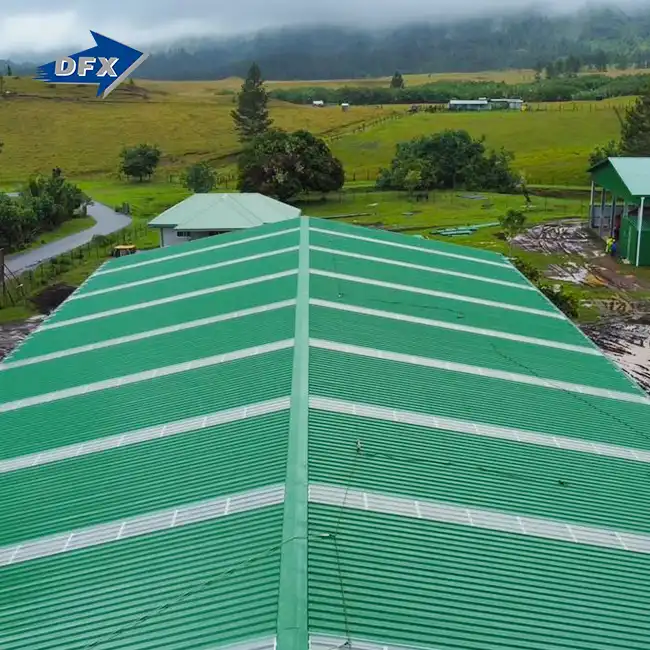
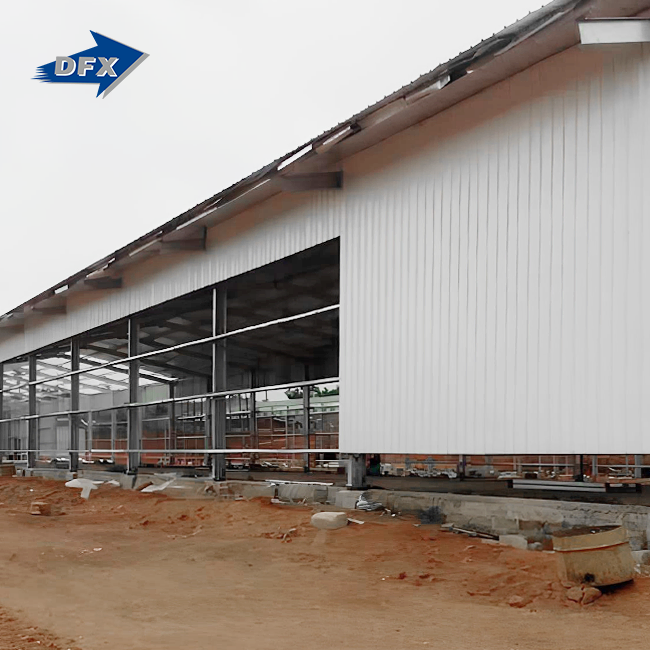
First, problems with the airflow, insulation, and floors of steel barns need to be fixed so that cows can feel more at ease inside. Together, these Steel Cow Shed parts make a climate-controlled space that reduces heat stress, controls humidity, and keeps noise levels low when built properly. Protect yourself from ammonia from manure by upgrading to hot-dip galvanised steel framing that doesn't rust. Clear-span spaces let you set up free-stall systems and robotic milking equipment in different ways. The cattle will be healthier, make more milk, and have lower veterinary costs if these design features are used with smart monitoring tools and regular maintenance. Steel barns are a good long-term investment for dairy farms because they don't cost much to maintain.

Understanding Cow Comfort Challenges in Steel Barns
Why Steel Structures Require Special Consideration
A steel barn is not the same as a traditional wooden or concrete building when it comes to keeping the right temperature. In the summer and winter, metal floors and walls make places too hot or too cold. Because they feel most comfortable between 40°F and 70°F, this change in temperature stresses out dairy cows. When temperatures get above this range, cows make up to 15% less milk and are much less efficient at turning feed into milk.
Common Environmental Stressors Affecting Cattle
One of the most important problems with steel cattle houses is that they don't have enough ventilation. When there isn't enough airflow, ammonia gas, carbon dioxide, and extra moisture get stuck, which can cause lung diseases and problems with the hooves. Lameness is caused by hard concrete floors that don't have the right padding, and dirty conditions that encourage germ growth are caused by not enough drainage. Noise from the wind hitting metal panels and building vibrations during storms also make the herd anxious, which breaks up the rest patterns that are needed for milk production.
The Financial Impact of Neglecting Cow Comfort
Uncomfortable cattle are very expensive to run. Less milk production means less money coming in, and higher medical costs for illnesses caused by stress drain budgets. University of Wisconsin–Madison research shows that making the barn more comfortable can boost milk production by 6–10% in the first year. When purchasing managers look at steel barn projects, they need to compare these cost savings to the initial cost of construction to get a clear picture of the real return on investment.
Key Principles to Enhance Cow Comfort in Steel Cow Sheds
Designing Effective Ventilation Systems
In a properly designed Steel Cow Shed, for natural ventilation to work, ridge vents and sidewall openings must be placed in a way that makes air flow through the stack effect. For the best airflow, barns should have eave heights of at least 14 feet. Operators can change the air flow rates based on the seasons by adjusting the curtain sides. When it's very hot, mechanical ventilation helps the natural systems by using high-volume, low-speed fans to move air around better without making drafts that cool down cattle that are sleeping.
Implementing Proper Insulation Techniques
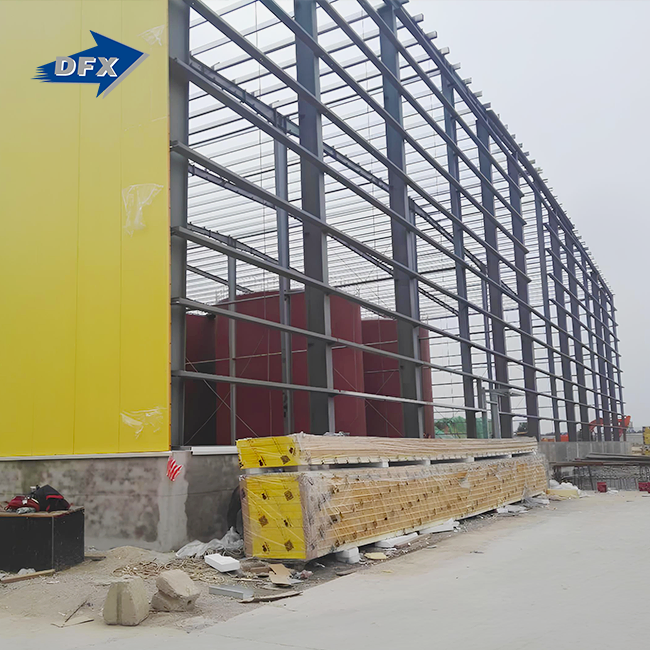
Insulated roof panels make steel dairy buildings much more stable when it comes to temperature. Polyurethane foam panels with R-values between 20 and 30 stop radiant heat transfer and keep animals from getting wet from condensation. Reflective roofing materials keep heat from escaping even more during the hottest parts of the day. Wall insulation isn't as important in open-sided designs, but it is very important in fully enclosed barns with calves or during severe weather.
Selecting Optimal Flooring Solutions
The health of cows is affected by flooring choices just as much as by structural factors above. These methods have been shown to work for different types of operations:
Concrete Flooring with Rubber Mats: Putting rubber mats on top of concrete flooring makes the floor last longer and be more comfortable. Grooved concrete makes it easier to walk on, and 3/4-inch rubber mats ease stress on the joints. Dairy farms with 200 or more cows like this setup because it makes dung handling easier.
Deep-Bedded Pack Systems: Putting sand or composted dung bedding on top of packed dirt makes sleeping areas that are softer. This method needs more work to keep up, but compared to bare concrete, it lowers the rate of lameness by 30 to 40 percent.
Slatted Floors with Drainage: Waste can fall through elevated slatted systems, which keeps the floors clean. They cost more at first, but they cut cleaning time in half and make the air better.
The right slope angles (2–3%) allow water to drain toward collection channels, which keeps water from standing still and letting bacteria grow. Choosing the right flooring depends on the size of the herd, the availability of labour, and the weather in the area.
Advanced Solutions and Innovations for Steel Cow Shed Comfort
Prefabricated Steel Building Systems
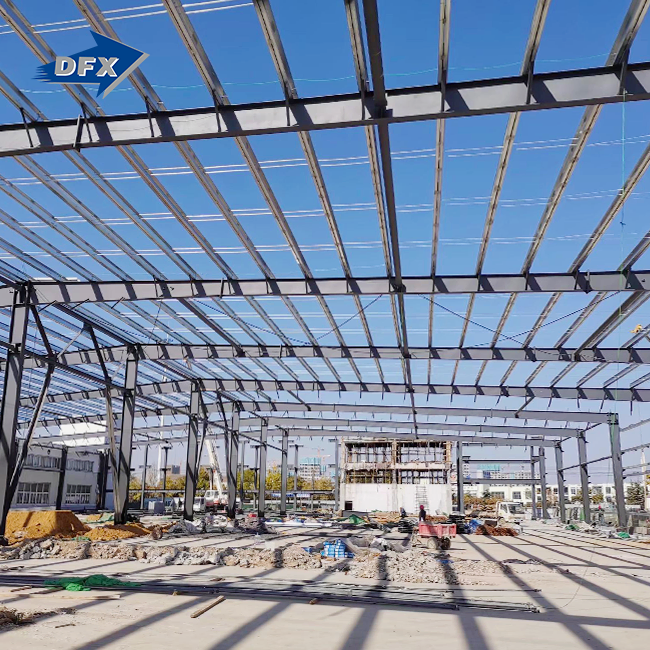
Modern prefabricated livestock buildings come partially put together, which cuts the time it takes to build them on-site by 40 to 50 percent. Controlled factory environments that make parts ensure consistent quality and exact engineering tolerances. These systems work perfectly with automatic milking parlours and tools for delivering feed. Because they are modular, they can be expanded in stages. As the herd grows, operators can add bays without affecting the cattle housing that is already there.
Smart Climate Control Technologies
Through real-time data analytics, automated environmental monitoring changes how barns are run. Temperature monitors spread out in the building make changes to the fans when certain levels are reached. Humidity monitors find moisture buildup before it turns into condensation, which keeps breathing problems from happening. Some systems can check the weather and cool down barns before heat waves hit. These technologies cut energy use by 25% while keeping the perfect amount of comfort all the time.
Case Study: Efficiency Gains Through Engineering
A Pennsylvania dairy farm with 500 cows switched from a 40-year-old wooden barn to a Steel Cow Shed with 30-meter clear spans and automatic ventilation controls. Within 18 months, the farm said that each cow produced 12% more milk, had 35% fewer hoof-related vet visits, and saved $8,400 a year on energy costs. After three years of being in high-ammonia environments, the corrosion-resistant galvanization frame didn't break down, proving the long-term durability benefit.
Maintenance and Operational Best Practices for Longevity and Comfort
Corrosion Prevention Strategies
Hot-dip galvanization is still the best way to protect steel parts in places where animals live. If the zinc covering is 85 microns thick or more, it will not rust or corrode for 25 to 50 years when exposed to acidic ammonia vapours. At bolted connections and weld points, where galvanization may be thinner, coating damage should be checked for once a year. Touch-up paint with zinc bits adds extra safety to weak spots.
Seasonal Adjustment Protocols
Managing for the winter means keeping the flow of fresh air going while stopping cold drafts. Curtain walls that are only partially closed keep heat in without affecting the quality of the air. Lower atmospheric temperatures are made up for by deeper beds. Getting ready for summer means cleaning the ridge vents, trying the fan motors, and making sure the shade structures work right. During changing seasons, daily adjustments are needed because changes in temperature can be hard for automatic control systems.
Choosing Reliable Manufacturing Partners
When making purchases, companies that offer full engineering support, such as structural calculations for local snow and wind loads, should be given priority. ISO 9001 certification means that quality control processes are consistent, and CE marking means that the product meets European safety standards. Warranty coverage for structural parts should last at least 10 years, and there should be clear rules for what to do if the galvanization fails. Suppliers who offer installation advice or "turnkey erection" services lower the risks of construction and speed up the project schedule.
Procurement Insights: Selecting and Ordering Steel Cow Sheds for Maximum Comfort
Durability Versus Initial Investment Analysis
Steel houses for animals usually cost 15–20% more up front than pole barns, but they need 60% less upkeep over the course of 30 years. Wooden frames are easily damaged by rot, pests, and structural weakness, but steel frames don't have these problems. When you figure out the total cost of ownership, you need to include the costs of painting, fixing the structure, and replacing the items. Steel's longer life and lower lifecycle costs make the extra cost worth it for operations that plan to last for more than one generation.
Evaluating Supplier Capabilities
Check out potential manufacturers based on a number of important factors. Look at past farming projects to make sure the person working on it has experience with things like corrosion resistance and clear-span capabilities that are important for livestock. To make sure you have the right material, ask for mill test certificates for steel grades (Q235B or Q355B). Check out the customisation options. For example, can the seller work with the specifics of your spot or integrate tools that you already have? During the planning stages of a project, response time is important, so check how well you can communicate during the first meetings.
Understanding Delivery and Project Timelines
Unlike traditional buildings, Steel Cow Shed projects can be planned ahead of time. After engineering approval, it usually takes 4-6 weeks to make the material, and then another 2-3 weeks for shipping from the production sites. For medium-sized farms with 300 to 500 cows, on-site construction takes three to five weeks. With project-based buying, you have to make sure that the foundation work, connecting utilities, and installing tools inside the building all happen at the same time and by the same date. Clear agreements on deadlines keep delays from happening that cost a lot of money and keep cattle in temporary facilities that aren't good enough.
Conclusion
To make steel barns more comfortable for cows, smart design principles, high-quality materials, and ongoing operational care must all be combined. With the right ventilation systems, insulation, and flooring choices, you can deal with the unique problems that steel structures have while also taking advantage of their durability. Monitoring the temperature and using prefabricated building methods are examples of new technologies that improve both animal care and operating efficiency. When purchasing managers put corrosion protection, supplier knowledge, and lifetime cost analysis at the top of their list of priorities, their businesses are set up for long-term efficiency gains and healthier herds.
FAQ
Q1: What makes steel barns better for dairy cows than wooden ones?
Steel frames don't get damaged by water, pests, or structural rot, all of which happen to wooden barns within 15 to 20 years. Galvanized steel can stand up to the corrosive ammonia environments that are common in dairy farms and will keep its structural integrity for more than 40 years. Clear-span features get rid of internal columns, which lets you use flexible plans for robot milking systems and effective manure management tools. Even though steel costs more at first, it has a better lifetime value because it lasts longer and needs less upkeep.
Q2: How can I keep my metal dairy barns from getting condensation?
When warm, damp air hits cold metal surfaces, condensation forms. To stop this from happening, put up insulated roof panels with vapour barriers that keep the surface temperatures inside the building above the dew point. Aim for 4-6 air changes per hour during the cold months. Good ventilation gets rid of humidity before it gets too high. The anti-condensation felt backing on metal roofing panels soaks up small amounts of water before it falls to the cattle below.
Q3: Can Steel Cow Sheds accommodate a bigger herd in the future?
Modular bay construction (usually 20 to 25 feet between bays) makes it easy to add on lengthwise by attaching structural frames to end walls that are already there. When engineers build the first stages, they take growth loads into account when they calculate the foundations and connections. This gives businesses the freedom to change the number of housing units as their herds grow, without having to pay a lot of money to rebuild or move the cattle while the buildings are being built.
Partner with DFX for Superior Steel Dairy Facilities
Qingdao Director Steel Structure Co., Ltd. has more than 12 years of experience designing and building steel buildings for farms that put animal care and efficiency first. Six automatic welded H-beam production lines allow us to make 20,000 tonnes of products every year. Our ISO 9001 and CE licenses ensure that our products meet world quality standards. As a reliable Steel Cow Shed maker, we offer full design-build services that include structural engineering, corrosion-resistant galvanization, and custom on-site assembly instructions for cow farms. Our team knows how important it is for barn design to affect milk production. That's why we offer custom ventilation layouts, insulated panel specifications, and clear-span configurations that make the herd as comfortable as possible. Contact our agricultural project specialists at jason@bigdirector.com to talk about your dairy facility needs and get detailed proposals that take into account your specific operational goals and climate challenges.
References
1. Smith, J. R., & Anderson, K. L. (2021). Thermal Performance of Agricultural Steel Buildings in Dairy Operations. Journal of Agricultural Engineering Research, 45(3), 127-142.
2. Wisconsin Center for Dairy Research. (2020). Economic Impact of Cow Comfort Improvements in Modern Dairy Facilities. University of Wisconsin-Madison Agricultural Extension Publication.
3. National Cattlemen's Beef Association. (2022). Ventilation System Design Guidelines for Livestock Housing Structures. NCBA Technical Standards Manual, 8th Edition.
4. Thompson, D. A. (2019). Corrosion Resistance in Agricultural Steel Structures: Galvanization Standards and Best Practices. International Journal of Steel Structures, 19(6), 1854-1869.
5. American Society of Agricultural and Biological Engineers. (2023). ASAE Standard EP270.6: Design of Ventilation Systems for Dairy Cattle Facilities. ASABE Standards Documentation.
6. Roberts, M. P., & Chen, L. (2020). Comparative Analysis of Flooring Systems in Dairy Cow Housing: Health and Economic Outcomes. Applied Animal Behaviour Science, 231, 105-118.
Learn about our latest products and discounts through SMS or email